Enhancing categorization skills Science Worksheets for Ages 5-8
4 filtered results
-
From - To
Unlock young minds with our Science Worksheets designed to enhance categorization skills for children ages 5-8. These engaging materials encourage kids to observe, compare, and classify various objects and phenomena. Through fun and interactive activities, students develop critical thinking and problem-solving abilities. Ideal for budding scientists, our worksheets cover diverse topics, supporting learning Standards and fostering a love for science. Perfect for classroom use or at-home practice, these resources help build a solid foundation in scientific categorization, essential for future academic success. Explore our collection today to ignite curiosity and support effective learning!
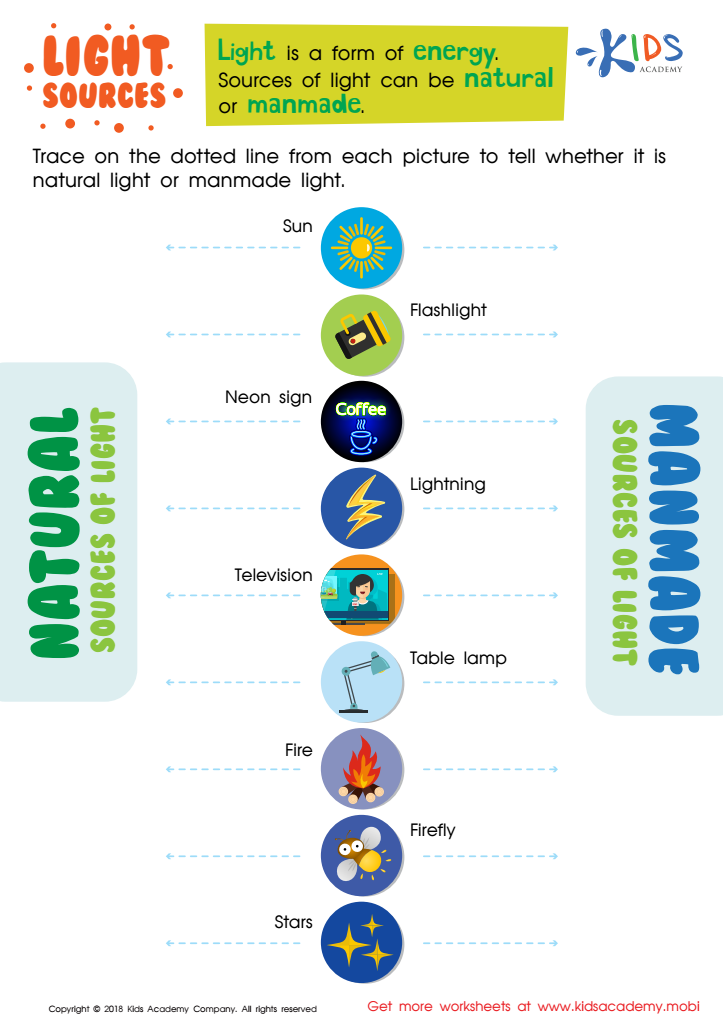
Natural and Manmade Light Sources Worksheet
 Assign to My Students
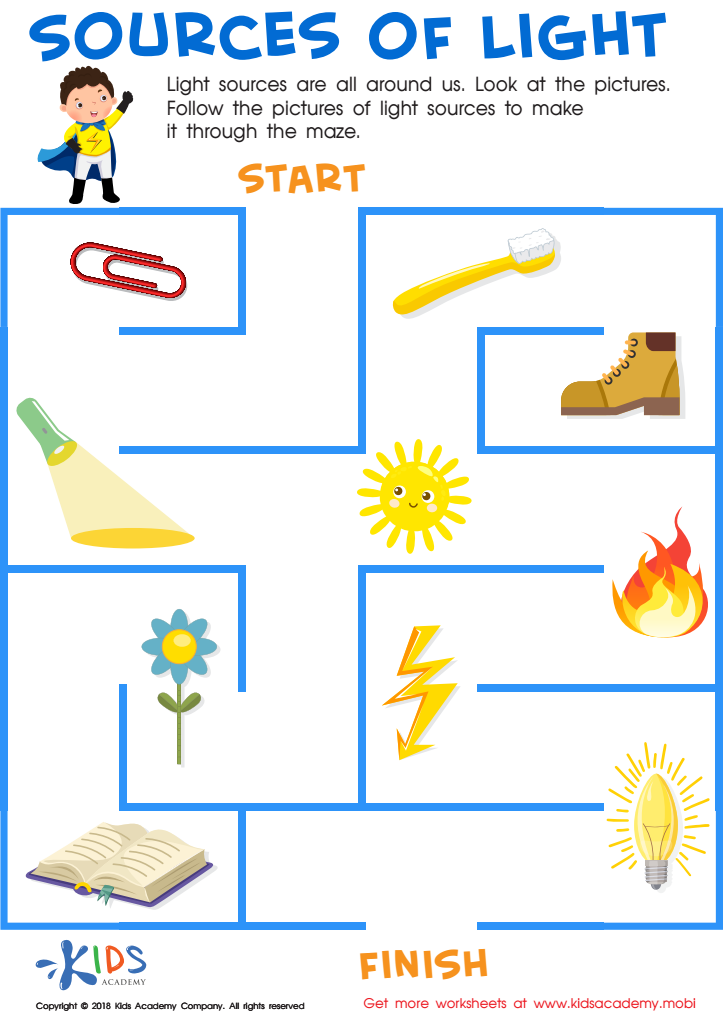
Sources of Light Worksheet
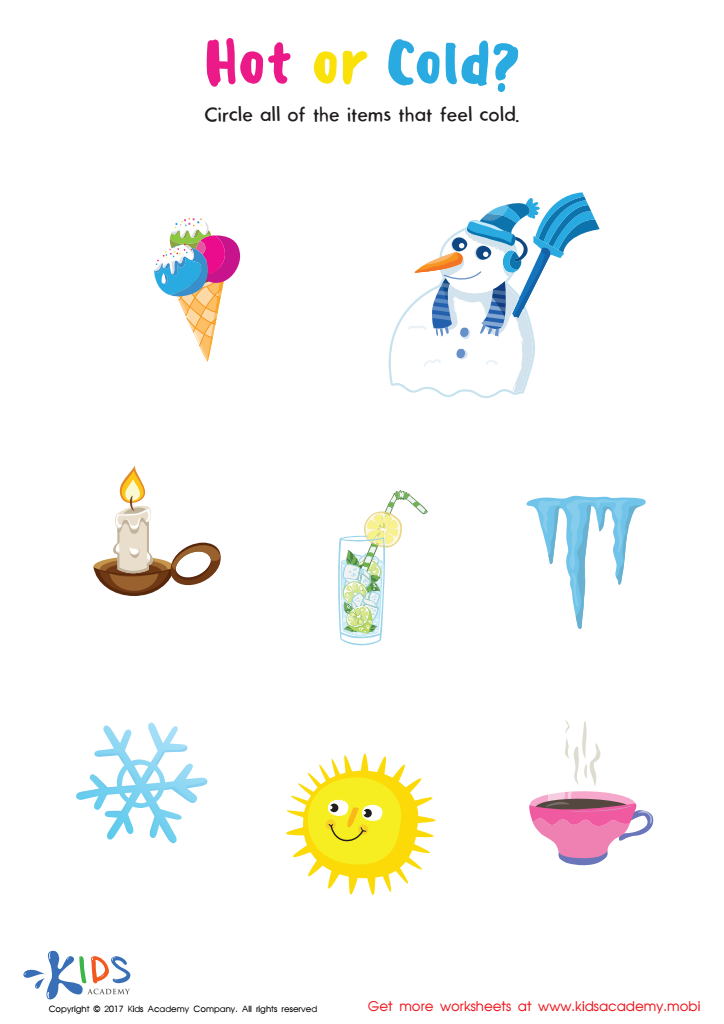
Hot or Cold Printable
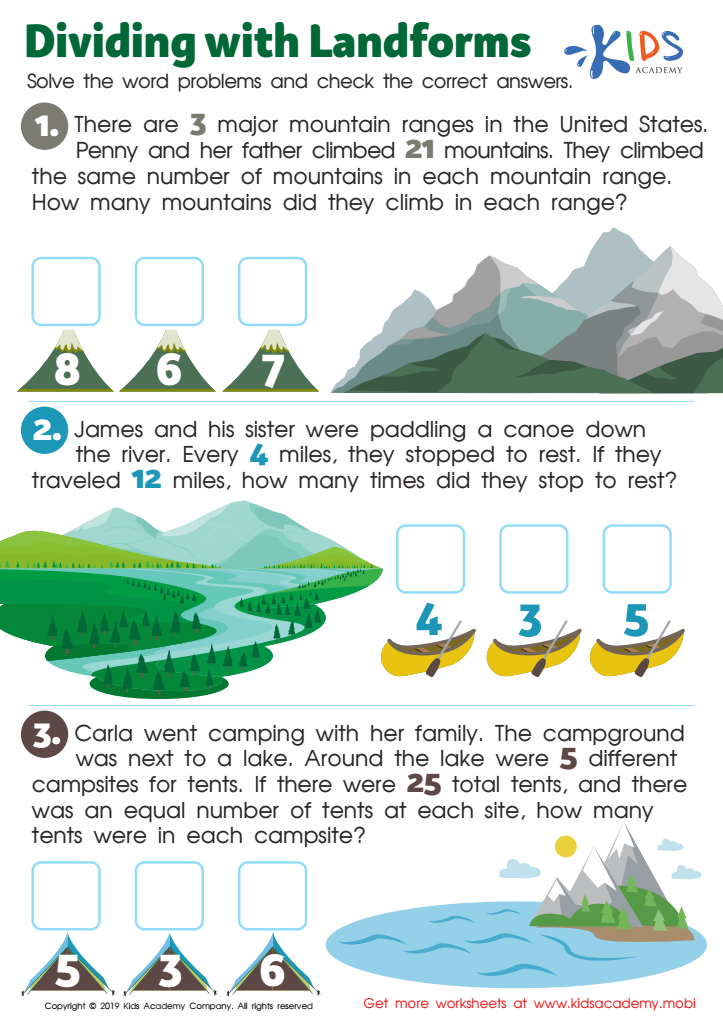
Dividing with Landforms






Enhancing categorization skills in science for children ages 5-8 is crucial for several reasons. At this stage, children's cognitive and observational abilities are rapidly developing. Categorization helps them make sense of the world by organizing information into understandable and relatable structures. This foundational skill nurtures critical thinking and problem-solving abilities.
When children learn to categorize objects, ideas, and phenomena in science, they begin to notice patterns, similarities, and differences, which are essential scientific skills. For example, grouping animals by habitat or sorting plants by type enhances their understanding of biological classification. This not only builds their science vocabulary but also sparks curiosity and a deeper interest in the natural world.
Moreover, categorization supports other academic skills, such as language development and math. Describing categories and their attributes enriches children's descriptive language and communication skills. Importantly, it also aids in mathematical thinking by setting the groundwork for sets, sorting, and classifying, which are fundamental in building number sense and early math concepts.
In summary, parents and teachers should prioritize enhancing categorization skills because it fortifies cognitive development, greatly enriches academic learning, and prepares young minds for complex scientific concepts. A strong grasp of categorization empowers children to explore, understand, and articulate their world more profoundly, fostering lifelong learning.







