Spatial awareness Physical Science Worksheets for Ages 5-8
4 filtered results
-
From - To
Enhance your child's learning with our Spatial Awareness Physical Science Worksheets designed specifically for ages 5-8! These engaging resources introduce young learners to essential spatial concepts, helping them understand how objects relate to one another in their environment. Each worksheet is crafted to reinforce ideas like shapes, distances, and directions through fun activities, hands-on exercises, and colorful visuals. Perfect for classroom use or home learning, these worksheets encourage critical thinking and problem-solving skills while making science captivating and accessible. Download our Spatial Awareness Physical Science Worksheets to inspire your child's curiosity and lay the foundation for future scientific learning today!
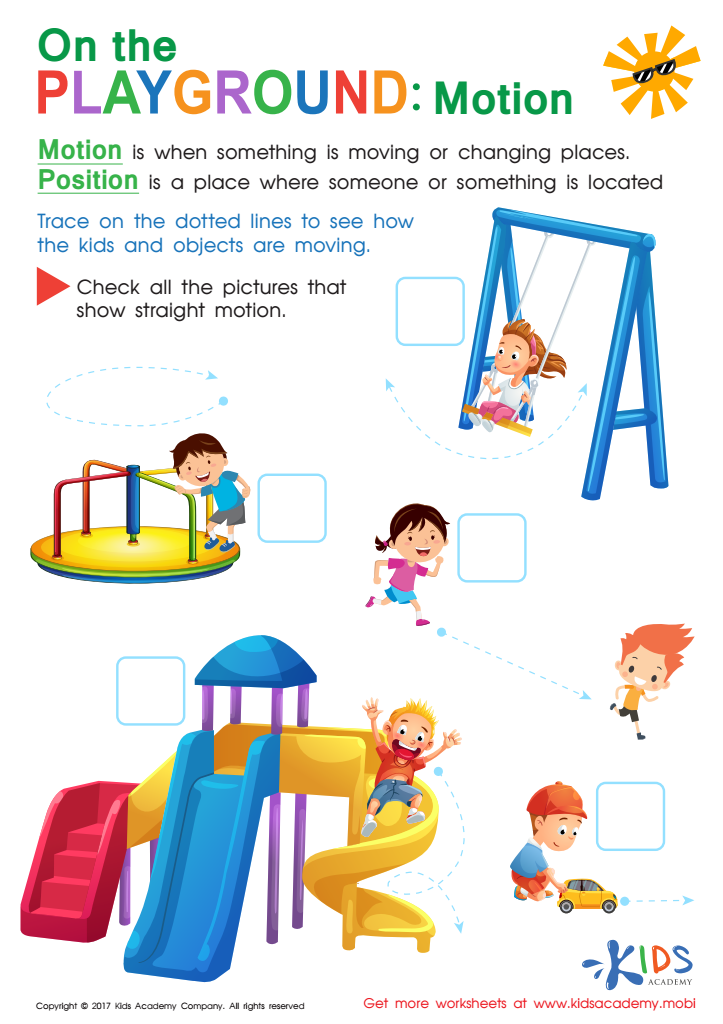
Position and Motion Worksheet
 Assign to My Students
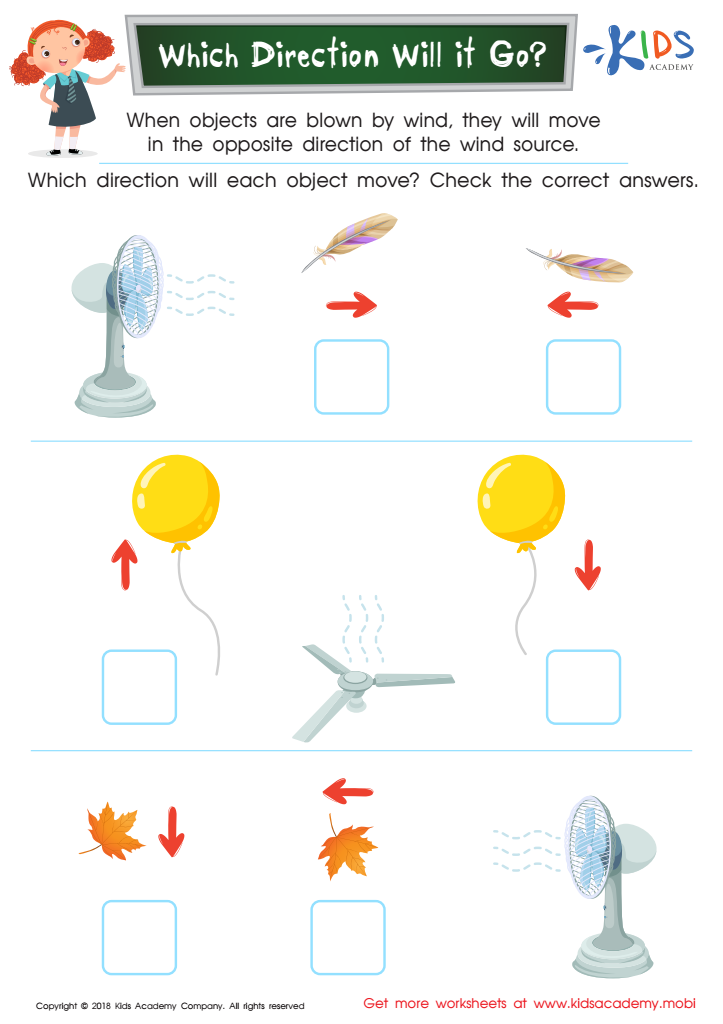
Which Direction Will it Go? Worksheet
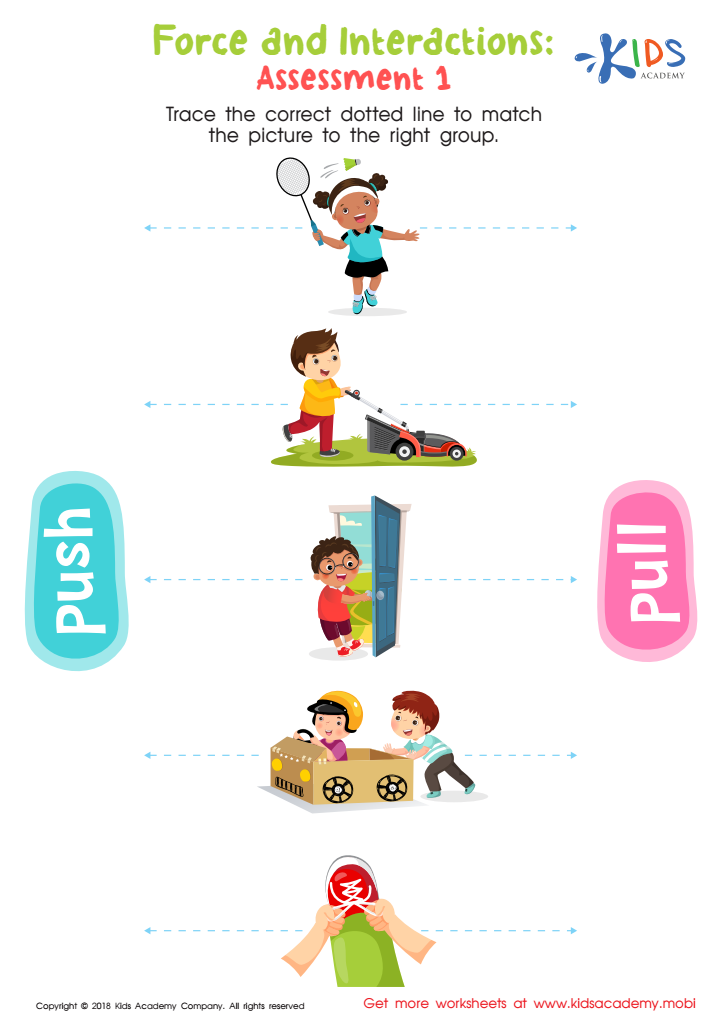
Force and Interactions: Assessment 2 Worksheet
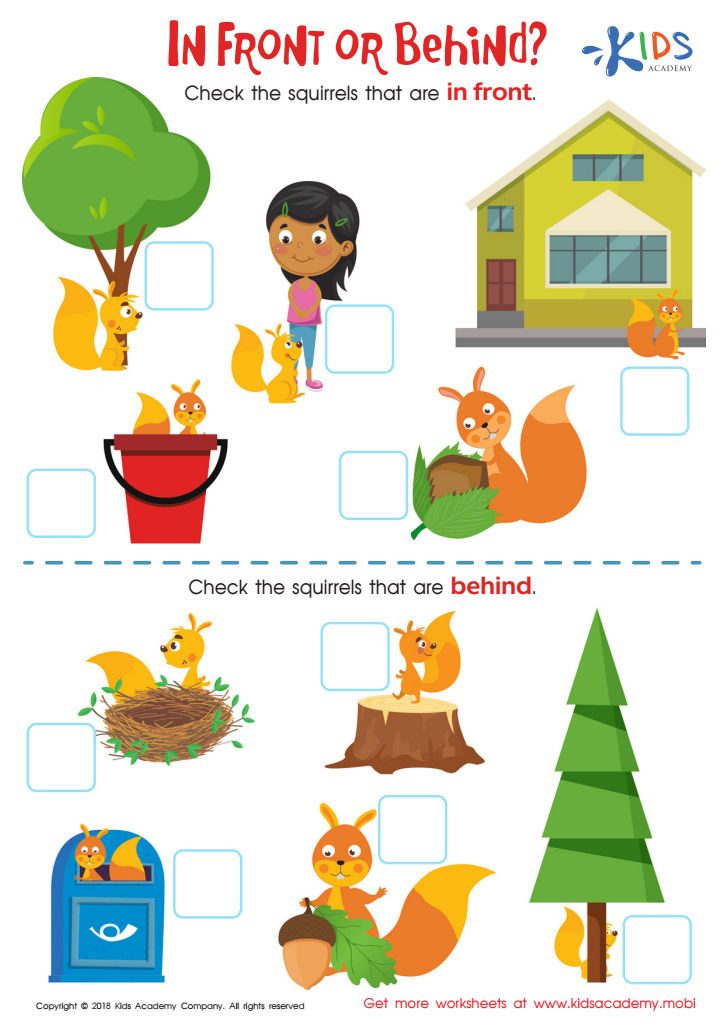
In Front or Behind: Part 2 Worksheet







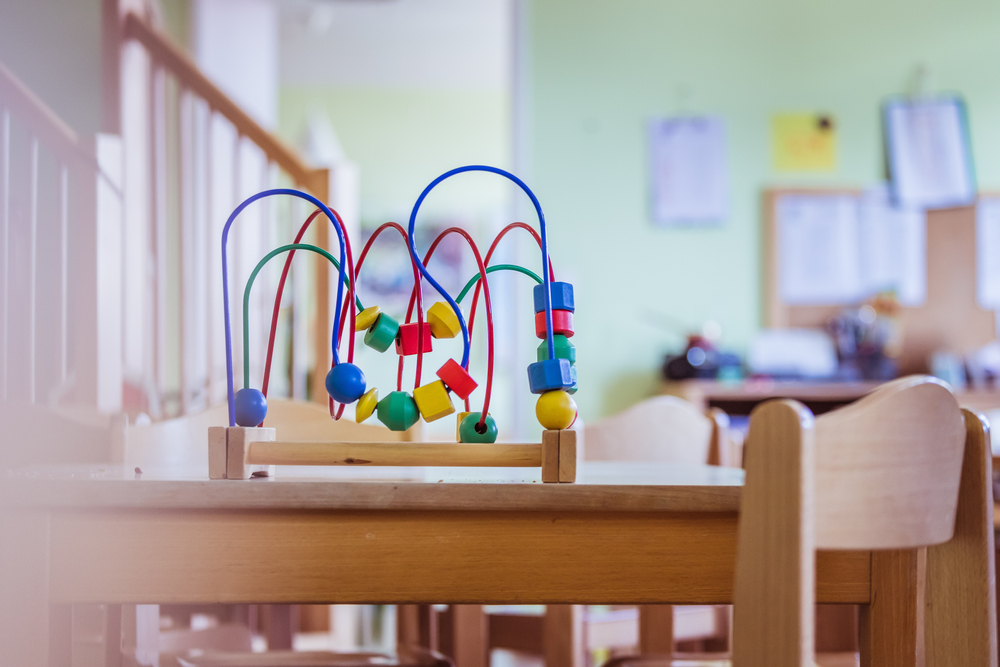
Spatial awareness is a crucial component of physical science education for young children aged 5-8, and both parents and teachers should prioritize its development. It refers to the ability to understand and remember the spatial relationships between objects, which influences a child's ability to navigate their environment, solve problems, and comprehend concepts related to size, distance, and volume.
When children engage in activities that enhance their spatial awareness—such as drawing, building with blocks, or playing interactive games—they acquire essential skills necessary for various STEM fields. These activities not only stimulate cognitive development but also foster critical thinking, creativity, and logic.
Moreover, spatial awareness is foundational to subjects like math and science, which children will encounter as they progress in school. Children who can visualize and manipulate shapes and objects are often more successful in understanding mathematical concepts and in performing scientific experiments.
For parents and teachers, encouraging spatial awareness through play, exploration, and hands-on learning promotes a well-rounded education that prepares children for future academic and real-world challenges. Investing in spatial awareness now lays the groundwork for children’s confidence and competence in diverse subjects, ultimately supporting lifelong learning.







