Critical Thinking Governance and Civics Worksheets for Ages 5-8
7 filtered results
-
From - To
Enhance your child's understanding of governance and civics while fostering critical thinking with our engaging worksheets designed for ages 5-8. Our curated collection on Kids Academy offers a variety of activities that encourage young learners to explore essential social studies concepts through thought-provoking exercises. These worksheets help build foundational knowledge in citizenship, community rules, and government functions while promoting analytical skills needed to assess information accurately. Perfect for both classroom use and at-home learning, our user-friendly worksheets blend educational rigor with engaging content, making learning an enjoyable and enriching experience. Give your child the tools to become a thoughtful and informed citizen today.
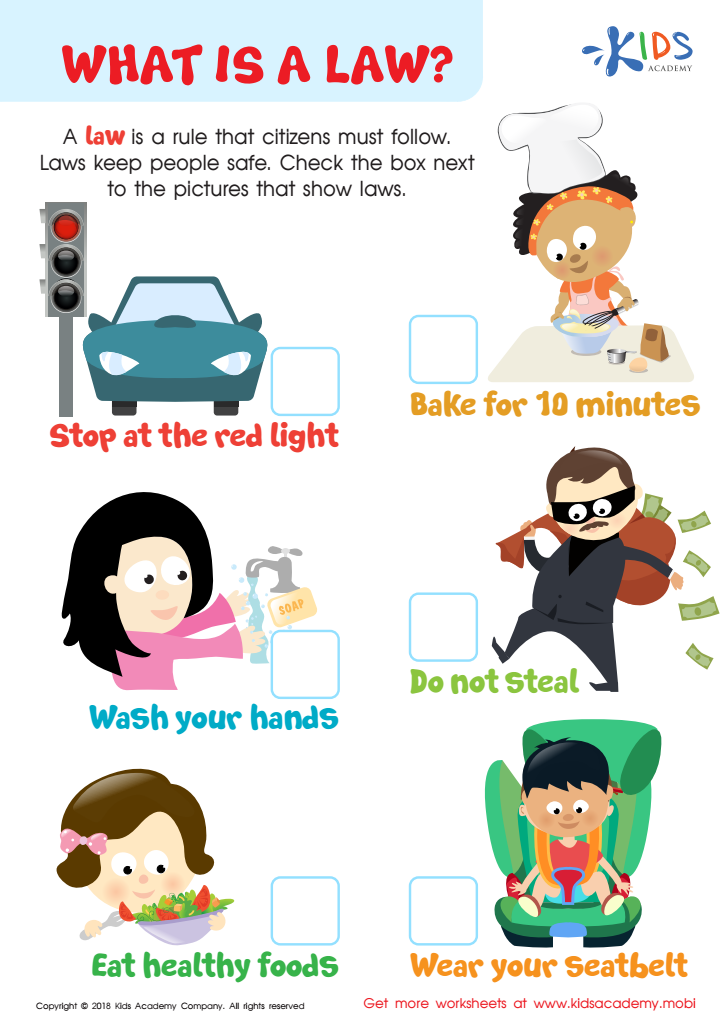
What is a Law? Worksheet
 Assign to My Students
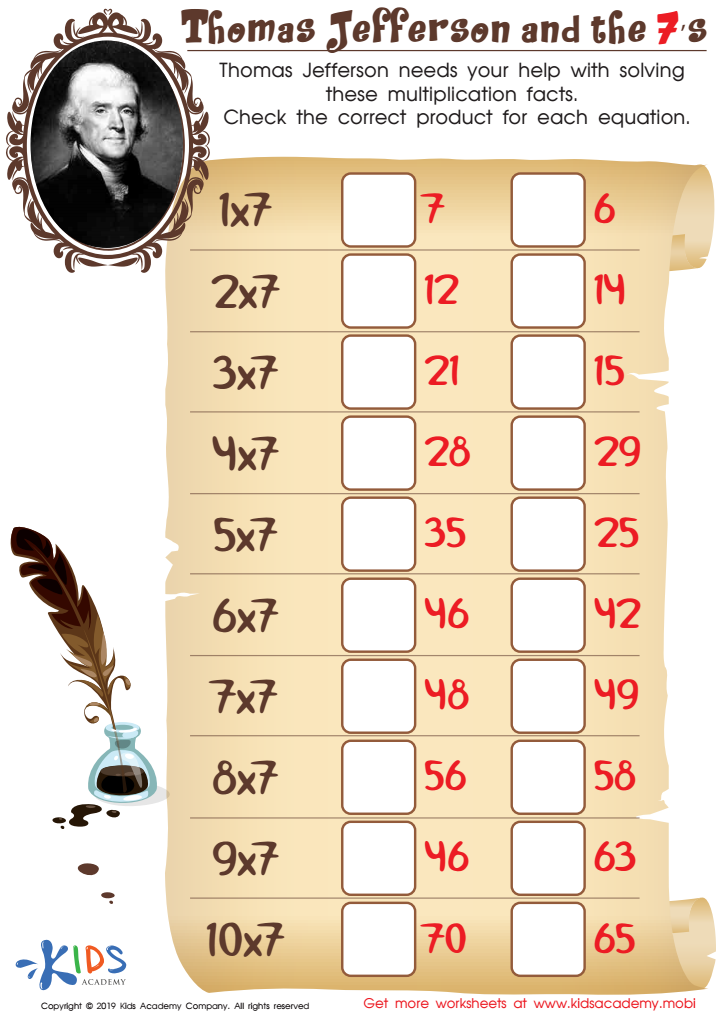
Thomas Jefferson and the 7’s Worksheet
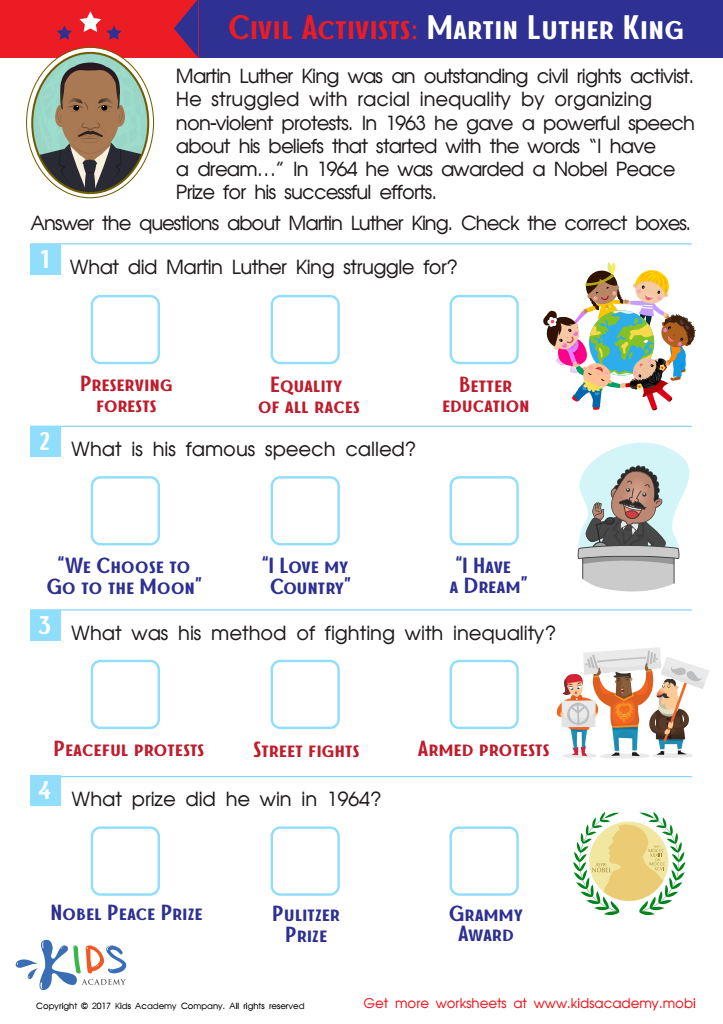
Martin Luther King Worksheet
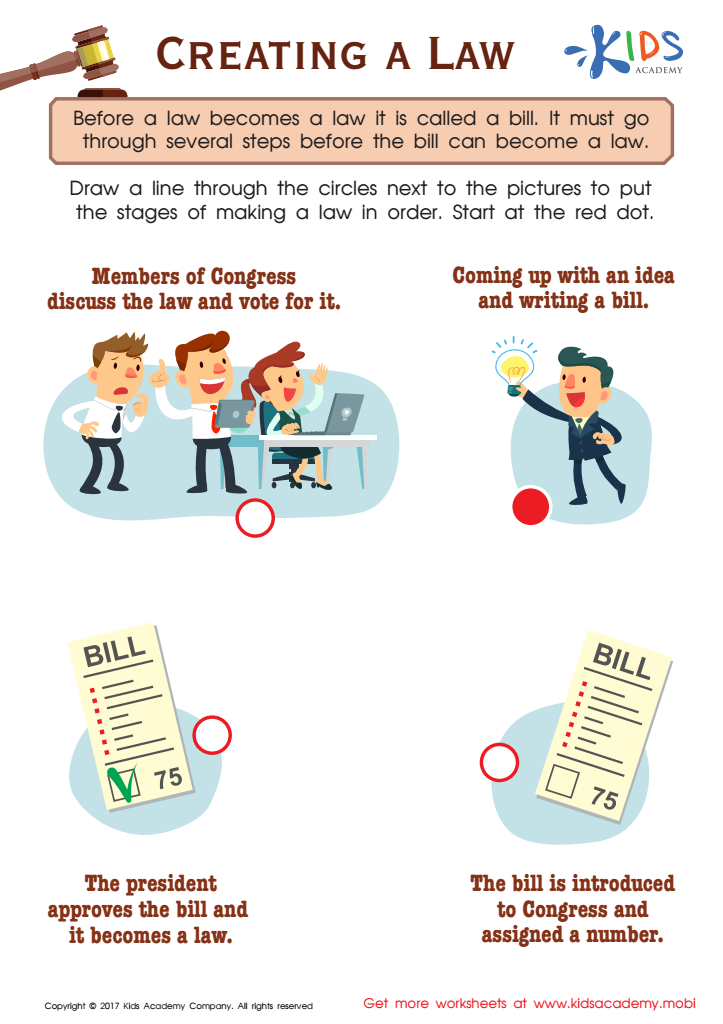
Creating a Law Worksheet
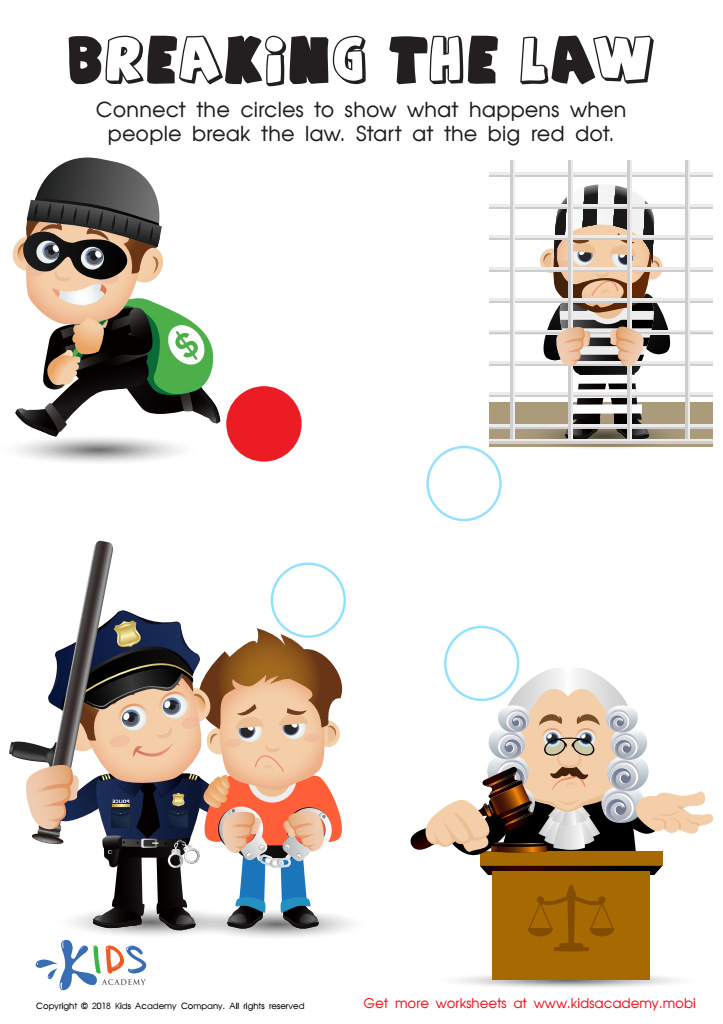
Breaking the Law Worksheet
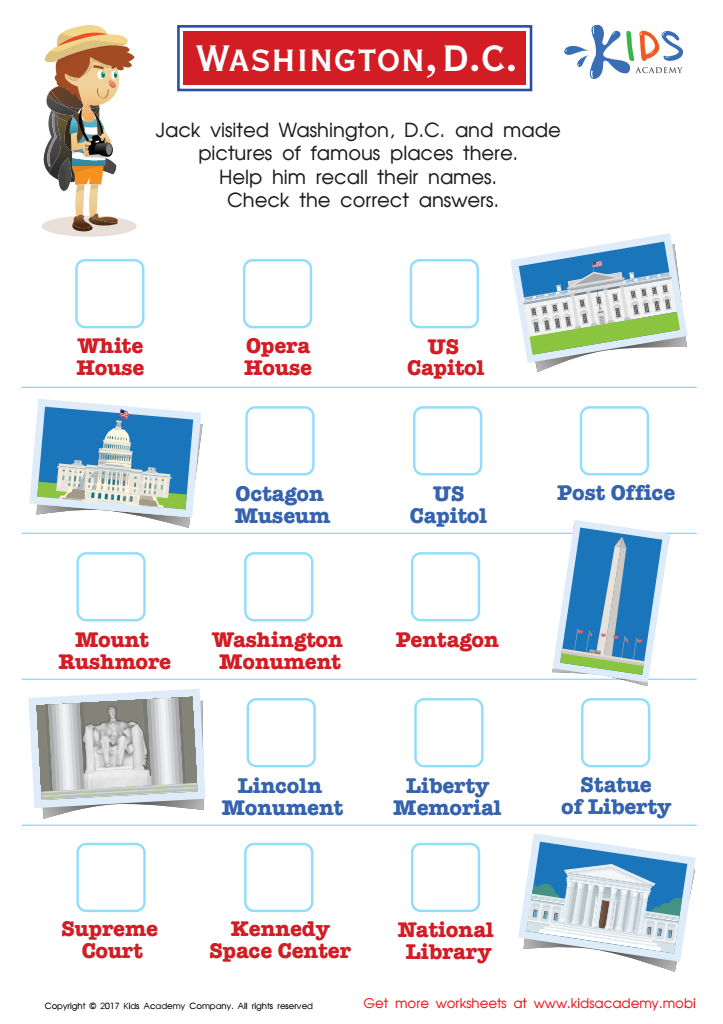
Washington D.C. Printable Worksheet
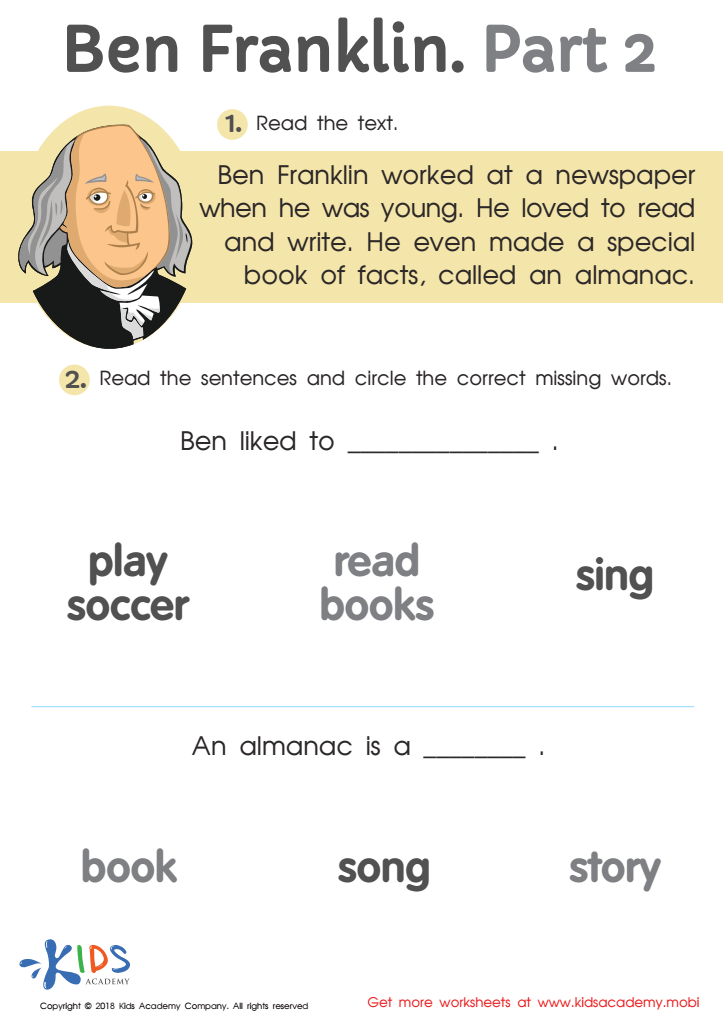
Ben Franklin Part 2 Worksheet


Parents and teachers should care about introducing critical thinking, governance, and civics to children aged 5-8 because these foundational skills and knowledge sets cultivate informed, responsible, and empathetic future citizens. During early childhood, young minds are incredibly receptive and capable of absorbing complex concepts when presented in a simple, engaging manner.
Critical thinking enables children to question, analyze, and solve problems creatively. This skill is crucial not only for academic success but also for everyday decision-making. For instance, asking "why" questions helps children understand that answers aren't always straightforward and that it's important to think deeply about the choices they make.
Introducing governance and civics at a young age helps children understand how their community and the broader world function. Learning about rules, the importance of fairness, teamwork, and the roles community helpers play can foster a sense of belonging and responsibility. They begin to comprehend that their actions have effects on others, promoting empathy and citizenship.
Together, these teachings help build a solid foundation for becoming thoughtful, proactive members of society. By engaging with these subjects early on, children are more likely to grow into adults who think critically about the world, participate actively in their communities, and contribute positively to fostering societal well-being.