Vocabulary development History Worksheets for Ages 5-8
3 filtered results
-
From - To
Enhance your child's vocabulary with our engaging History Worksheets designed for ages 5-8! These worksheets focus on vocabulary development through fun and interactive activities. Children will explore historical concepts while expanding their word bank, fostering a love for learning. Our resources are not only aligned with curriculum standards but also encourage critical thinking and creativity. Perfect for at-home learning or classroom use, these worksheets make history approachable and enjoyable for young learners. Help your child build essential language skills while delving into the fascinating world of history today! Visit our site to access these valuable educational tools.
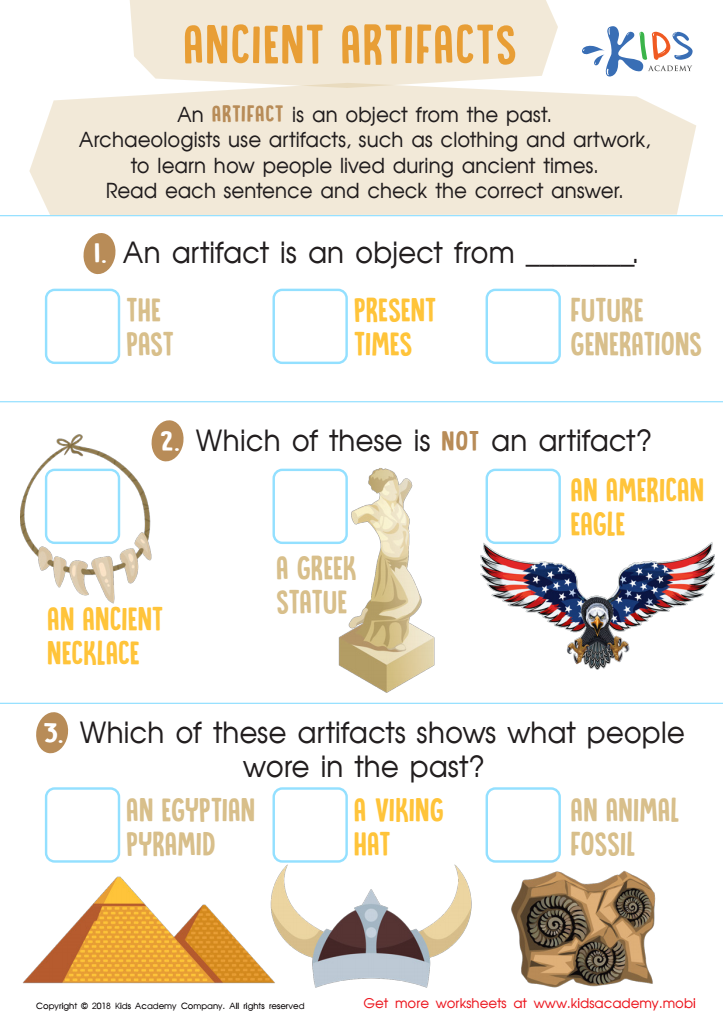
Ancient Artifacts Worksheet
 Assign to My Students
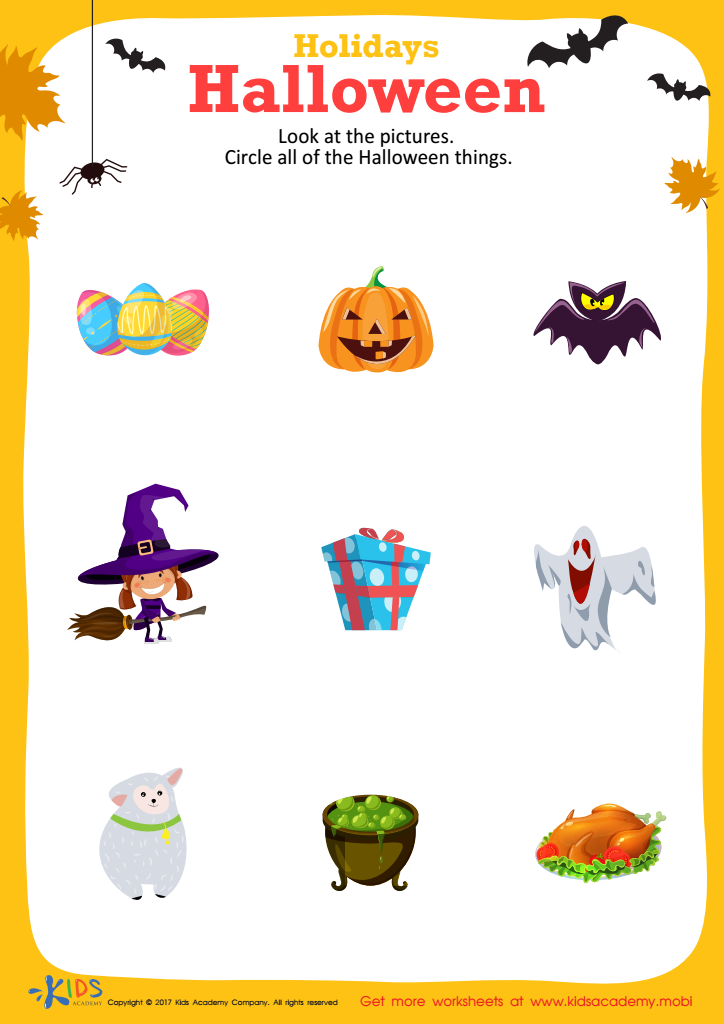
Halloween Holiday Worksheet
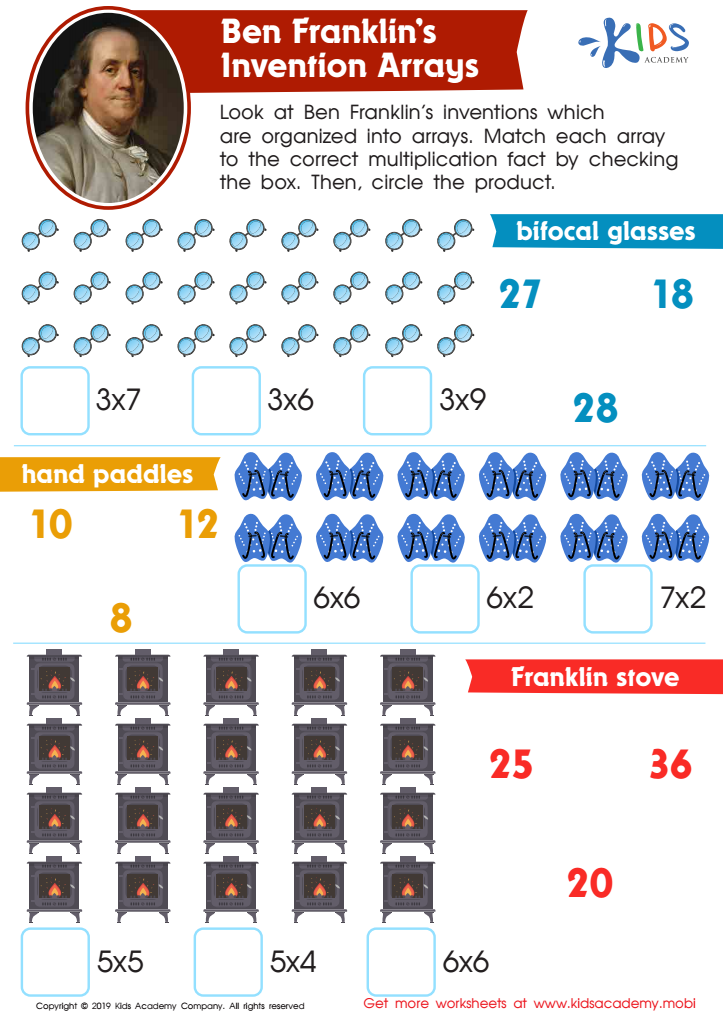
Ben Franklin’s Invention Arrays Worksheet








Vocabulary development in children aged 5-8 years is crucial, as it lays the foundation for effective communication, reading comprehension, and overall academic success. Understanding the history of vocabulary development in this age group reveals its significance in shaping cognitive and linguistic skills.
During these formative years, children experience an exponential growth in language acquisition, where they not only learn new words but also start to grasp meanings and contexts. Parents and teachers should prioritize vocabulary development because it contributes to critical thinking, problem-solving, and the ability to articulate ideas clearly.
Moreover, a rich vocabulary enhances children’s reading experiences, allowing them to engage with diverse texts and understand nuances in language. Research indicates that a strong vocabulary in early grades is closely linked to future academic achievement.
Understanding the progression and milestones of vocabulary development helps educators and parents recognize the importance of targeted interventions and reinforces the need for engaging language-rich environments. When vocabulary development is emphasized, children are better equipped to succeed in school, communicate effectively with peers, and develop self-confidence. Thus, the history of vocabulary development serves as a reminder of its ongoing importance, making it essential for parents and teachers alike to invest in children’s linguistic growth.