Letter E Worksheets for Ages 5-9
5 filtered results
-
From - To
Welcome to our engaging "Letter E Worksheets for Ages 5-9"! Our carefully crafted resources are designed to help young learners explore the letter E through fun and creative activities. With a variety of worksheets including tracing, coloring, and letter recognition exercises, children will develop vital early literacy skills while enjoying hands-on learning. These interactive materials not only enhance writing proficiency but also boost phonemic awareness related to the letter E. Ideal for classrooms or at-home learning, our worksheets support learning objectives and promote independent exploration. Download your free worksheets today and make learning the letter E an enjoyable adventure for your child!
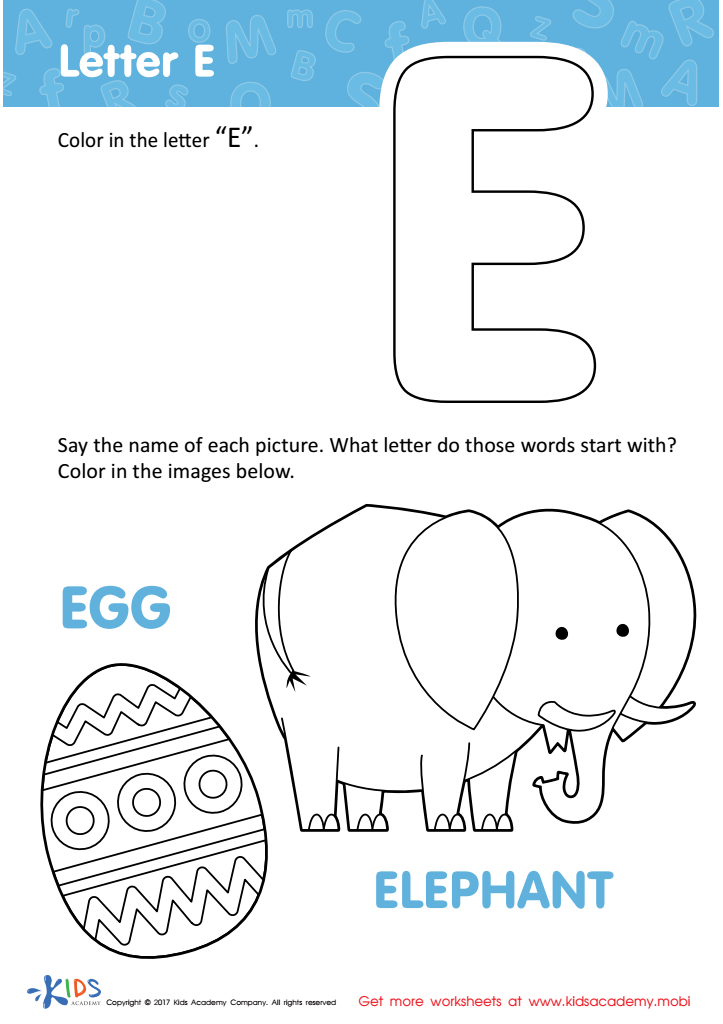
Letter E Coloring Sheet
 Assign to My Students
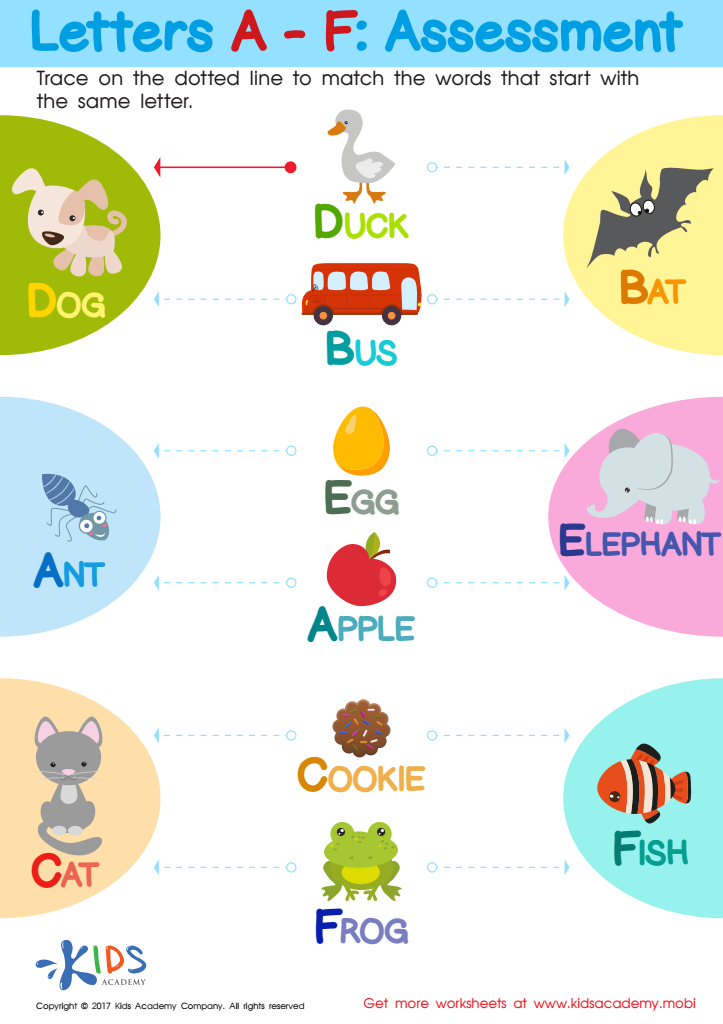
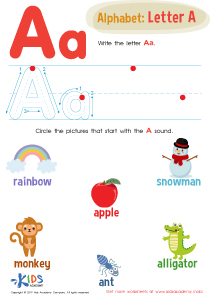
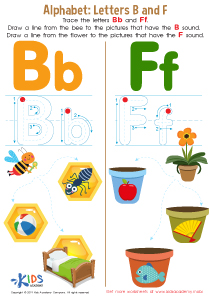
Letters A - F Worksheet
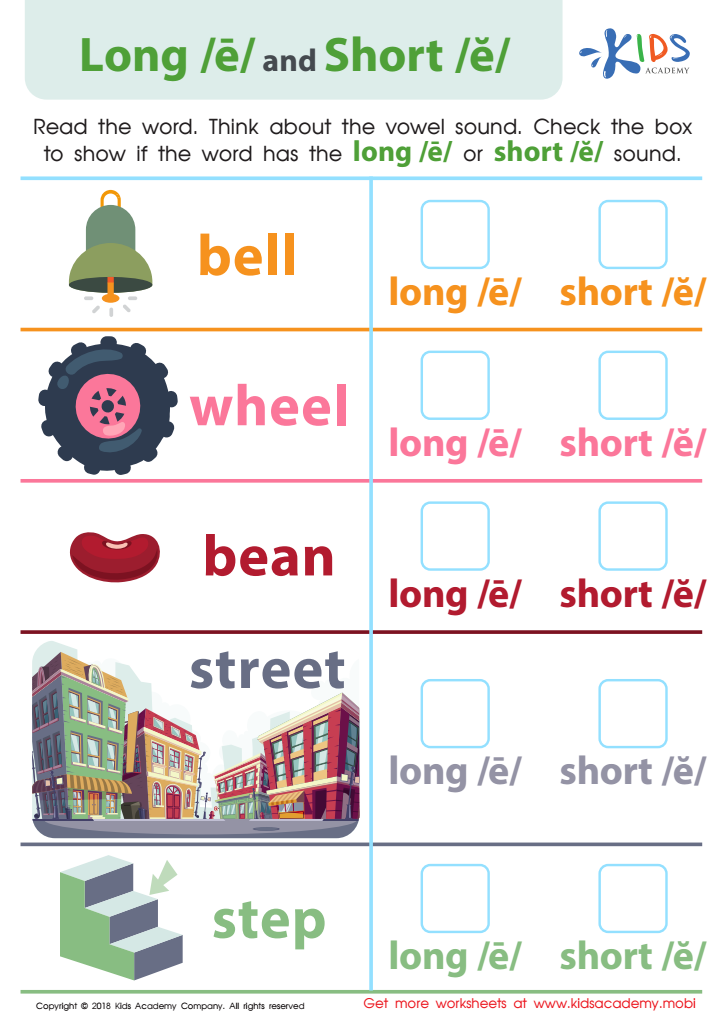
Reading: Long E and Short E Worksheet
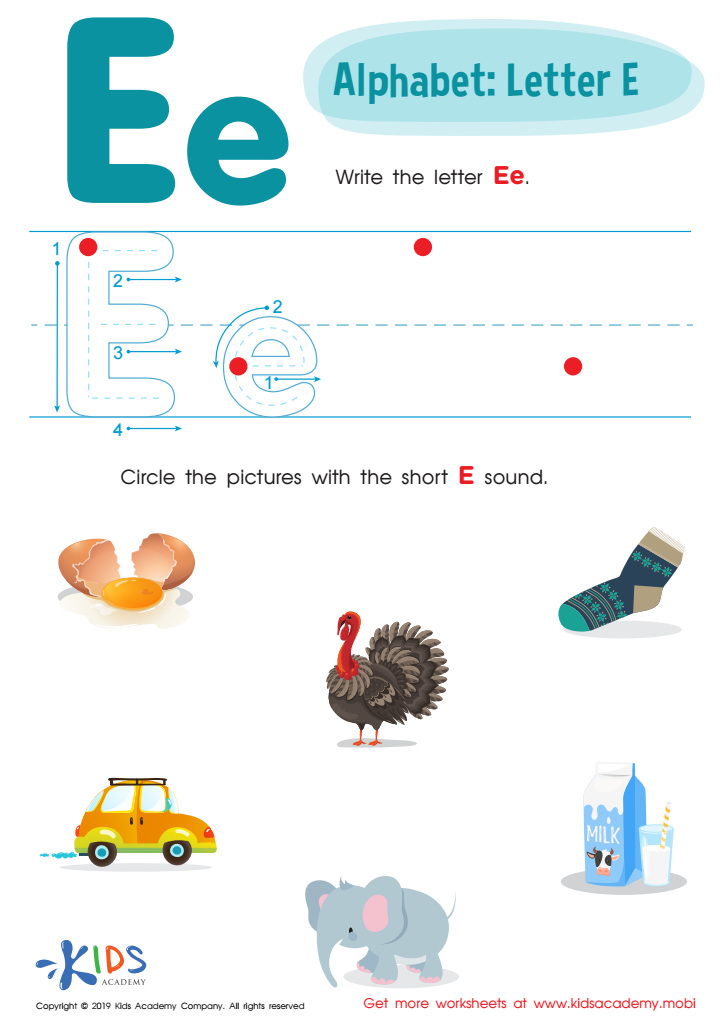
Letter E Tracing Worksheet
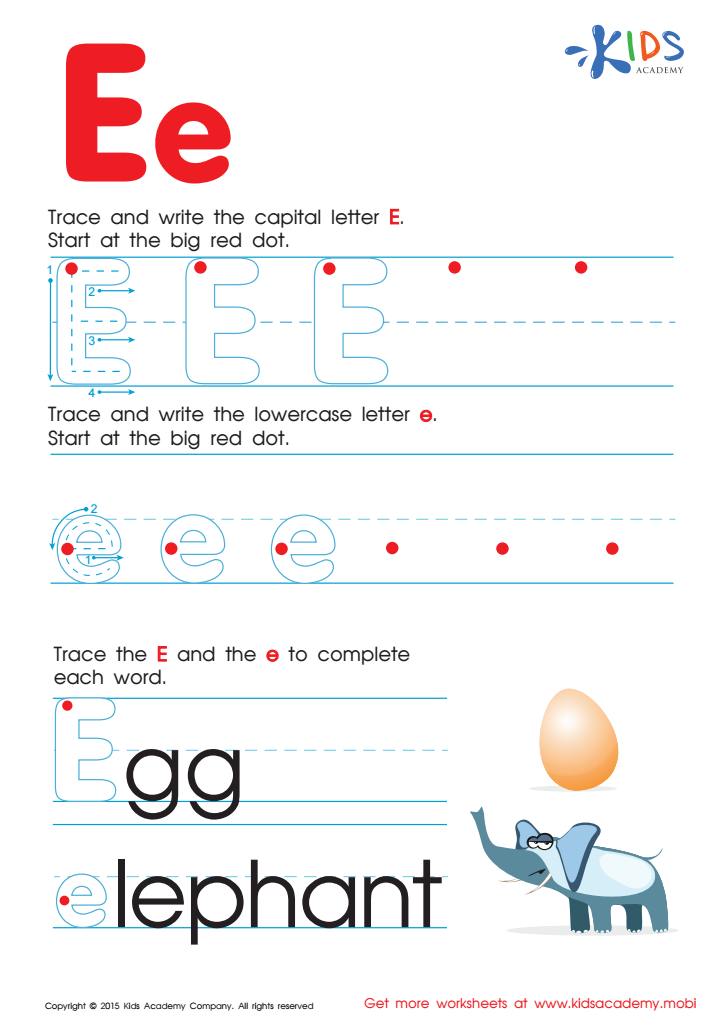
Letter E Tracing Page







Parents and teachers should prioritize the importance of the letter "E" for children aged 5-9 because it serves as a foundational building block for literacy and communication skills. "E" is one of the most frequently used letters in the English language, appearing in a variety of common words, which makes it essential for reading and writing. Early mastery of the letter allows children to decode numerous words, enhancing their ability to grasp phonics and spelling.
Moreover, learning about the letter "E" can be intertwined with creative activities, such asarts and crafts using words that start with "E" like "elephant," "egg," and "explore." This interactive form of learning motivates children and improves their cognitive skills.
Understanding "E" facilitates vocabulary development, including the journey from recognizing the letter to using it in original sentences. Teachers can integrate games and songs that feature the letter, reinforcing its importance while maintaining the children's engagement. For parents, reinforcing this learning at home can boost children's confidence in their language abilities.
Fostering an understanding of the letter "E" sets a strong precedent for further literacy acquisition, reading fluency, and communication competence, all vital for lifelong learning and growth.