Color differentiation Worksheets for Ages 5-9
7 filtered results
-
From - To
Discover our engaging Color Differentiation Worksheets designed specifically for children ages 5 to 9! These interactive worksheets help young learners recognize and differentiate between various colors while enhancing their fine motor skills through fun activities. Your child will engage in coloring, sorting, and matching games that make learning enjoyable and effective. Perfect for parents and educators alike, our worksheets align with early learning standards, encouraging creativity and critical thinking. Boost your child's color recognition and cognitive development in an interactive way! Start exploring our collection today to promote a vivid learning experience that ignites a passion for art and learning!
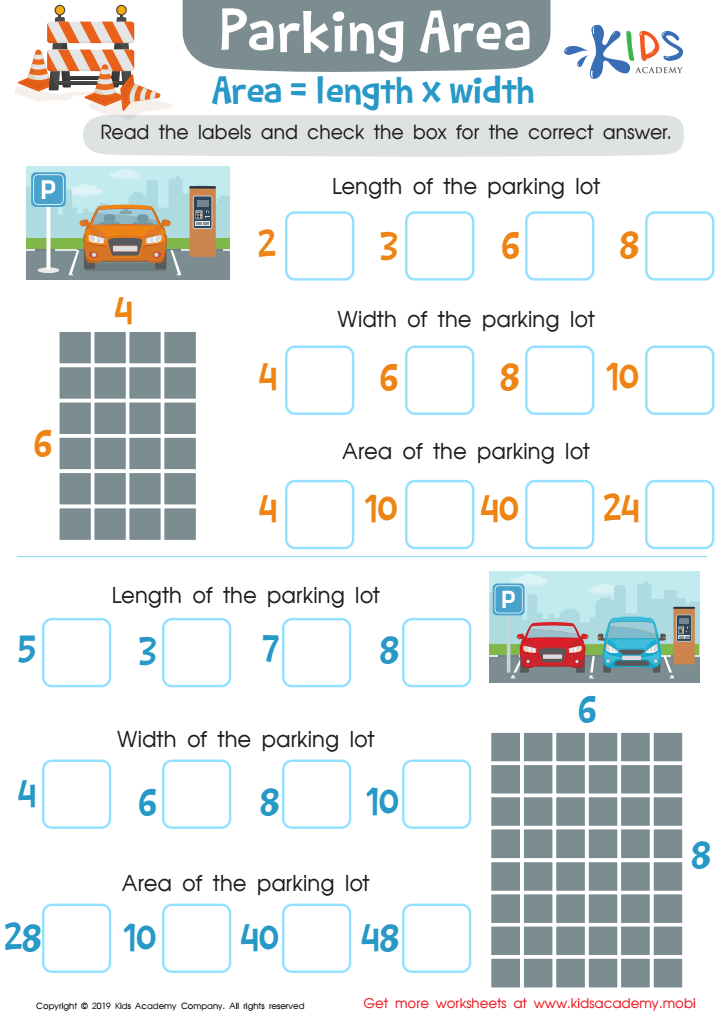
Parking Area Worksheet
 Assign to My Students
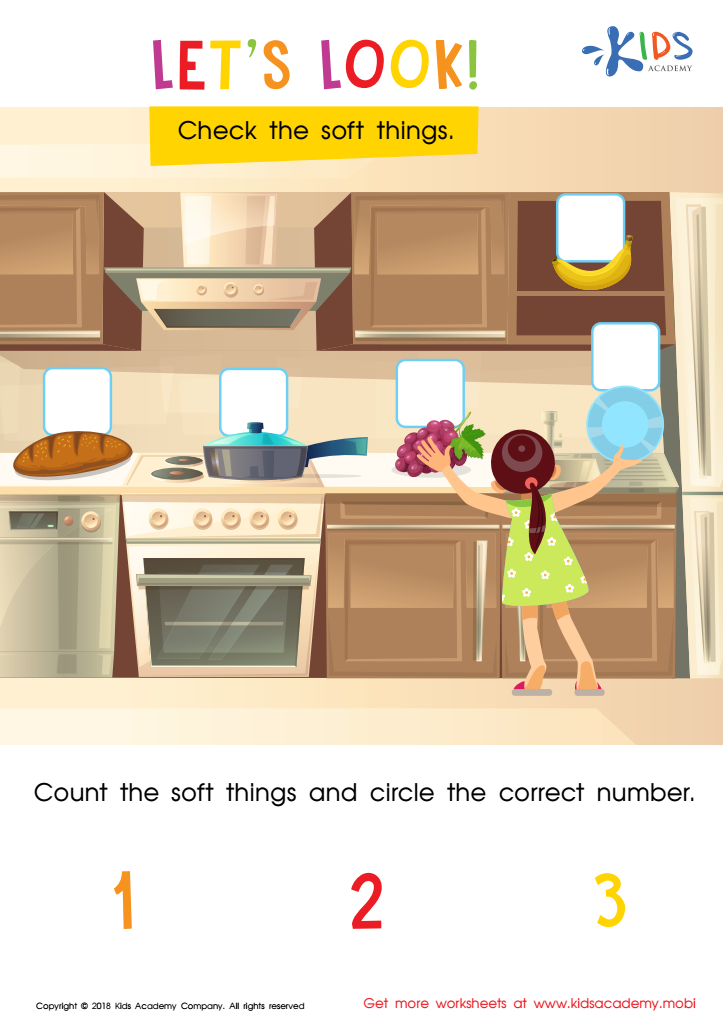
Let's Look! Assessment Worksheet
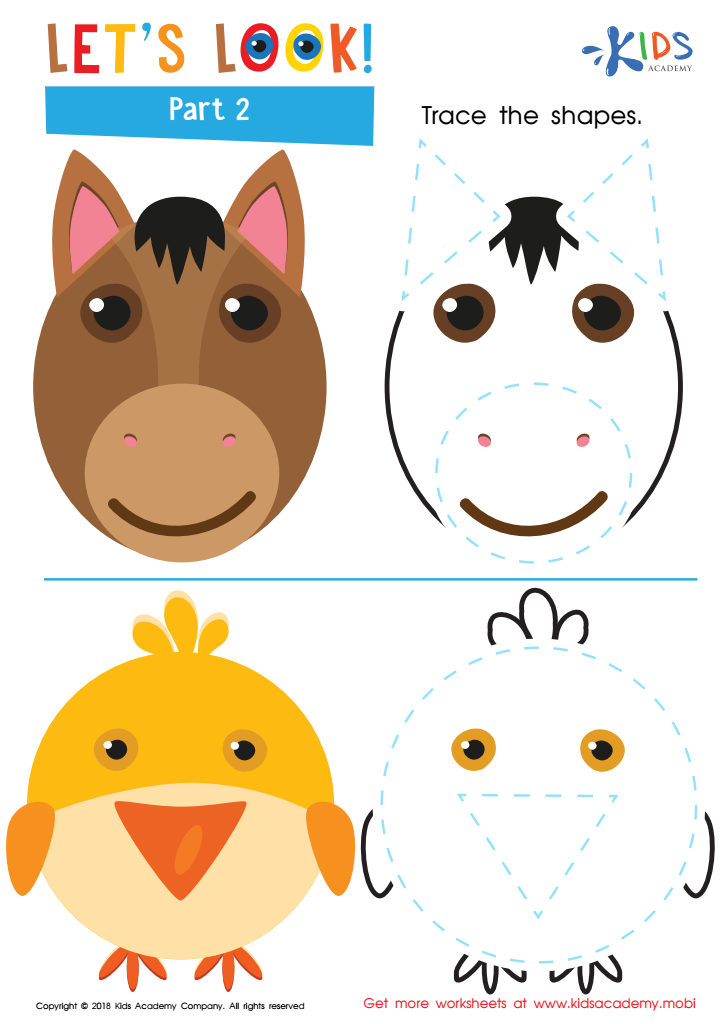
Let's Look! Part 2 Worksheet
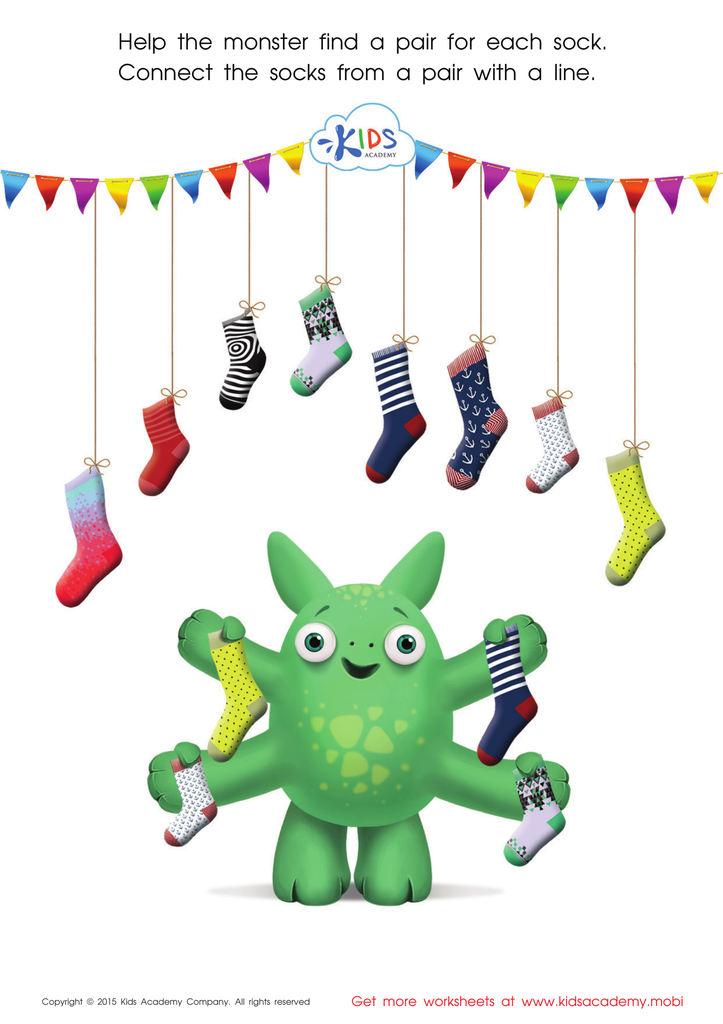
Math Matching Pairs Game: Monsterв's Socks Worksheet






Color differentiation is an essential aspect of early childhood education, particularly for children aged 5-9. At this developmental stage, children are not only learning about the world around them but also how to express themselves and understand complex concepts. Recognizing and distinguishing colors enhances their cognitive development and promotes critical thinking skills.
Parents and teachers should care about color differentiation because it supports various learning areas, including language development, math comprehension, and artistic expression. For instance, discussing colors can enrich vocabulary, while identifying colors in everyday objects aids in categorization—a foundational math skill.
Moreover, color differentiation plays a crucial role in developing fine motor skills and spatial awareness through activities like coloring, painting, and sorting. Engaging children in these activities helps them connect colors with emotions and concepts, fostering creativity and emotional intelligence.
Importantly, attention to color diversity also cultivates inclusivity and cultural awareness, introducing children to different perspectives and the richness of diversity around them. Ultimately, focusing on color differentiation helps nurture well-rounded, informed future citizens, making it a responsibility for both parents and teachers to prioritize this aspect in early education.








