Cultural awareness Worksheets for Ages 5-9
29 filtered results
-
From - To
Unlock your child’s potential with our Cultural Awareness Worksheets designed for ages 5-9. At Kids Academy, we provide engaging, age-appropriate activities that foster empathy, understanding, and respect for diverse cultures. Our printable worksheets introduce children to different traditions, languages, and customs, promoting global awareness and inclusivity. By exploring the rich tapestry of global cultures, your child will develop critical social skills, broaden their worldview, and enhance their learning experience. Perfect for both classroom and home use, our resources support a well-rounded education that celebrates diversity and cultivates a love for lifelong learning. Embrace the world with Kids Academy!
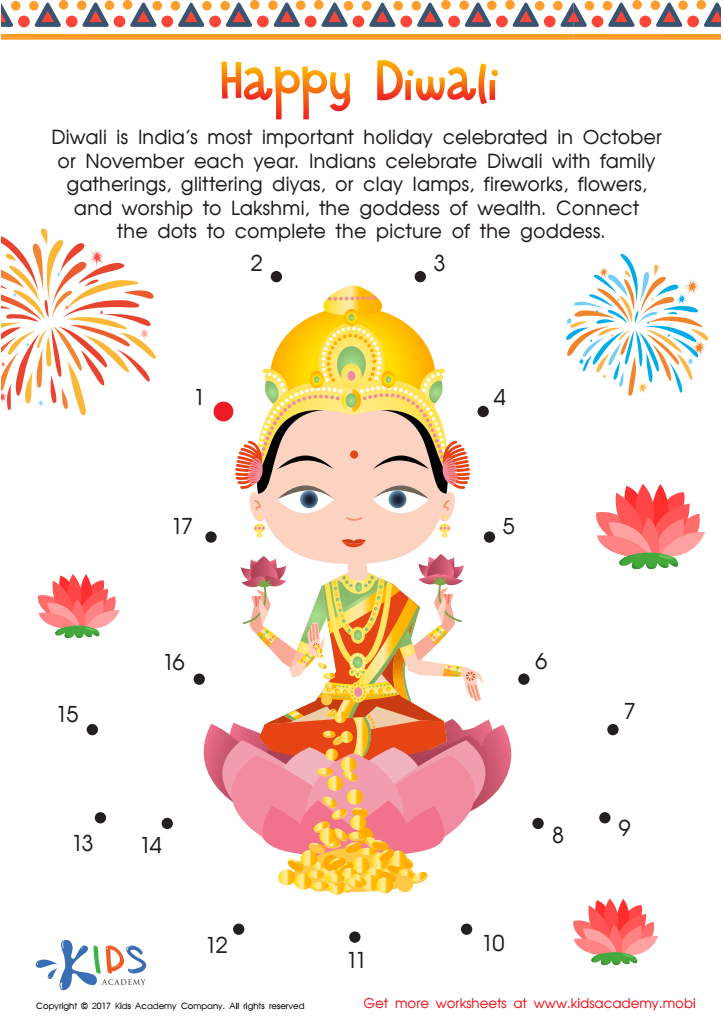
Happy Diwali Printable
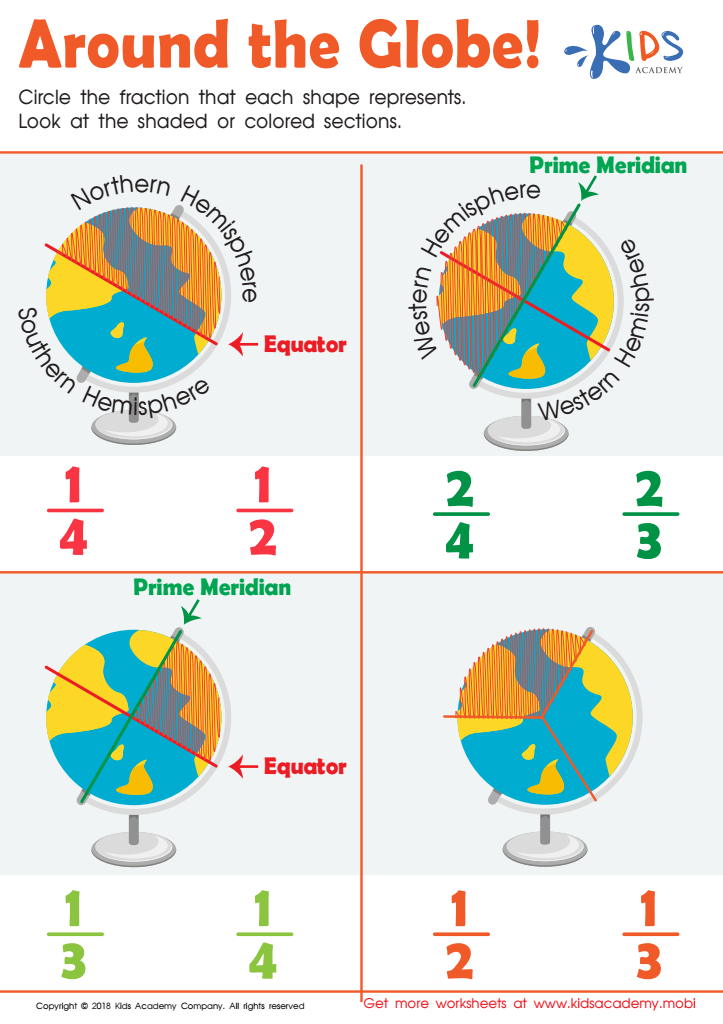
Around the Globe Worksheet
The Netherlands Printable
 Assign to My Students
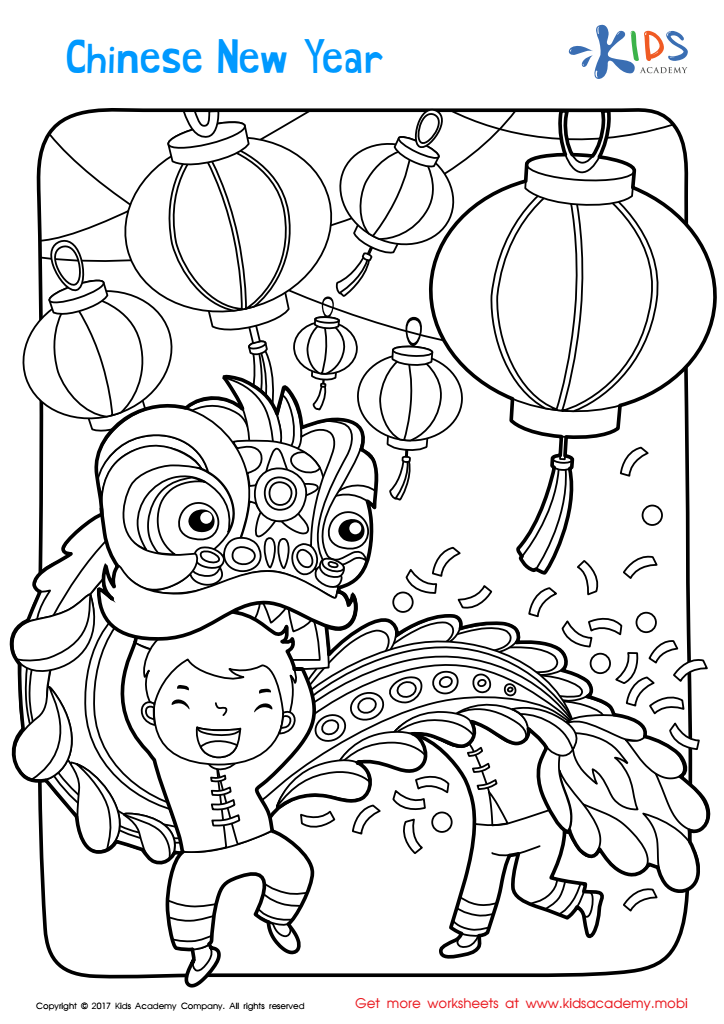
Chinese New Year Worksheet
Assign to My Students
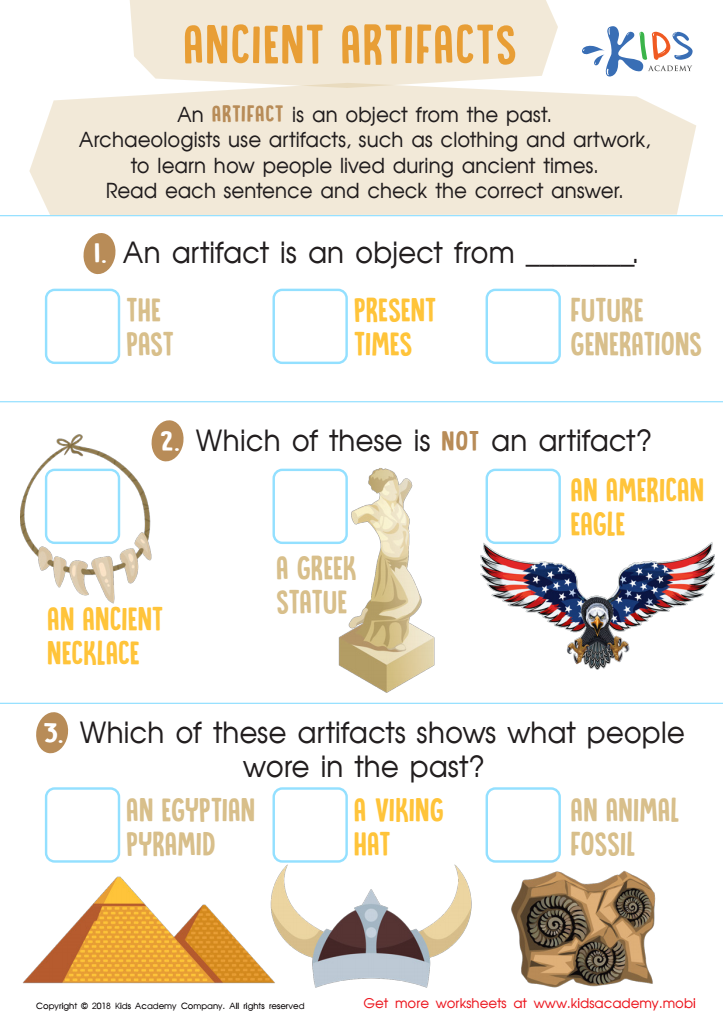
Ancient Artifacts Worksheet
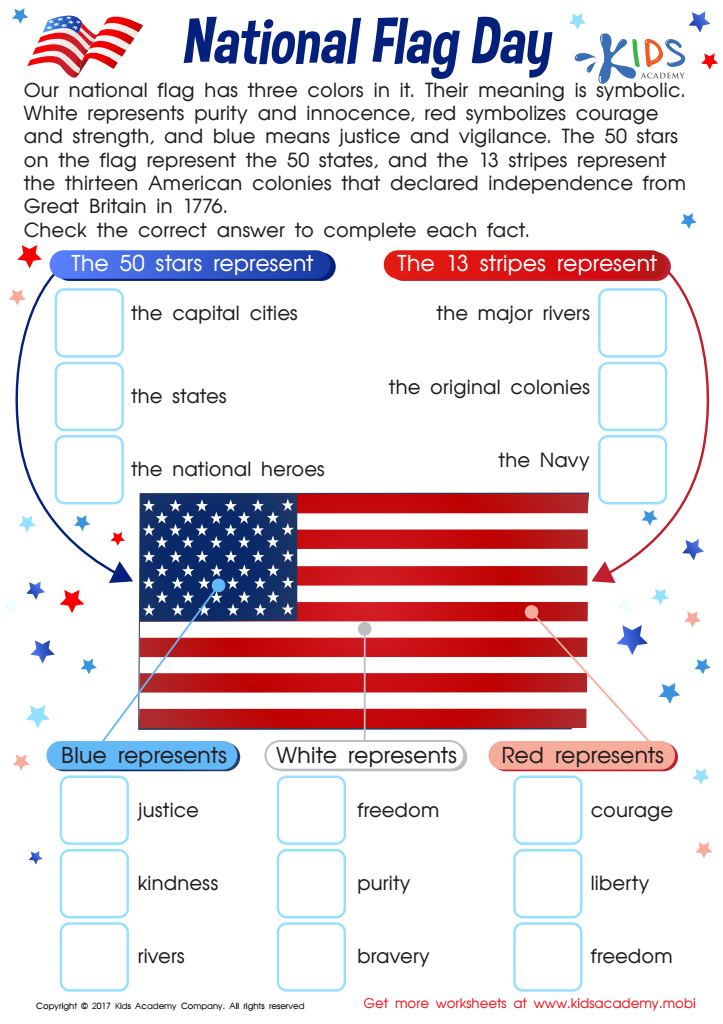
US National Flag Day Worksheet
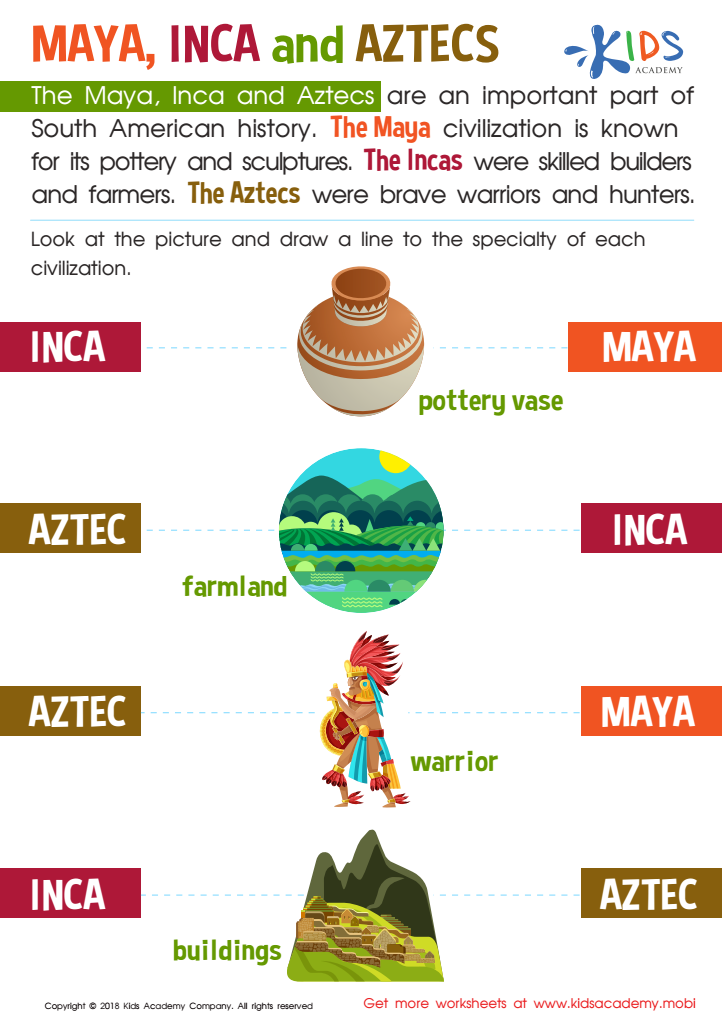
Maya, Inca and Aztecs Worksheet
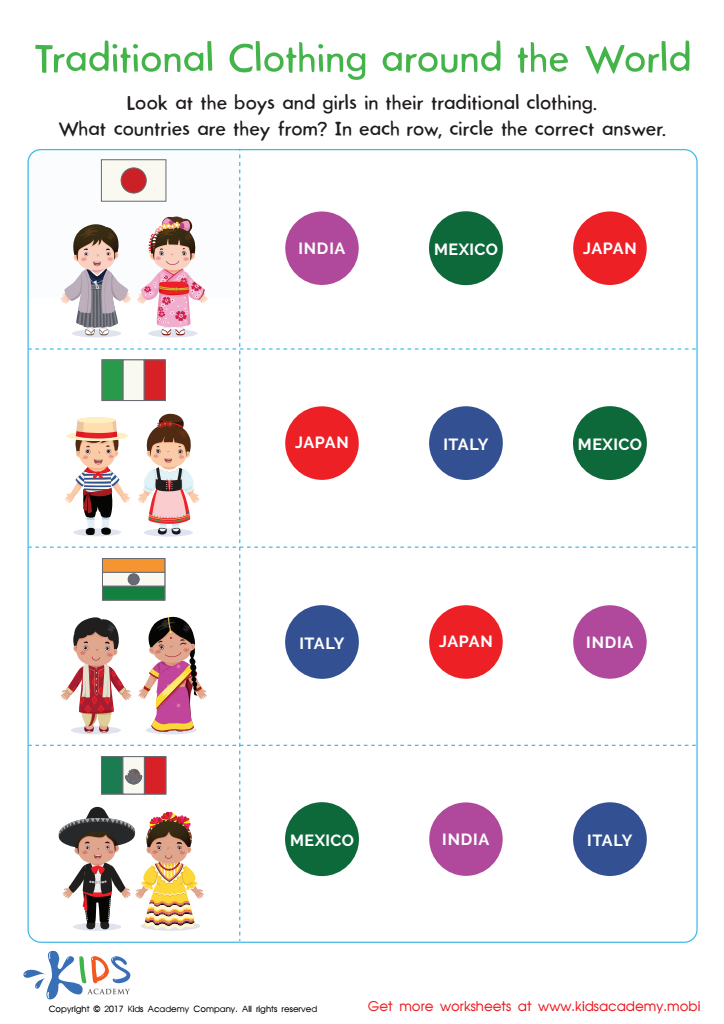
Traditional Clothing Worksheet
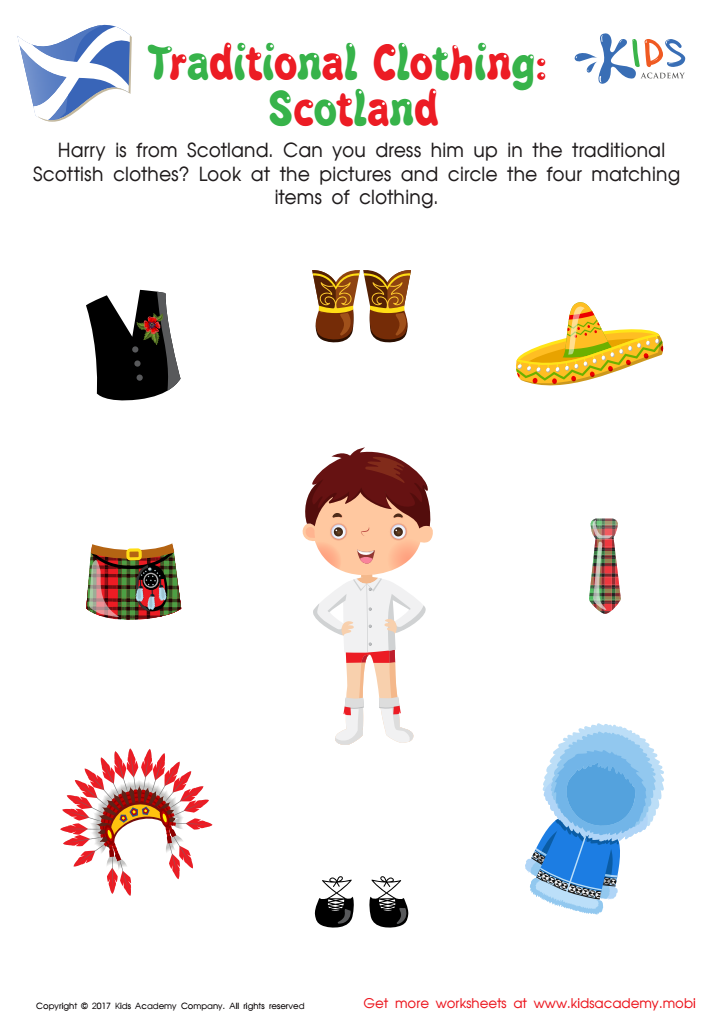
Traditional Clothing in Scotland Worksheet
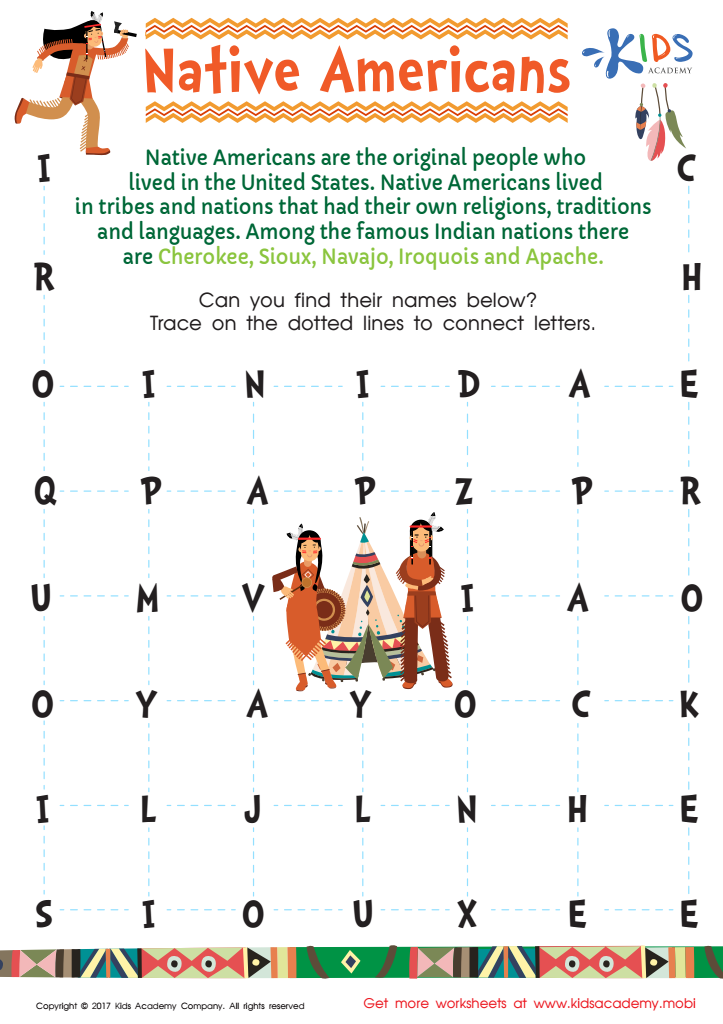
Native American Word Search Printable
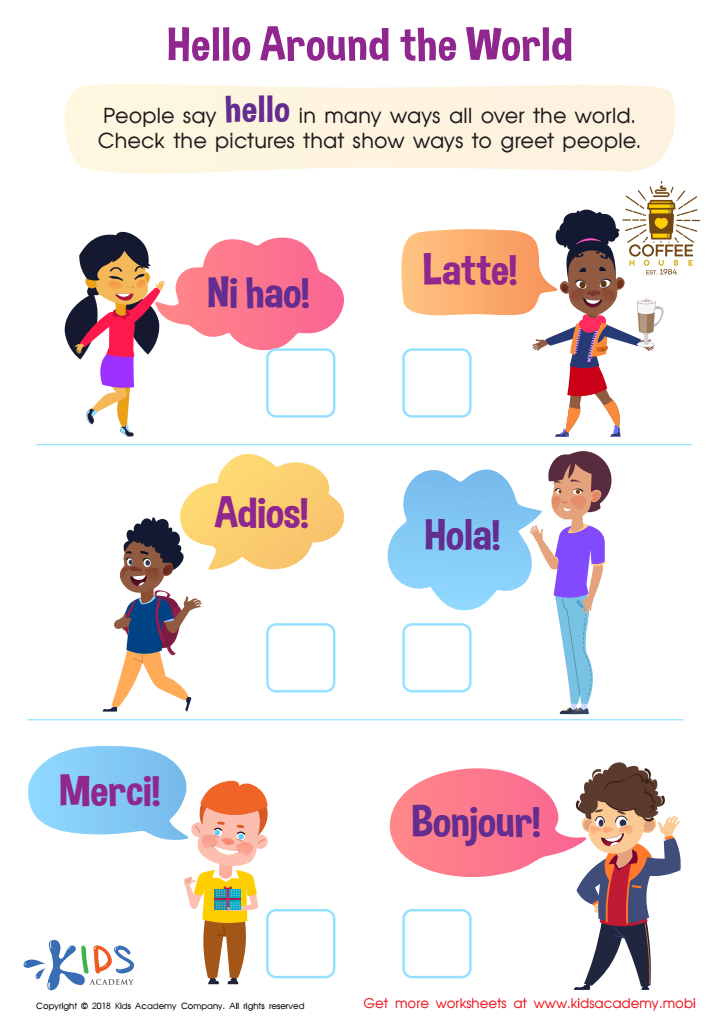
Hello Around the World Worksheet
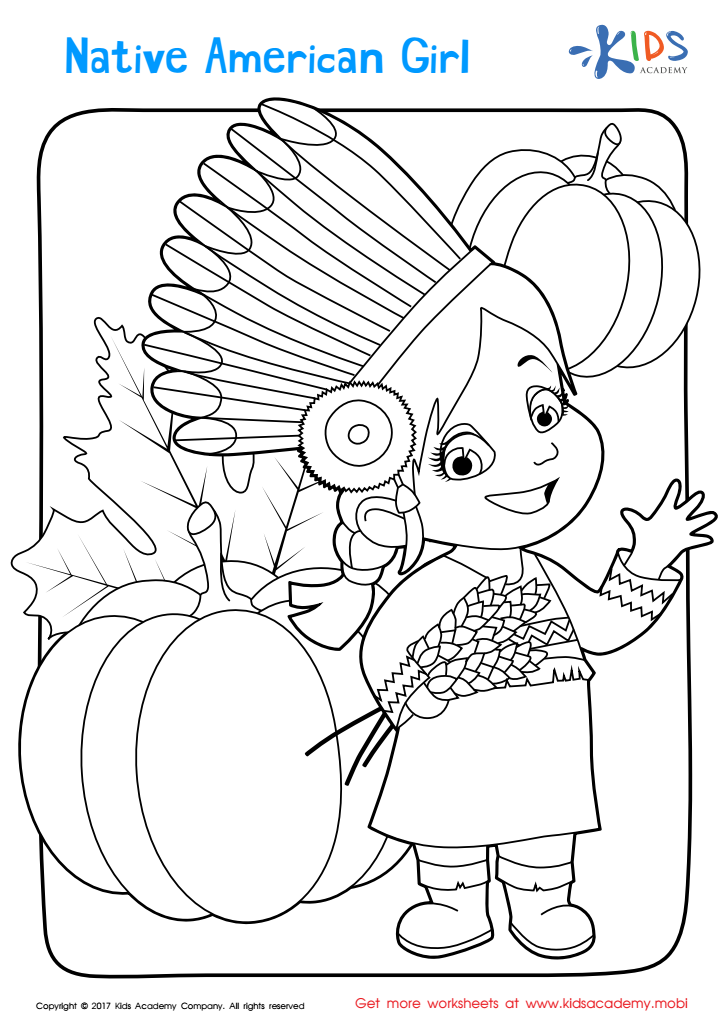
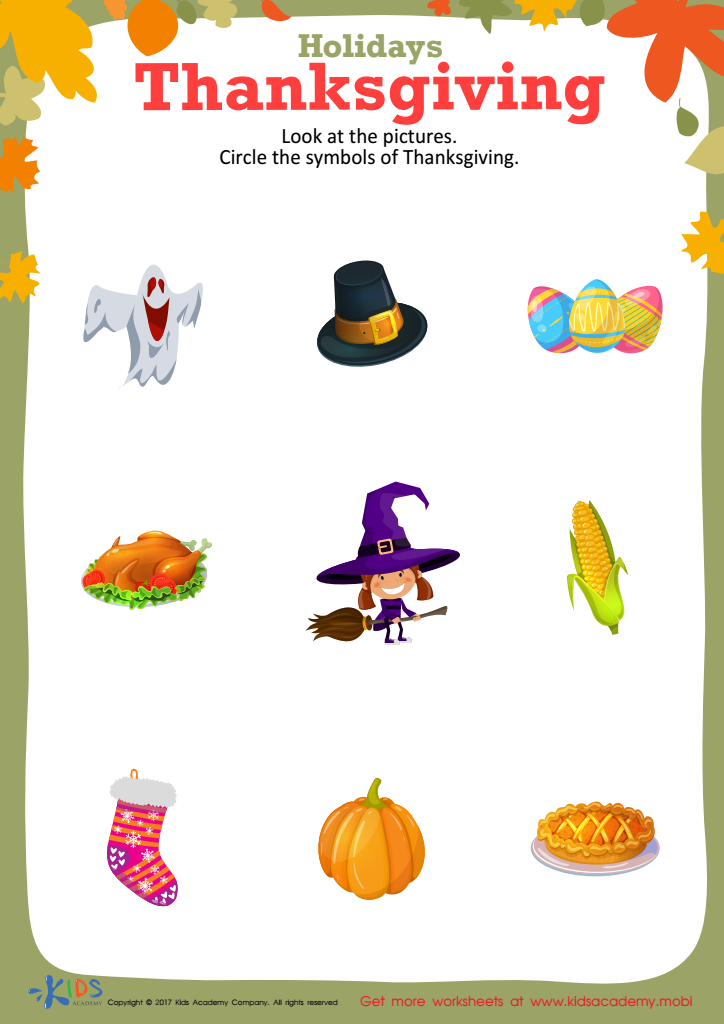
Thanksgiving Holiday Printable
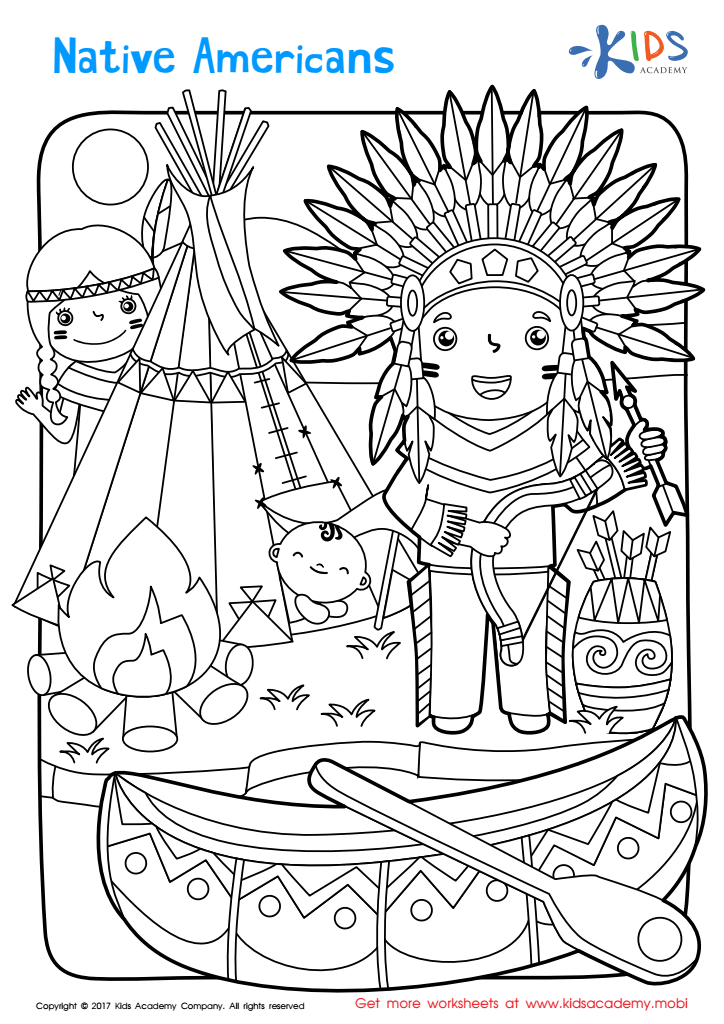
Native American Coloring Page Worksheet
Assign to My Students
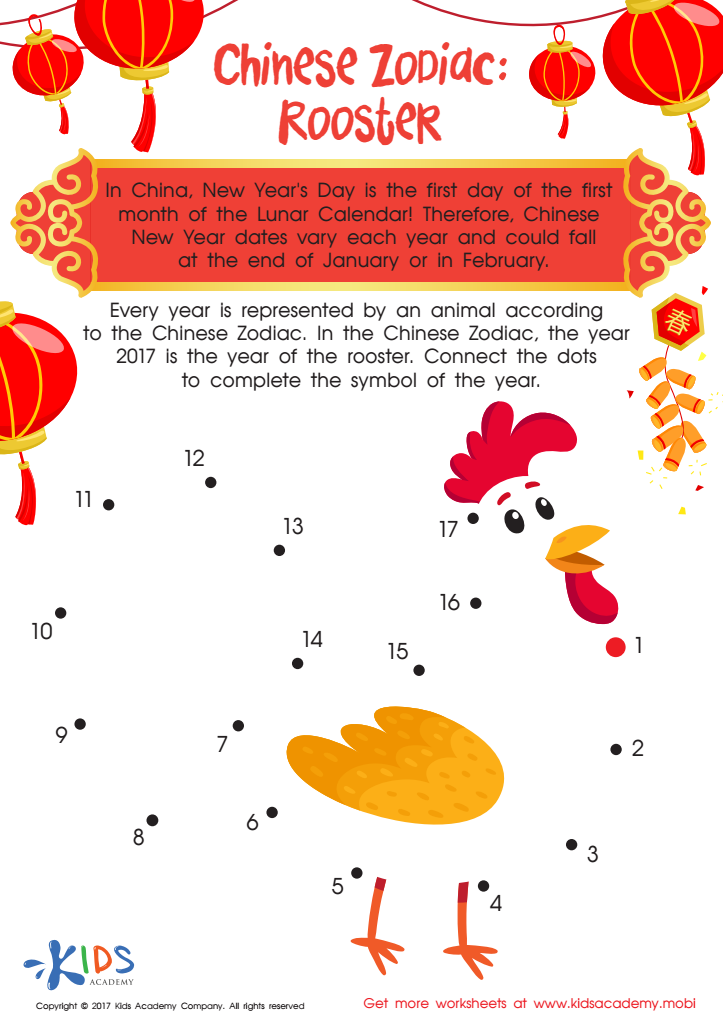
Chinese Zodiac Printable
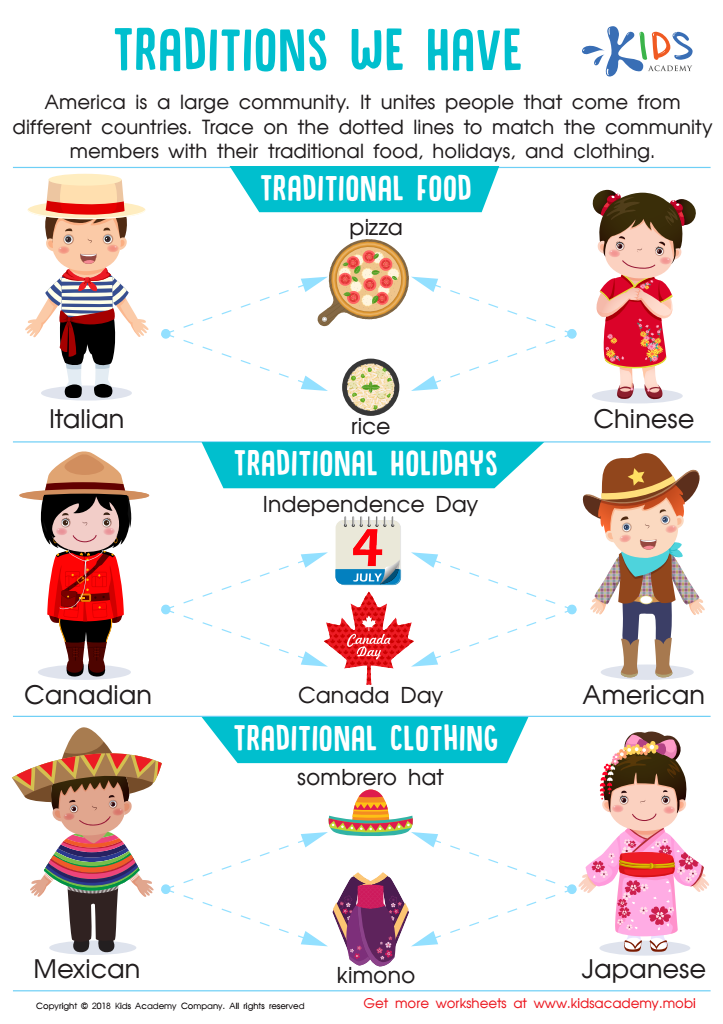
Traditions We Have Worksheet
Wild West Coloring Page Printable
Assign to My Students
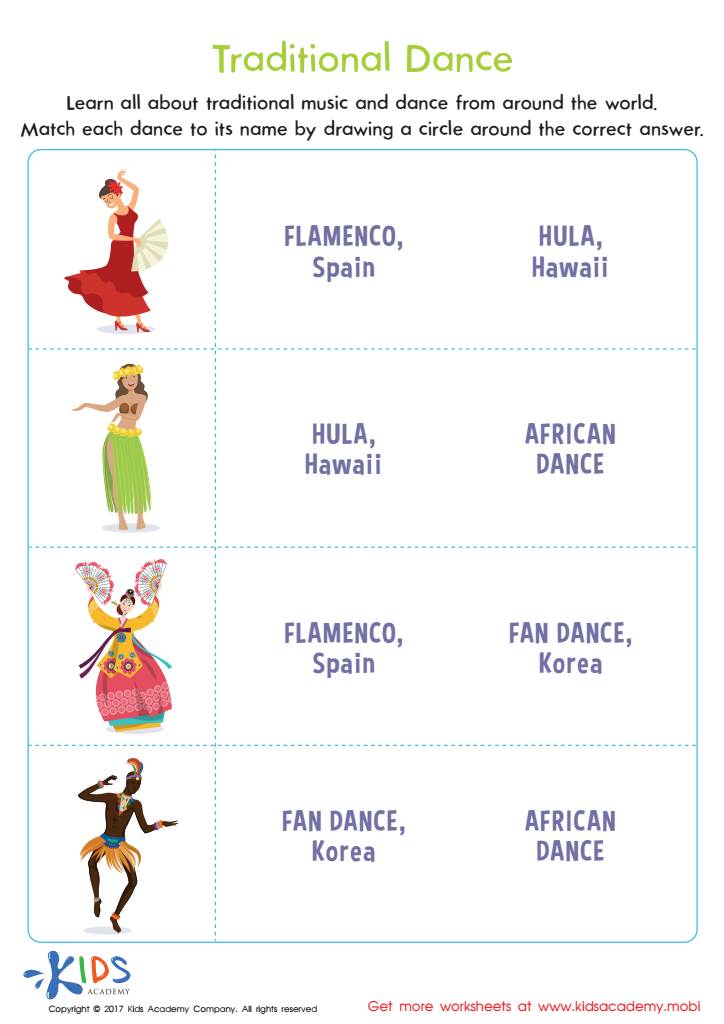
Traditional Dance Printable
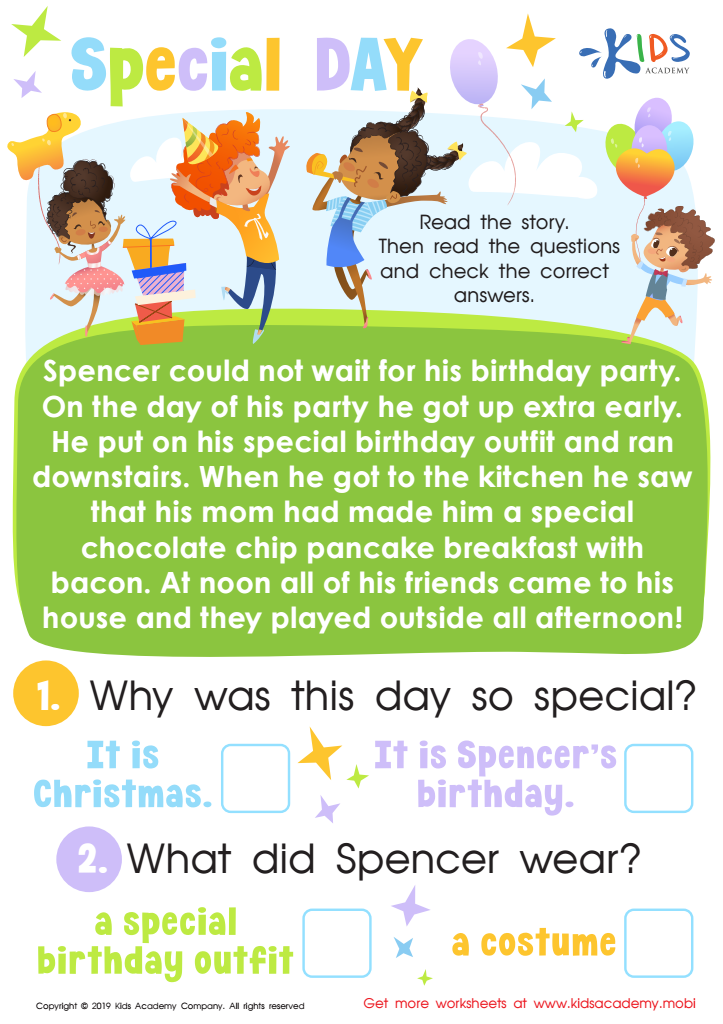
Special Day Worksheet
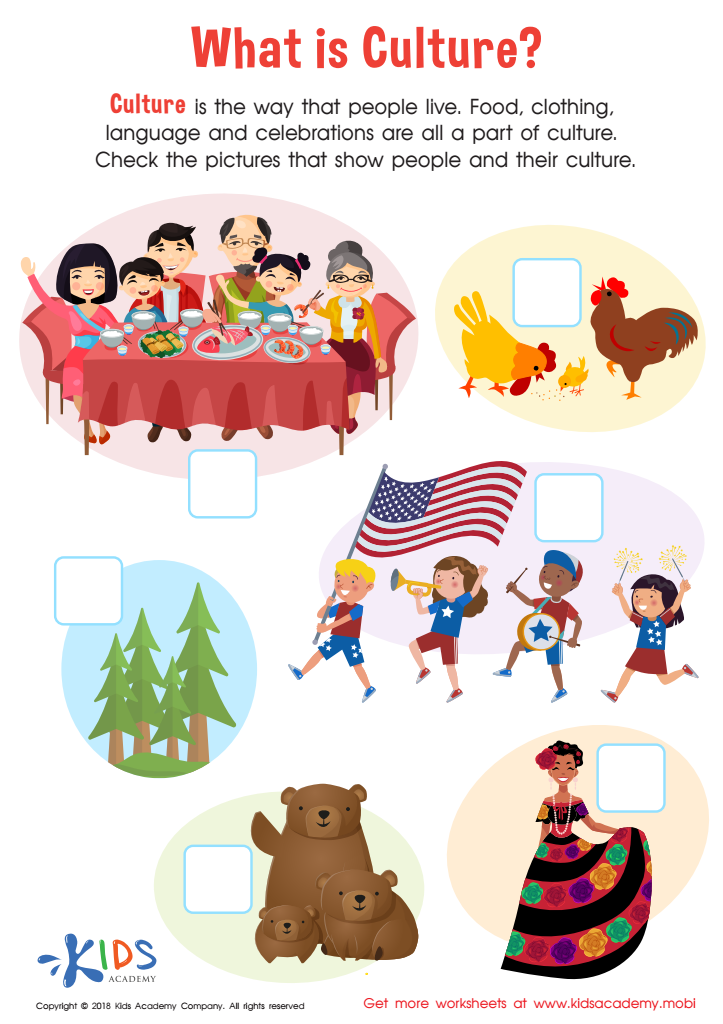
What Is Culture? Worksheet
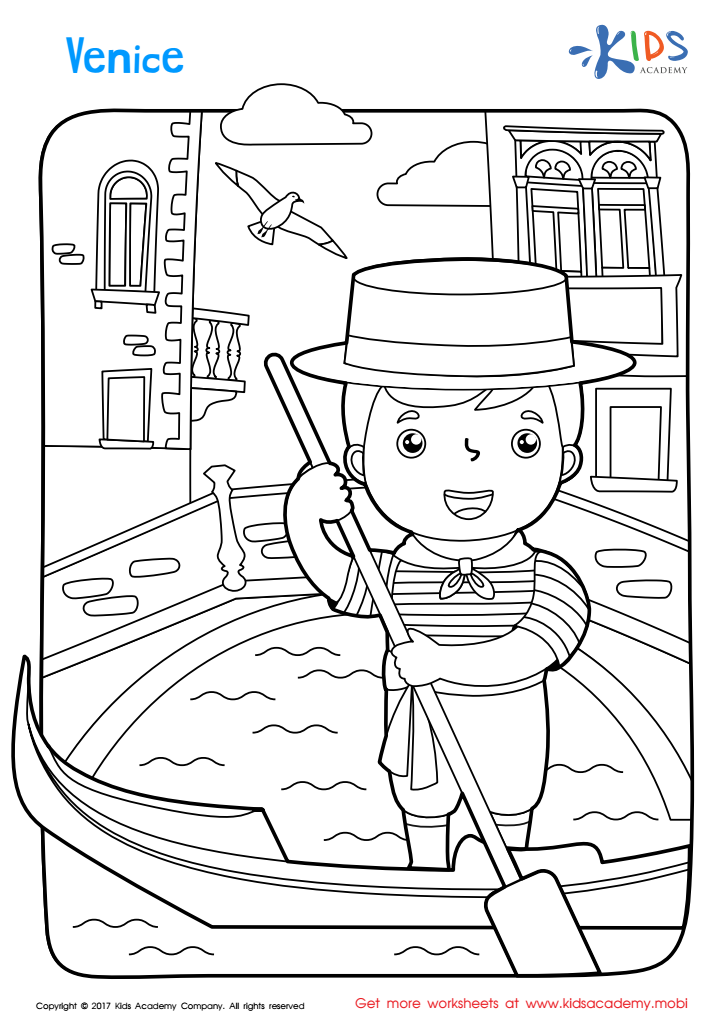
Venice Worksheet
Assign to My Students
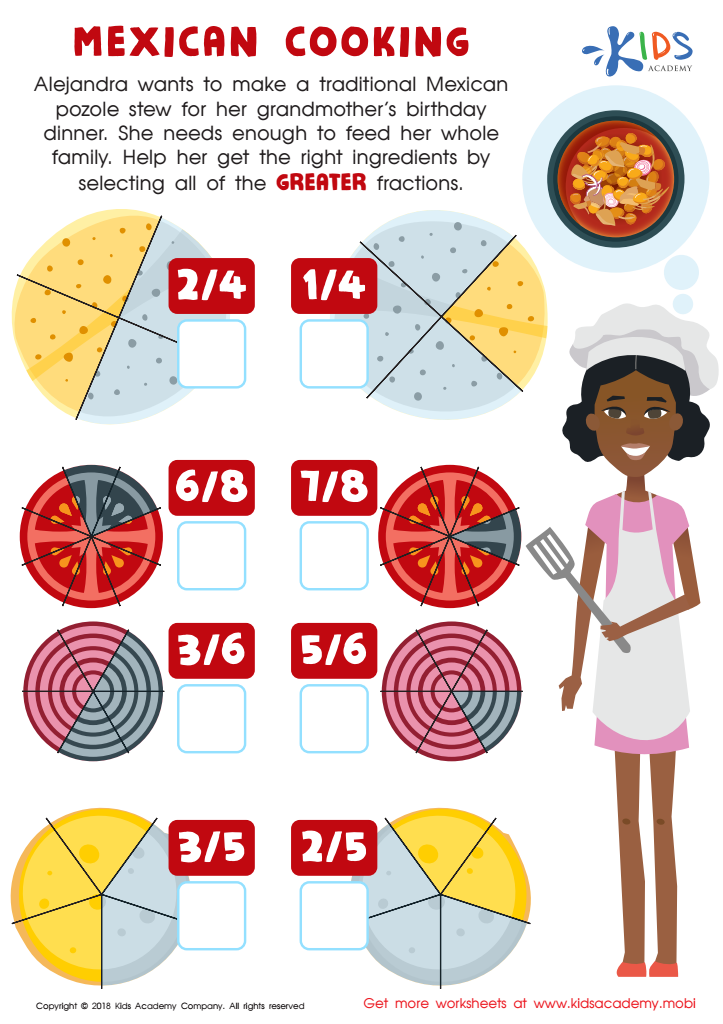
Mexican Cooking Worksheet
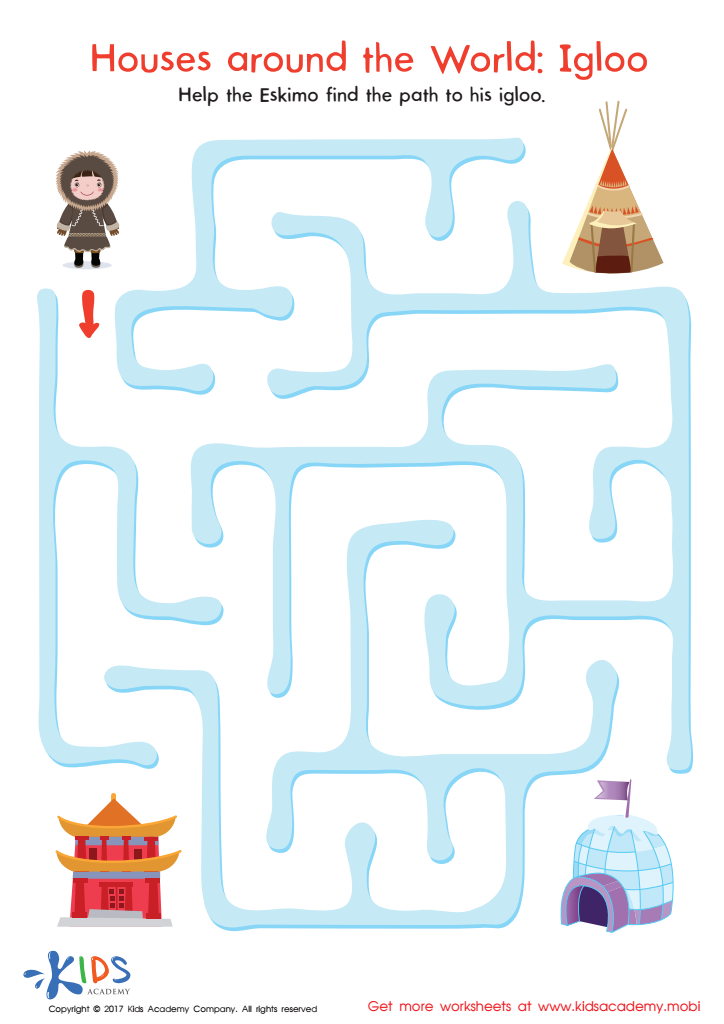
Houses Around the World: Igloo Printable







Cultural awareness is crucial for children aged 5-9 because these early years form the foundation of their attitudes and perspectives. By exposing children to diverse cultures, parents and teachers foster empathy, respect, and open-mindedness. Understanding and appreciating cultural differences can reduce biases and stereotypes early on, promoting a more inclusive and harmonious social environment.
For young children, learning about different cultures can be as simple as exploring varied traditions, foods, languages, and stories. This not only enriches their knowledge but also nurtures curiosity and broadens their horizons. It helps them understand that while people may have different ways of living, we all share common human values such as love, kindness, and the importance of family.
Moreover, cultural awareness enhances social skills. Children who recognize and celebrate diversity are more likely to develop friendships with peers from different backgrounds, improving their ability to work and play cooperatively. This ability to interact positively with diverse groups is an essential skill in today’s globalized world.
Finally, by teaching cultural awareness, we prepare children to become compassionate global citizens, capable of contributing positively to a diverse and interconnected world, embodying the principles of acceptance and mutual respect. This foundational perspective can lead to more cohesive and empathetic communities in the future.








