Data analysis skills Worksheets for Ages 5-9
3 filtered results
-
From - To
Nurture budding analysts with our engaging collection of Data Analysis Skills Worksheets designed for ages 5-9. Perfectly crafted to introduce young learners to the world of data, these worksheets offer fun and interactive activities that help develop essential skills in sorting, classifying, and interpreting information. Each exercise is thoughtfully created to align with early education standards, ensuring children not only enjoy learning but also build a strong foundation for future analytical thinking. From colorful graphs to simple data sets, our worksheets make data education accessible and enjoyable, turning complexity into simplicity for young minds. Get started today and watch their confidence soar!
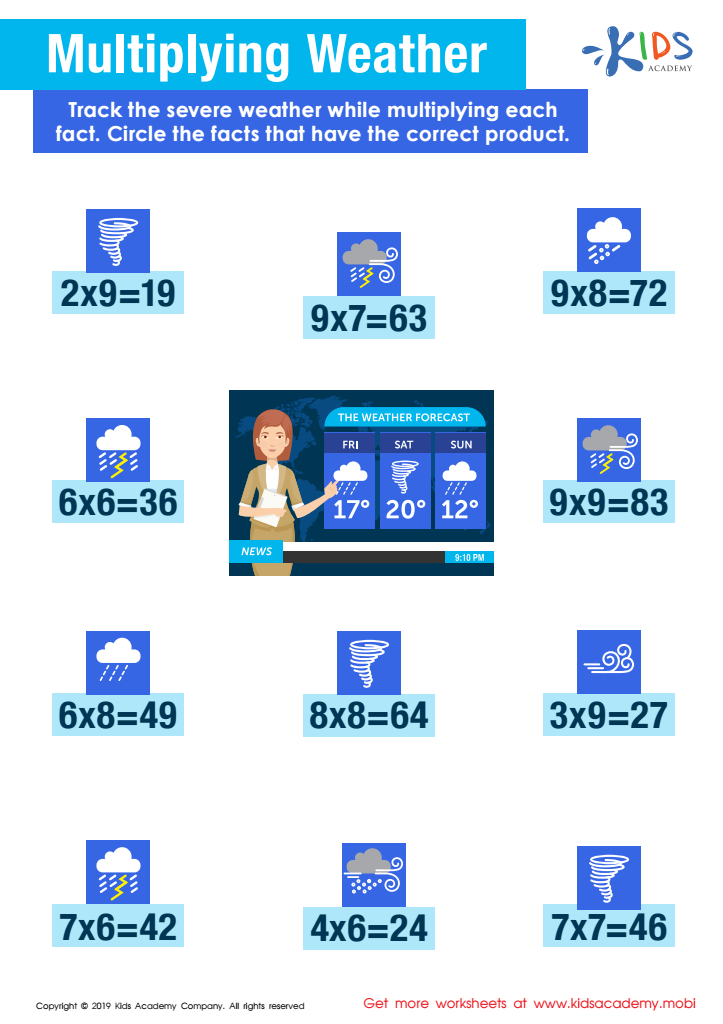
Multiplying Weather Worksheet
 Assign to My Students
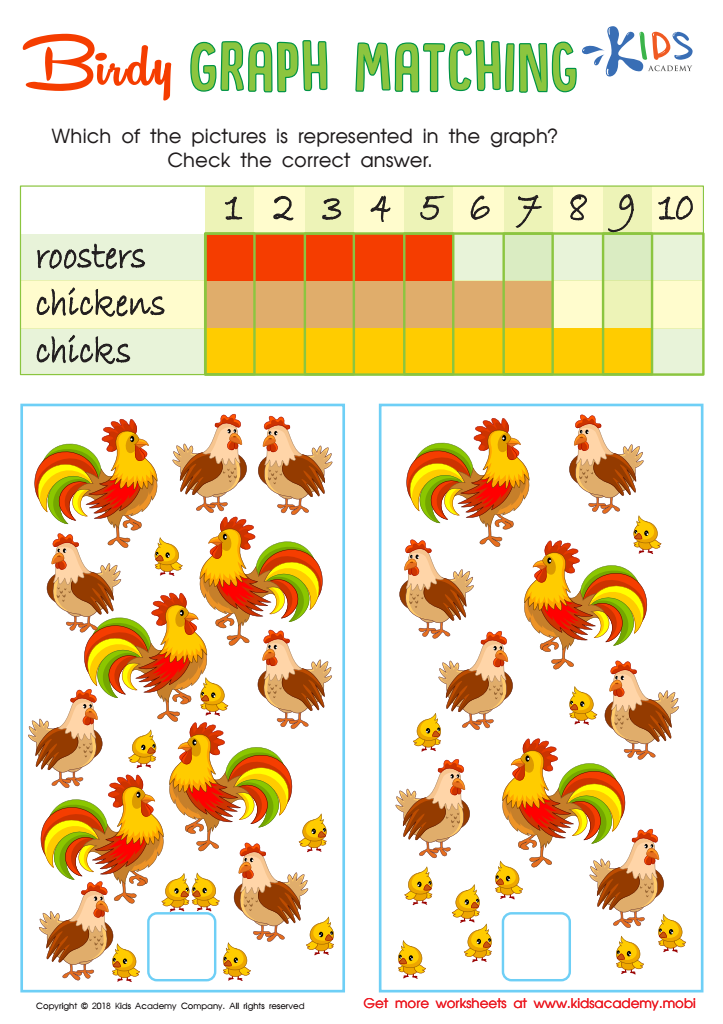
Birdy Graph Matching Worksheet
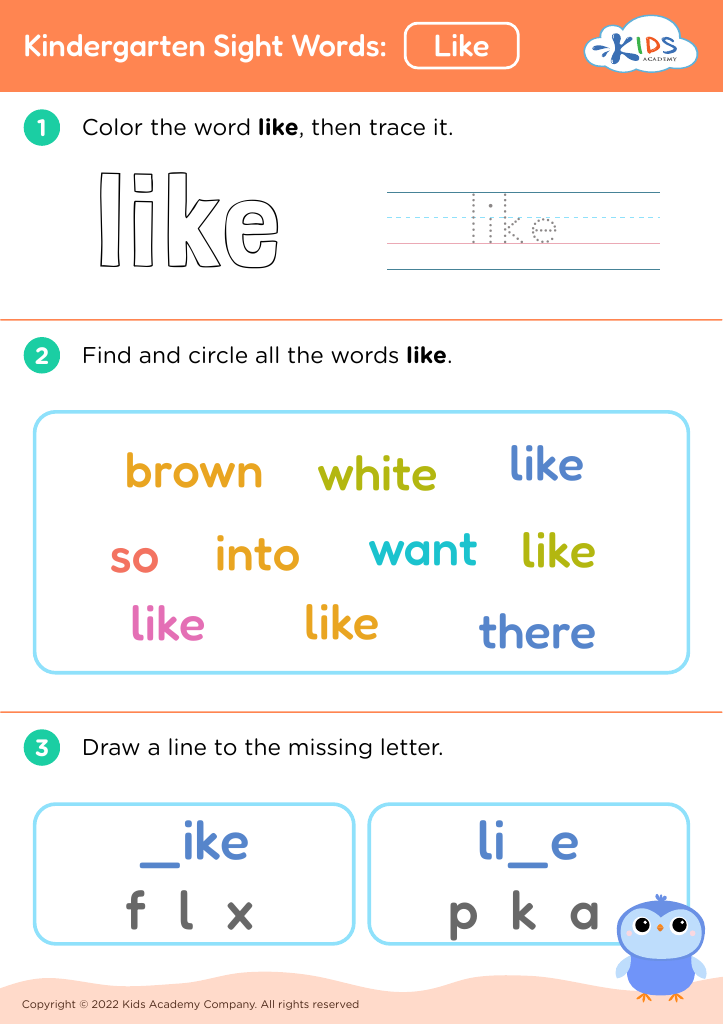







Parents and teachers should care about data analysis skills for children aged 5-9 because these skills lay the groundwork for critical thinking and problem-solving abilities that are essential in today's data-driven world. Introducing data analysis at an early age can foster a child's curiosity and enhance their ability to observe, categorize, and make informed decisions. For example, simple activities like sorting objects, identifying patterns, and basic graphing can teach young children how to interpret and organize information methodically.
Furthermore, understanding data can improve mathematical proficiency. Handling numbers and recognizing relationships between them are key components of early math education, which is linked to higher academic achievement across all subjects. With a foundation in data analysis, children also gain confidence in using technology and can better navigate digital tools commonly used in educational settings.
Moreover, fostering these skills early on helps develop patience and attention to detail. As children learn to collect and evaluate information, they become more adept at distinguishing between biases and facts—a critical skill for responsible citizenship in an era of misinformation. Overall, nurturing data analysis skills in young children encourages lifelong learning and equips them with essential abilities to thrive in an increasingly complex and connected world.








