Number identification Worksheets for Ages 5-9
25 filtered results
-
From - To
Our Number Identification Worksheets for ages 5-9 offer engaging, fun, and educational activities to help children recognize and understand numbers. Designed to nurture foundational math skills, these printable worksheets include a variety of exercises suited for young learners. Kids can practice writing numbers, counting objects, and matching numbers to their corresponding quantities, all while enjoying colorful and interactive designs. Perfect for classroom use or at-home learning, our worksheets support essential math development in a playful way, ensuring that children gain confidence in number recognition and set a strong basis for future mathematical success.
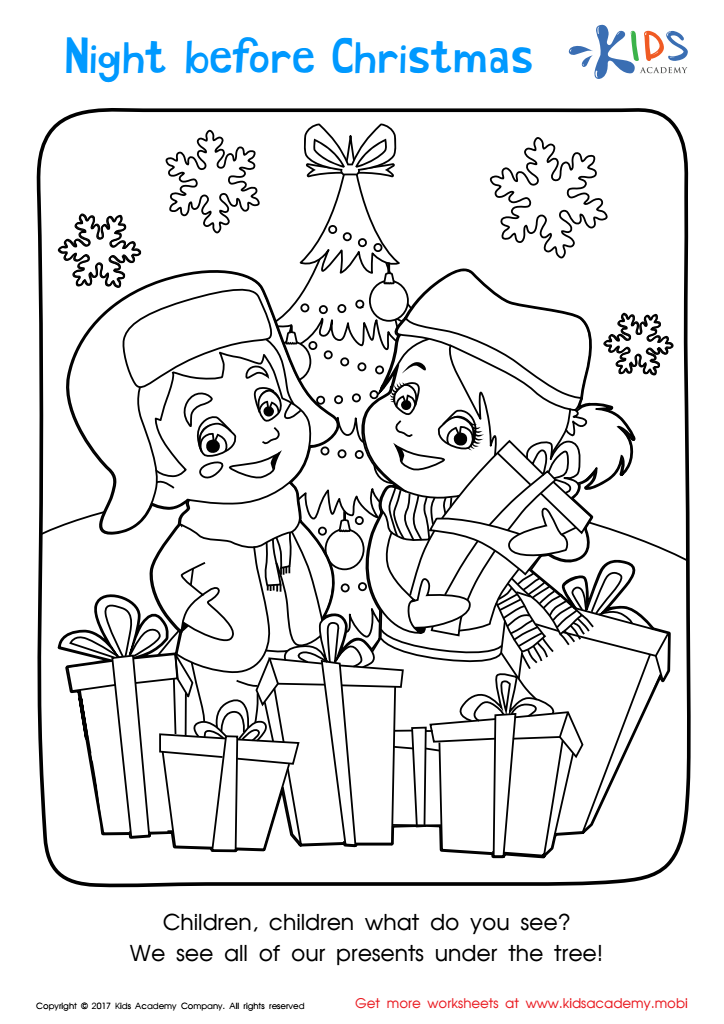
Christmas: Night Before Christmas Printable
 Assign to My Students
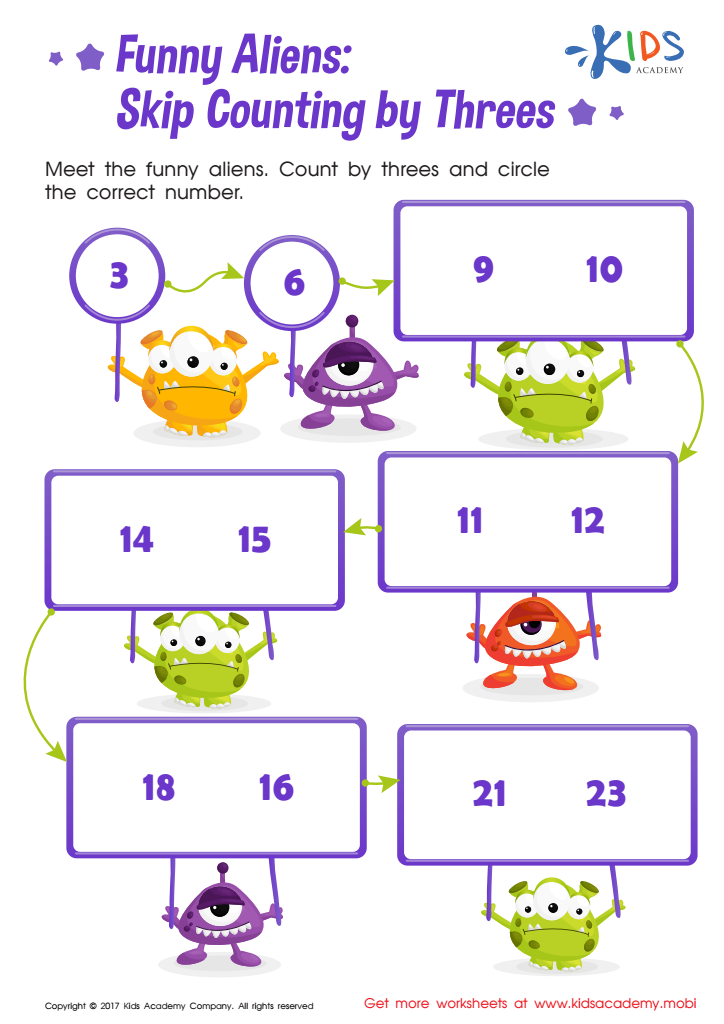
Skip Counting by 3s: Funny Aliens Printable
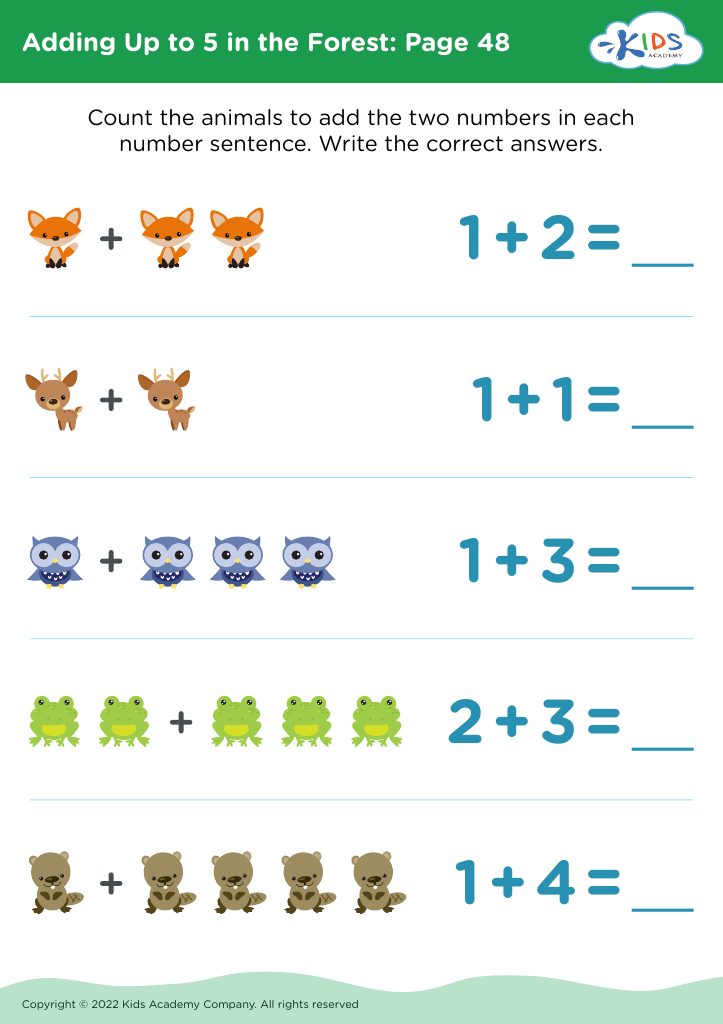
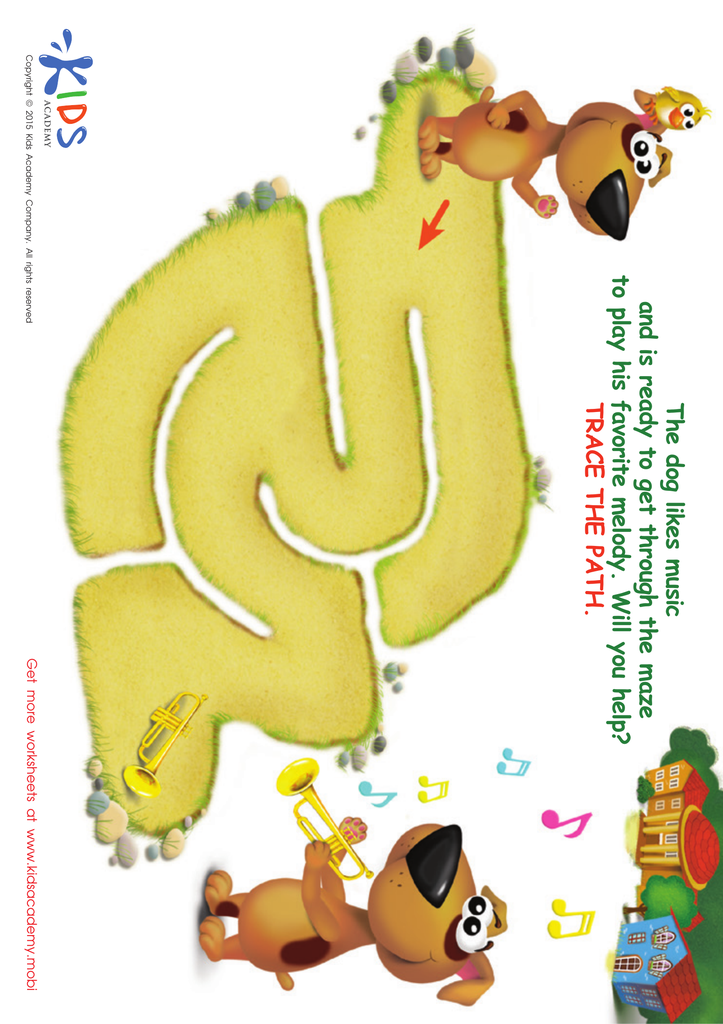
Trumpeter Maze Worksheet
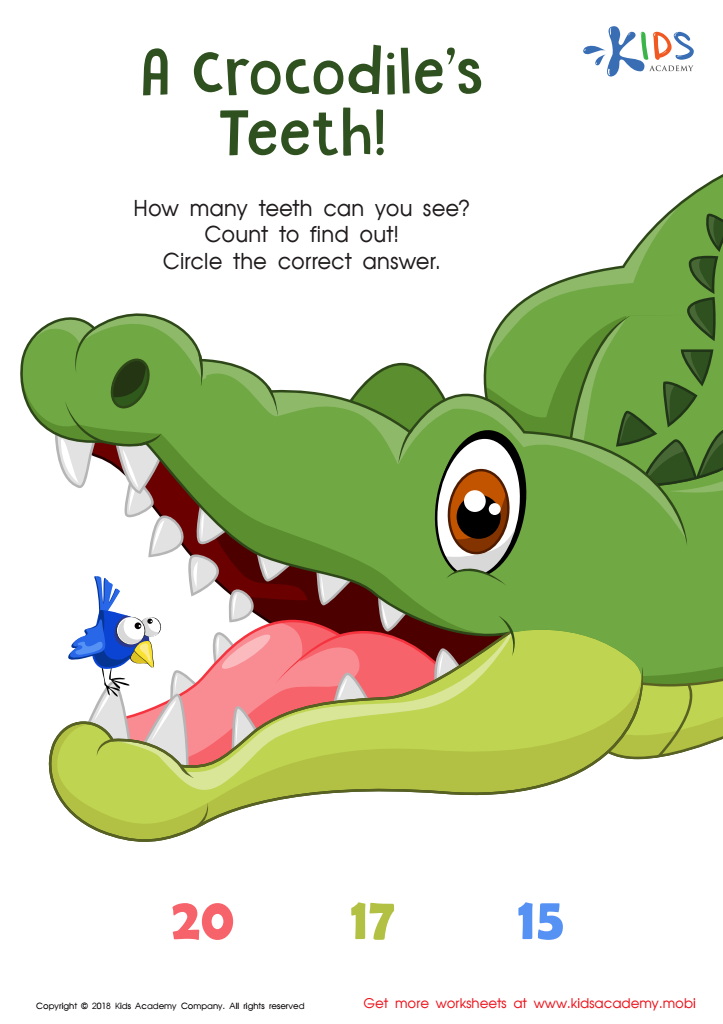
A Crocodile's Teeth Worksheet
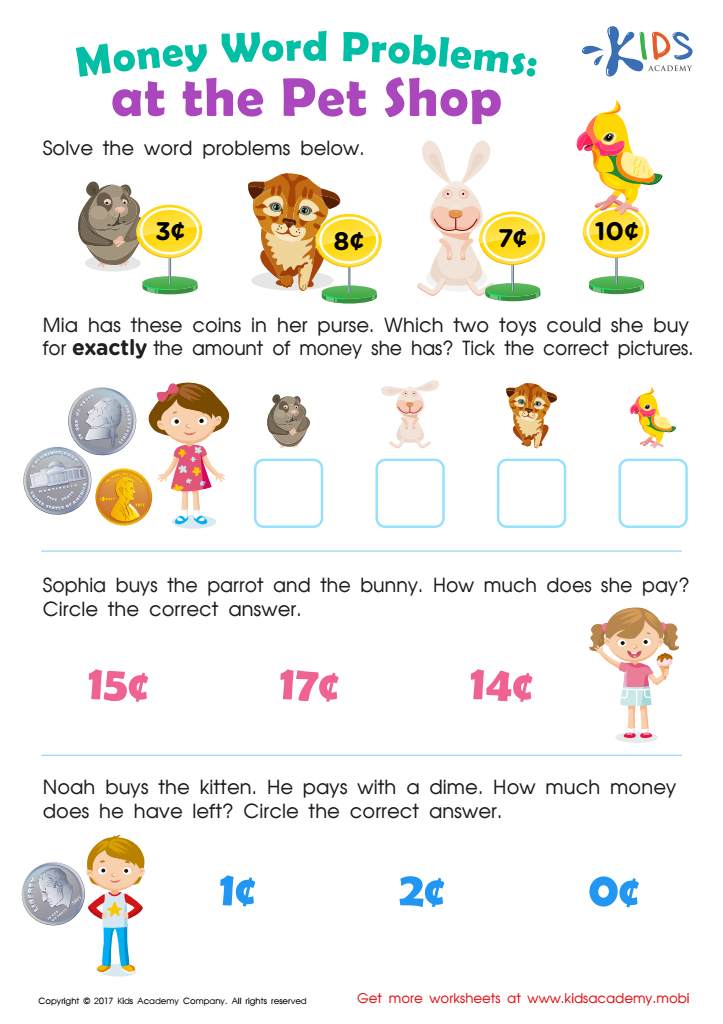
Pet Shop Worksheet

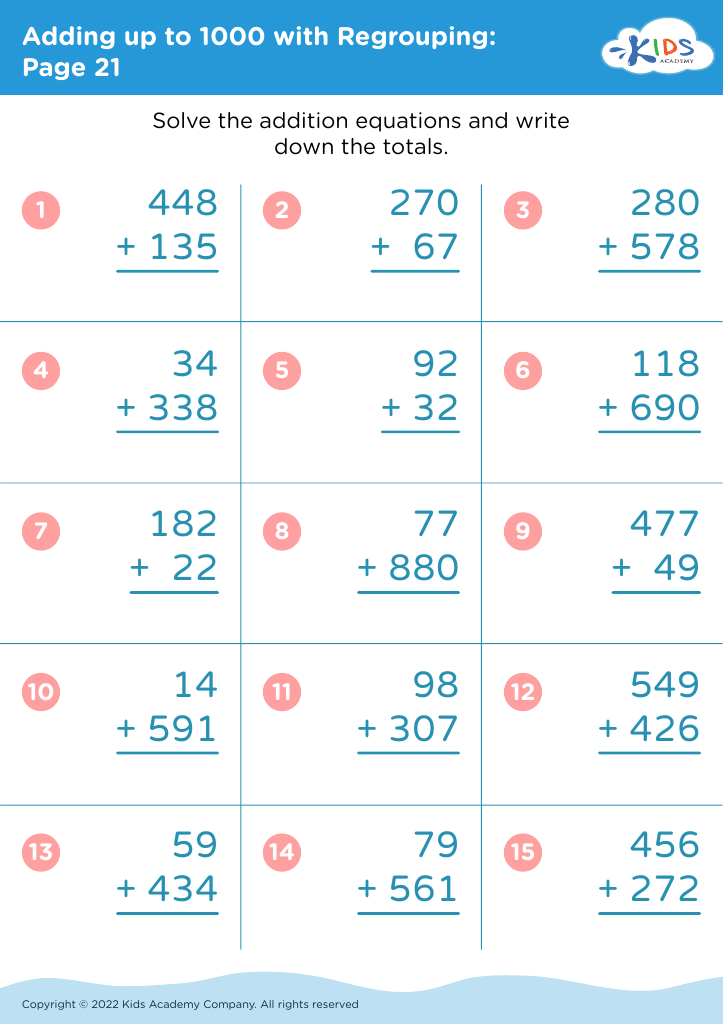
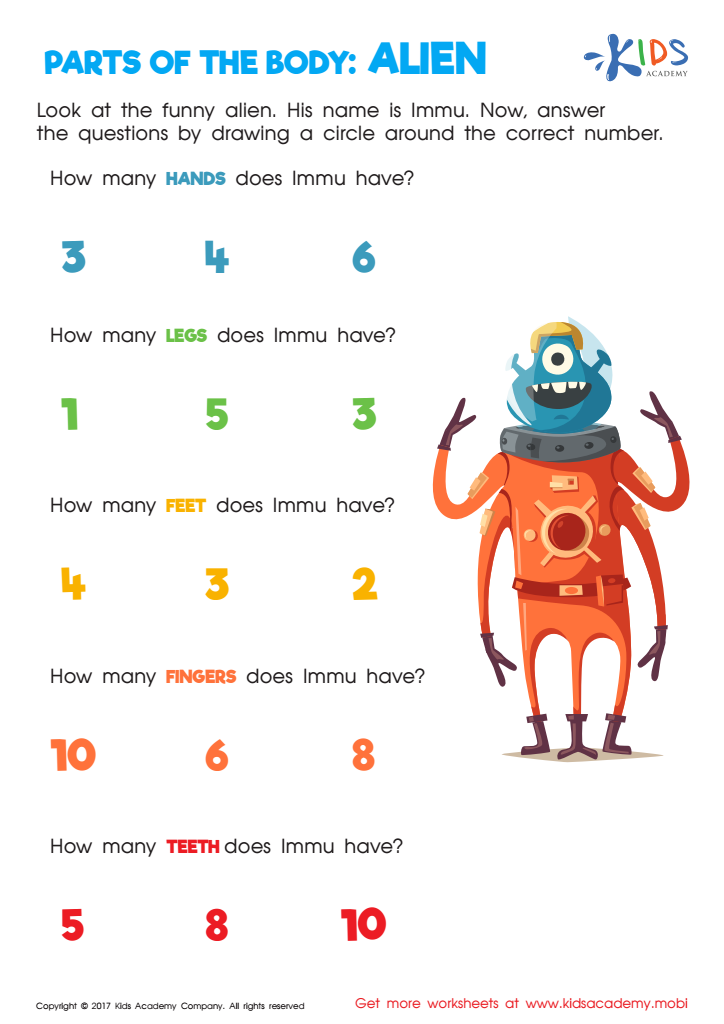
Alien Worksheet
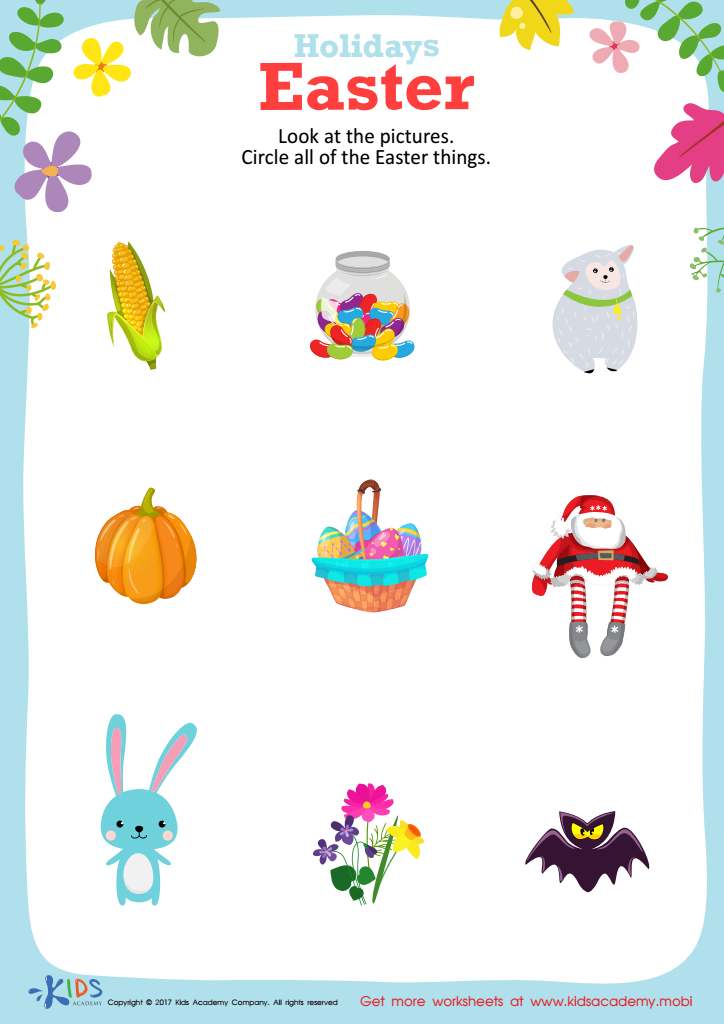
Easter Holiday Printable
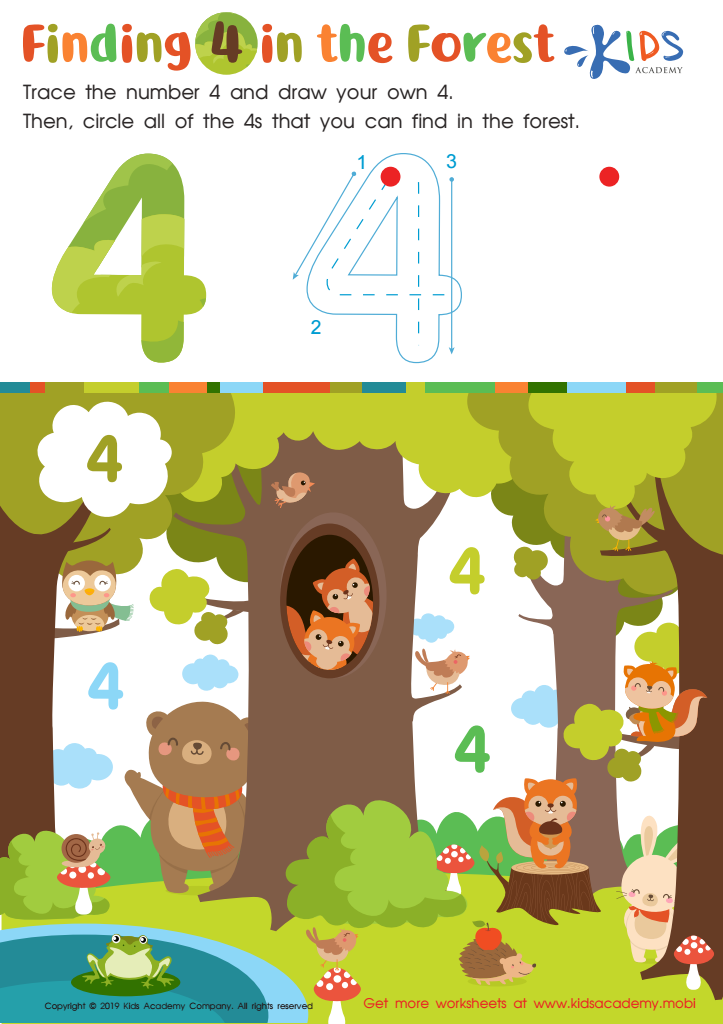
Finding 4 in the Forest Worksheet
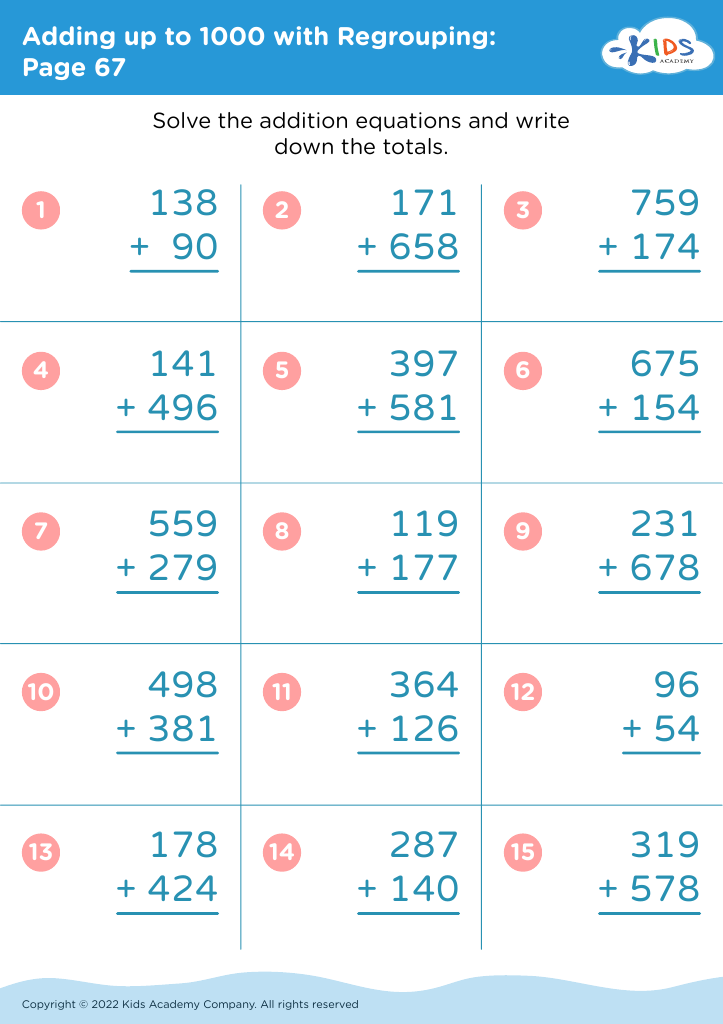
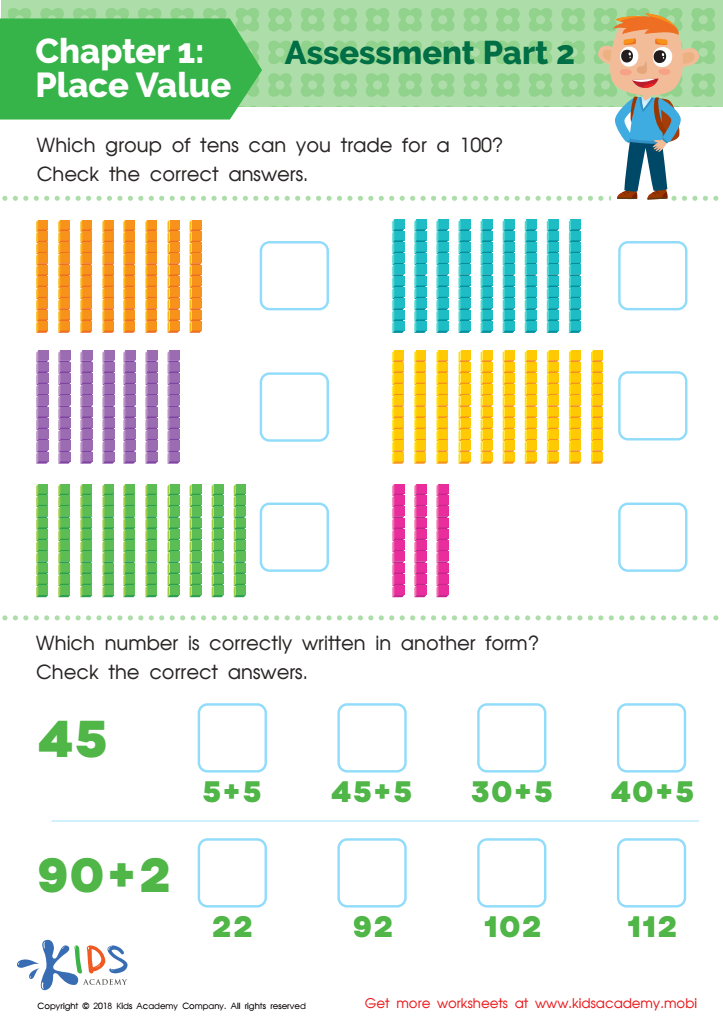
Place Value: Chapter 2 Worksheet
Easter: Easter Eggs Worksheet
Assign to My Students
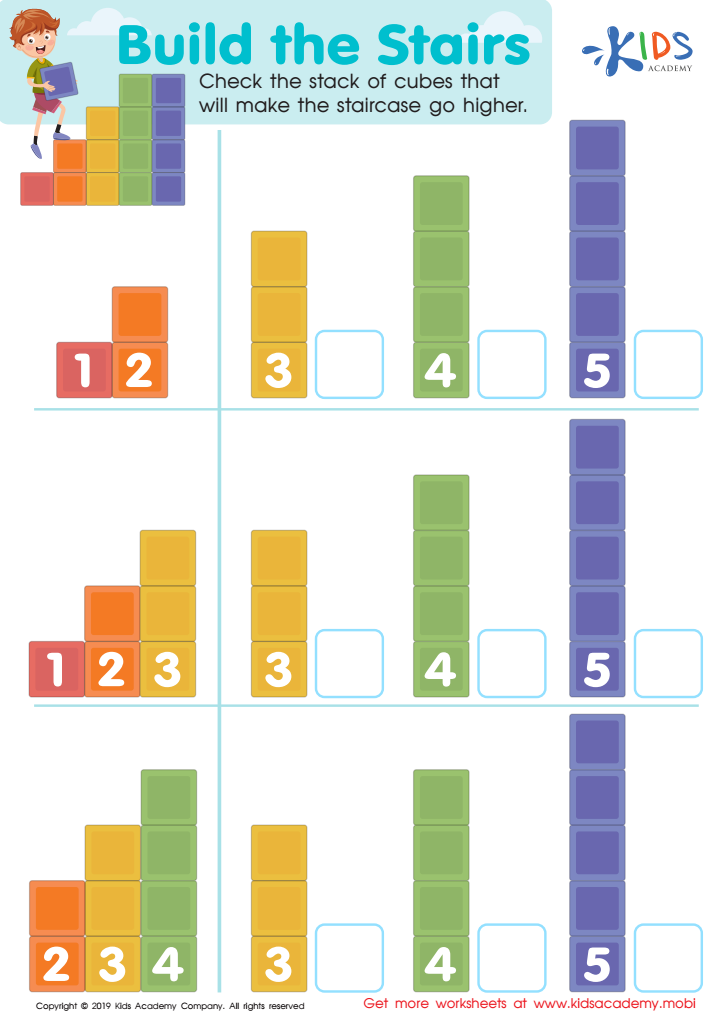
Build the Stairs Worksheet
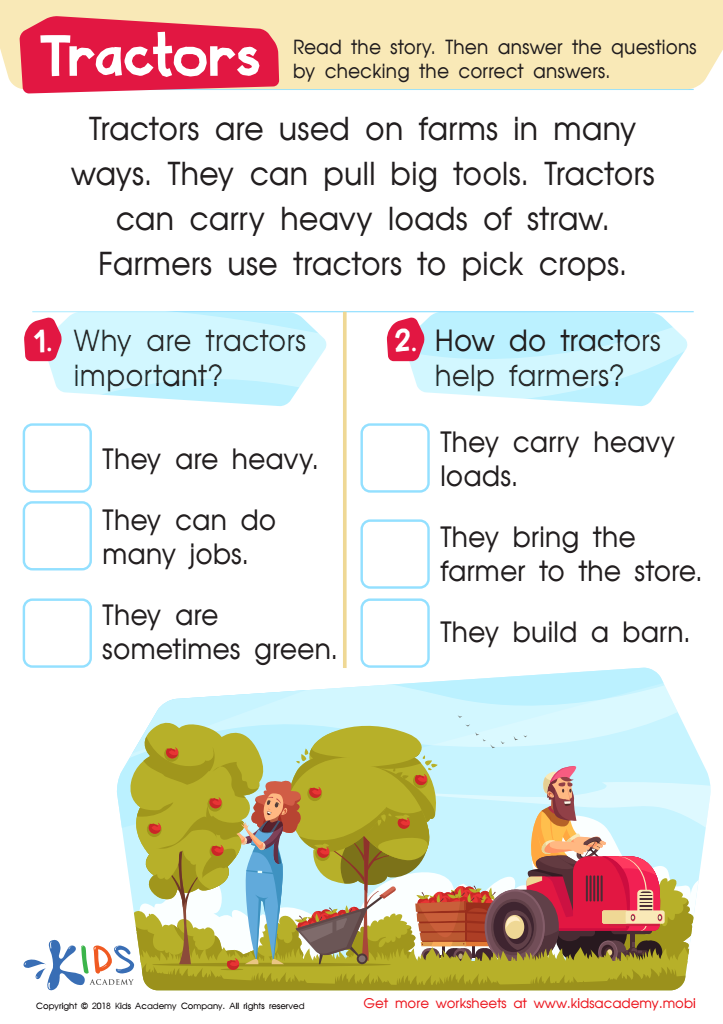
Tractors Worksheet
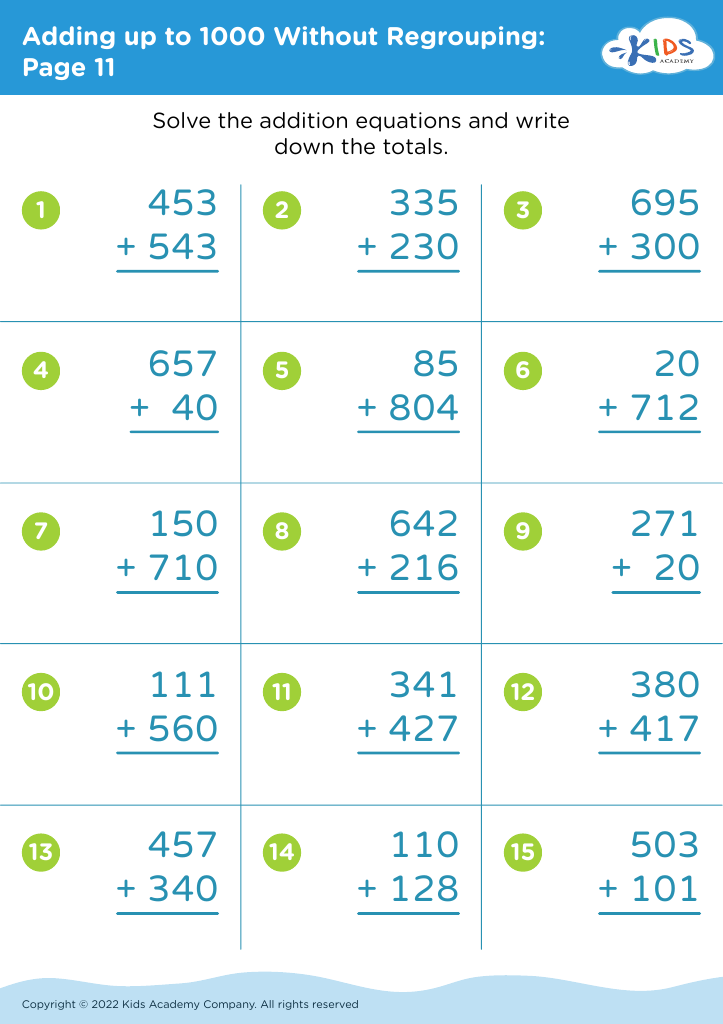
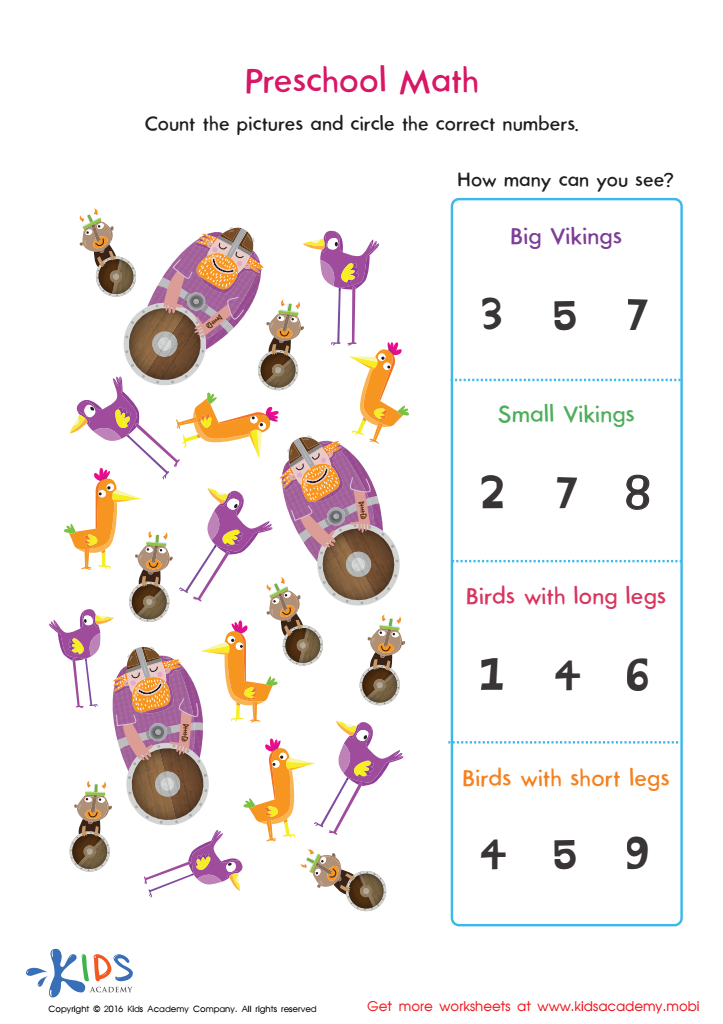
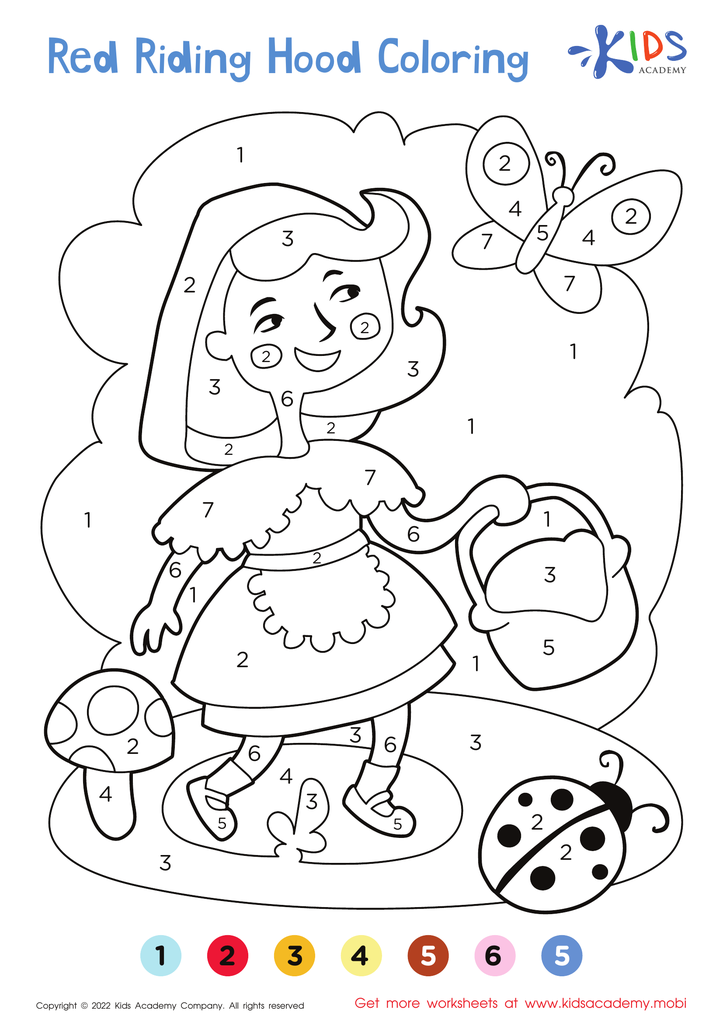
Little Red Riding Hood – Coloring by Numbers
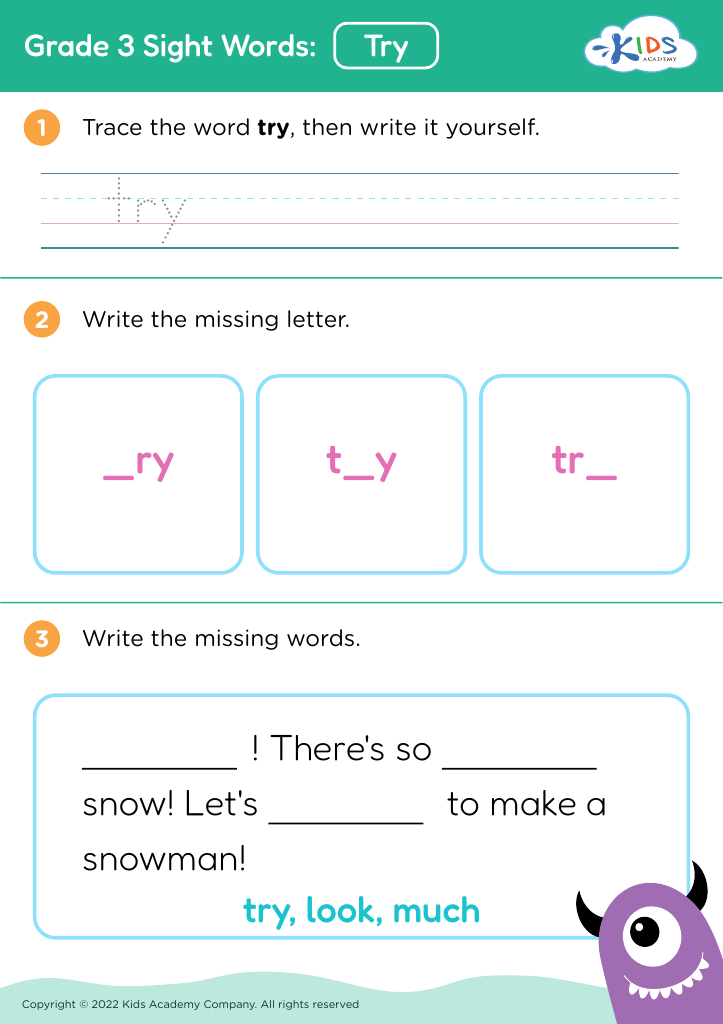








Number identification is a fundamental skill for children aged 5-9, forming the building block for more complex math operations and logical thinking crucial for lifelong learning. When parents and teachers emphasize number recognition, it establishes a solid mathematics foundation, paving the way for children to understand concepts like addition, subtraction, and even more advanced subjects. During this developmental window, children's brains are highly receptive to learning patterns and symbols, making it an ideal time to introduce numeracy.
Moreover, number identification is closely linked to other skills like counting, basic arithmetic problem-solving, and even critical thinking. When children can recognize numbers quickly and accurately, it fosters confidence and engagement in math activities. This early competence enhances their ability to perform well academically in the future, reducing math-related anxiety.
Additionally, fluency in number identification has practical real-world applications. Whether telling the time, understanding addresses, measuring ingredients, or managing money, recognizing numbers is an everyday necessity. Parents and teachers, by fostering number identification skills, help children develop a toolkit that aids in navigating day-to-day tasks and broader academic endeavors efficiently, thereby contributing significantly to their long-term educational success and essential life skills.








