Practical math application Worksheets for Ages 5-9
10 filtered results
-
From - To
Discover our engaging "Practical Math Application Worksheets" designed for children ages 5-9! These worksheets make learning math fun and relevant, bridging classroom concepts with real-world scenarios. Your child will explore various topics, including measurement, budgeting, and problem-solving, through interactive activities that spark curiosity and promote critical thinking. Each worksheet is tailored to different skill levels, ensuring an enjoyable way for young learners to practice essential math skills. Encourage your child's confidence in math while they develop practical life skills that will benefit them long after the classroom. Get started today and watch your child thrive with hands-on math experiences!
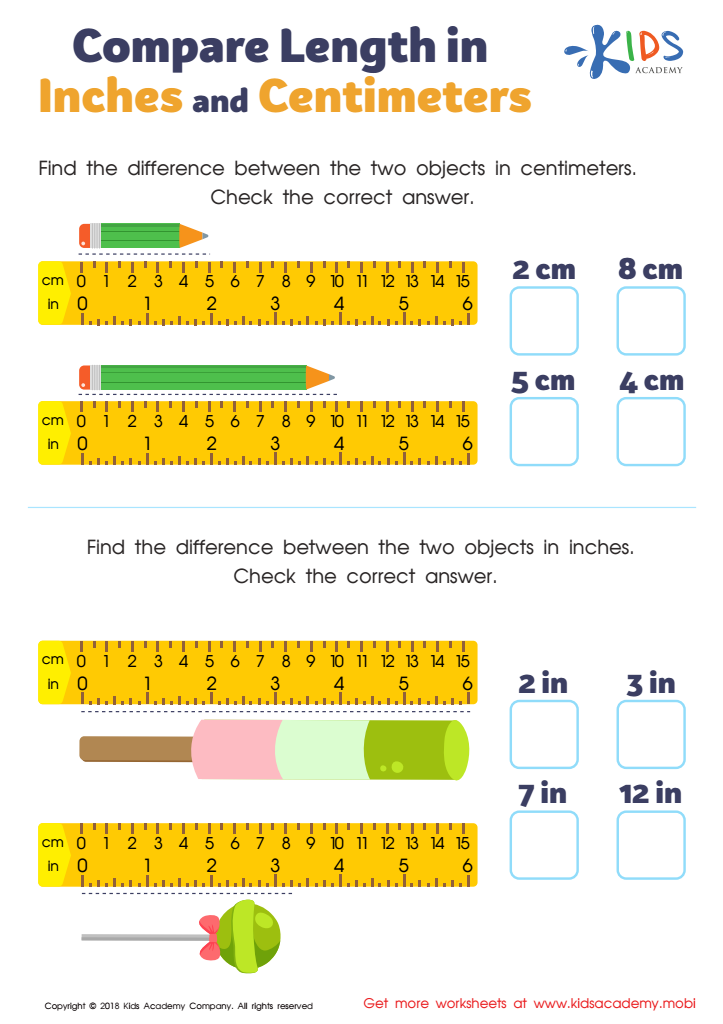
Compare Length in Inches and Centimeters Worksheet
 Assign to My Students
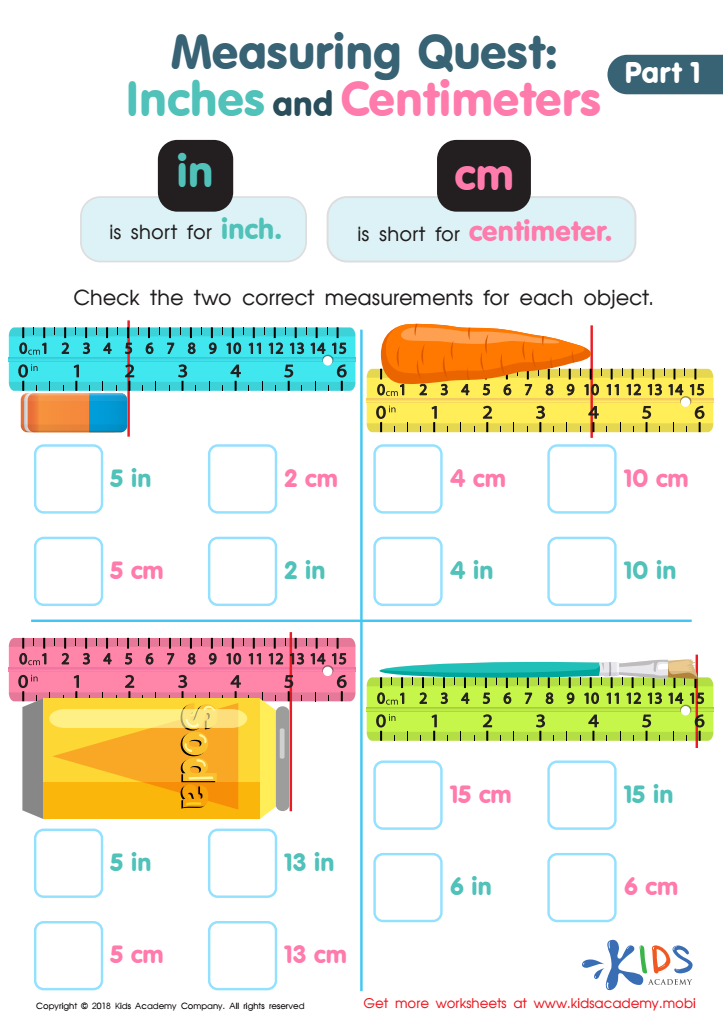
Measuring Quest: Inches and Centimeters Worksheet
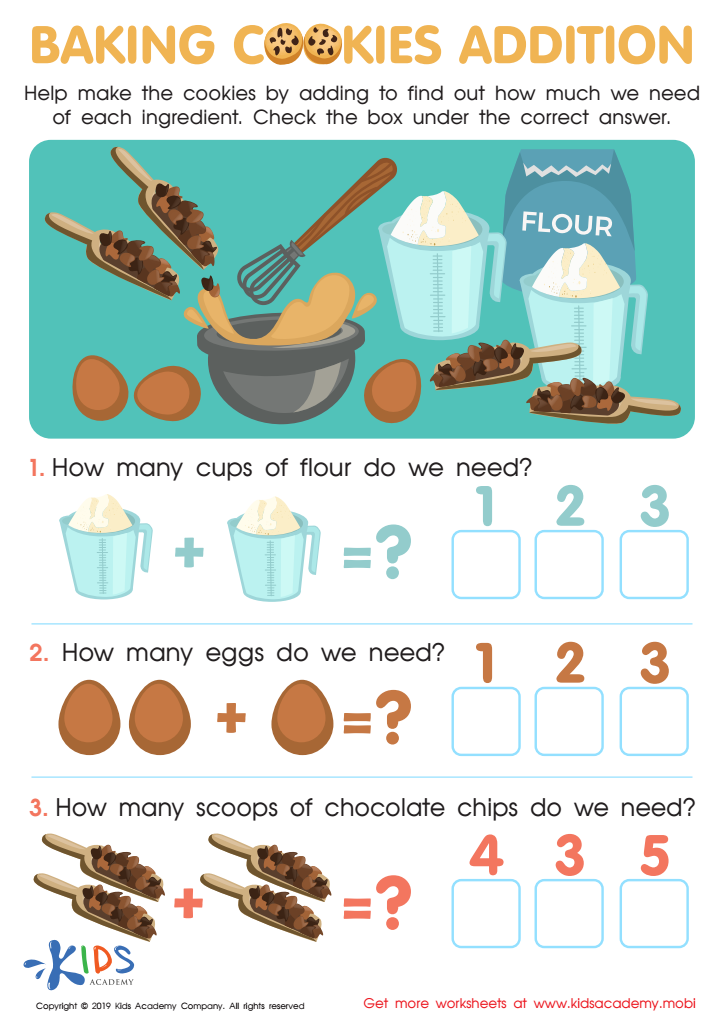
Baking Cookies Addition Worksheet
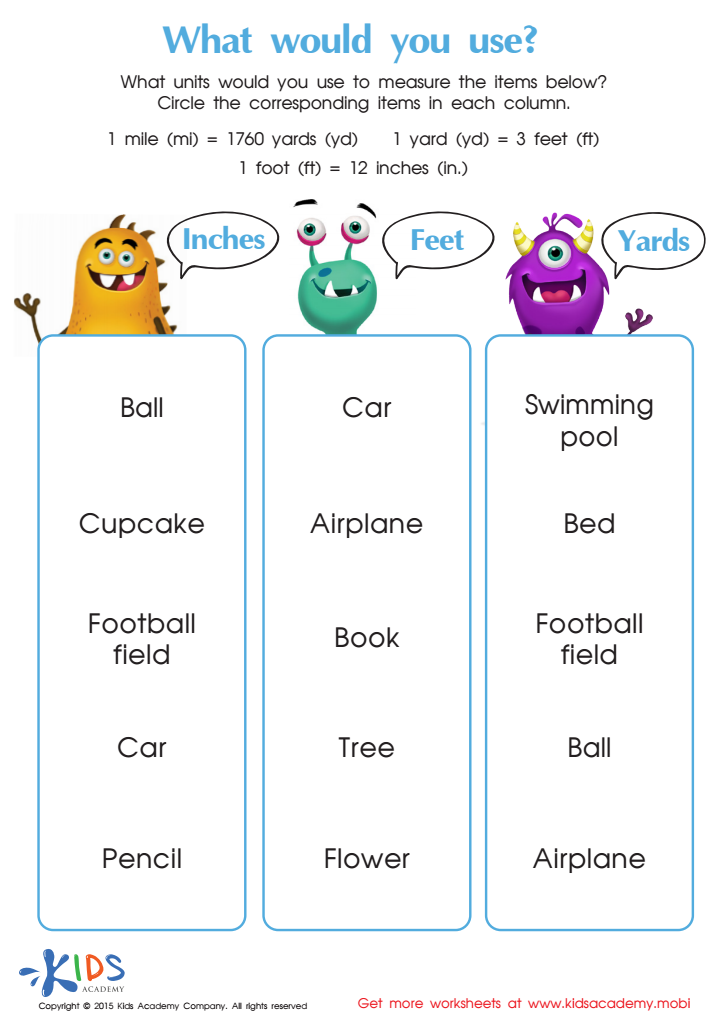
Learning about measuring objects in inches, feet and yards Worksheet
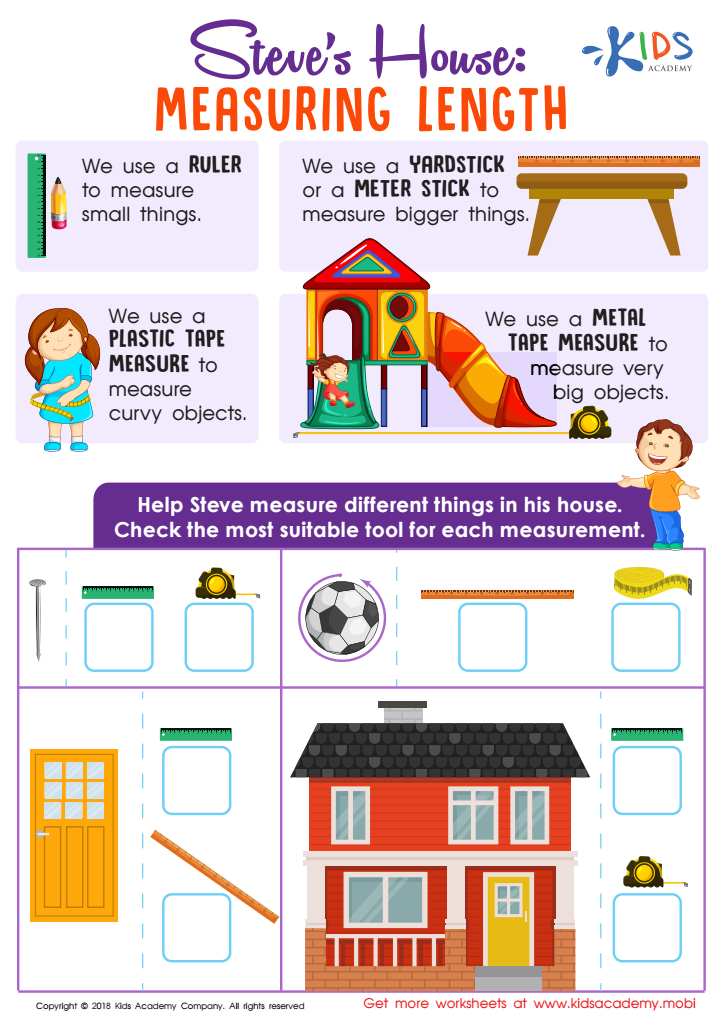
Steve's House: Measuring Length Worksheet
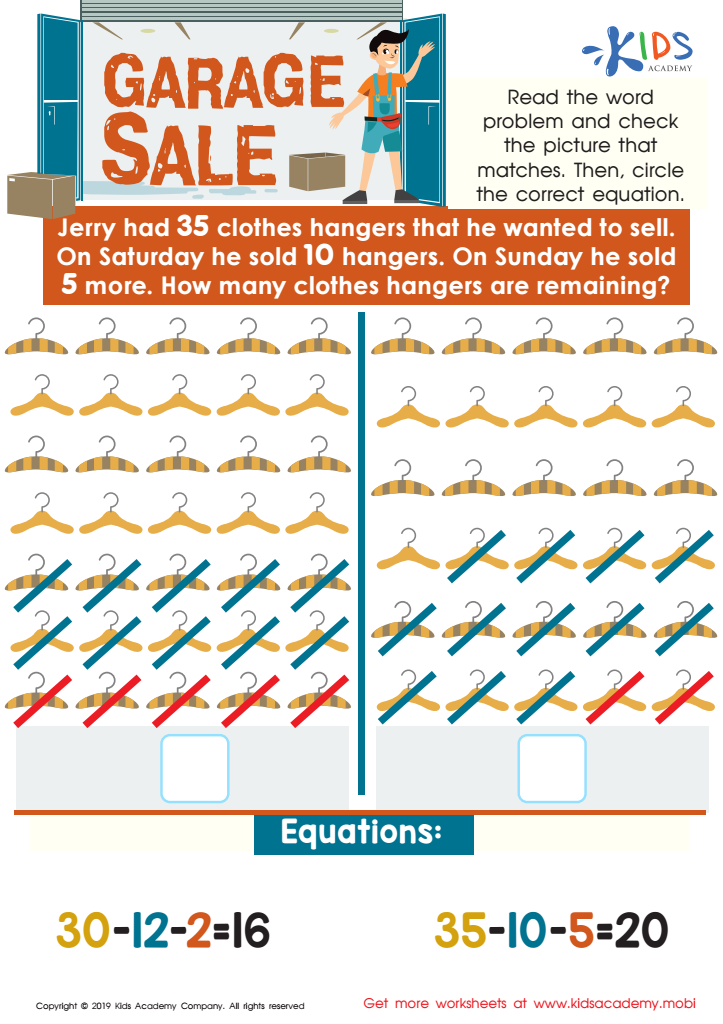
Garage Sale Worksheet
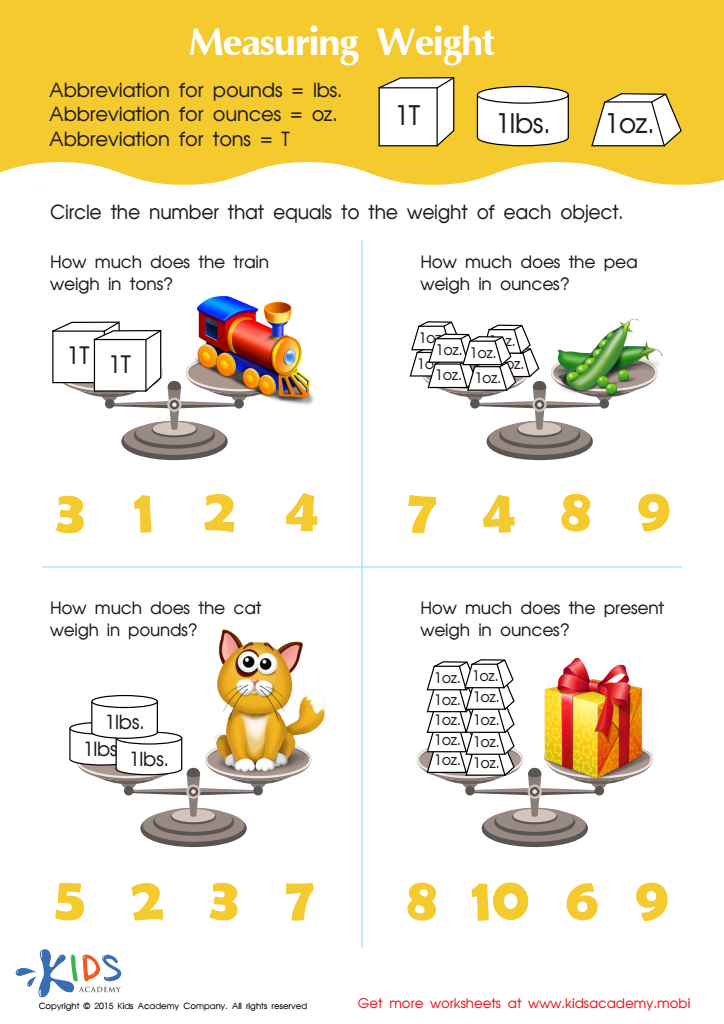
Measuring Weight in Ounces, Pounds and Tons Worksheet
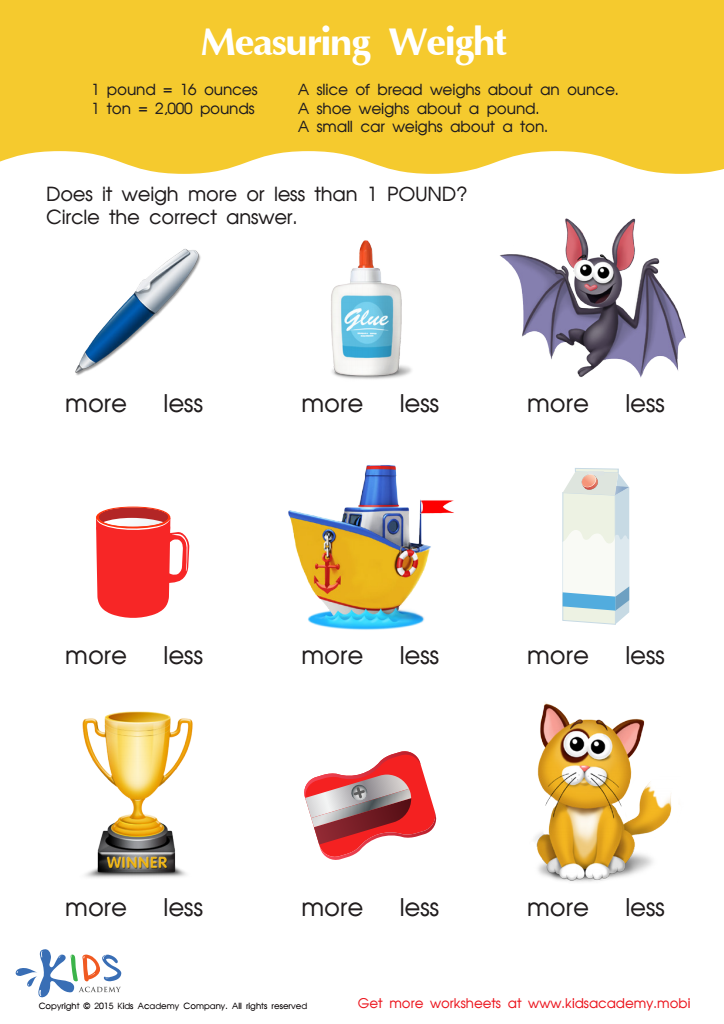
Measuring weight in pounds Worksheet
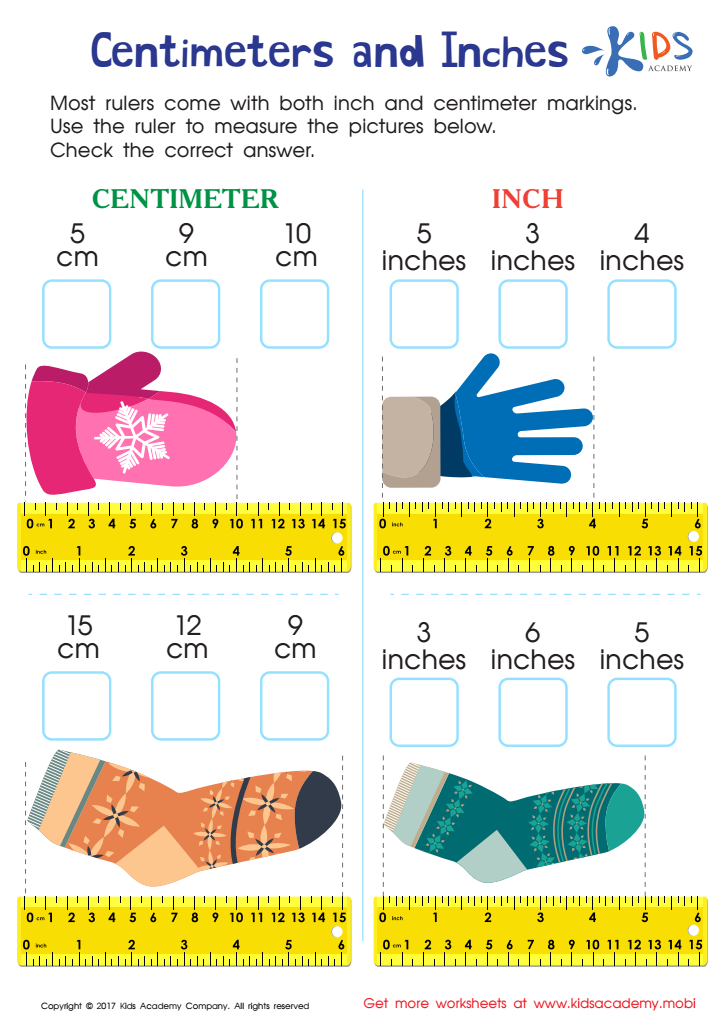
Centimeters and Inches Worksheet
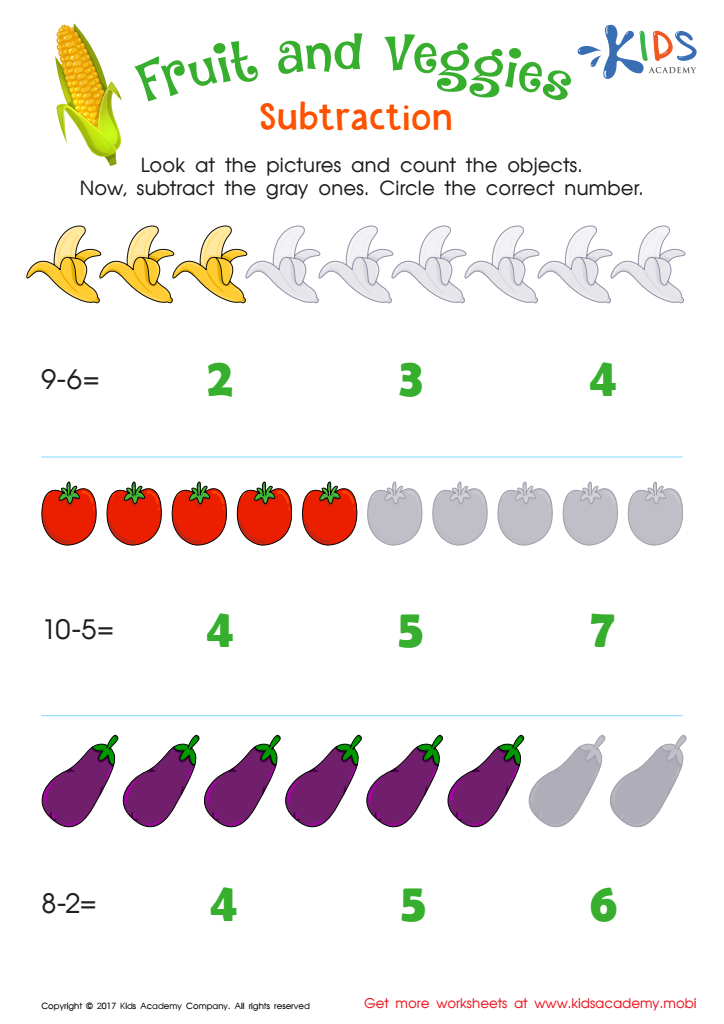
Fruit and Veggies Subtraction Worksheet







Practical math application for children ages 5 to 9 is crucial for their cognitive development and everyday functioning. At this age, children are naturally curious and eager to learn, making it an ideal time to connect math concepts to real-life situations. When parents and teachers emphasize practical math applications, they help children grasp the importance of math beyond the classroom.
For instance, engaging kids in activities like cooking teaches measurement and fractions, while budgeting for a family outing can introduce concepts related to addition, subtraction, and logical thinking. These experiences enhance problem-solving abilities and critical thinking skills, fostering confidence as they see math as a valuable tool for daily tasks.
Moreover, practical math experiences promote collaboration and communication skills as children work together to solve problems. It bridges the gap between theoretical knowledge and tangible understanding, ensuring that children see math as relevant and enjoyable. When parents and teachers prioritize practical math applications, they are not only equipping children with essential skills but also nurturing a positive attitude towards learning. This foundational understanding sets the stage for future success in school and beyond, making it a key area of focus for early development.








