Understanding measurements Worksheets for Ages 5-9
28 filtered results
-
From - To
Unlock your child's potential with our "Understanding Measurements Worksheets for Ages 5-9." Tailored to suit young learners, these engaging worksheets are designed to introduce foundational measurement concepts such as length, weight, volume, and temperature in a fun and interactive way. Filled with vivid illustrations and simple, step-by-step instructions, they make complex topics easy to grasp. Perfect for both classroom and at-home learning, our worksheets enhance critical thinking and problem-solving skills, ensuring a solid understanding of measurement essentials. Boost your child's confidence in math with our expertly crafted educational materials today!
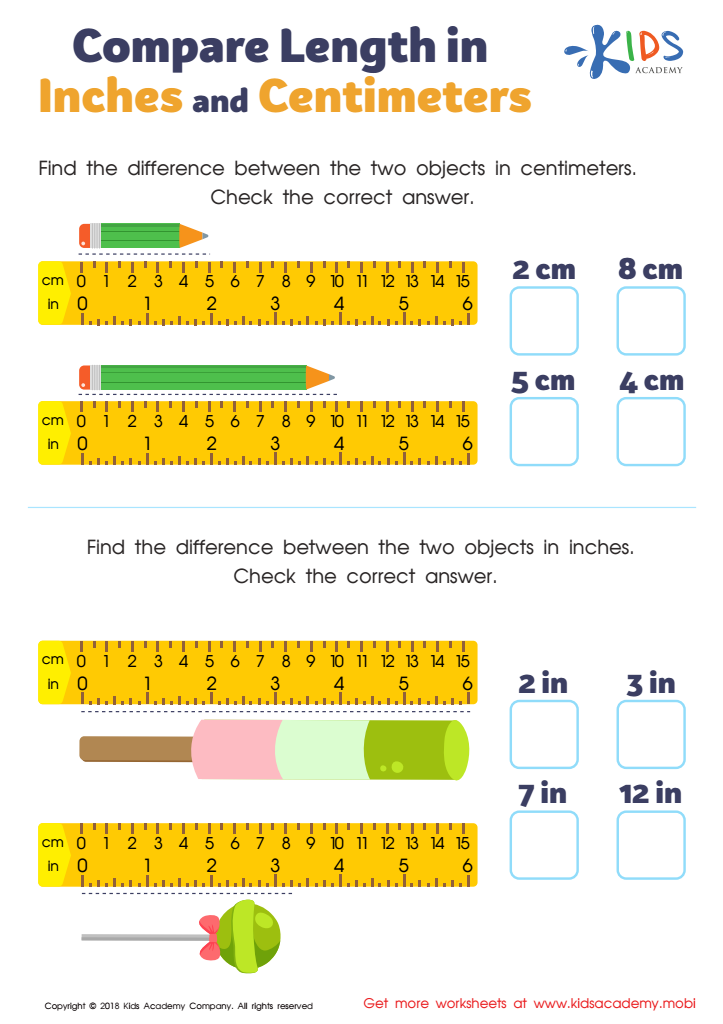
Compare Length in Inches and Centimeters Worksheet
 Assign to My Students
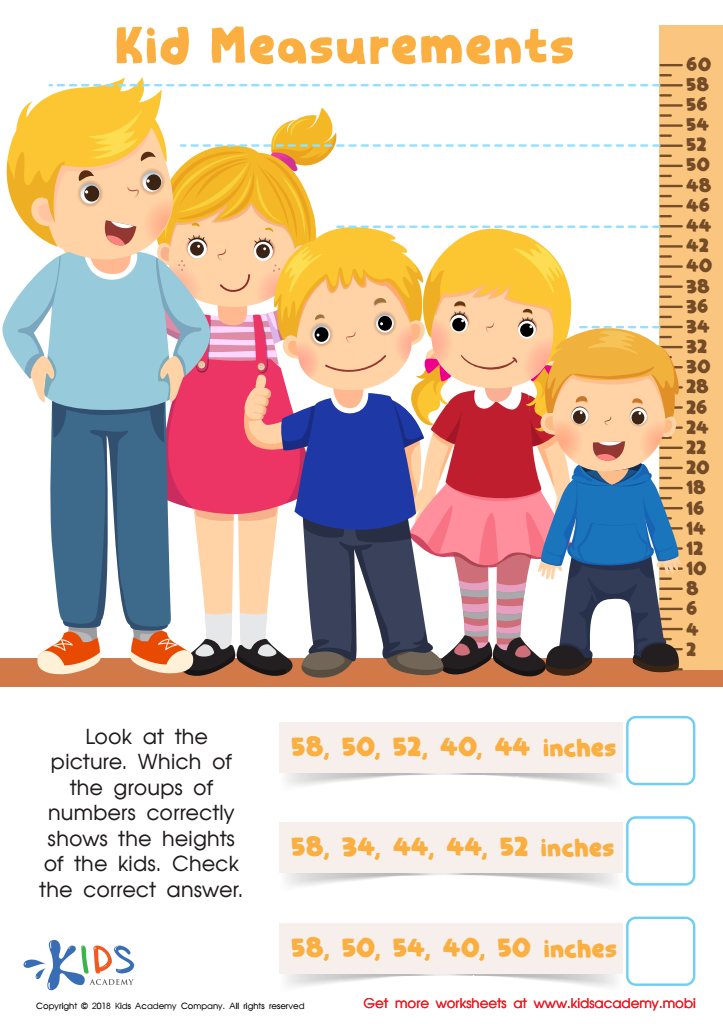
Kids Measurements Worksheet
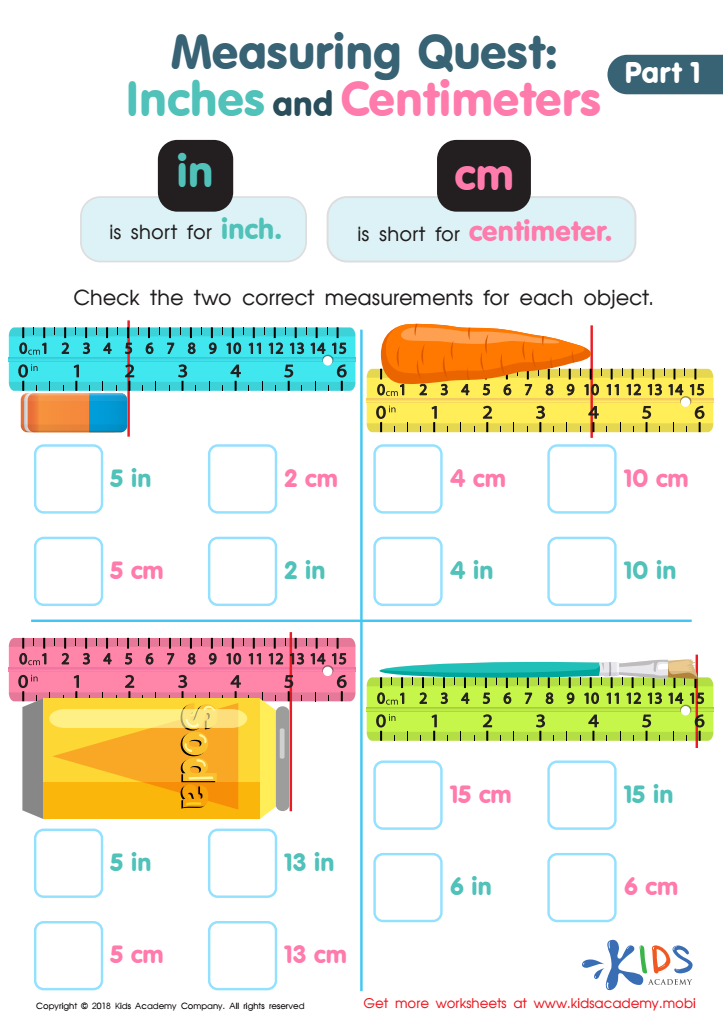
Measuring Quest: Inches and Centimeters Worksheet
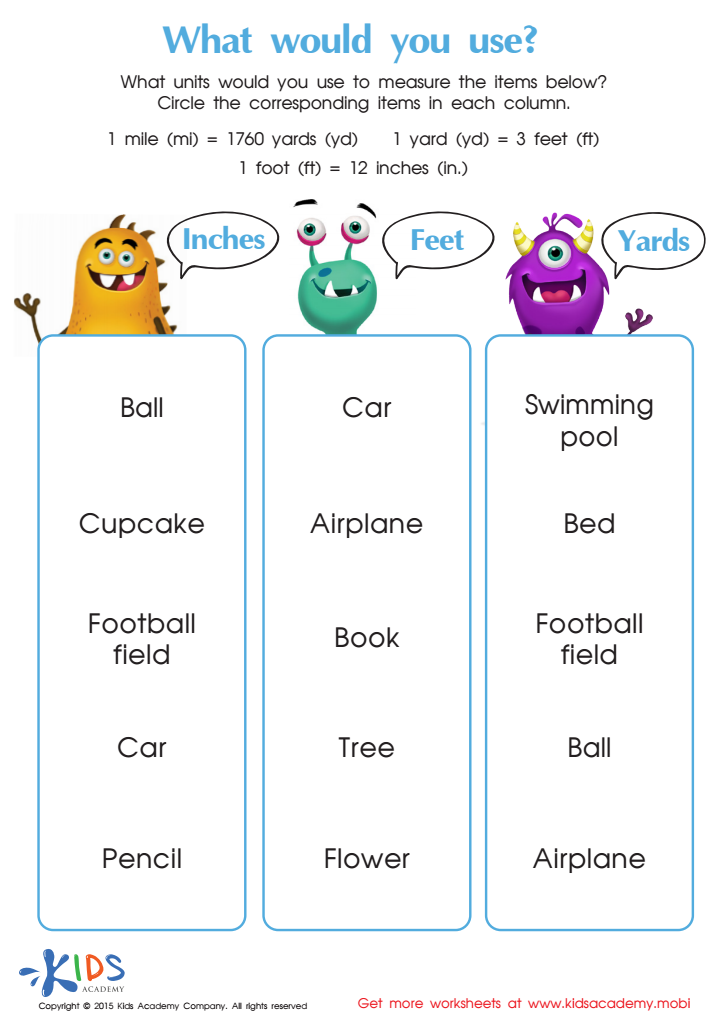
Learning about measuring objects in inches, feet and yards Worksheet
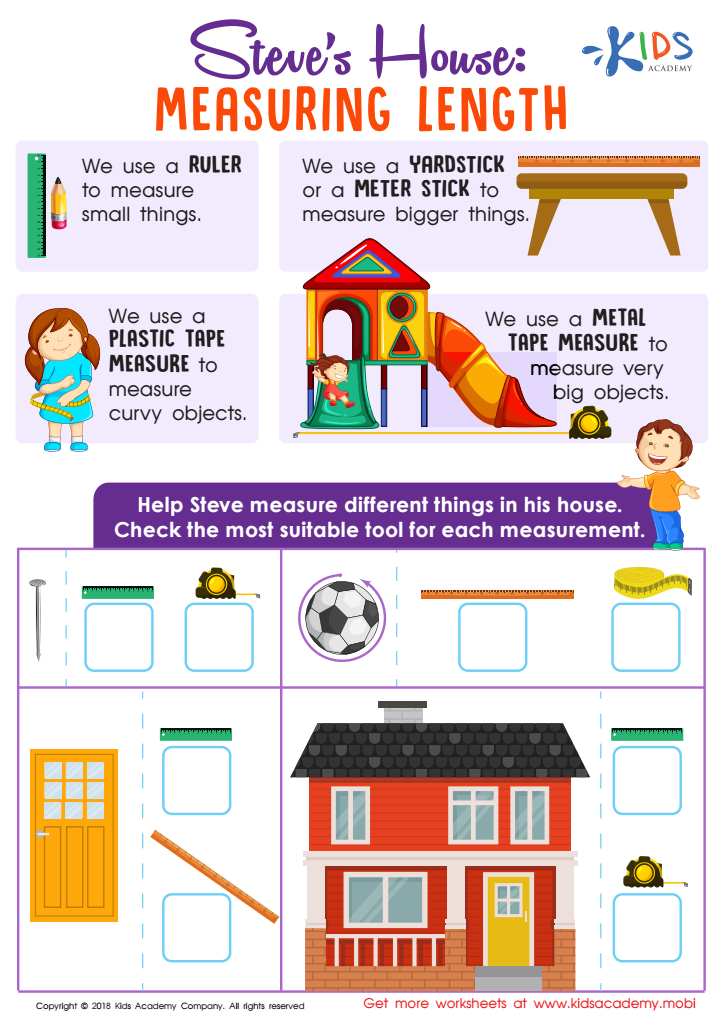
Steve's House: Measuring Length Worksheet
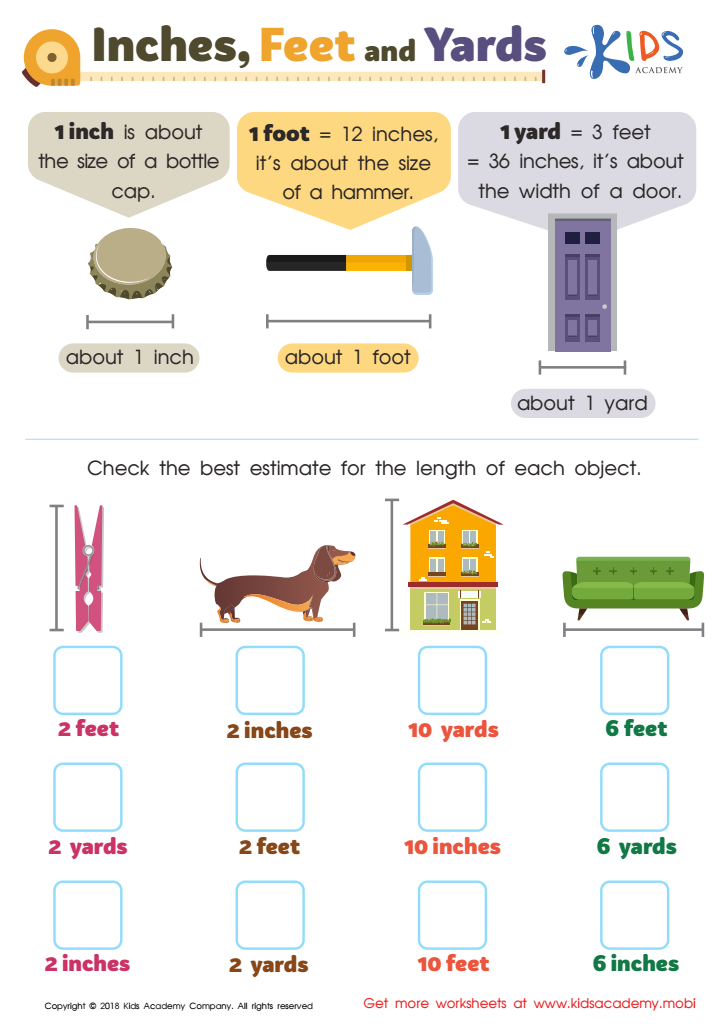
Inches, Feet and Yards Worksheet
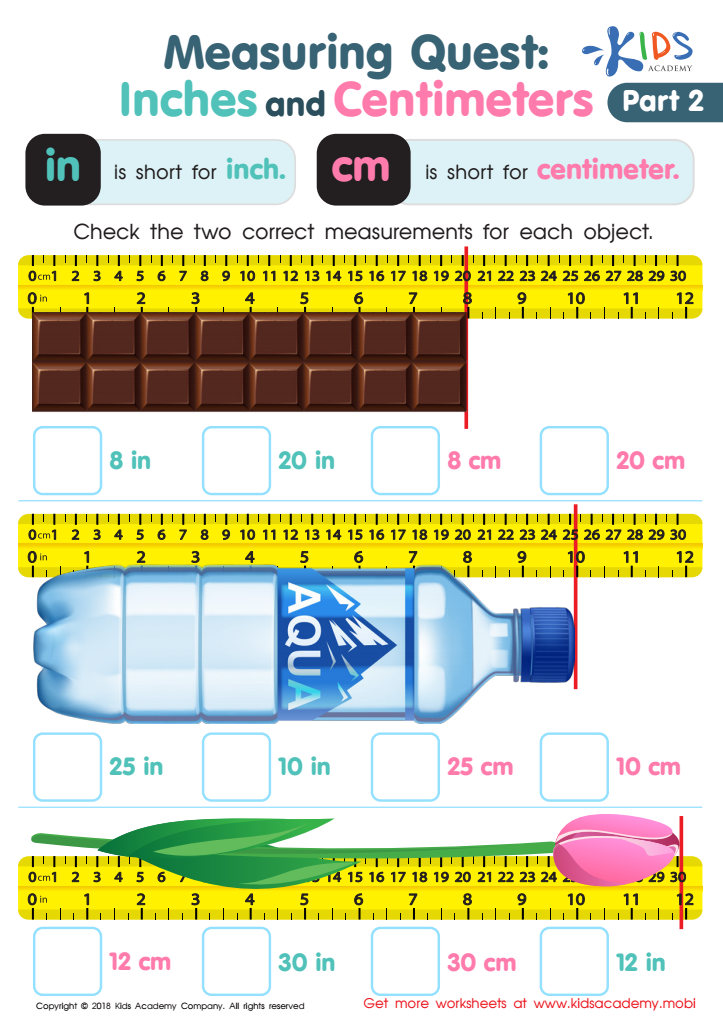
Measuring Quest: Inches and Centimeters - Part 2 Worksheet
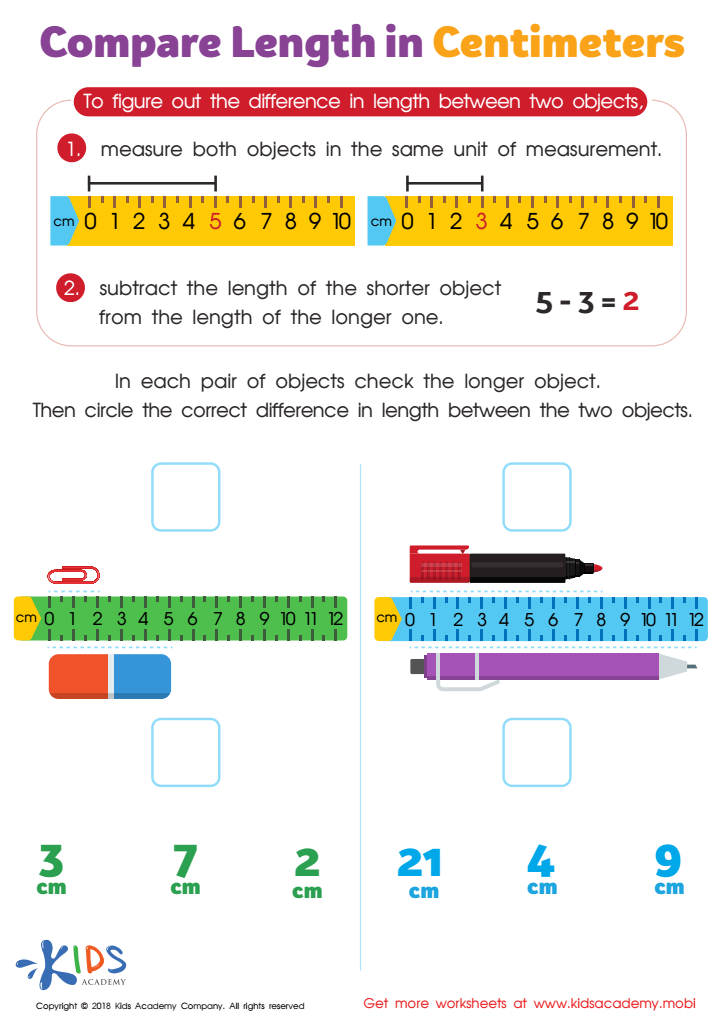
Compare Length in Centimeters Worksheet
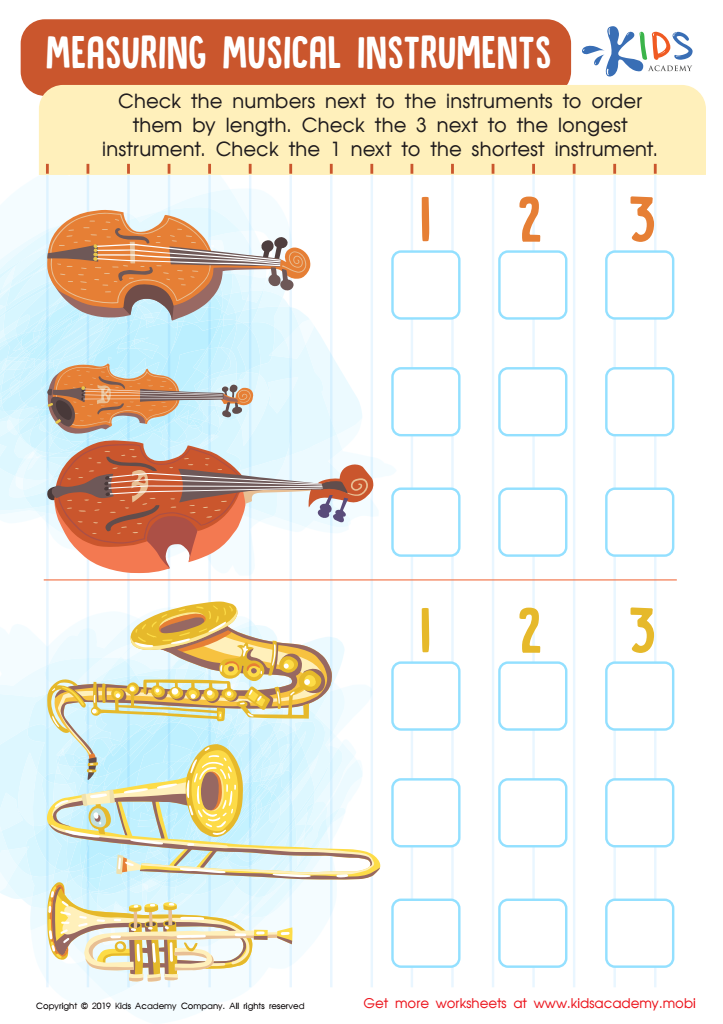
Measuring Musical Instruments Worksheet
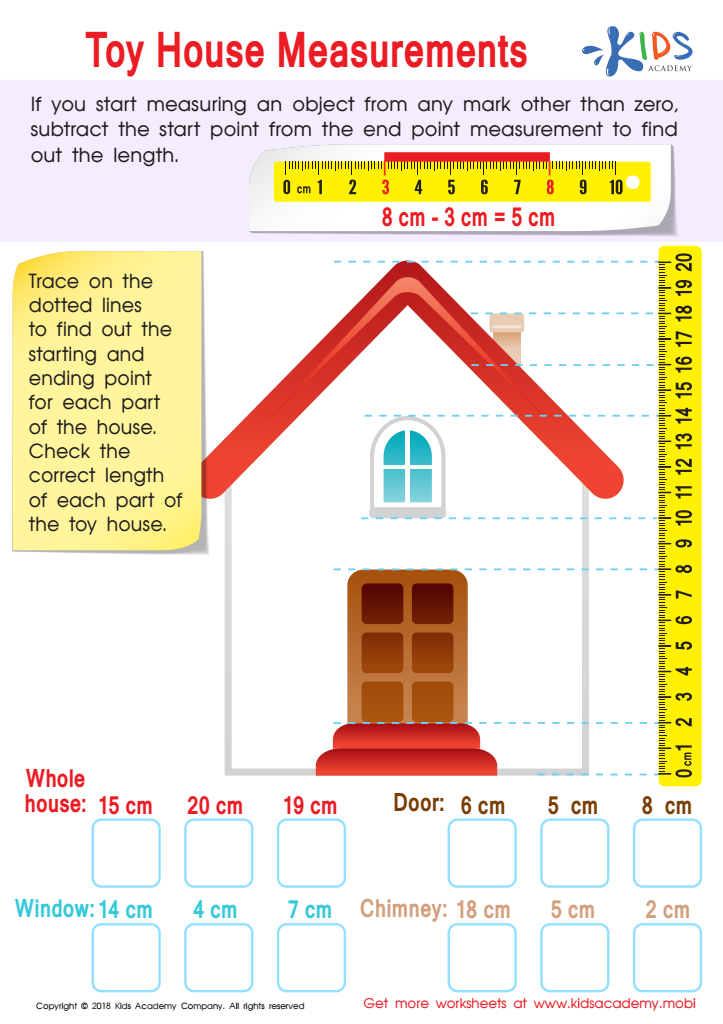
Toy House Measurements Worksheet
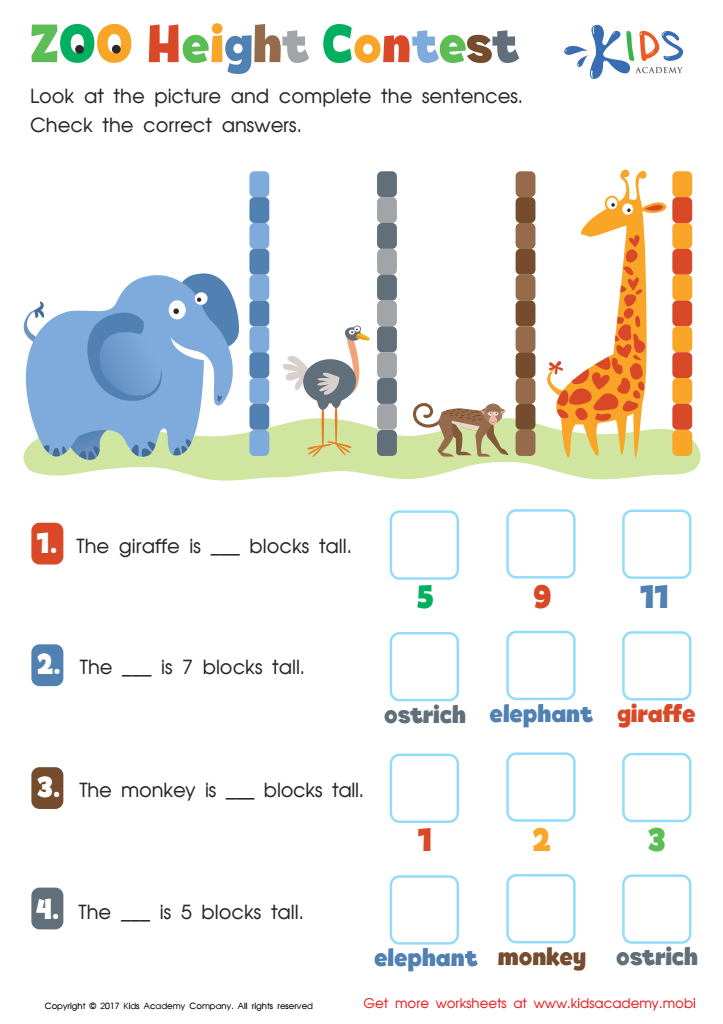
Zoo Height Contest Worksheet
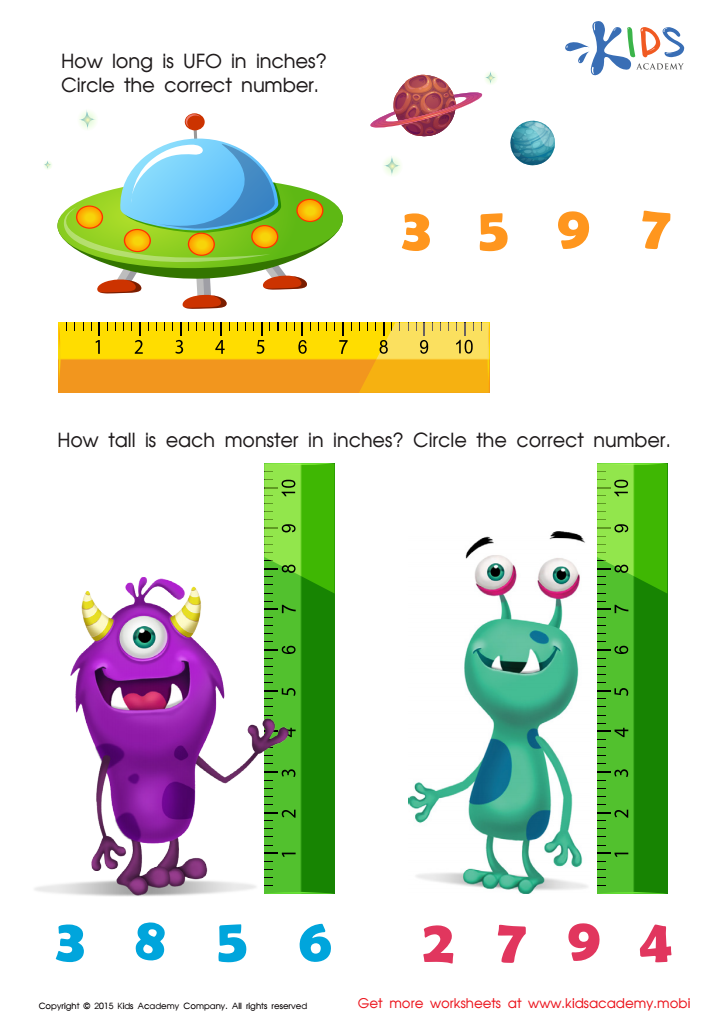
Measuring in Inches Worksheet
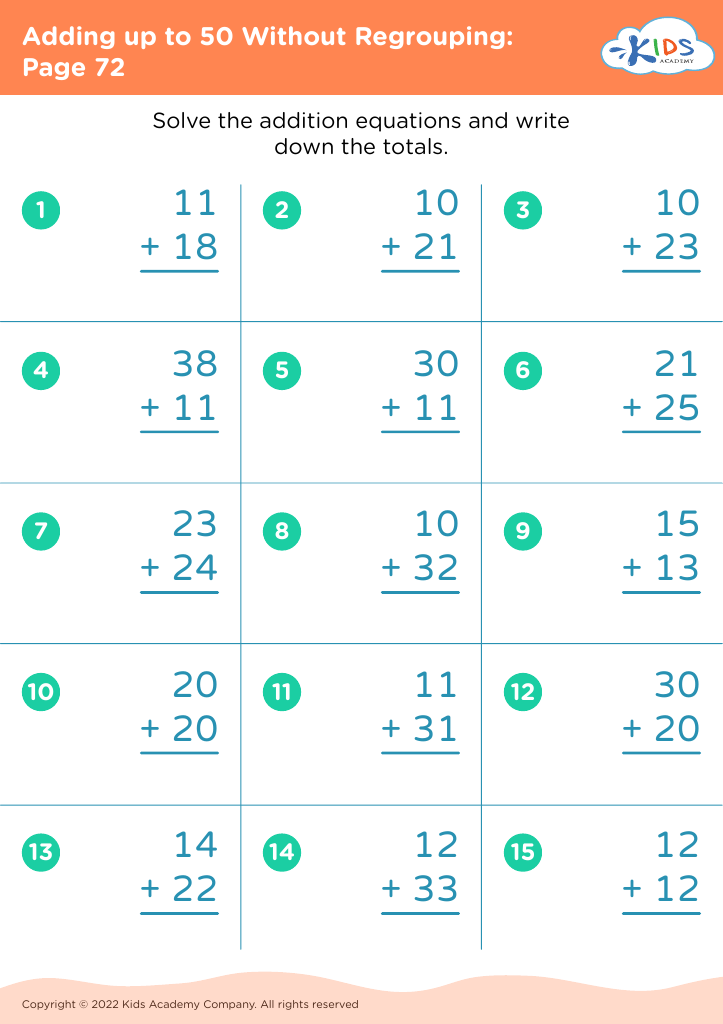
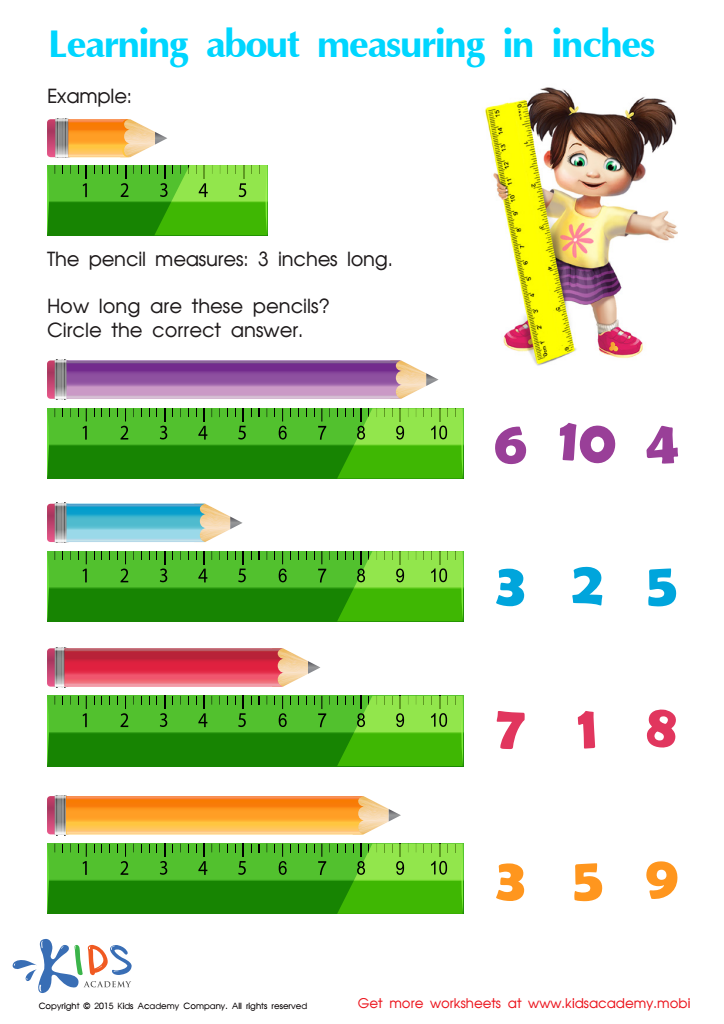
Learning About Measuring In Inches Printable
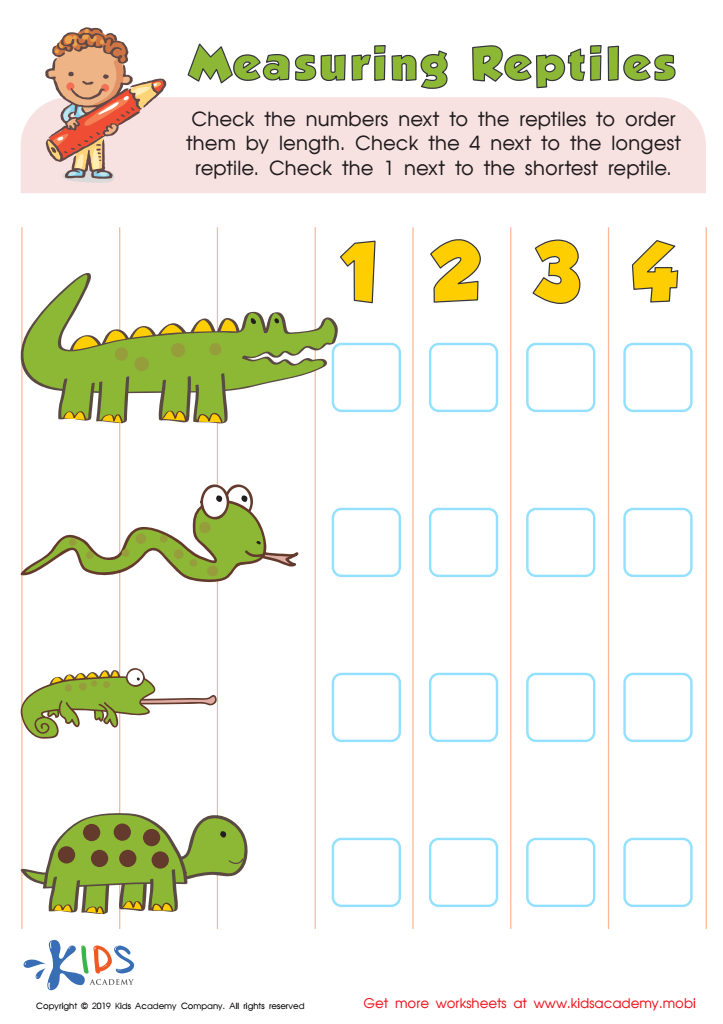
Measuring Reptiles Worksheet
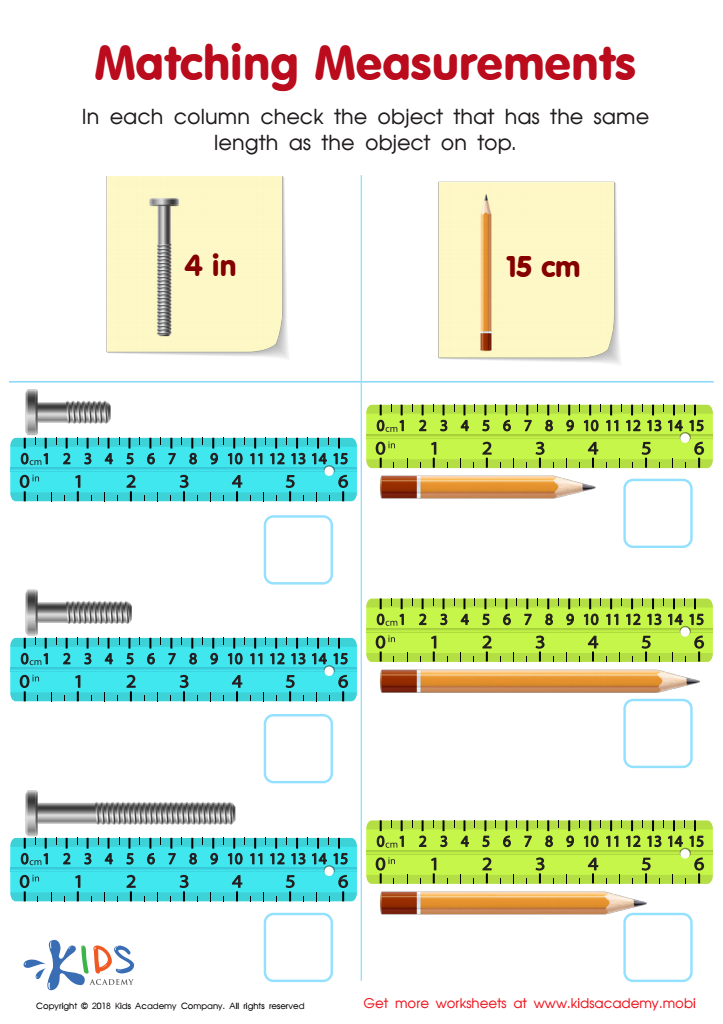
Matching Measurements Worksheet
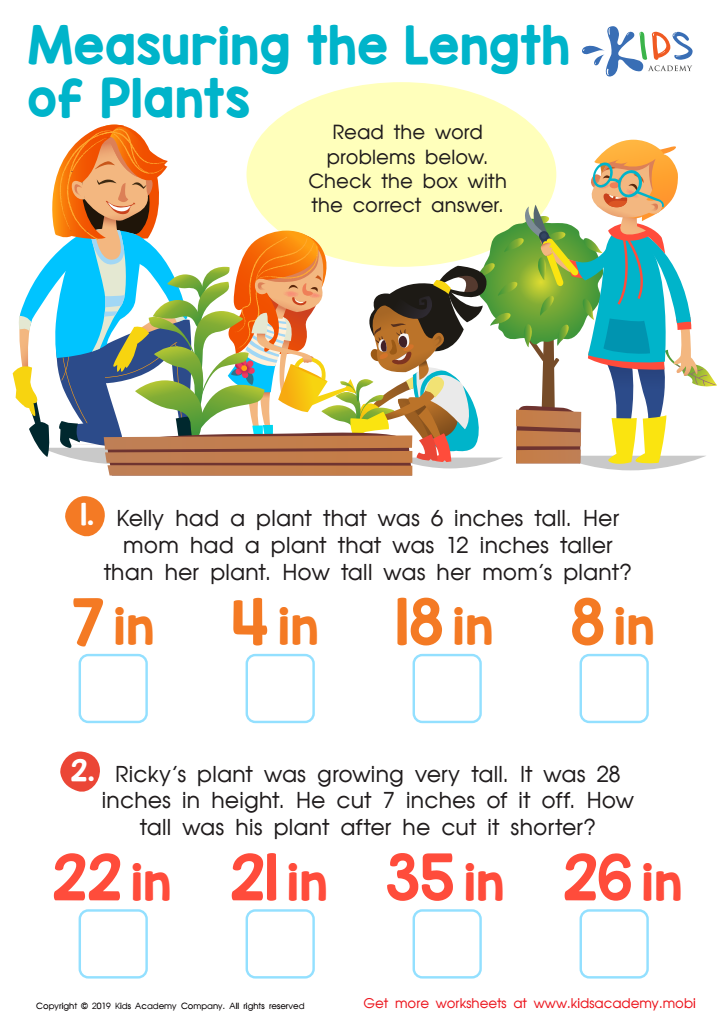
Measuring the Length of Plants Worksheet
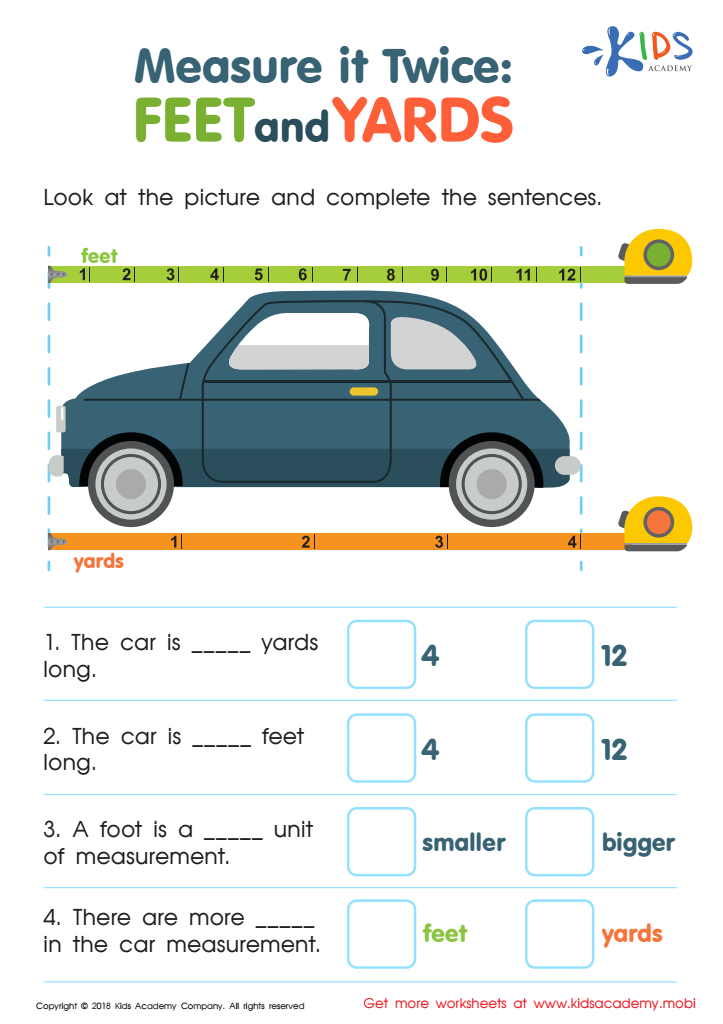
Measure It Twice: Feet and Yards Worksheet
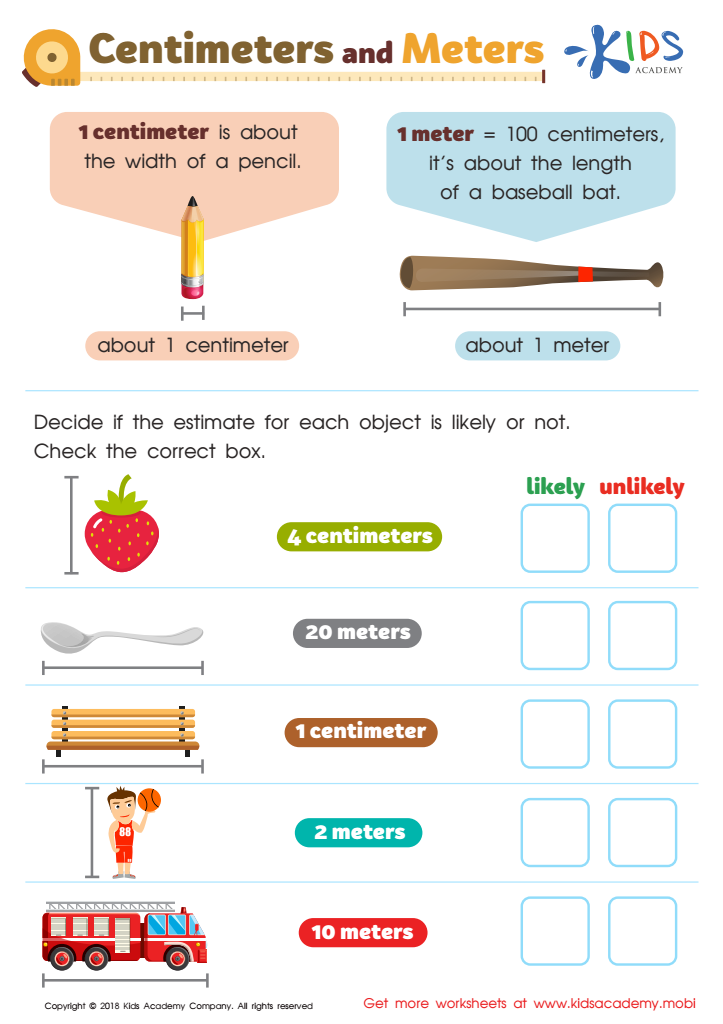
Centimeters and Meters Worksheet
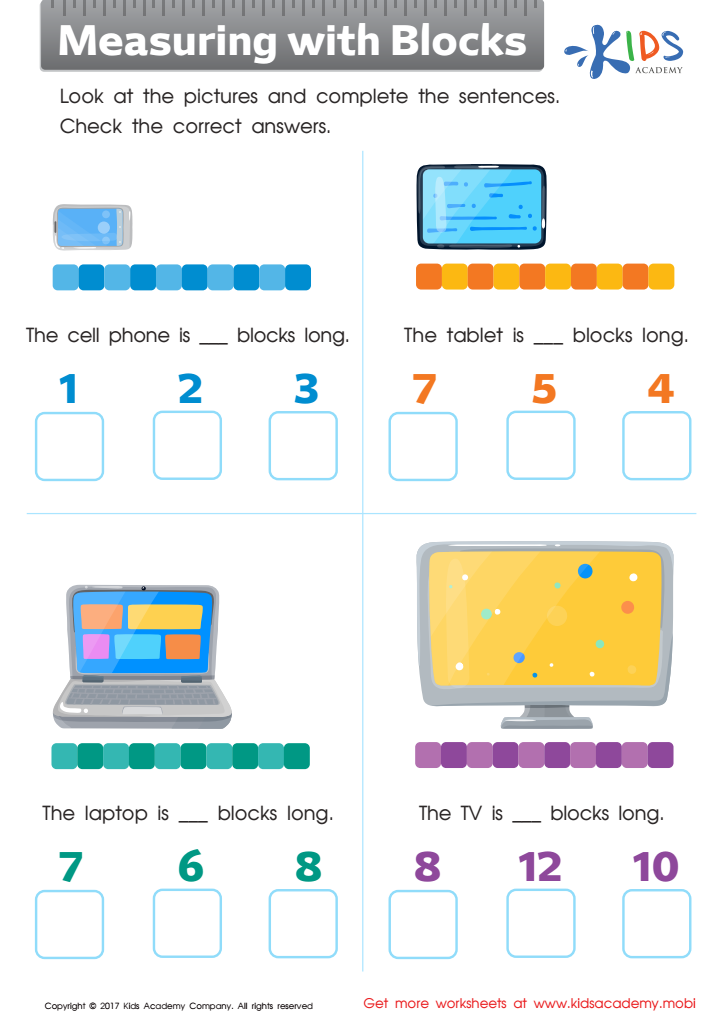
Measuring with Blocks Worksheet
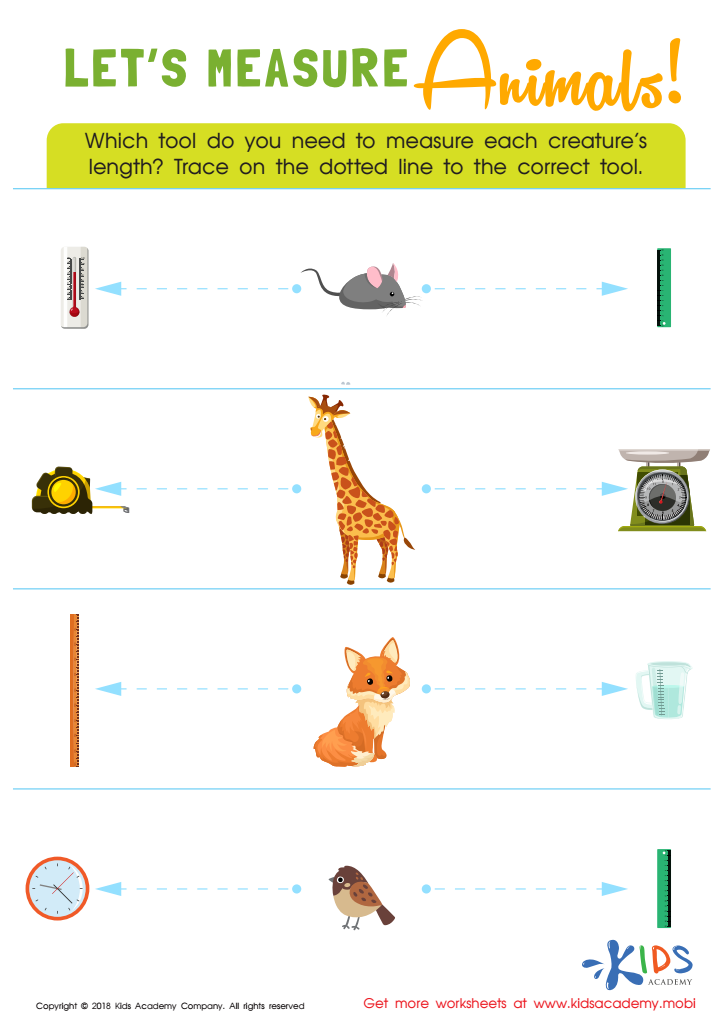
Let's Measure Animals! Worksheet
Cook Maze Worksheet
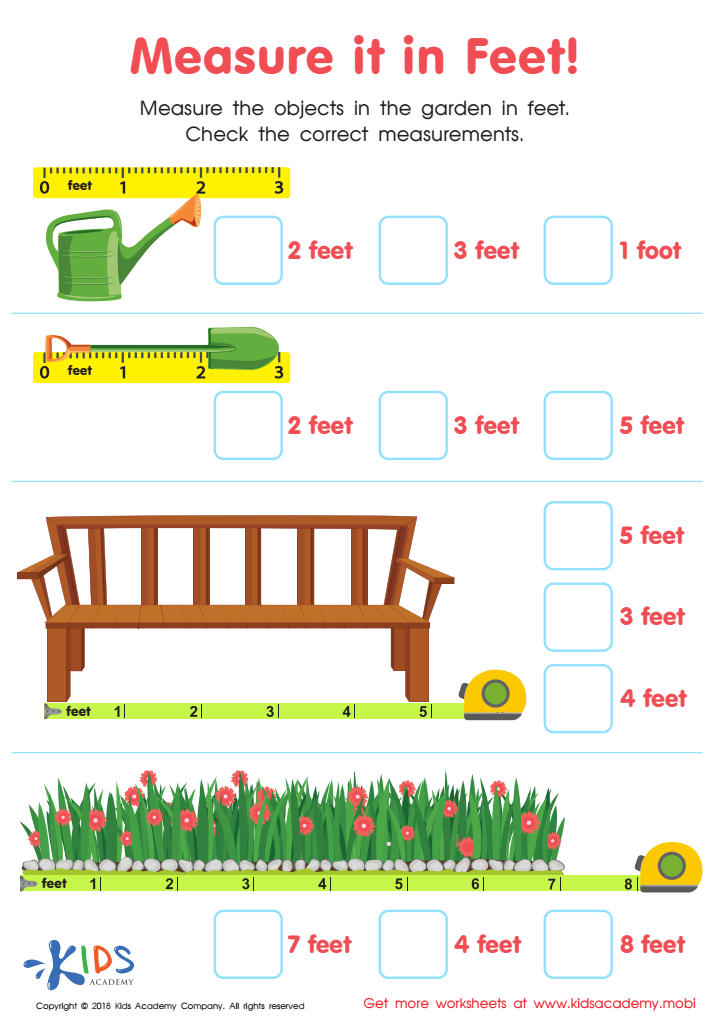
Measure it in Feet Worksheet



.jpg)


Understanding measurements is fundamental for children aged 5-9 as it sets the groundwork for numerous life skills and future learning. At this developmental stage, children are naturally curious and starting to grasp basic math and science concepts. Introducing them to measurements early enhances their cognitive abilities and helps them make sense of the world.
Measurements, like length, volume, weight, and time, are vital for practical daily activities—everything from cooking to constructing with building blocks involves understanding dimensions. Young kids learning to measure can compare objects, understand quantities, and develop spatial awareness. For example, knowing how to pour the right amount of water into a cup or how to measure space for fitting in a new toy shelf are essential skills.
Additionally, learning measurements fosters critical thinking and problem-solving skills. When children measure ingredients in a recipe or time how long an activity takes, they engage in complex thinking processes, boosting their reasoning abilities. These skills are crucial for STEM (Science, Technology, Engineering, and Math) fields, setting children on a path to academic and career success.
Teachers and parents should care because mastering these concepts early helps build a child’s confidence and competence in handling more complex mathematical tasks. It reinforces their ability to quantify and evaluate their environment, making the world more comprehensible and navigable.








