Understanding patterns Worksheets for Ages 5-9 - Page 2
61 filtered results
-
From - To
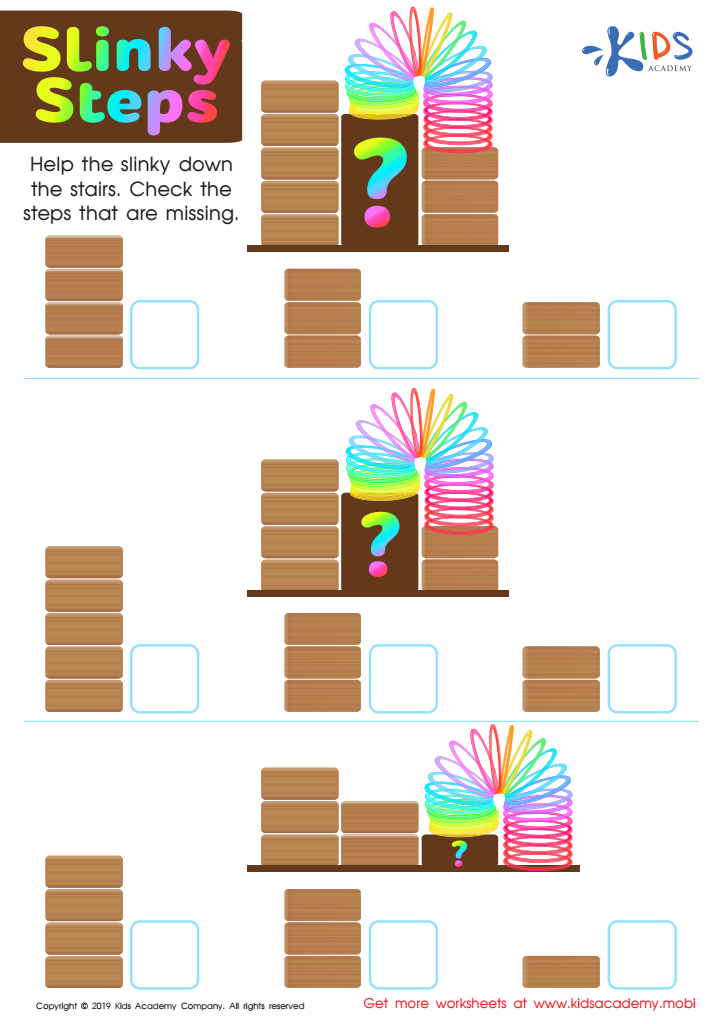
Slinky Steps Worksheet
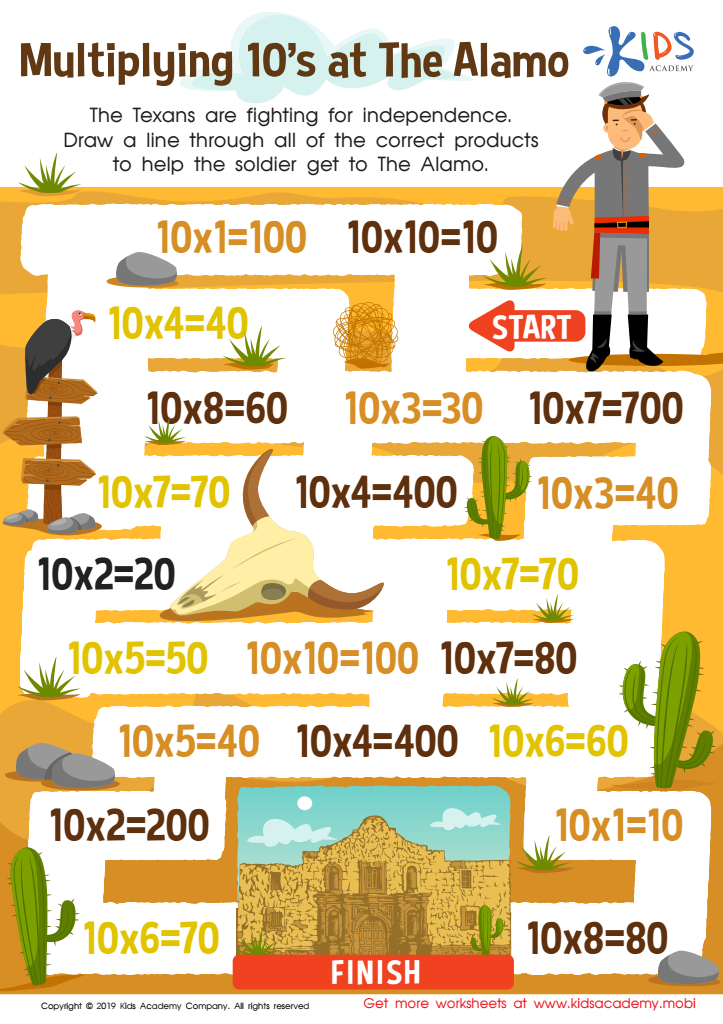
Multiplying 10’s at The Alamo Worksheet
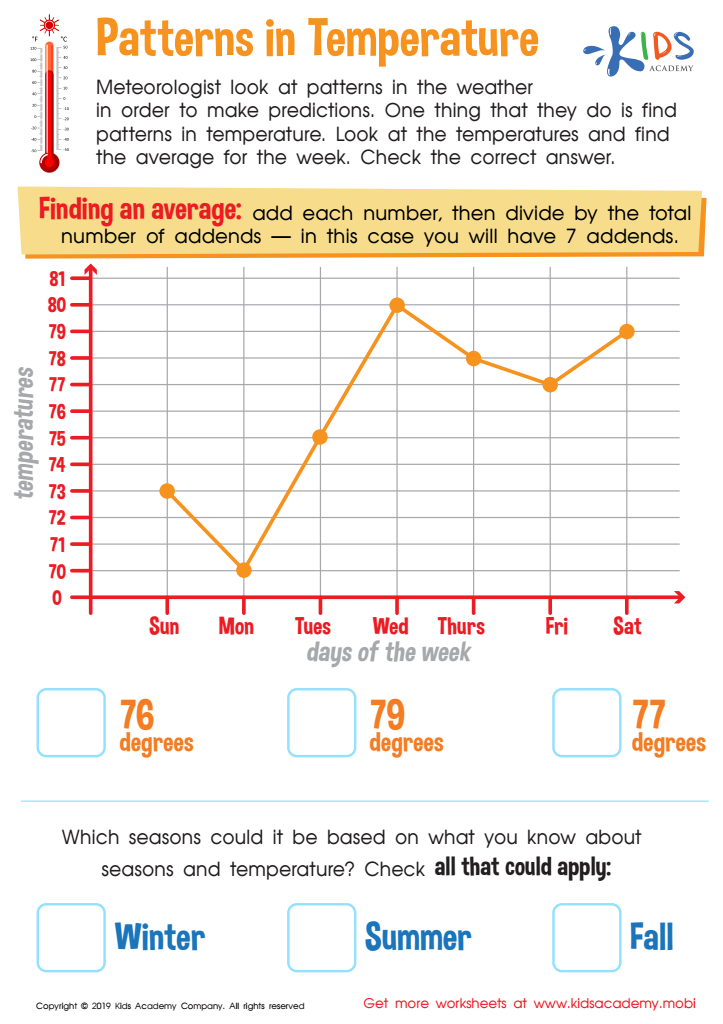
Patterns in Temperature Worksheet
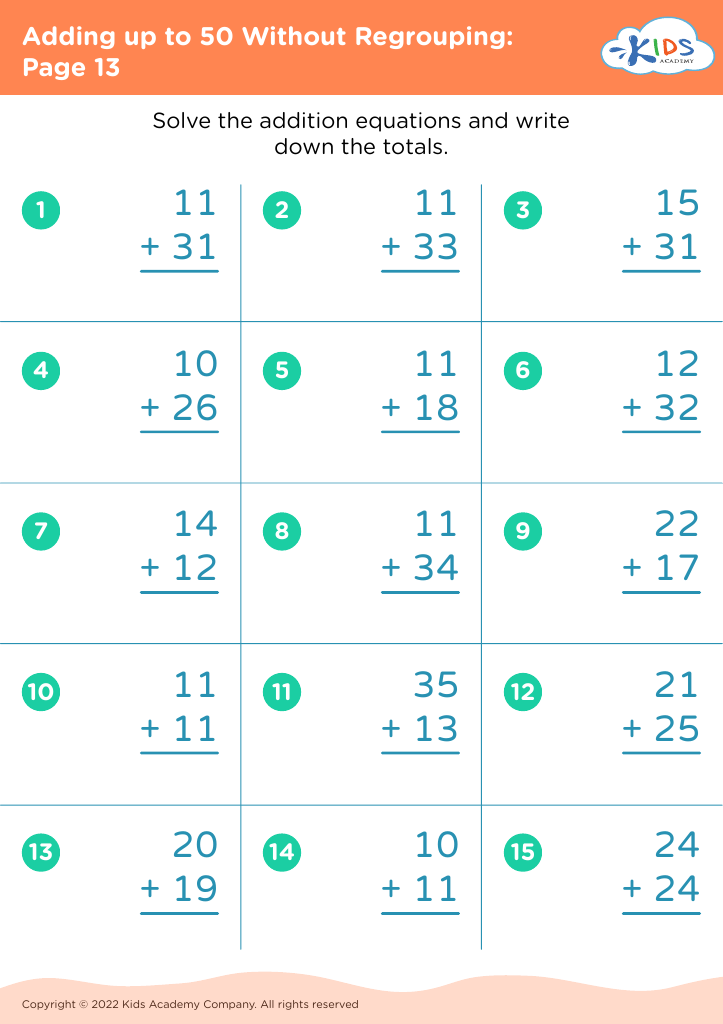
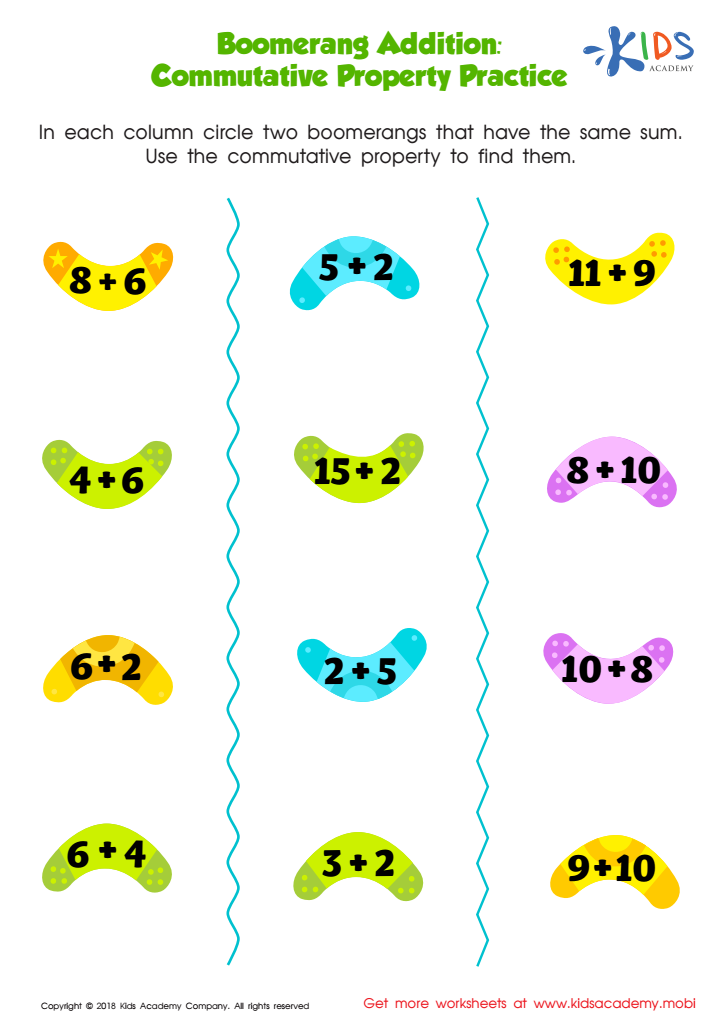
Boomerang Addition Worksheet
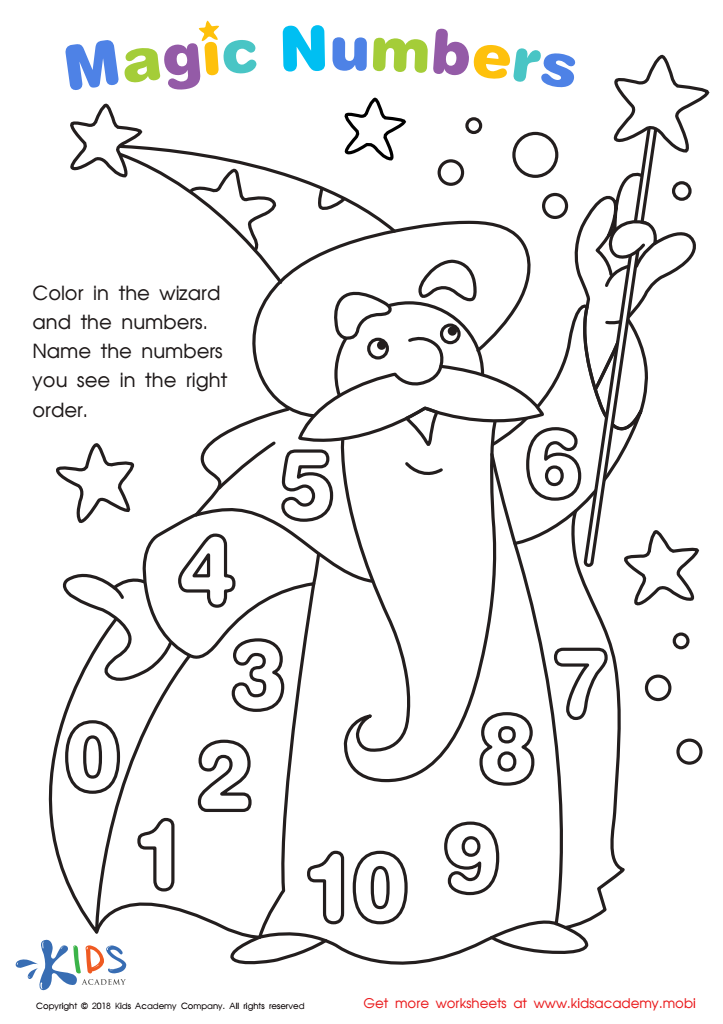
Magic Numbers Worksheet
 Assign to My Students
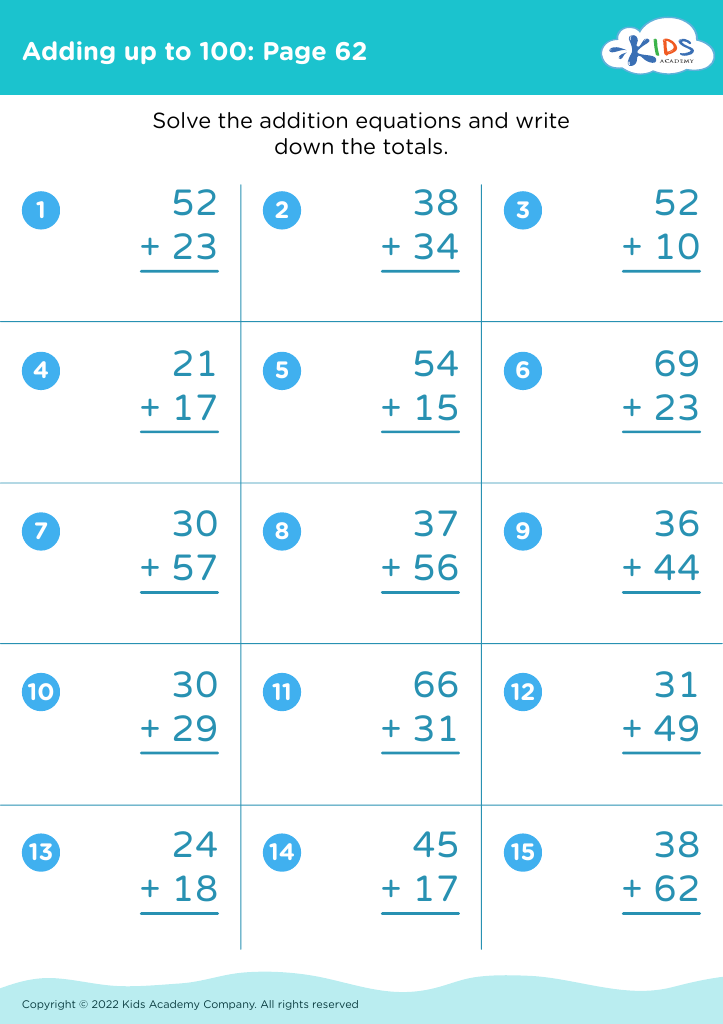
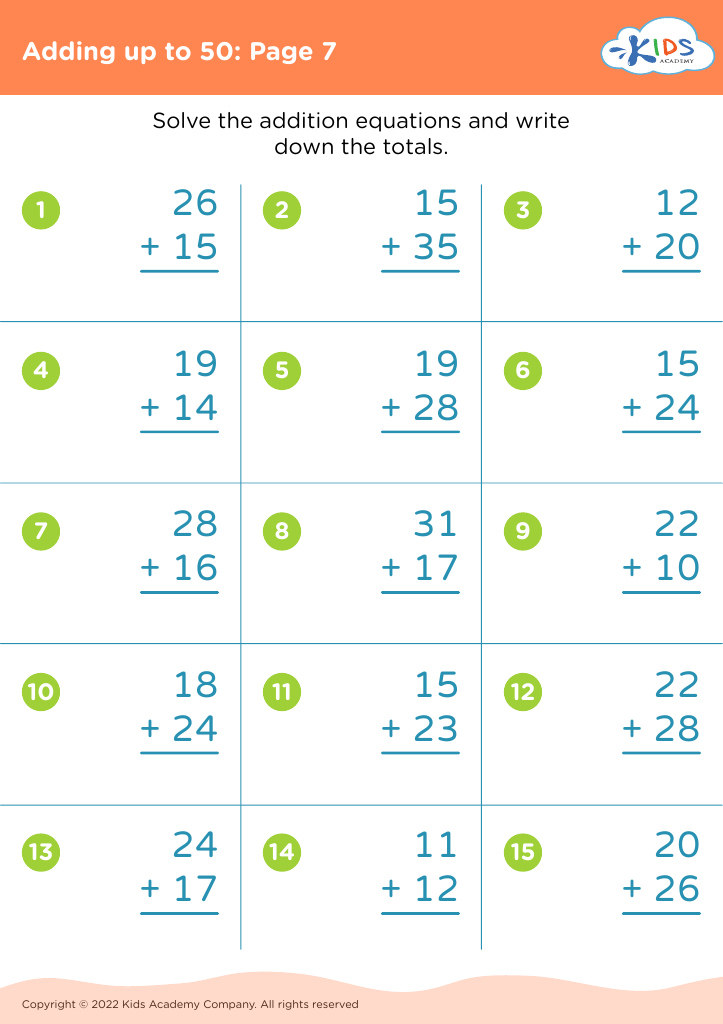
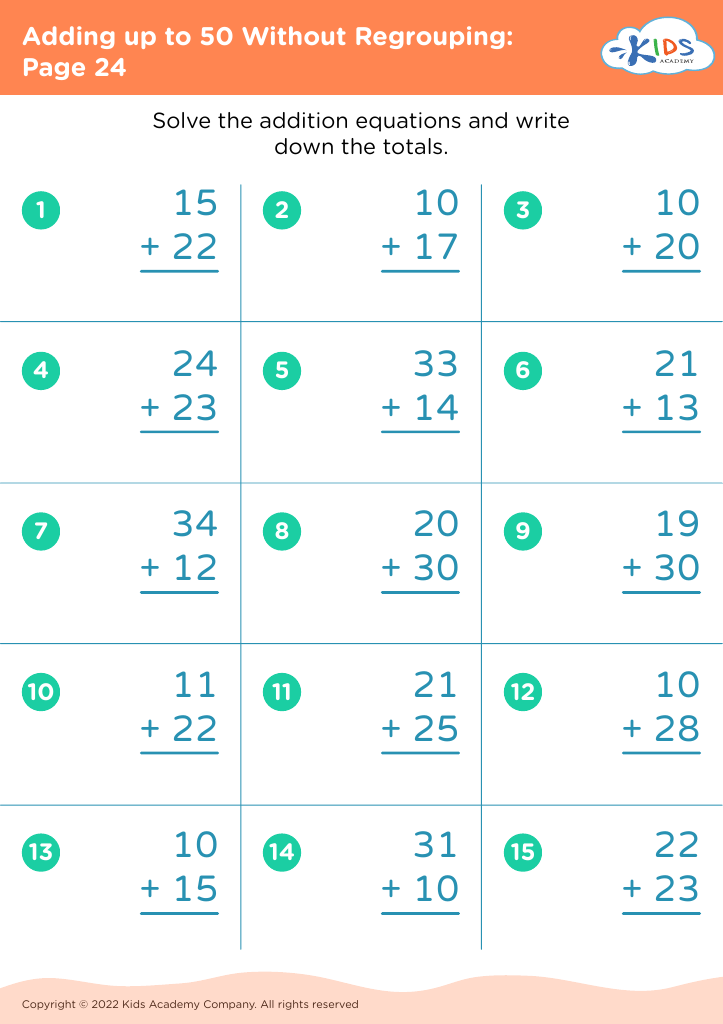
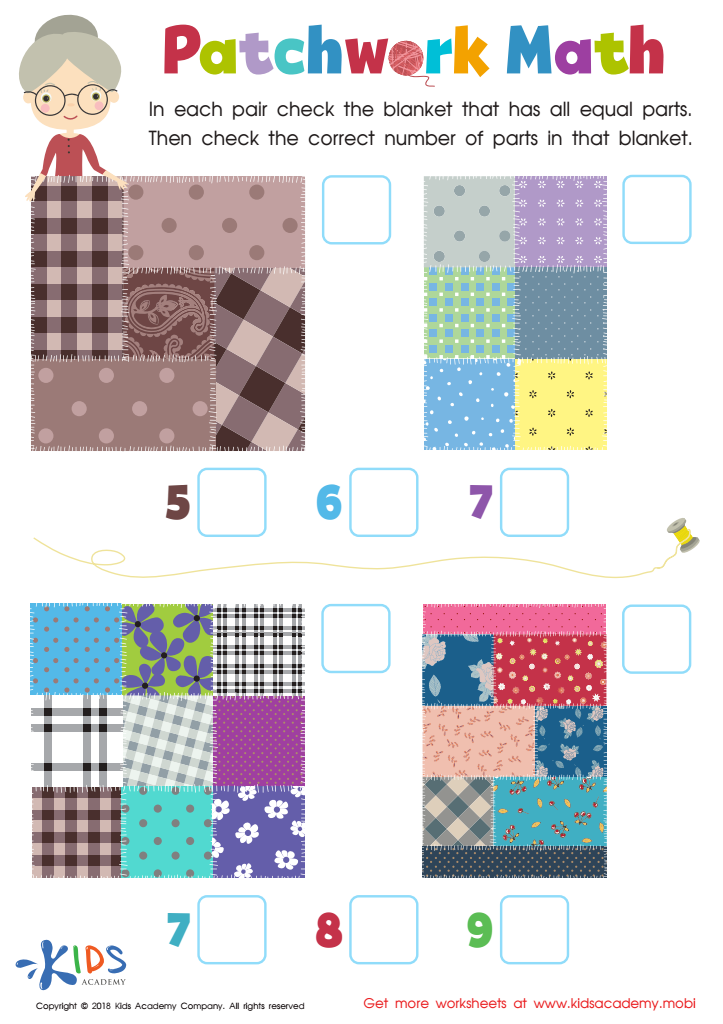
Patchwork Math Worksheet
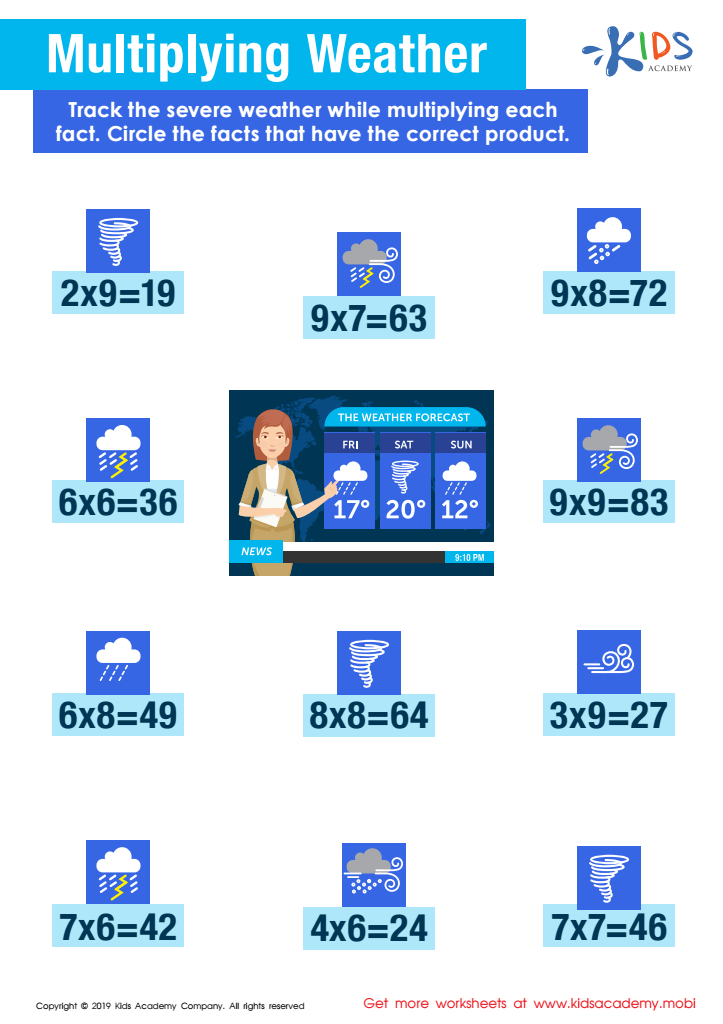
Multiplying Weather Worksheet
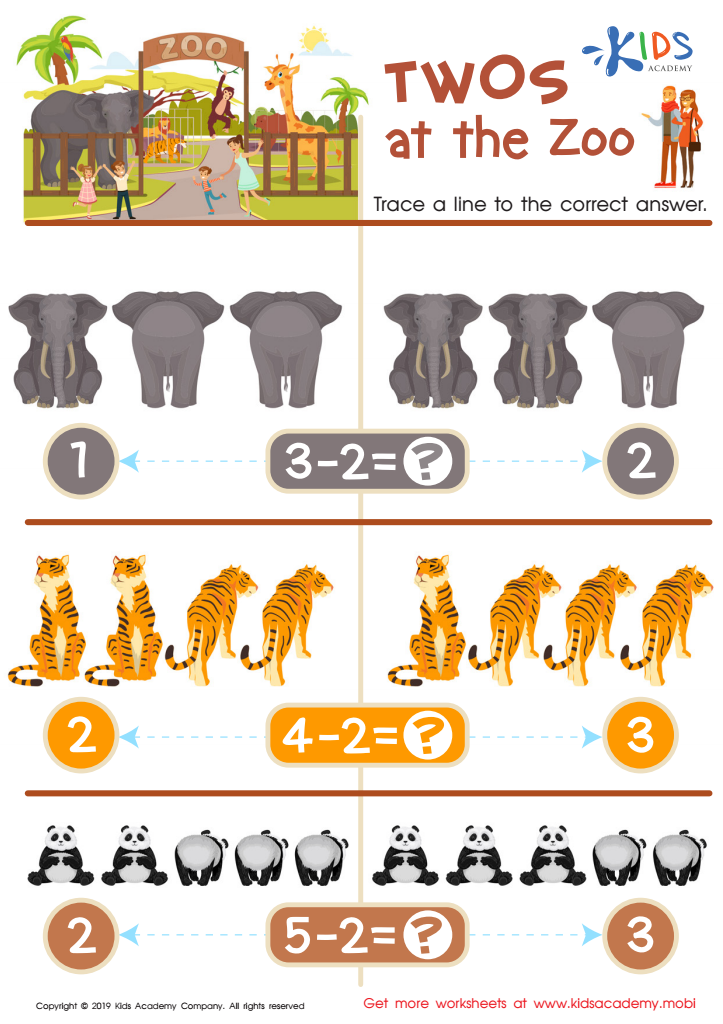
Twos at the Zoo Worksheet
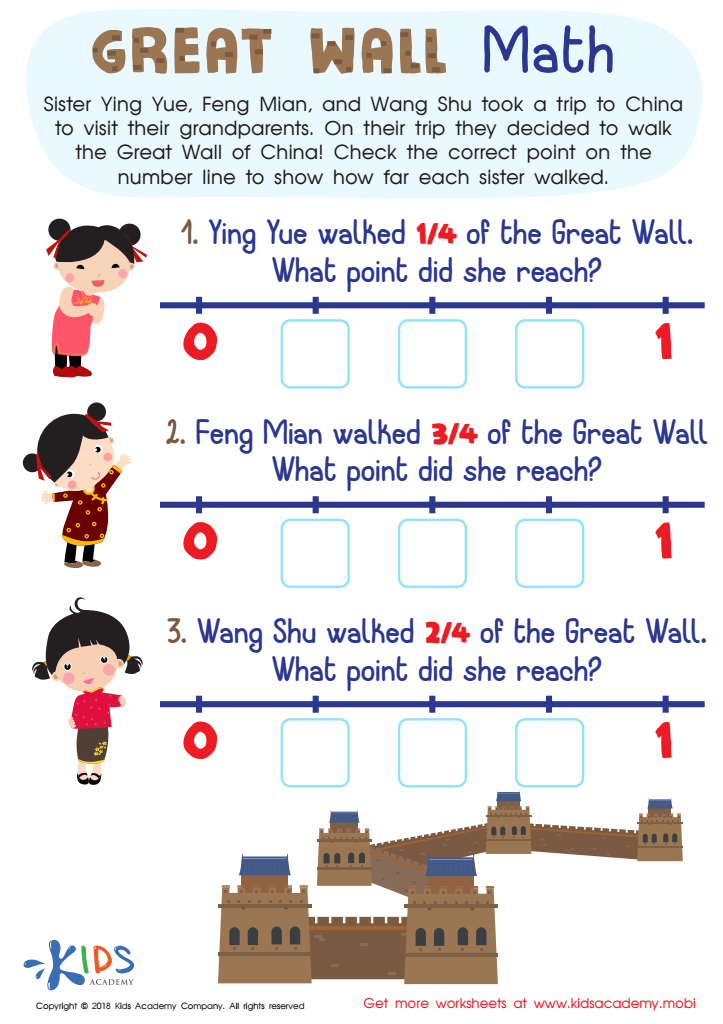
Great Wall Math Worksheet
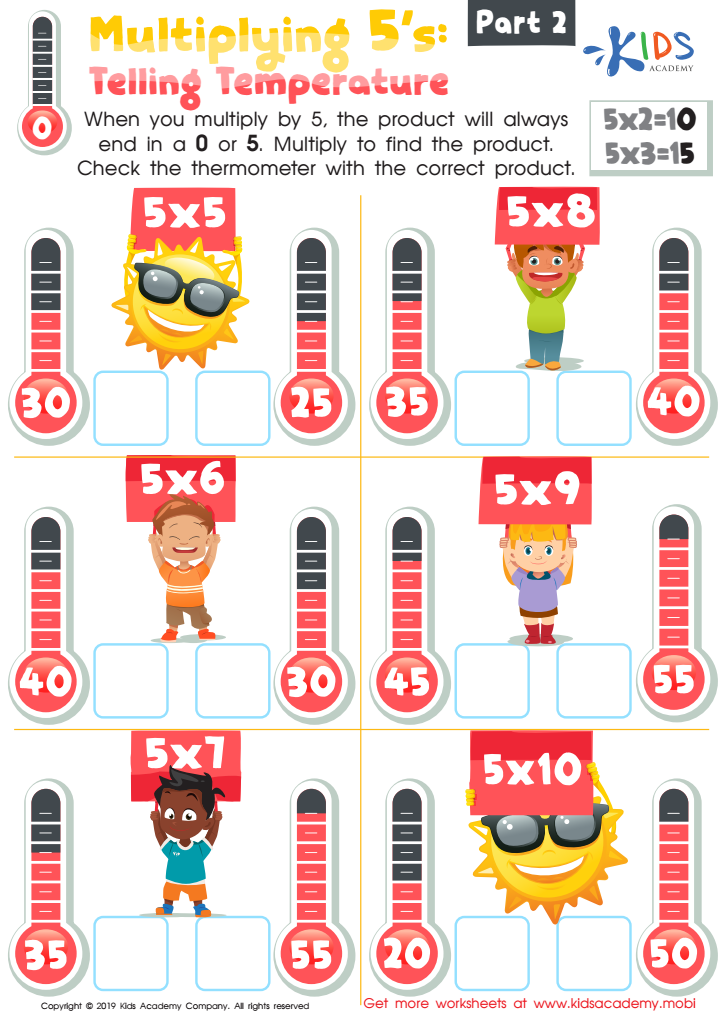
Multiplying 5’s: Telling Temperature Part 2 Worksheet





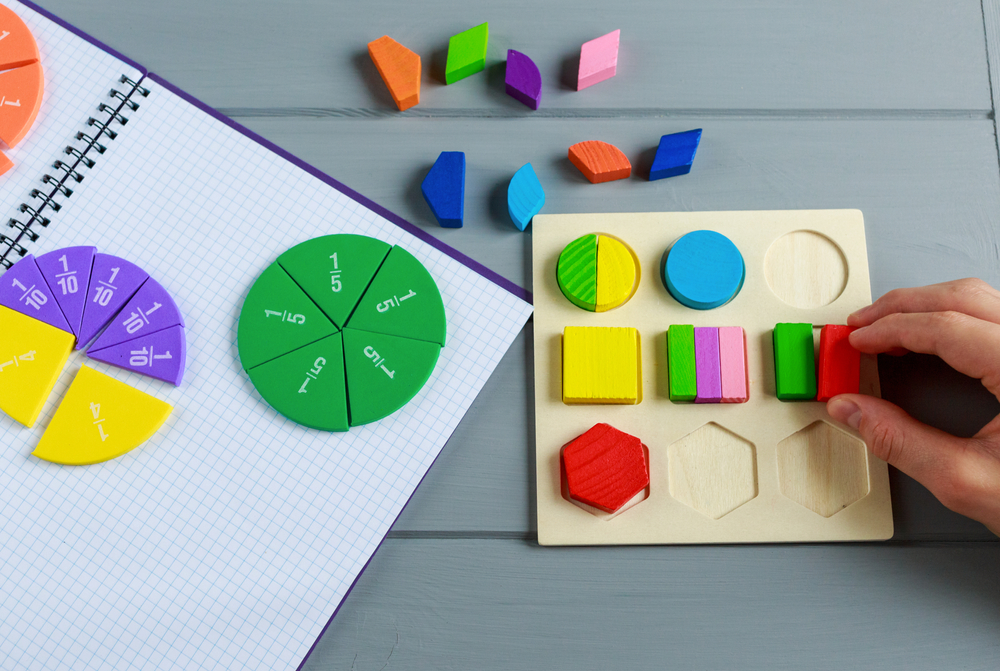

Understanding patterns is essential for children aged 5-9 because it lays the groundwork for critical thinking and problem-solving skills. At this developmental stage, children begin to recognize and create patterns, which aids their cognitive growth and enhances their ability to make connections across different concepts. Recognizing patterns fosters mathematical understanding, as many math concepts, like addition, subtraction, and geometry, rely on identifying similarities and relationships.
Moreover, understanding patterns encourages children to observe their environment more closely, refining their analytical skills. These skills can be applied beyond mathematics; they enhance literacy through recognizing narrative structures and in science when predicting outcomes based on sequential observations.
For parents and teachers, nurturing a child's ability to identify patterns means providing them with stronger foundational skills for future learning. Engaging children with activities like pattern recognition games, art projects, or daily routines can make learning interactive and enjoyable. Furthermore, early mastery of patterns boosts children's confidence and enthusiasm for learning, setting a positive tone for lifelong curiosity and education. In essence, appreciation and understanding of patterns signify a crucial step in guiding children towards academic success and their ability to navigate the world around them.








