Visual representation of fractions Worksheets for Ages 5-9
8 filtered results
-
From - To
Unlock mathematical potential with our "Visual Representation of Fractions" worksheets designed for children ages 5-9. These engaging worksheets transform abstract fraction concepts into vivid illustrations, making learning both intuitive and enjoyable for young minds. Through colorful visuals, kids will effortlessly grasp the basics of numerator, denominator, and pie-shape fractional parts. Perfect for building foundational math skills, our expertly-crafted resources align with educational standards and nurture confident, inquisitive learners. Discover our diverse selection of printable worksheets to support your child's journey in mastering fractions with ease and excitement.
Explore and download your free fraction worksheets now!
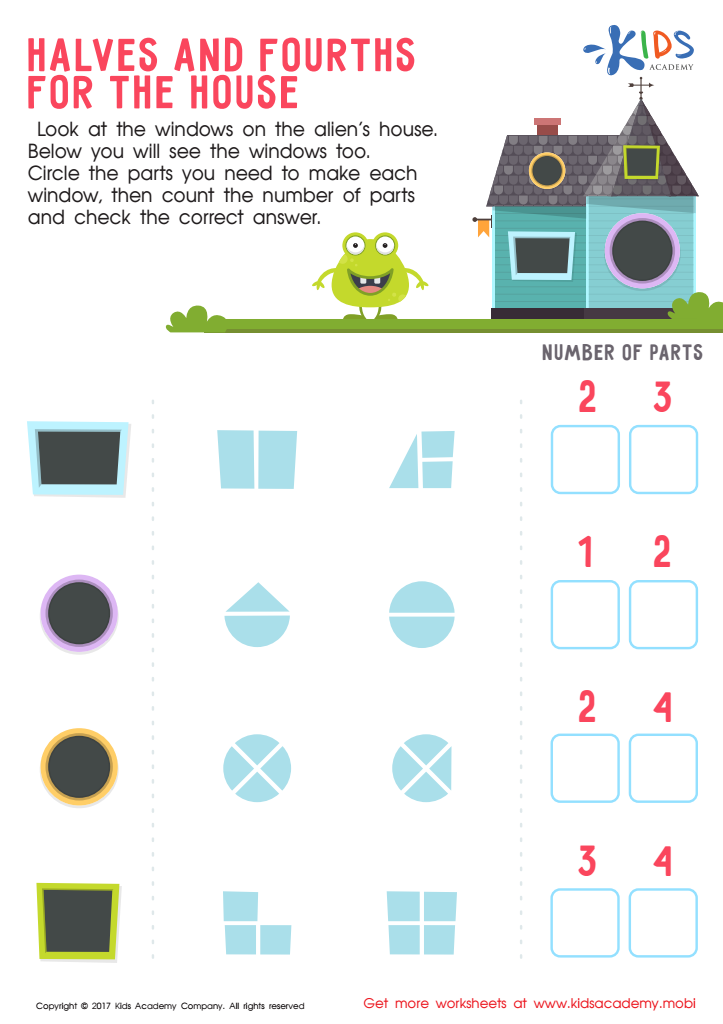
Halves and Fourths for the House Worksheet
 Assign to My Students
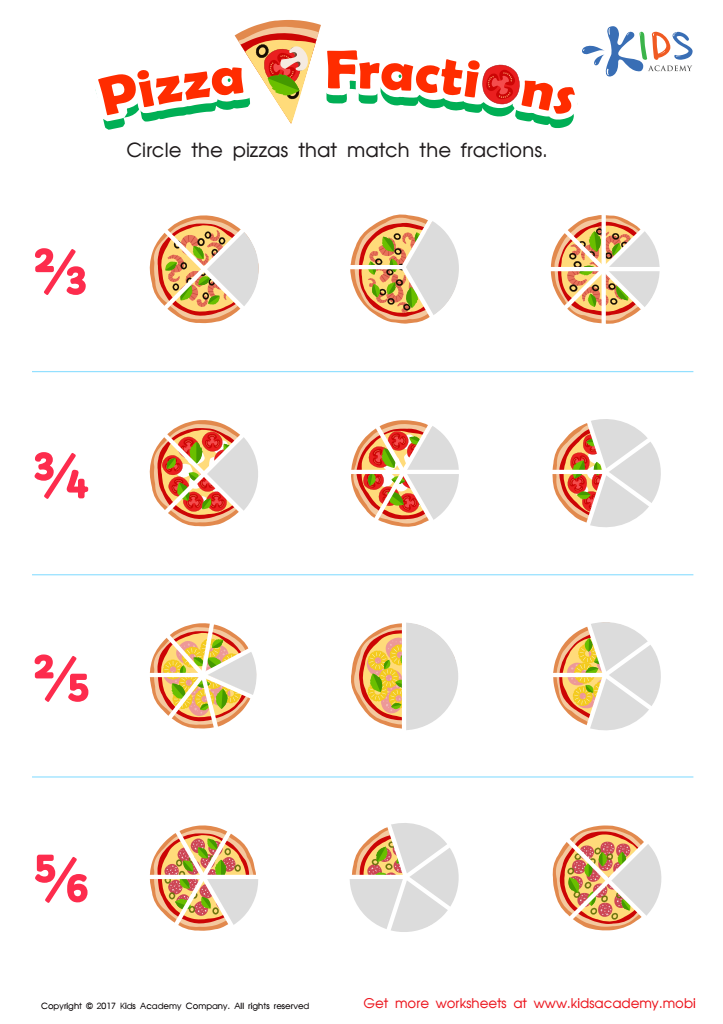
Fractions: Pizza Printable
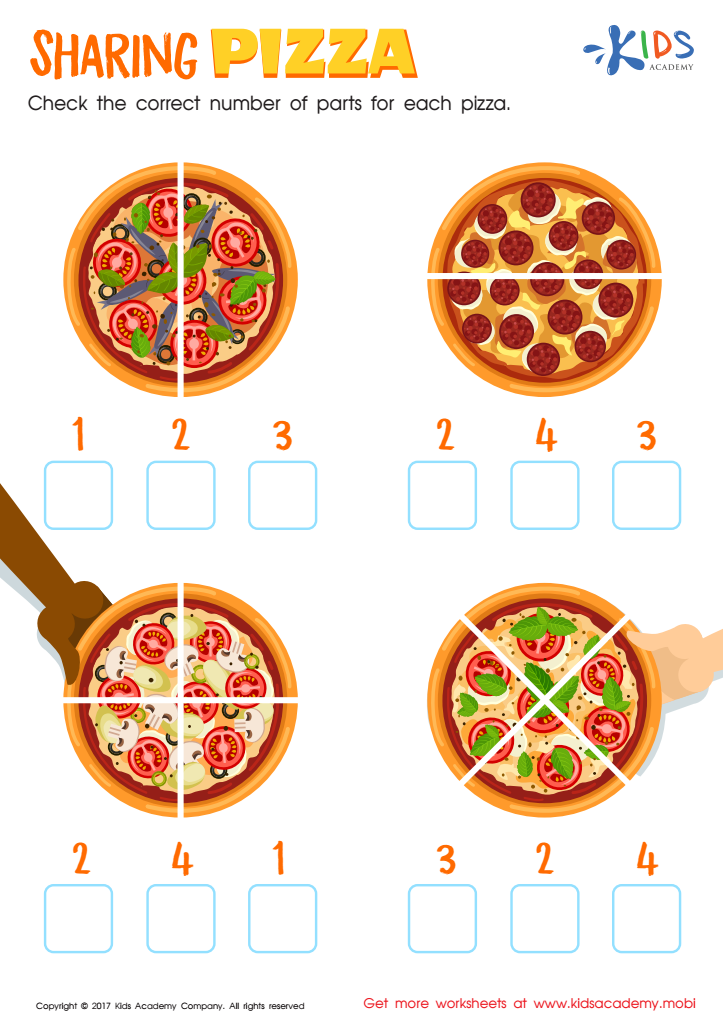
Sharing Pizza Worksheet
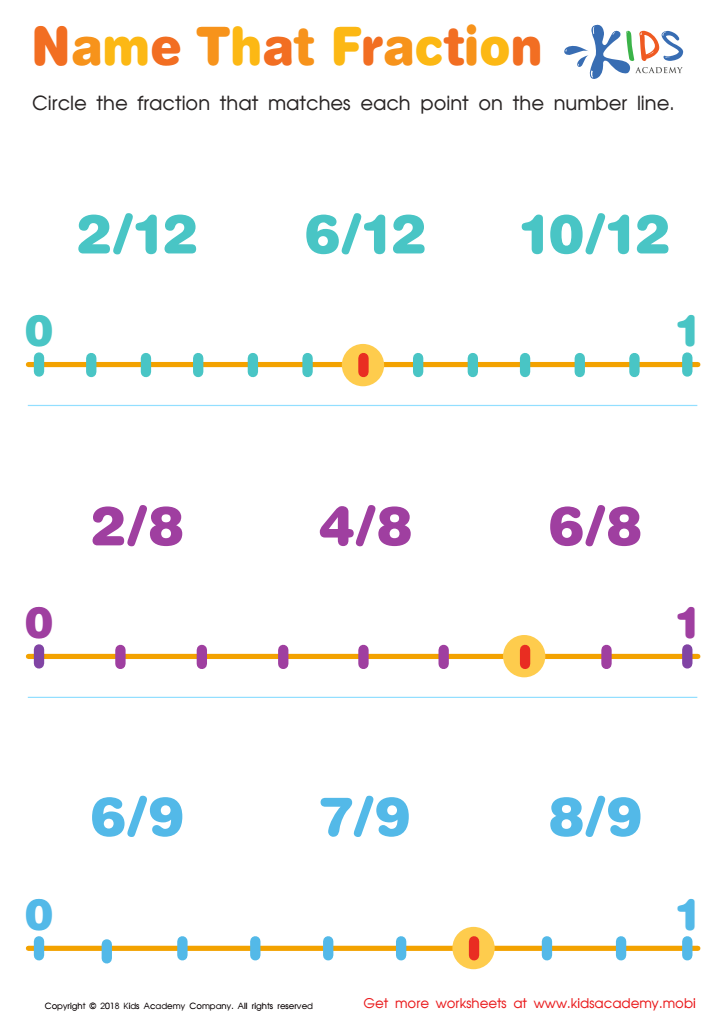
Name That Fraction Worksheet
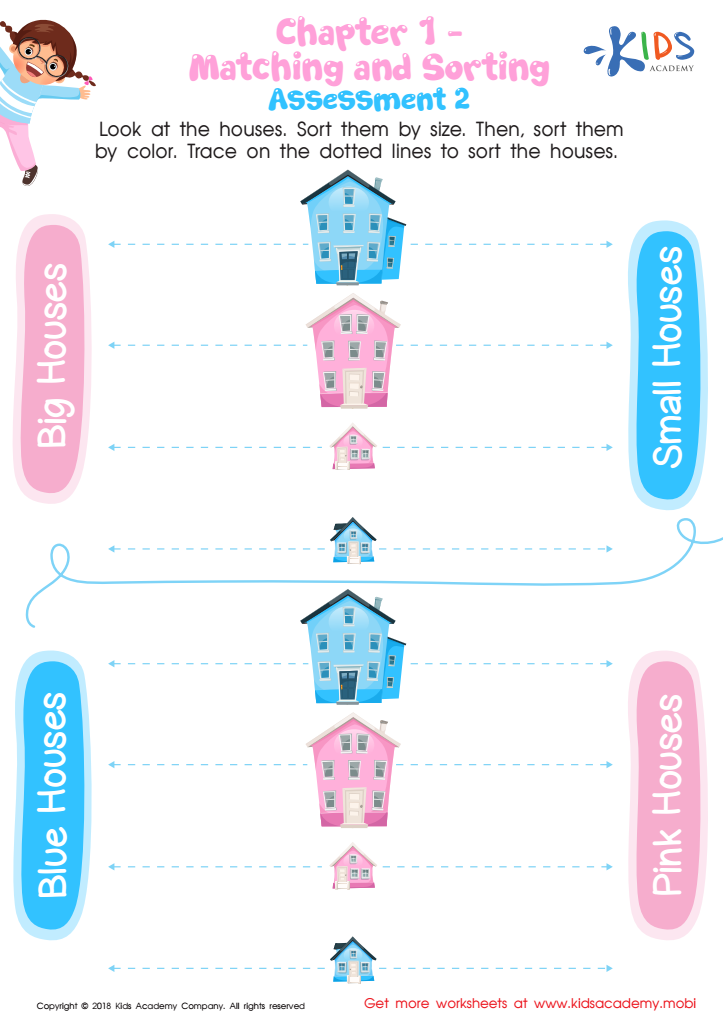
Matching and Sorting for Preschool: Assessment 2 Worksheet


.jpg)





For children aged 5-9, visual representation of fractions is critical to their mathematical development and overall cognitive growth. At this formative stage, young learners are naturally more receptive to visual stimuli, which aids in their comprehension and retention of new information. Visualizing fractions through pies, bars, and other models makes abstract concepts tangible, thereby fostering a deeper understanding.
Engaging with fractions visually helps demystify the notion that fractions are complicated or intimidating. Visual tools enable young minds to see the part-whole relationships more intuitively, making it easier to grasp the ideas of numerators and denominators. Manipulatives such as fraction circles or bars allow for hands-on learning, which is essential for kinesthetic learners.
Moreover, these visual techniques build a strong foundation for future math topics like division, ratios, and percent. Early exposure to visual methods bolsters problem-solving skills and encourages a positive attitude toward mathematics. Since misconceptions formed at an early age can hinder future learning, immediate visual apprehension prevents such errors, paving the way for long-term mathematical success.
In summary, parents and teachers should pay particular attention to visual representation of fractions to harness children’s innate visual learning propensities, thereby cementing fundamental math concepts in an engaging and intuitive manner.








