Shape Recognition 2D Shapes Worksheets for Ages 5-9 - Page 2
37 filtered results
-
From - To
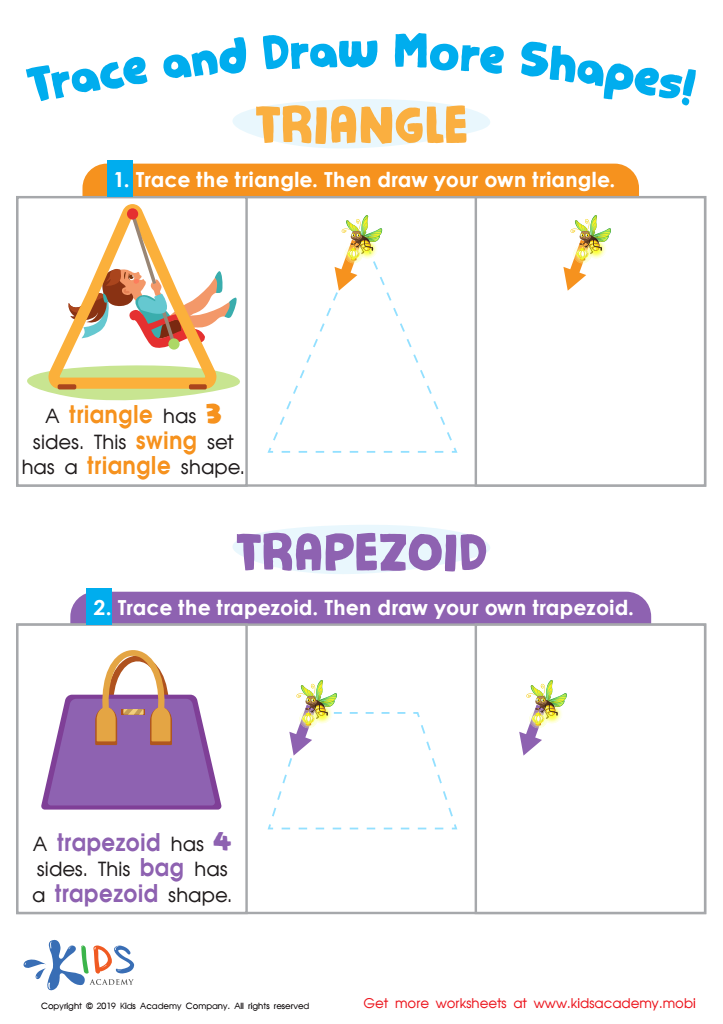
Trace and Draw More Shapes Worksheet
 Assign to My Students











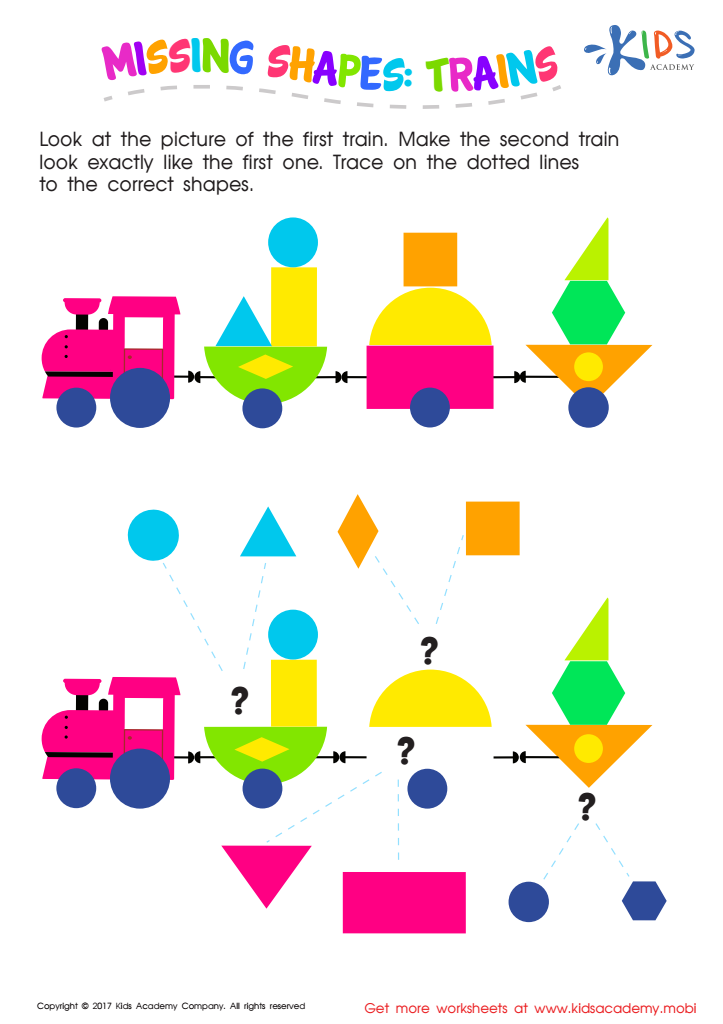
Missing Shapes: Trains Worksheet
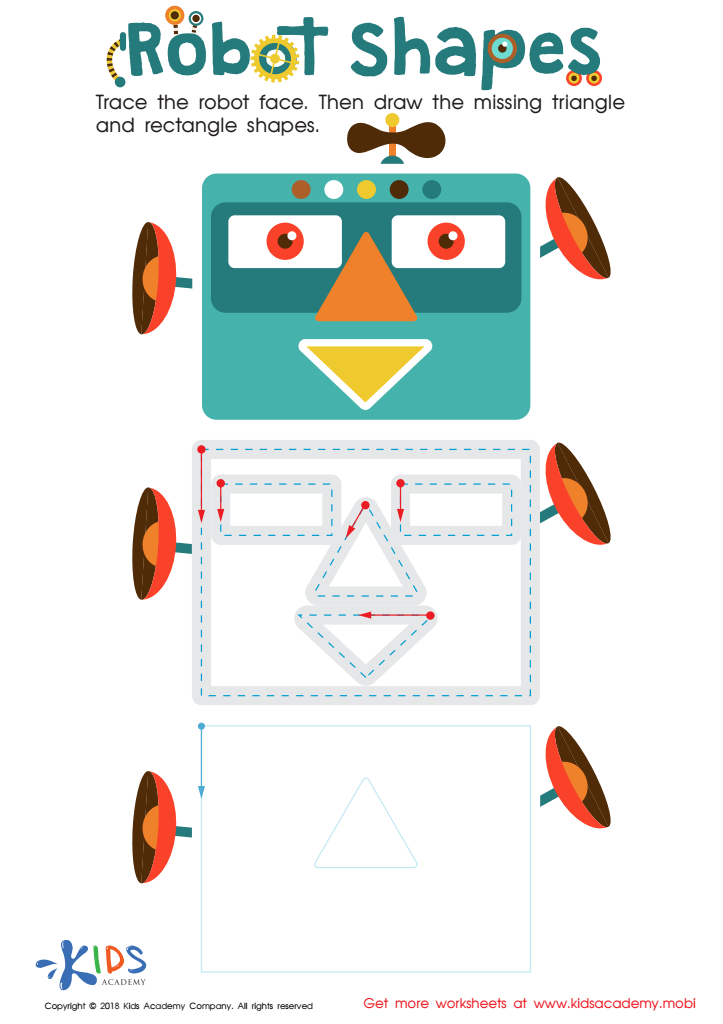
Robot Shapes Worksheet
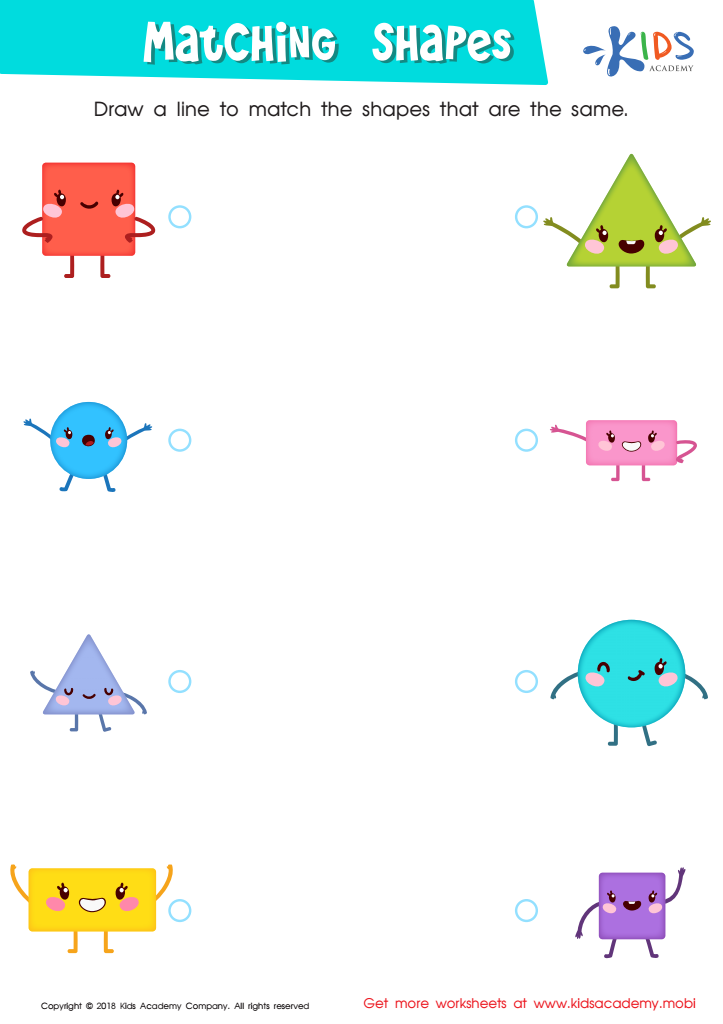
Matching Shapes Worksheet
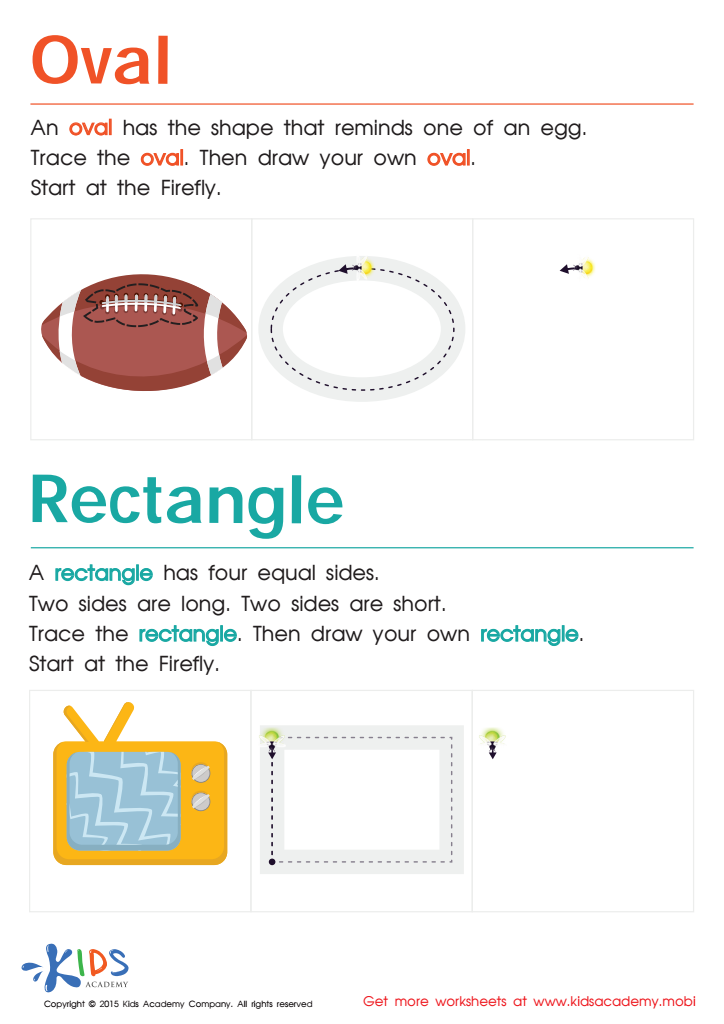
Easy Drawing of Ovals And Rectangles Worksheet
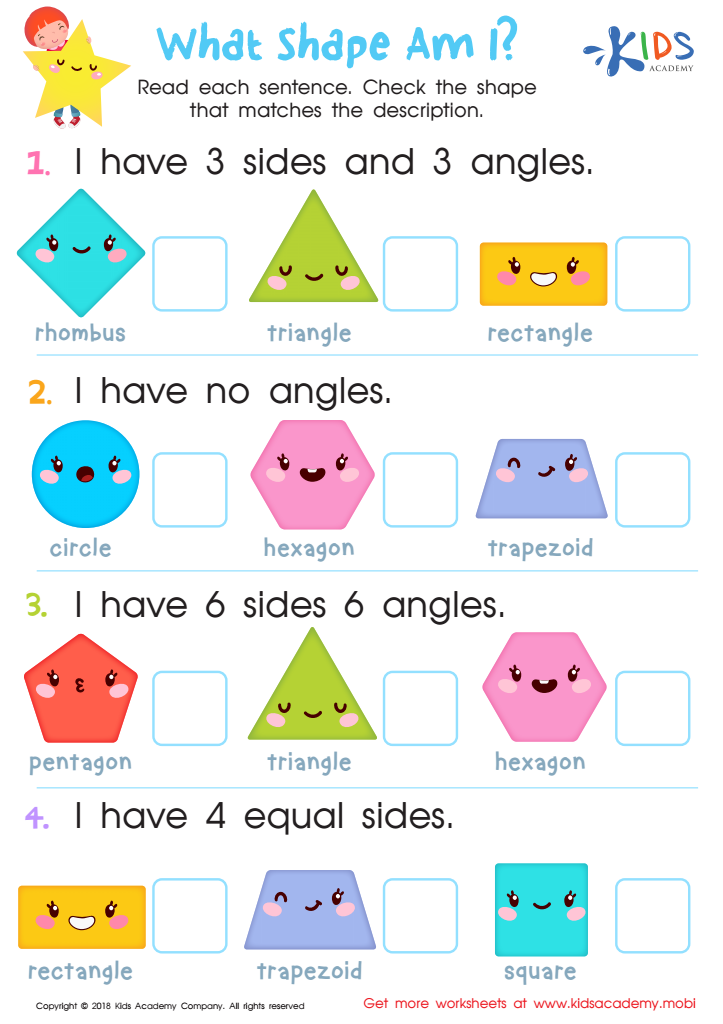
What Shape Am I? Worksheet
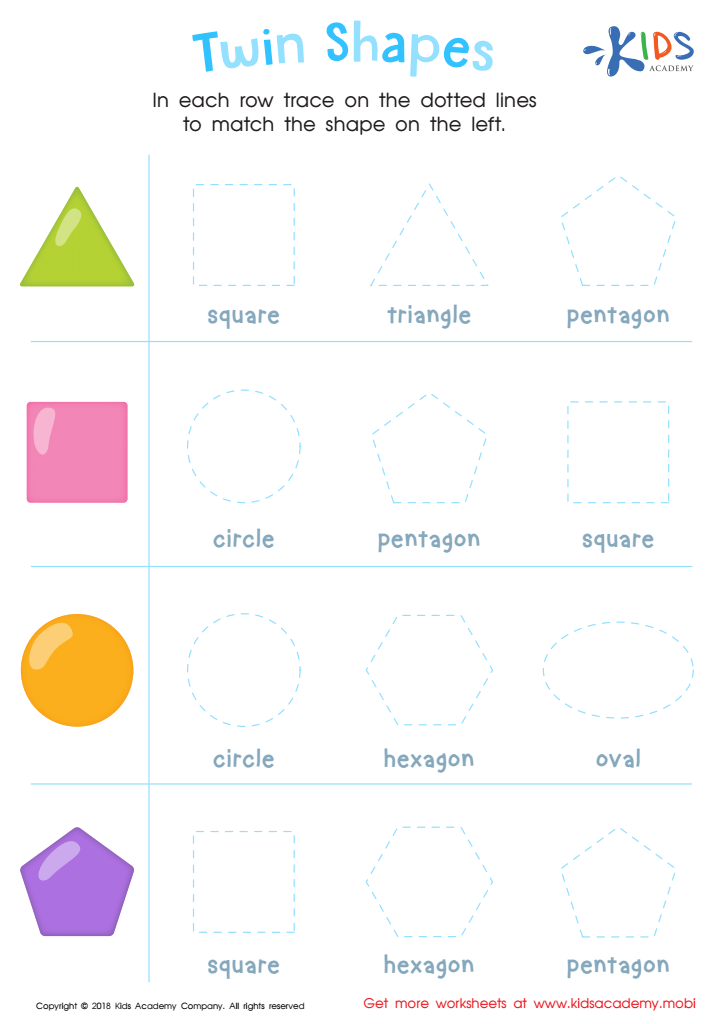
Twin Shapes Dot-to-Dot Worksheet
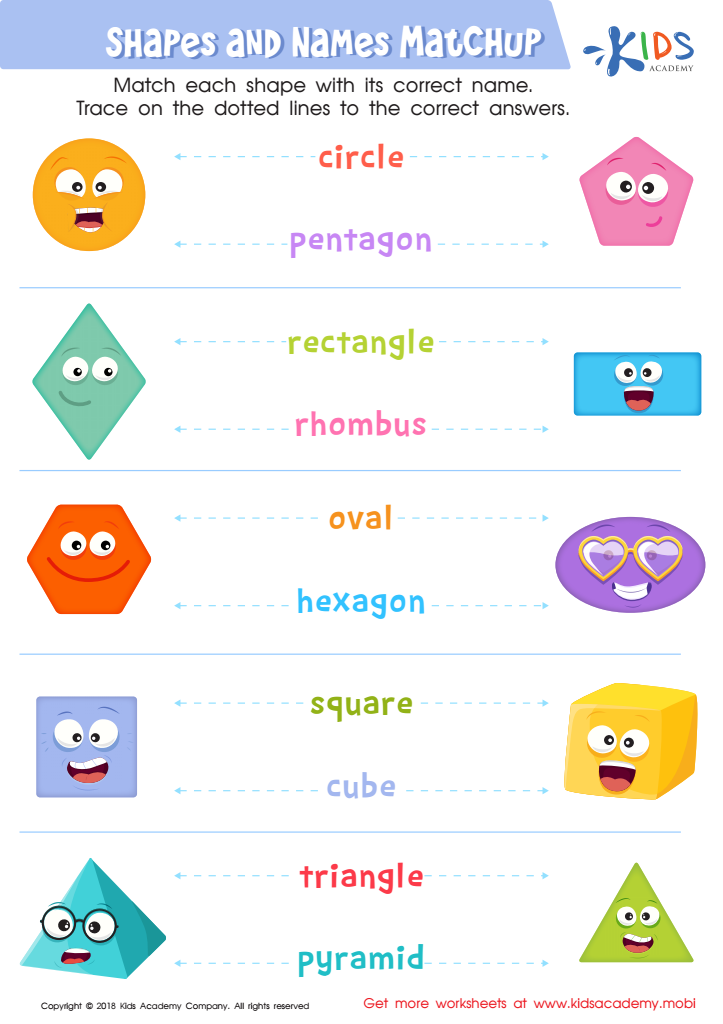
Shapes and Names Matchup Worksheet
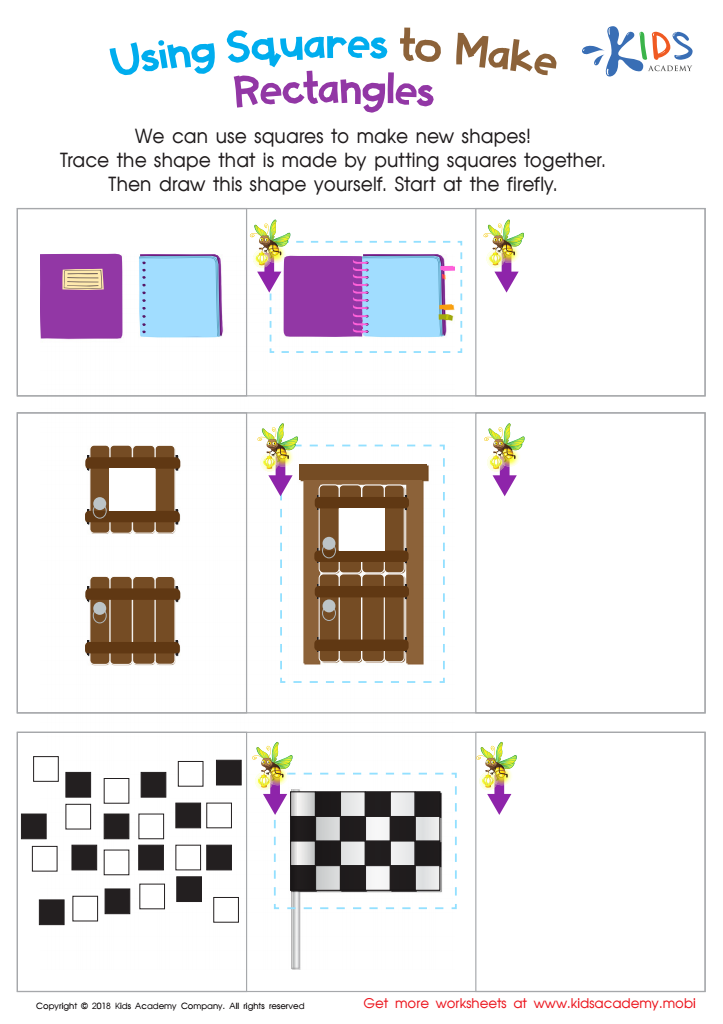
Using Squares to Make Rectangles Worksheet
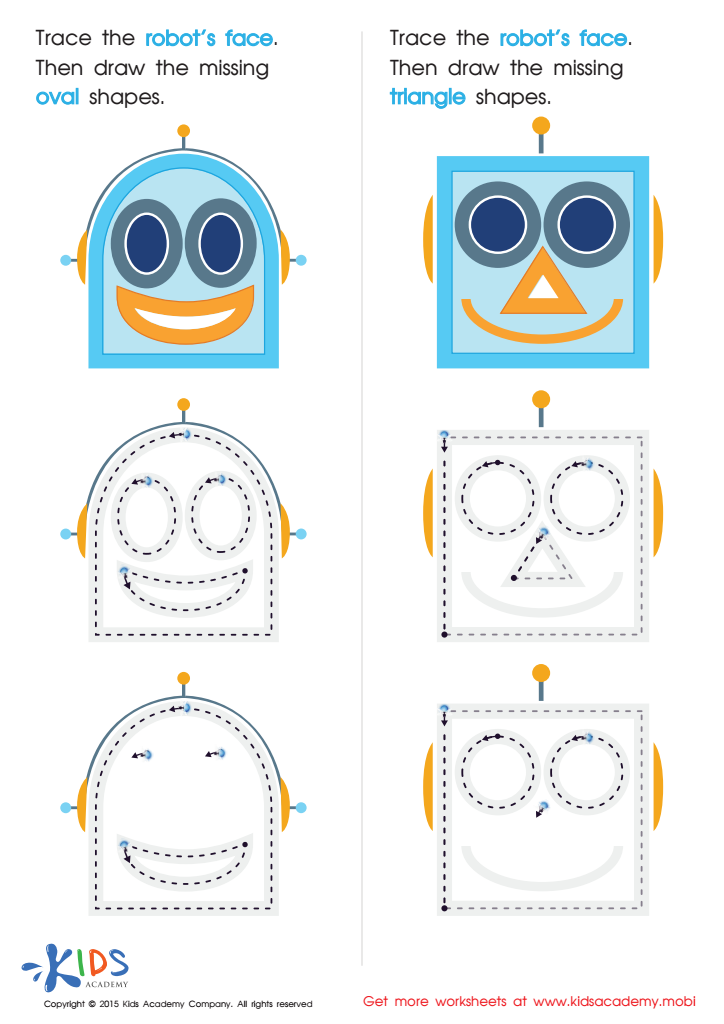
Drawing Ovals And Triangles with Fun Printable
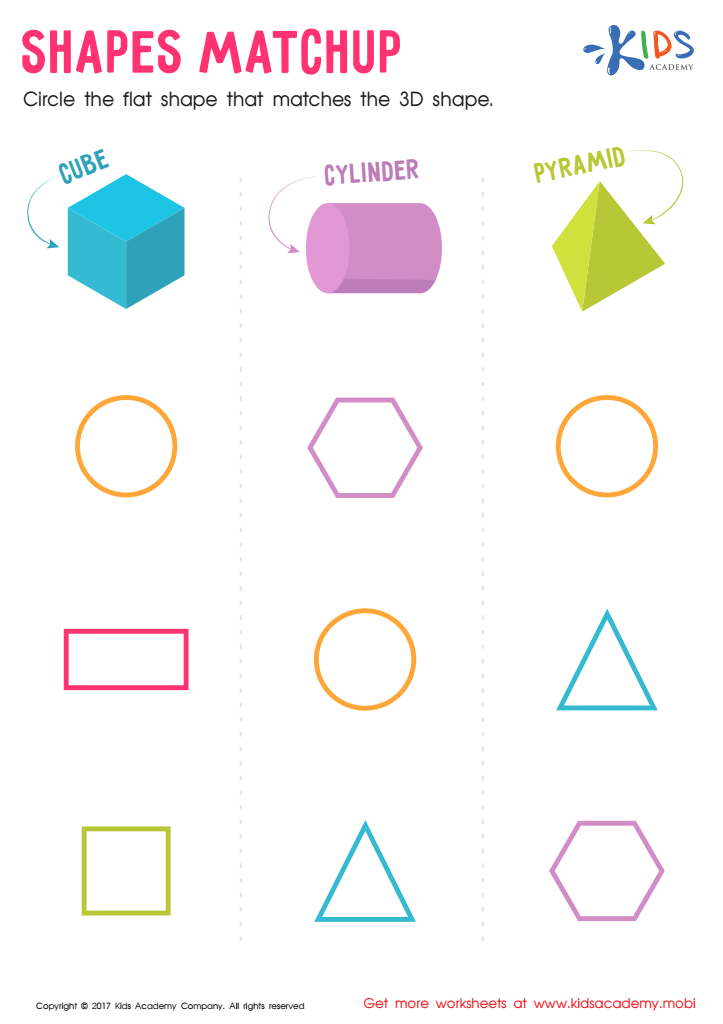
Shapes Matchup Worksheet
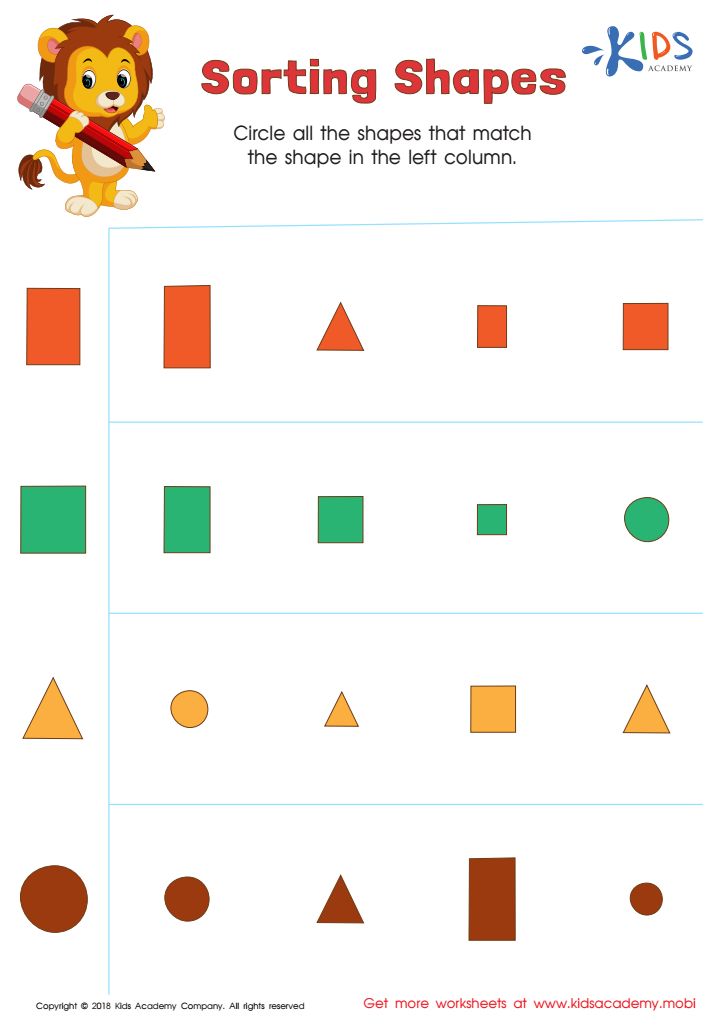
Sorting Shapes - Part 2 Worksheet
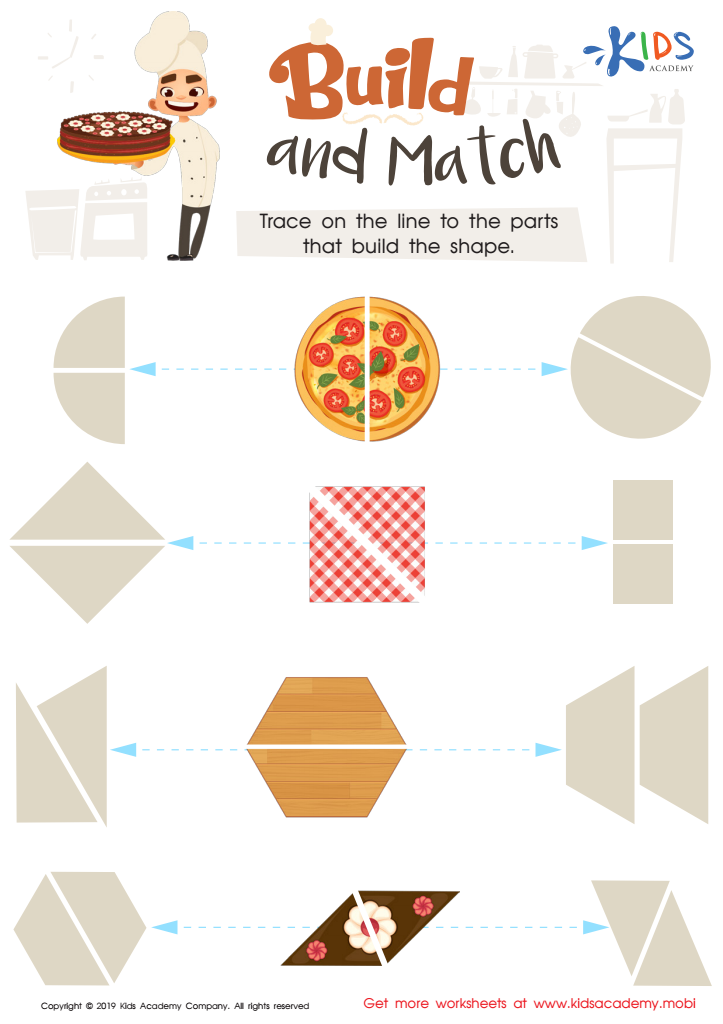
Build and Match Worksheet








Shape recognition is a foundational skill in early childhood education that significantly impacts a child's cognitive development. For children aged 5-9, understanding 2D shapes lays the groundwork for more advanced mathematical concepts. When parents and teachers emphasize shape recognition, they help children recognize patterns, categorize objects, and develop spatial awareness. This skill enhances problem-solving capabilities, as children learn to identify and manipulate shapes in their surroundings.
Moreover, shape recognition promotes language development. As children learn the names of shapes and describe their attributes, they expand their vocabulary, fostering communication skills. Engaging in activities like drawing, building with blocks, or participating in puzzles allows children to explore shapes in a fun, interactive manner.
Furthermore, this skill extends beyond mathematics; it plays a crucial role in art and design. Understanding shapes encourages creativity and imaginative thinking, essential for expressing ideas visually. As children gain confidence in recognizing and manipulating shapes, they build a strong foundation for future learning, enhancing their overall academic performance.
In conclusion, prioritizing shape recognition in young learners cultivates critical thinking, language, creativity, and mathematical readiness, ultimately preparing them for a successful education journey and lifelong learning.