Check out this FREE Trial Lesson on Addition & Subtraction for age 5-9!

Sorting Objects into 3 Categories

Favorites
With answer key
Interactive
  • 5-9
  • Comparing Fractions
  • Addition & Subtraction
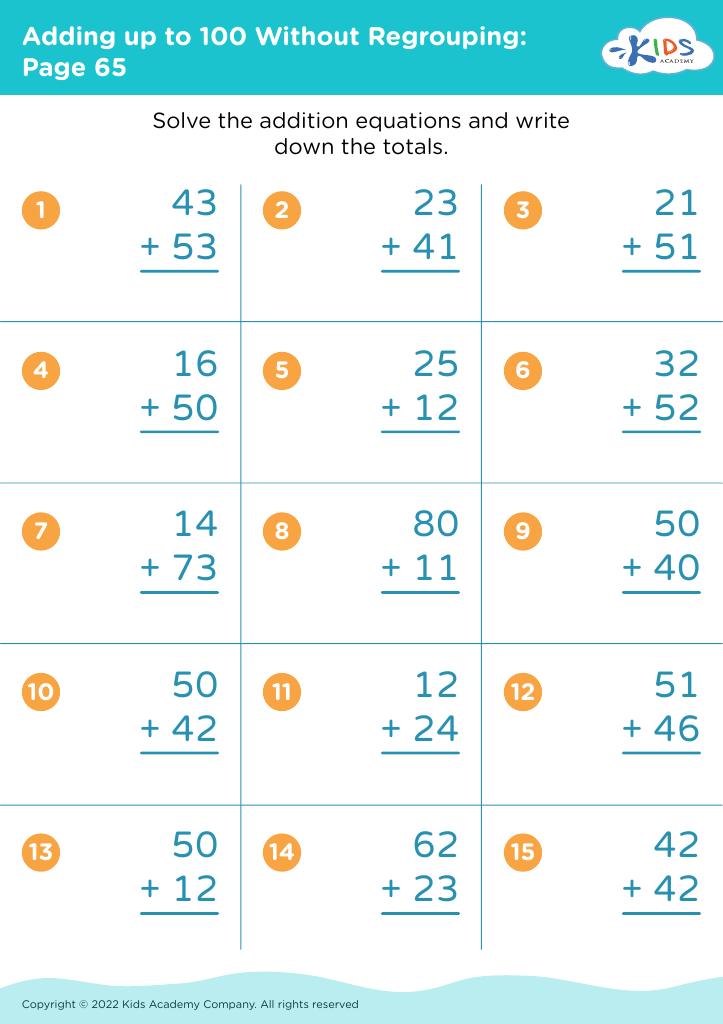
Adding up to 100 Without Regrouping: Page 65
Worksheet
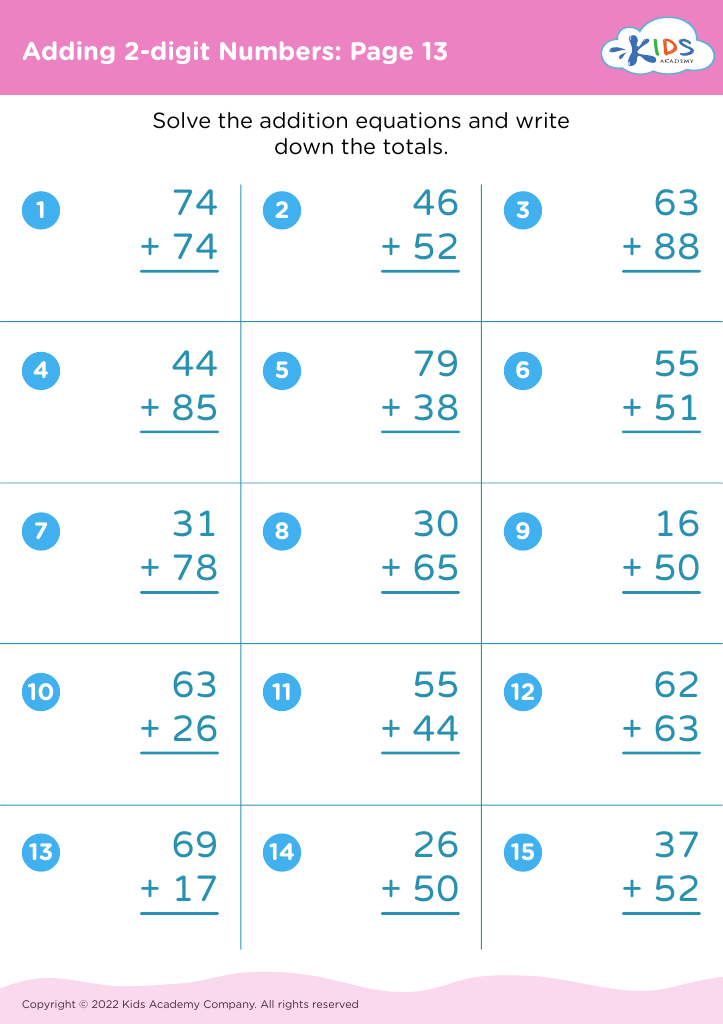
Adding 2-digit Numbers: Page 13

Adding 2-digit Numbers: Page 13

Adding 2-digit Numbers: Page 13
Worksheet
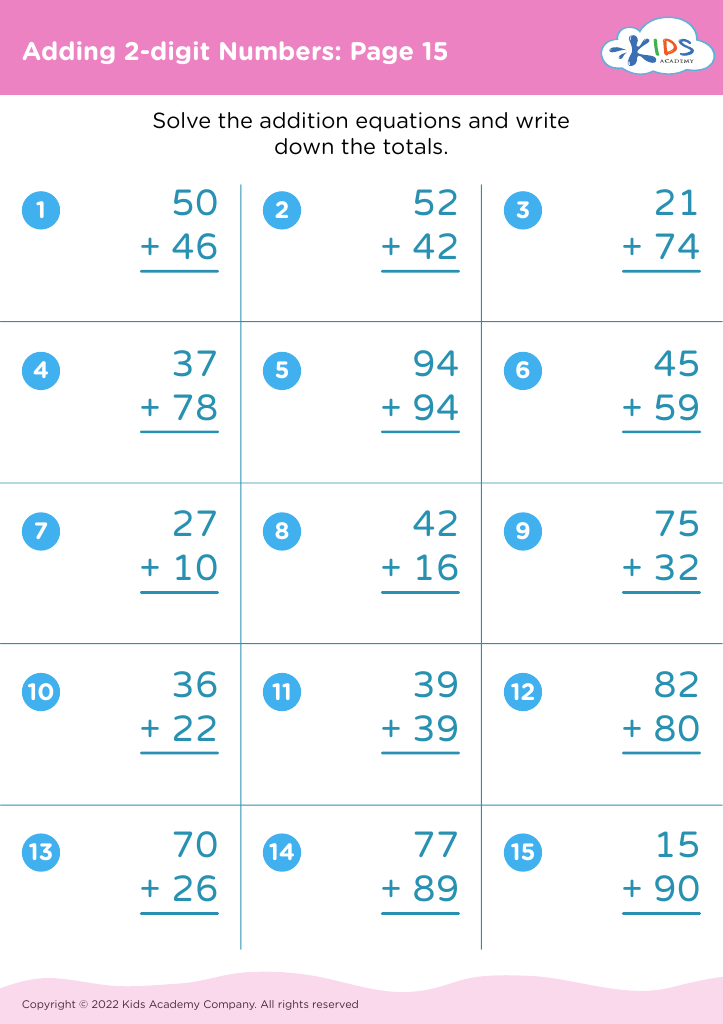
Adding 2-digit Numbers: Page 15

Adding 2-digit Numbers: Page 15

Adding 2-digit Numbers: Page 15
Worksheet
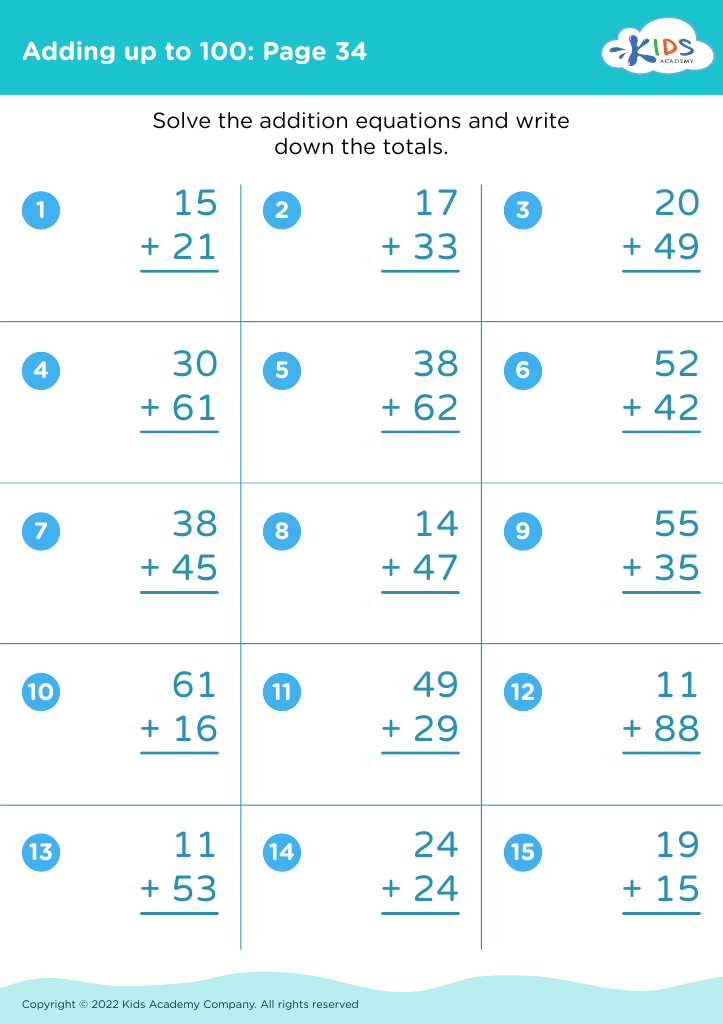
Adding up to 100: Page 34

Adding up to 100: Page 34

Adding up to 100: Page 34
Worksheet
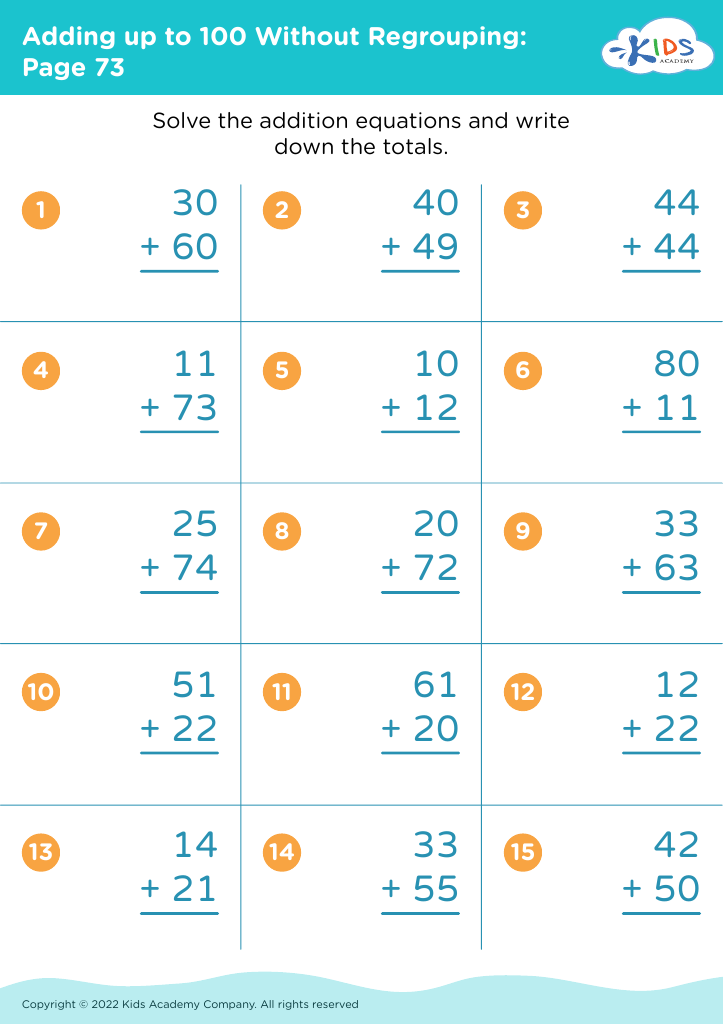
Adding up to 100 Without Regrouping: Page 73
Worksheet
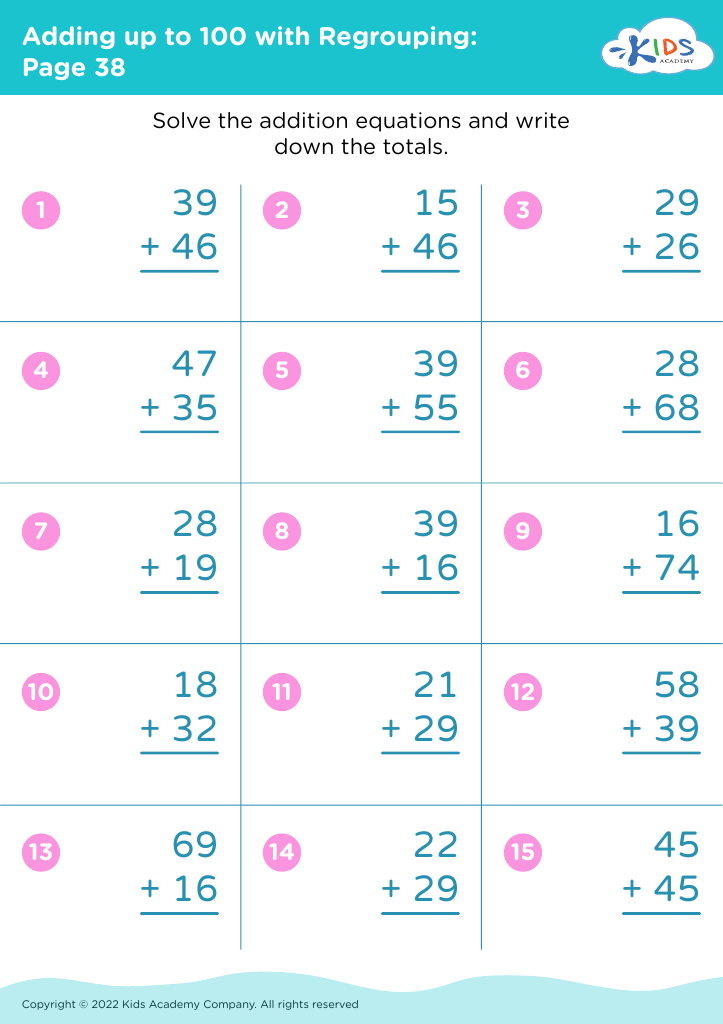
Adding up to 100 with Regrouping: Page 38
Worksheet
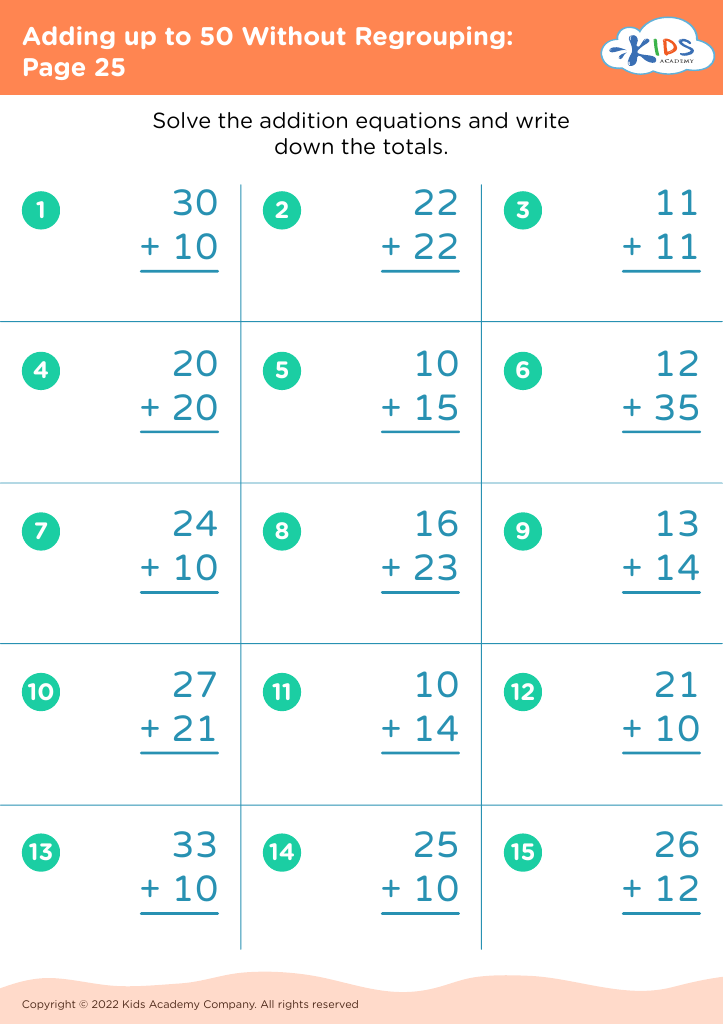
Adding up to 50 Without Regrouping: Page 25
Worksheet
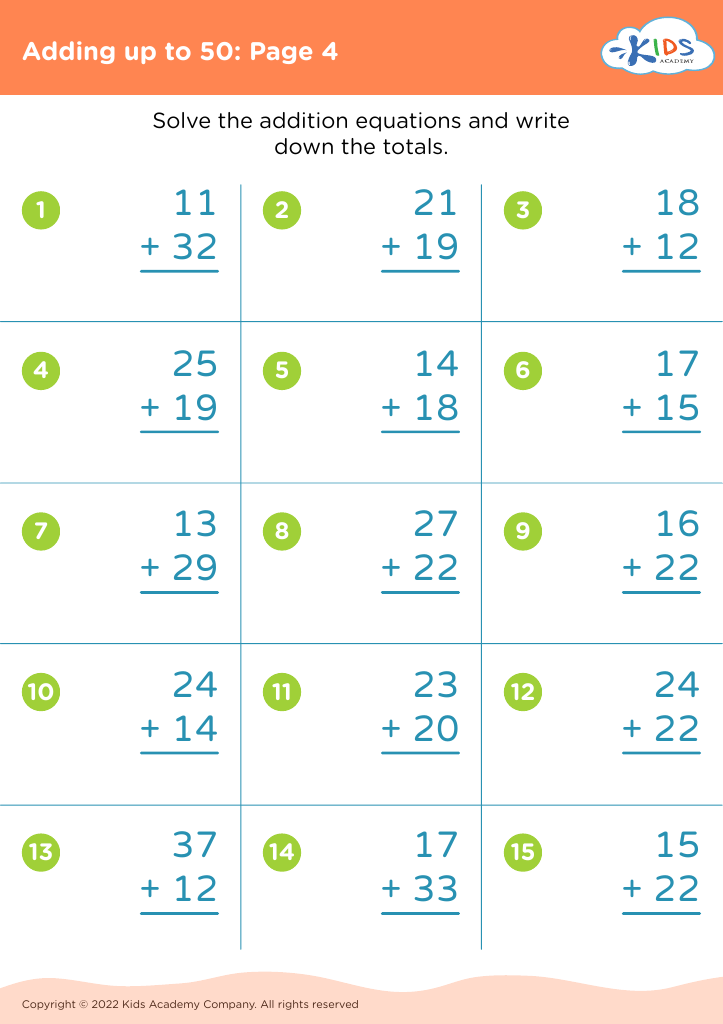
Adding up to 50: Page 4

Adding up to 50: Page 4

Adding up to 50: Page 4
Worksheet
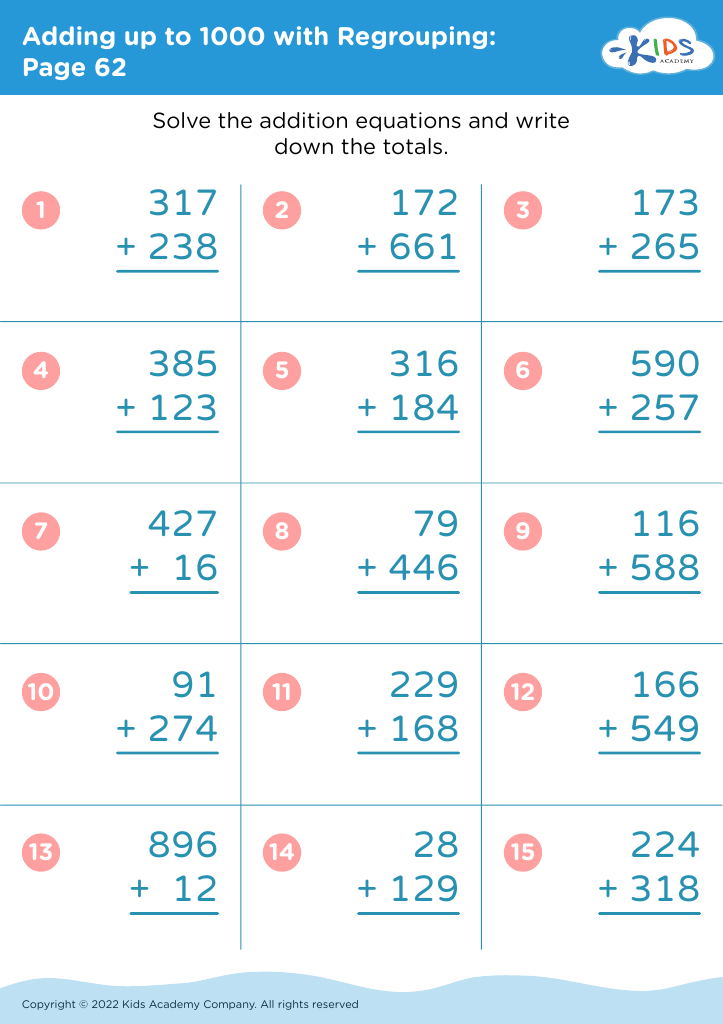
Adding up to 1000 with Regrouping: Page 62
Worksheet
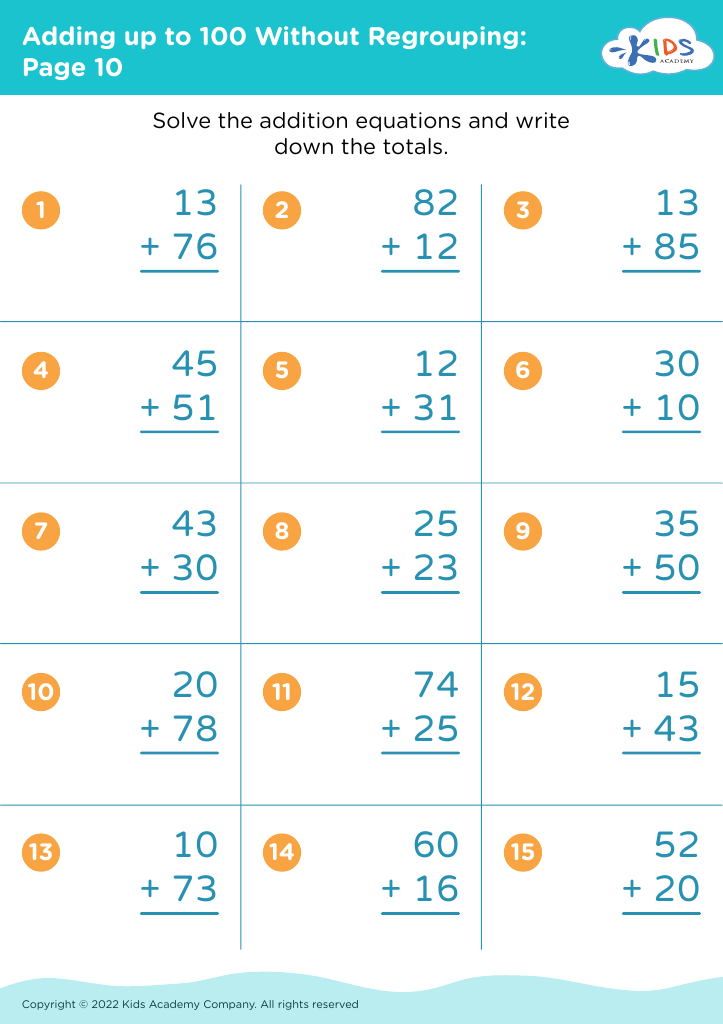
Adding up to 100 Without Regrouping: Page 10
Worksheet
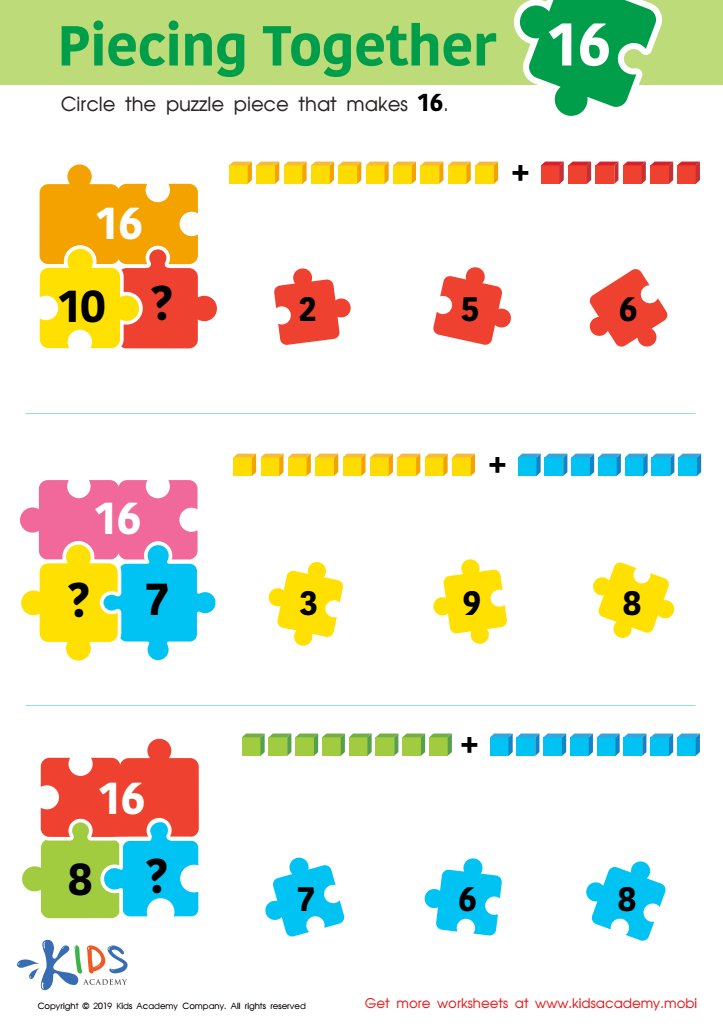
Piecing Together 16 Worksheet

Piecing Together 16 Worksheet

Combine learning with fun using this colorful worksheet! Ask your preschoolers what they see in the picture, then help them solve the mathematical equations on the puzzle pieces. One equation is missing on each; have them circle the piece that will make the bottom puzzle piece numbers equal 16. Use puzzles and bright colors to teach - it's one of the best ways your kids can learn!
Piecing Together 16 Worksheet
Worksheet
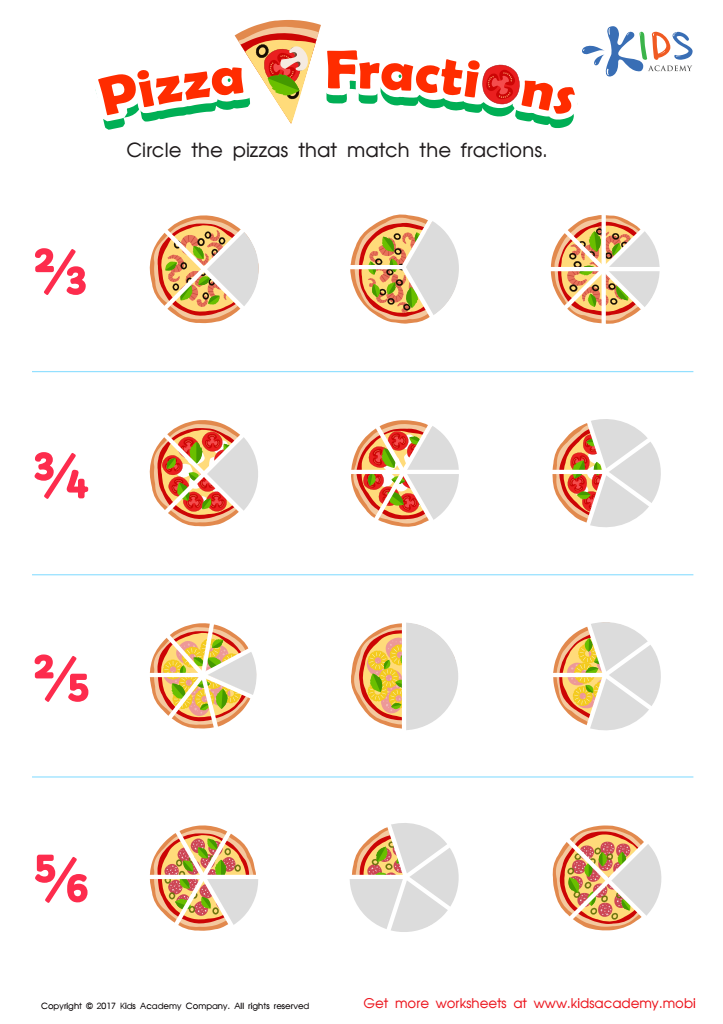
Pizza Fraction Printable

Fractions: Pizza Printable
Fractions can be tricky for kids, but this pizza fractions printable can help! Kids can understand fractions by seeing them, as they use one of their favorite foods. It helps them grasp the concept and gain a deeper understanding of what fractions represent. Extend their learning by quizzing them when you order pizza next time.
Fractions: Pizza Printable

Worksheet
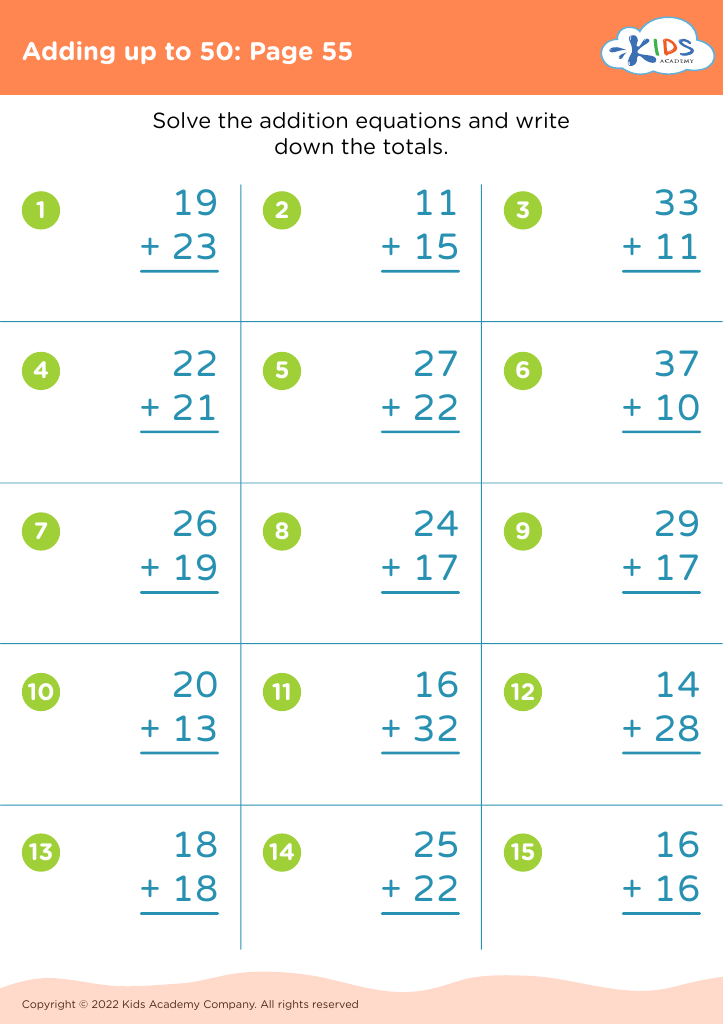
Adding up to 50: Page 55

Adding up to 50: Page 55

Adding up to 50: Page 55
Worksheet
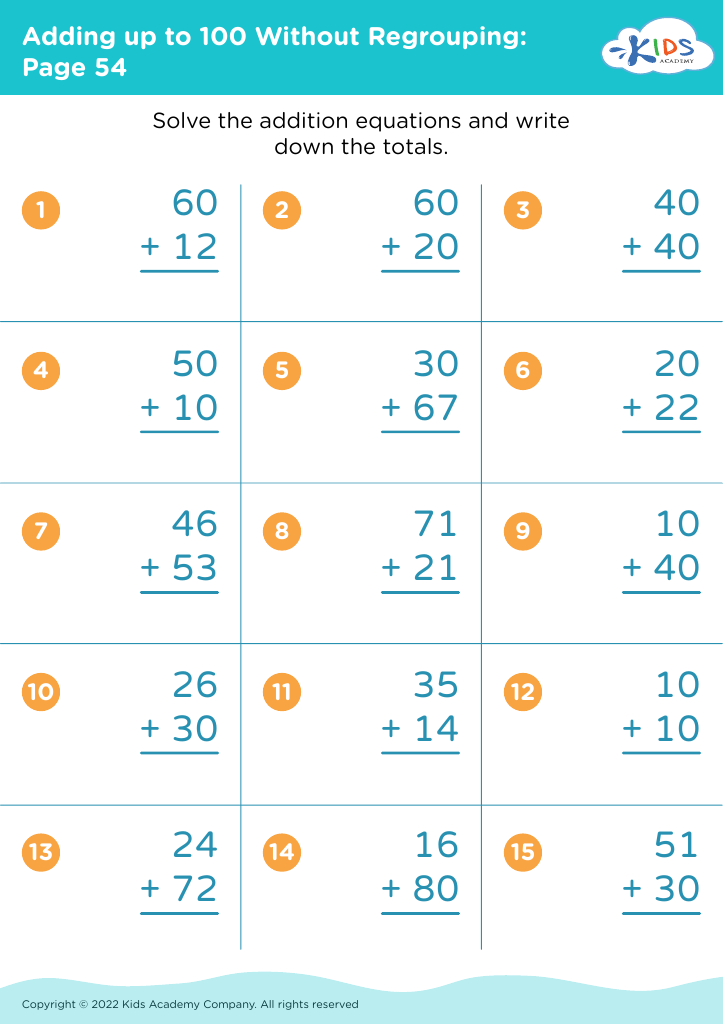
Adding up to 100 Without Regrouping: Page 54
Worksheet
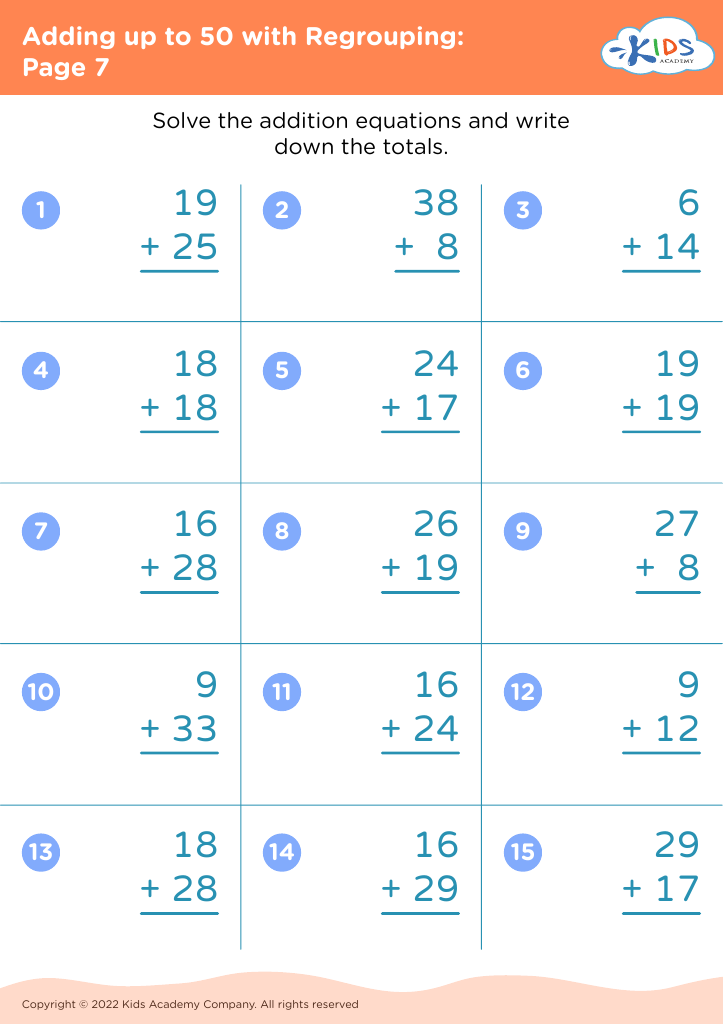
Adding up to 50 with Regrouping: Page 7
Worksheet
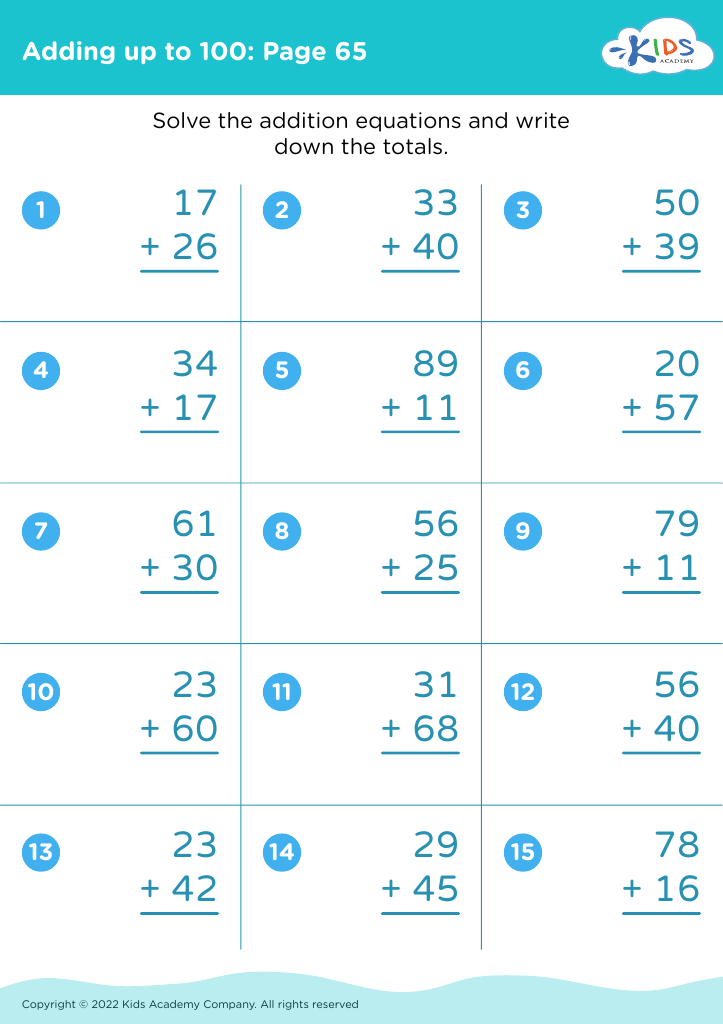
Adding up to 100: Page 65

Adding up to 100: Page 65

Adding up to 100: Page 65
Worksheet
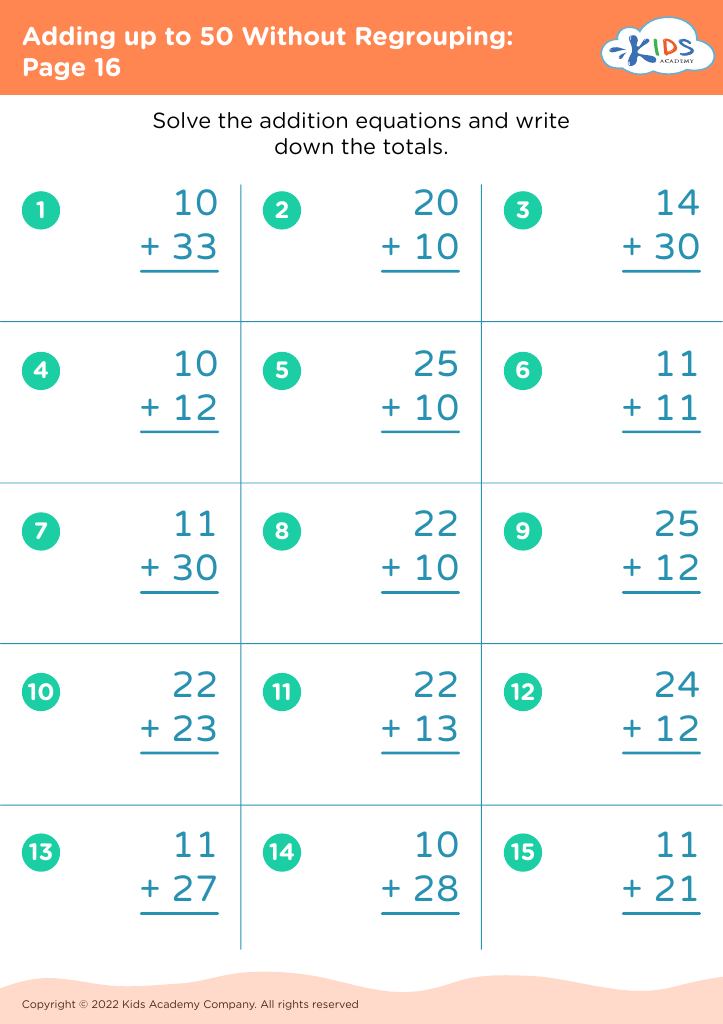
Adding up to 50 Without Regrouping: Page 16
Worksheet
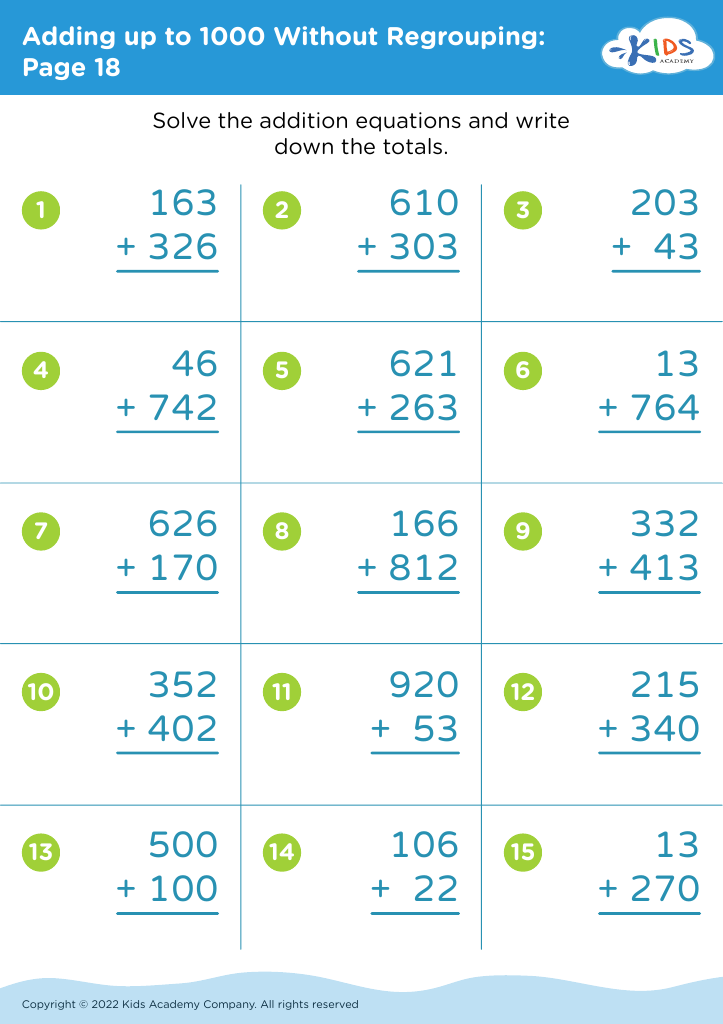
Adding up to 1000 Without Regrouping: Page 18
Worksheet
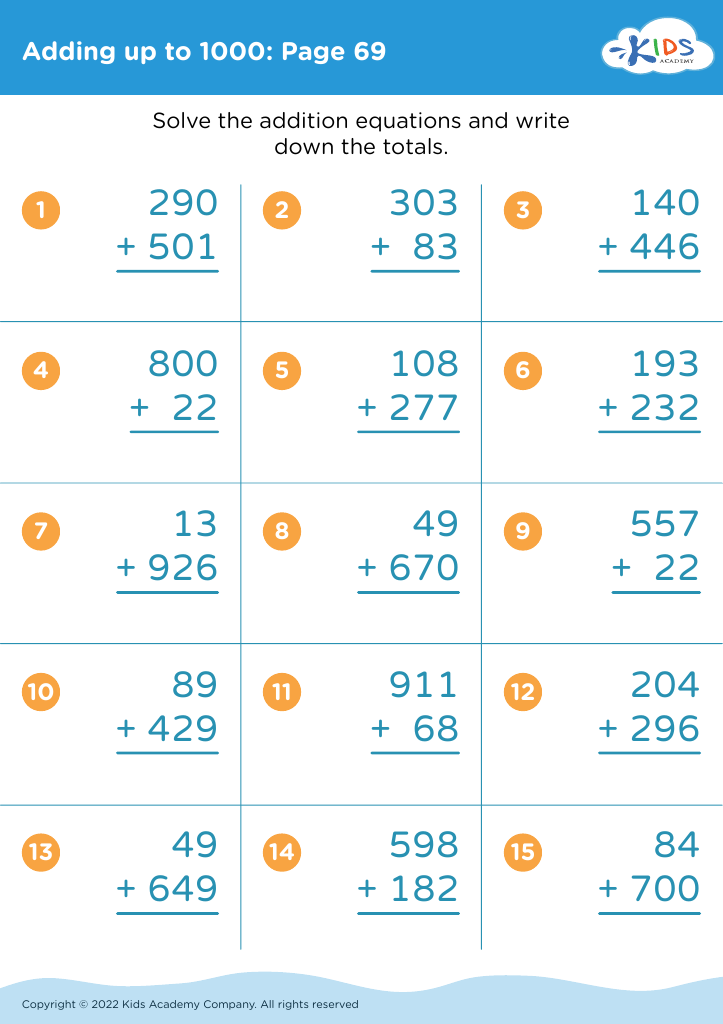
Adding up to 1000: Page 69

Adding up to 1000: Page 69

Adding up to 1000: Page 69
Worksheet
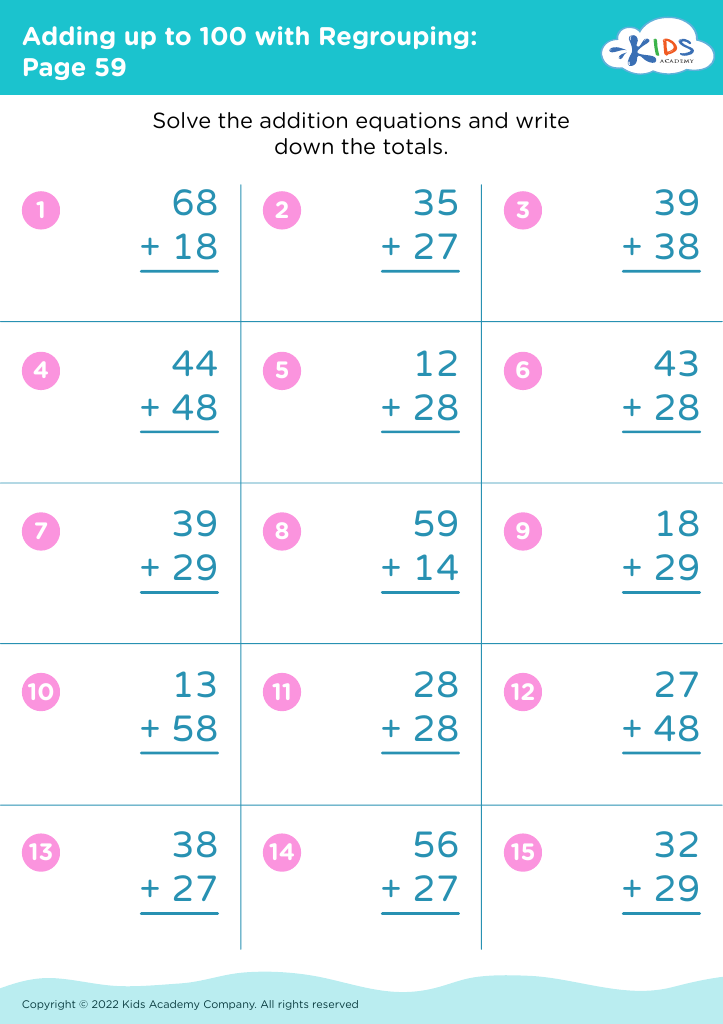
Adding up to 100 with Regrouping: Page 59
Worksheet
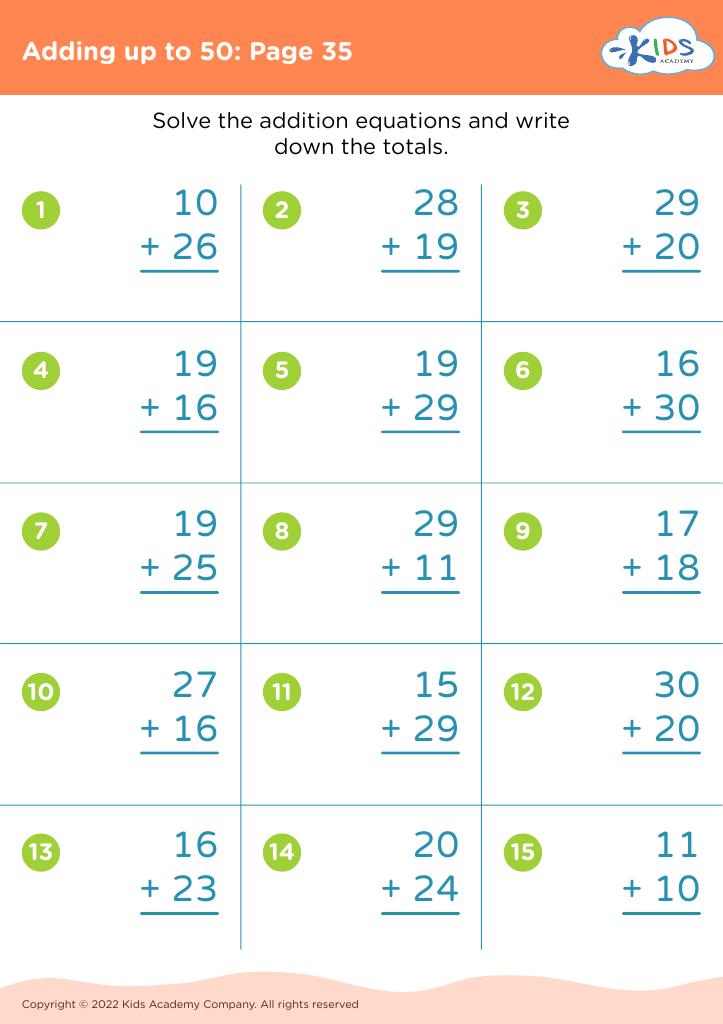
Adding up to 50: Page 35

Adding up to 50: Page 35

Adding up to 50: Page 35
Worksheet
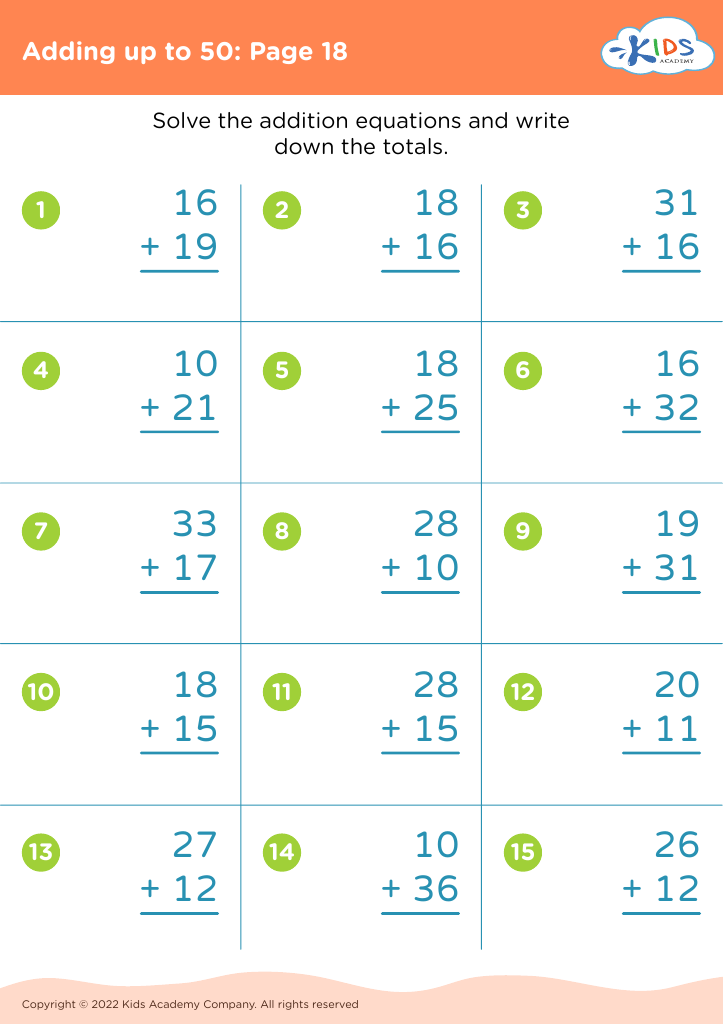
Adding up to 50: Page 18

Adding up to 50: Page 18

Adding up to 50: Page 18
Worksheet
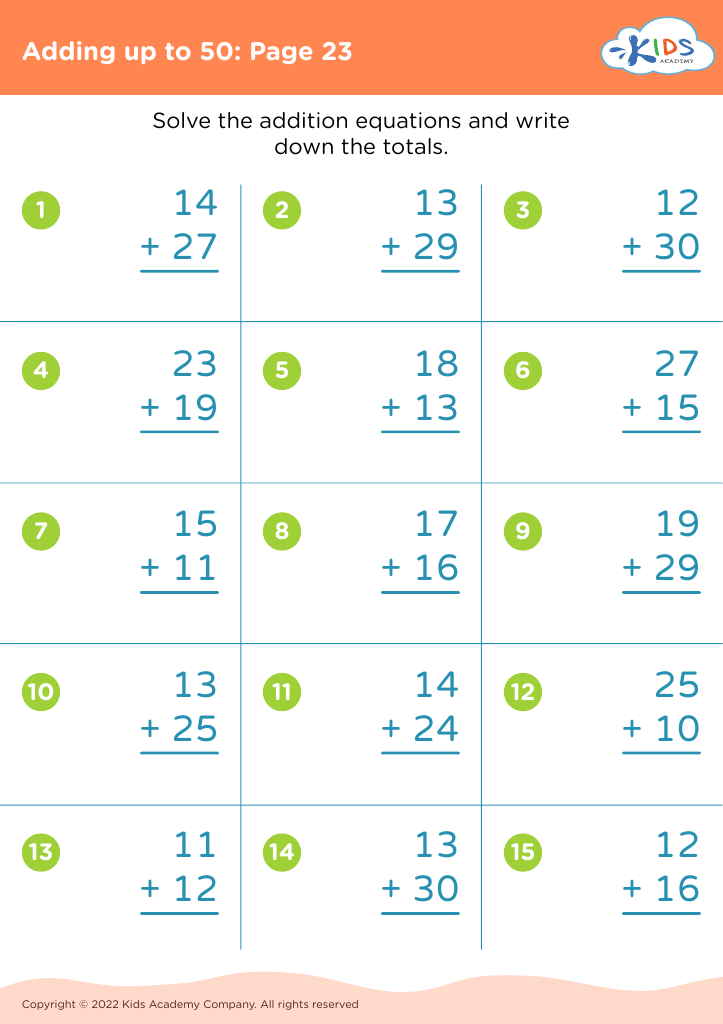
Adding up to 50: Page 23

Adding up to 50: Page 23

Adding up to 50: Page 23
Worksheet
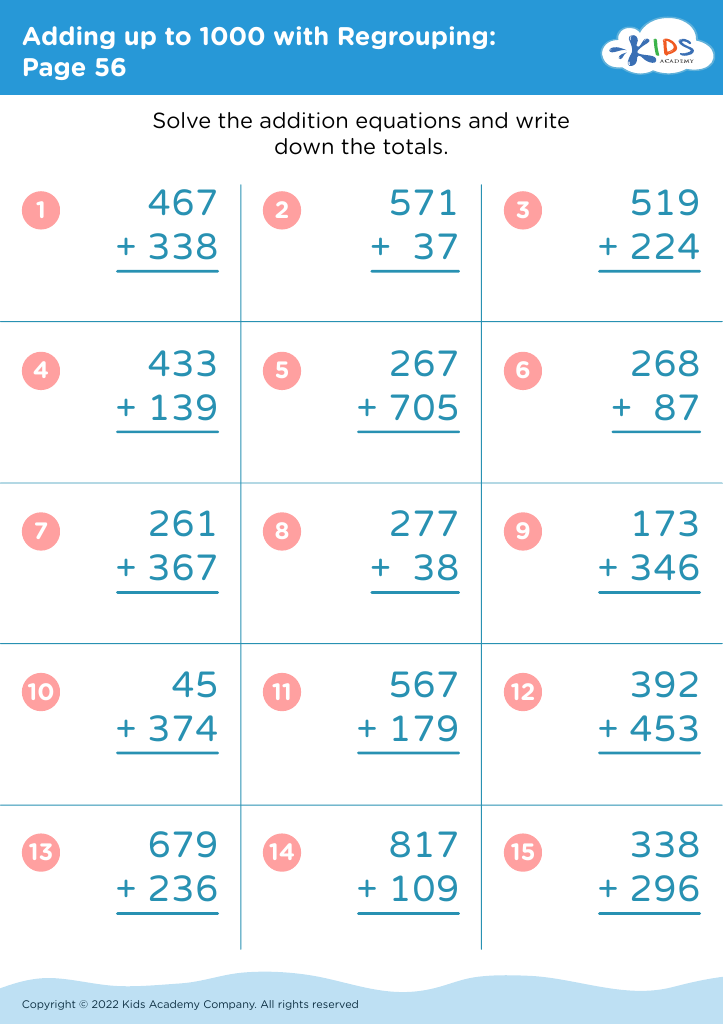
Adding up to 1000 with Regrouping: Page 56
Worksheet


Understanding the addition and subtraction of fractions is foundational to developing strong mathematical skills in young learners, aged 5-9. At this early stage, mastering these concepts will aid their ability to solve more complex problems later in their academic journey. By comparing and operating on fractions, children enhance their number sense, an essential skill that extends beyond the classroom into practical, real-world scenarios like cooking or dividing tasks.

Developing an early grasp of fractions initiates critical thinking and analytical skills. It encourages learners to recognize patterns and relationships between numbers, fostering a deeper comprehension of mathematical principles. Furthermore, when parents and teachers invest time in teaching these concepts, they help children become more confident with numbers, reducing math anxiety as they progress through their education.

Equally important is the development of the language of math. Comparing fractions involves terms like 'numerator' and 'denominator,' which helps children build a math-specific vocabulary. This sets a solid foundation for future learning in disciplines such as algebra and geometry.

In ensuring children aged 5-9 understand and can apply fraction operations, both parents and teachers provide a critical support system that underscores the importance of sustained learning and intellectual curiosity.