Addition Practice Numbers Worksheets for Ages 5-9 - Page 2
32 filtered results
-
From - To
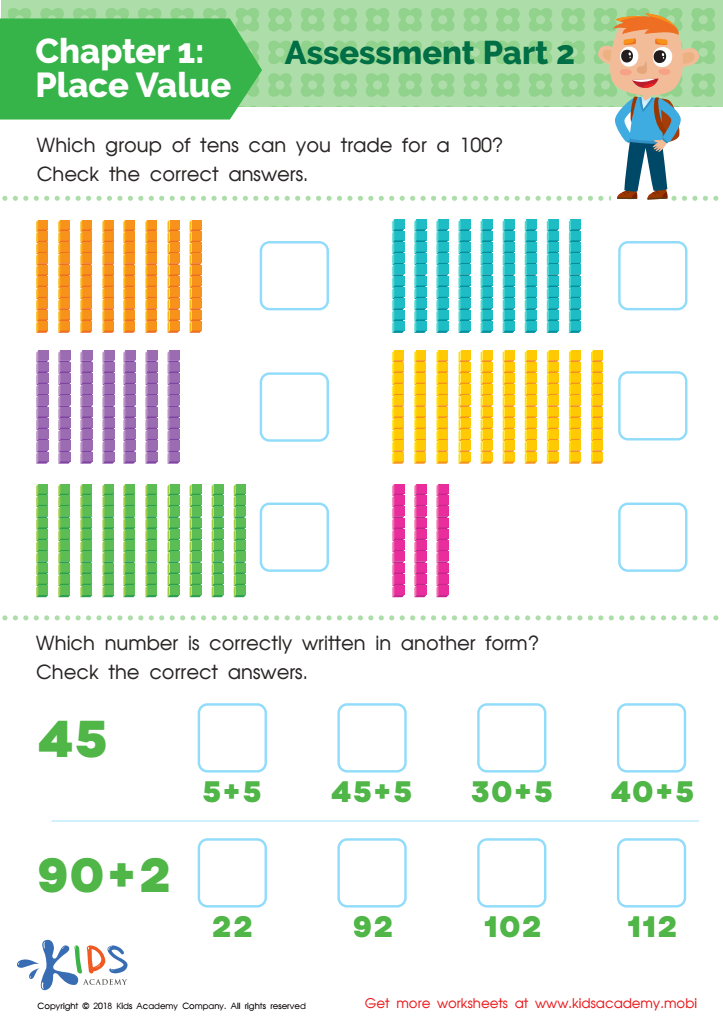
Place Value: Chapter 2 Worksheet
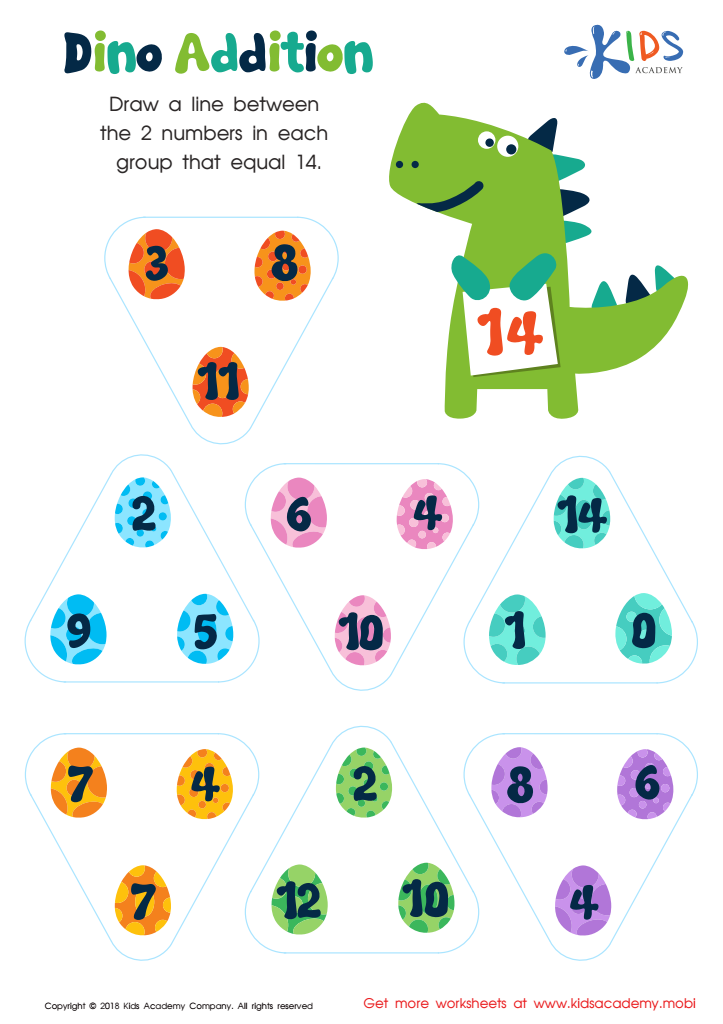
Dino Addition Worksheet
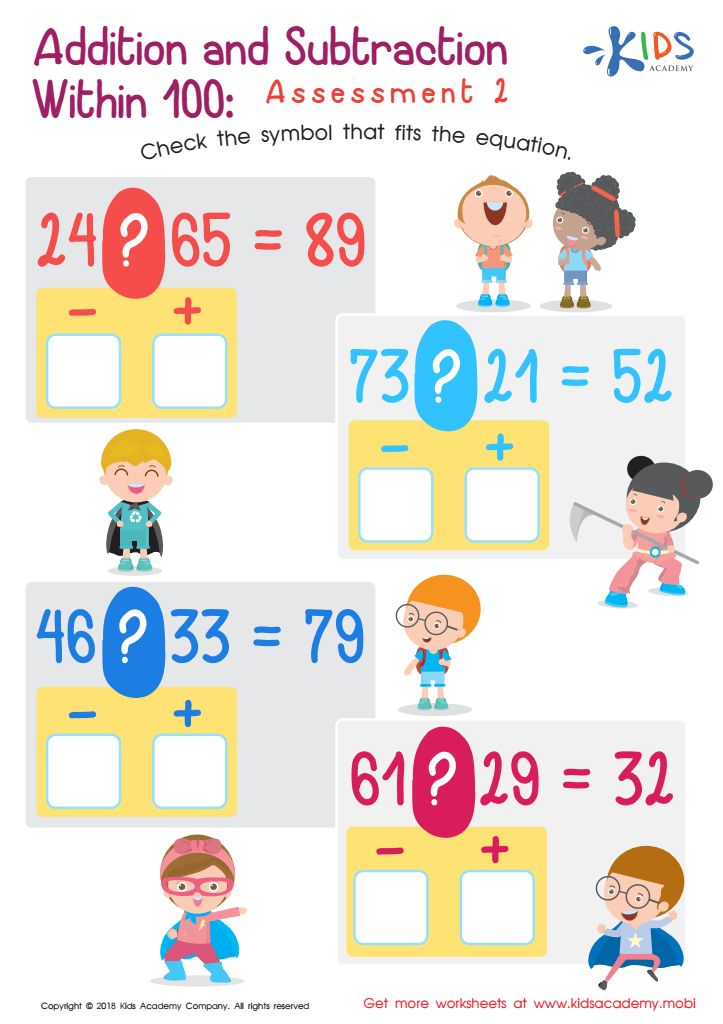
Addition and Subtraction Within 1: Assessment 2 Worksheet
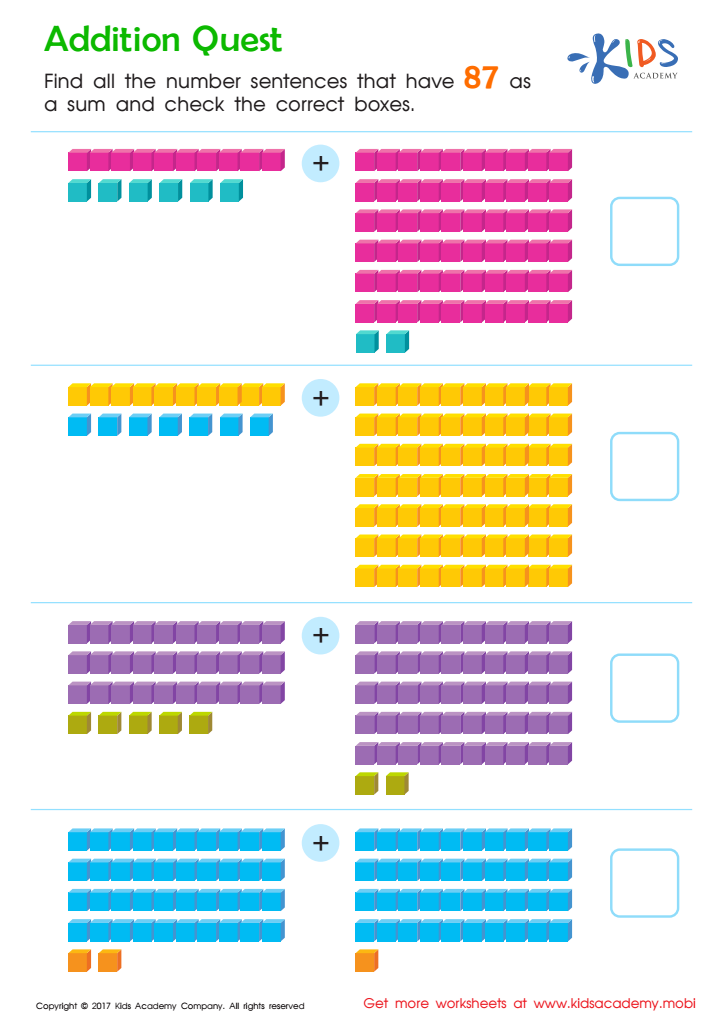
Addition Quest Worksheet: Part 1
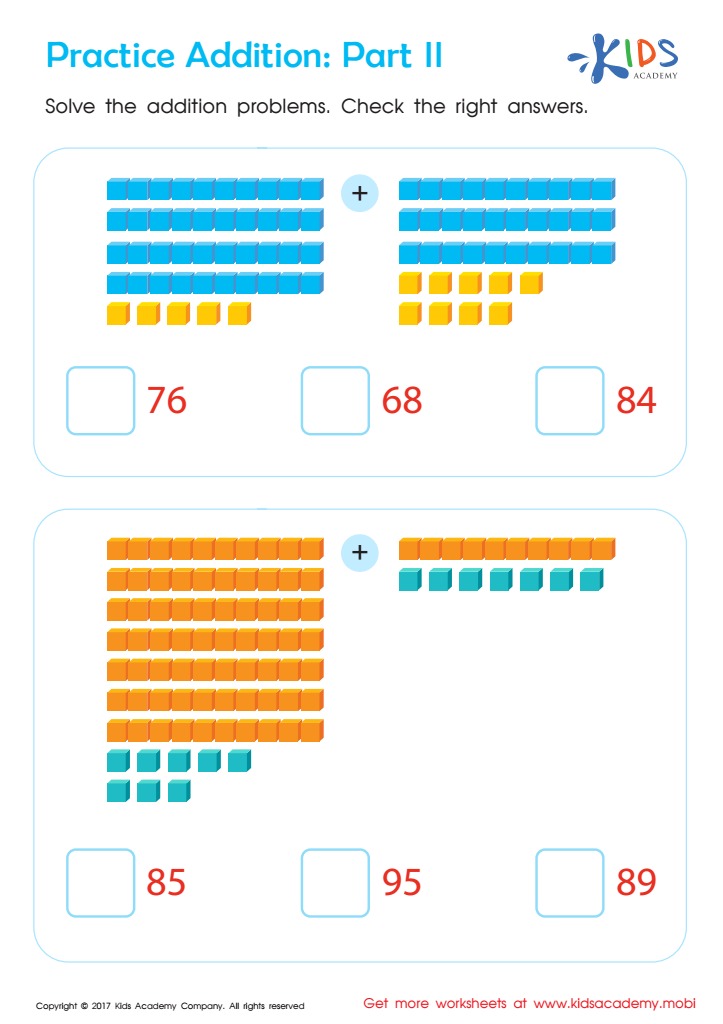
Practice Addition: Part 2 Worksheet
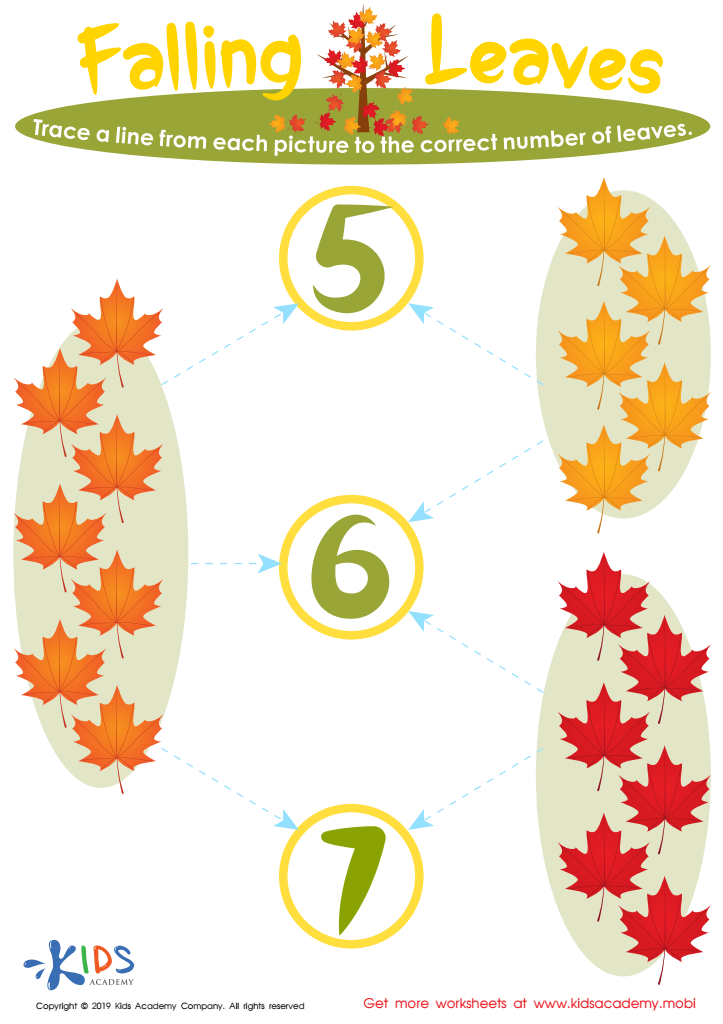
Falling Leaves Worksheet
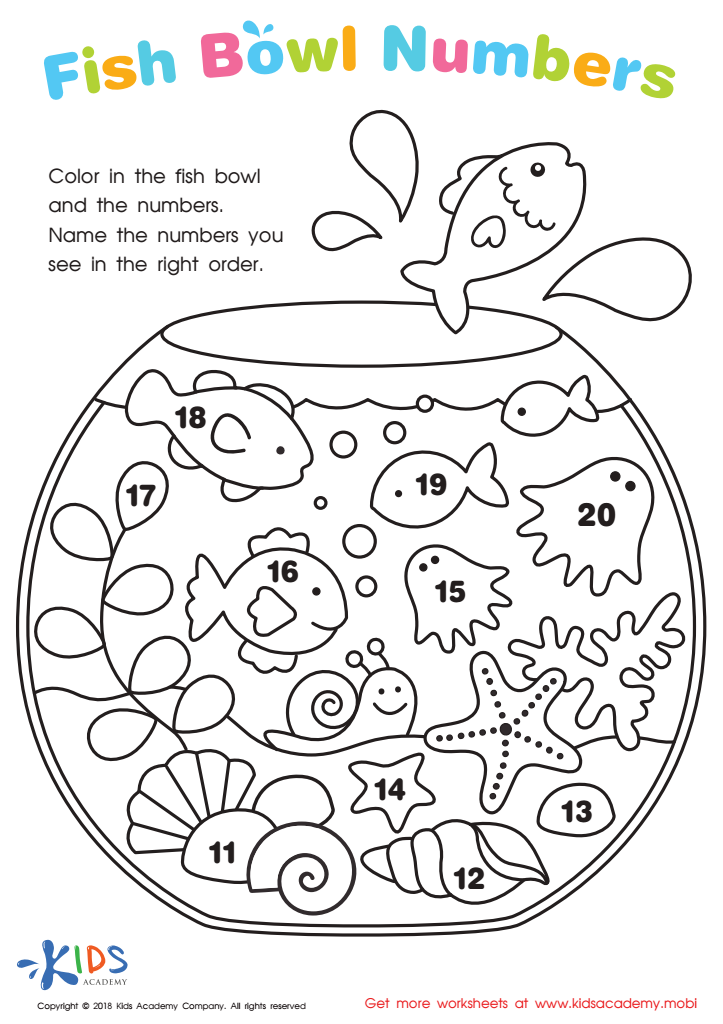
Fish Bowl Numbers Worksheet
 Assign to My Students
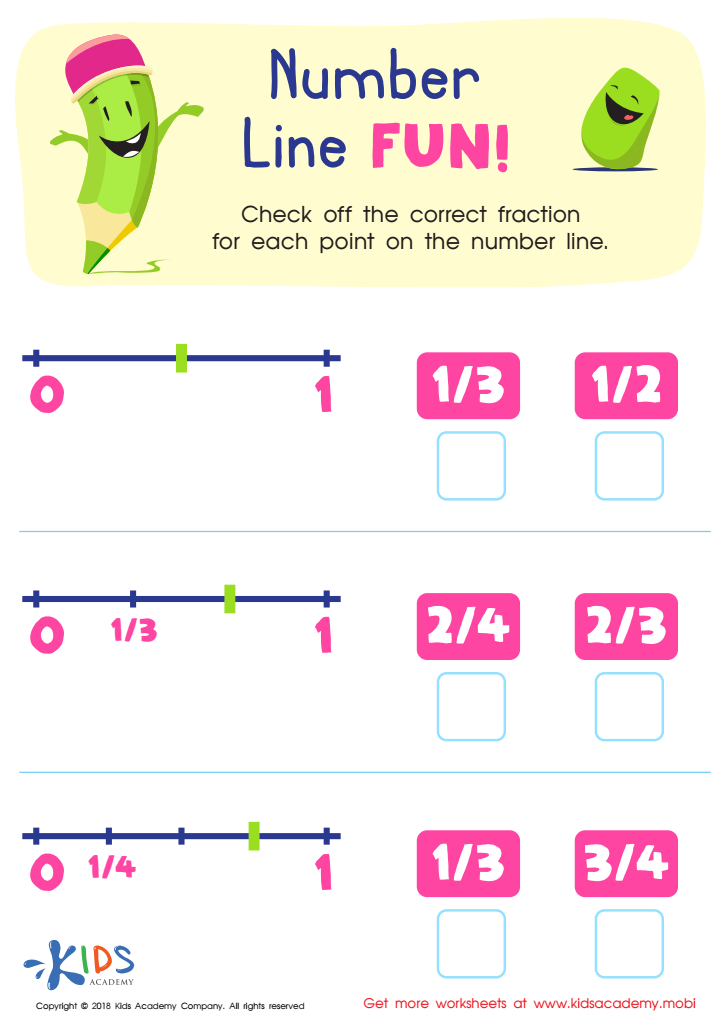
Number Line Fun Worksheet



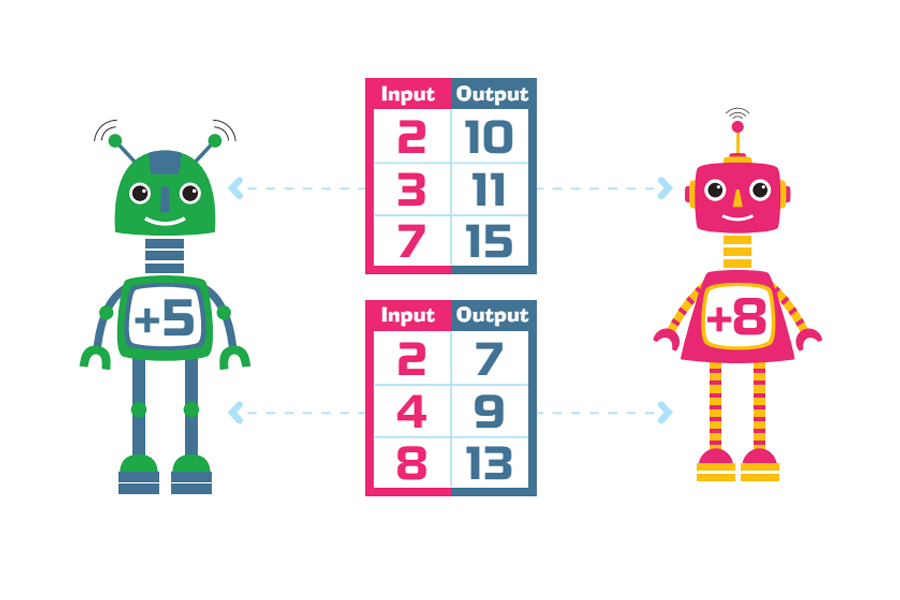




Addition practice for children aged 5-9 is crucial for their early mathematical development and forms the foundation for future learning. During these formative years, children are exposed to core math concepts that will influence their academic success and confidence. Mastering addition not only enhances their ability to solve basic arithmetic problems but also helps them develop critical thinking and problem-solving skills.
Parents and teachers should prioritize addition practice as it encourages logical reasoning. Children learn to recognize patterns and work with numbers, facilitating a positive mindset towards mathematics. Engaging in regular practice through games, worksheets, or interactive activities keeps the learning process enjoyable, fostering motivation and enthusiasm for learning.
Moreover, gaining proficiency in addition equips children with the skills necessary to navigate everyday situations, such as shopping or playing games that require score-keeping. This real-world application establishes a context for why math matters.
In an increasingly digital world, early math skills prepare children for technology-driven environments, where problem-solving and analytical abilities are paramount. Thus, investing time in addition practice sets a strong foundation for not only academic achievement but also lifelong math competence. Engaged parents and teachers create a supportive learning ecosystem that nurtures children’s confidence and abilities in mathematics.








