Learning addition Numbers Worksheets for Ages 5-9
4 filtered results
-
From - To
Discover our collection of engaging addition worksheets designed specifically for children aged 5-9! These educational resources offer a fun and interactive way to help young learners master basic addition skills. Our carefully crafted worksheets feature colorful illustrations, hands-on exercises, and varying difficulty levels to cater to every child’s learning pace. From simple sums to more complex problems, your child will develop confidence and fluency in addition through practice. Ideal for classroom or homeschooling environments, these printable worksheets provide a valuable supplement to math learning. Start your child's mathematical journey today with our user-friendly addition worksheets!
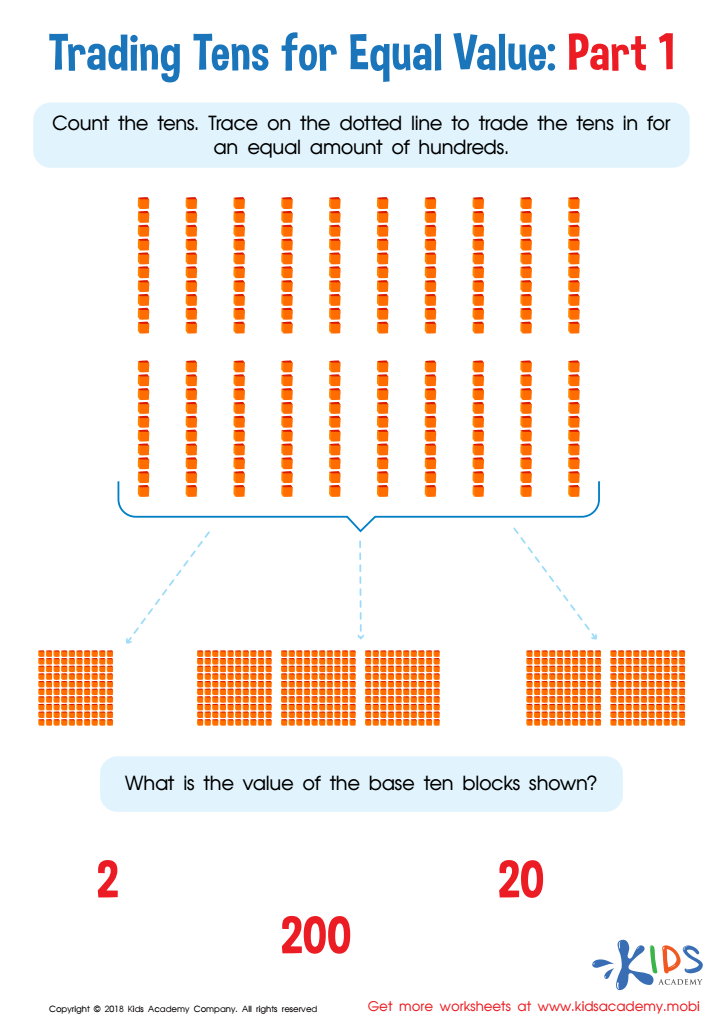
Trading Tens for Equal Value Worksheet: Part 1
 Assign to My Students
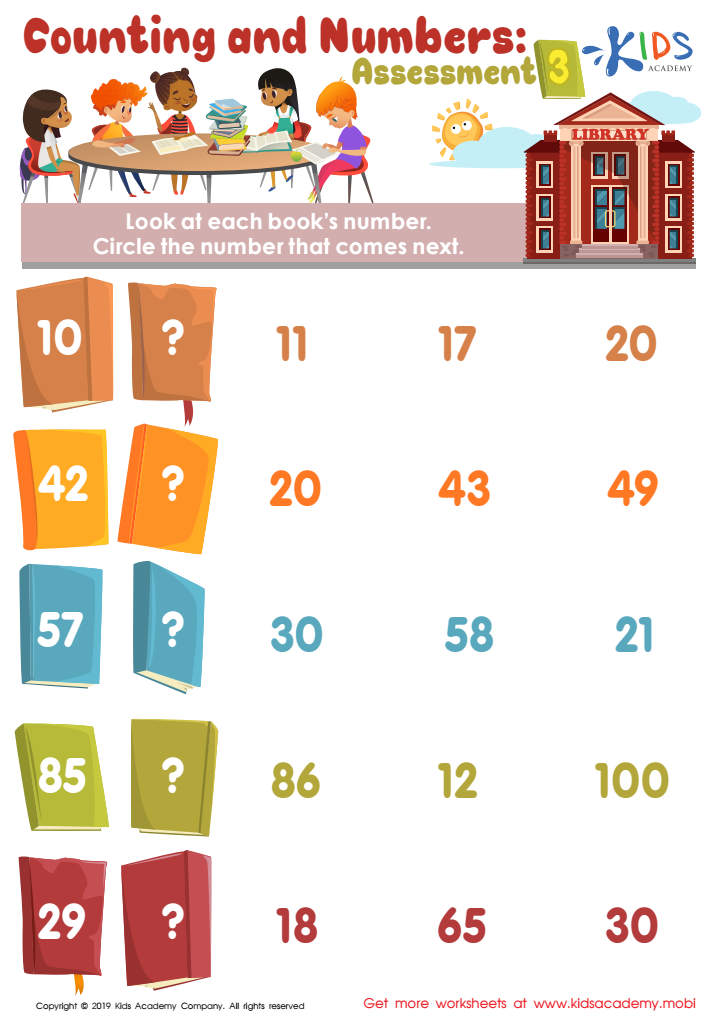
Counting and Numbers: Assessment Worksheet
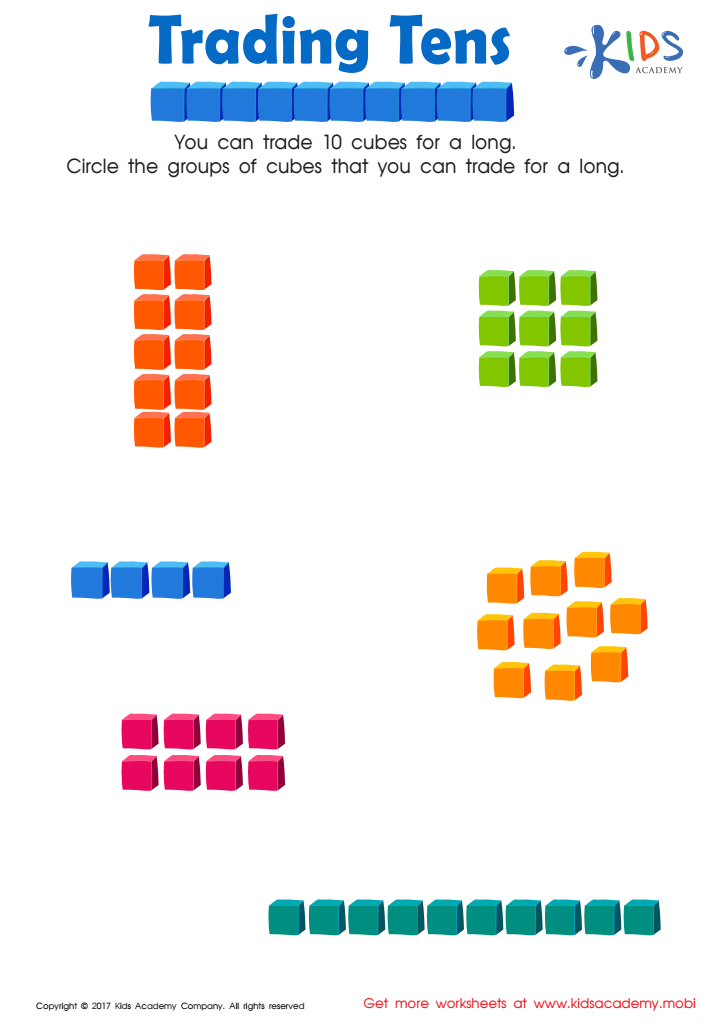
Trading Tens Worksheet
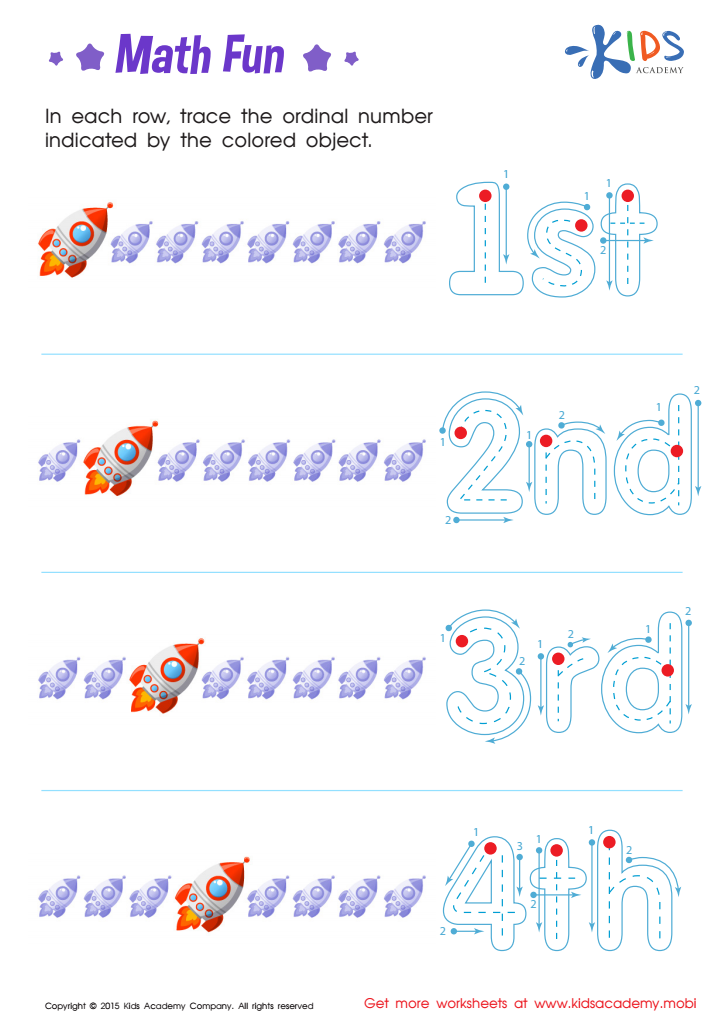
Ordinal Numbers: Math Fun Worksheet







.jpg)
Learning addition is a fundamental skill for children aged 5-9, laying the groundwork for their future academic success. At this age, children are developing key cognitive abilities and are naturally curious about the world around them. Mastering addition enhances their problem-solving skills and boosts their confidence in handling numbers. Furthermore, it supports the development of critical thinking, as children learn to connect various concepts, such as quantity and value.
Parents and teachers play an essential role in fostering a positive attitude toward mathematics. Engaging children in fun, hands-on activities, such as games and practical exercises, can make learning addition more enjoyable. This age group is also highly impressionable, and a solid understanding of addition establishes a strong mathematical foundation, helping children transition to more complex concepts like subtraction, multiplication, and division as they progress in school.
Additionally, addition is not just about numbers; it is a life skill that children will use in everyday situations, from shopping to planning events. When parents and teachers prioritize early math skills, they are equipping children with the tools they need for lifelong learning, helping them to participate confidently in a numerically driven world. Ultimately, fostering these skills helps cultivate a love for math that can last a lifetime.








