Visual perception Numbers Worksheets for Ages 5-9 - Page 2
29 filtered results
-
From - To
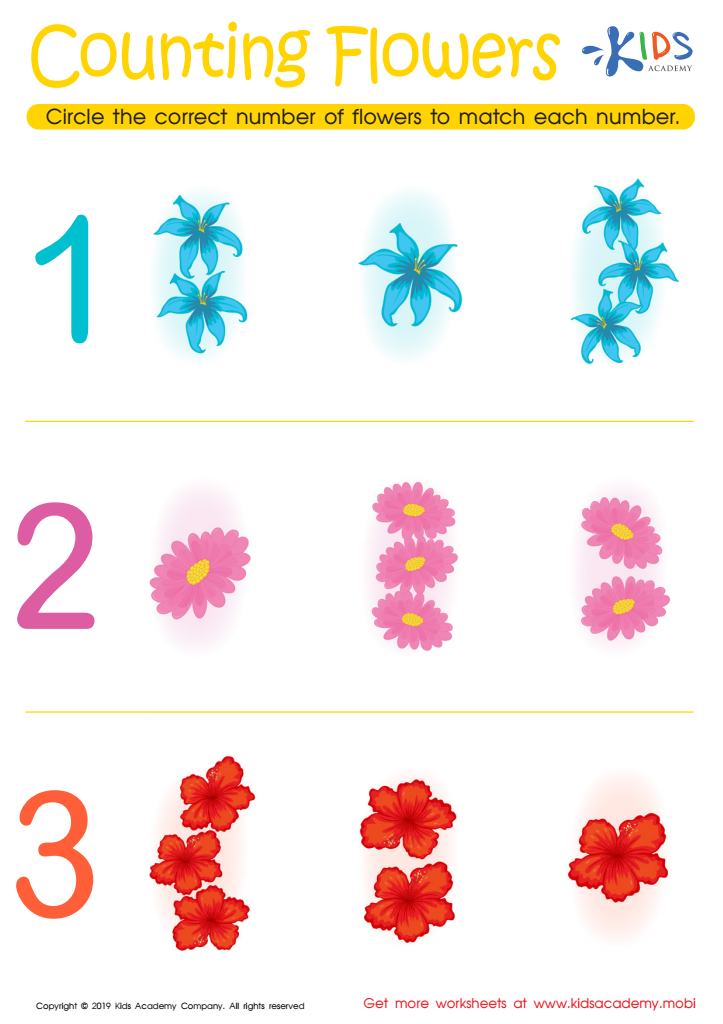
Counting Flowers Worksheet
 Assign to My Students
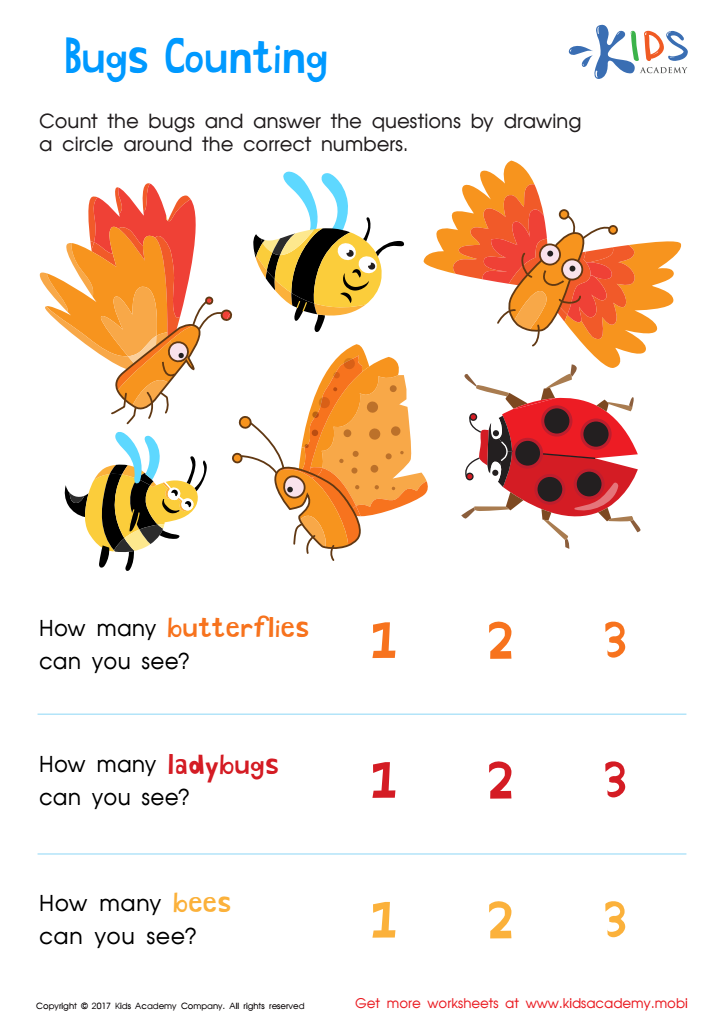
Bugs Counting Worksheet
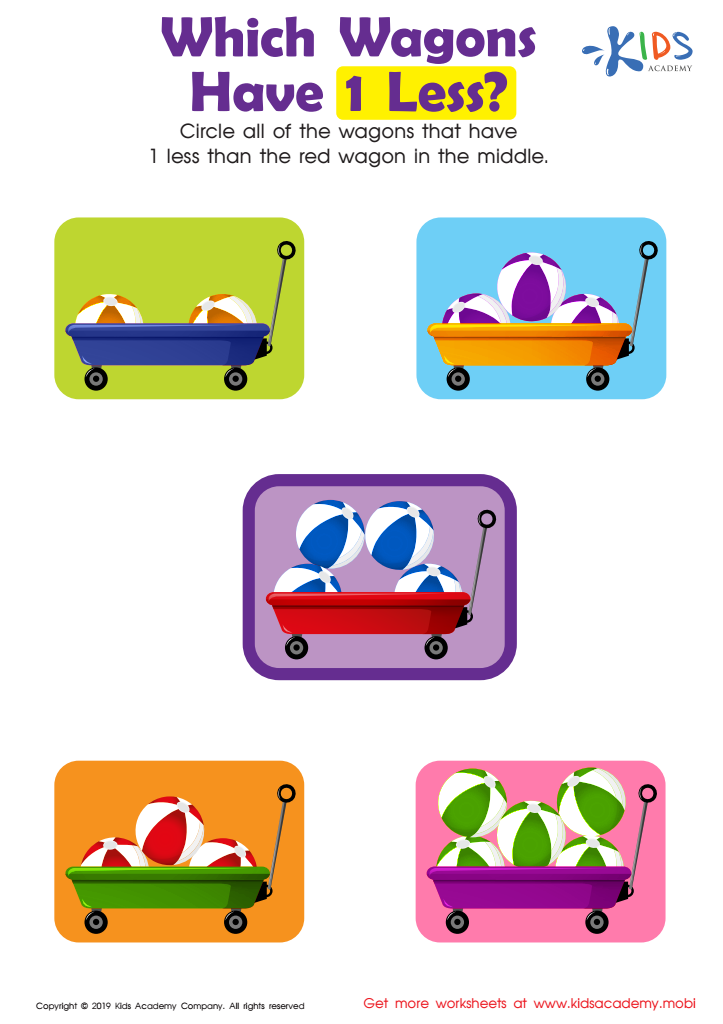
Which Wagons Have 1 Less? Worksheet
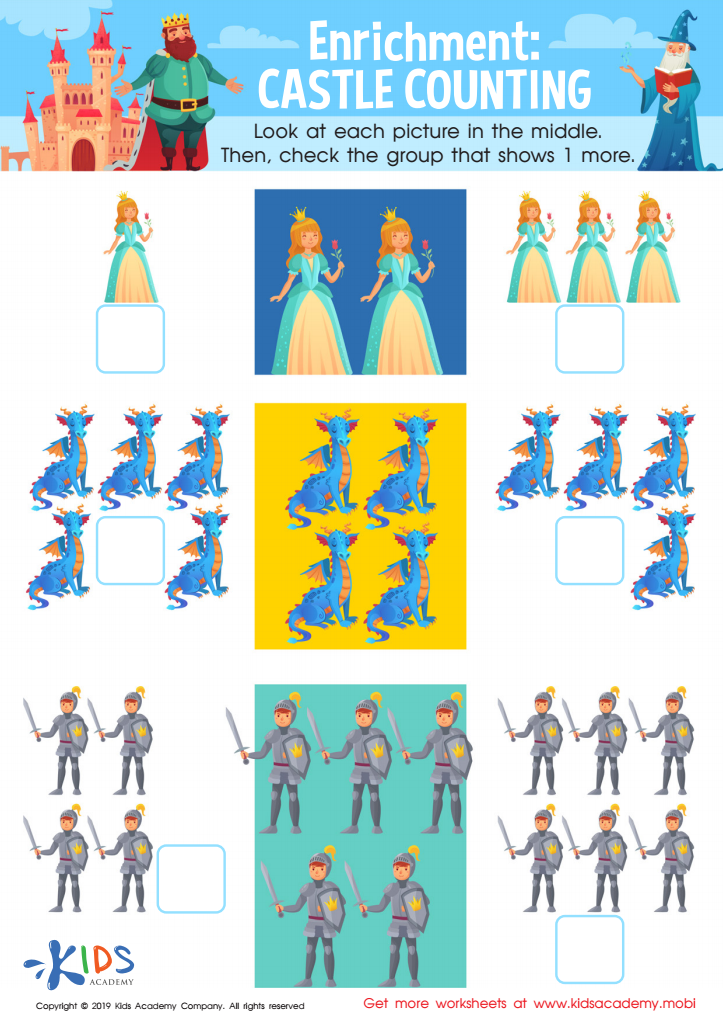
Enrichment: Castle Counting Worksheet

Count and Match Vegetables 1 – 5 Math Worksheet







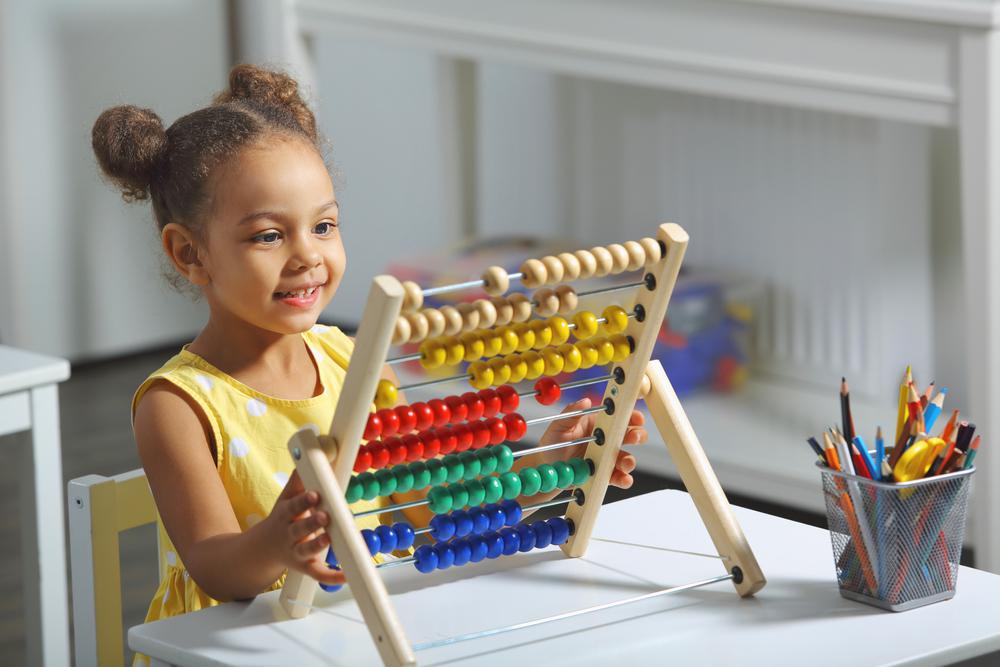
Visual perception numbers, which refer to the ability to recognize and understand numbers and their spatial relationships, are fundamental for children ages 5-9 as they bridge simple counting to more advanced math skills. Parents and teachers should care about fostering this skillset because it forms the cornerstone of numeracy, much like phonemic awareness underpins literacy.
Children in this age group are in a critical developmental phase where their brains are highly receptive to acquiring new skills. Visual perception of numbers aids them in reading and writing numbers correctly, differentiating between similar-looking digits, and understanding number magnitude and sequence. This builds a strong foundation for tackling more complex mathematical concepts such as addition, subtraction, place value, and eventually multiplication and division.
Additionally, proficiency in visual perception of numbers correlates with improvements in other academic areas and daily life skills. It enhances problem-solving abilities, logical reasoning, and spatial awareness, contributing to overall cognitive development. When children struggle with these fundamental skills, it can lead to frustration, decreased self-confidence, and a negative attitude towards math as they progress through school.
Therefore, integrating activities that strengthen number recognition, pattern identification, and spatial relationships into early education is crucial. This targeted support not only enhances numerical competence but also encourages a positive, confidence-building experience with mathematics from an early age.








