Addition skills Math Worksheets for Ages 5-9 - Page 3
137 filtered results
-
From - To
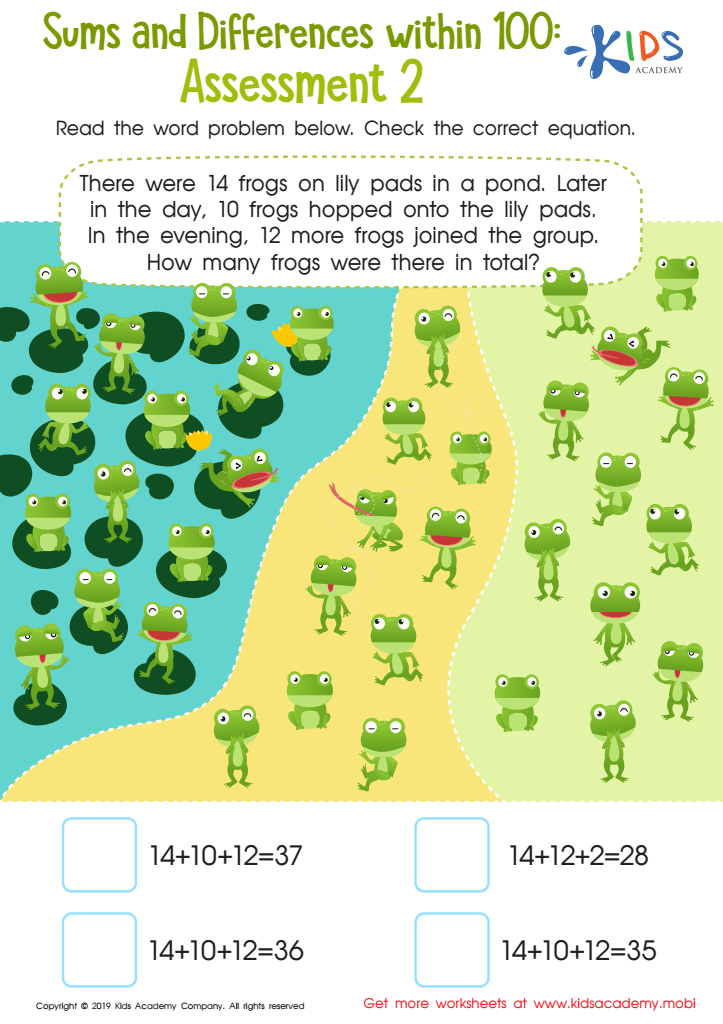
Sums and Differences Within 1 - Assessment 2 Worksheet
 Assign to My Students
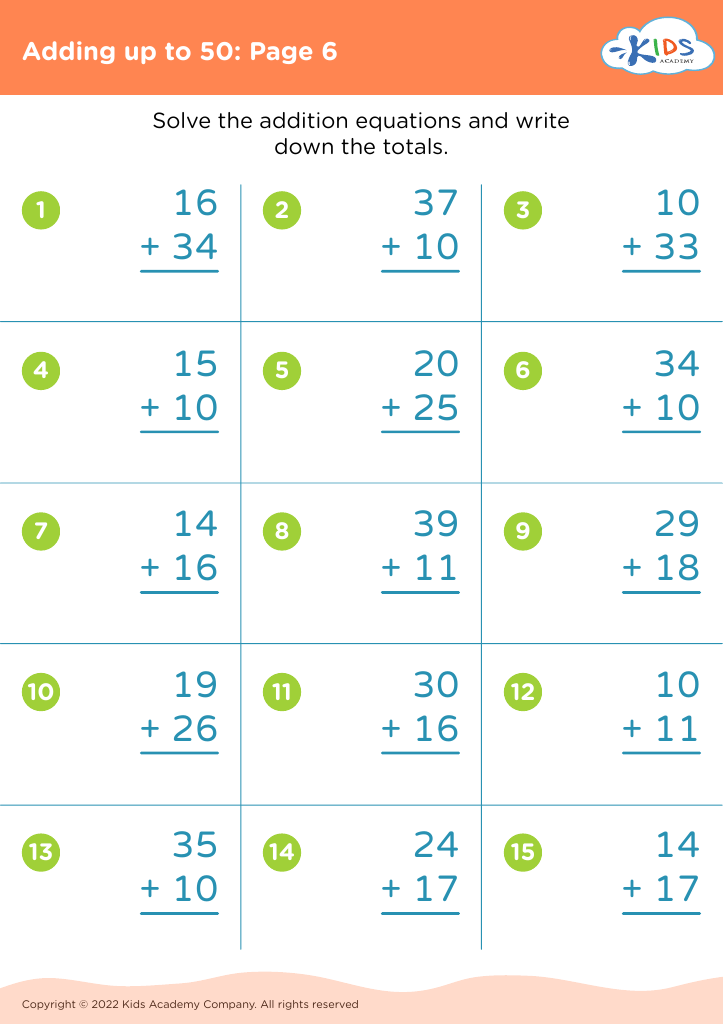
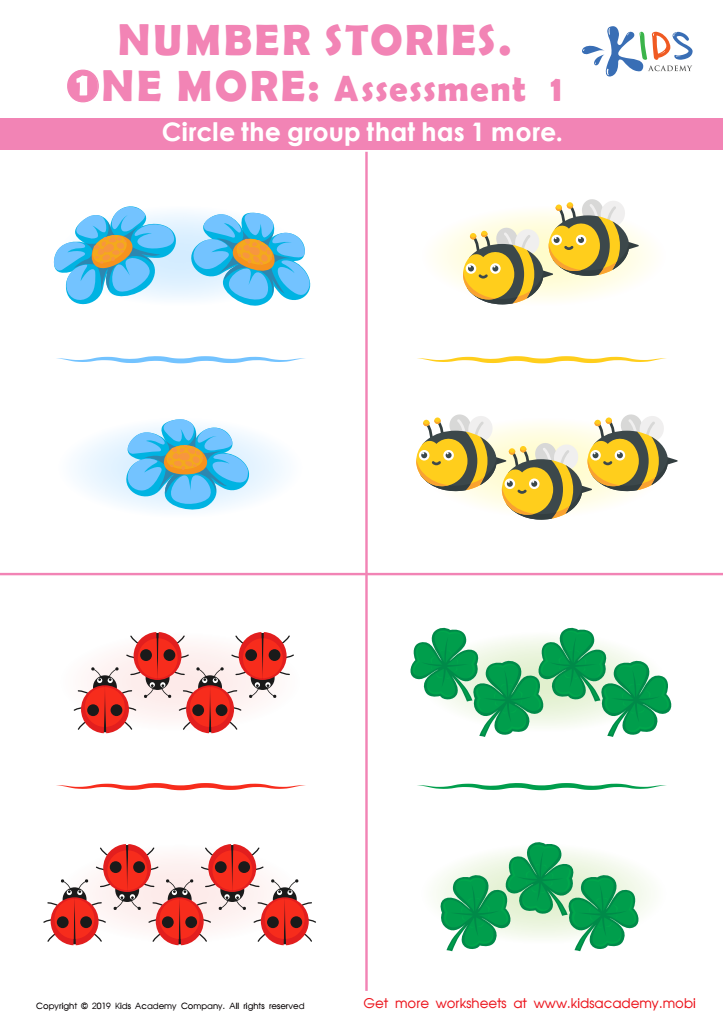
Number Stories One More – Assessment 1 Worksheet
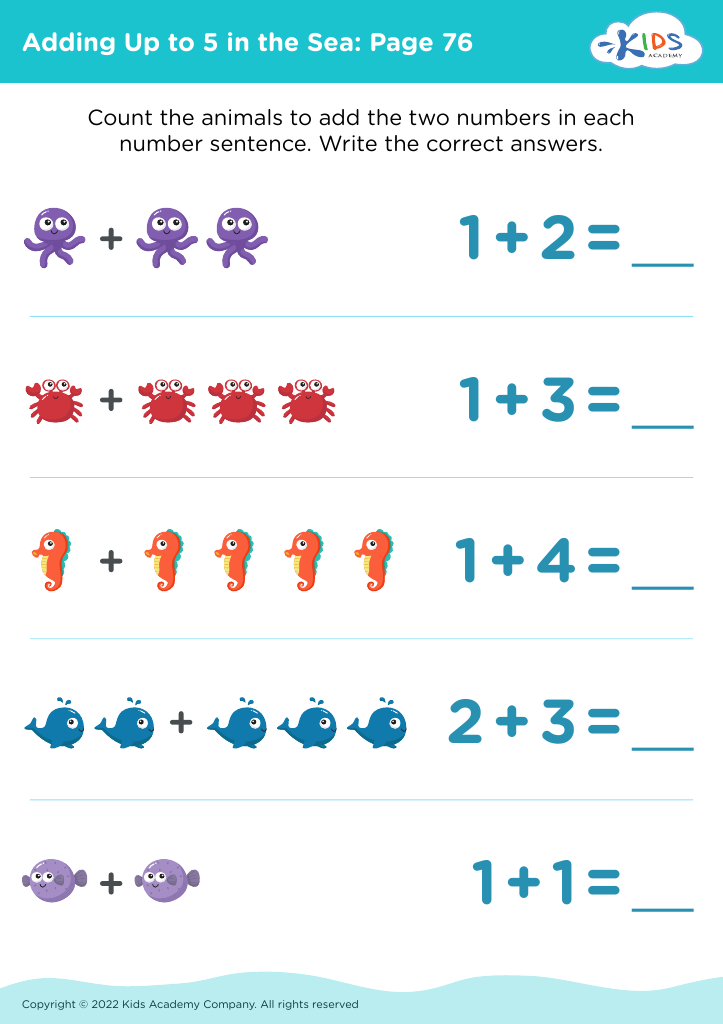
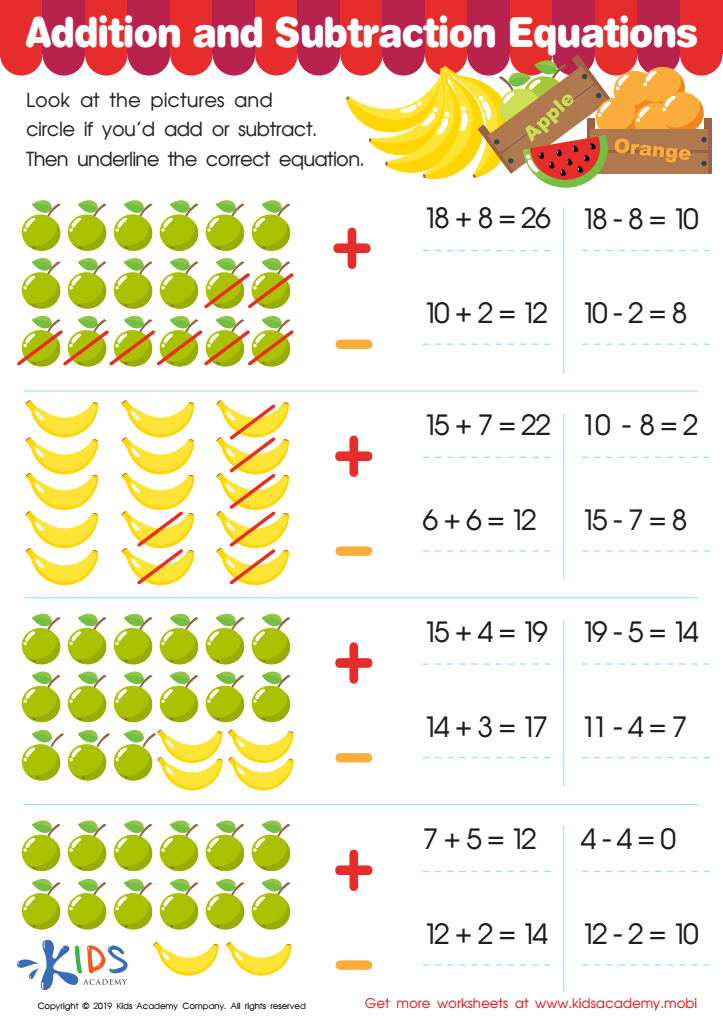
Addition and Subtraction: Equations Worksheet
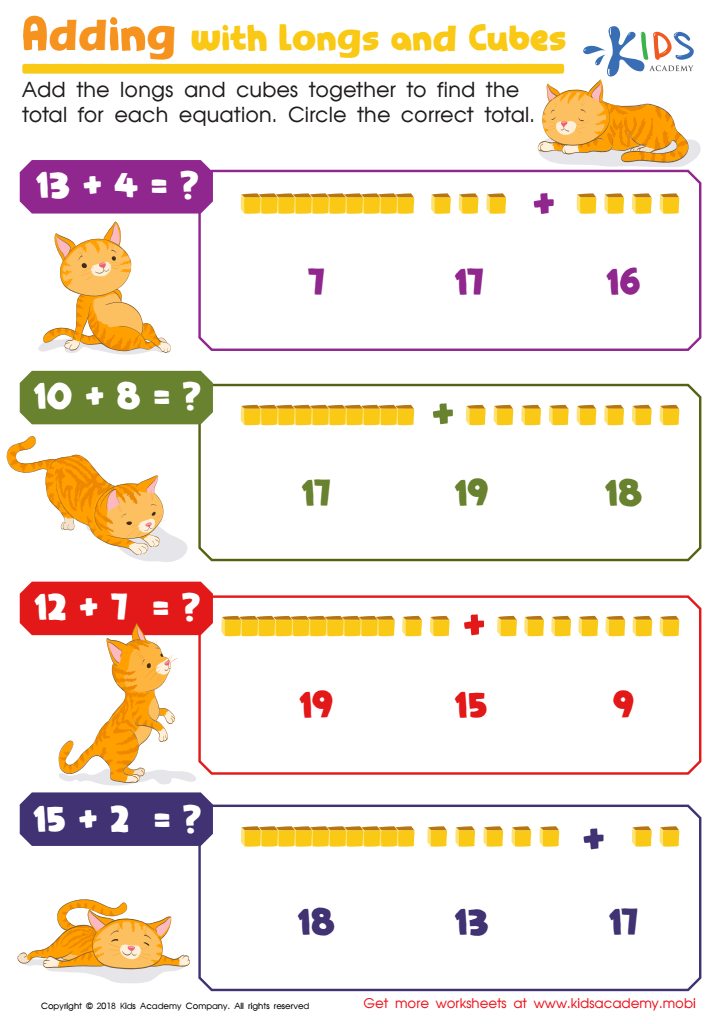
Adding With Longs and Cubes Worksheet
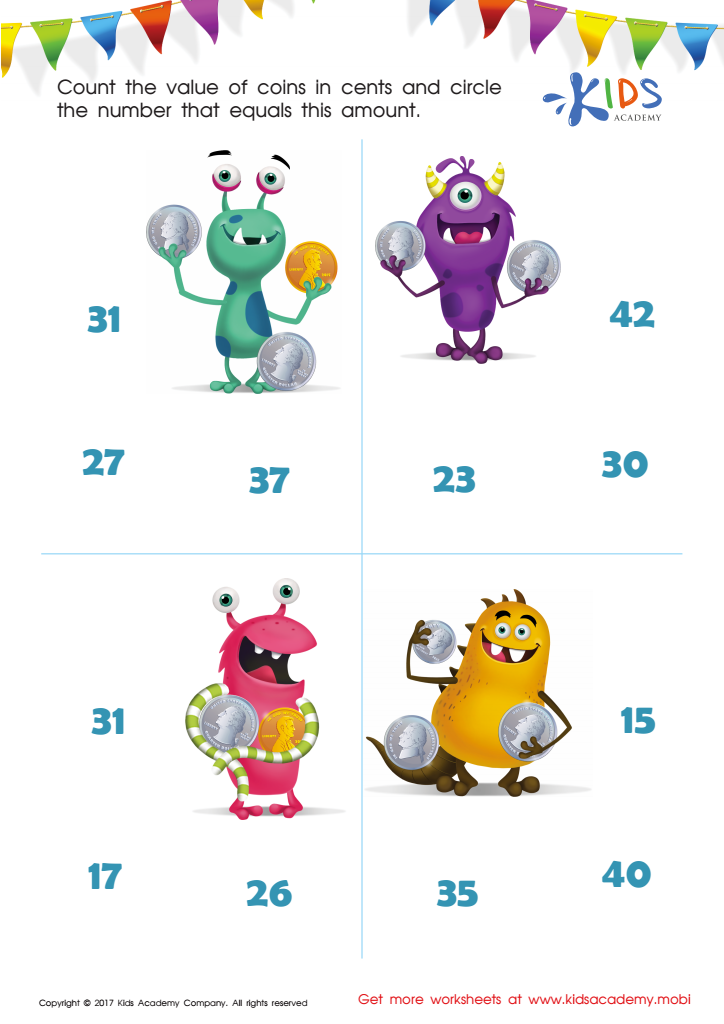
How Many Coins Money Worksheet
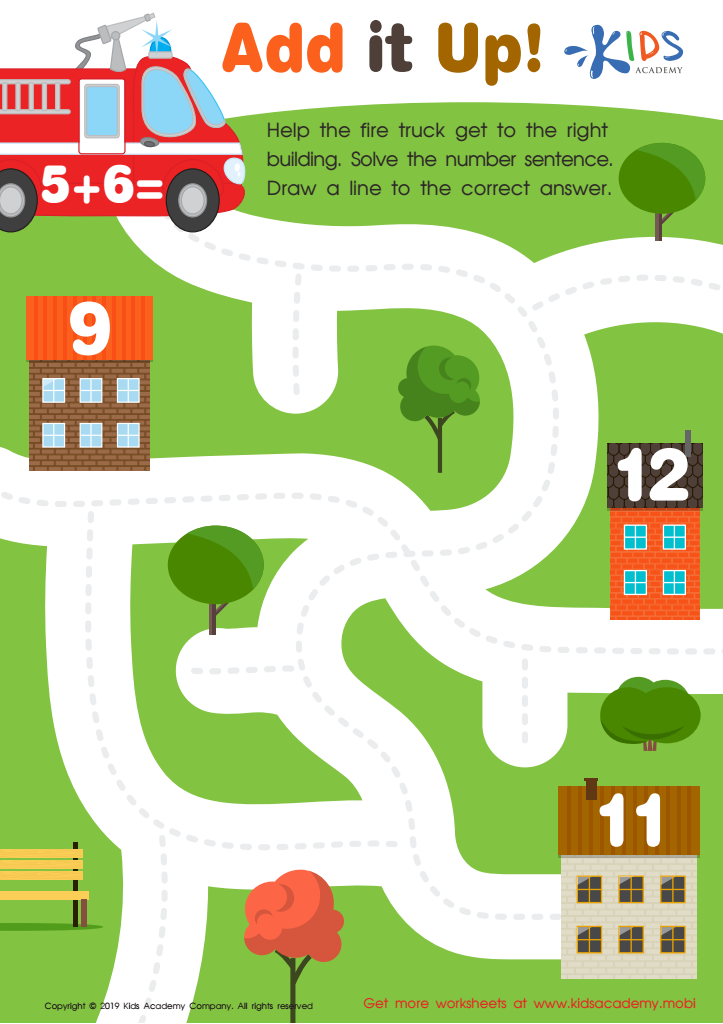
Add it Up Worksheet
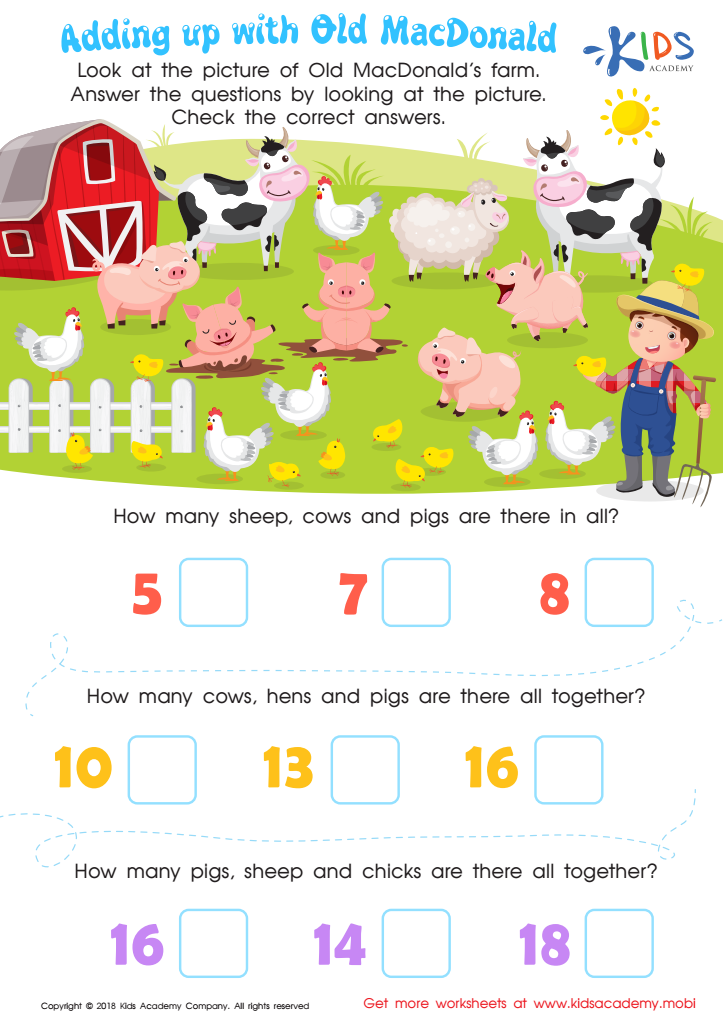
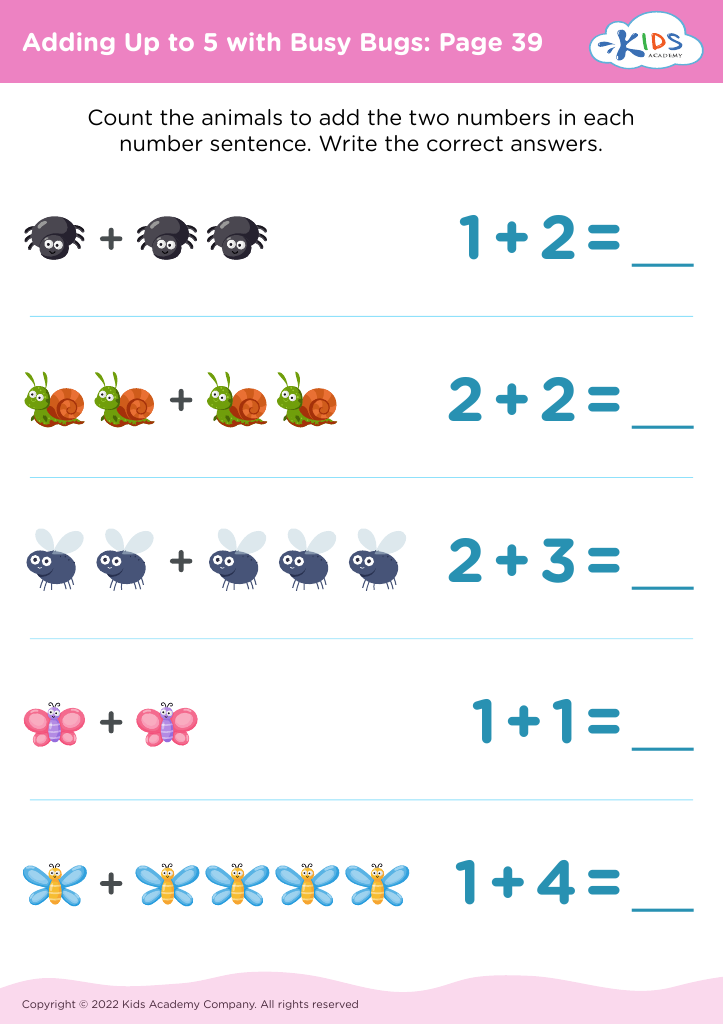
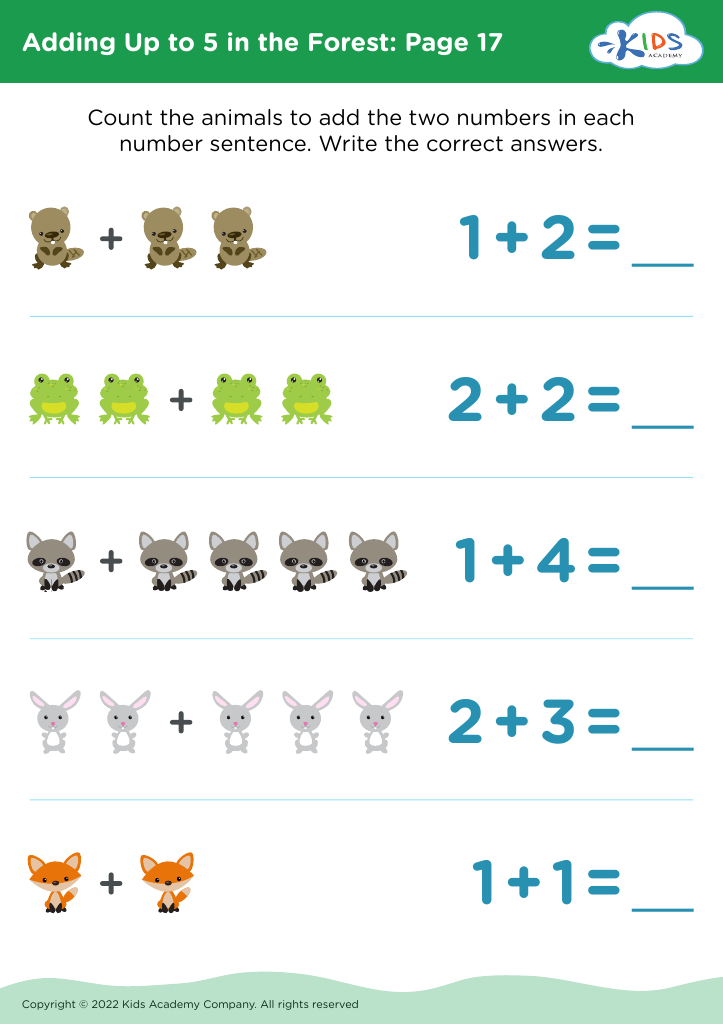
Adding Up with Old MacDonald Worksheet
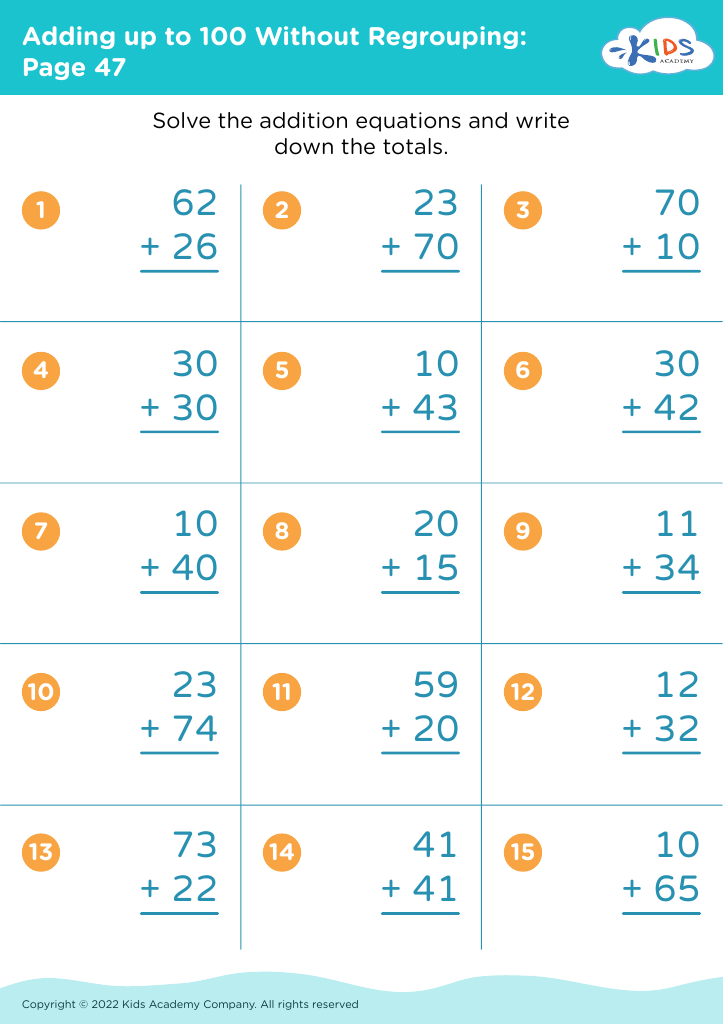
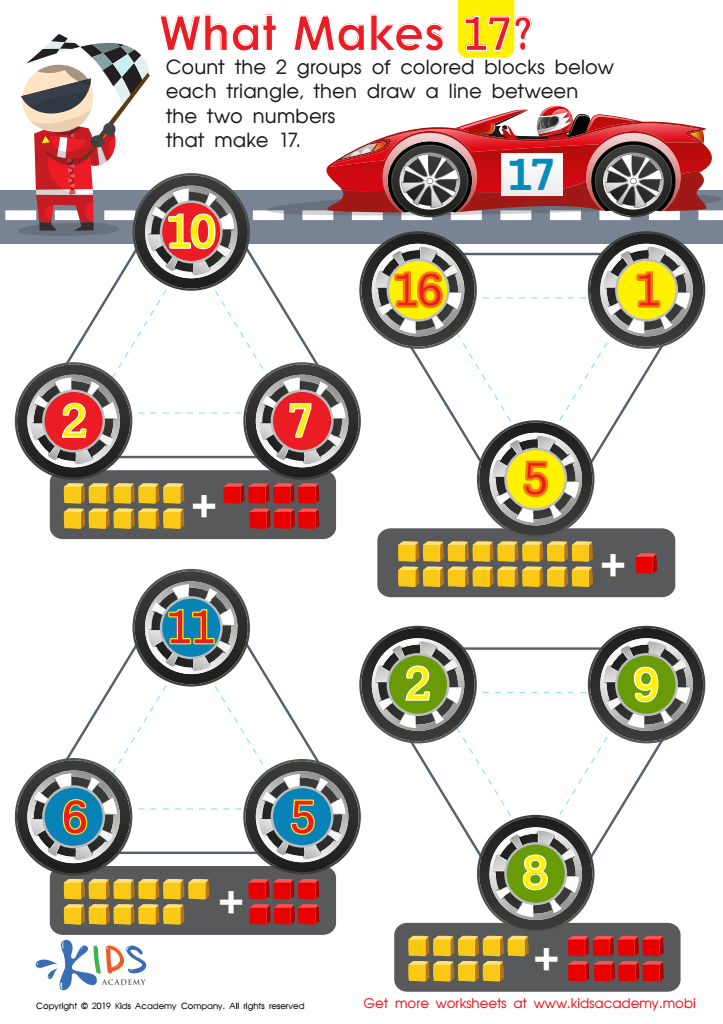
What Makes 17 Worksheet
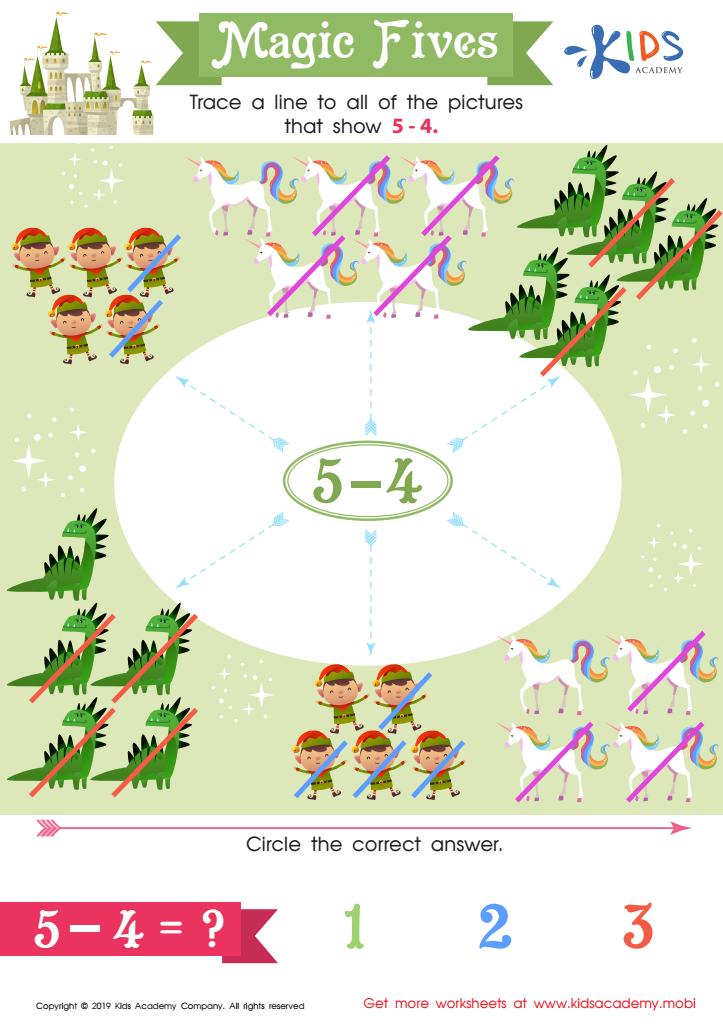
Magic Fives Worksheet
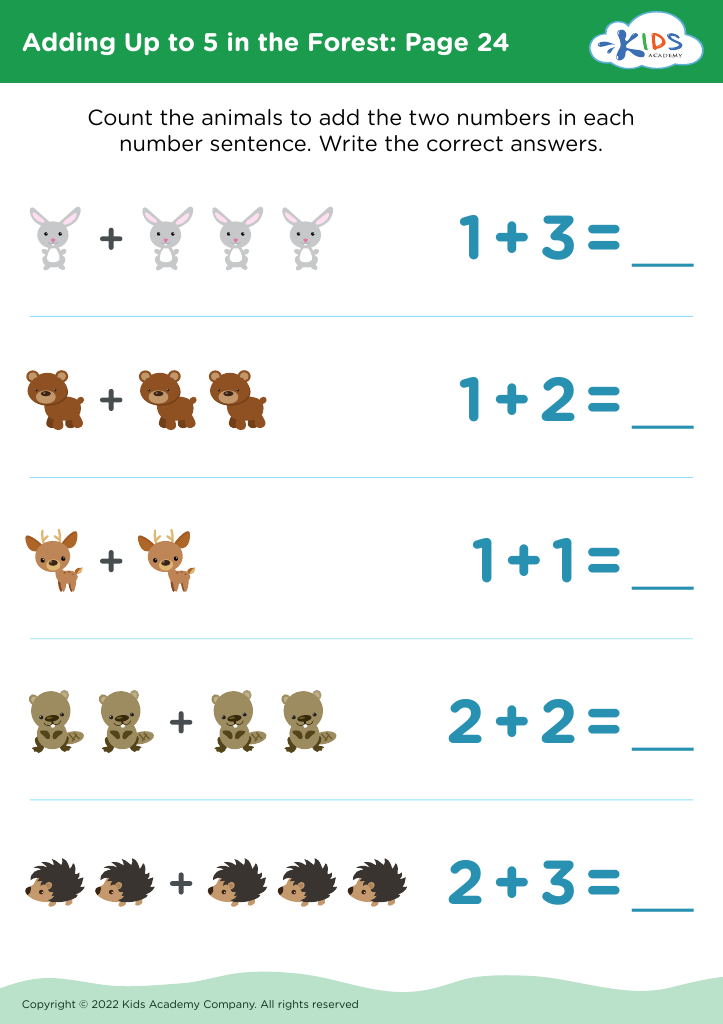
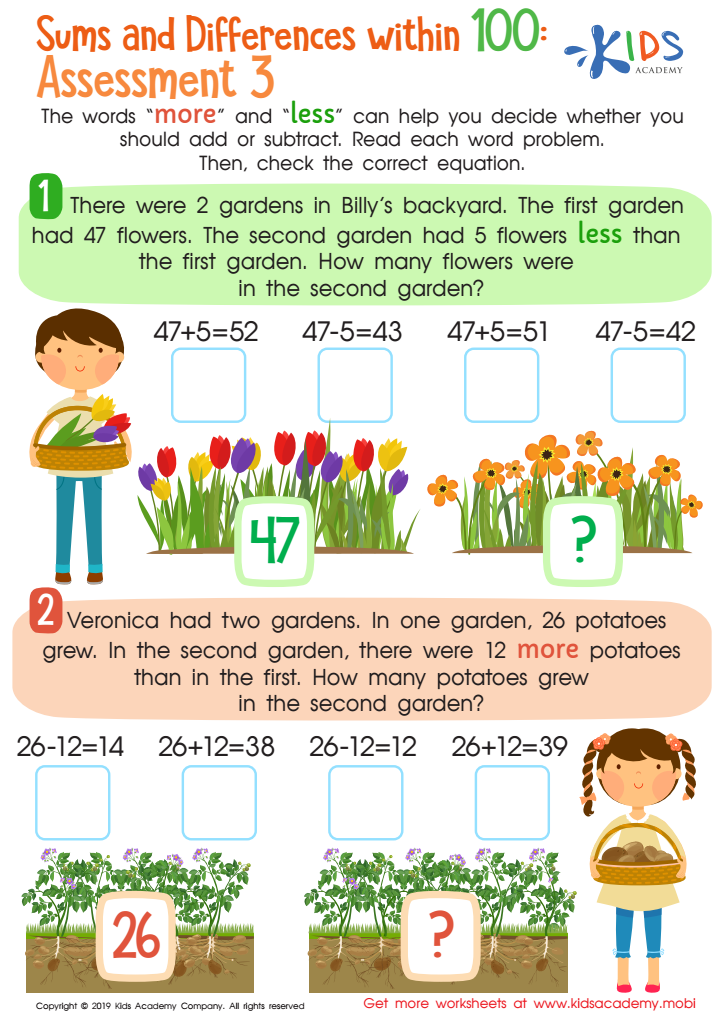
Sums and Differences Within 1 - Assessment 3 Worksheet






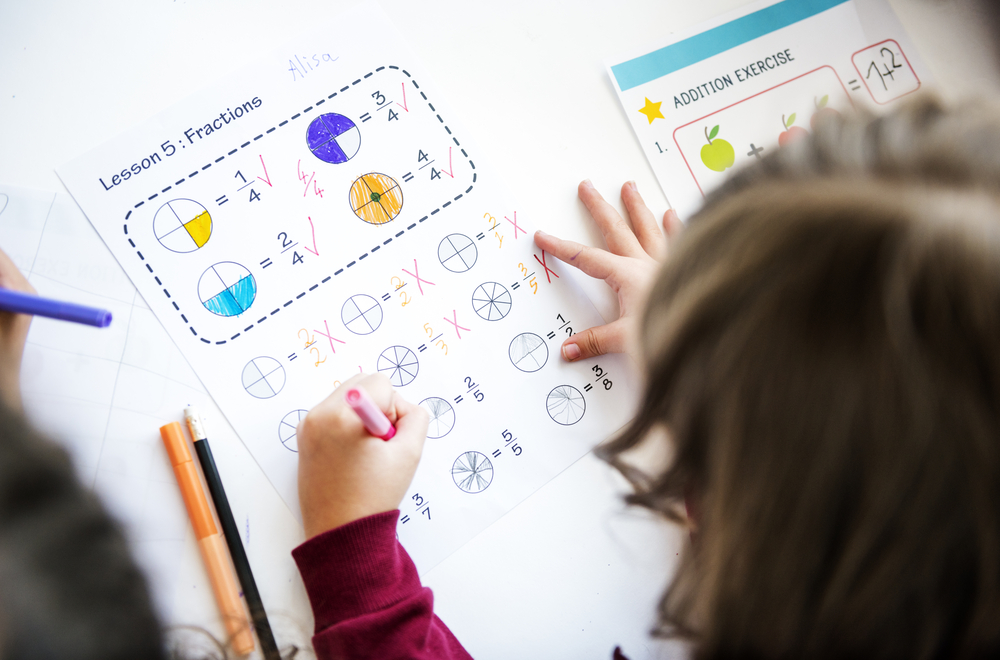
Children aged 5-9 are in a critical period for cognitive development, and mastering addition skills at this time lays a crucial foundation for future math learning. Addition is one of the most basic math skills that help build other mathematical concepts such as subtraction, multiplication, and division. By understanding addition, children can develop confidence in their math abilities, which fosters a positive attitude towards learning as a whole.
Furthermore, early proficiency in addition encourages the development of critical thinking and problem-solving skills. These abilities are not limited to math but are transferable to other subjects and life situations. For instance, addition helps children understand concepts like quantity, measurement, and time, which are practical skills needed in everyday life.
From a developmental perspective, learning addition helps enhance memory and cognitive flexibility, essential for young children's academic growth. Engaging exercises in addition can also support fine motor skill development when children write out their sums.
Parents and teachers play key roles in providing a supportive learning environment, making math fun and relevant. Games, real-world examples, and interactive activities can make learning addition enjoyable and meaningful. By prioritizing these early math skills, parents and teachers set children on a successful and confident academic path, impacting their entire educational journey and beyond.








