Color Identification Math Worksheets for Ages 5-9 - Page 2
46 filtered results
-
From - To
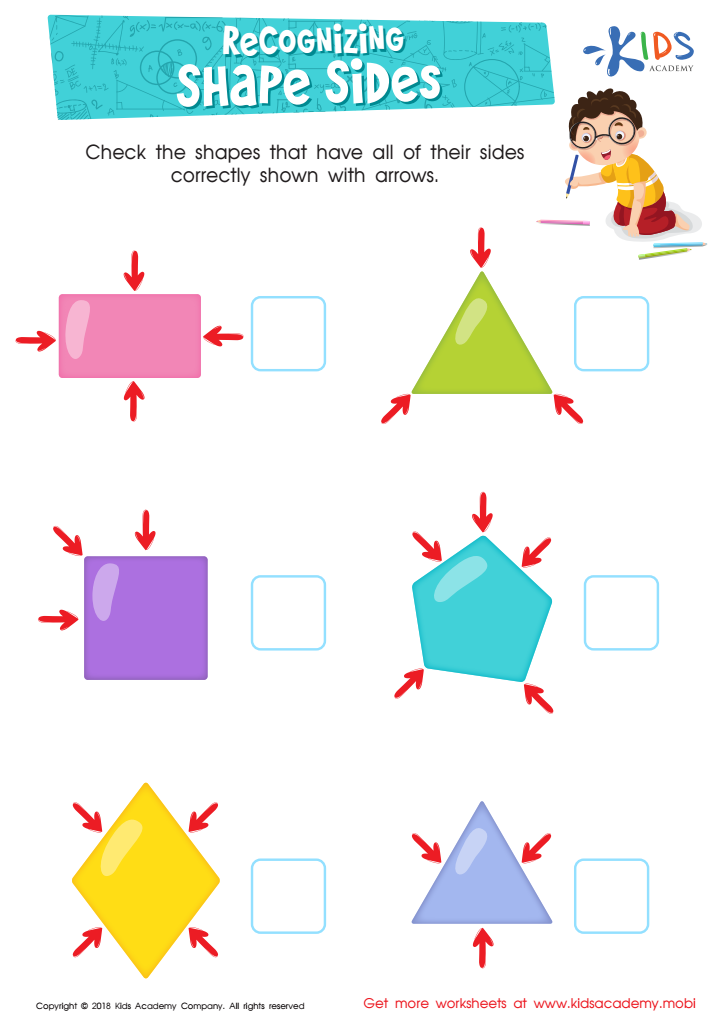
Recognizing Shape Sides Worksheet
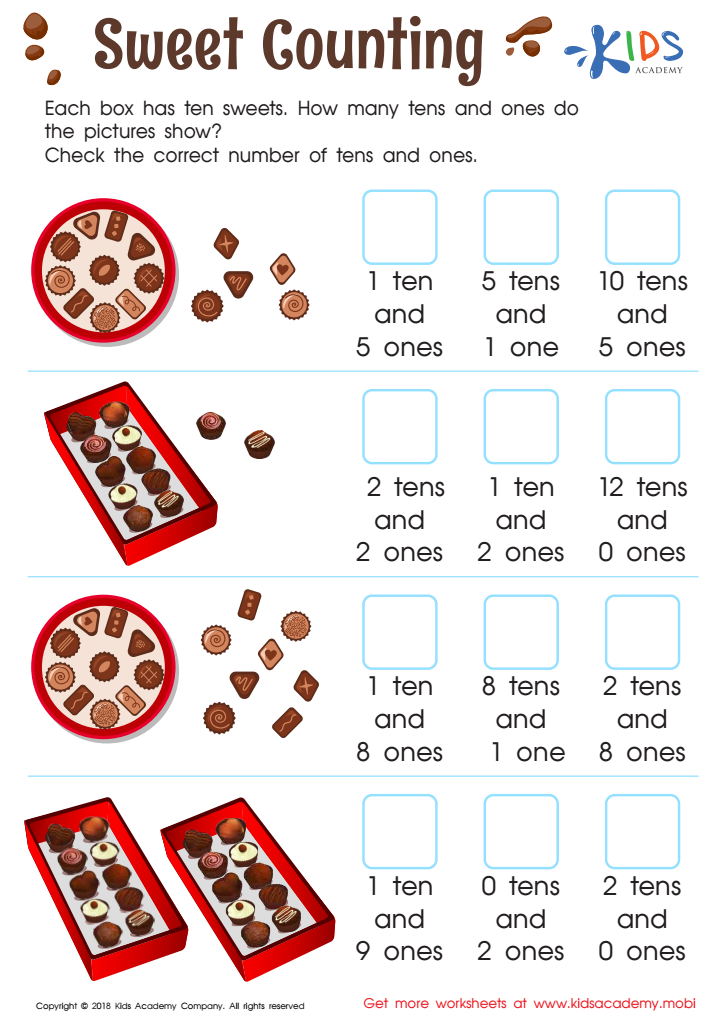
Sweet Counting - Part 2 Worksheet
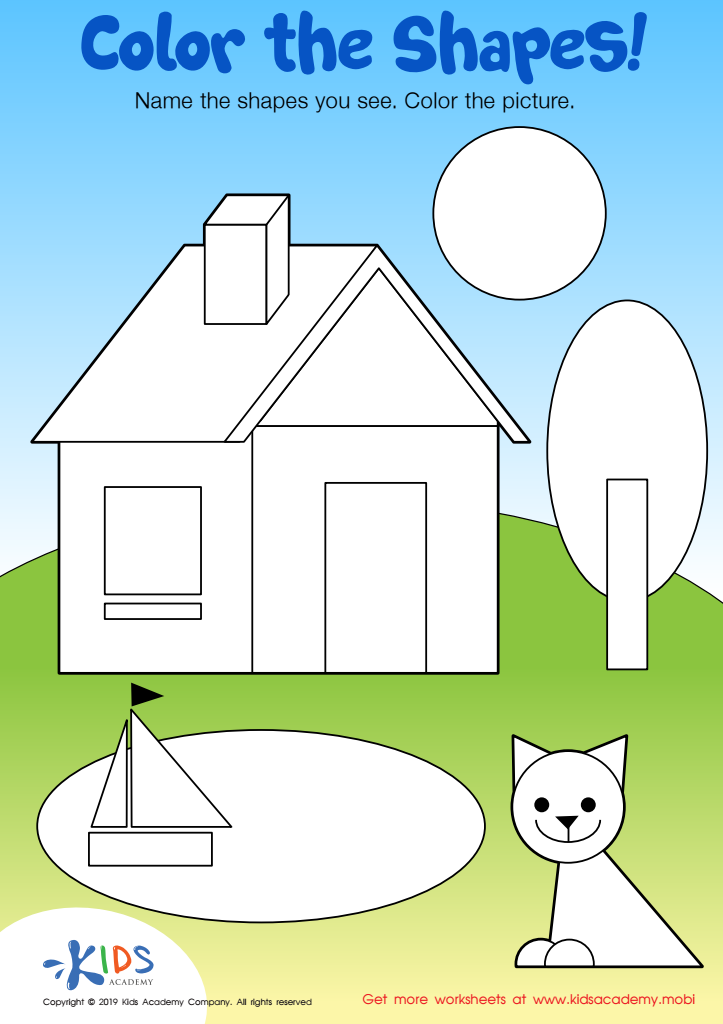
Color the Shapes Worksheet
 Assign to My Students
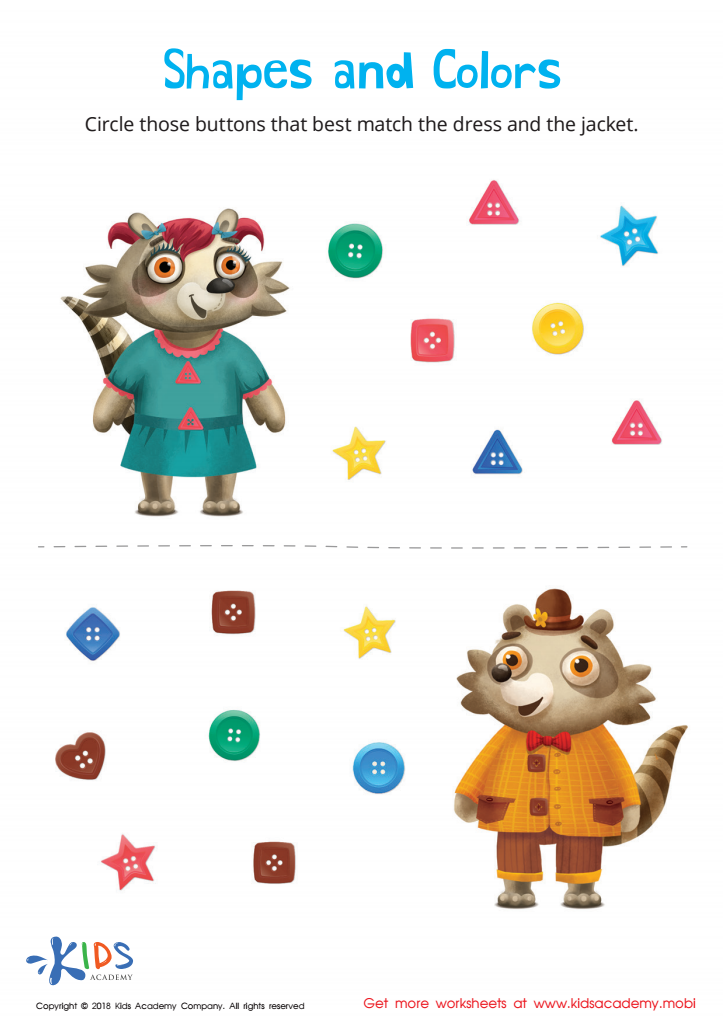
Shapes and Colors Worksheet
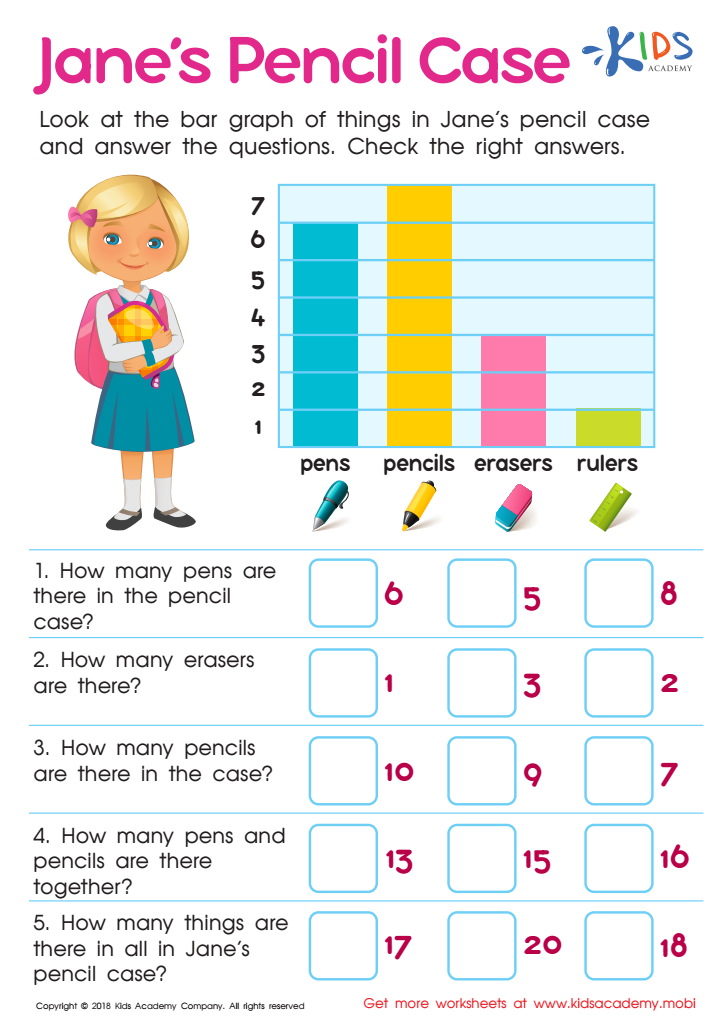
Jane's Pencil Case Worksheet
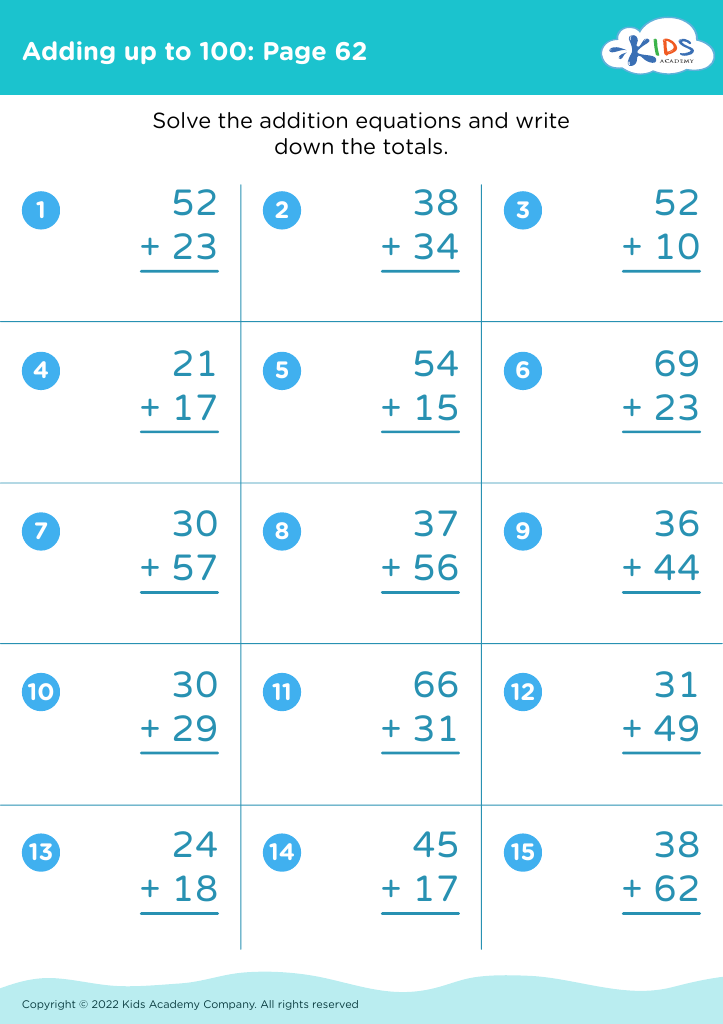
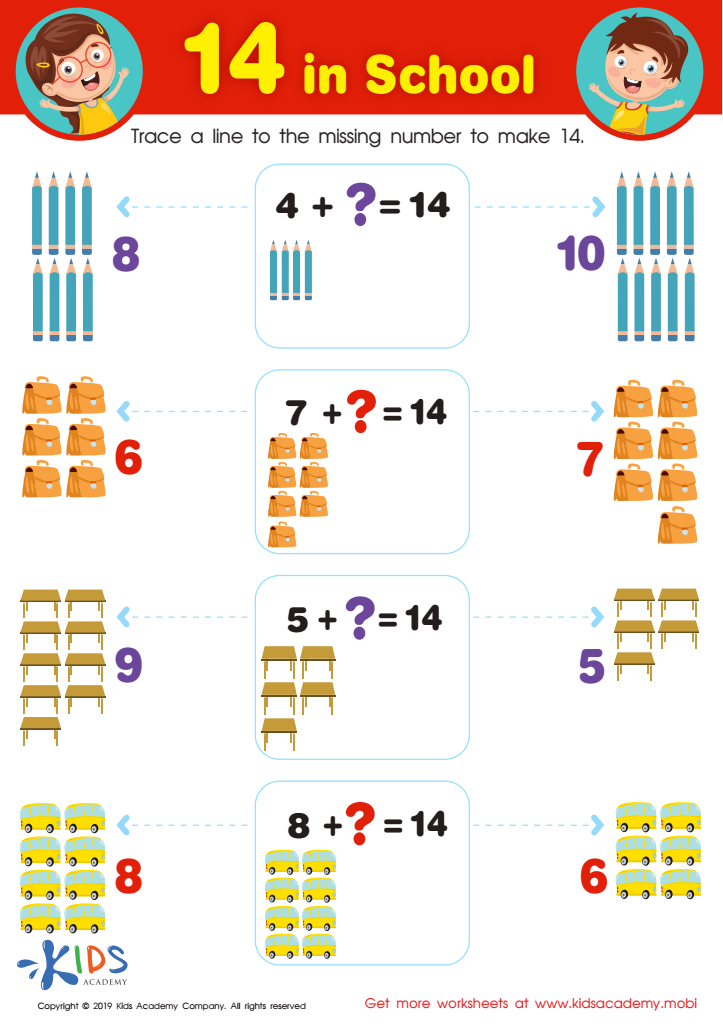
14 in School Worksheet
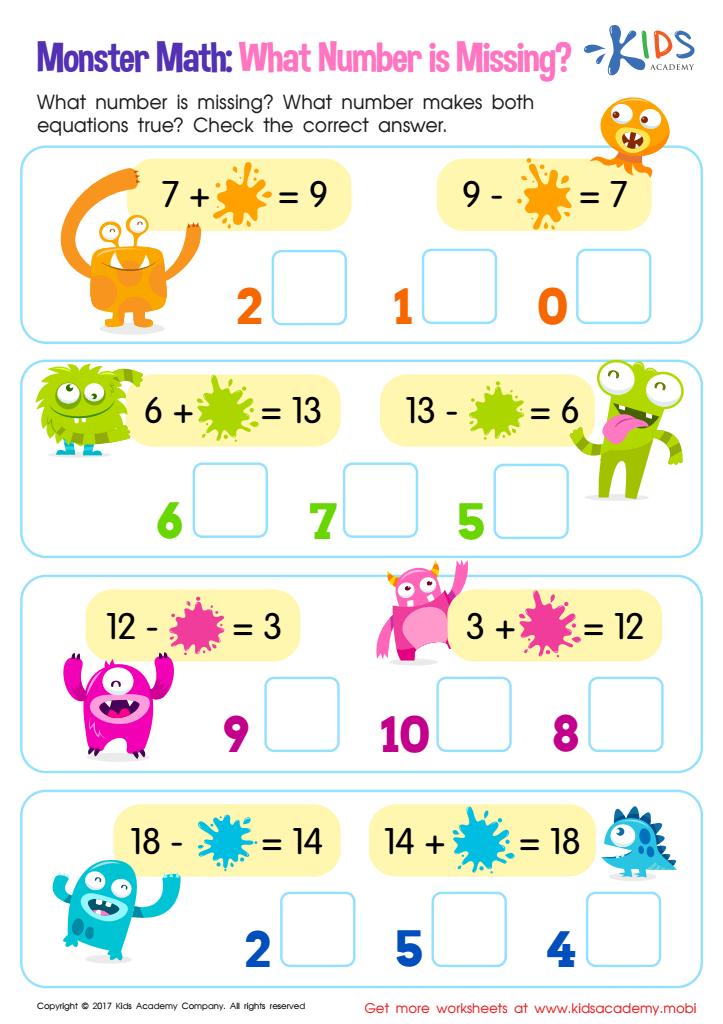
Missing Number: Monster Math Worksheet
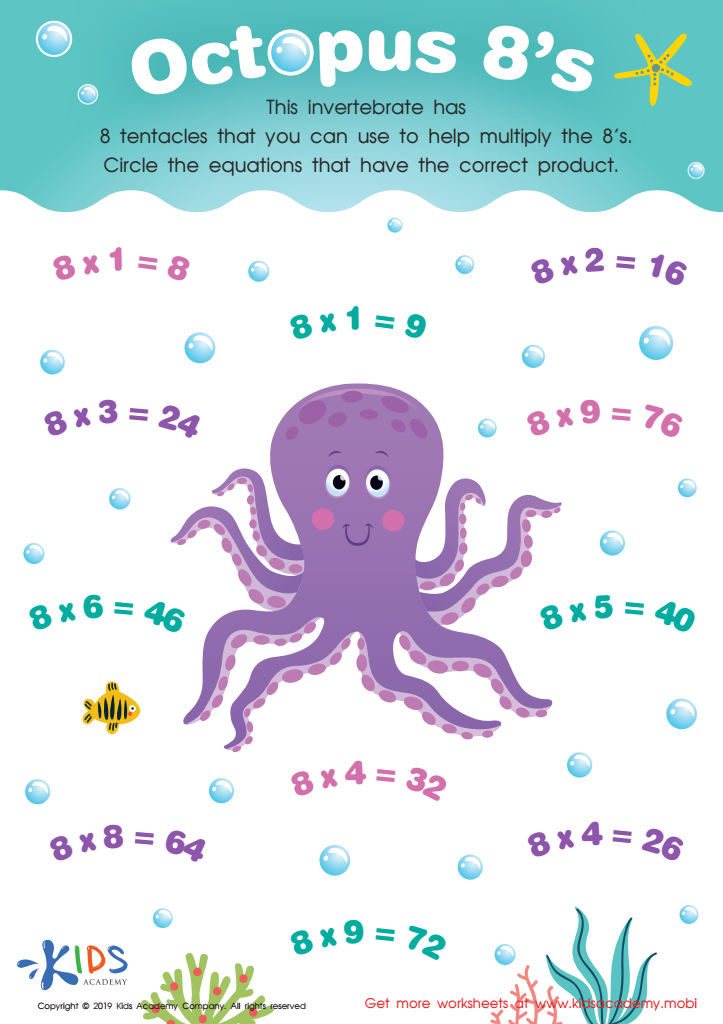
Octopus 8’s Worksheet
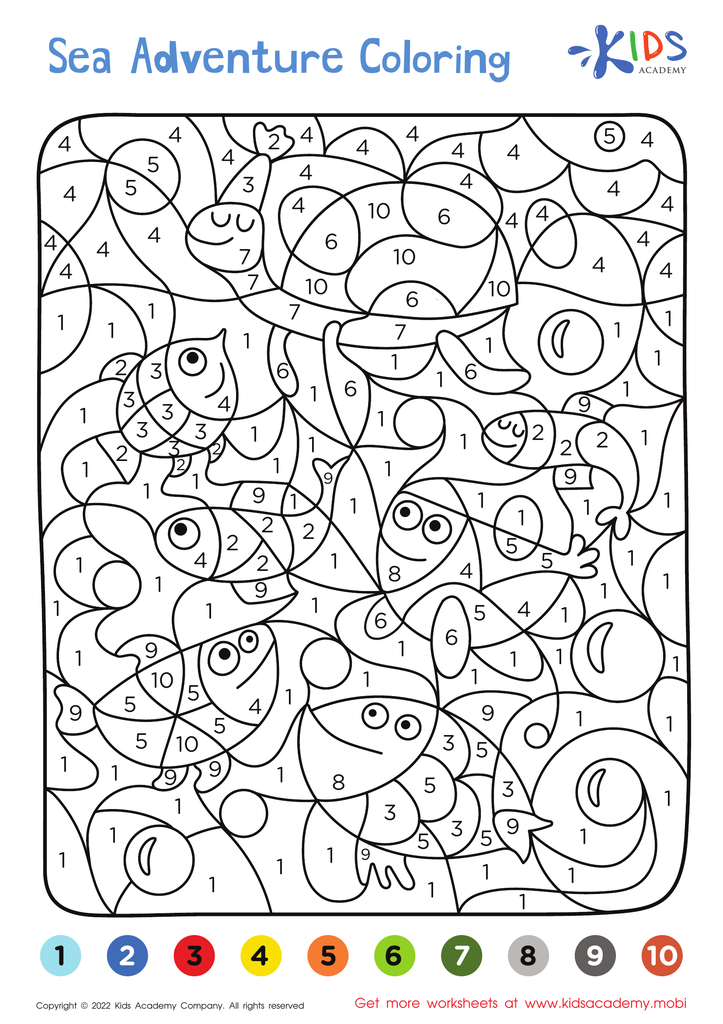
Sea Adventure – Coloring by Numbers
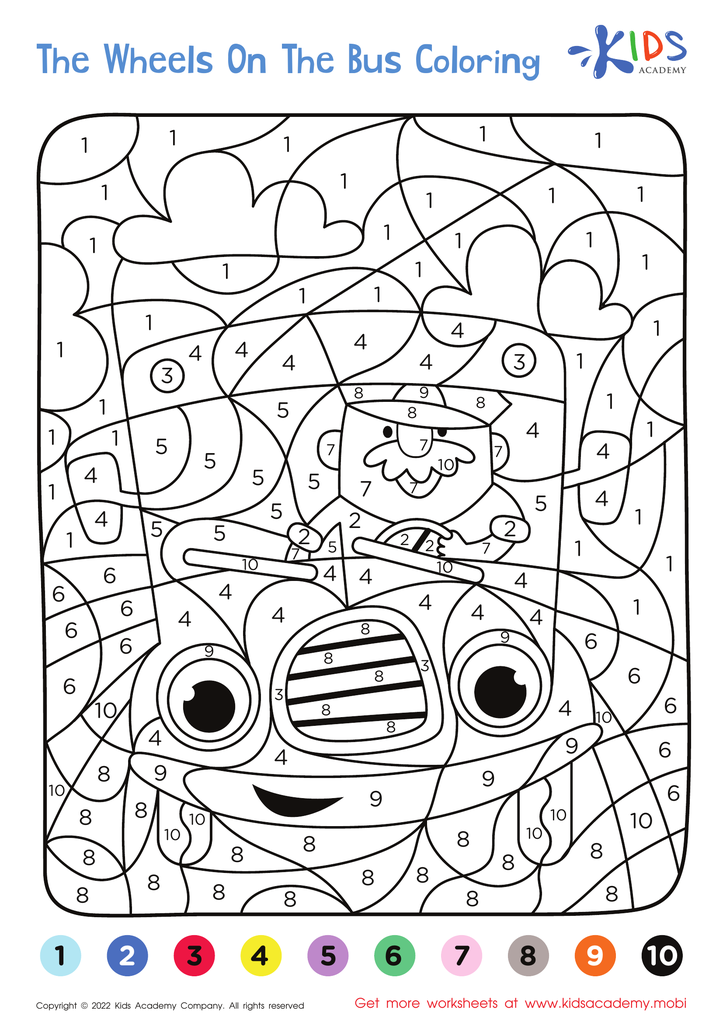
Wheels on the Bus – Coloring by Numbers
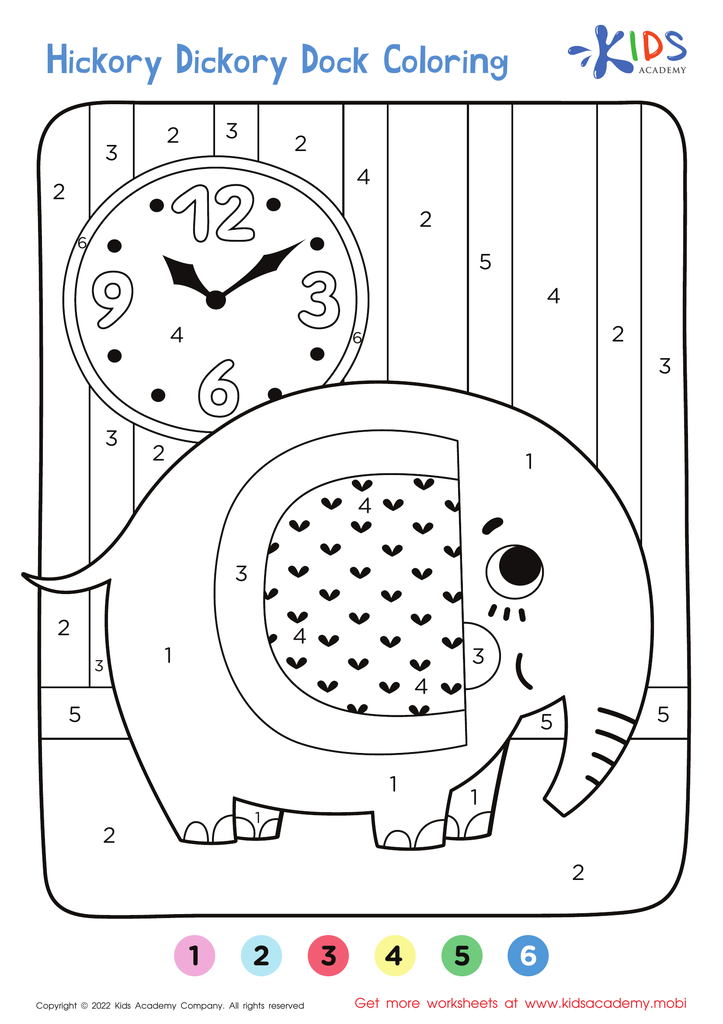
Hickory Dickory Dock – Coloring by Numbers
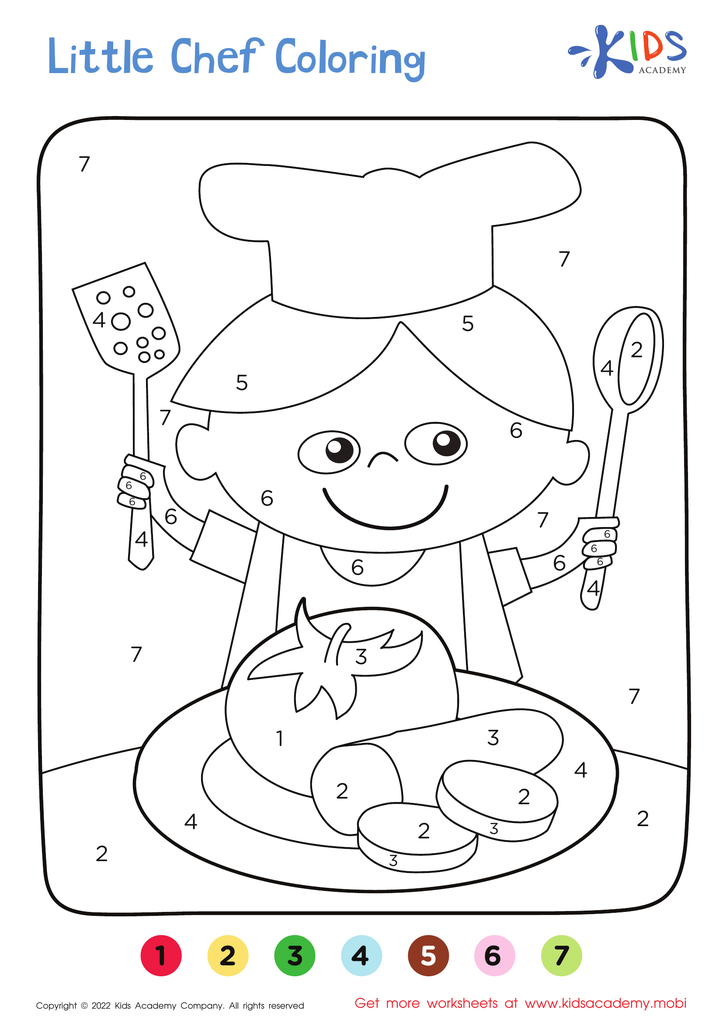
Little Chef – Coloring by Numbers
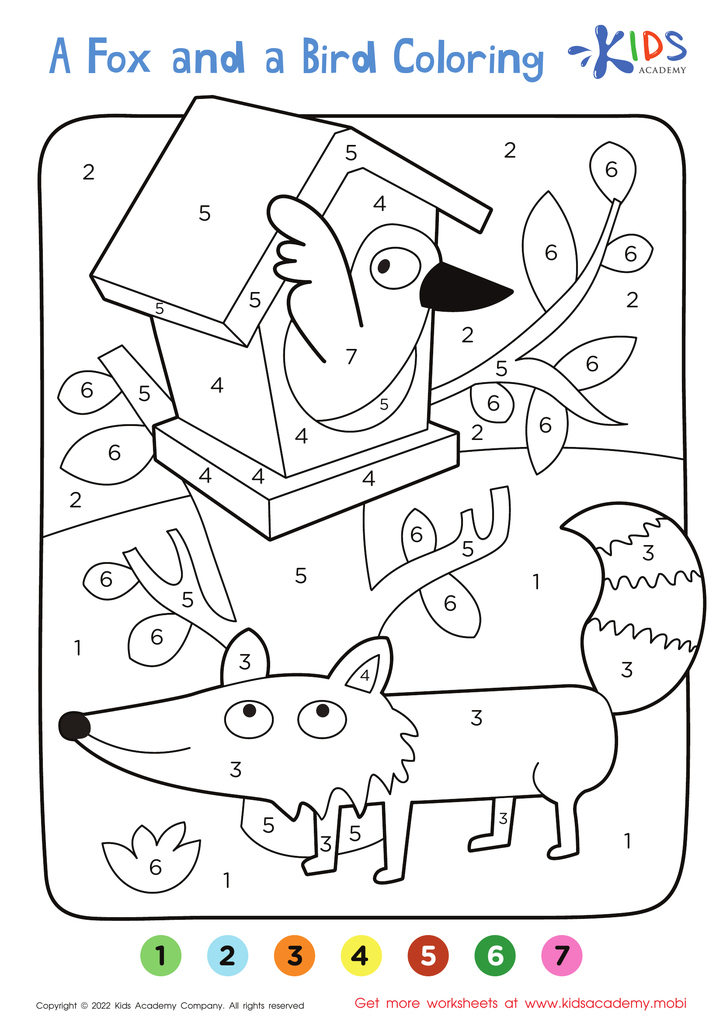
A Fox and a Bird – Coloring by Numbers
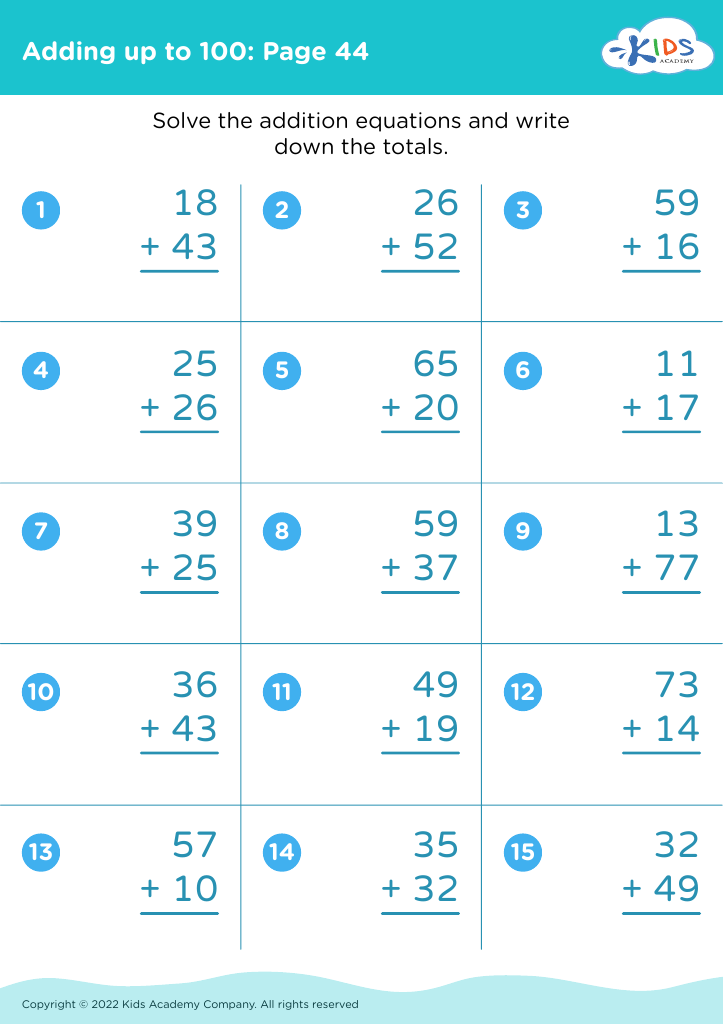








Color identification and the integration of colors into math concepts are essential for children aged 5-9 for several reasons. Firstly, understanding colors is foundational in early childhood development, promoting cognitive and social skills. When combined with math, color identification fosters a multisensory learning experience, allowing children to engage creatively with numbers and concepts.
Colors provide important visual cues to help differentiate and categorize objects, enhancing critical thinking. For instance, incorporating color coding in math problems can assist children in organizing data, making patterns more recognizable, and improving their ability to solve simple addition or subtraction problems by grouping items by color.
Additionally, using color in math activities encourages cooperation and communication among young learners. Teachers can involve parents by suggesting fun, at-home color-related math activities that strengthen family engagement and make learning interactive.
Lastly, early expertise in colors and math sets a strong foundation for more advanced mathematical skills, promoting confidence and a positive attitude toward learning. By recognizing the importance of color in math, parents and educators can create enriching environments that cultivate essential skills for lifelong learning.








