Multiplication practice Math Worksheets for Ages 5-9 - Page 2
78 filtered results
-
From - To
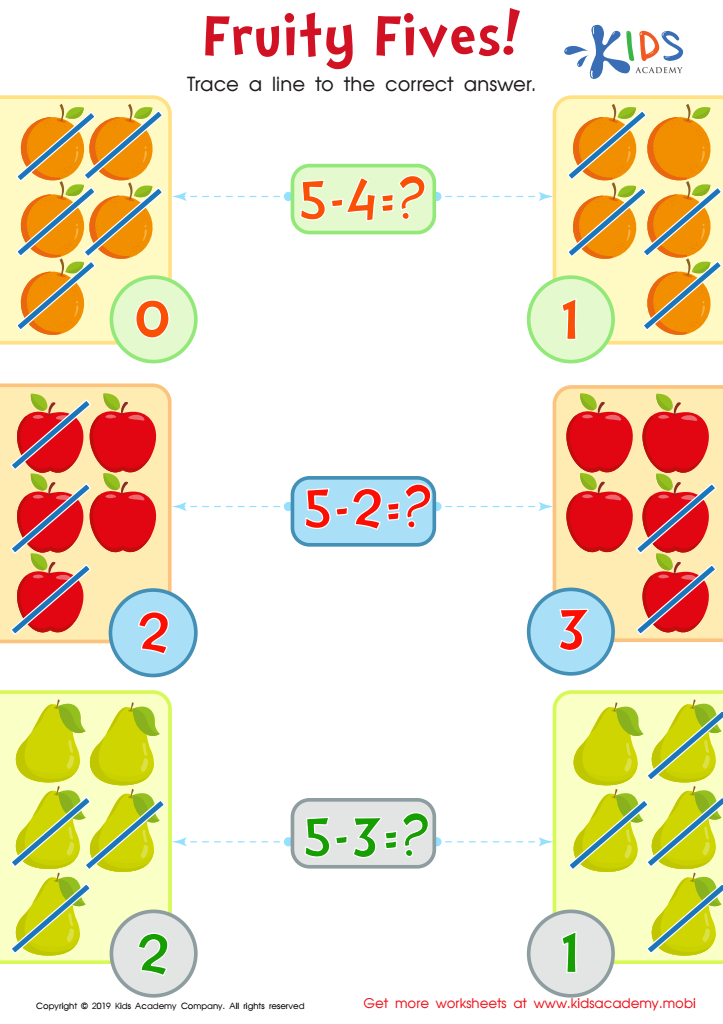
Fruity Fives! Worksheet
 Assign to My Students
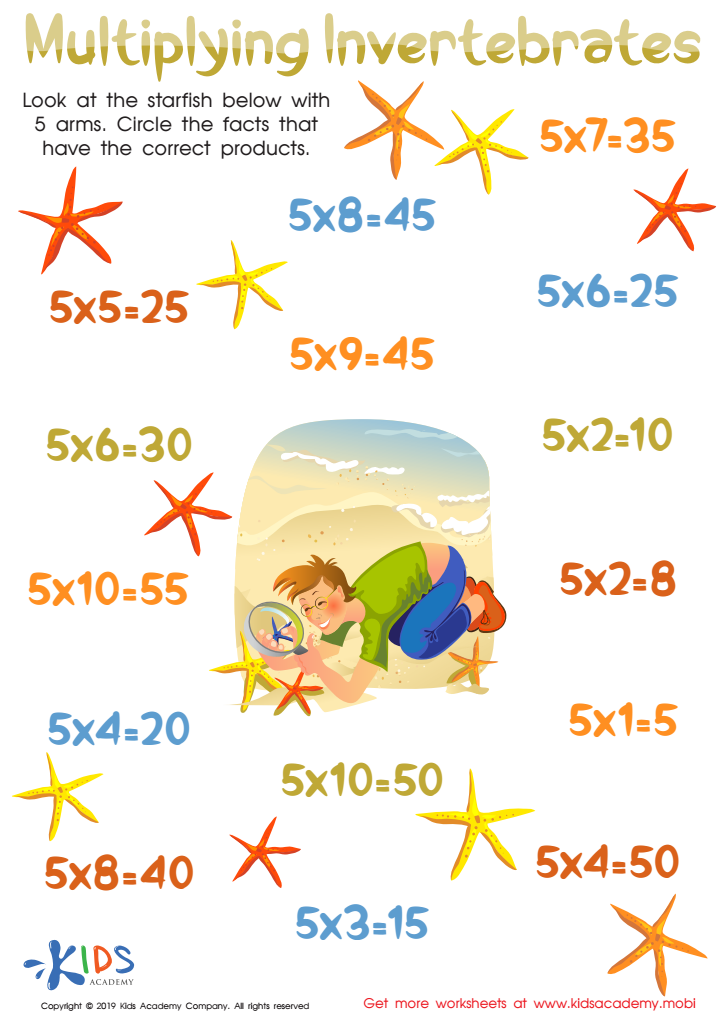
Multiplying Invertebrates Worksheet
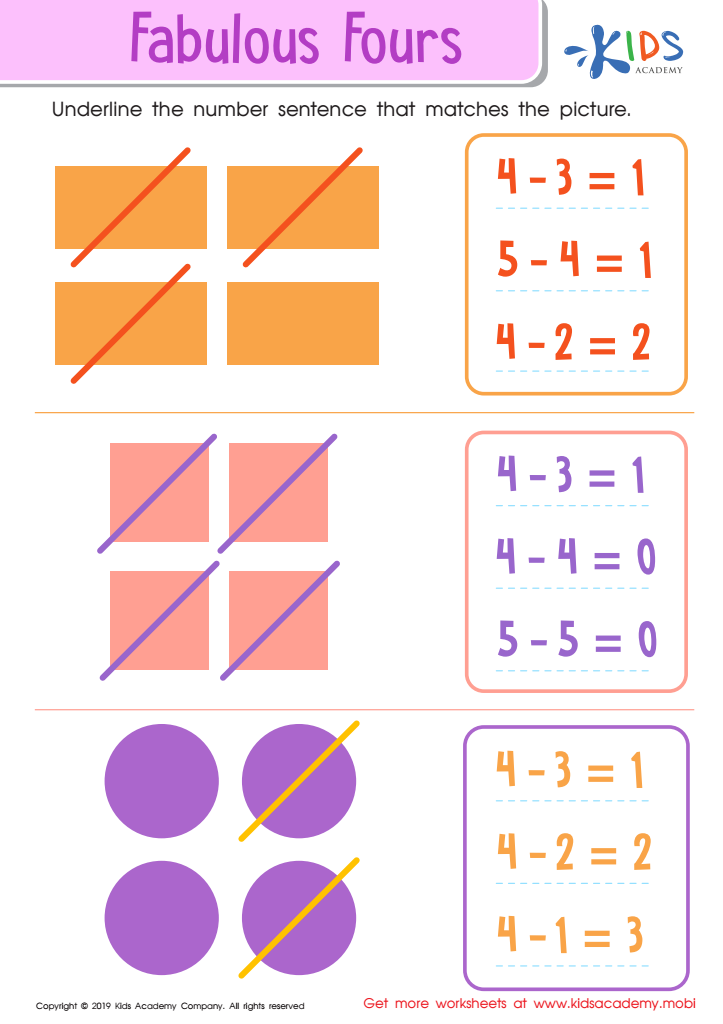
Fabulous Fours Worksheet
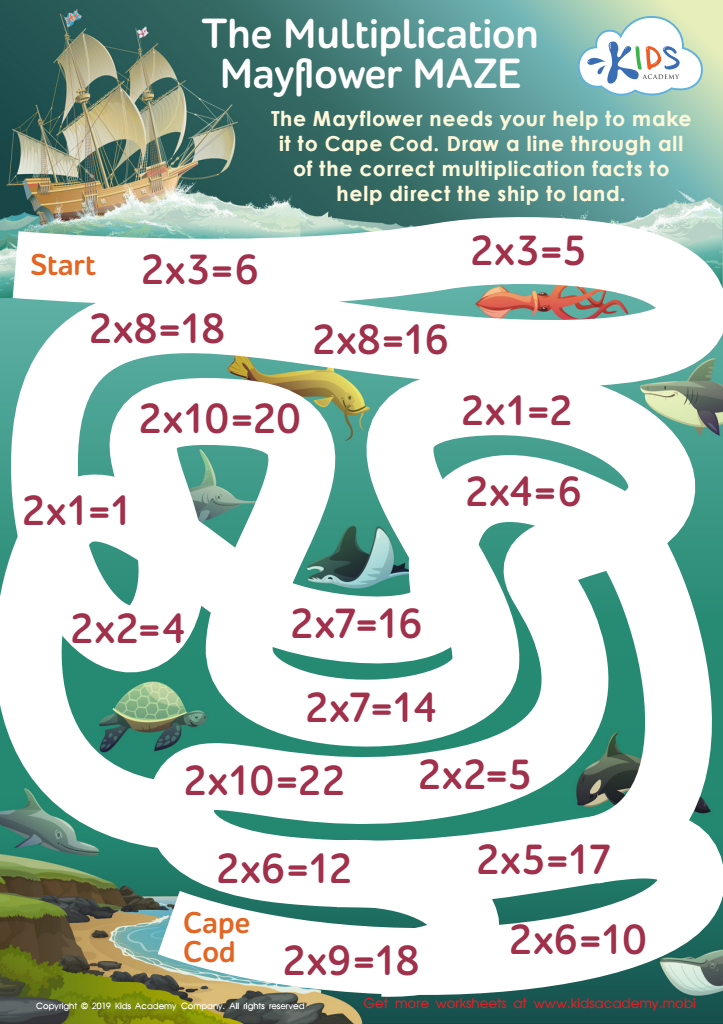
The Multiplication Mayflower Maze Worksheet
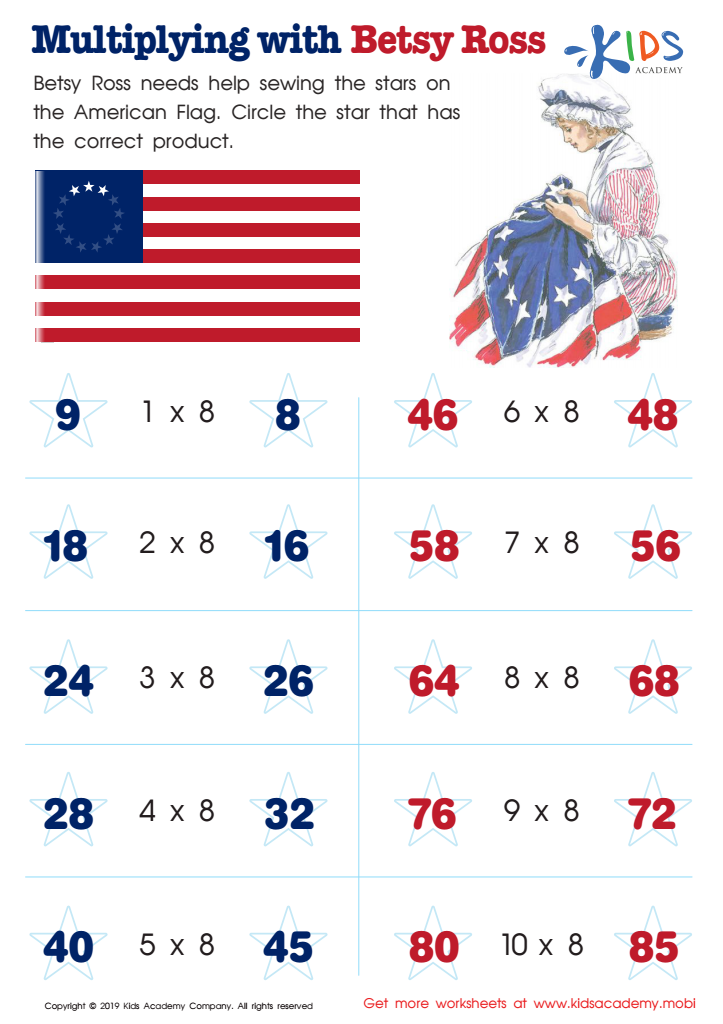
Multiplying with Betsy Ross Worksheet
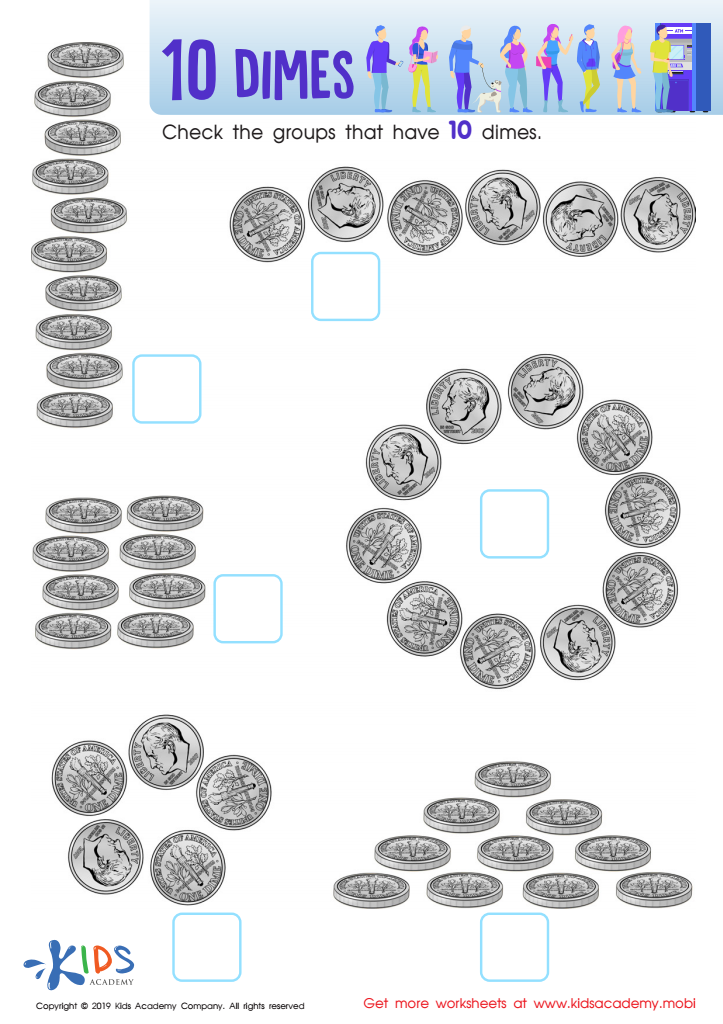
10 Dimes Worksheet
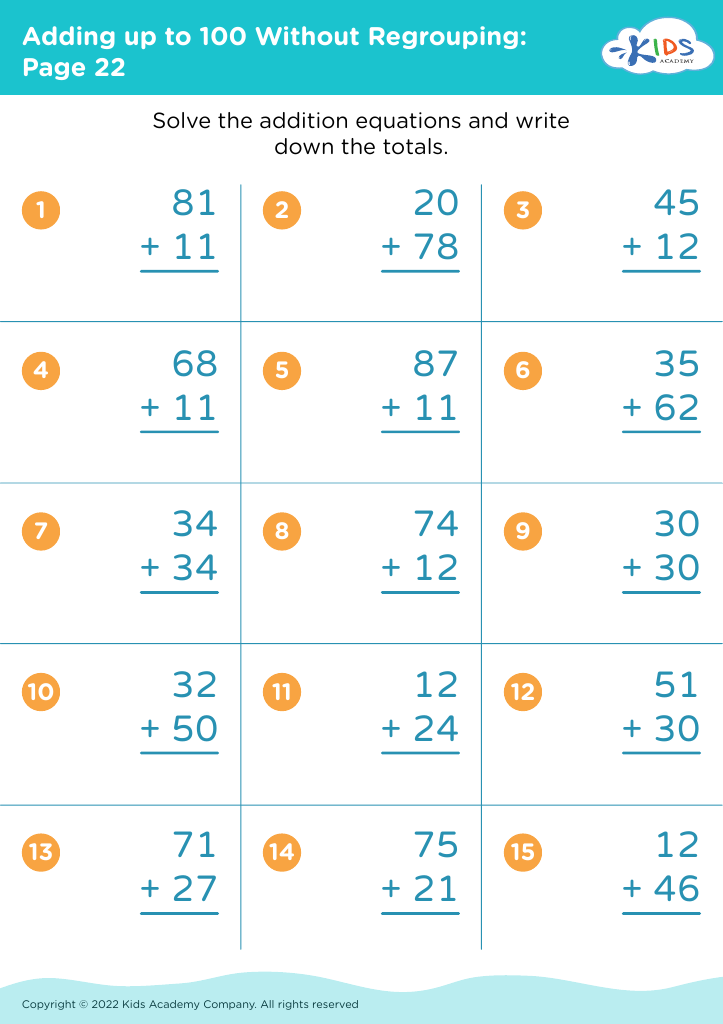
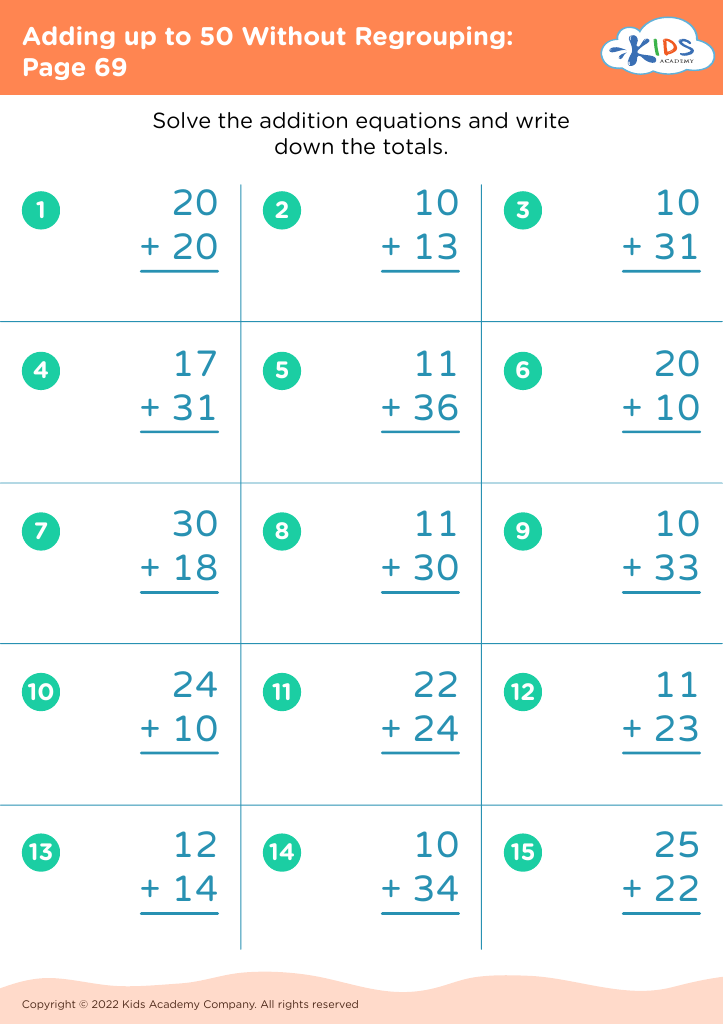
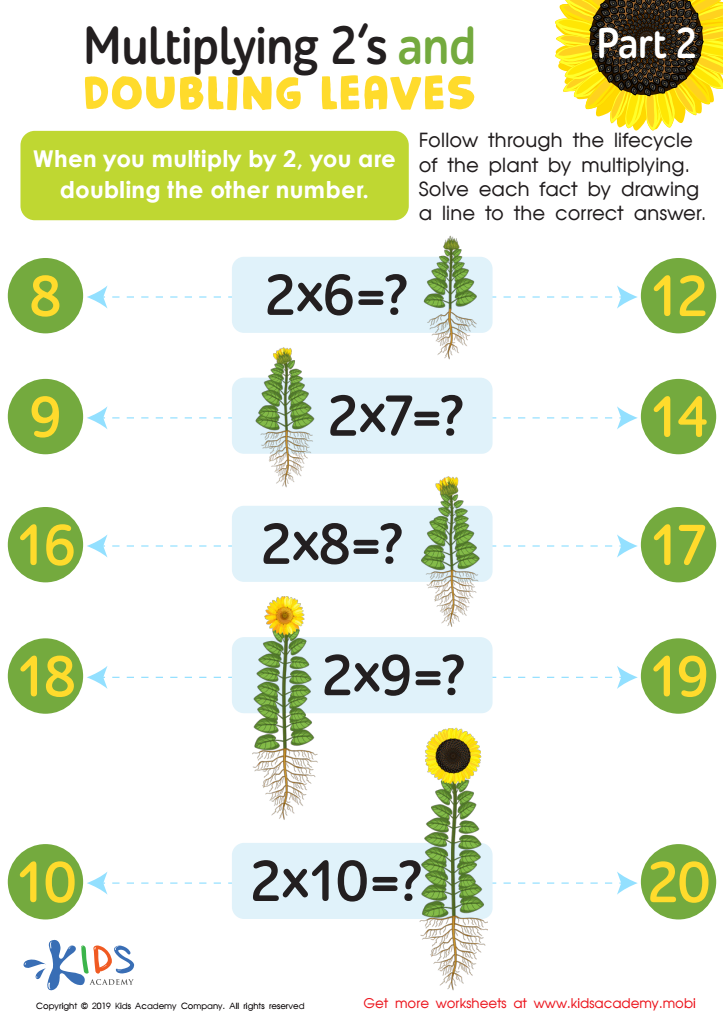
Multiplying 2’s and Doubling Leaves Part 2 Worksheet
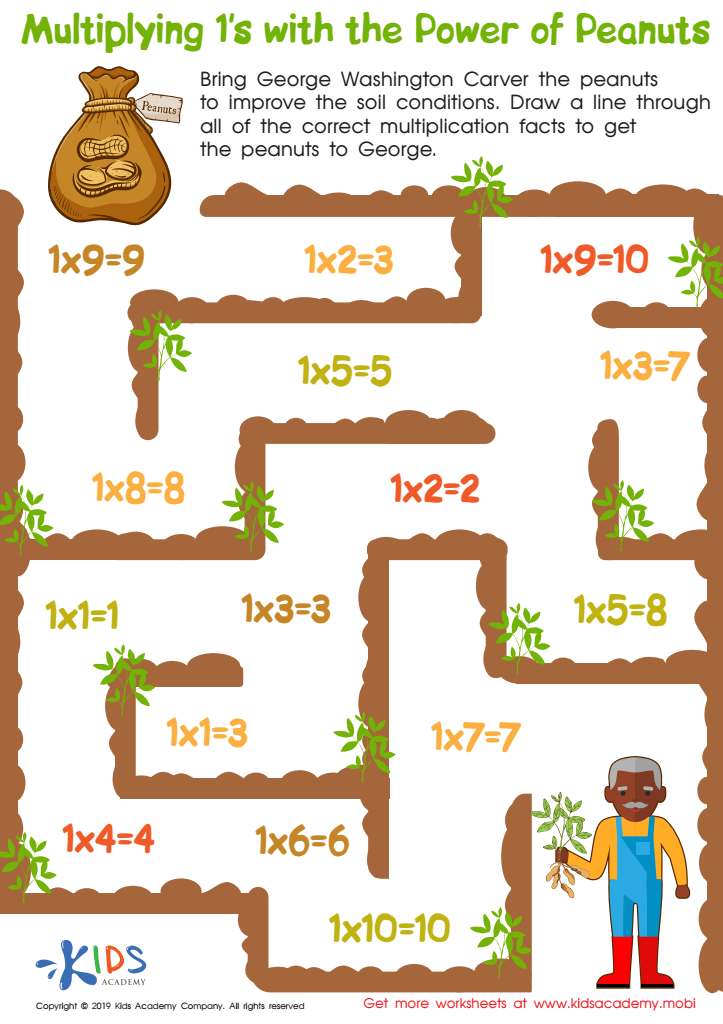
Multiplying 1’s With the Power of Peanuts Worksheet
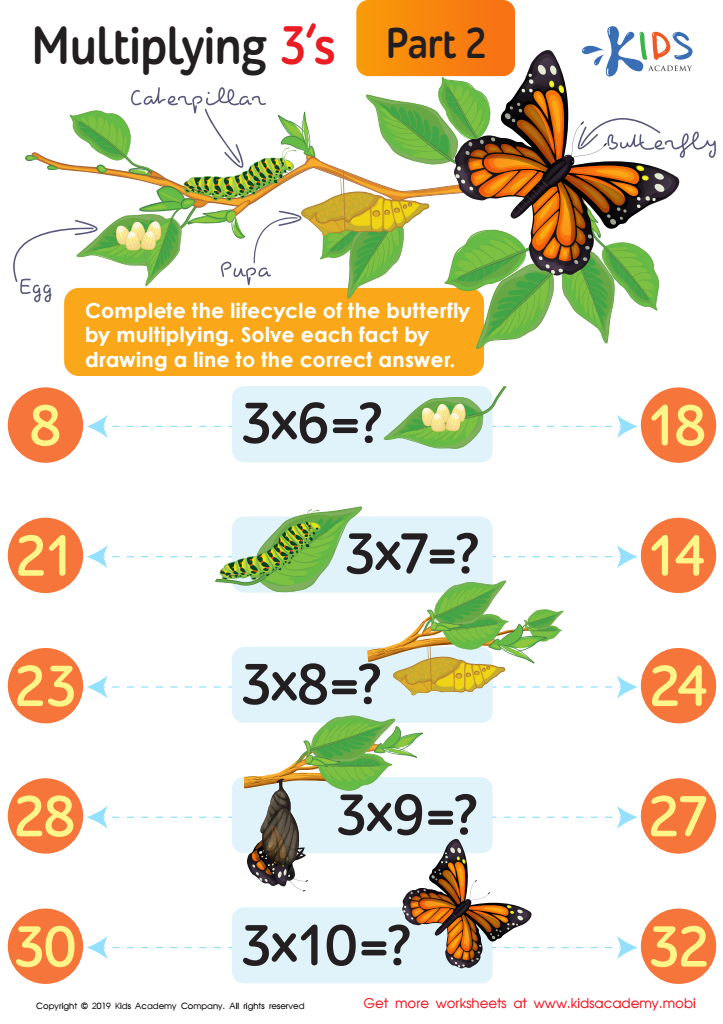
Multiplying 3s Part 2 Worksheet
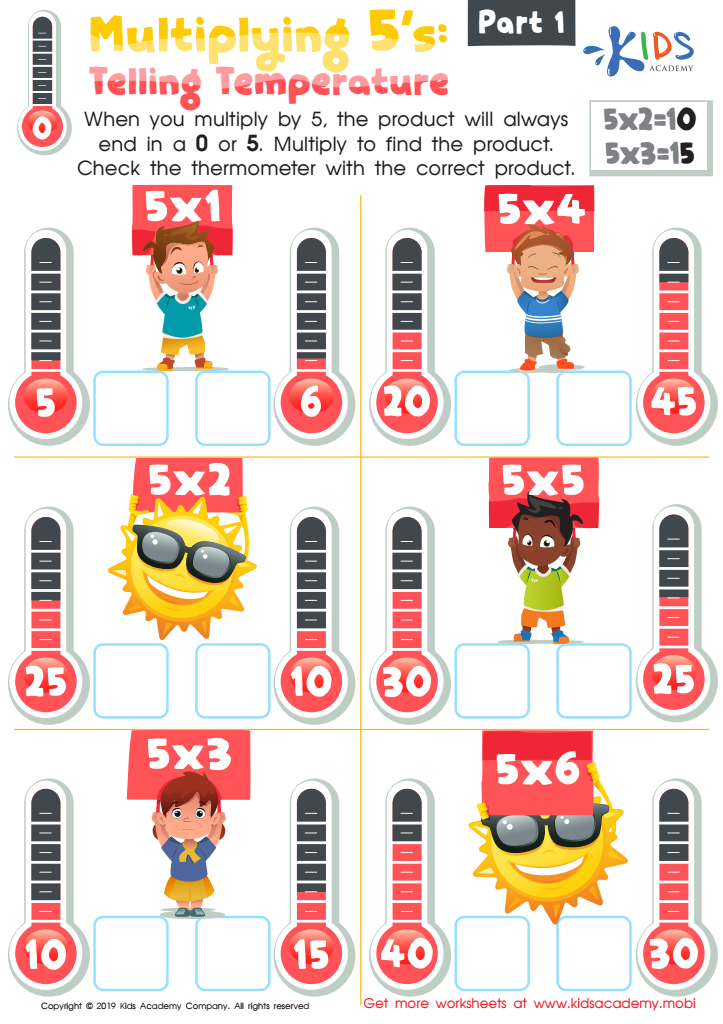
Multiplying 5’s: Telling Temperature Worksheet
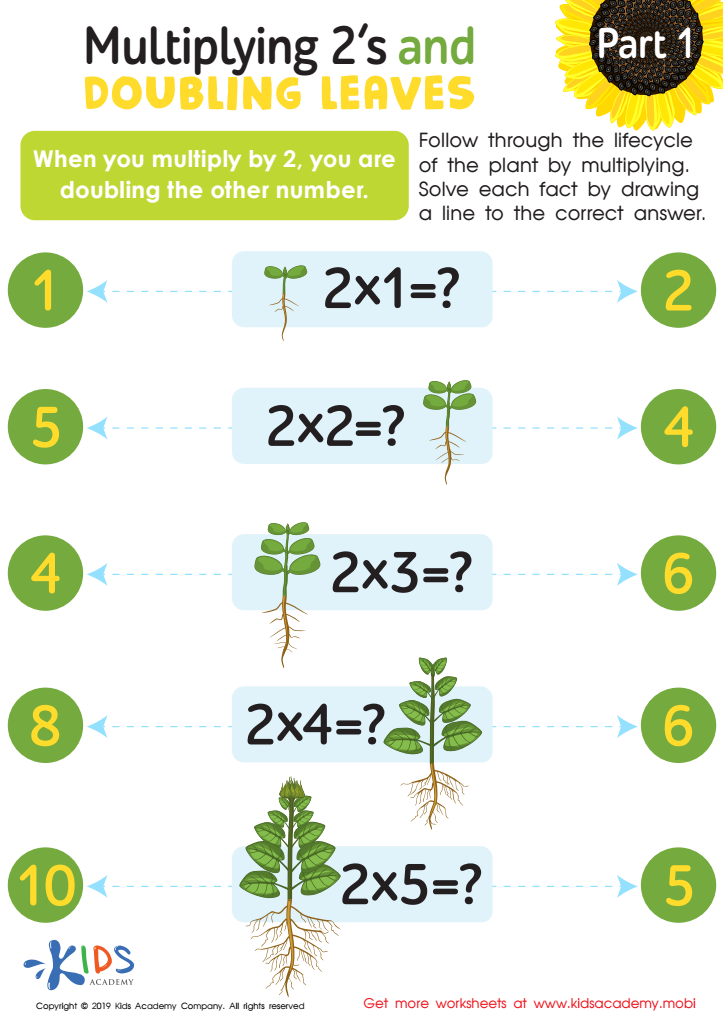
Multiplying 2’s and Doubling Leaves Part 1 Worksheet
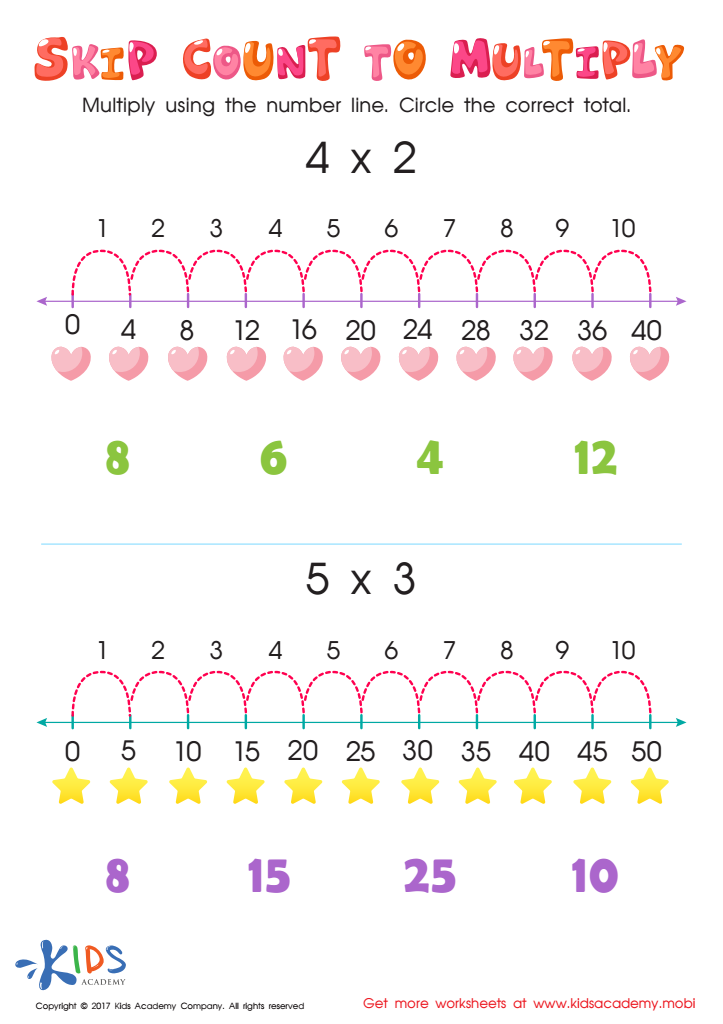
Skip Count Multiplication Worksheet
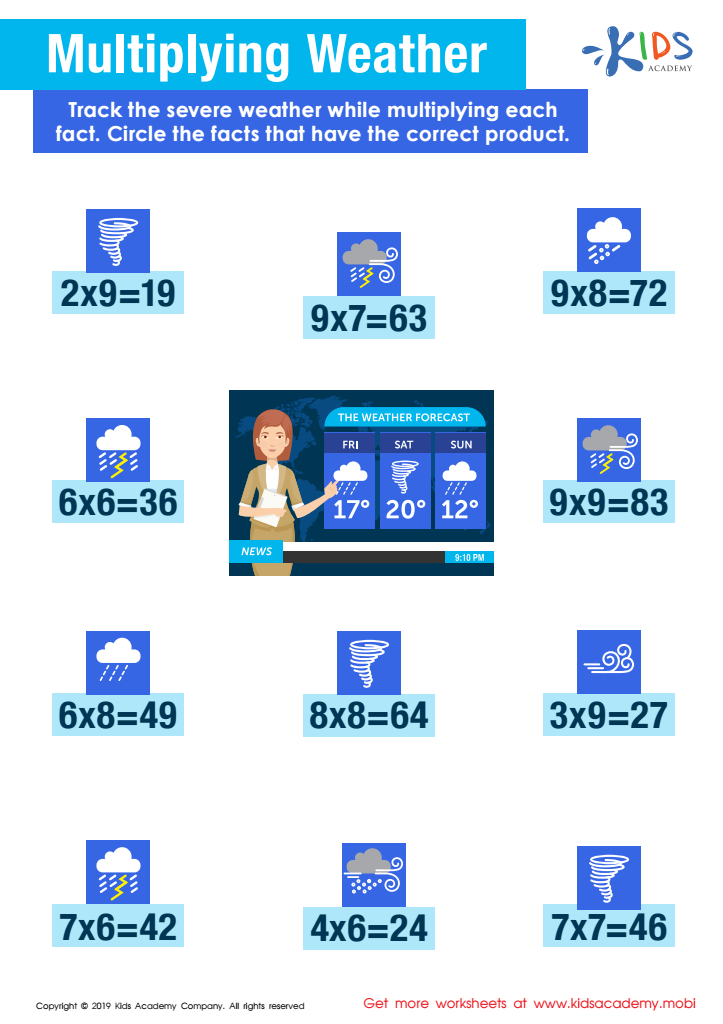
Multiplying Weather Worksheet
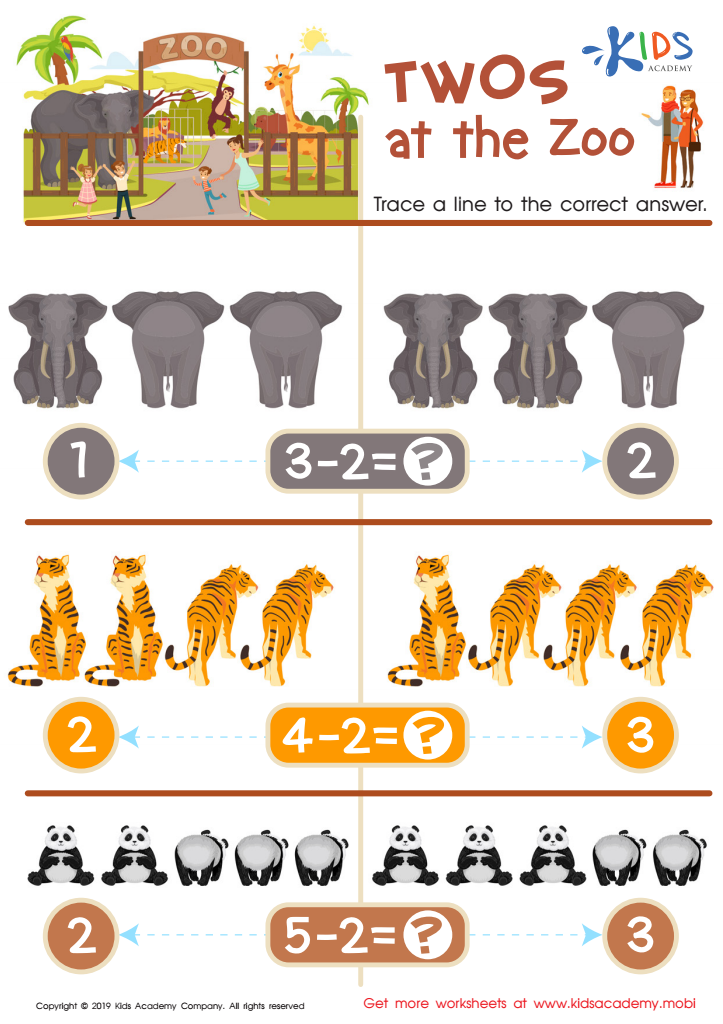
Twos at the Zoo Worksheet
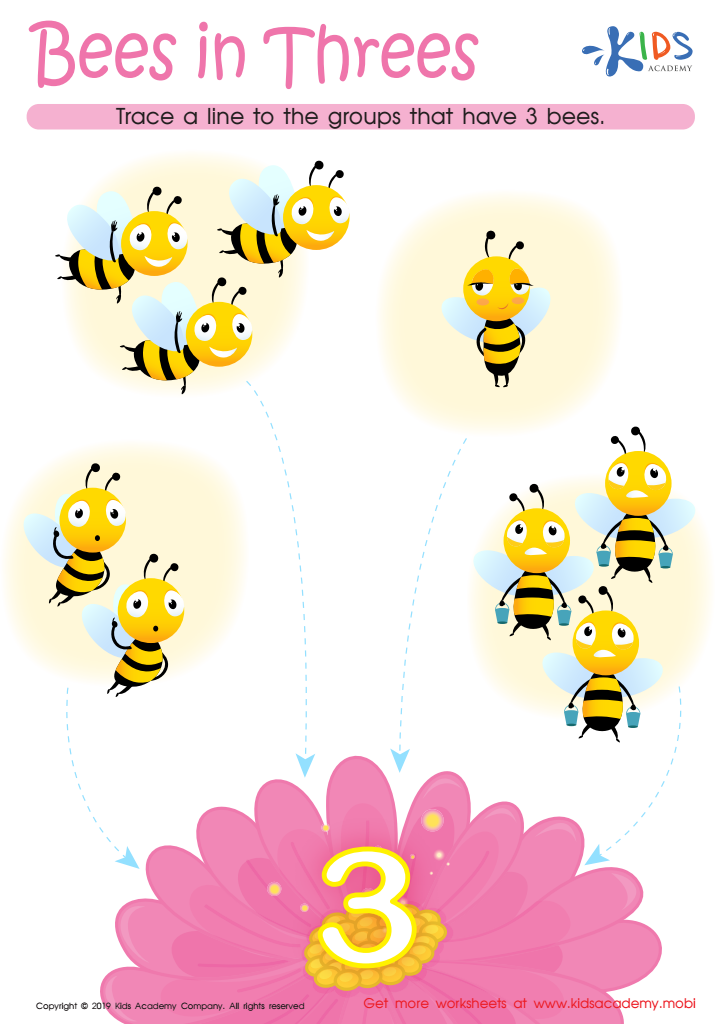
Bees in Threes Worksheet
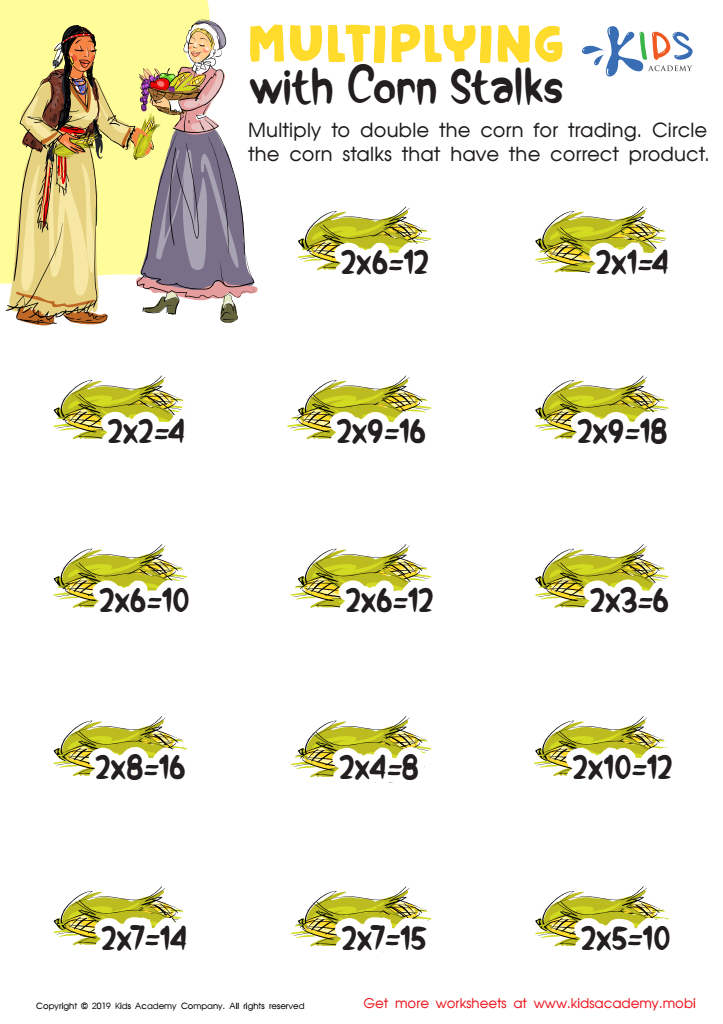
Multiplying With Corn Stalks Worksheet
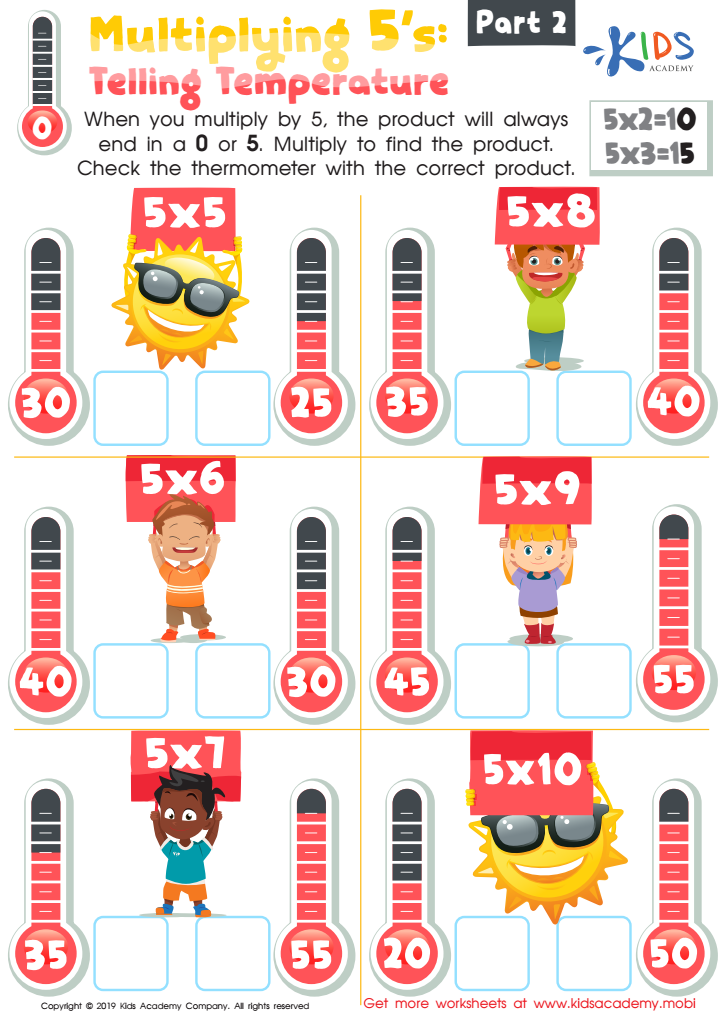
Multiplying 5’s: Telling Temperature Part 2 Worksheet
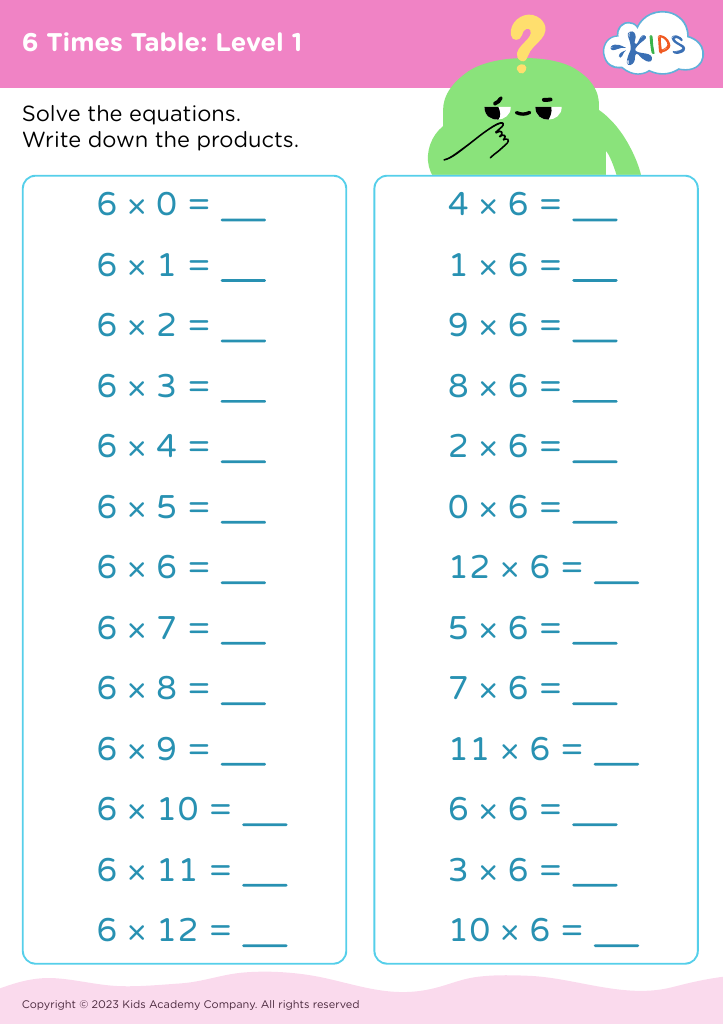
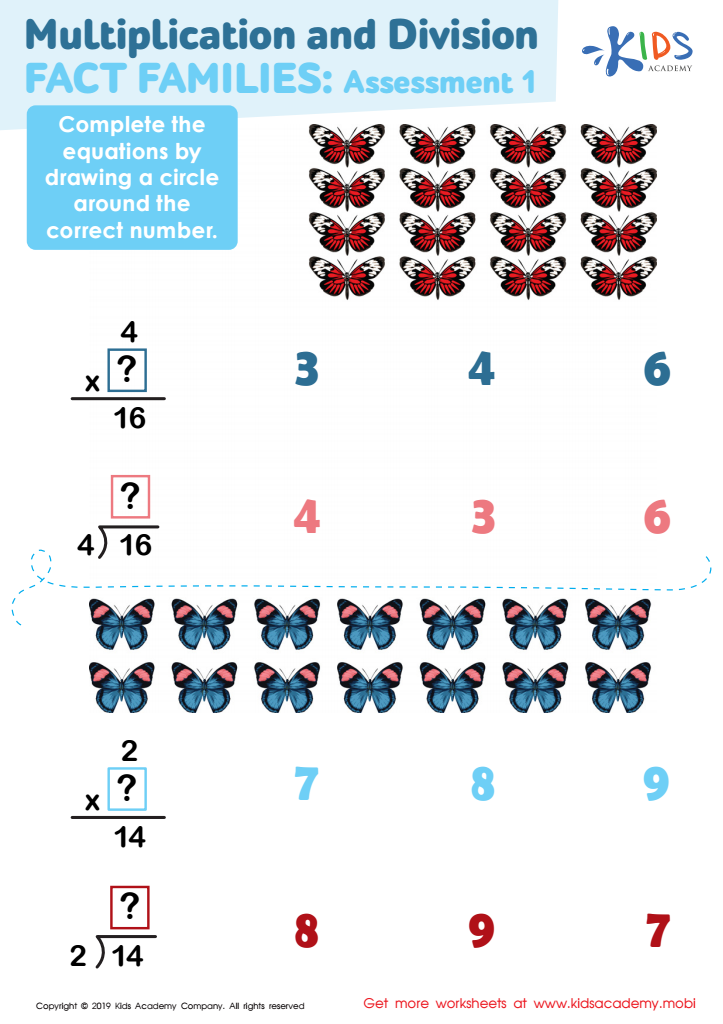
Multiplication and Division Fact Families Assessment 1 Worksheet
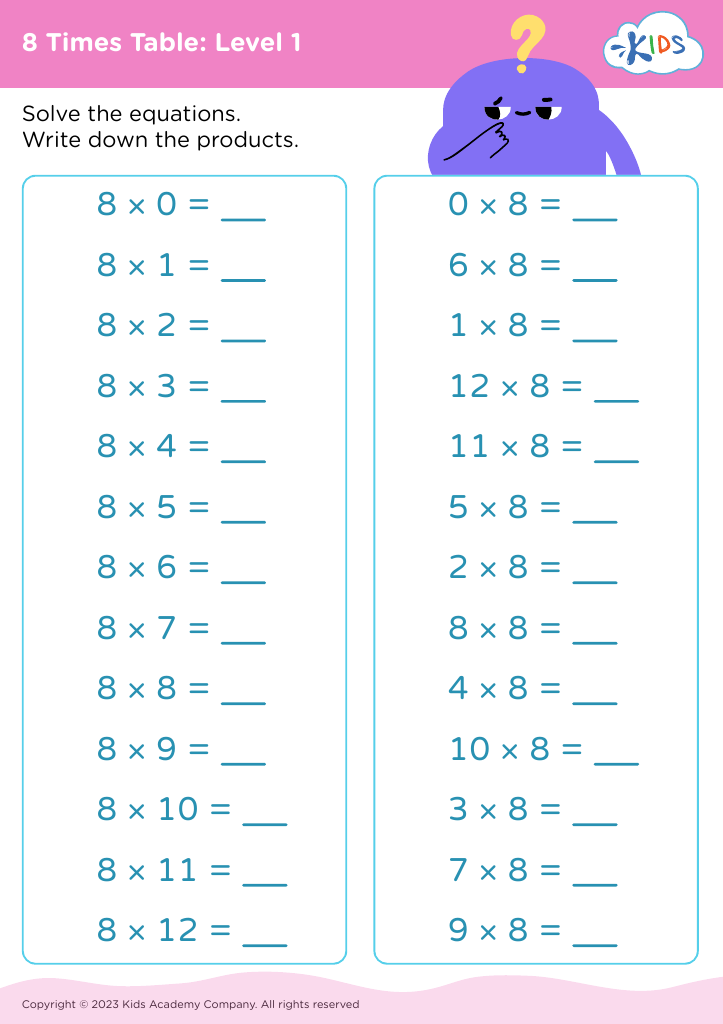
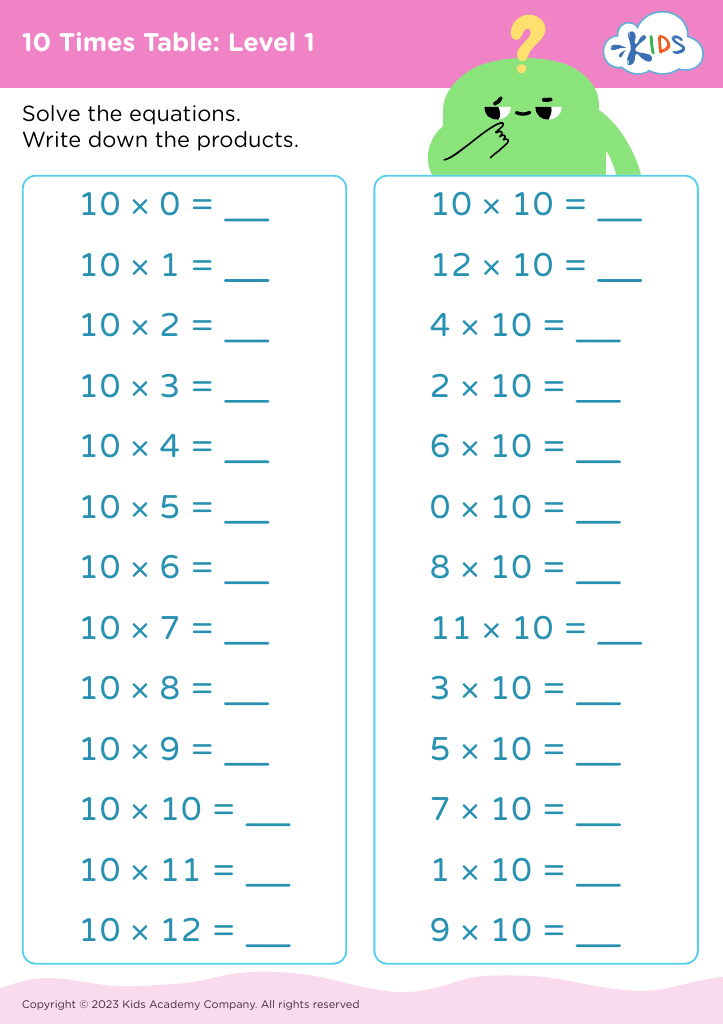
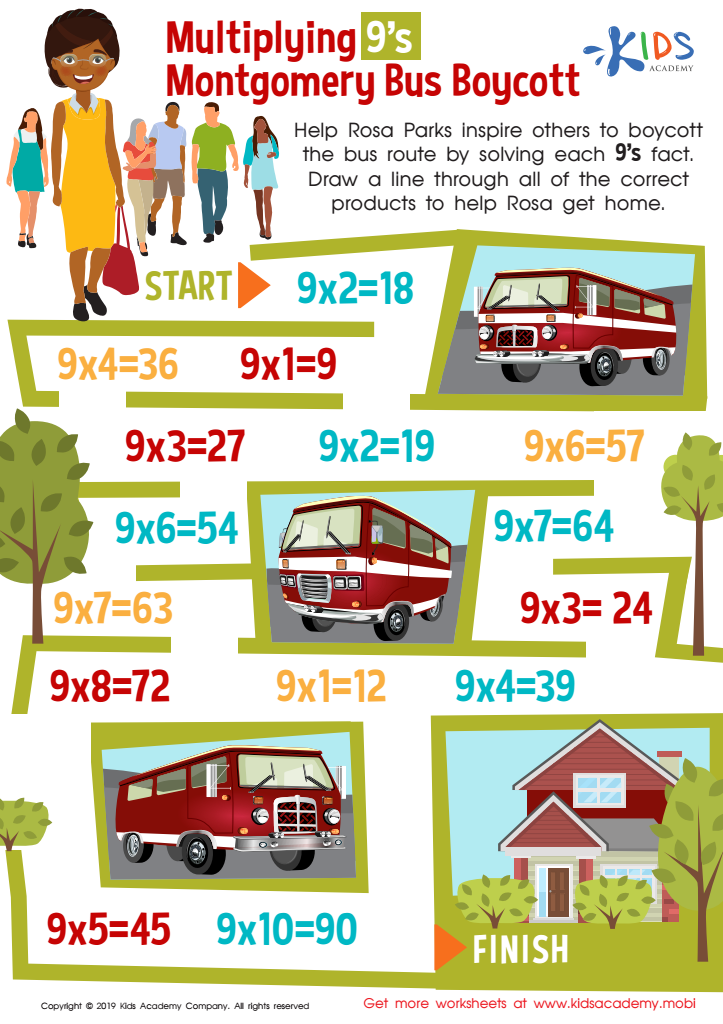
Multiplying 9’s Montgomery Bus Boycott Worksheet








Multiplication practice for children aged 5-9 is crucial for several reasons, and parents and teachers play a vital role in facilitating this foundational skill. At this developmental stage, children absorb new information rapidly, making it an ideal period to introduce crucial mathematical concepts like multiplication.
Multiplication serves as a building block for more advanced math topics, such as division, fractions, and algebra. Grasping multiplication fundamentals at an early age can foster a smoother transition to these complex concepts later on. Additionally, consistent practice enhances cognitive development by improving problem-solving skills, logical thinking, and memory retention.
For young learners, building confidence in their math abilities is essential. Mastering multiplication early boosts their self-esteem, making them more inclined to tackle other academic challenges. Practical applications of multiplication—such as solving real-life problems involving money, time, or measurements—also become more intuitive, preparing them for everyday tasks outside the classroom.
For parents and teachers, reinforcing multiplication through engaging activities, games, and practical exercises ensures that learning remains enjoyable and effective. This nurturing approach can cultivate a lifelong appreciation for math, countering any anxiety or aversion children might develop towards the subject. By investing time and effort into multiplication practice now, parents and teachers lay a strong mathematical foundation that supports overall academic success and critical thinking skills.








