Recognizing Patterns Math Worksheets for Ages 5-9
27 filtered results
-
From - To
Explore our engaging "Recognizing Patterns Math Worksheets" designed specifically for children ages 5 to 9. These worksheets foster essential math skills by helping young learners identify, create, and extend patterns through fun and interactive exercises. Kids will enjoy vibrant, visually appealing activities that reinforce their understanding of colors, shapes, and numbers, making math both enjoyable and educational. Perfect for classroom use or at-home practice, these worksheets are tailored to boost cognitive development and enhance problem-solving abilities. Transform math learning into an exciting adventure with our comprehensive resources, paving the way for a stronger foundation in mathematics!
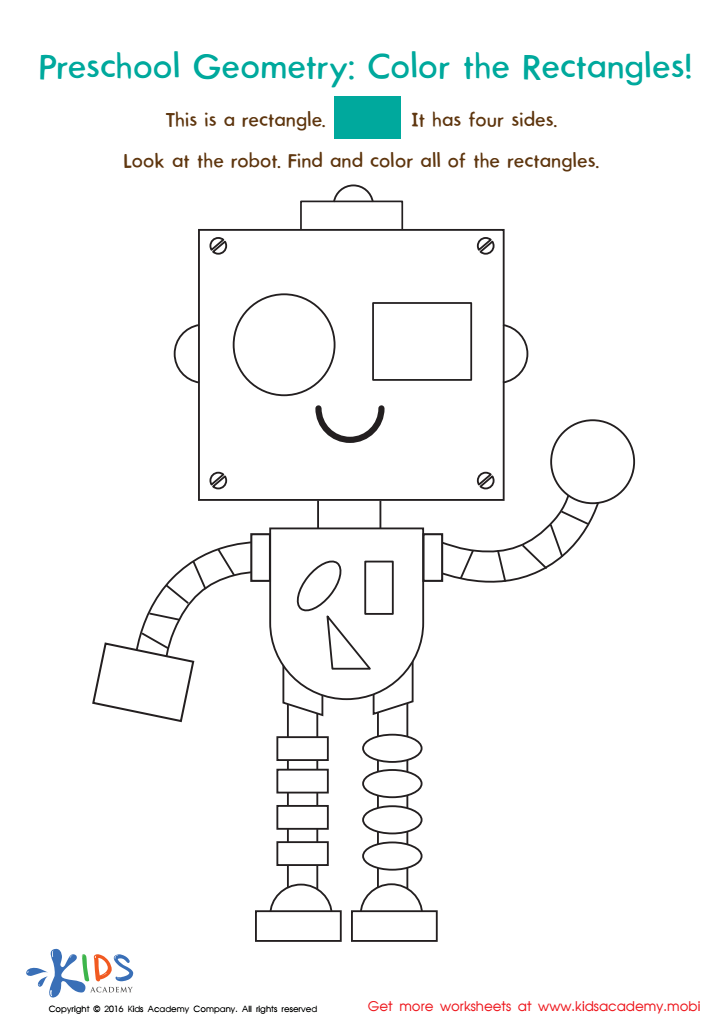
Geometry Worksheet
 Assign to My Students
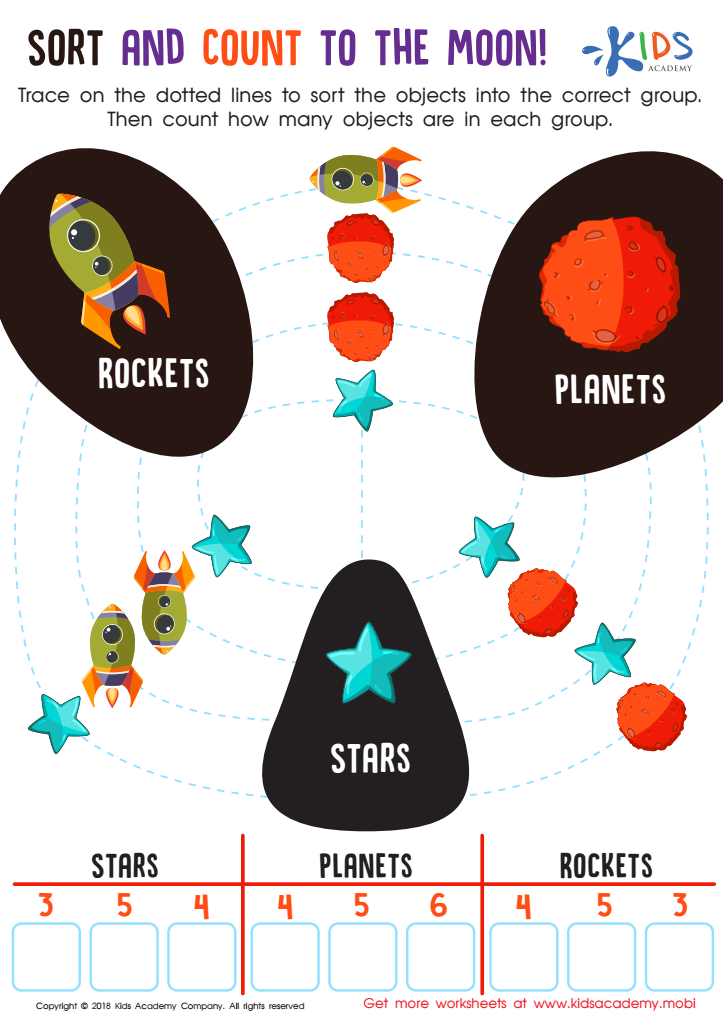
Sort and Count to the Moon Worksheet
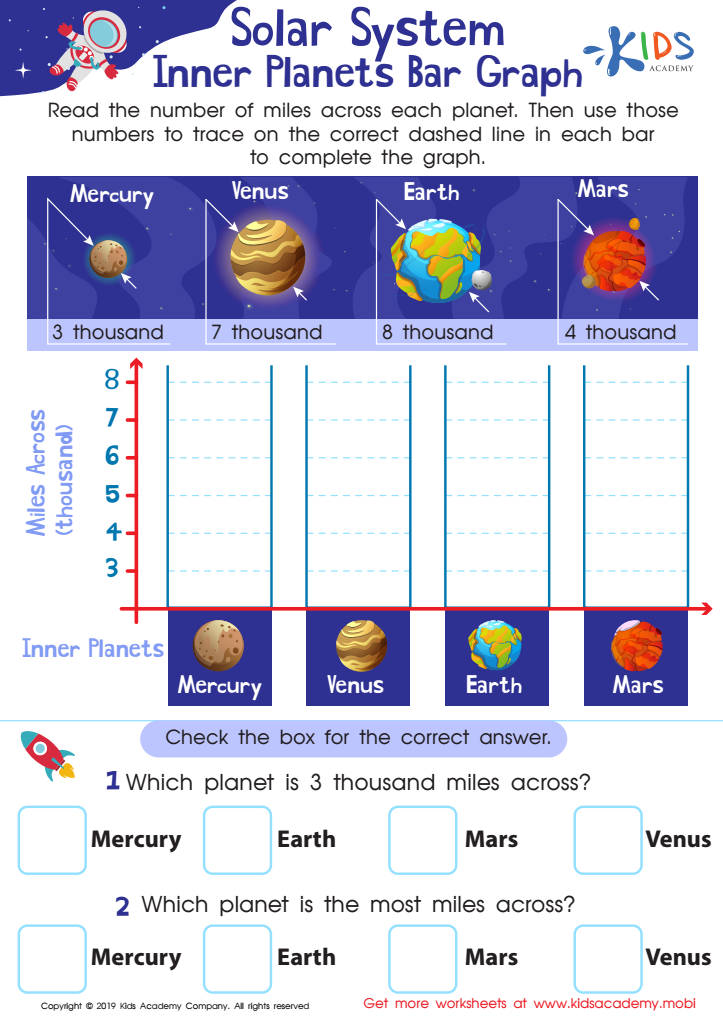
Planets Bar Graph Worksheet
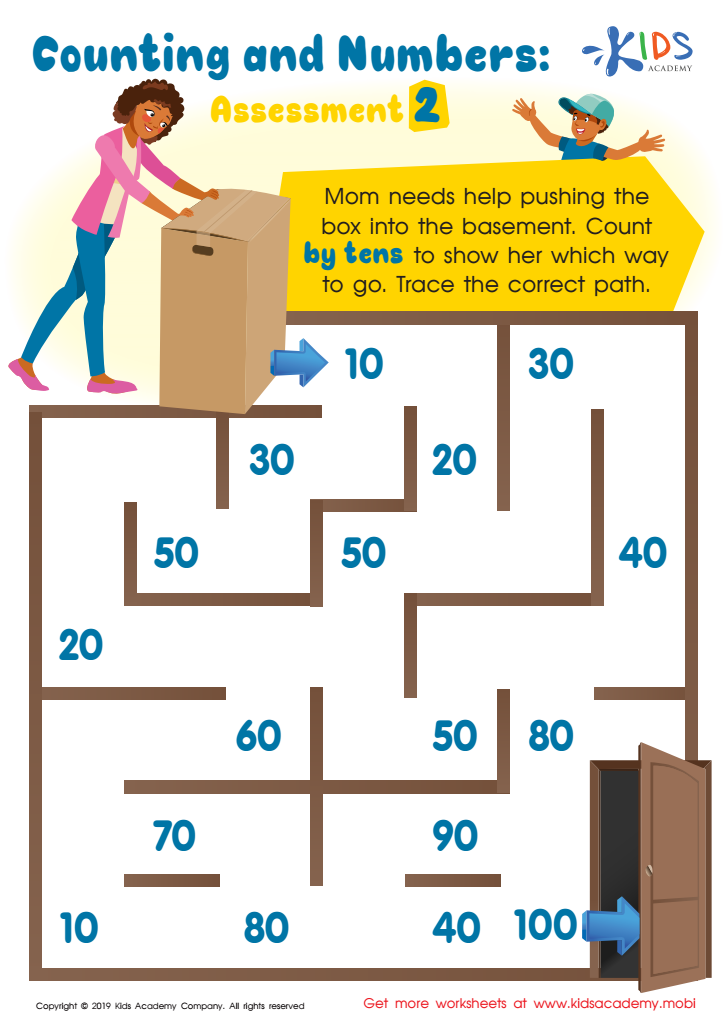
Counting and Numbers: Assessment 2 Worksheet
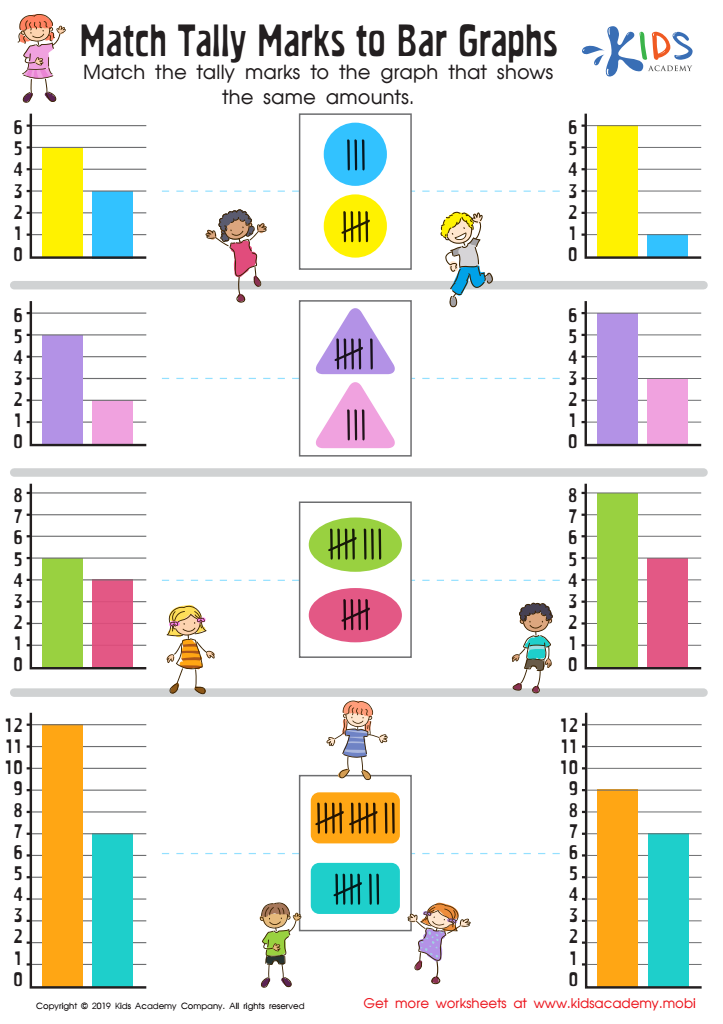
Match Tally Marks to Bar Graphs Worksheet
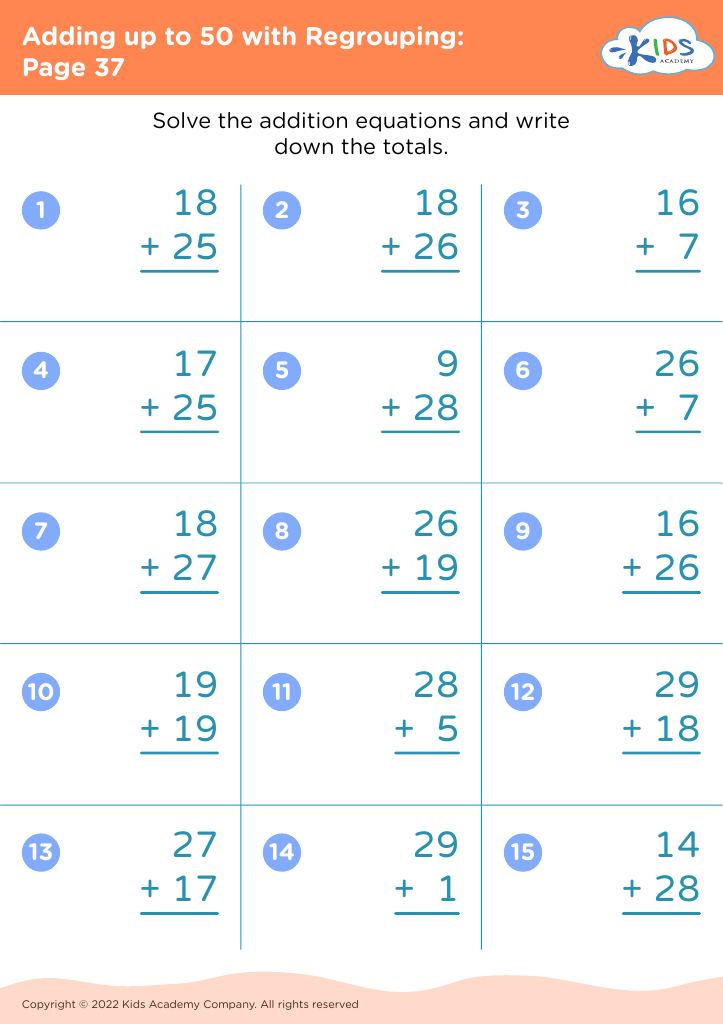
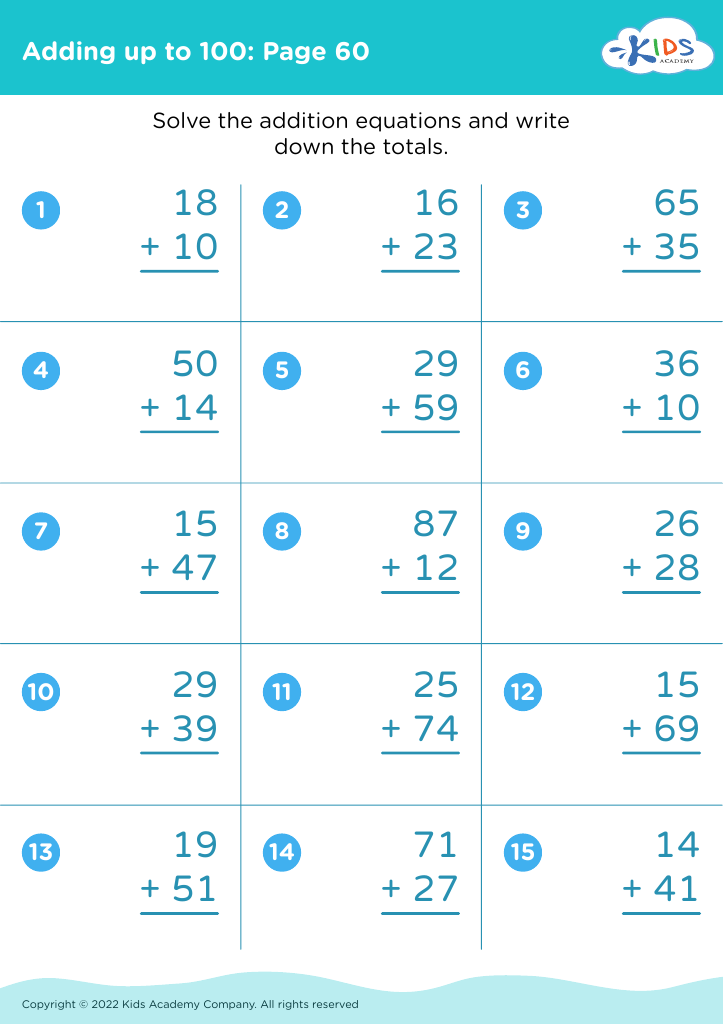
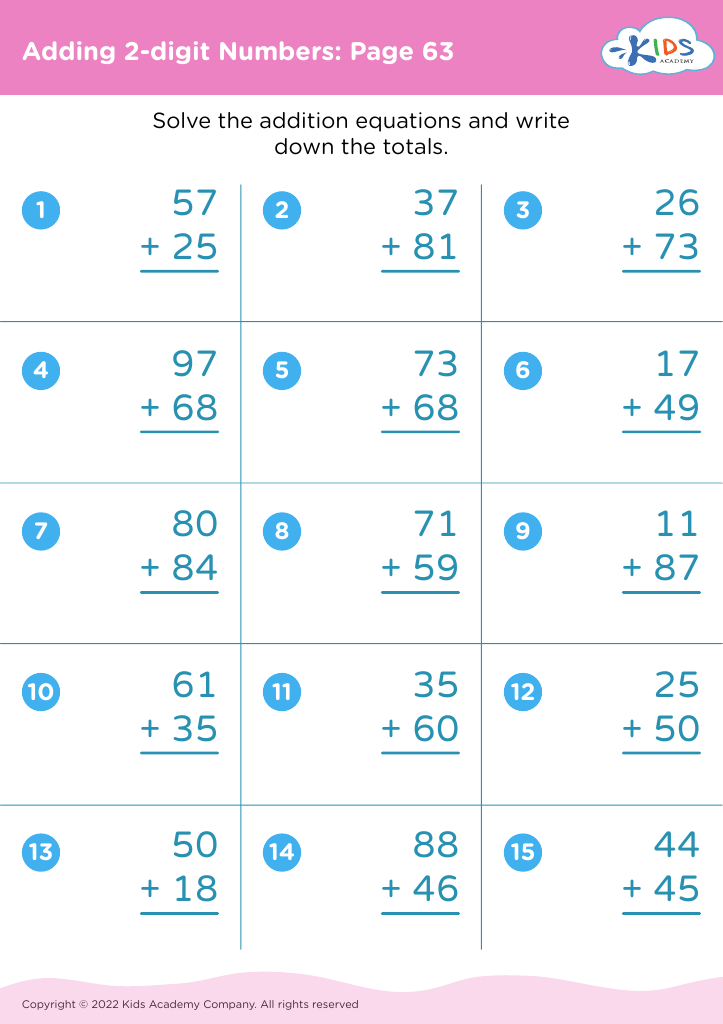
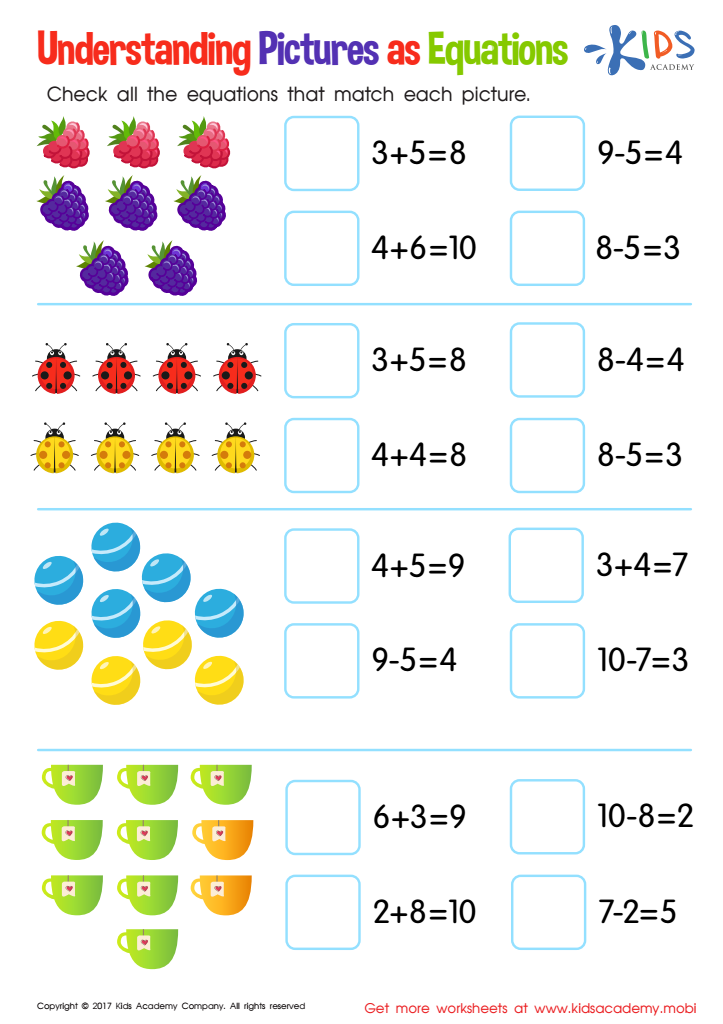
Understanding Pictures as Equations Worksheet
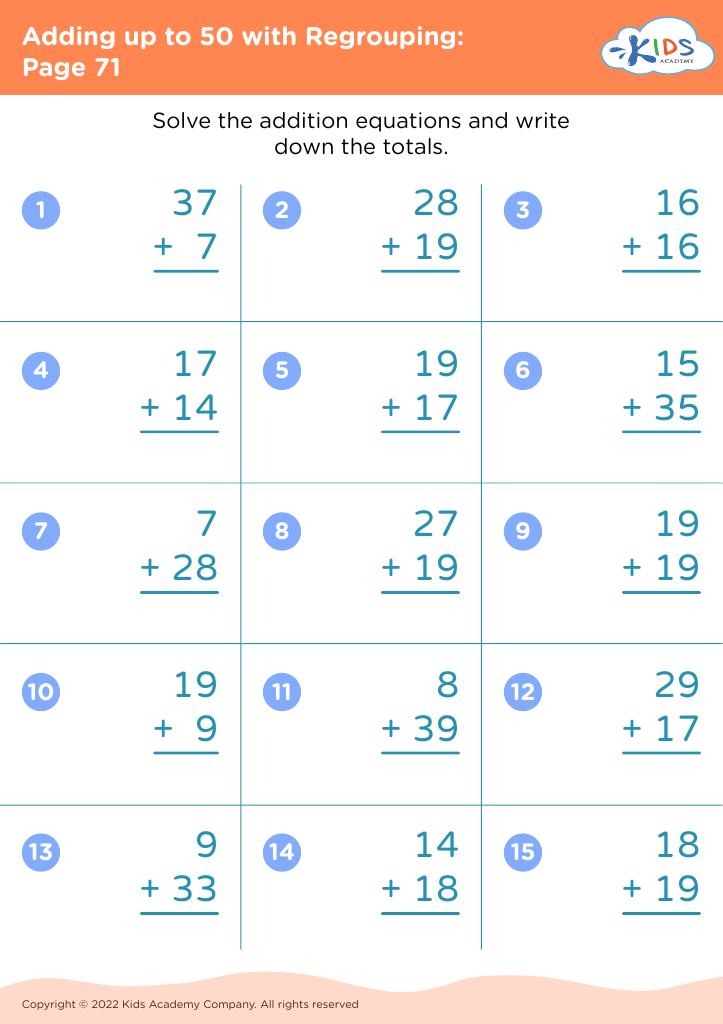
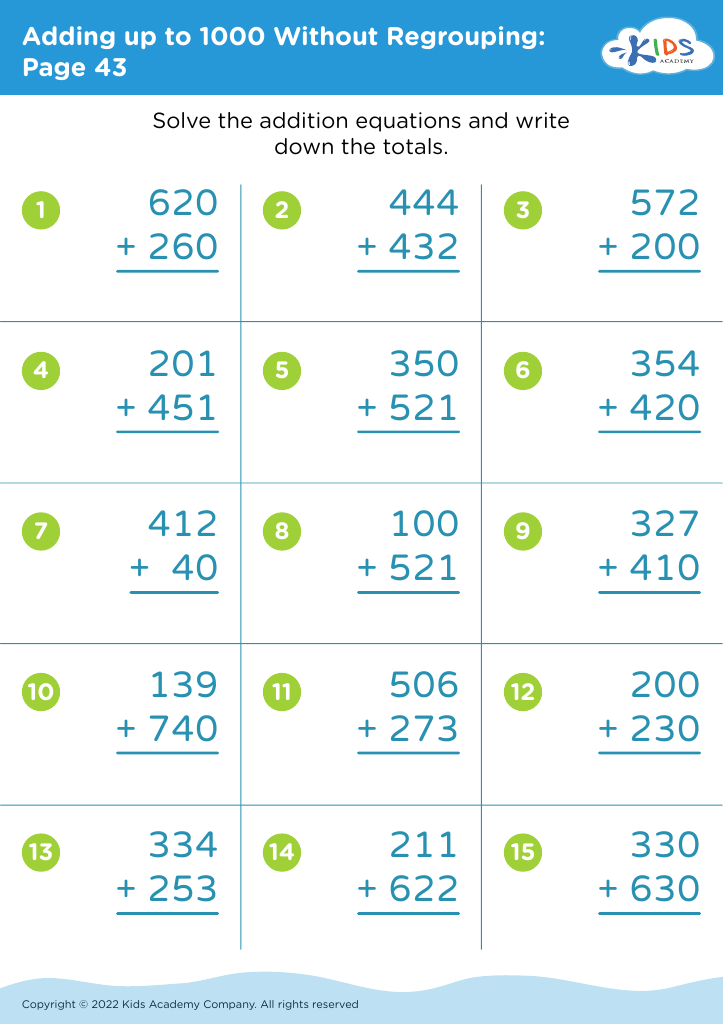
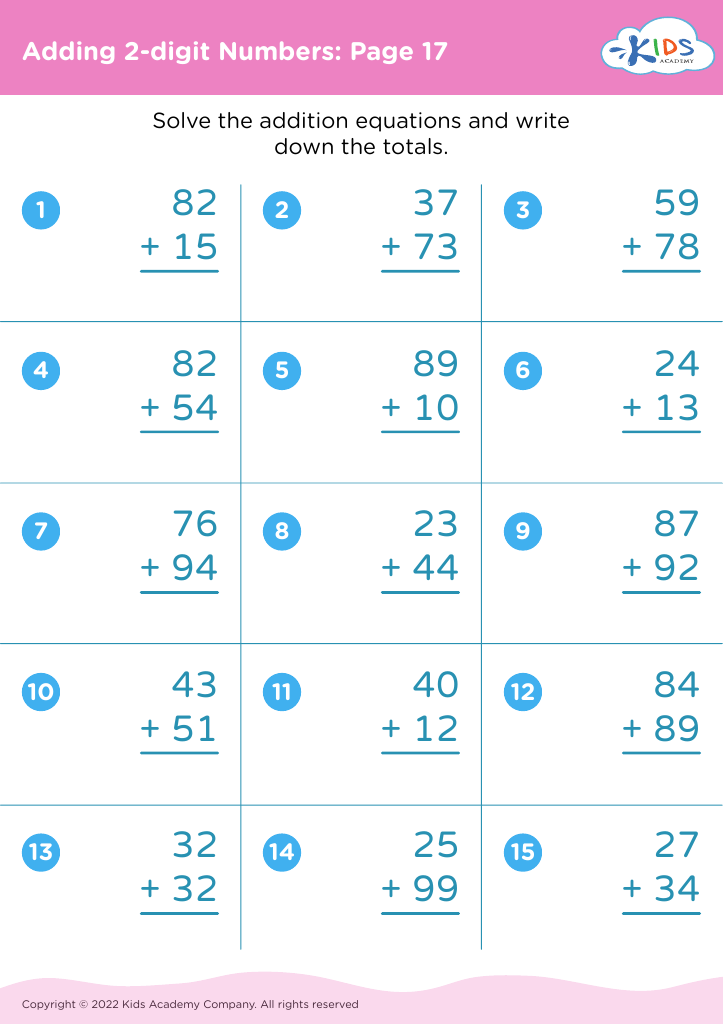








Recognizing patterns in math is a fundamental skill that influences a child's cognitive development and problem-solving abilities. For children aged 5-9, understanding patterns lays the groundwork for more complex mathematical concepts, such as addition, subtraction, and even algebra. When children identify patterns, they enhance their critical thinking skills and begin to see relationships between numbers, shapes, and quantities, fostering a deeper understanding of math in everyday contexts.
Parents and teachers play a crucial role in nurturing this skill. By encouraging children to recognize patterns in their environment—like alternating colors in a sequence or repeated shapes—they actively engage in learning experiences. This practice not only makes math fun but also boosts children's confidence in their abilities.
Additionally, recognizing patterns helps children develop their organizational skills and enhances their ability to predict future outcomes based on observed sequences. This predictive thinking is vital not just in mathematics but in scientific reasoning and logical decision-making throughout life.
In short, recognizing patterns is a stepping stone in mathematical education that supports holistic development. When parents and teachers prioritize this skill, they empower children to become confident learners and effective problem solvers in mathematics and beyond.








