Shape identification Math Worksheets for Ages 5-9
33 filtered results
-
From - To
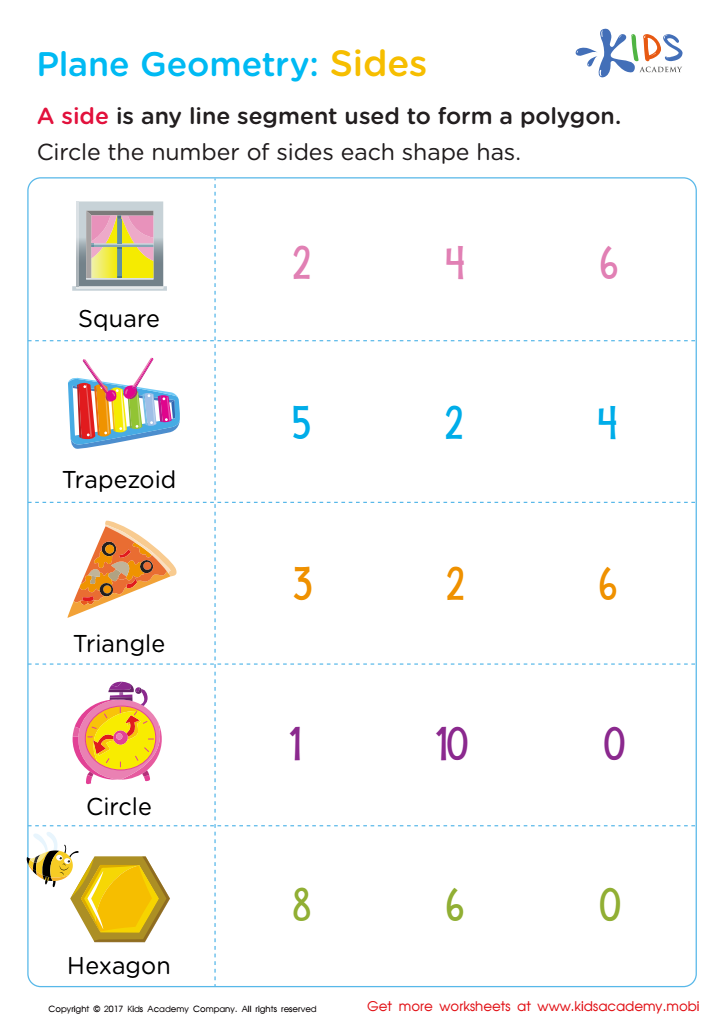
Discover engaging Shape Identification Math Worksheets designed specifically for children ages 5-9. These worksheets encourage young learners to recognize, name, and differentiate various shapes, enhancing their geometric understanding in a fun and interactive way. Tailored to align with early math curriculum standards, our resources feature vibrant illustrations and easy-to-follow exercises suitable for classroom or home use. Children will enjoy exploring circles, squares, triangles, and more through activities that promote critical thinking and spatial awareness. Start building a strong foundation in shape recognition today with our thoughtfully crafted worksheets, ideal for keeping your child engaged and motivated in their mathematical journey!
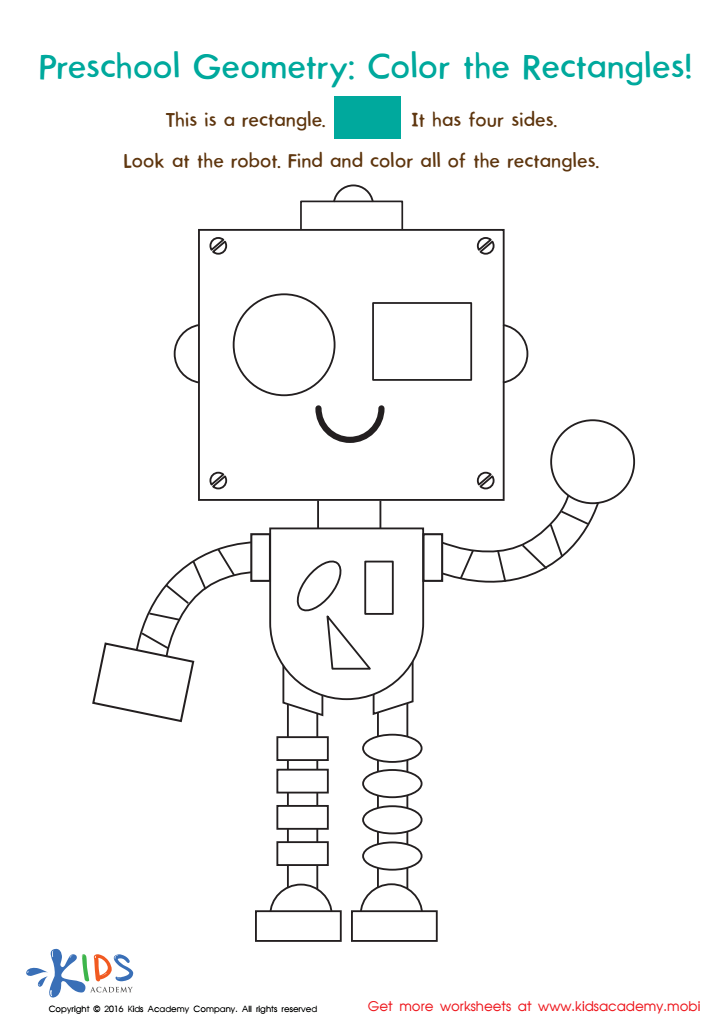
Geometry Worksheet
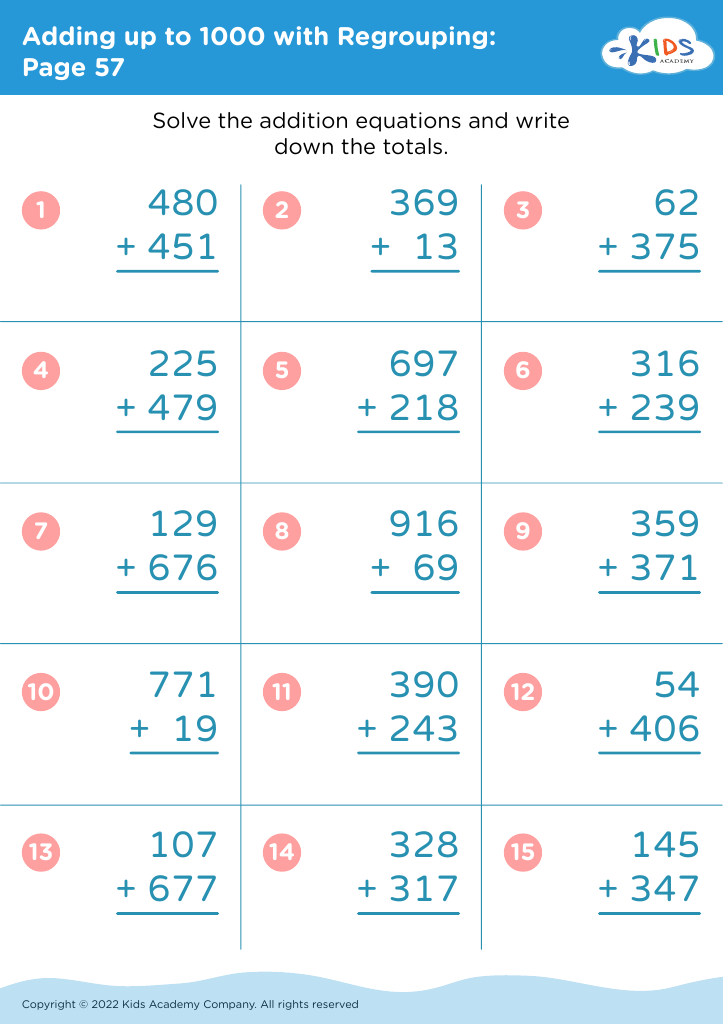
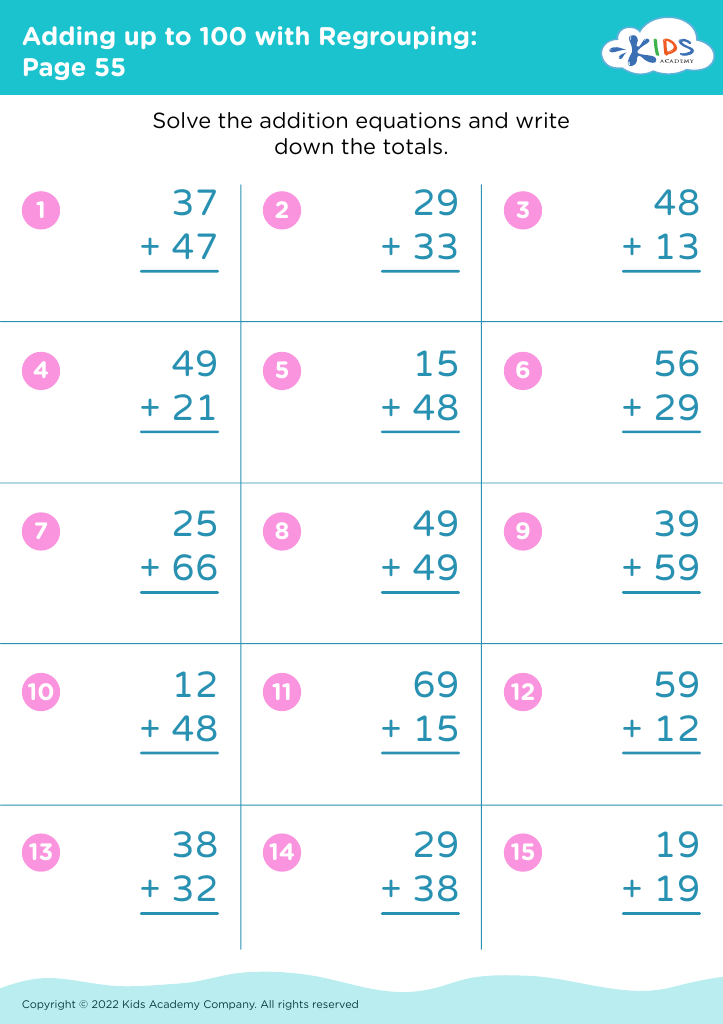
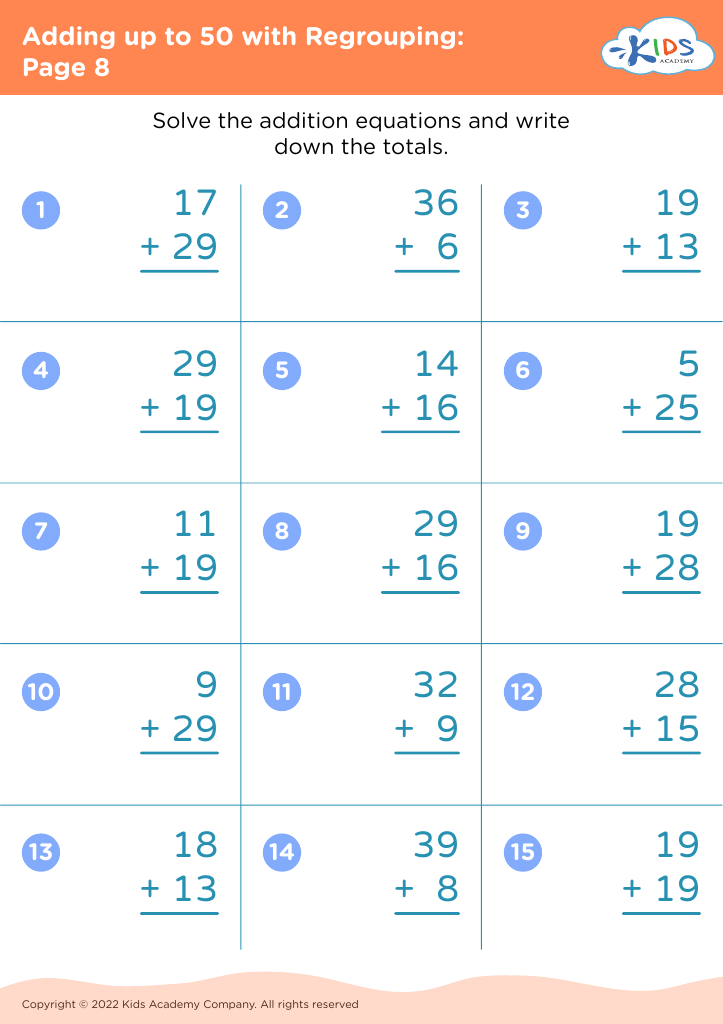
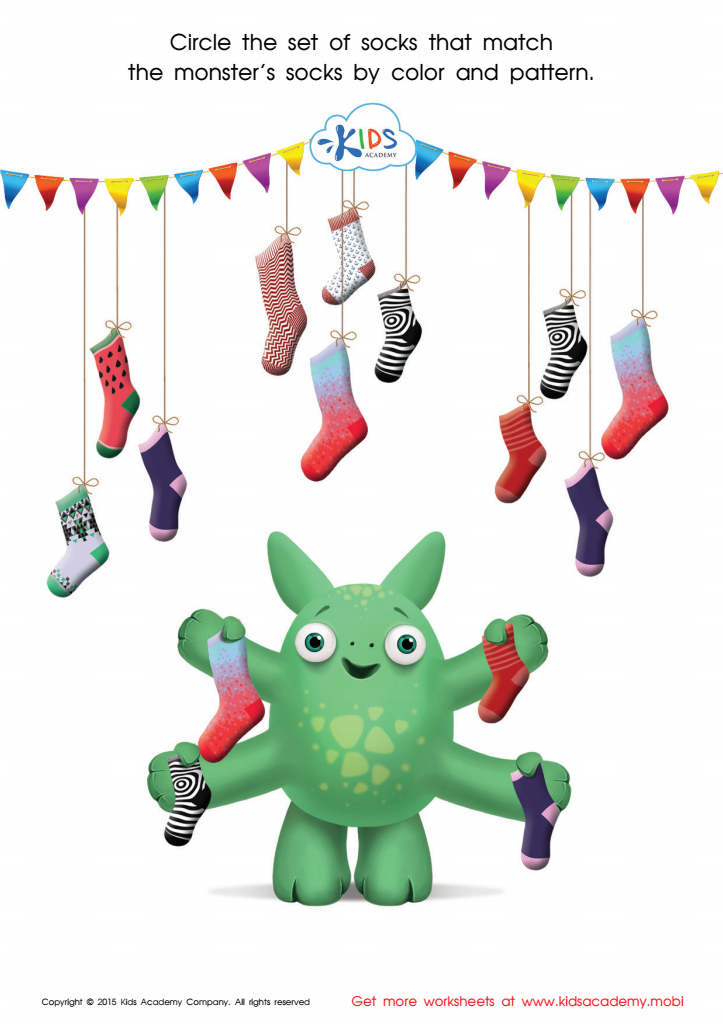
Sort the Monster's Socks Worksheet
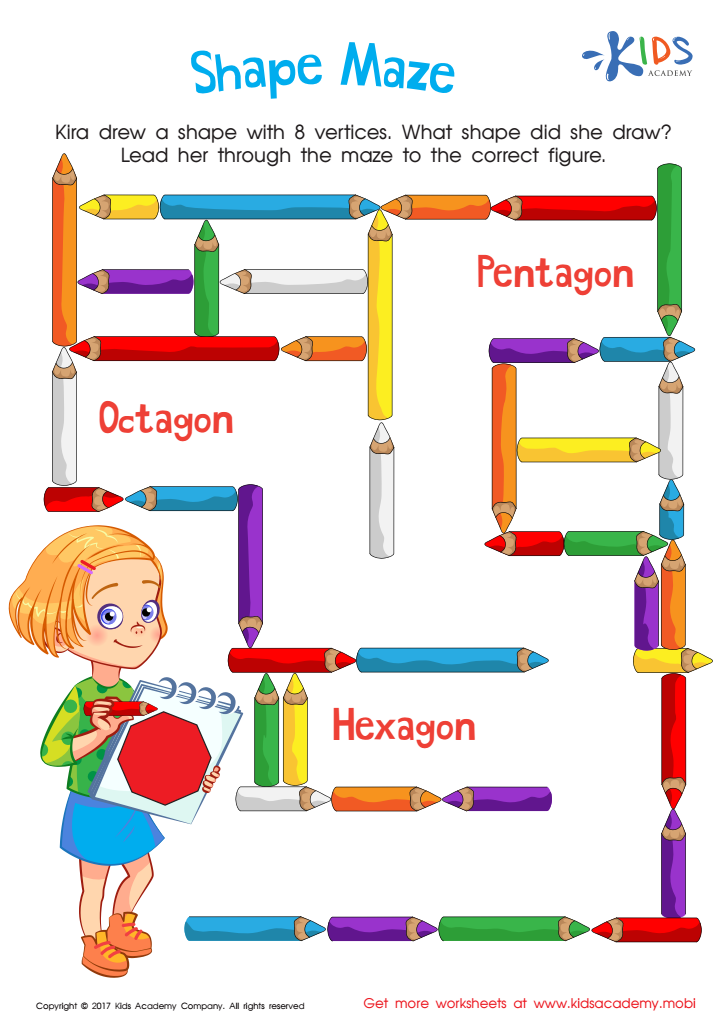
Shape Maze Worksheet
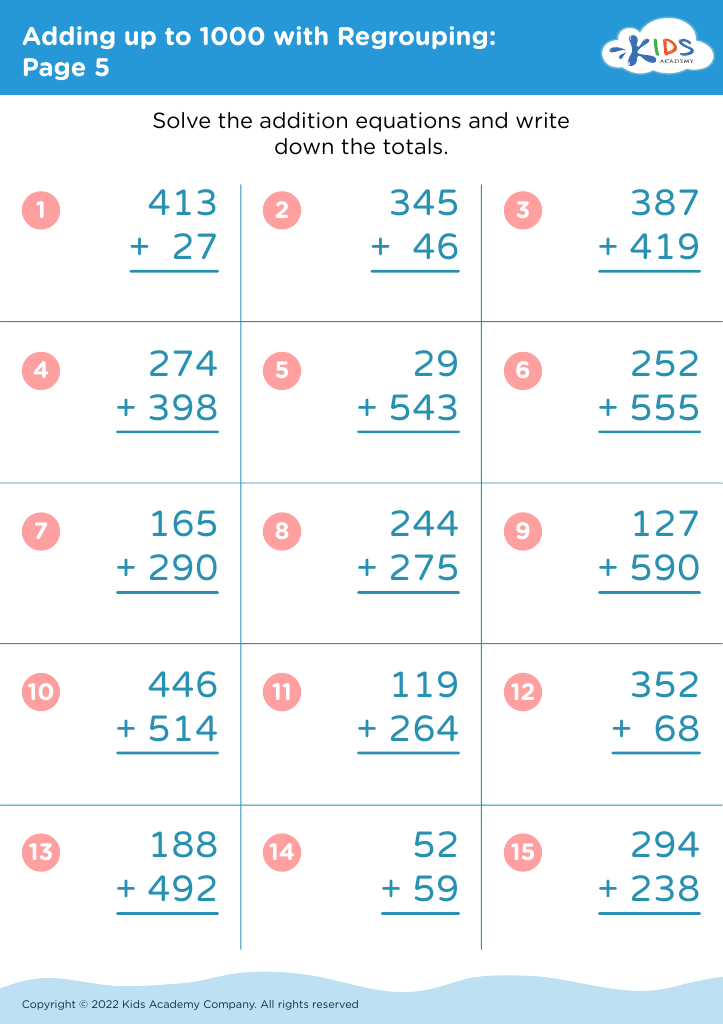
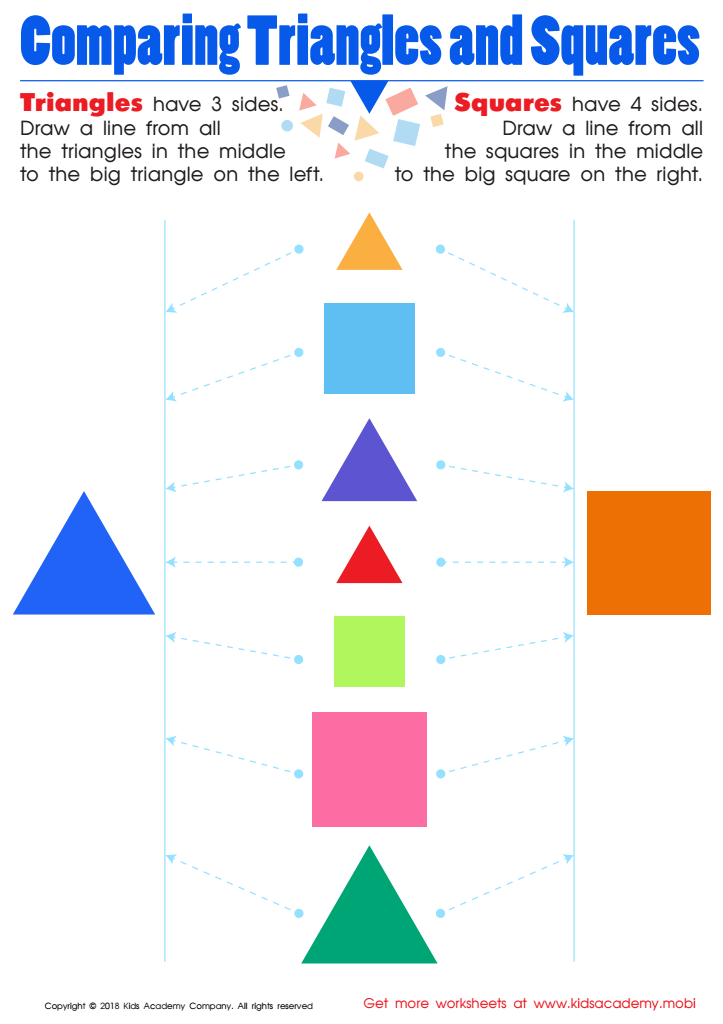
Comparing Triangles Squares Worksheet
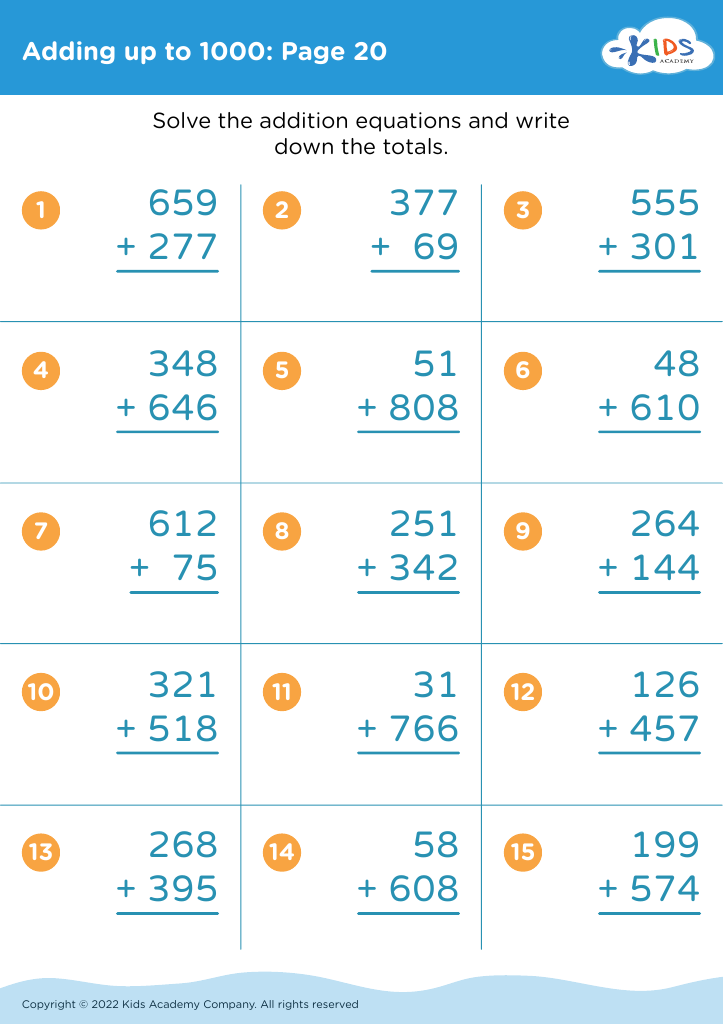
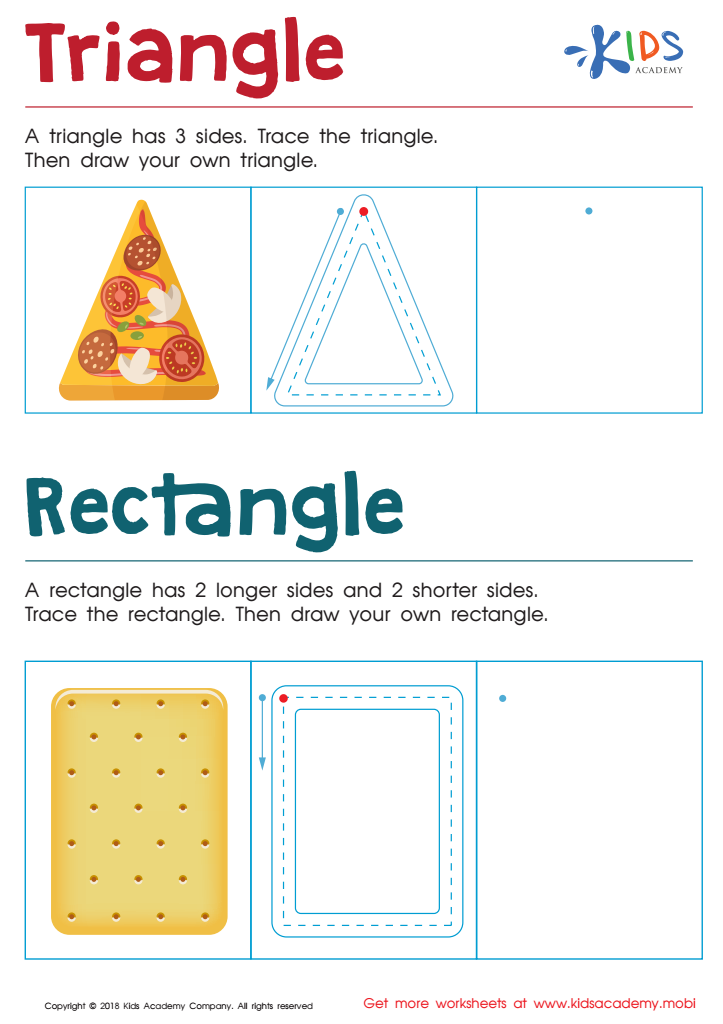
Triangle Rectangle Worksheet
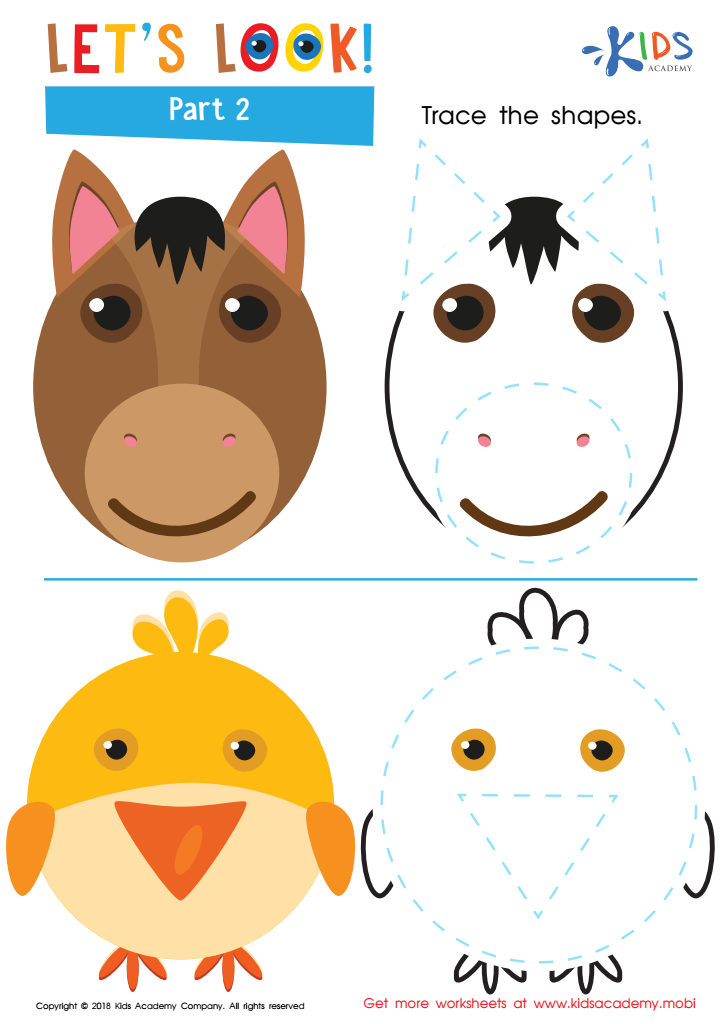
Let's Look! Part 2 Worksheet
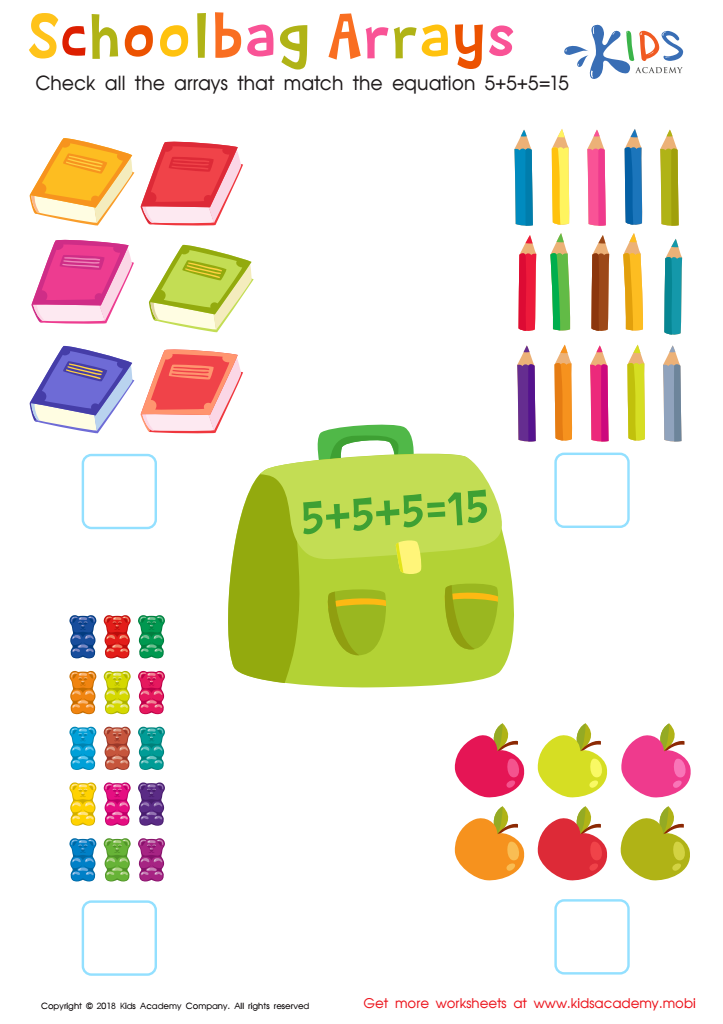
Schoolbag Arrays Worksheet
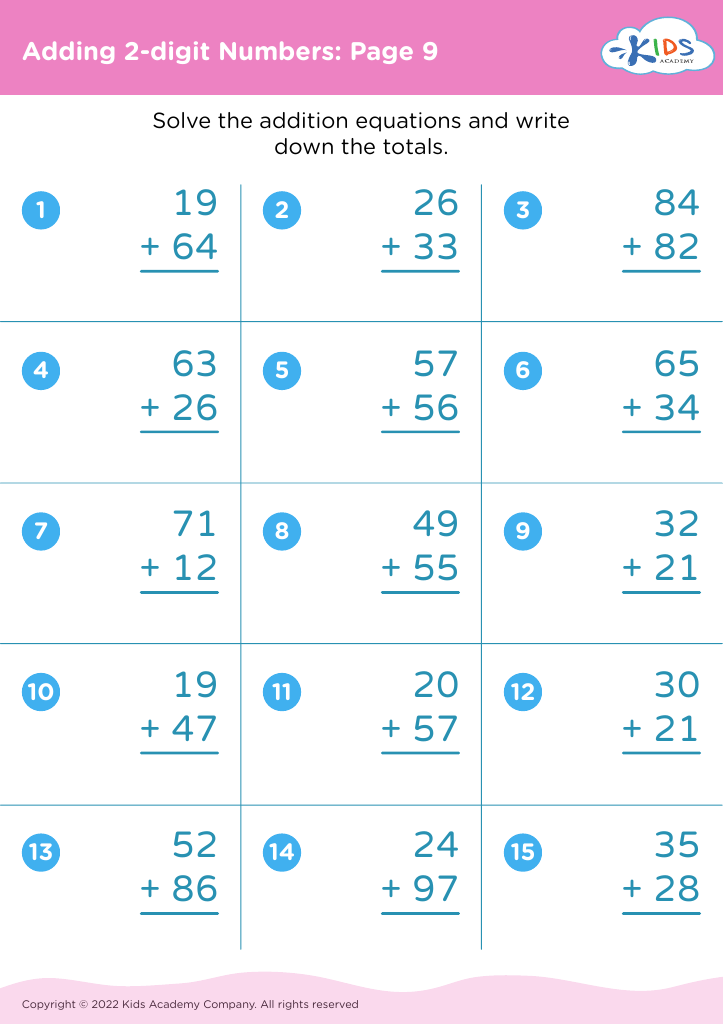
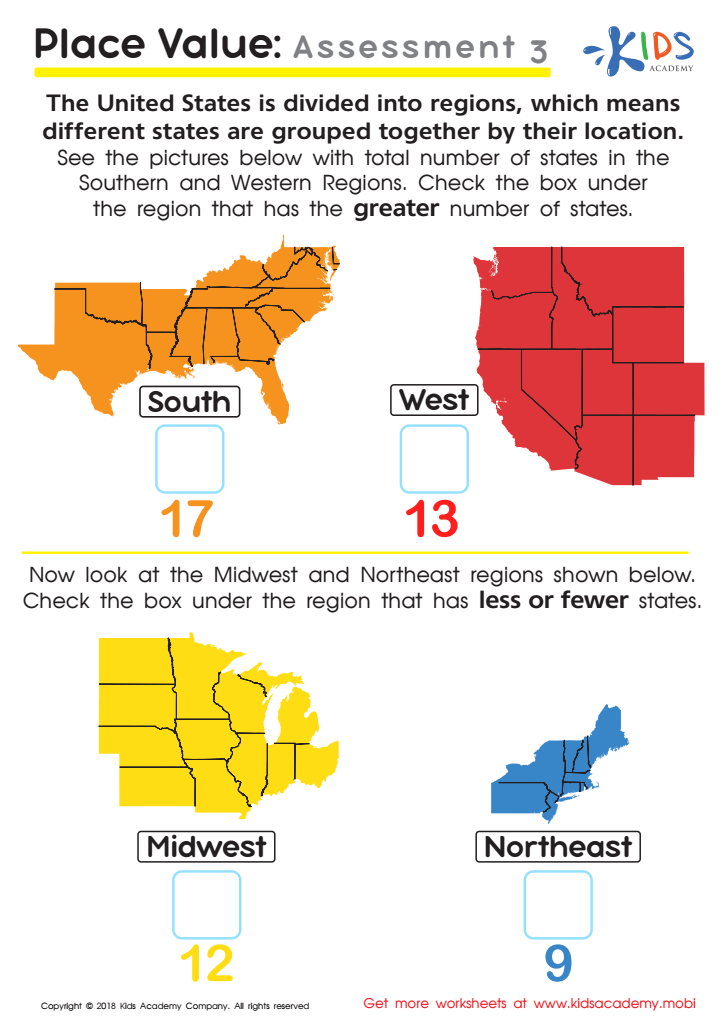
Place Value: Assessment 3 Worksheet
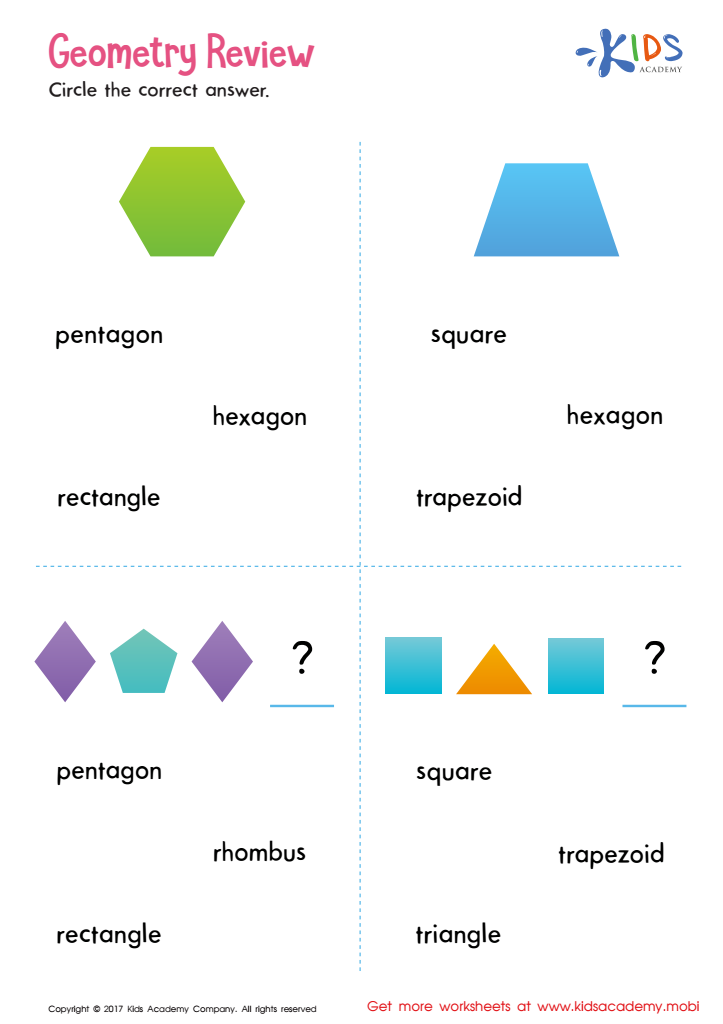
Geometry Review Printable
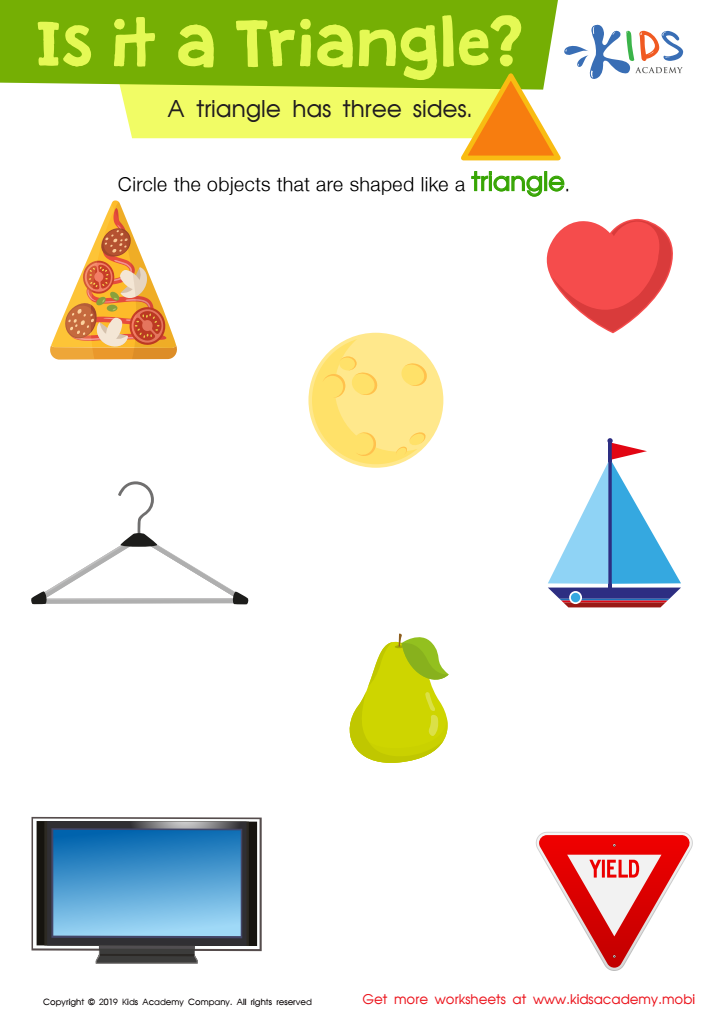
Is It a Triangle? Worksheet
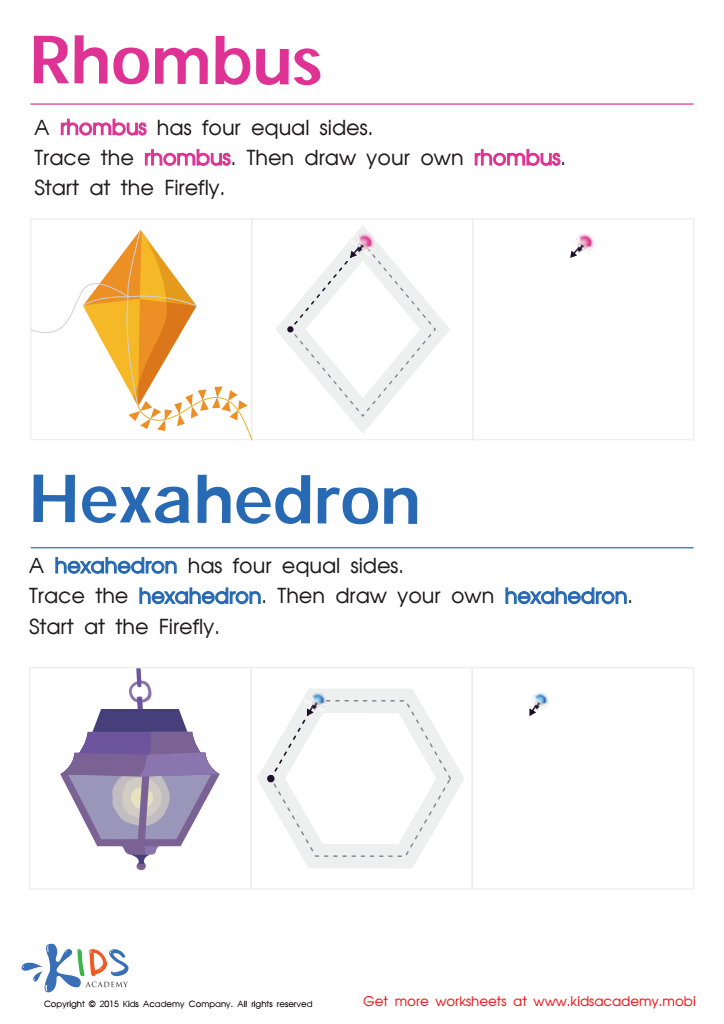
Draw a Rhombus And a Hexahedron Printable
Number 2 Printable
 Assign to My Students
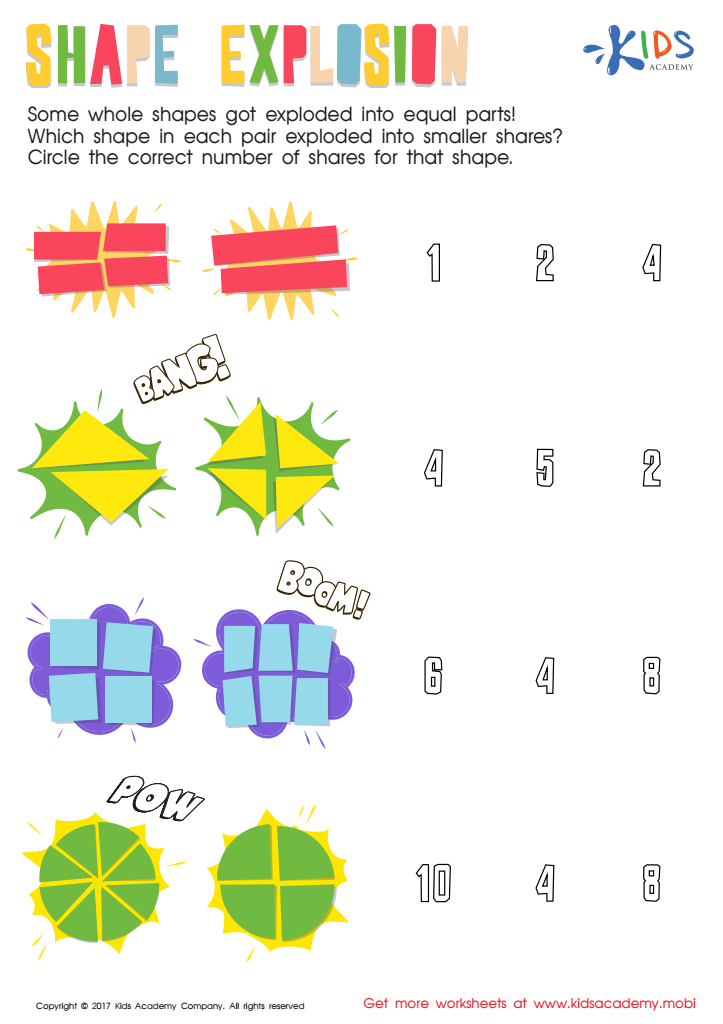
Shape Explosion Worksheet



.jpg)



.jpg)
Shape identification is a fundamental mathematical skill for children aged 5 to 9, serving as a vital foundation for their overall cognitive development. Understanding shapes equips children with critical problem-solving abilities and enhances their spatial awareness, which is essential in daily life and future math learning.
Parents and teachers should prioritize shape identification because it aids in developing observational skills and encourages critical thinking. Recognizing shapes allows children to categorize objects in their environment, facilitating early algebraic reasoning and enhancing their ability to make connections between different concepts. Furthermore, by engaging children in shape-related activities, such as sorting and creating, educators can boost their creativity and fine motor skills.
Additionally, shape recognition is often intertwined with patterns, symmetry, and geometry, making it integral to a well-rounded math curriculum. Early mastery of these concepts sets the stage for more complex math topics in later years, fostering confidence and a positive attitude toward math.
Moreover, recognizing how shapes relate to each other promotes teamwork and communication among young learners, paving the way for collaboration skills essential in adulthood. By supporting children in shape identification, parents and teachers encourage a love for learning that can last a lifetime.








