Visual perception improvement Math Worksheets for Ages 5-9
14 filtered results
-
From - To
Enhance your child's math skills and visual perception with our curated "Visual Perception Improvement Math Worksheets for Ages 5-9". Designed to target key cognitive abilities, these engaging worksheets help young learners improve their ability to recognize patterns, differentiate shapes, and develop spatial awareness. Through a variety of fun activities and exercises, children will build foundational math skills while strengthening their visual processing. Ideal for home or school use, our worksheets provide an excellent resource to support academic growth and boost confidence in math. Start your child's journey to better visual and mathematical acuity today!
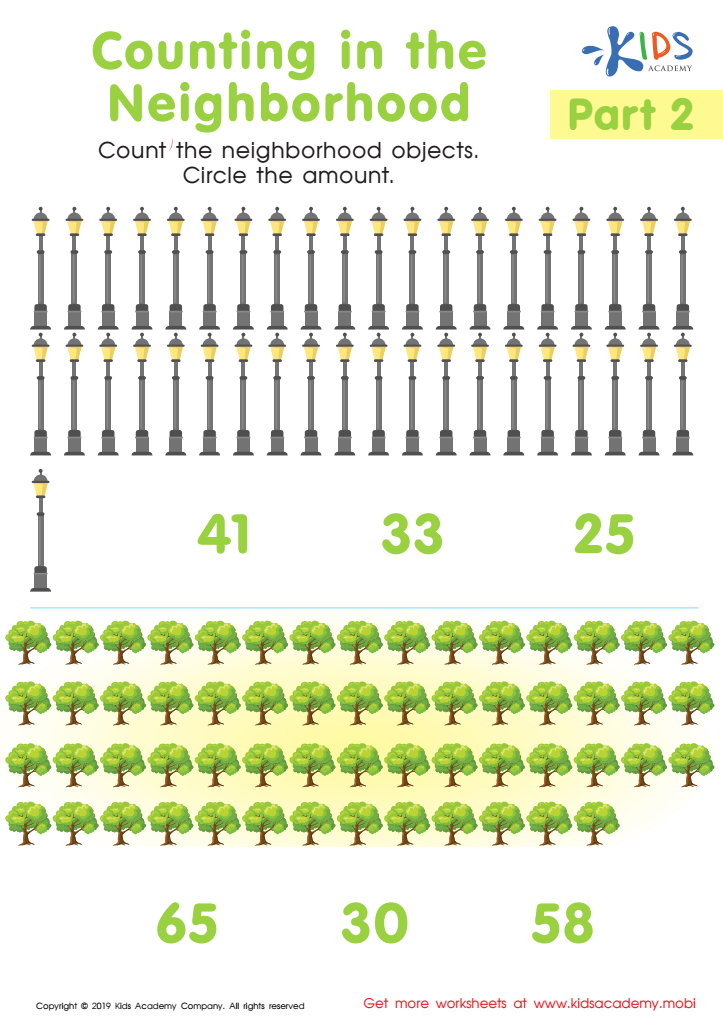
Counting In The Neighborhood Part 2 Worksheet
 Assign to My Students
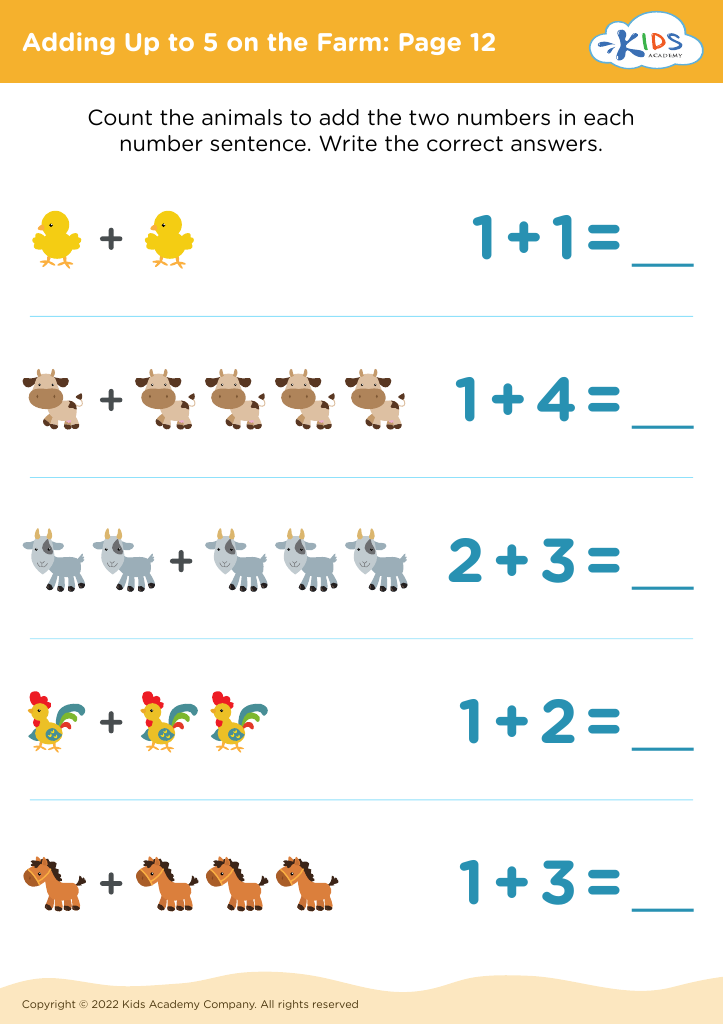
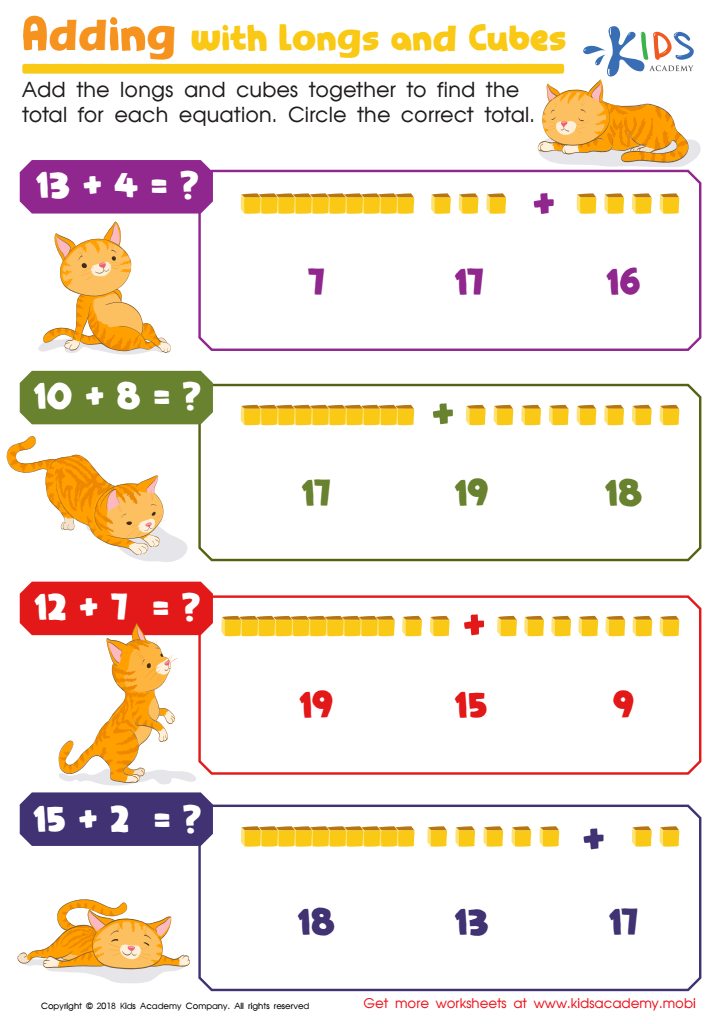
Adding With Longs and Cubes Worksheet
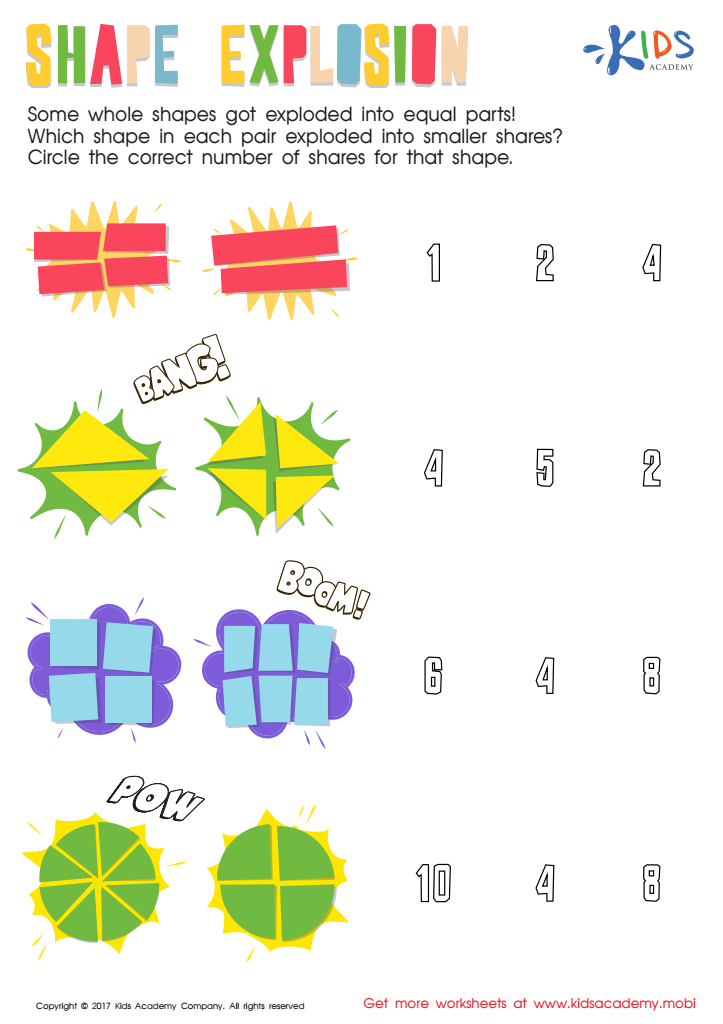
Shape Explosion Worksheet
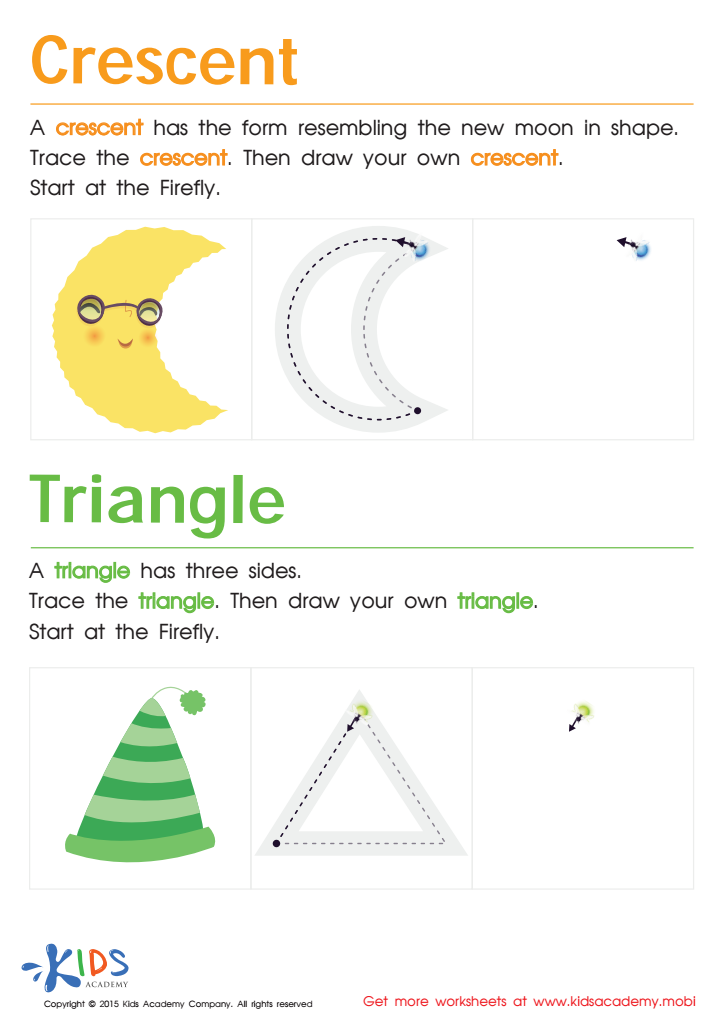
Learning to Draw Crescents And Triangles Worksheet
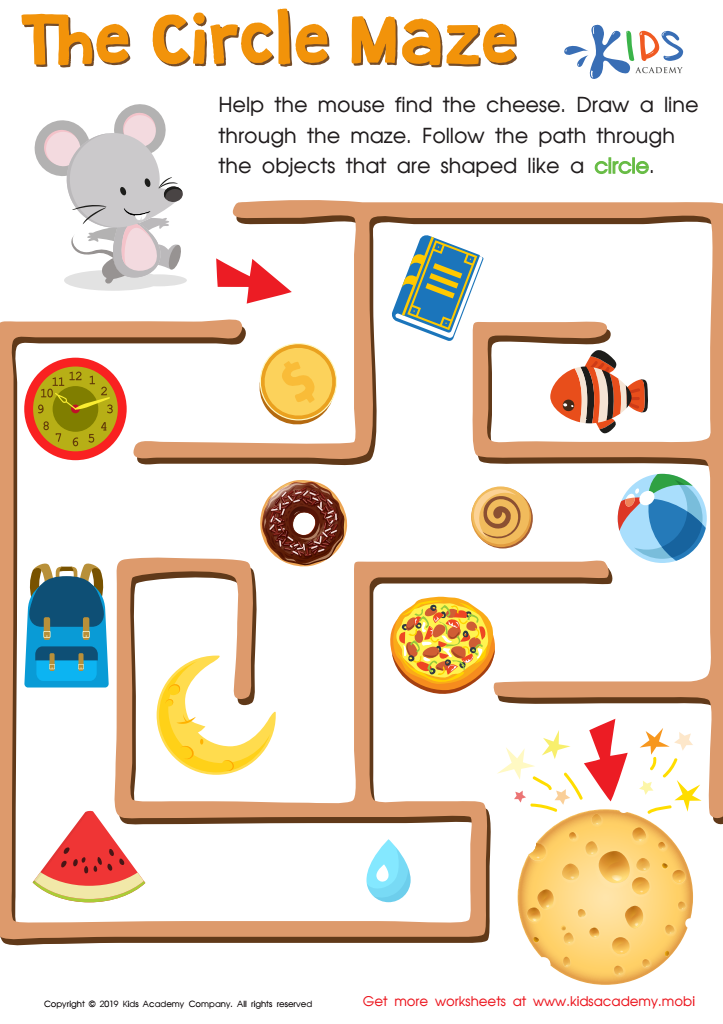
The Circle Maze Worksheet
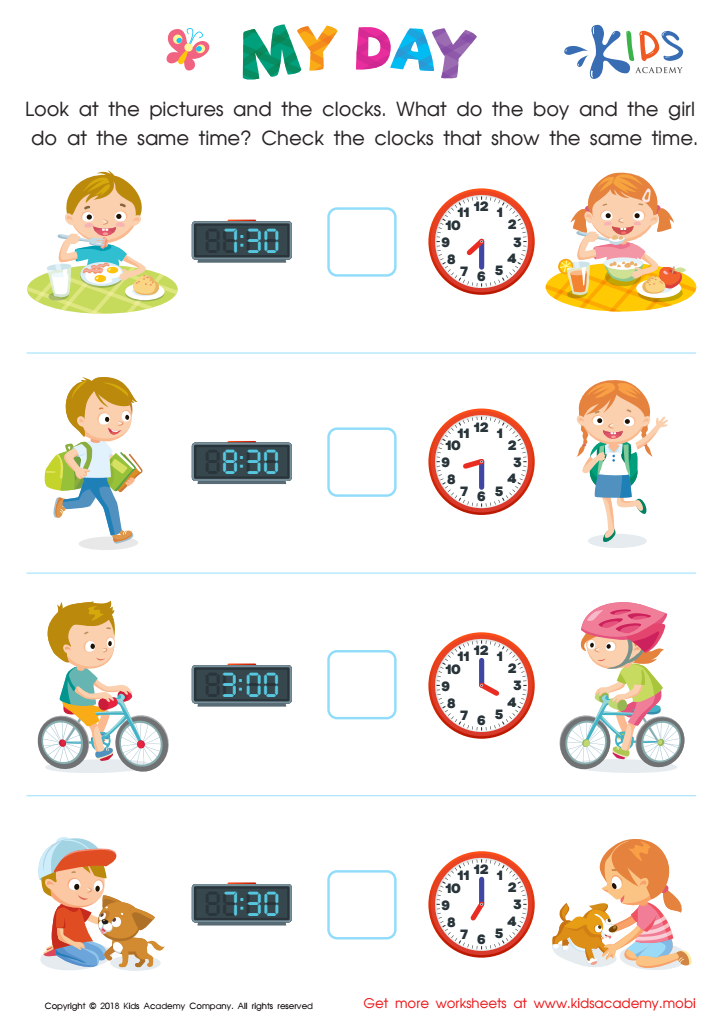
My Day Worksheet
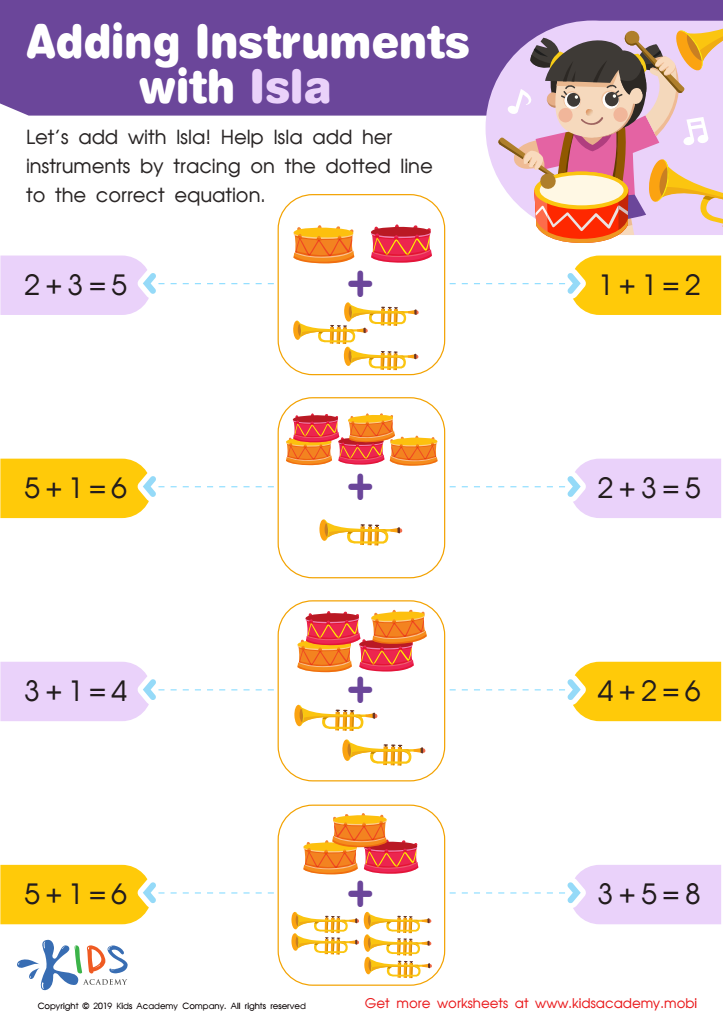
Adding Instruments with Isla Worksheet







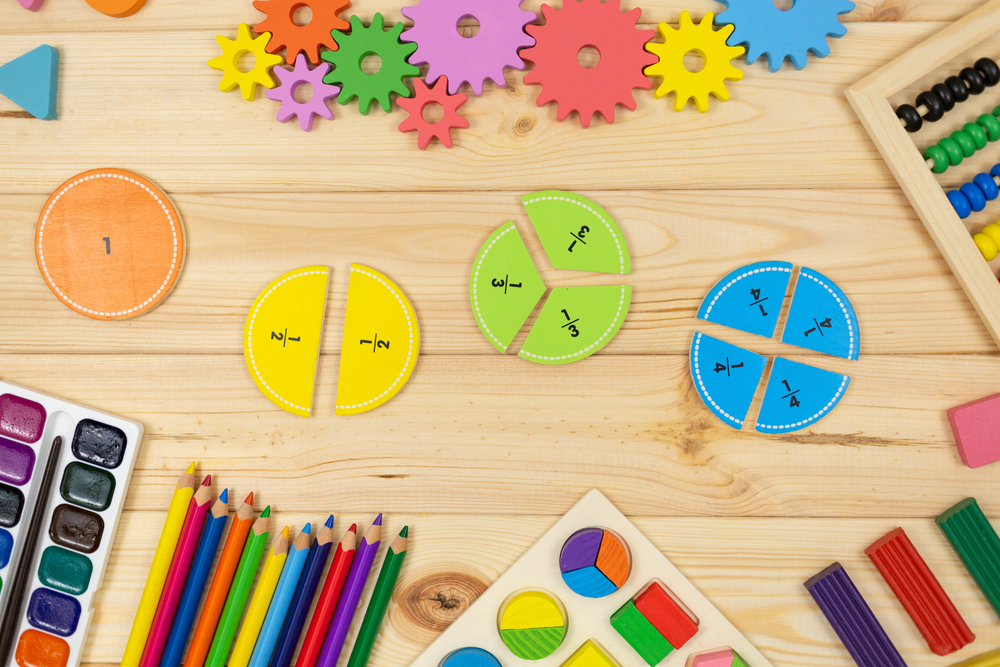
Visual perception improvement in math is crucial for children ages 5-9, as it forms the foundation for more complex cognitive and mathematical abilities. Visual perception refers to the brain's ability to interpret and make sense of visual stimuli, which includes recognizing patterns, differentiating between various shapes and symbols, and spatial awareness. Here's why parents and teachers should prioritize it:
-
Building Blocks: Visual perception skills are fundamental in early math education. Recognizing numbers, understanding geometric shapes, interpreting graphs, and recognizing patterns requires strong visual processing capabilities.
-
Improved Problem-Solving: Children with strong visual perception can more easily identify and solve mathematical problems. They can better understand the relationship between objects, enabling them to grasp math concepts such as addition, subtraction, and basic geometry.
-
Enhanced Learning Abilities: Proficient visual perception supports overall academic growth. It aids in reading and writing, helping children decode words and comprehend texts. As reading is foundational to learning all subjects, visual perception improvements will translate across fields.
-
Confidence in Learning: Children who excel in visual perception typically show more confidence in their abilities. When students can quickly and accurately interpret visual information, they feel more competent, fostering a positive attitude towards learning and schooling in general.
-
Early Intervention: Identifying and improving visual perception issues early can prevent future learning difficulties.








