Logical thinking Matching Worksheets for Ages 5-9
5 filtered results
-
From - To
Explore our engaging Logical Thinking Matching Worksheets designed for children ages 5-9! These worksheets are perfect for young learners to develop essential critical thinking and problem-solving skills. Tailored to stimulate cognitive growth, each activity involves matching objects, shapes, or patterns to strengthen logical reasoning. With colorful illustrations and age-appropriate challenges, kids will enjoy learning while enhancing their attention to detail and memory skills. Ideal for classroom use or at-home practice, these worksheets help prepare your child for more complex concepts in math and science. Unlock your child's potential with fun and educational matching games today!
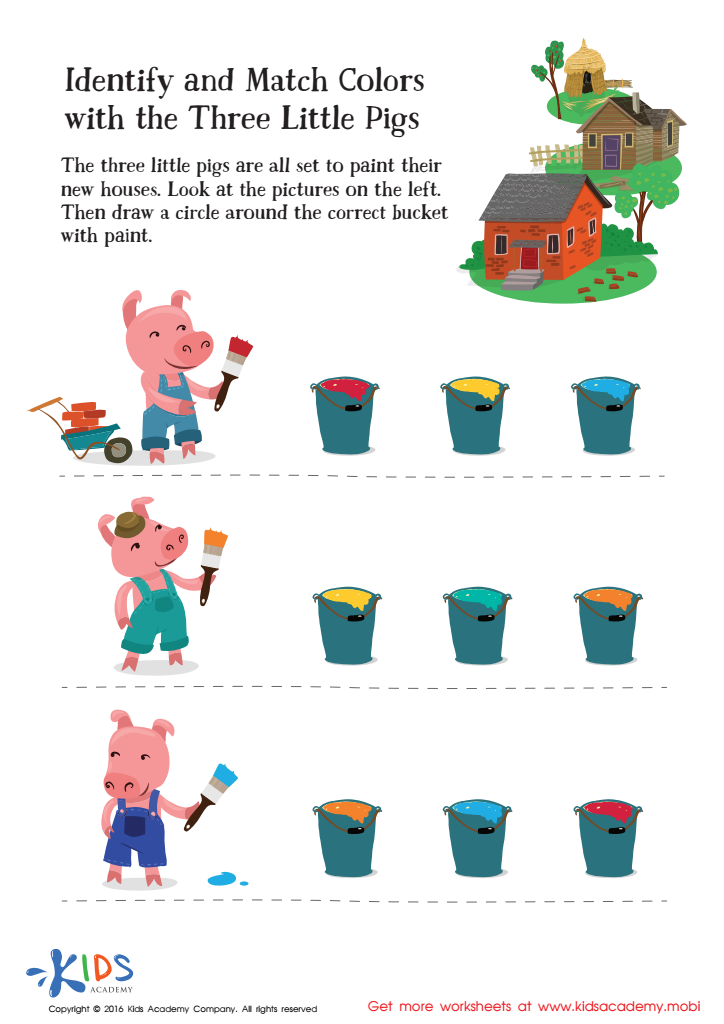
Fairy Tale Worksheet: Identify and Match Colors with Three Little Pigs
 Assign to My Students
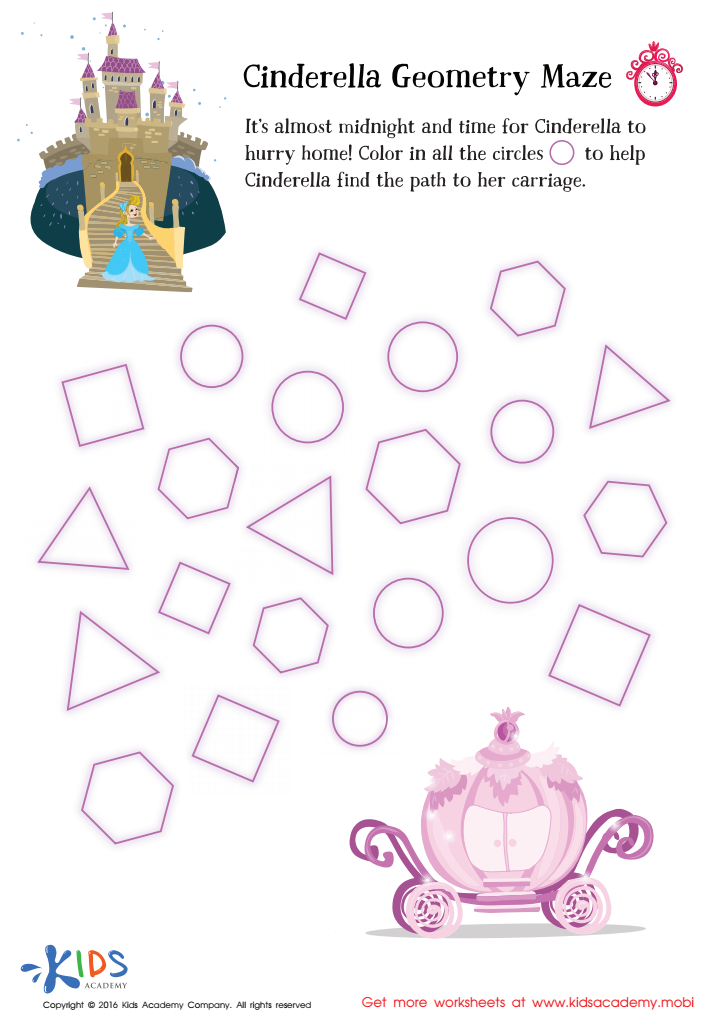
Cinderella Geometry Maze Worksheet
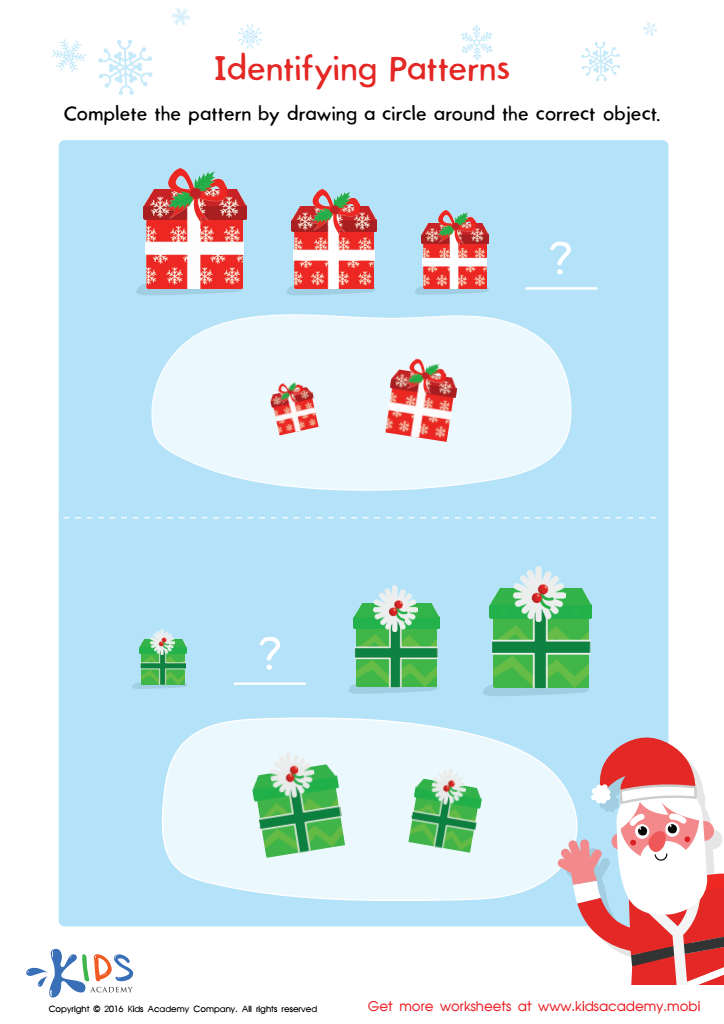
Identifying Patterns Worksheet
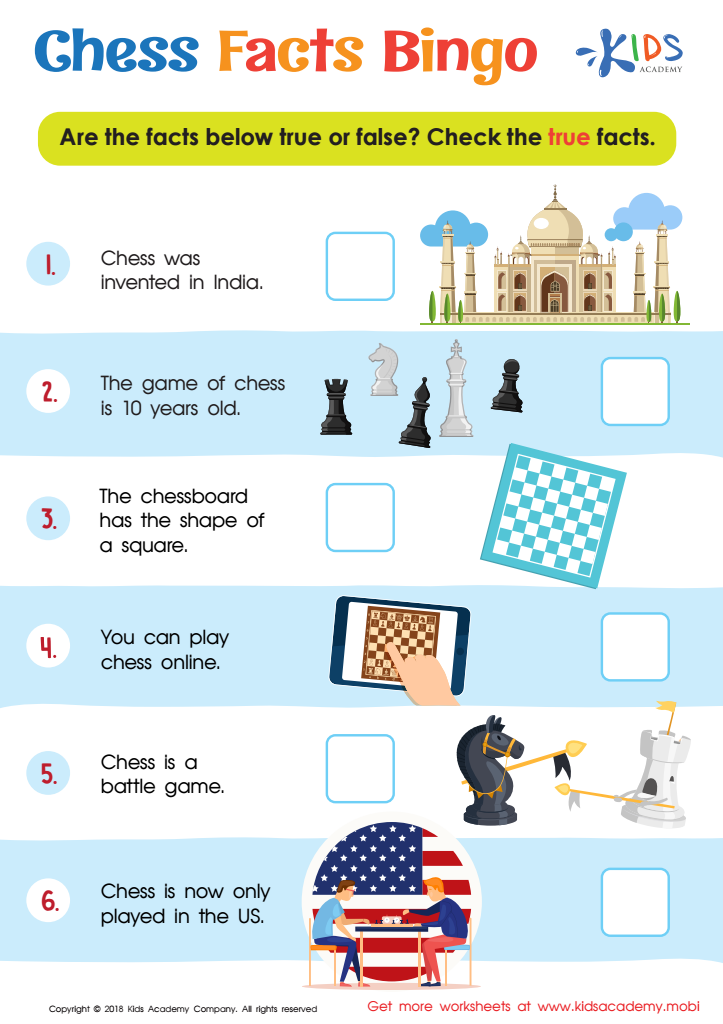
Chess Facts Bingo Worksheet
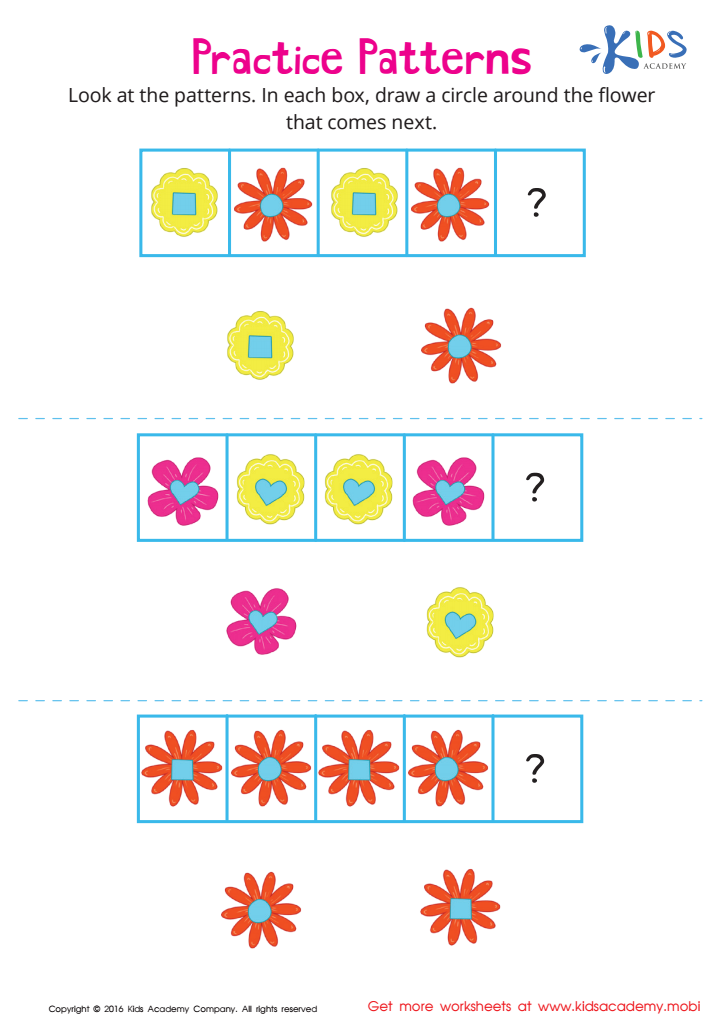


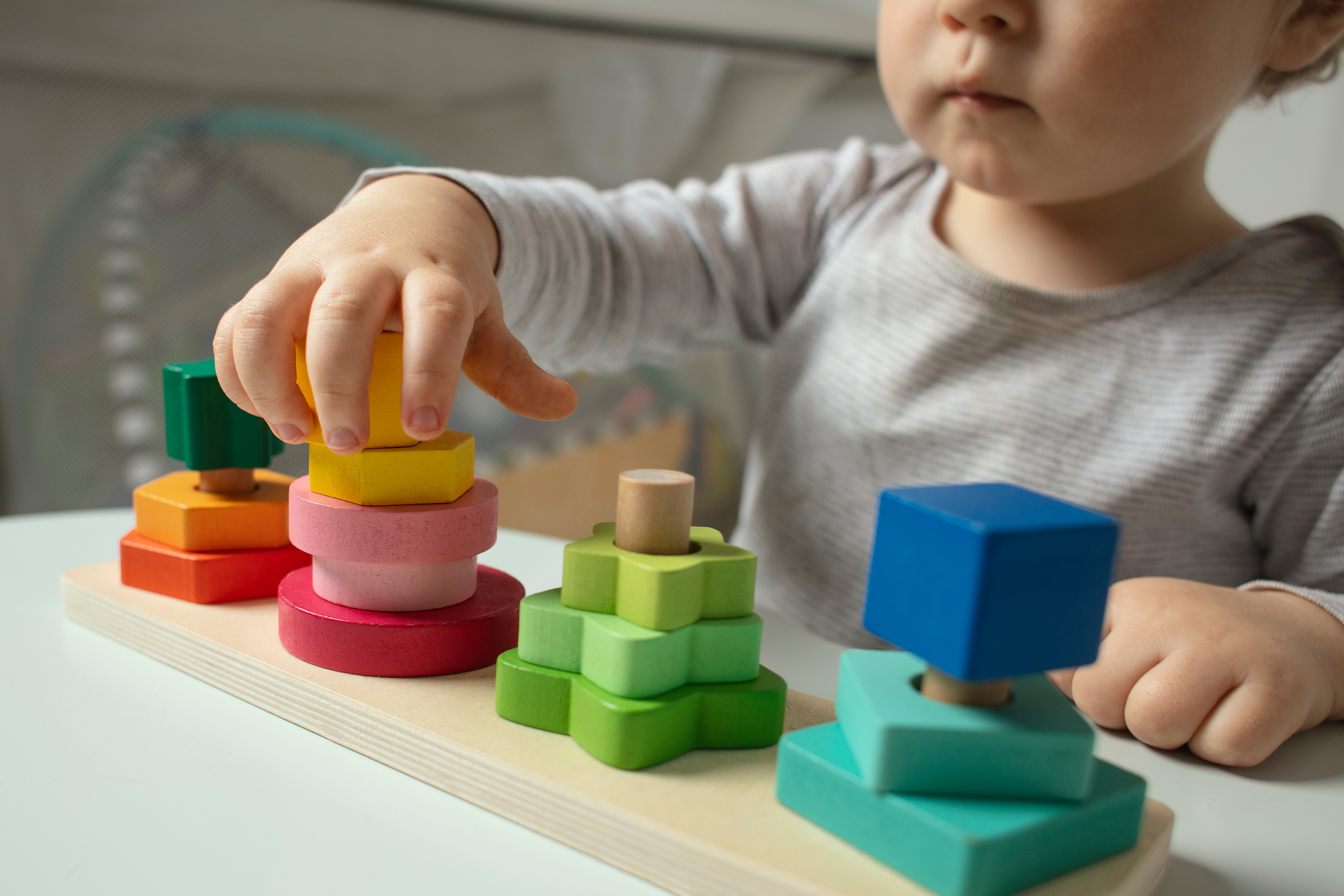





Logical thinking and matching activities play a crucial role in the cognitive development of children aged 5-9. During these formative years, children enhance their reasoning skills and build the foundation for more complex problem-solving abilities. Engaging in logical thinking exercises helps kids develop critical cognitive skills such as pattern recognition, categorization, and sequential reasoning, which are essential for math, science, and everyday decision-making.
For parents and teachers, promoting logical thinking through matching games fosters creativity and encourages teamwork during play. These activities stimulate a child’s curiosity and improve focus, laying the groundwork for successful learning experiences. Furthermore, matching tasks can be tailored to different levels of difficulty, accommodating individual learning paces and ensuring that every child feels challenged yet capable.
Moreover, logical thinking encourages social skills as children collaborate with their peers, communicate their thoughts, and learn the importance of turn-taking and fair play. This social aspect fosters emotional intelligence and helps children build healthy relationships. In today’s rapidly changing world, these skills not only prepare children for academic success but also equip them with tools to navigate life challenges, making the investment in logical thinking and matching activities essential for their overall development.








