Filters

478 filtered results

Clear all filters
Favorites
With answer key
Interactive

478 filtered results

Difficulty Level

Grade


Subject

    Check out this FREE Trial Lesson on Building Vocabulary for age 5-9!

    Match Objects that Fit Together

    Favorites
    With answer key
    Interactive
    • 5-9
    • Building Vocabulary
    Grade 1 Sight Words: When
    Grade 1 Sight Words: When

    Grade 1 Sight Words: When

    Grade 1 Sight Words: When
    Worksheet
    Preschool Sight Words: Yellow
    Preschool Sight Words: Yellow

    Preschool Sight Words: Yellow

    Preschool Sight Words: Yellow
    Worksheet
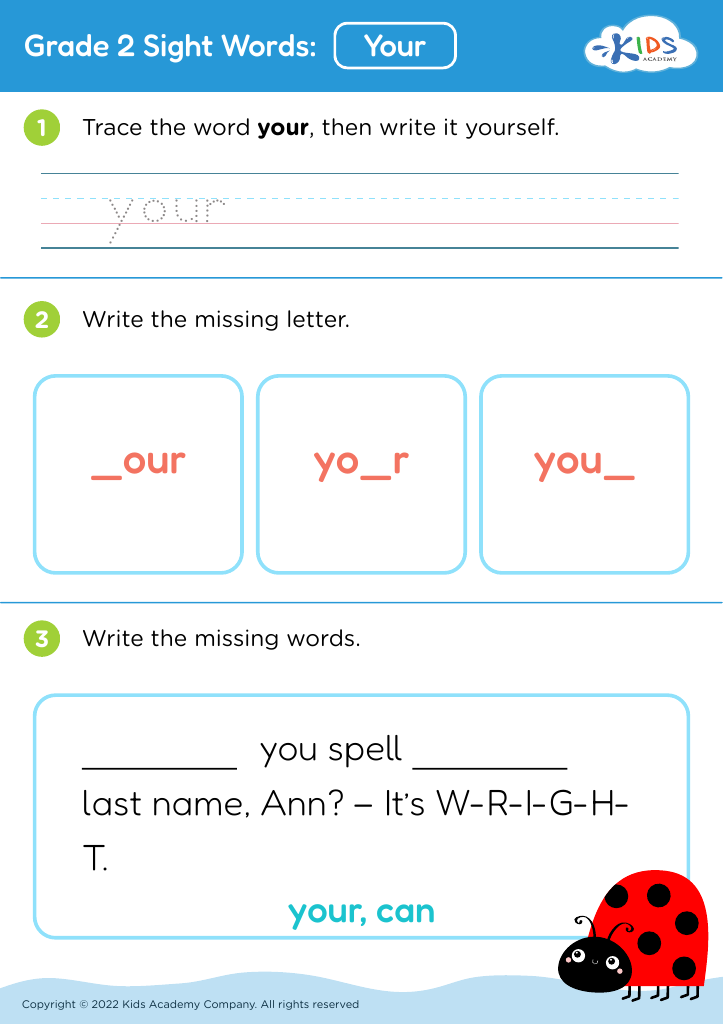
    Grade 2 Sight Words: Your
    Grade 2 Sight Words: Your

    Grade 2 Sight Words: Your

    Grade 2 Sight Words: Your
    Worksheet
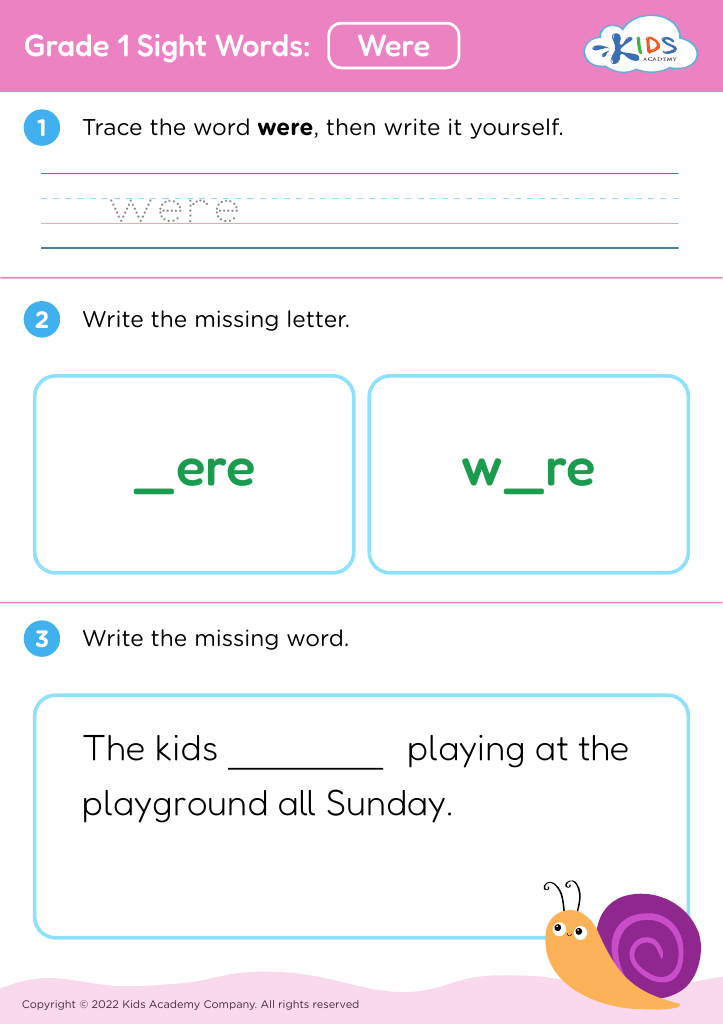
    Grade 1 Sight Words: Were
    Grade 1 Sight Words: Were

    Grade 1 Sight Words: Were

    Grade 1 Sight Words: Were
    Worksheet
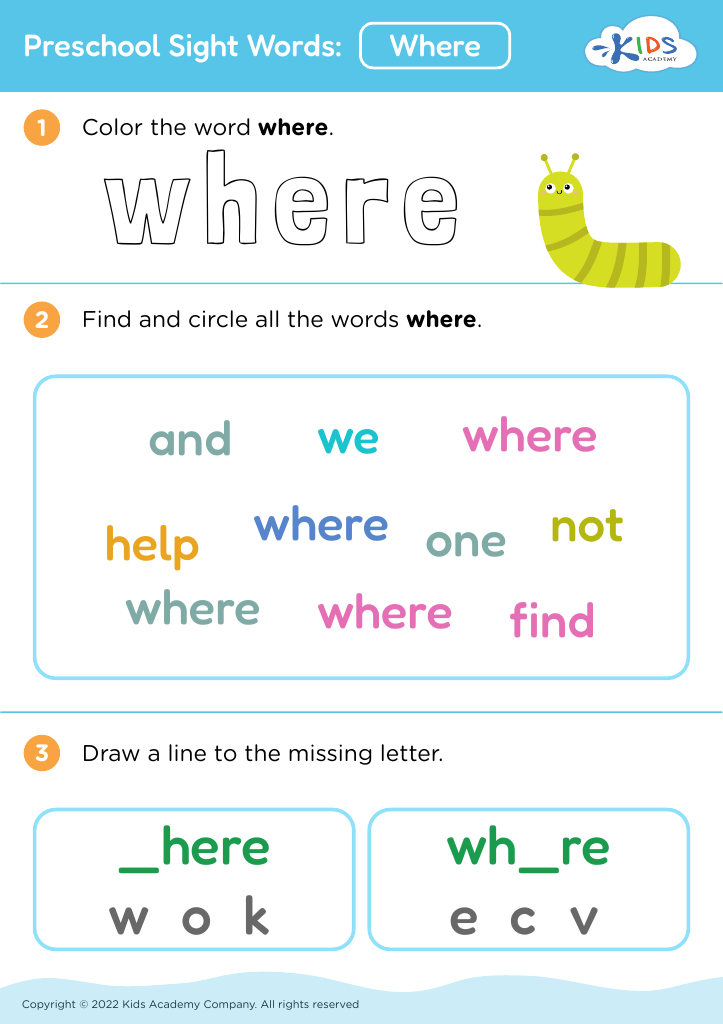
    Preschool Sight Words: Where
    Preschool Sight Words: Where

    Preschool Sight Words: Where

    Preschool Sight Words: Where
    Worksheet
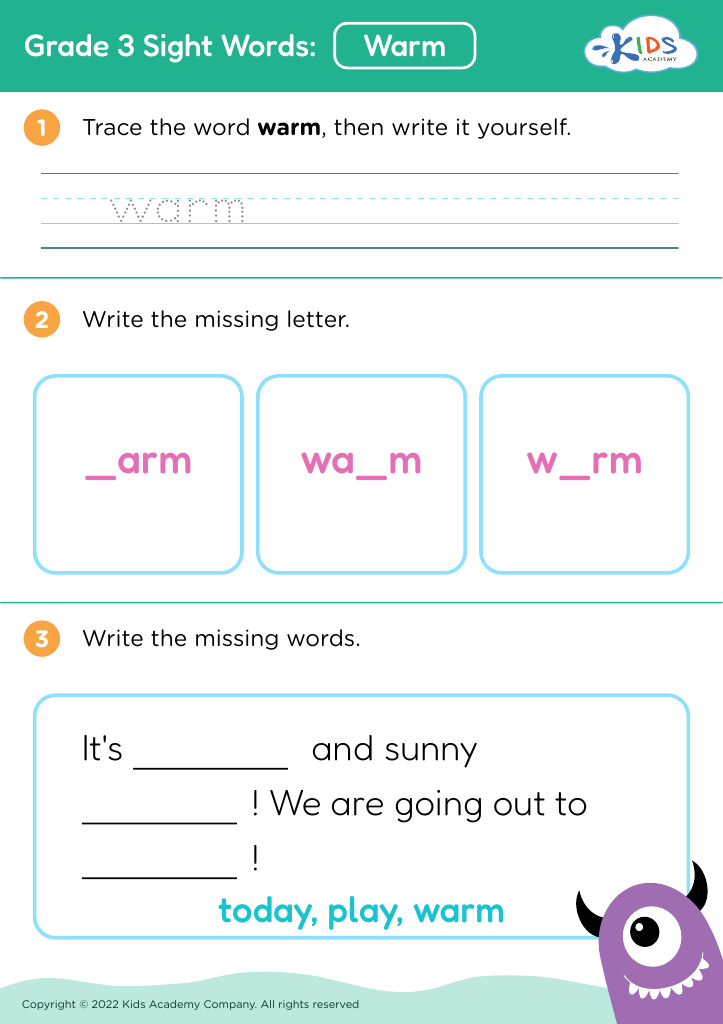
    Grade 3 Sight Words: Warm
    Grade 3 Sight Words: Warm

    Grade 3 Sight Words: Warm

    Grade 3 Sight Words: Warm
    Worksheet
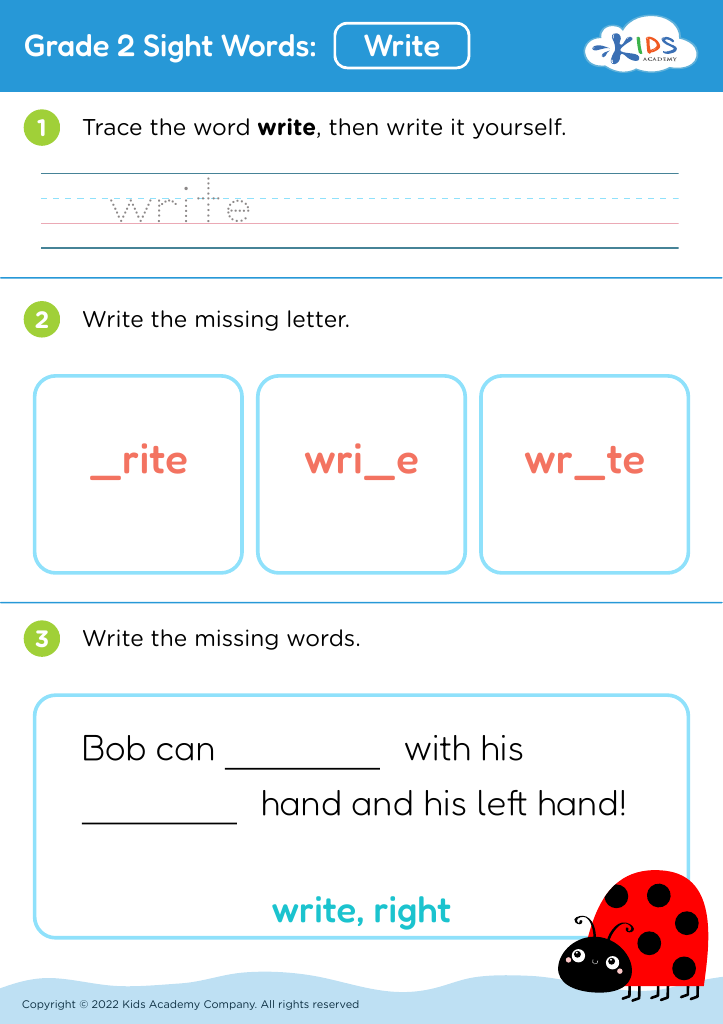
    Grade 2 Sight Words: Write
    Grade 2 Sight Words: Write

    Grade 2 Sight Words: Write

    Grade 2 Sight Words: Write
    Worksheet
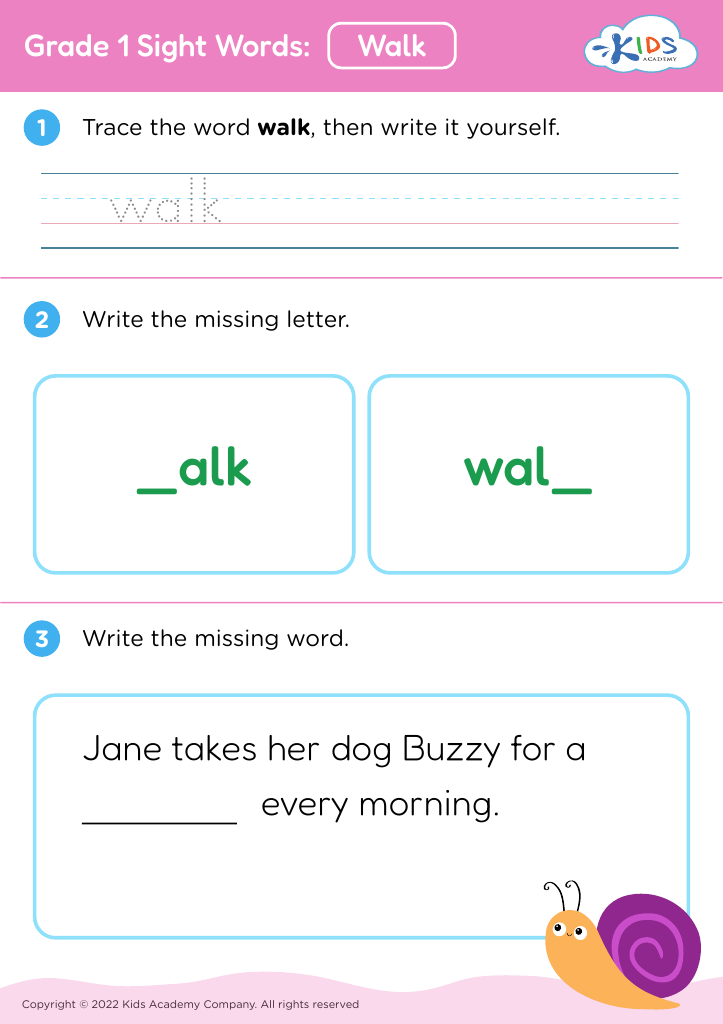
    Grade 1 Sight Words: Walk
    Grade 1 Sight Words: Walk

    Grade 1 Sight Words: Walk

    Grade 1 Sight Words: Walk
    Worksheet
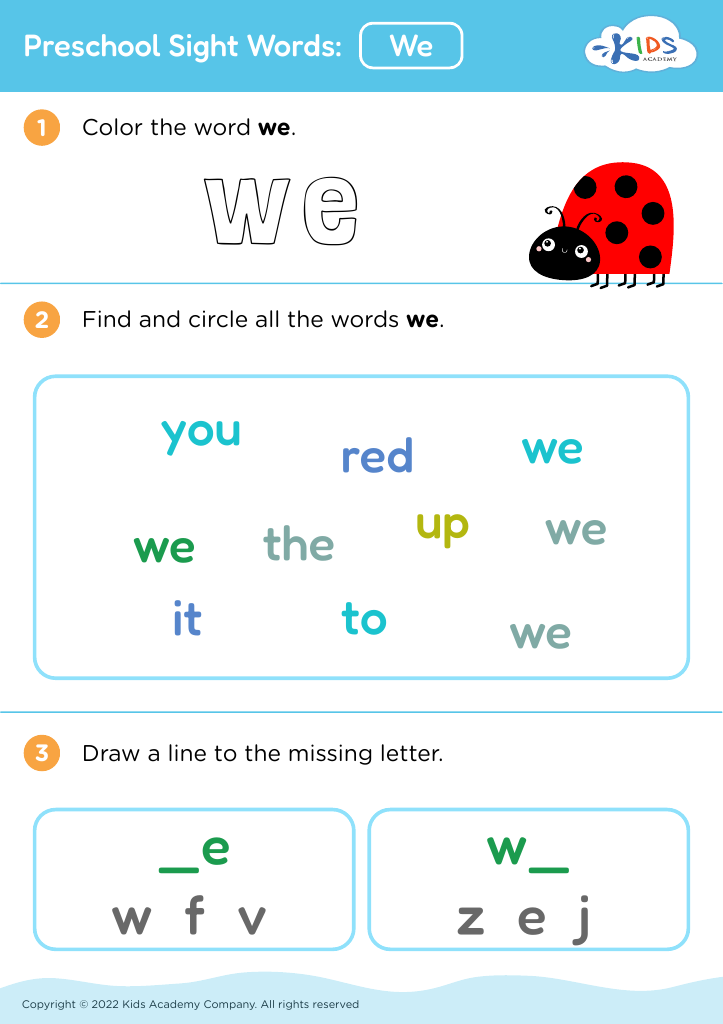
    Preschool Sight Words: We
    Preschool Sight Words: We

    Preschool Sight Words: We

    Preschool Sight Words: We
    Worksheet
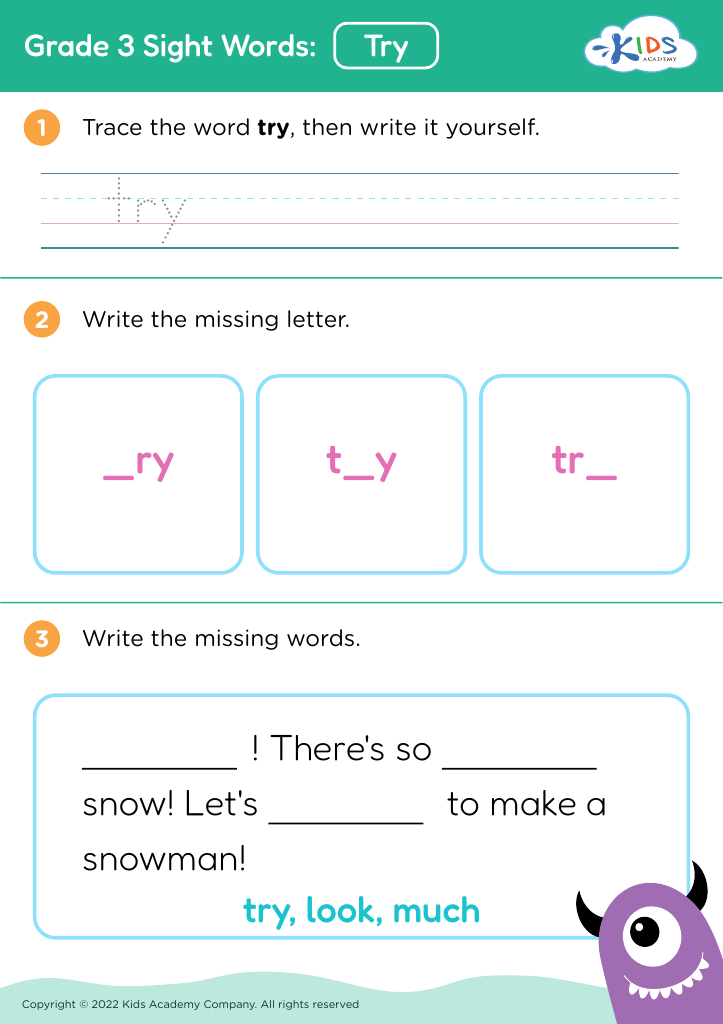
    Grade 3 Sight Words: Try
    Grade 3 Sight Words: Try

    Grade 3 Sight Words: Try

    Grade 3 Sight Words: Try
    Worksheet
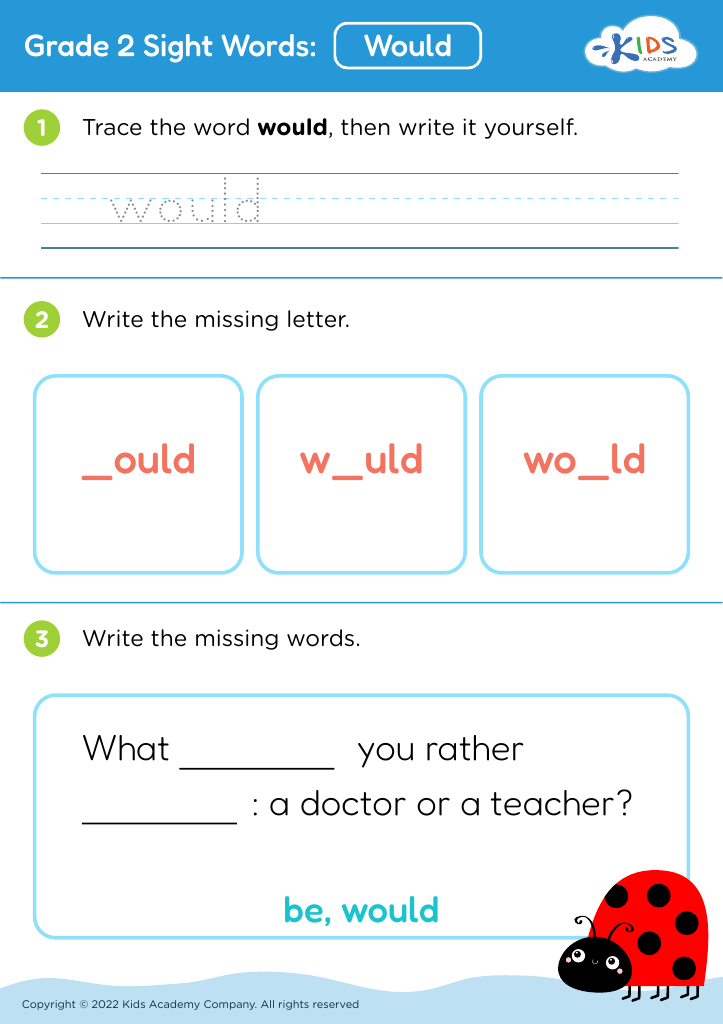
    Grade 2 Sight Words: Would
    Grade 2 Sight Words: Would

    Grade 2 Sight Words: Would

    Grade 2 Sight Words: Would
    Worksheet
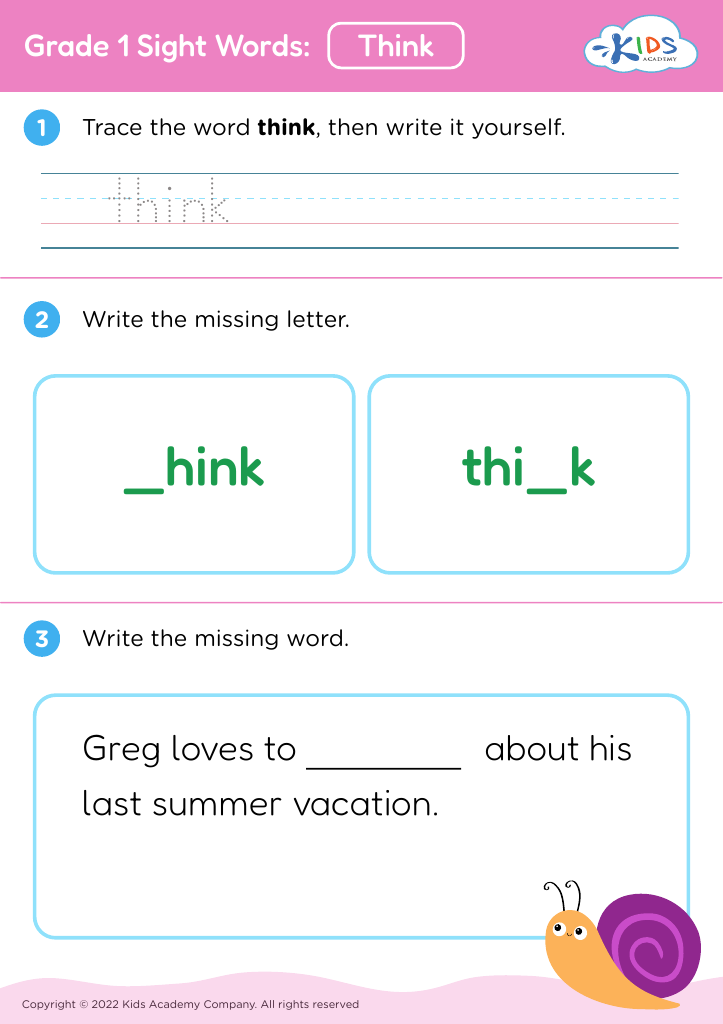
    Grade 1 Sight Words: Think
    Grade 1 Sight Words: Think

    Grade 1 Sight Words: Think

    Grade 1 Sight Words: Think
    Worksheet
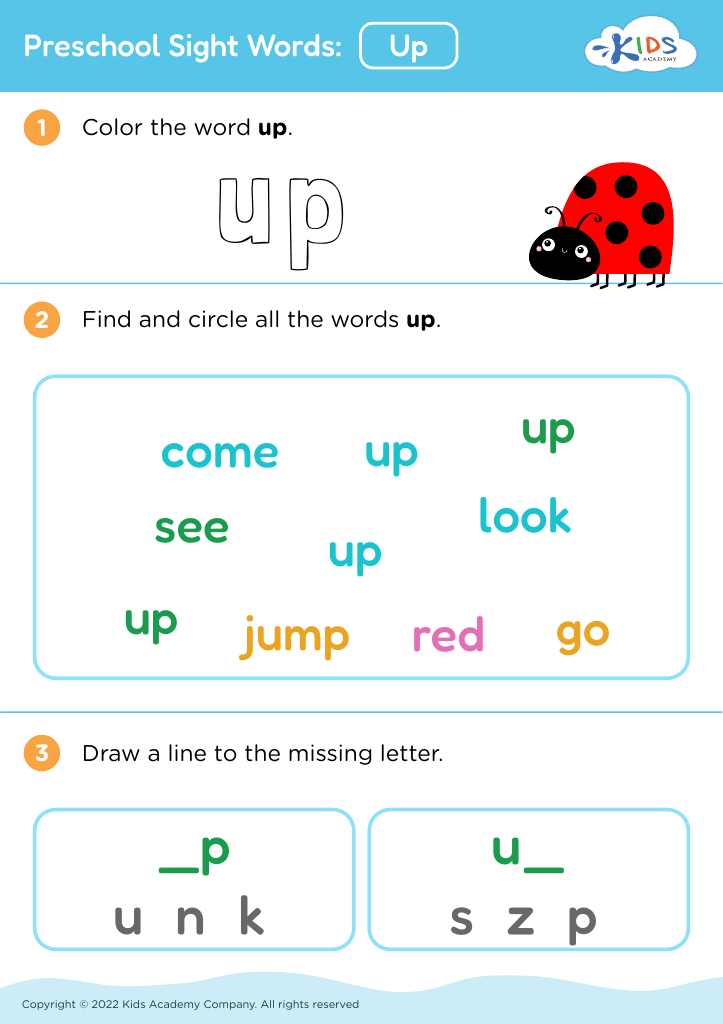
    Preschool Sight Words: Up
    Preschool Sight Words: Up

    Preschool Sight Words: Up

    Preschool Sight Words: Up
    Worksheet
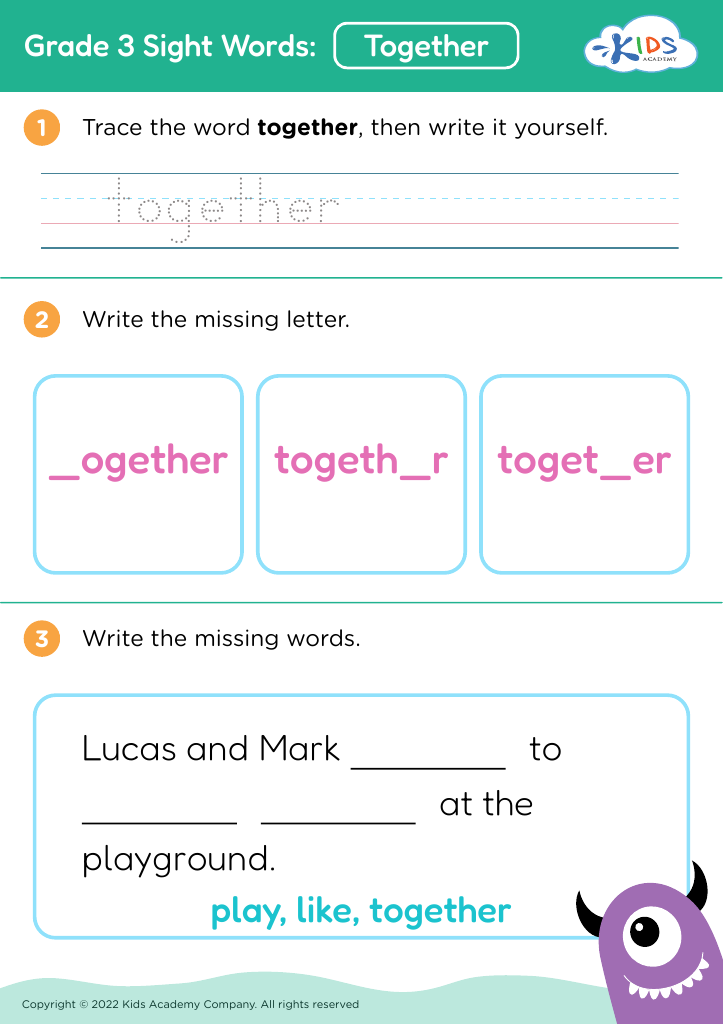
    Grade 3 Sight Words: Together
    Grade 3 Sight Words: Together

    Grade 3 Sight Words: Together

    Grade 3 Sight Words: Together
    Worksheet
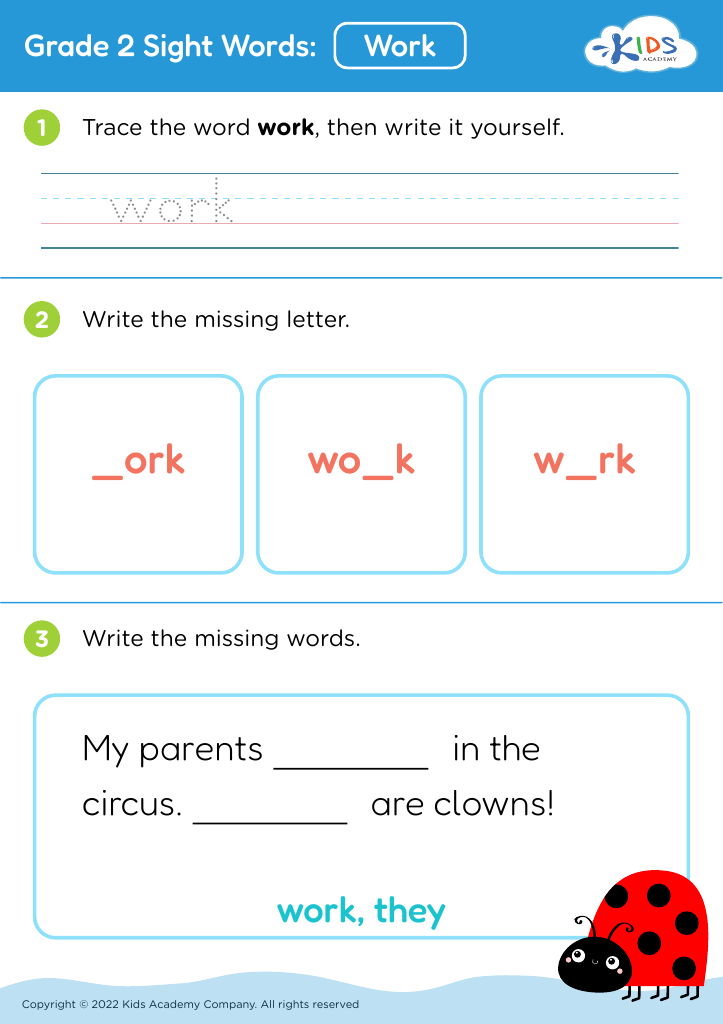
    Grade 2 Sight Words: Work
    Grade 2 Sight Words: Work

    Grade 2 Sight Words: Work

    Grade 2 Sight Words: Work
    Worksheet
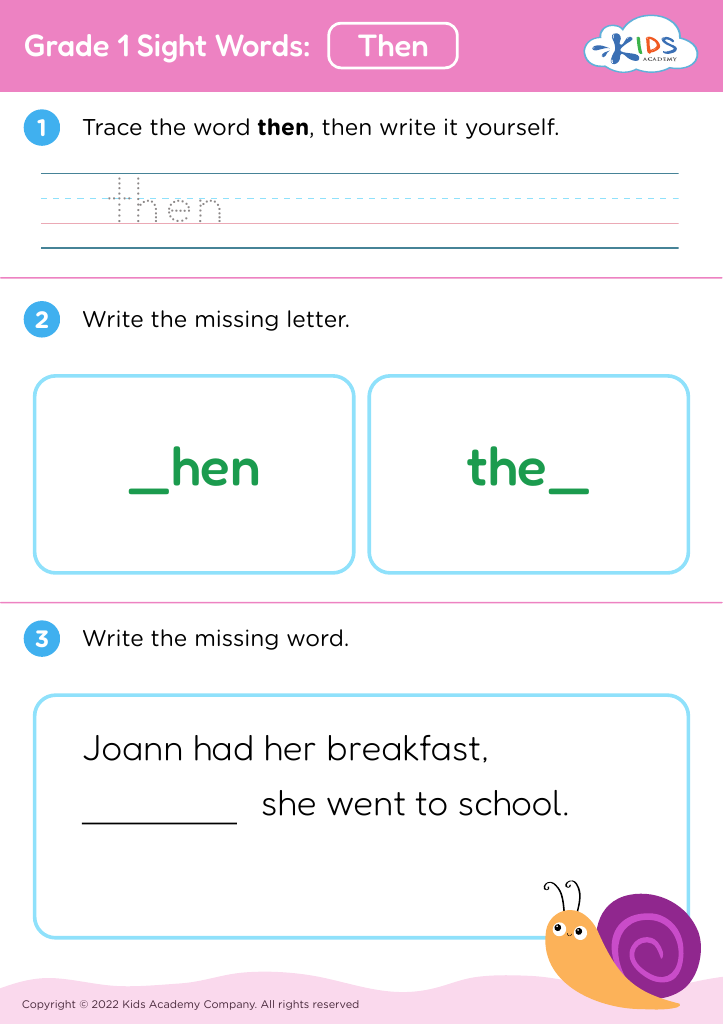
    Grade 1 Sight Words: Then
    Grade 1 Sight Words: Then

    Grade 1 Sight Words: Then

    Grade 1 Sight Words: Then
    Worksheet
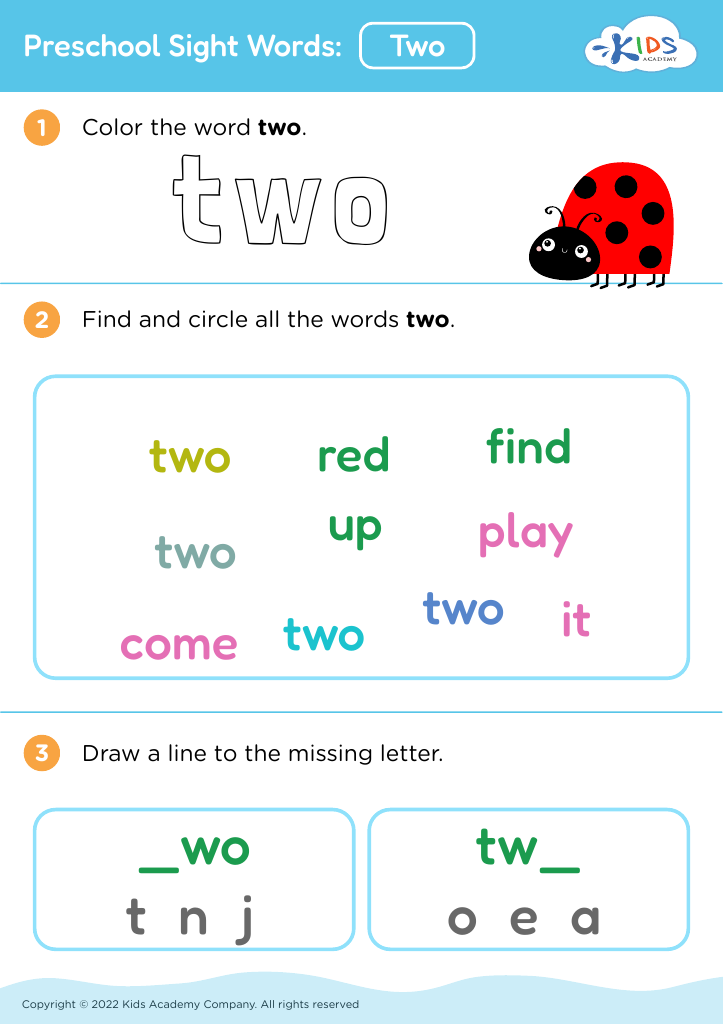
    Preschool Sight Words: Two
    Preschool Sight Words: Two

    Preschool Sight Words: Two

    Preschool Sight Words: Two
    Worksheet
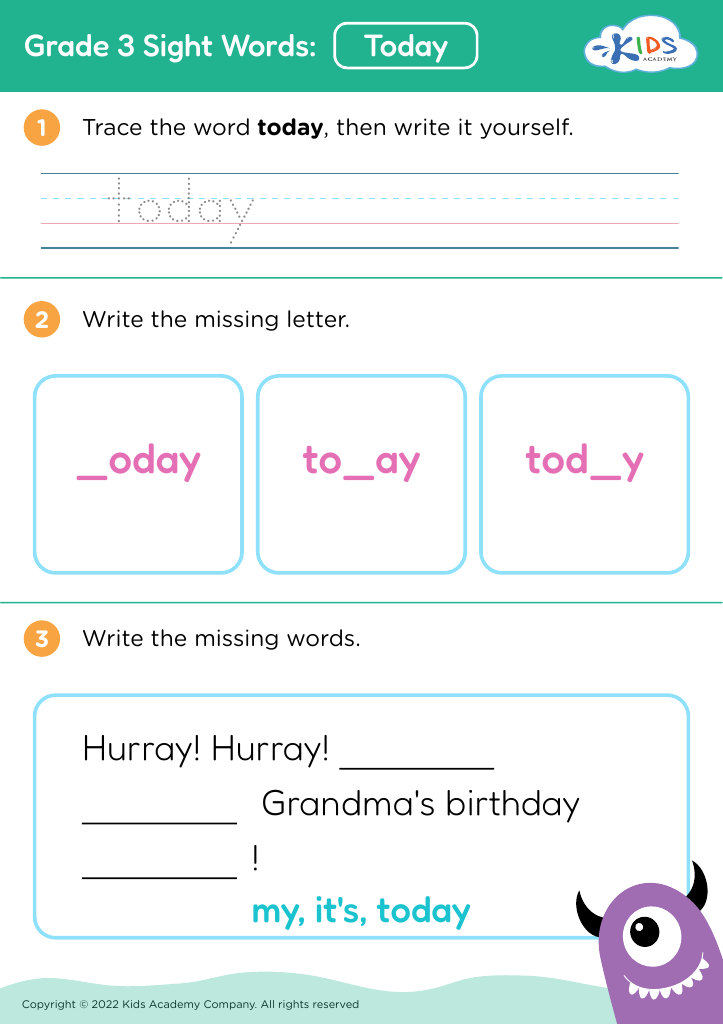
    Grade 3 Sight Words: Today
    Grade 3 Sight Words: Today

    Grade 3 Sight Words: Today

    Grade 3 Sight Words: Today
    Worksheet
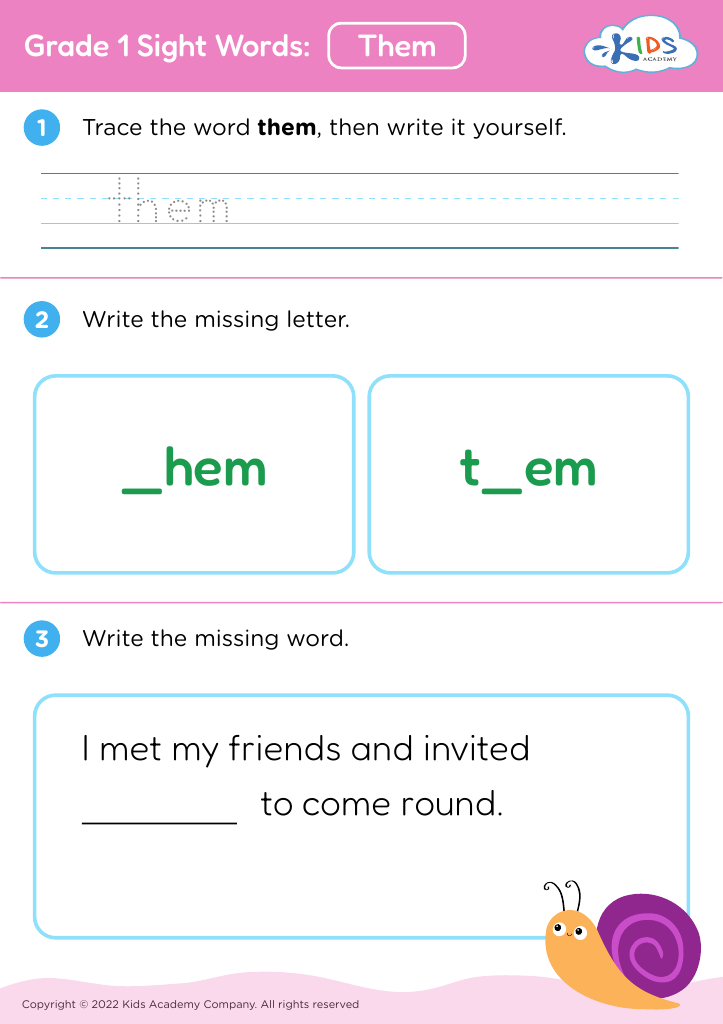
    Grade 1 Sight Words: Them
    Grade 1 Sight Words: Them

    Grade 1 Sight Words: Them

    Grade 1 Sight Words: Them
    Worksheet
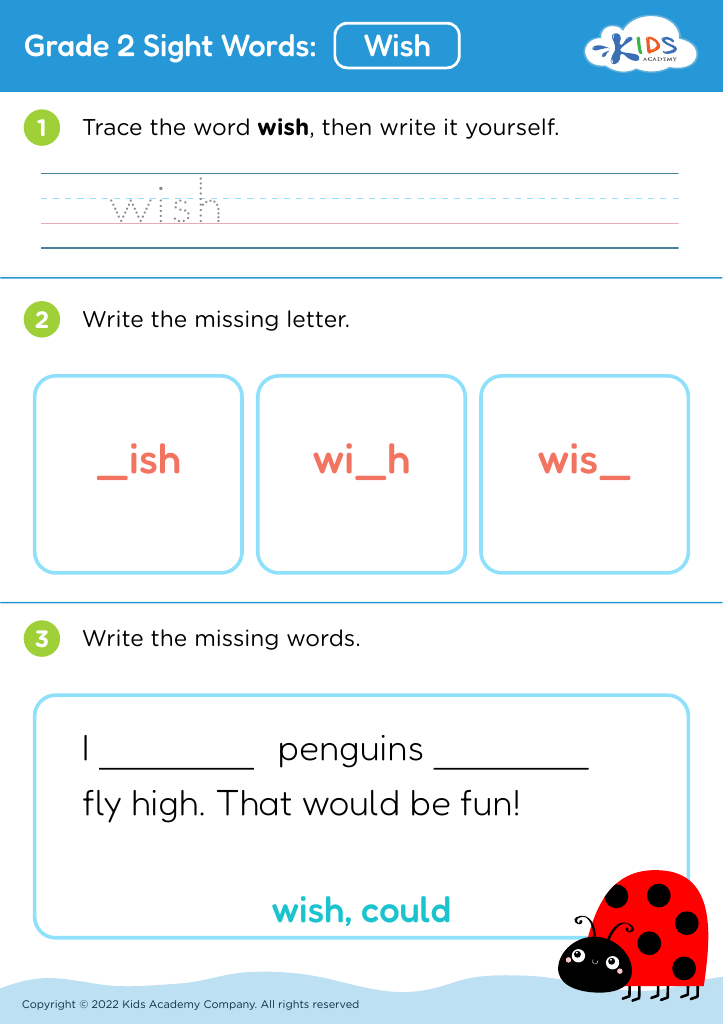
    Grade 2 Sight Words: Wish
    Grade 2 Sight Words: Wish

    Grade 2 Sight Words: Wish

    Grade 2 Sight Words: Wish
    Worksheet
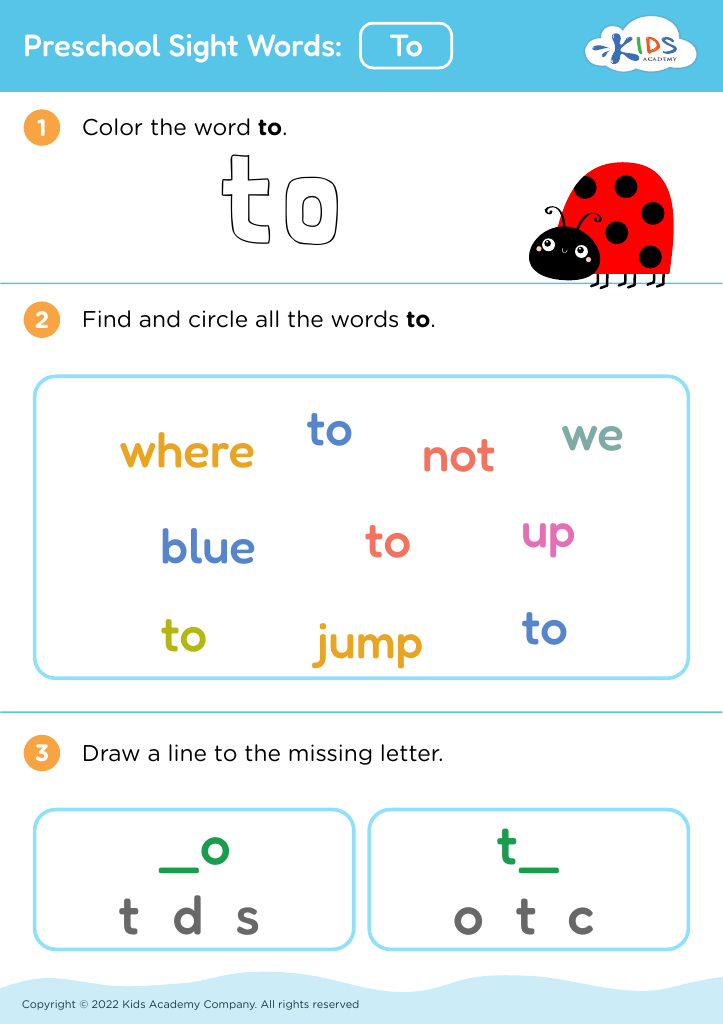
    Preschool Sight Words: To
    Preschool Sight Words: To

    Preschool Sight Words: To

    Preschool Sight Words: To
    Worksheet
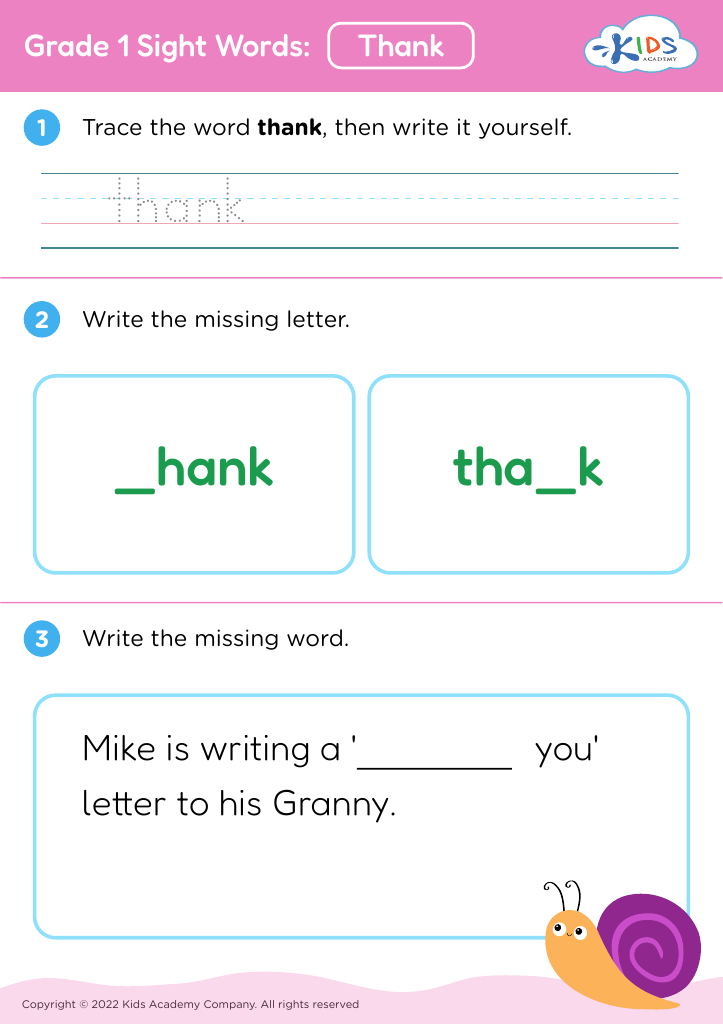
    Grade 1 Sight Words: Thank
    Grade 1 Sight Words: Thank

    Grade 1 Sight Words: Thank

    Grade 1 Sight Words: Thank
    Worksheet


    ... 19 20

    Building vocabulary for children ages 5-9 is crucial for their academic success and overall development. During this formative stage, children are rapidly acquiring language skills that serve as the foundation for effective communication, reading comprehension, and critical thinking. A robust vocabulary enables them to express their thoughts and feelings clearly, which is essential for social interactions and forming relationships with peers.

    Furthermore, vocabulary is directly linked to literacy skills. Research shows that children with a richer vocabulary tend to excel in reading comprehension, as they can more easily understand and engage with texts. This fluency not only helps them in school but also fosters a lifelong love of reading, enhancing their learning opportunities outside the classroom.

    Parents and teachers play a vital role in this developmental journey. Engaging children in conversations, providing exposure to diverse words through reading and storytelling, and encouraging curiosity about language can all significantly boost vocabulary acquisition. By prioritizing vocabulary development, adults help pave the way for improved academic performance and greater confidence in children. Investing time and effort in building vocabulary thus yields lasting benefits, equipping young learners with essential tools for success in school and in life.