Recognizing shapes Reading Worksheets for Ages 5-9
12 filtered results
-
From - To
Discover engaging and educational recognizing shapes reading worksheets, perfect for children ages 5-9. Our expertly designed activities help young learners develop essential reading and geometry skills by identifying and understanding different shapes. These worksheets enhance kids' comprehension, critical thinking, and visual discrimination abilities through interactive exercises and fun illustrations. Ideal for both classroom and homeschool settings, the worksheets are beneficial for fostering a love of learning and boosting academic success. Help your child master fundamental concepts with our high-quality, printable materials. Explore our collection and watch your little one flourish in recognizing shapes and reading!
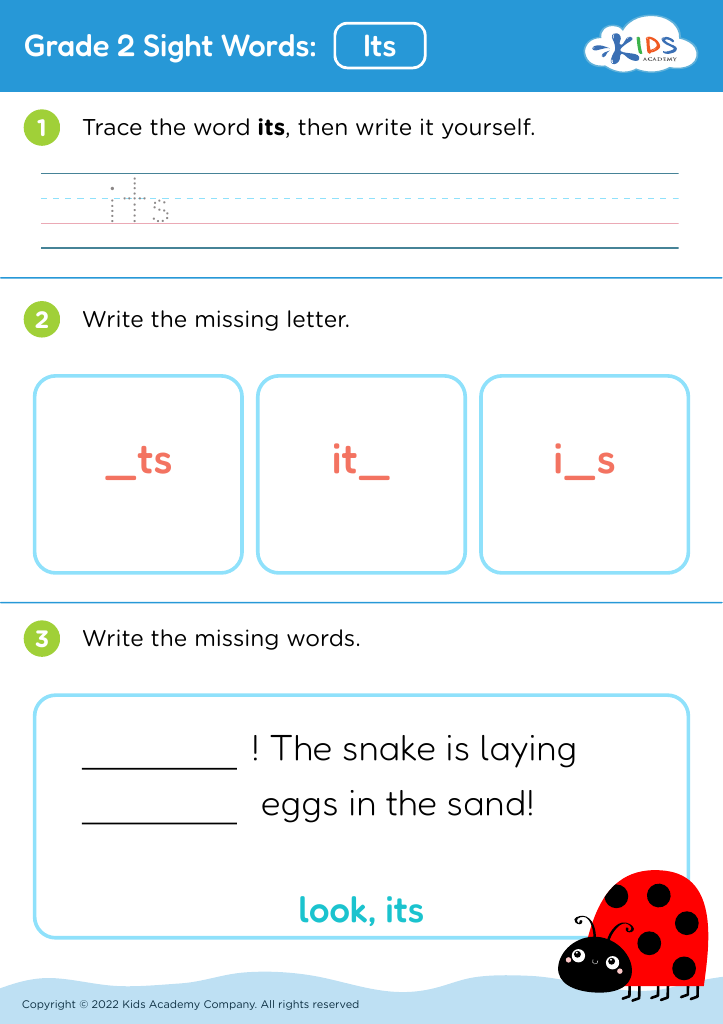
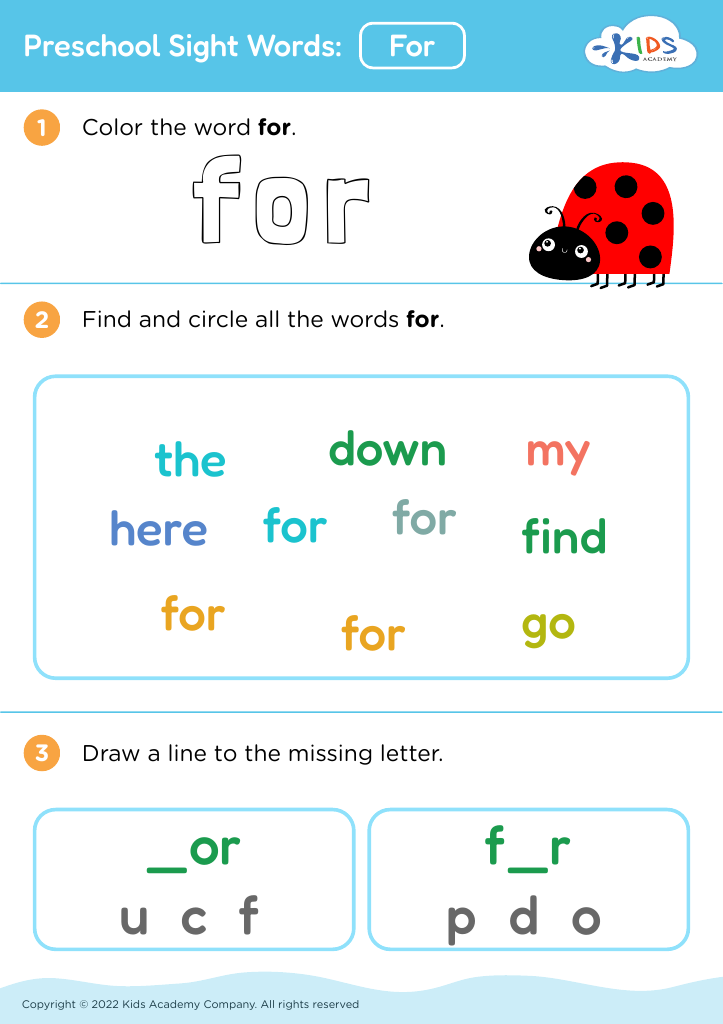
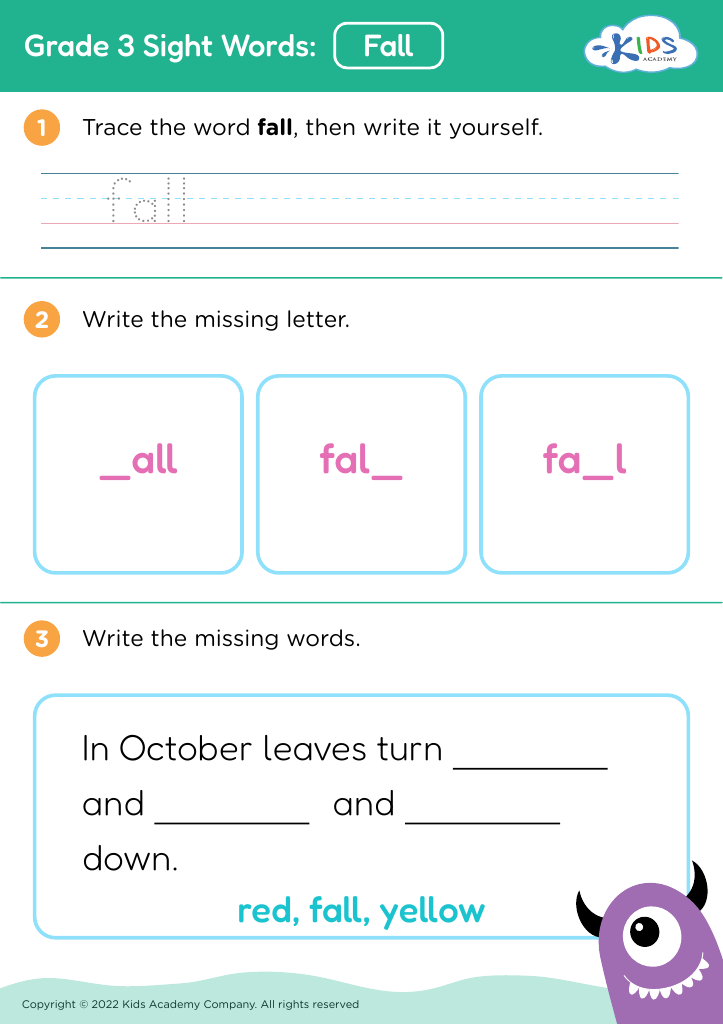
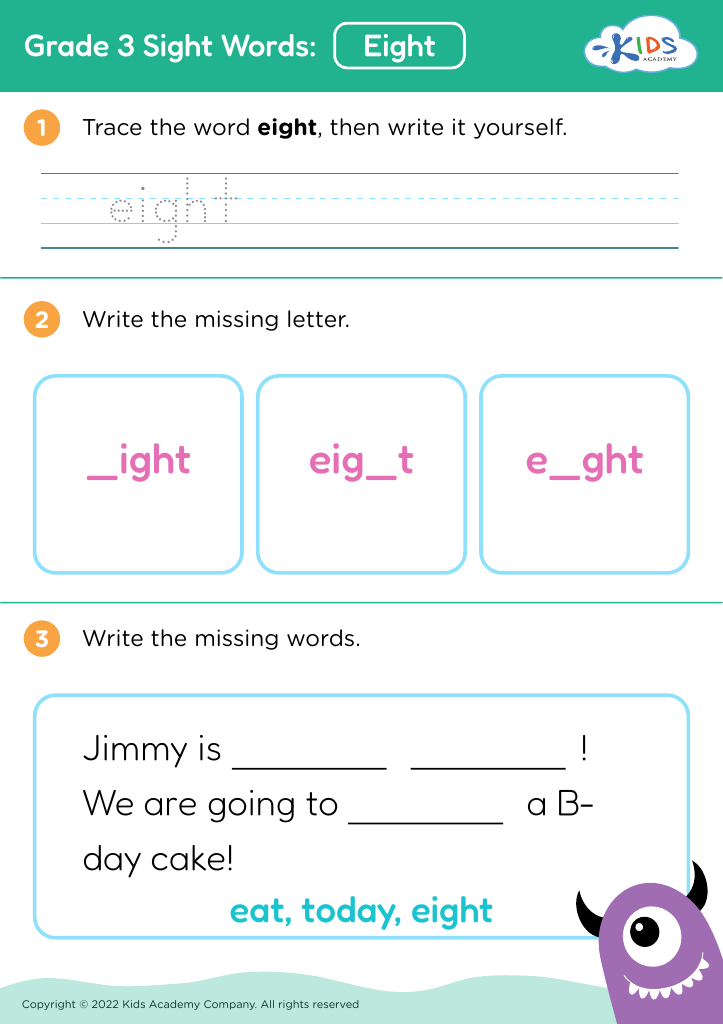








Recognizing shapes is fundamental in early childhood education and development, particularly for children aged 5-9. Shapes serve as building blocks for geometry and spatial awareness, both crucial components of later mathematical reasoning. When children learn to identify and understand shapes, they develop critical cognitive skills such as problem-solving and pattern recognition.
Parents and teachers should care about this foundational skill because it enhances a child's ability to understand and interpret the world around them. Shape recognition helps with the development of fine motor skills, such as cutting, drawing, and building, which are integral for activities like writing. For example, understanding that letters are composed of various shapes aids in reading and writing proficiency.
Moreover, recognizing shapes encourages observational skills and attention to detail, fostering a sense of wonder and curiosity about their environment. Interactive activities, such as shape-sorting games or constructing objects with various shapes, make learning engaging and enjoyable for children, solidifying their comprehension through play.
In essence, cultivating an early understanding of shapes sets the stage for a child's academic success across multiple subjects, reinforces cognitive development, and provides them with the necessary tools to navigate their educational journey confidently. Therefore, parents and teachers have a vested interest in nurturing this skill during the early years.








