Reading Non-Fiction Worksheets for Ages 5-9
97 filtered results
-
From - To
Discover our engaging Reading Non-Fiction Worksheets designed specifically for children ages 5-9! These worksheets encourage young learners to explore the exciting world of non-fiction through age-appropriate topics that spark curiosity and promote literacy. With activities tailored to enhance comprehension, vocabulary, and critical thinking skills, your child will develop a love for reading and a keen understanding of real-world concepts. Perfect for classroom or home use, our worksheets ensure a fun and educational experience tailored to early learners. Dive into fascinating facts, connect with the real world, and empower your child’s learning journey with our thoughtfully crafted resources today!
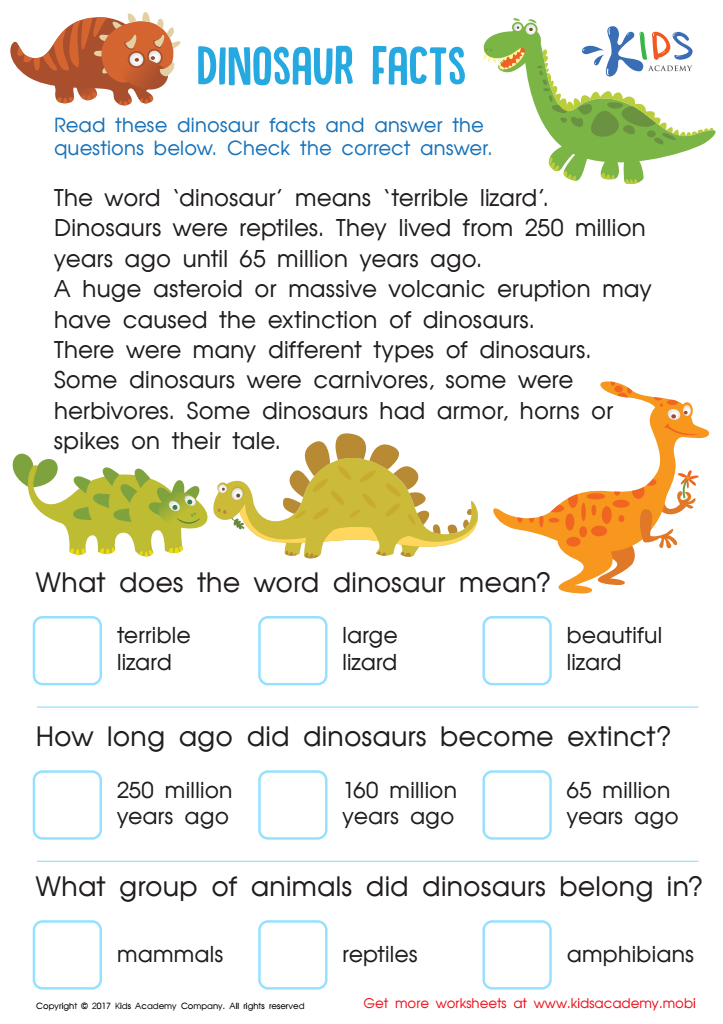
Dinosaur Facts Worksheet
 Assign to My Students
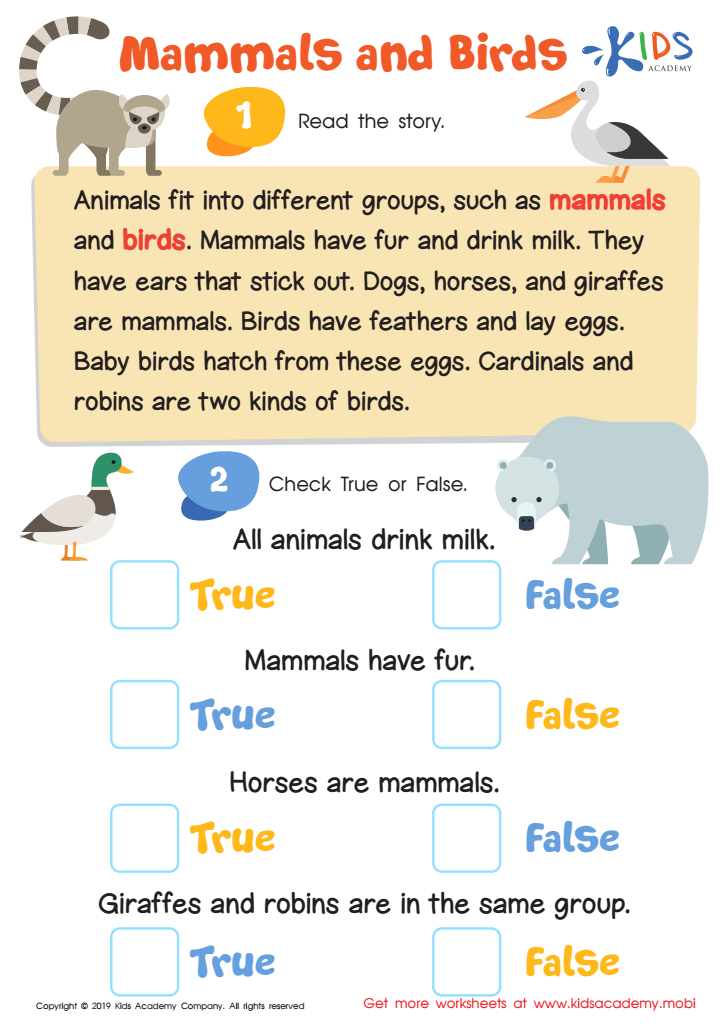
Mammals and Birds Worksheet
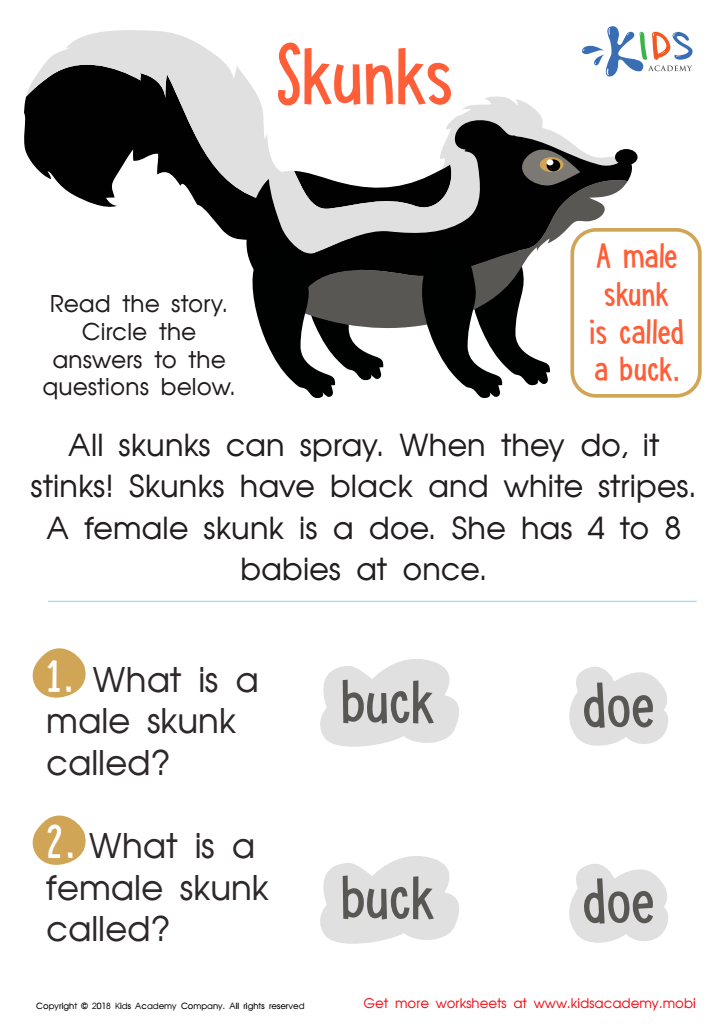
Skunks Worksheet
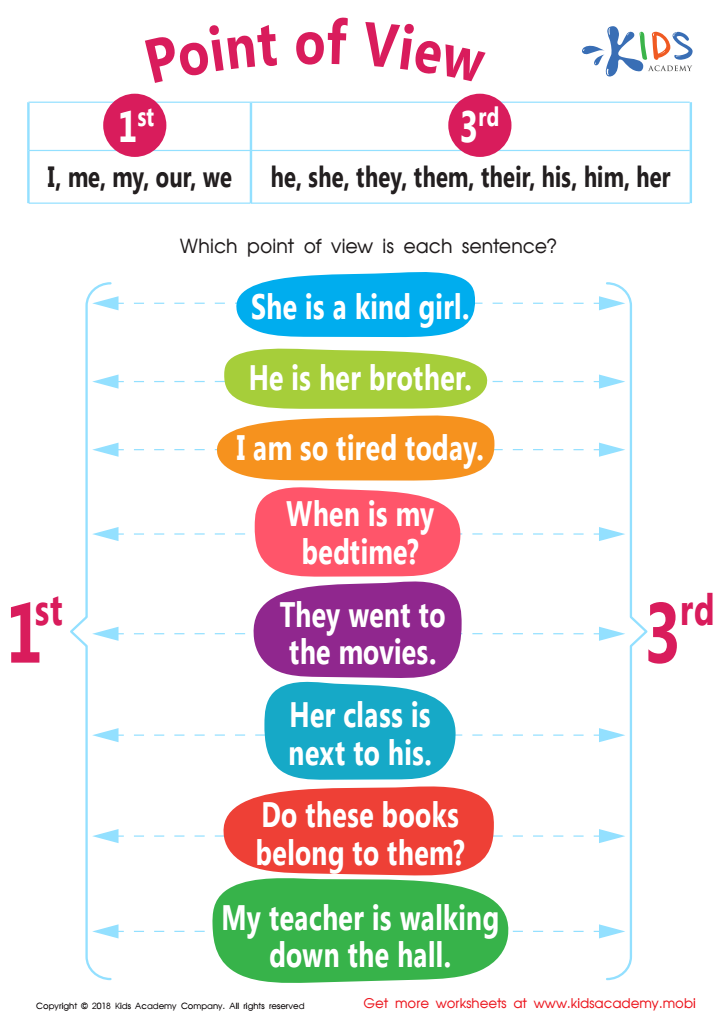
Point of View Worksheet
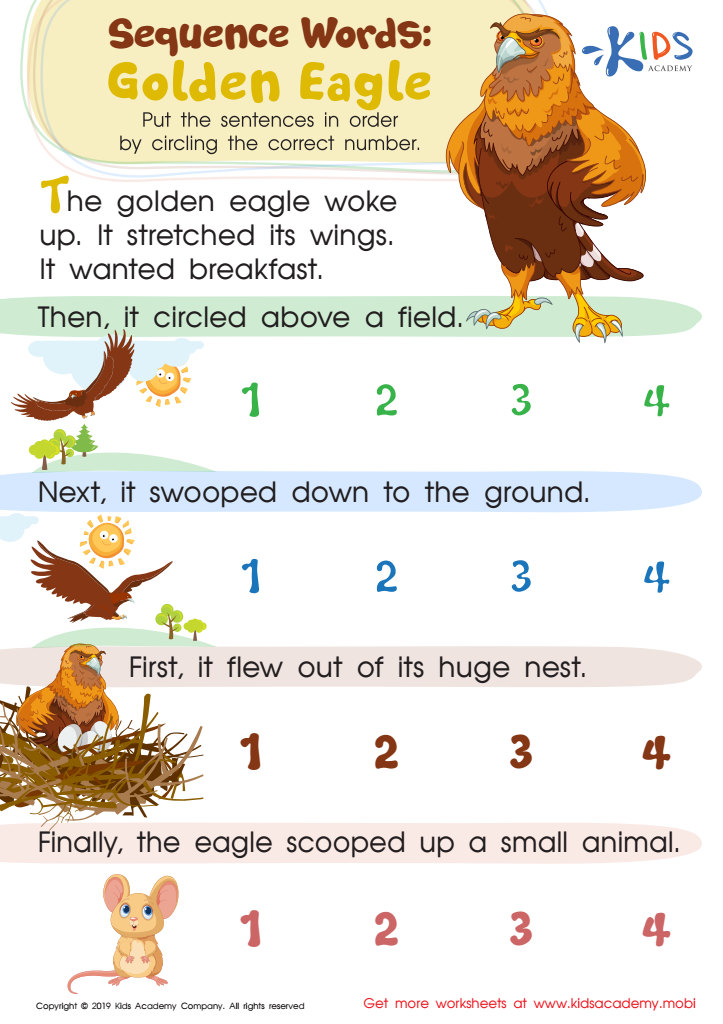
Sequence Word Eagle Worksheet
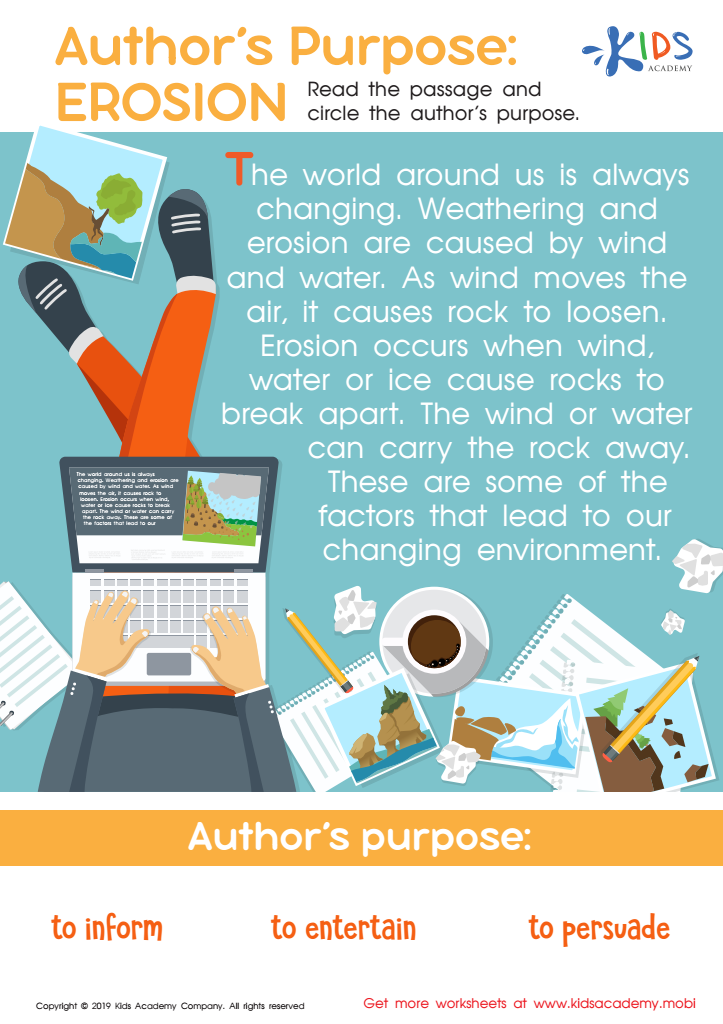
Author’s Purpose: Erosion Worksheet
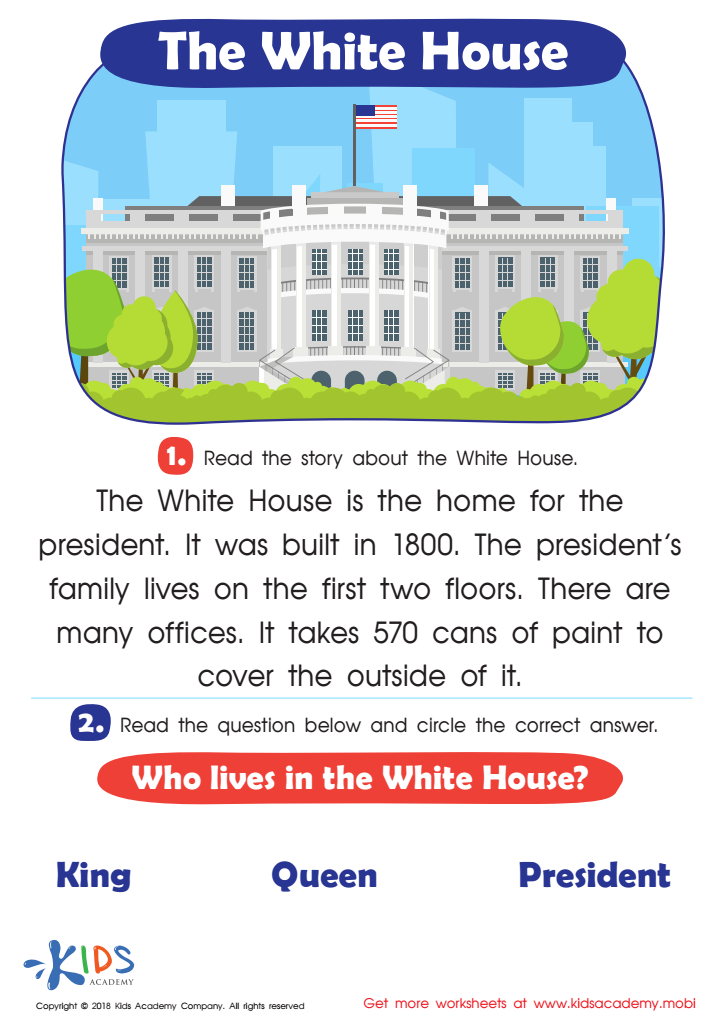
White House Worksheet
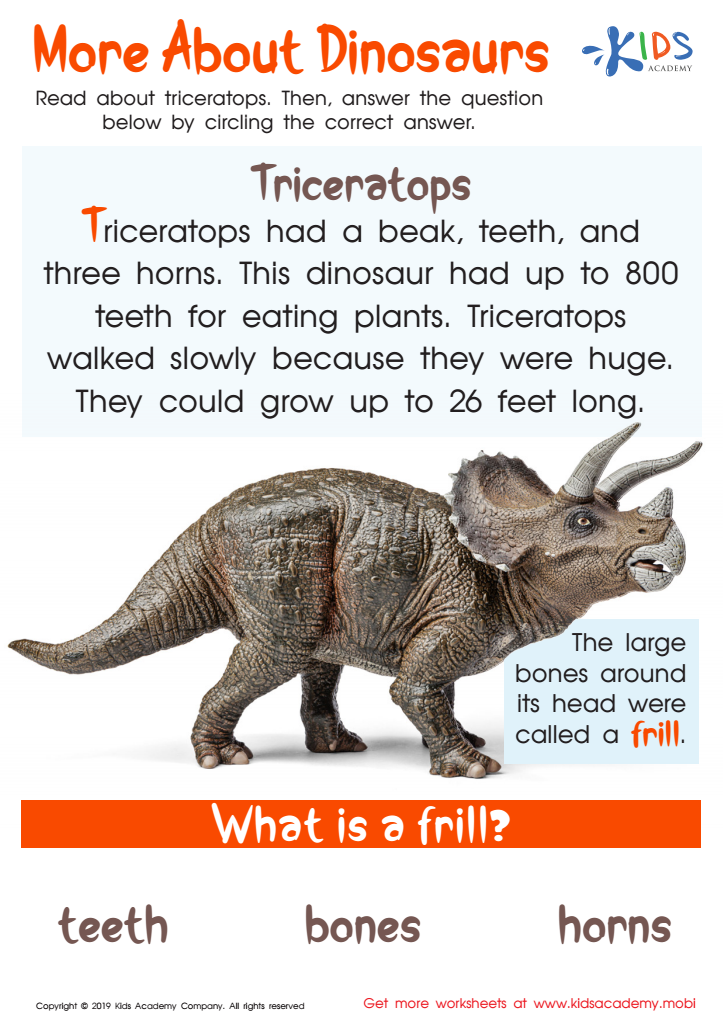
More About Dinosaurs Worksheet
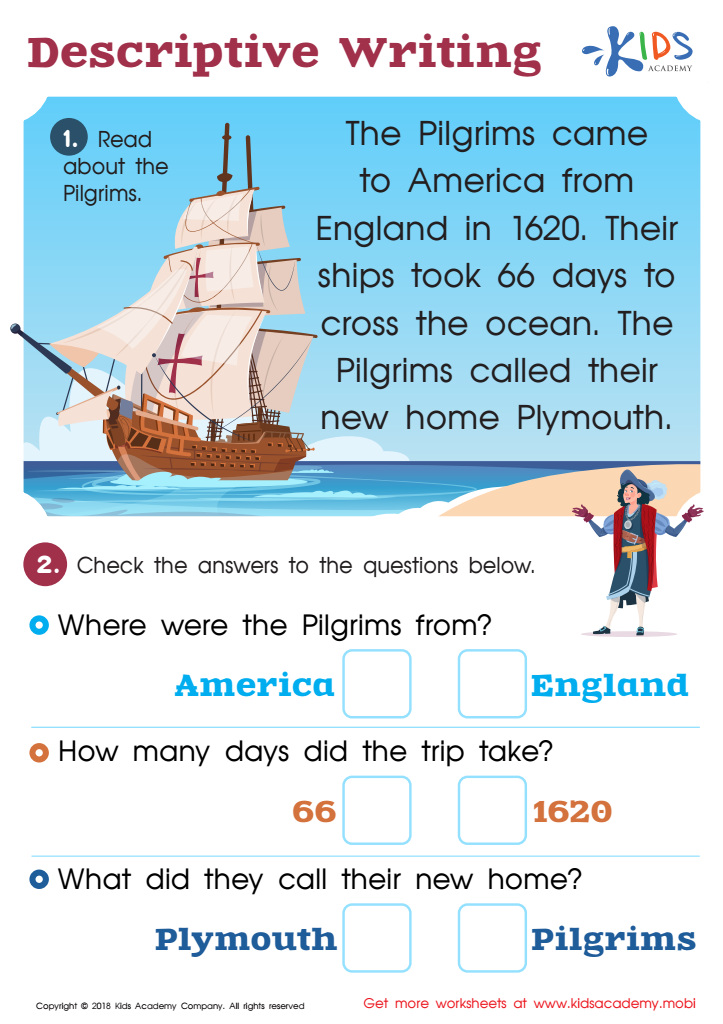
Descriptive Writing Worksheet: Part 1
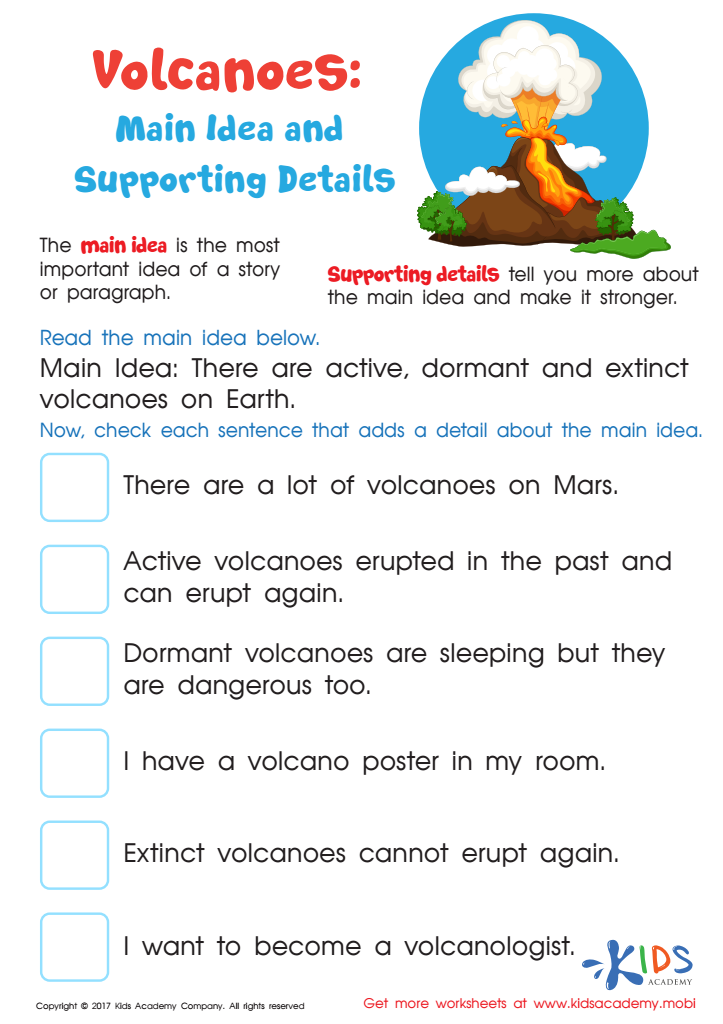
Volcano Facts Worksheet
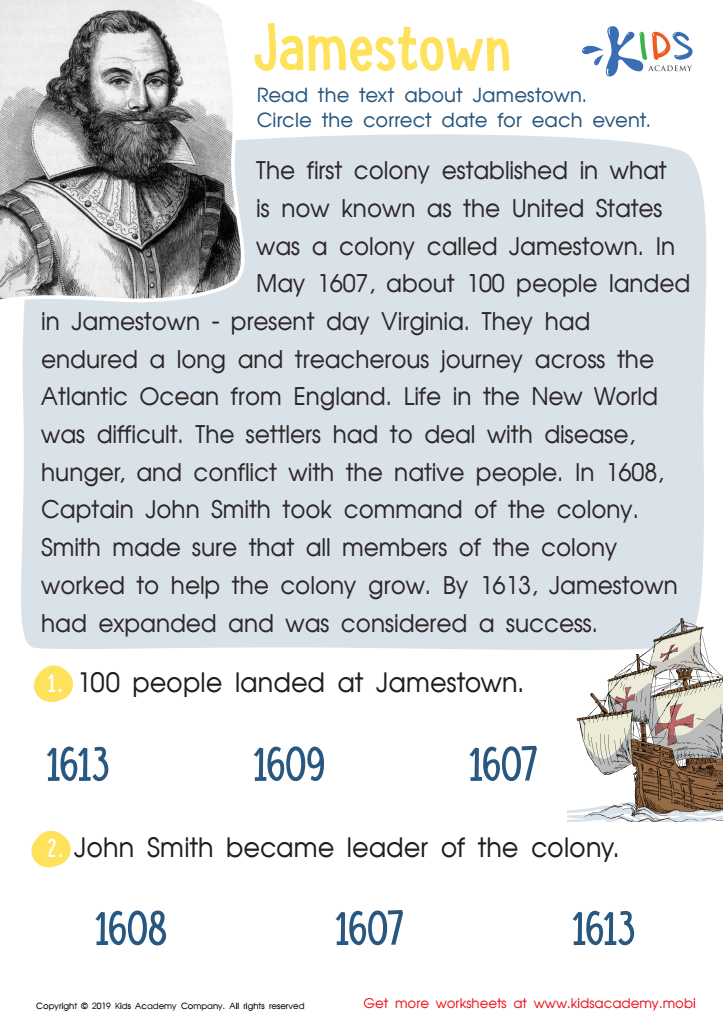
Jamestown Worksheet
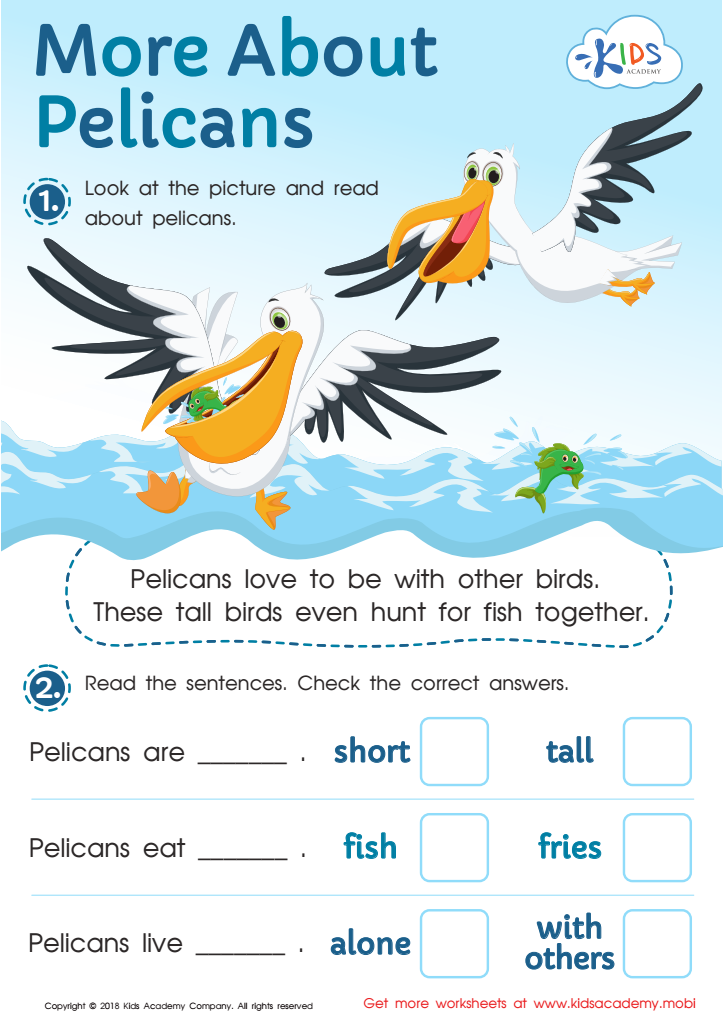
More About Pelicans Worksheet
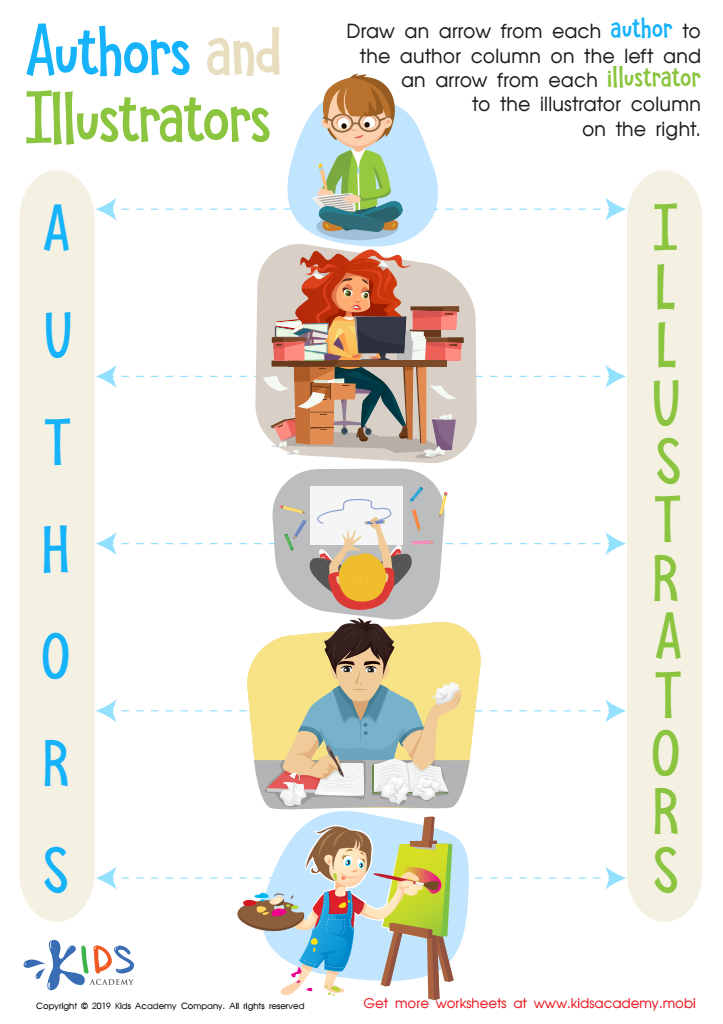
Authors and Illustrators Worksheet
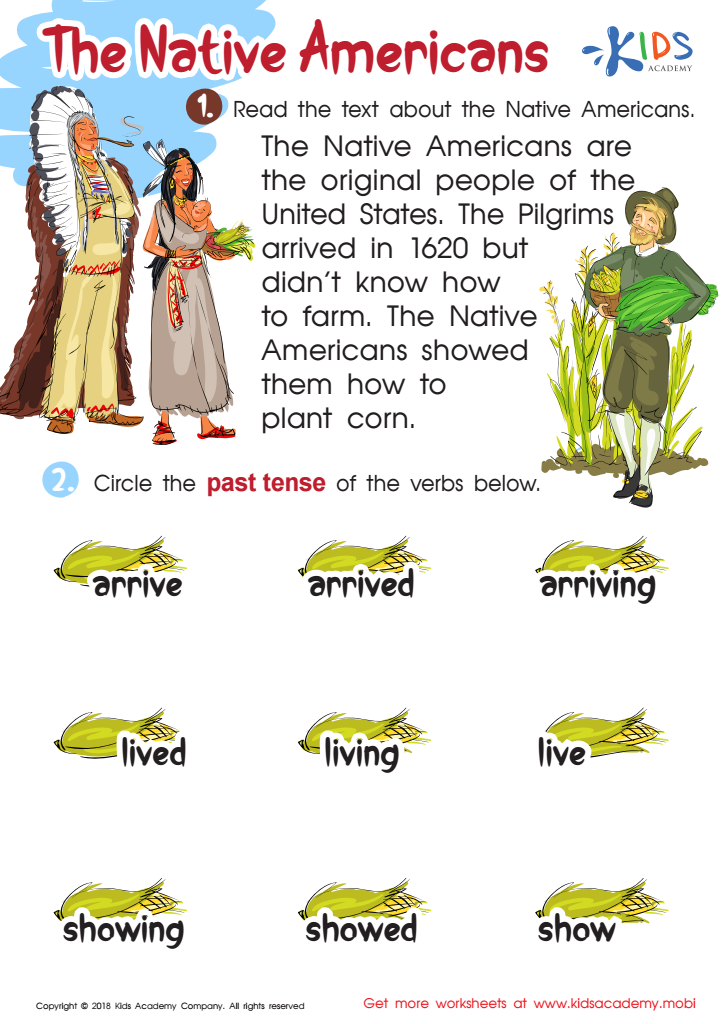
The Native Americans Worksheet
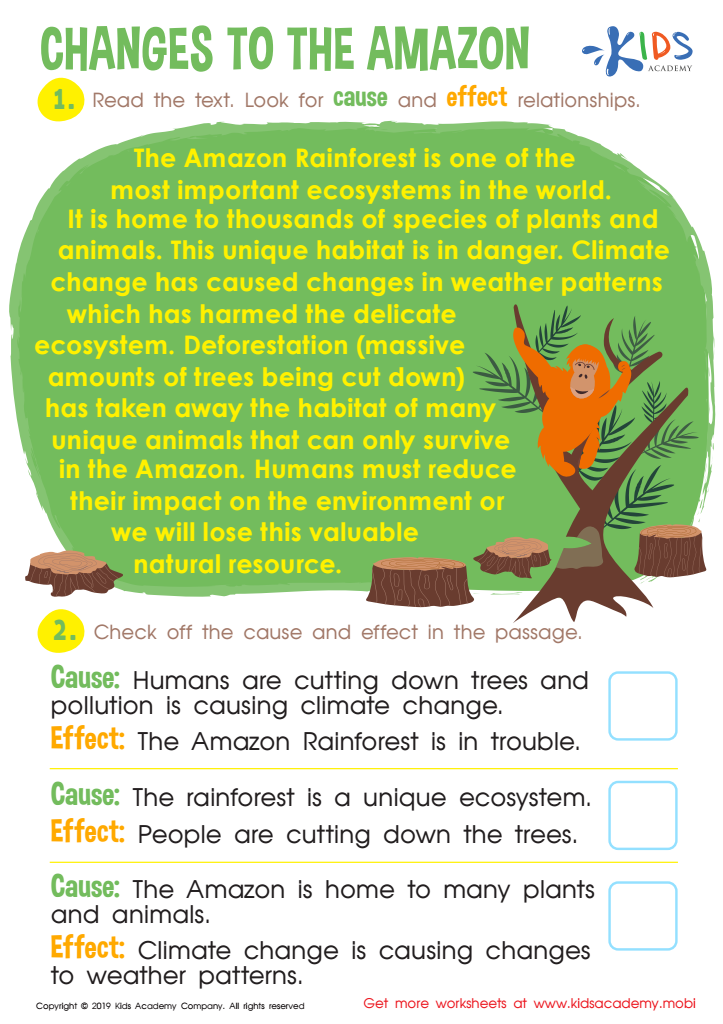
Changes to the Amazon Worksheet
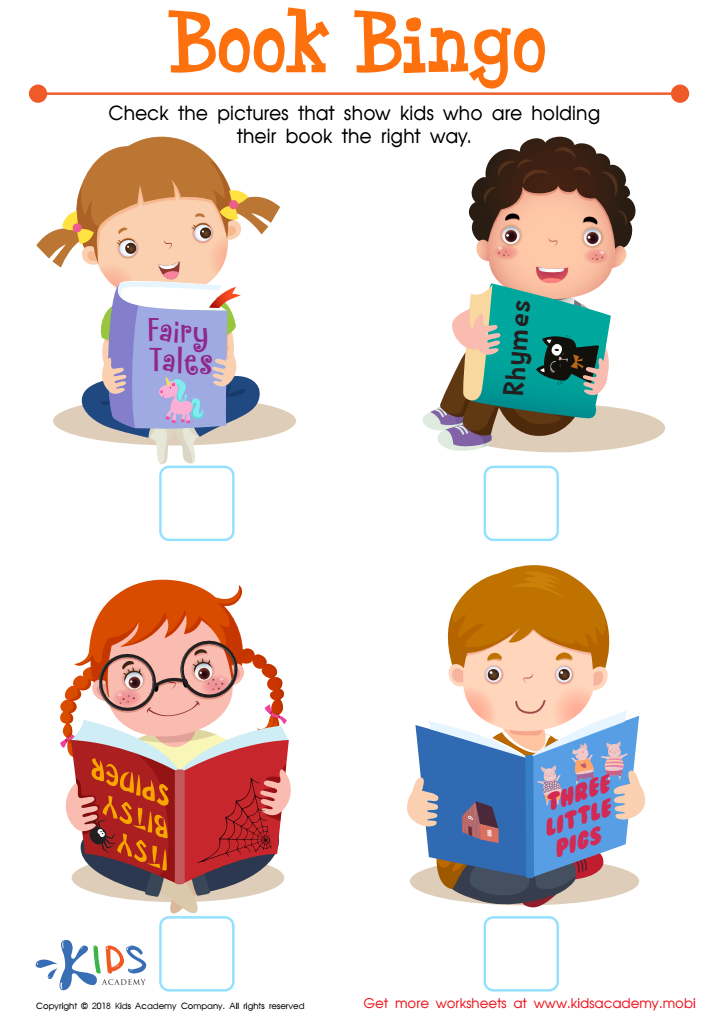
Book Bingo Worksheet
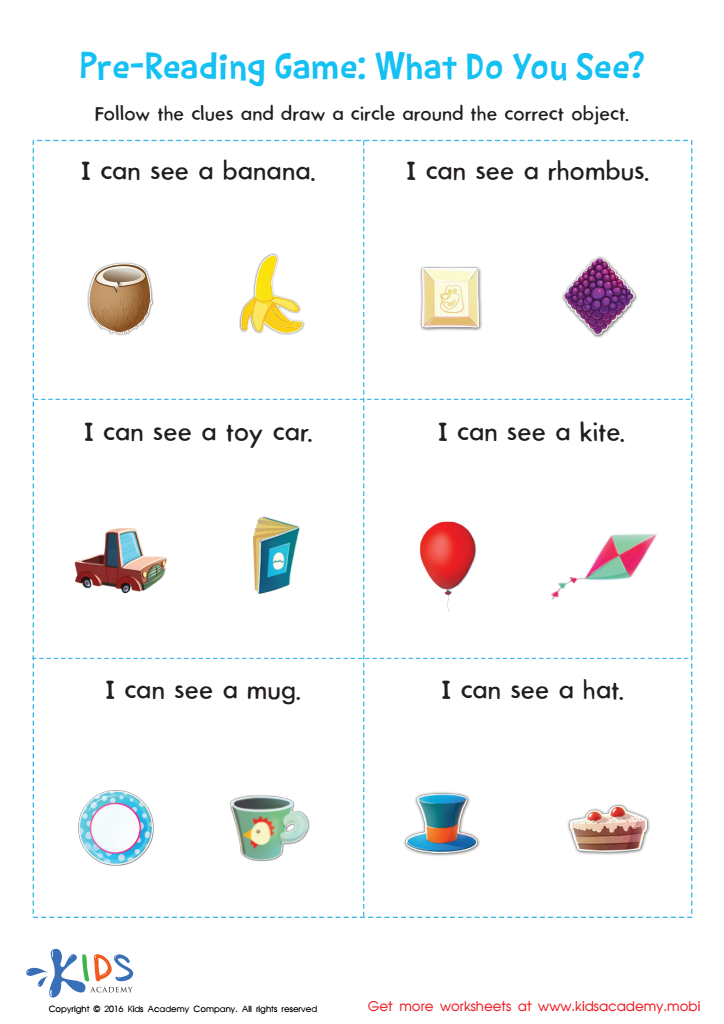
Pre–reading Worksheet: What Do You See?
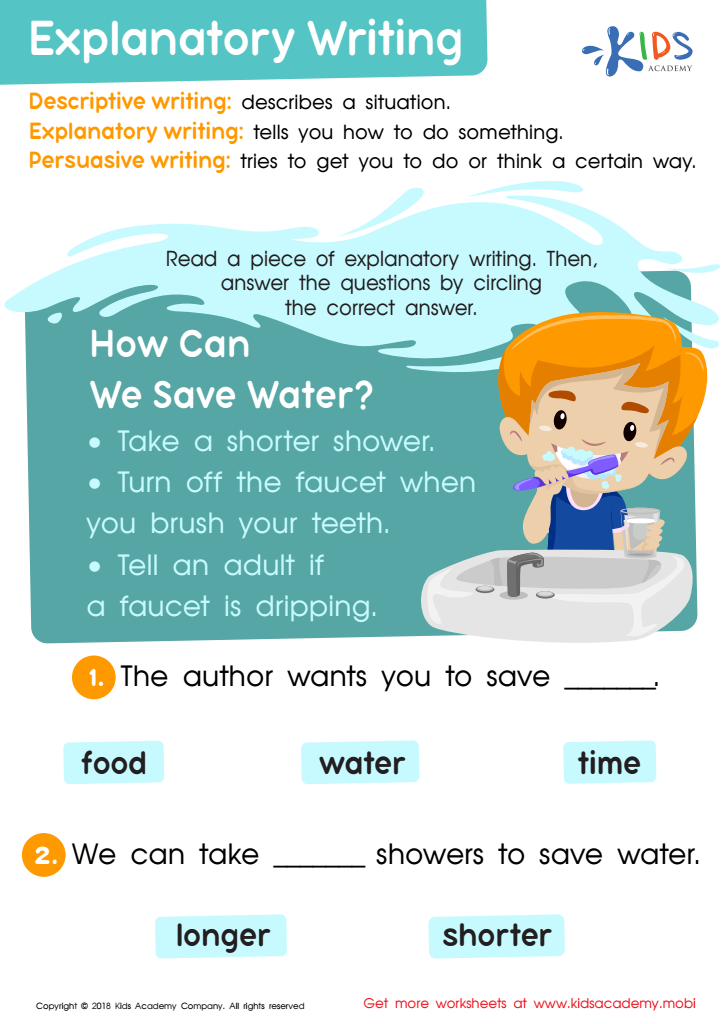
Explanatory Writing Worksheet
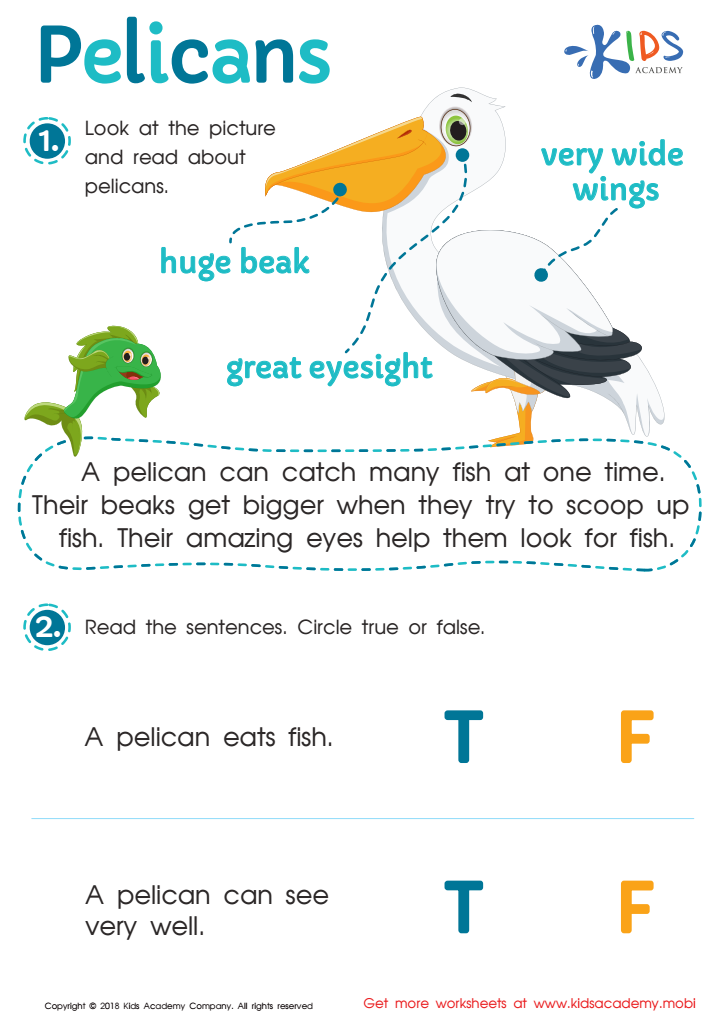
Pelicans Worksheet
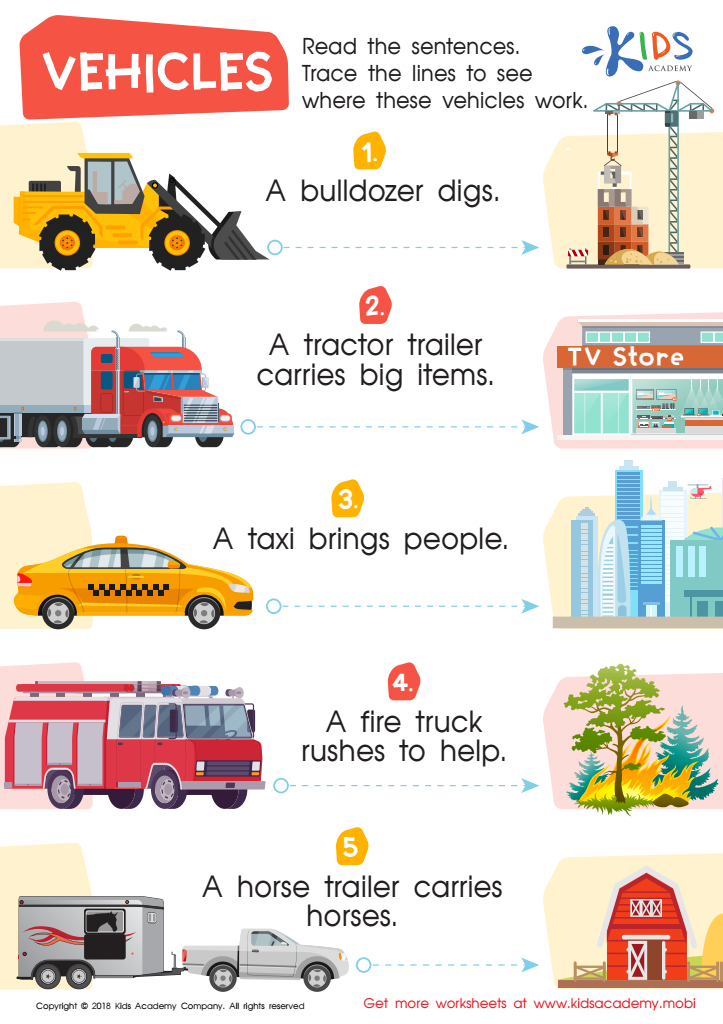
Vehicles Worksheet
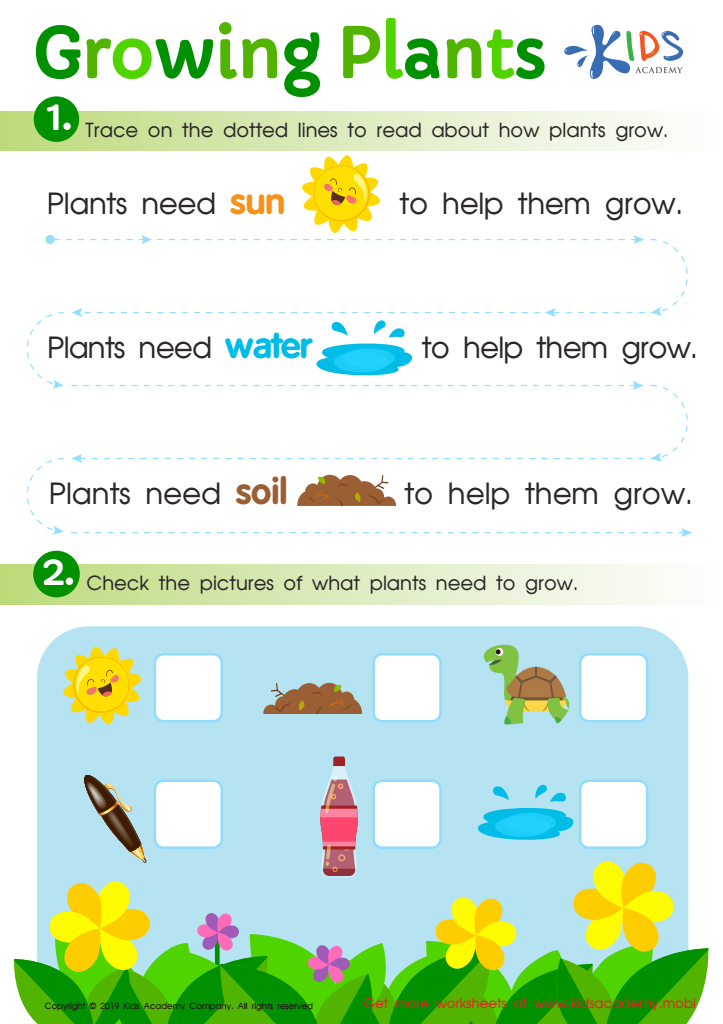
Growing Plants Worksheet
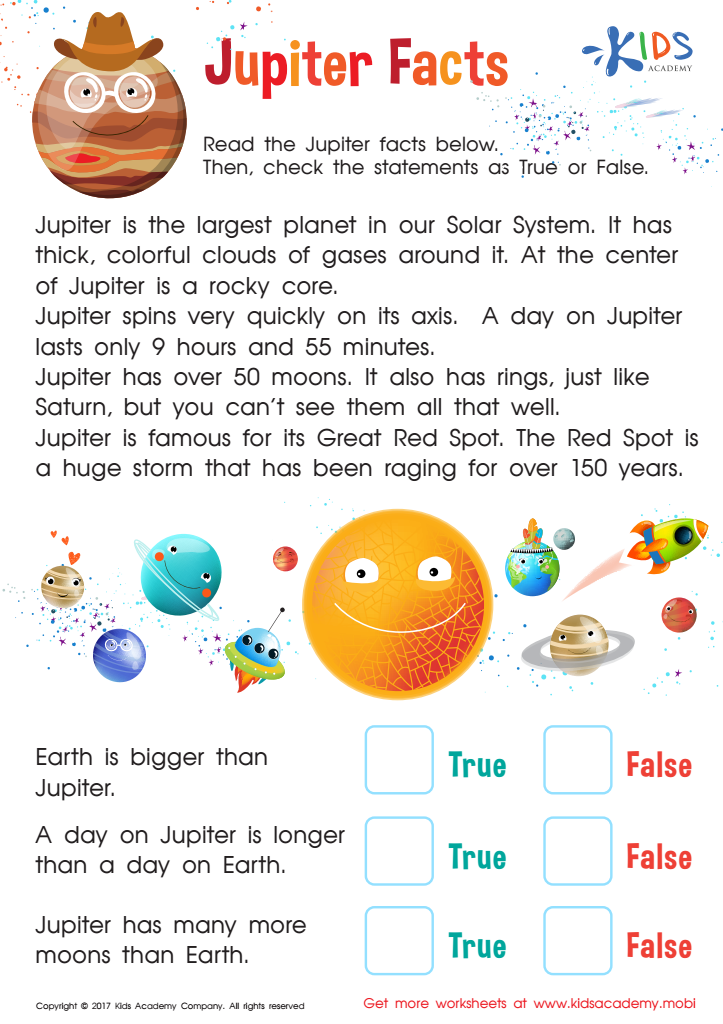
Jupiter Facts Worksheet
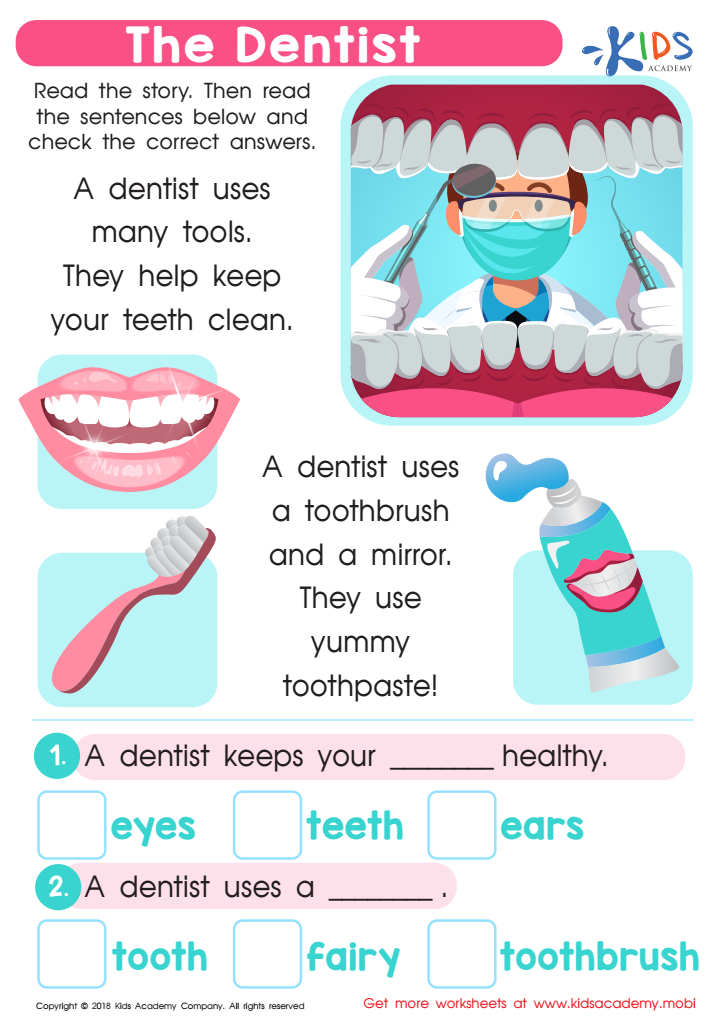
The Dentist Worksheet
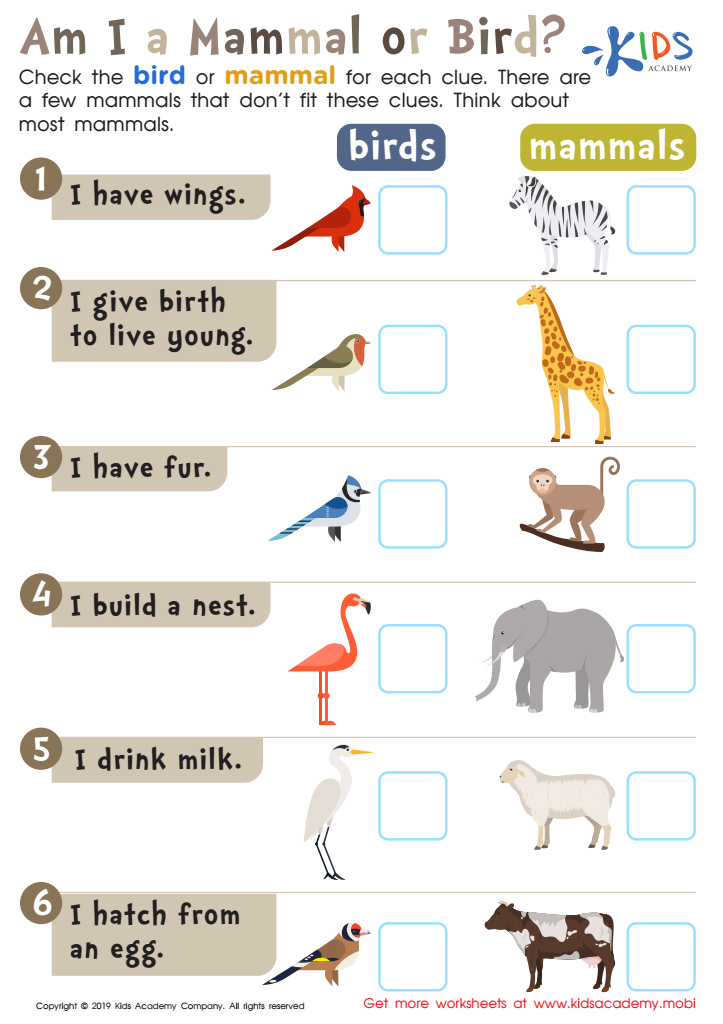
Am I a Mammal or Bird? Worksheet








Reading non-fiction is vital for children aged 5-9, as it significantly contributes to their cognitive and emotional development. First and foremost, non-fiction exposes children to real-world concepts and facts, enhancing their understanding of the world around them. At this age, children are naturally curious, and engaging with factual texts meets their inquiries while promoting critical thinking skills.
Additionally, non-fiction helps build their vocabulary by introducing specialized terminology related to various subjects, from nature and science to history and culture. This expanded vocabulary aids in improving their overall language skills, further enriching their reading experience.
Moreover, reading non-fiction fosters a sense of empathy and social awareness. Engaging with diverse topics and perspectives allows children to relate to different cultures and experiences, imbuing them with appreciation for societal diversity. As they grow, these skills become foundational for informed citizenship and lifelong learning.
Finally, non-fiction reading can inspire creativity and innovation. Exposure to true stories of inventors, explorers, and other figures encourages children to think big and aspire to make their own impact in the world. For parents and teachers, understanding the value of non-fiction can foster a richer, more inclusive educational environment, laying the groundwork for lifelong learning.








