Rhyming Words Worksheets for Ages 5-9 - Page 2
28 filtered results
-
From - To
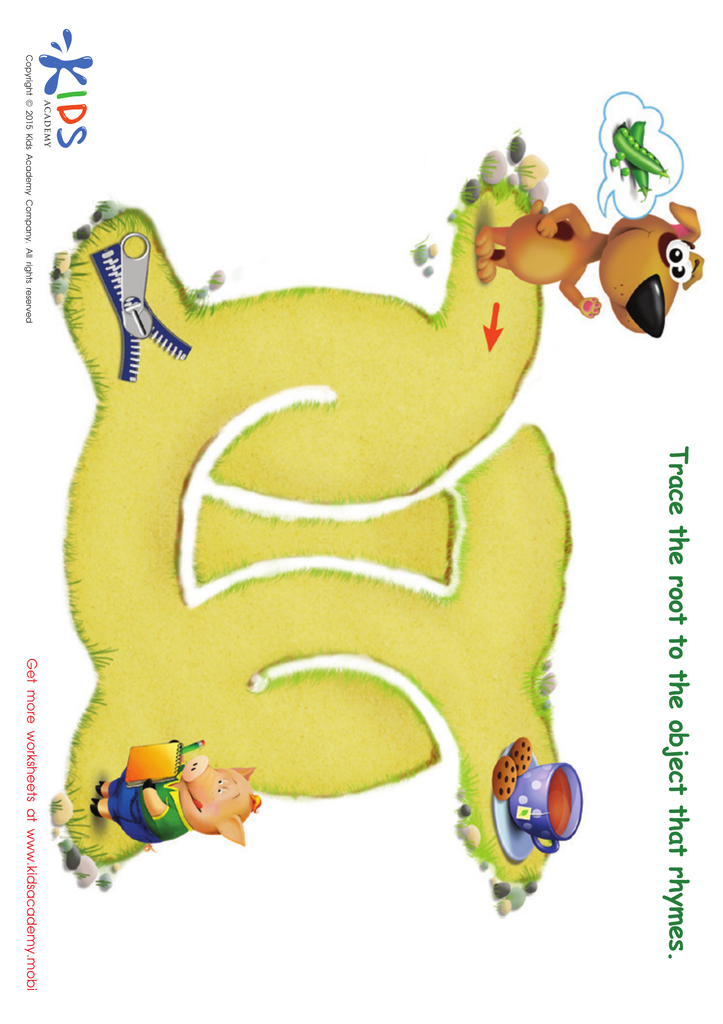
Pea Rhyming Words Worksheet
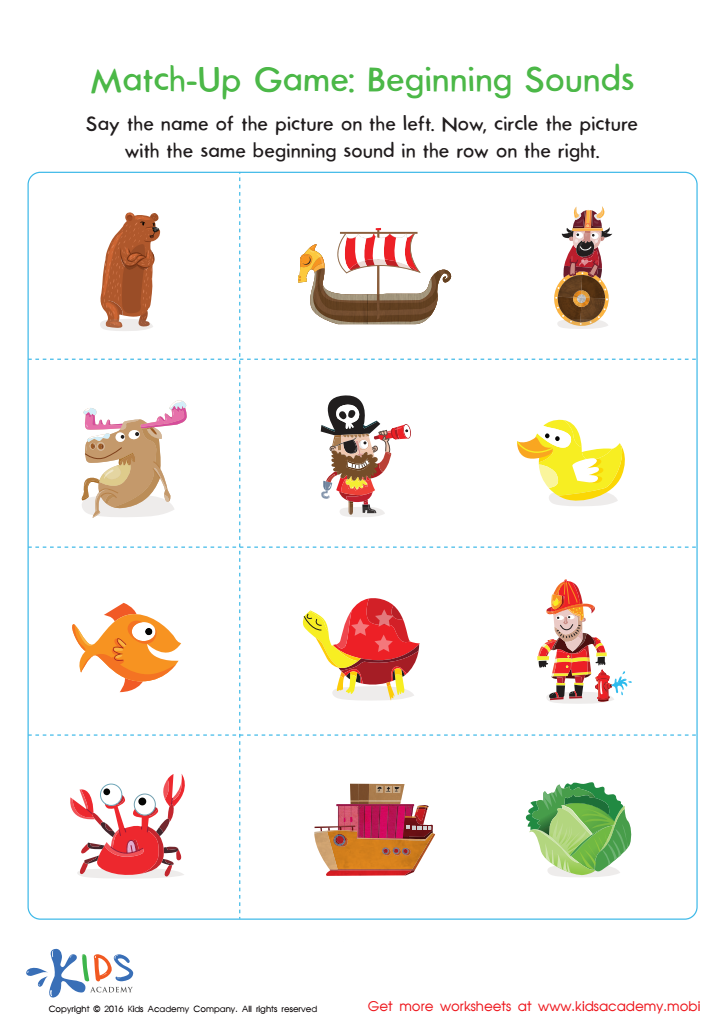
Match–Up Game: Beginning Sounds Worksheet
 Assign to My Students
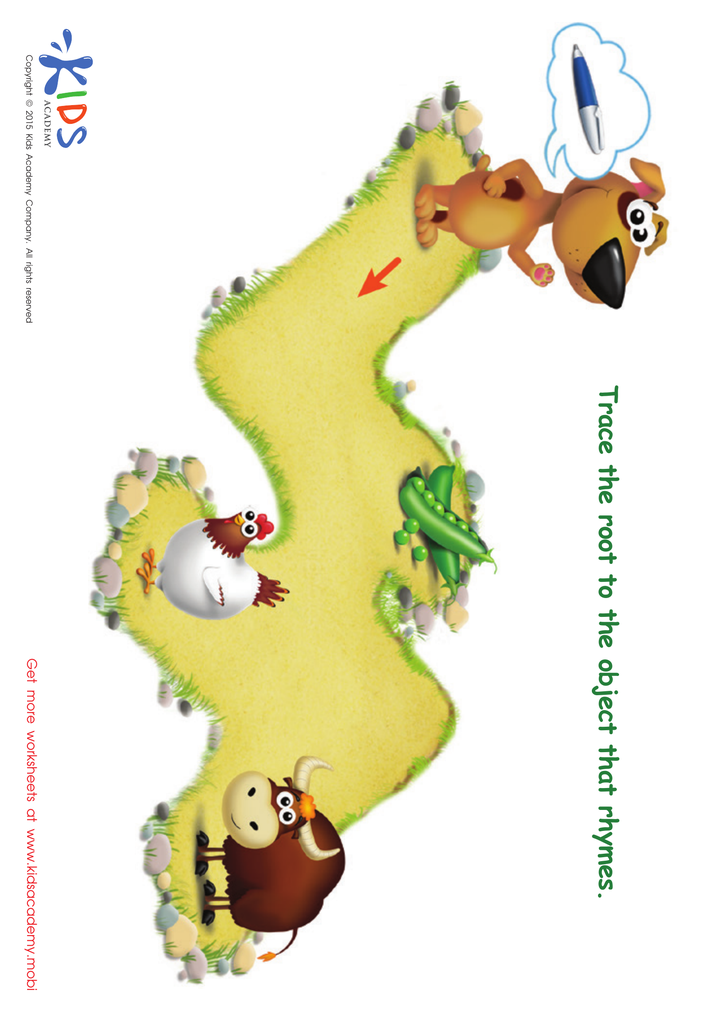
Pen Rhyming Words Worksheet
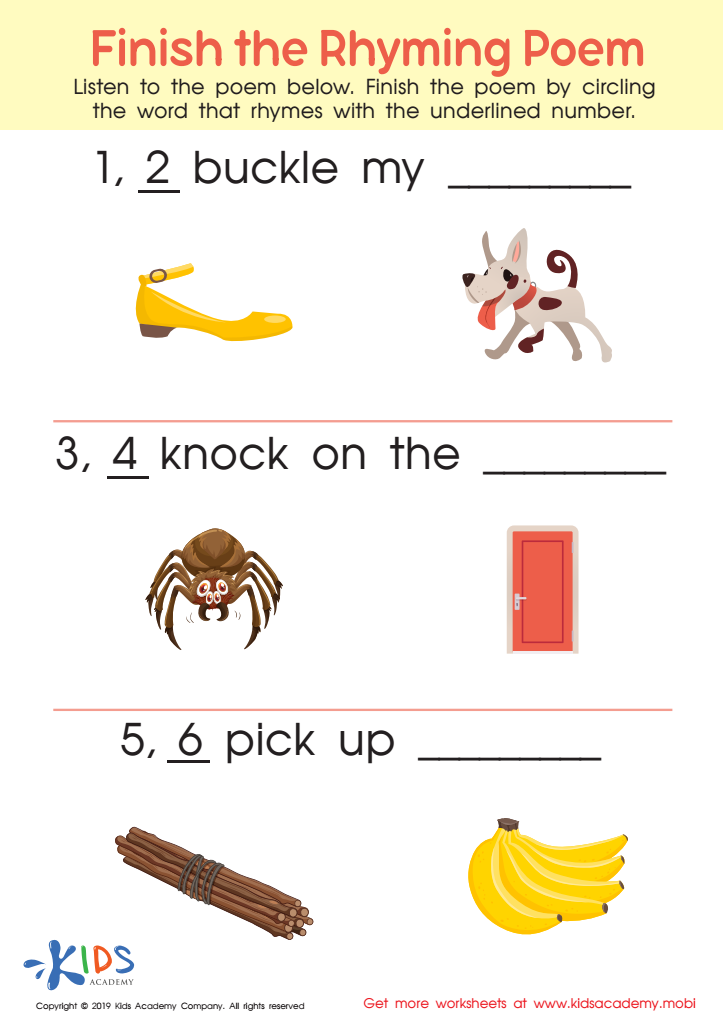
Finish Rhyming Poem Worksheet




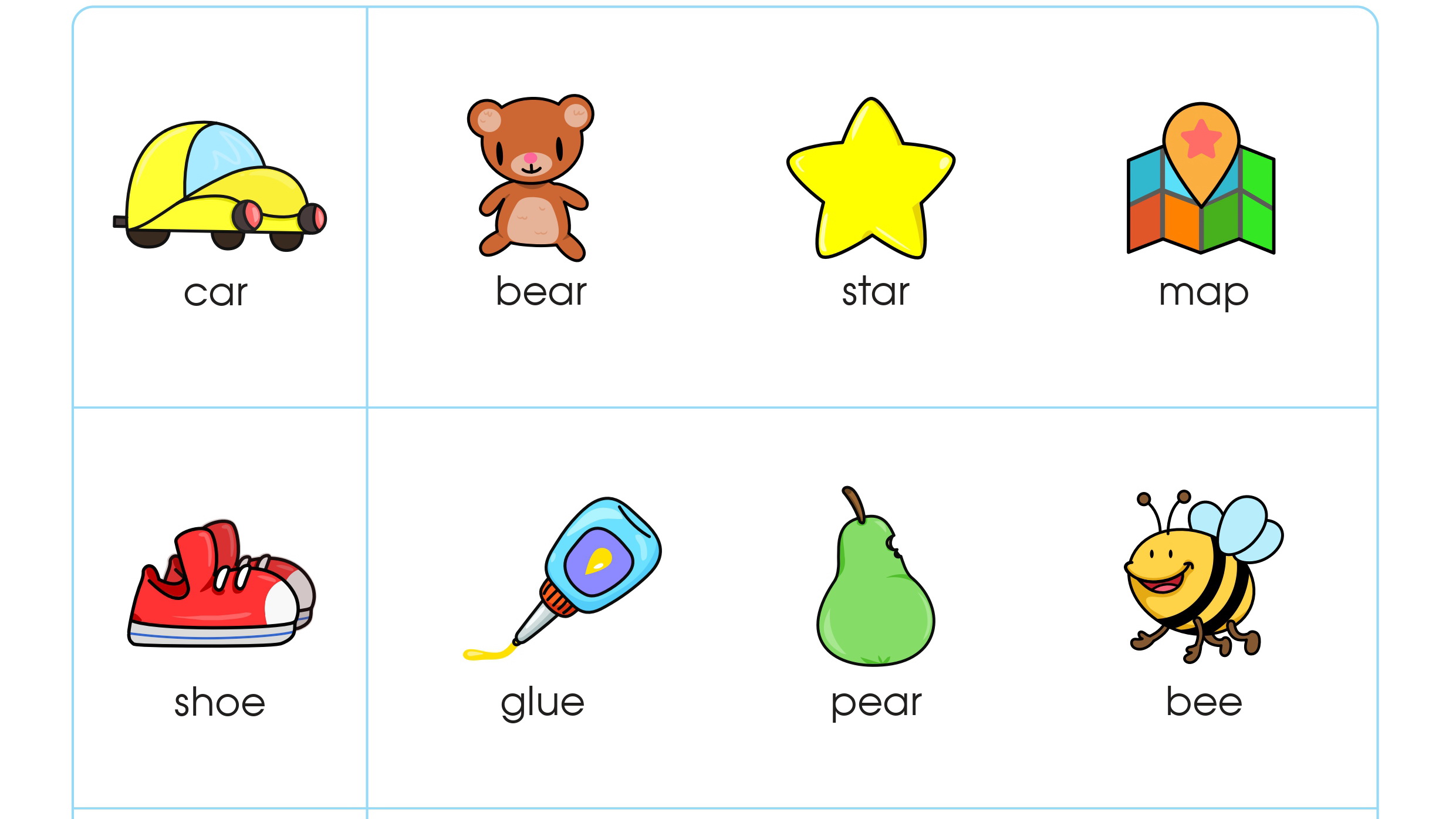



Rhyming words play a crucial role in the language development of children aged 5 to 9. For parents and teachers, encouraging children to engage with rhymes facilitates multiple aspects of literacy and cognitive growth. Rhyming boosts phonemic awareness, the ability to hear and manipulate sounds in words. This skill is foundational for reading success, as it helps children recognize patterns in language and develop their decoding skills.
Moreover, rhyming enhances vocabulary. When children explore rhyming words, they encounter new words in a fun, engaging context that helps them remember meanings and associations. This not only enriches their verbal skills but also encourages a love for language.
Additionally, rhyming supports memory retention. The rhythmic patterns in rhymes make them easier to remember, which can boost literacy skills. Rhymes often carry emotional and cultural value, making them relatable and enjoyable for children, fostering a positive attitude towards learning.
Lastly, interactive rhyming activities promote social skills. They encourage collaboration and communication among peers, enhancing social and emotional development. In essence, prioritizing rhyming words in early education paves the way for stronger literacy skills, heightened creativity, and a joyful learning experience.








