Critical Thinking Science Worksheets for Ages 5-9 - Page 2
26 filtered results
-
From - To
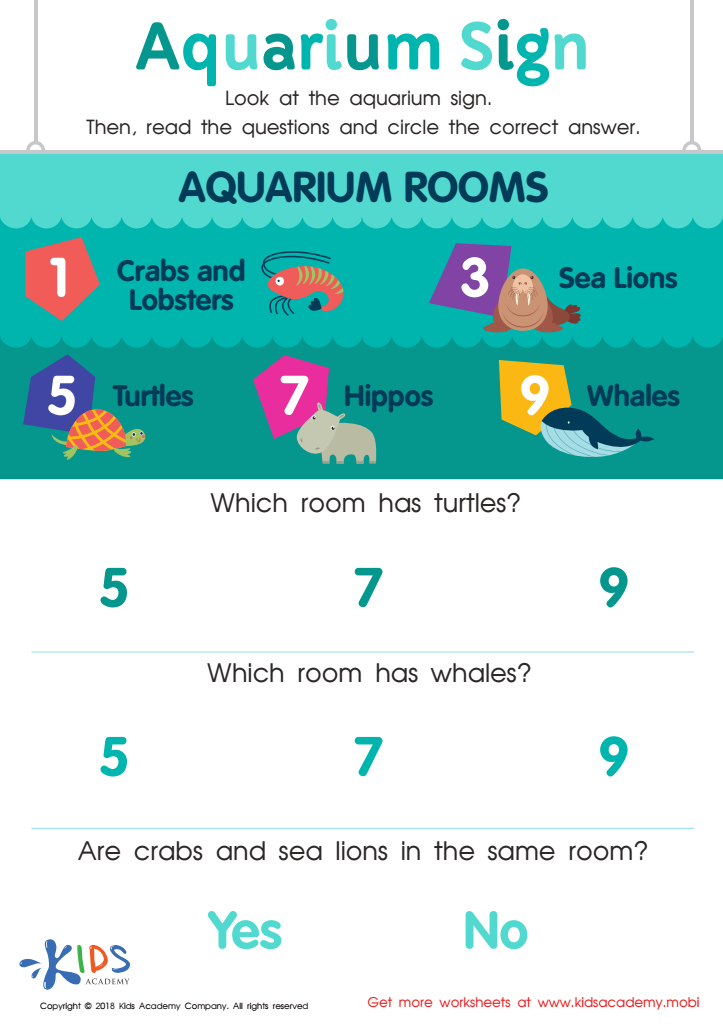
Assessment: Aquarium Sign Worksheet
 Assign to My Students
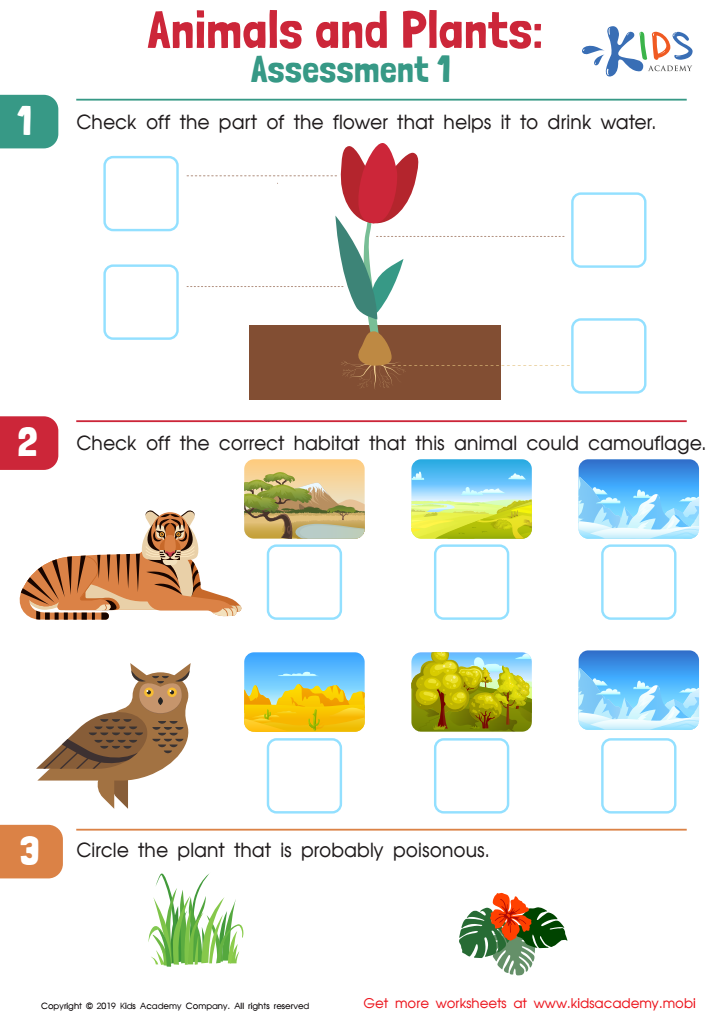
Animals and Plants: Assessment 1 Worksheet






Critical Thinking Science for children aged 5-9 is invaluable because it sets a strong foundation for lifelong learning and problem-solving. At this developmental stage, children's brains are rapidly growing and are highly adaptable, making it an ideal time to encourage skills that foster analytical thinking and curiosity.
By engaging in Critical Thinking Science, young students learn to ask questions, evaluate evidence, and think independently. These cognitive skills are crucial not only for academic success but also for everyday decision-making. When children practice critical thinking, they are better equipped to solve problems, understand complex concepts, and apply logic in different contexts. This preparation starts early, laying the groundwork for future success in STEM subjects and other disciplines.
Furthermore, critical thinking nurtures creativity and innovation. As children experiment and explore scientific principles, they learn to view challenges as opportunities. This fosters resilience and adaptability, traits highly valued in today’s rapidly changing world.
For parents and teachers, encouraging critical thinking ensures children grow up to be inquisitive and informed individuals capable of critical assessment. This enriches their interpersonal interactions—honing empathy and conflict resolution. Ultimately, an investment in critical thinking at a young age helps develop thoughtful, versatile individuals ready to tackle the complexities of the future.







