Developing critical thinking Science Worksheets for Ages 5-9
3 filtered results
-
From - To
Enhance your child's cognitive abilities with our collection of Developing Critical Thinking Science Worksheets designed for ages 5-9. These engaging and interactive worksheets encourage young learners to explore scientific concepts while fostering problem-solving skills, creativity, and analytical thinking. Each worksheet is tailored to spark curiosity, prompting kids to ask questions and think deeply about the world around them. With colorful illustrations and age-appropriate activities, these resources make learning fun and effective. Discover the perfect balance of science education and critical thinking development that will empower your child to become a confident, inquisitive thinker. Start their journey toward scientific discovery today!
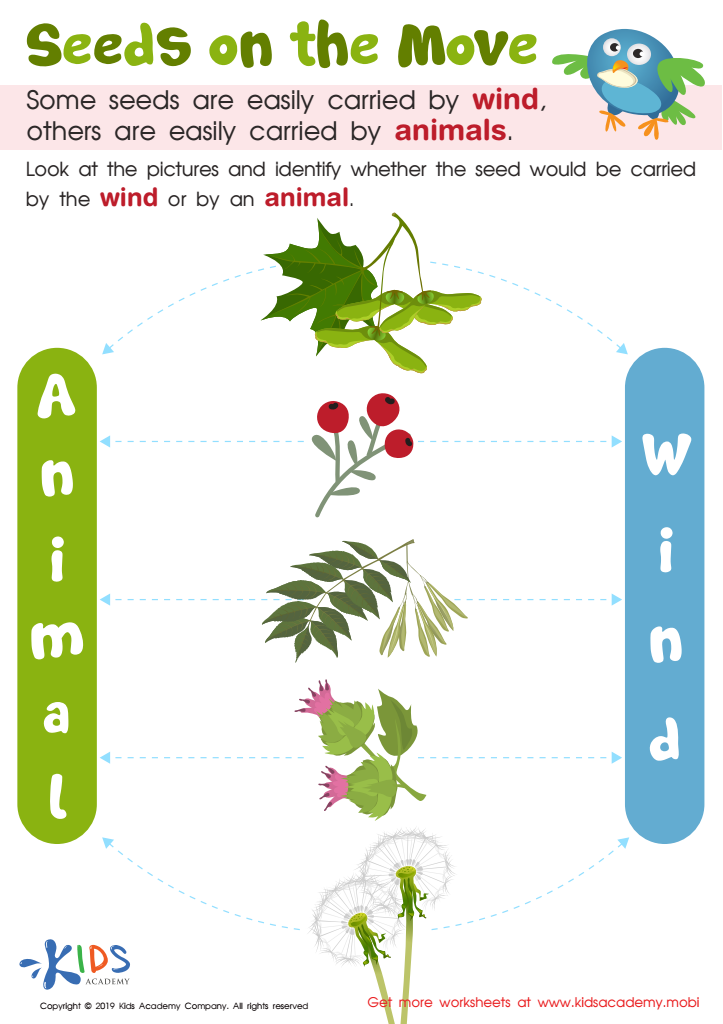
Seeds on the Move Worksheet
 Assign to My Students
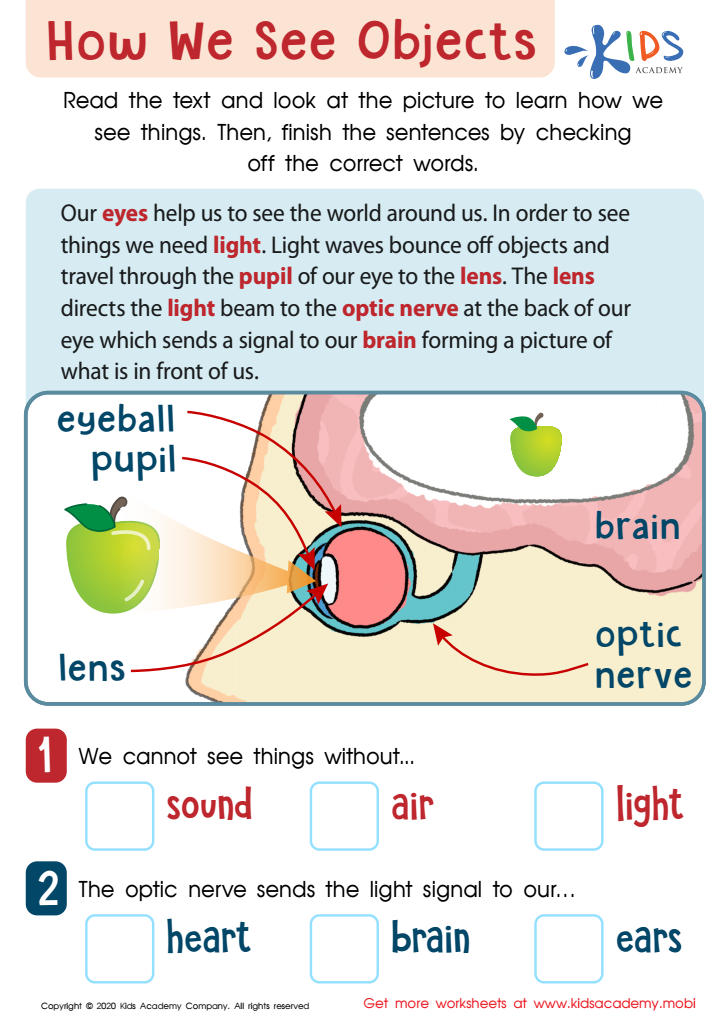
How We See Objects Worksheet
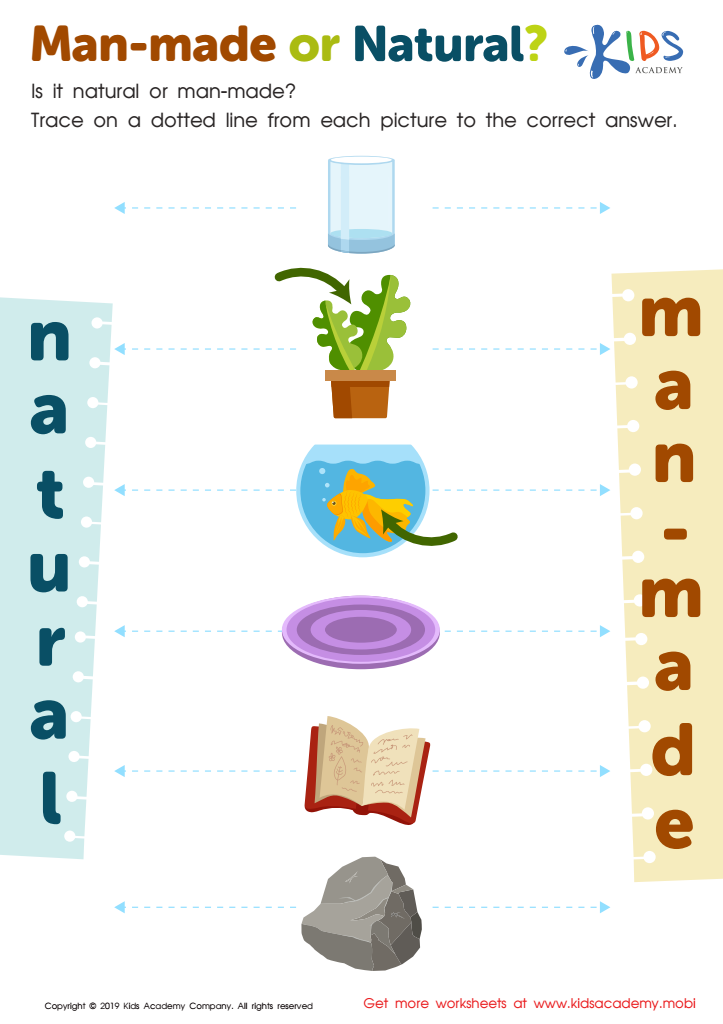
Man-Made or Natural? Worksheet





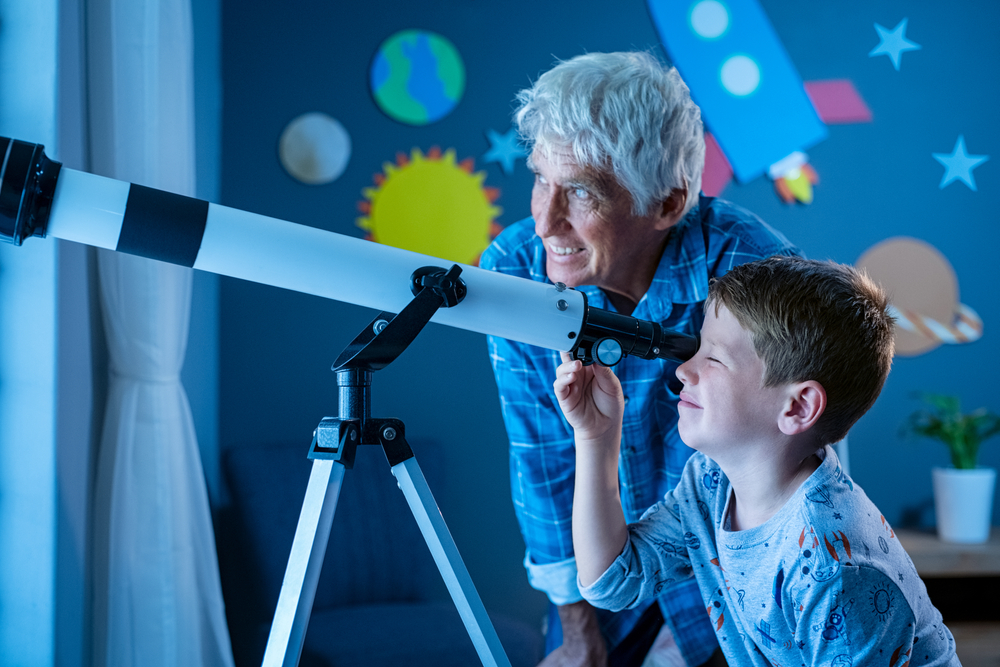
Developing critical thinking skills in young children, especially in the realm of science, is essential for their overall cognitive growth and future academic success. For children aged 5-9, curiosity is at its peak; they are naturally inclined to ask questions about the world around them. By fostering critical thinking through scientific inquiry, parents and teachers can cultivate this curiosity into a powerful analytical framework.
Critical thinking skills enable children to observe, hypothesize, experiment, and draw conclusions based on evidence. Engaging in science-based activities encourages them to explore cause-and-effect relationships and understand the scientific method. This not only enhances their problem-solving abilities but also equips them to tackle challenges in various subjects and real-life scenarios.
Moreover, in our rapidly advancing technological society, critical thinkers are better prepared to navigate complex information and make informed decisions. Encouraging children to question, investigate, and analyze helps them to become not only learners of science but also thoughtful citizens equipped to engage with important global issues such as the environment and health. Thus, investing in the development of critical thinking in science at an early age lays a solid foundation for lifelong learning and responsible citizenship.







