Knowledge application Science Worksheets for Ages 5-9
6 filtered results
-
From - To
Unlock your child's potential with our Knowledge Application Science Worksheets for ages 5-9! Our worksheets are designed to spark curiosity and enhance understanding of key scientific principles through engaging, hands-on activities. Each worksheet encourages young learners to apply their knowledge to real-world scenarios, fostering critical thinking and problem-solving skills. Our resources cover a wide range of topics, ensuring a well-rounded science education. Perfect for classroom use or at-home learning, these worksheets align with educational standards and are created by experienced educators to support your child's science journey. Start exploring and watch your child thrive in science!
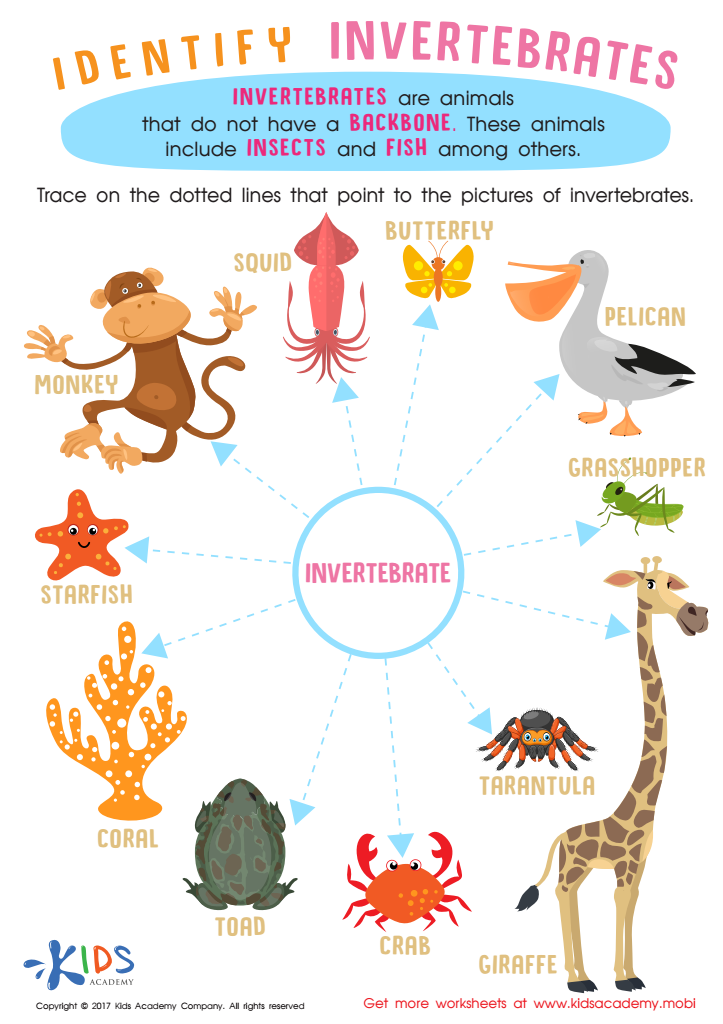
Invertebrates Worksheet for Grade 3
 Assign to My Students
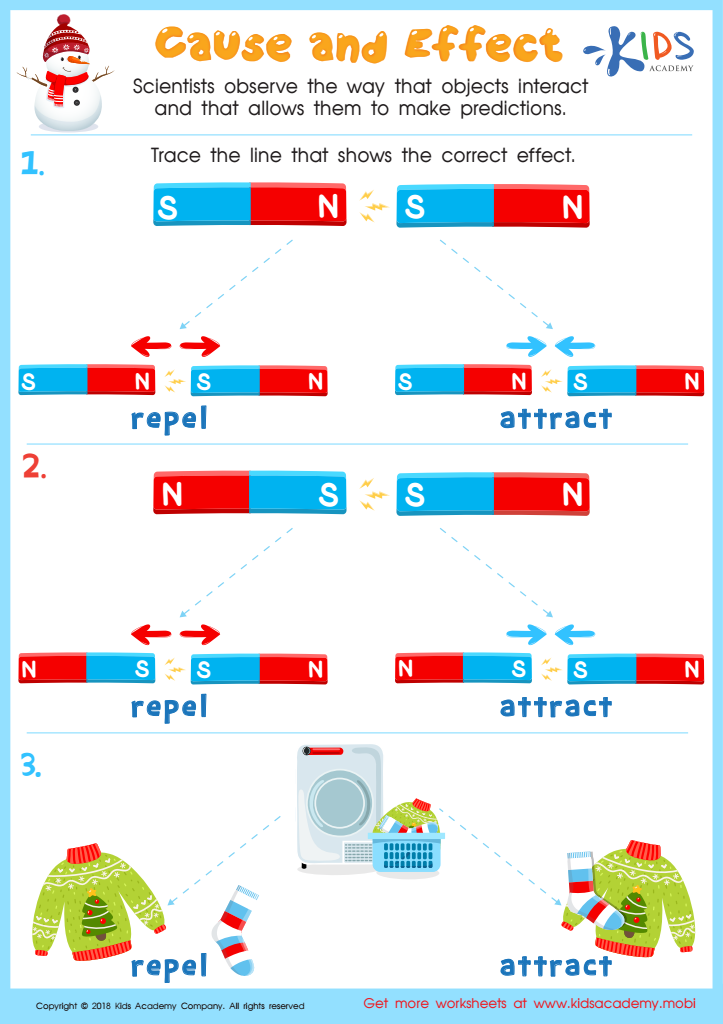
Repel and Attract Magnet Worksheet
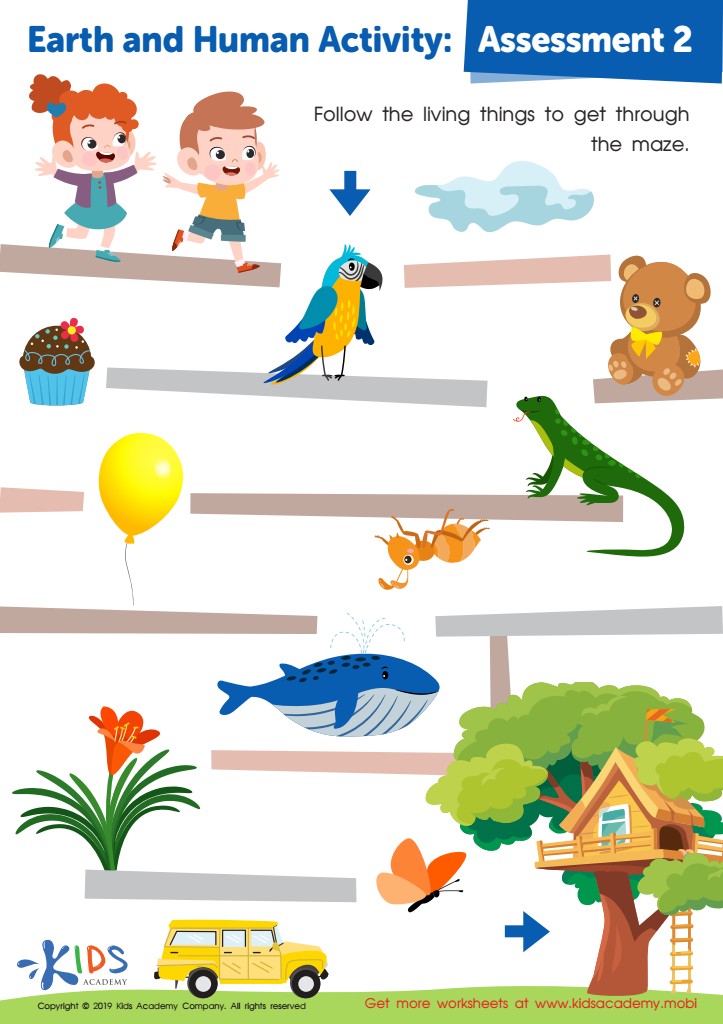
Earth and Human Activity: Assessment 2 Worksheet
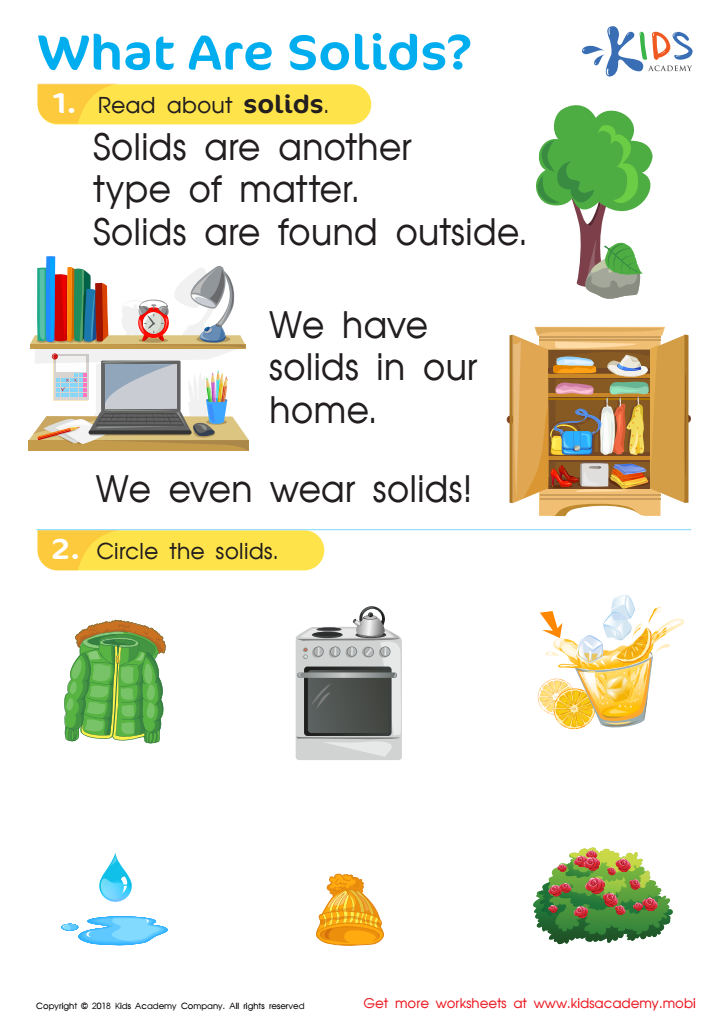
What Are Solids? Worksheet
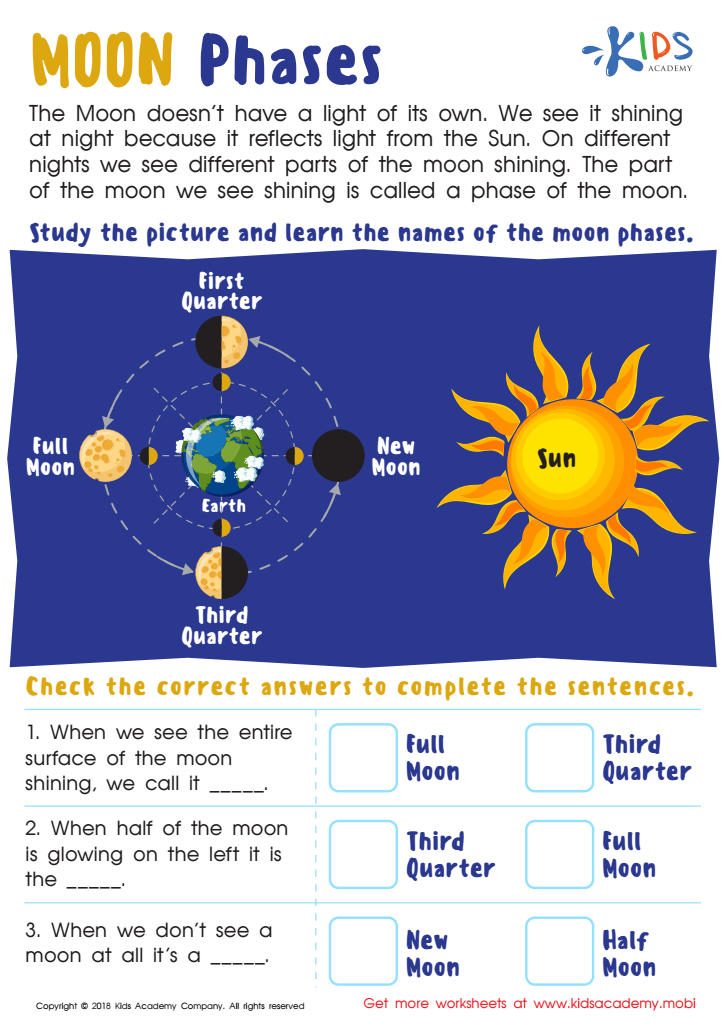
Moon Phases Worksheet
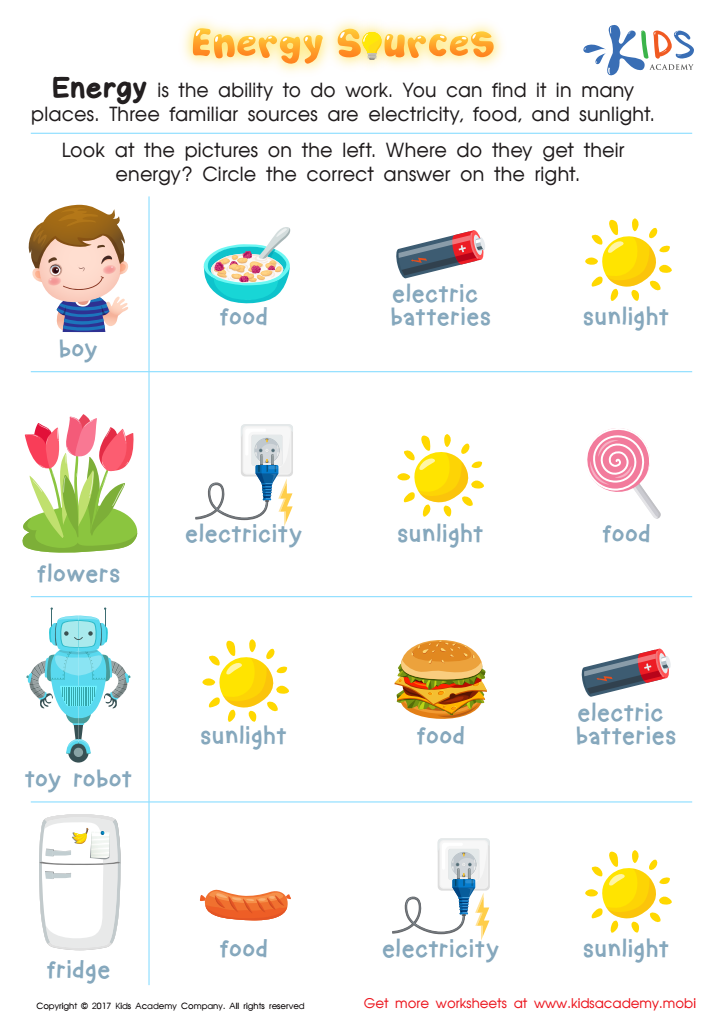
Energy Sources Printable








Knowledge application in science for children aged 5-9 is essential for multiple reasons. During these formative years, kids are naturally curious and highly impressionable, making it an ideal period to introduce and cultivate a love for science. By engaging in science-based activities, children develop critical thinking, problem-solving skills, and the ability to make informed decisions—capabilities that are beneficial throughout their lives.
Furthermore, hands-on science experiences help children understand the world around them. They learn about everyday phenomena, such as why the sky is blue or how plants grow, making the learning process both enjoyable and meaningful. This understanding instills a sense of wonder and curiosity, which encourages lifelong learning and open-mindedness.
Introducing science at an early age can also lay the groundwork for future academic and career interests. Many future careers will heavily depend on science, technology, engineering, and mathematics (STEM). By fostering an early interest, children are more likely to pursue these fields later on.
Lastly, teaching science to young children promotes collaboration and language skills. Engaging activities often require teamwork and communication, bolstering social and emotional development. Therefore, parents and teachers have strong reasons to prioritize knowledge application in science, creating a holistic educational foundation for children.







