
Mathematical reasoning Science Worksheets for Ages 5-9
3 filtered results
Difficulty Level
Grade
Age
-
From - To
Subject
Activity
Standards
Enhance your child's learning experience with our engaging Mathematical Reasoning Science Worksheets designed specifically for ages 5 to 9. These worksheets blend essential math concepts with scientific exploration, fostering critical thinking and problem-solving skills. Children will enjoy fun activities that spark curiosity and creativity while applying mathematical reasoning to understand the world around them. Our carefully crafted exercises promote a strong foundation in numbers, shapes, patterns, and logical thinking, ensuring interactive and effective learning. Suitable for home or classroom use, these worksheets will make mathematics an exciting adventure for young learners. Download and watch your child’s confidence in math and science grow!
Favorites
With answer key
Interactive
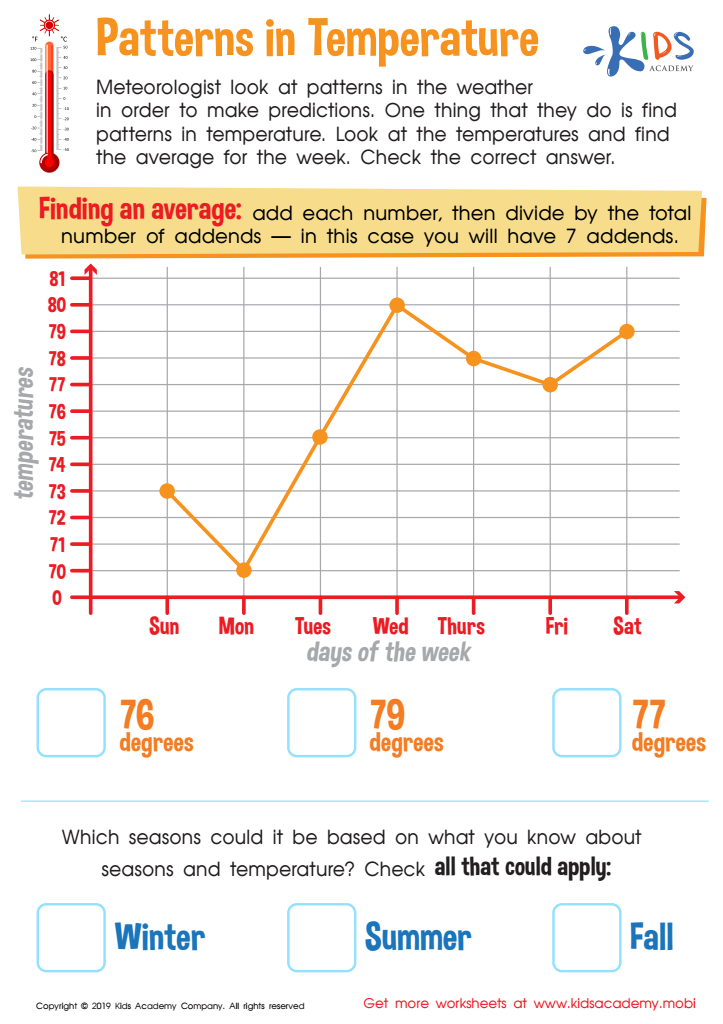
Patterns in Temperature Worksheet
Kids need to learn how to read and interpret data from graphs and charts. This free worksheet on temperature patterns helps them to do just that. They'll practice finding averages and answer questions in multiple-choice format. Plus, it provides a great learning experience!
 Assign to My Students
Patterns in Temperature Worksheet
Worksheet
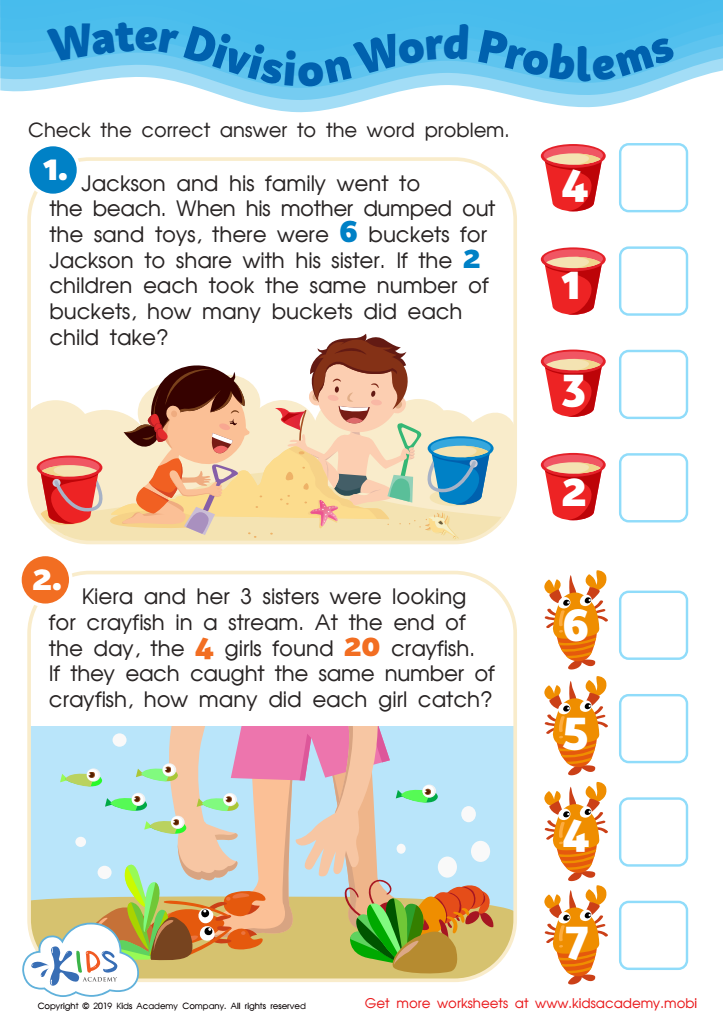
Water Division Word Problems Worksheet
Kids can sharpen their math skills with this fun PDF! They'll see pictures of friends at the beach, plus bold numbers and colorful pictures. All they need to do is read and understand the problem to find the answer - without even realizing they're doing division. A great way to make math enjoyable!
Water Division Word Problems Worksheet
Worksheet
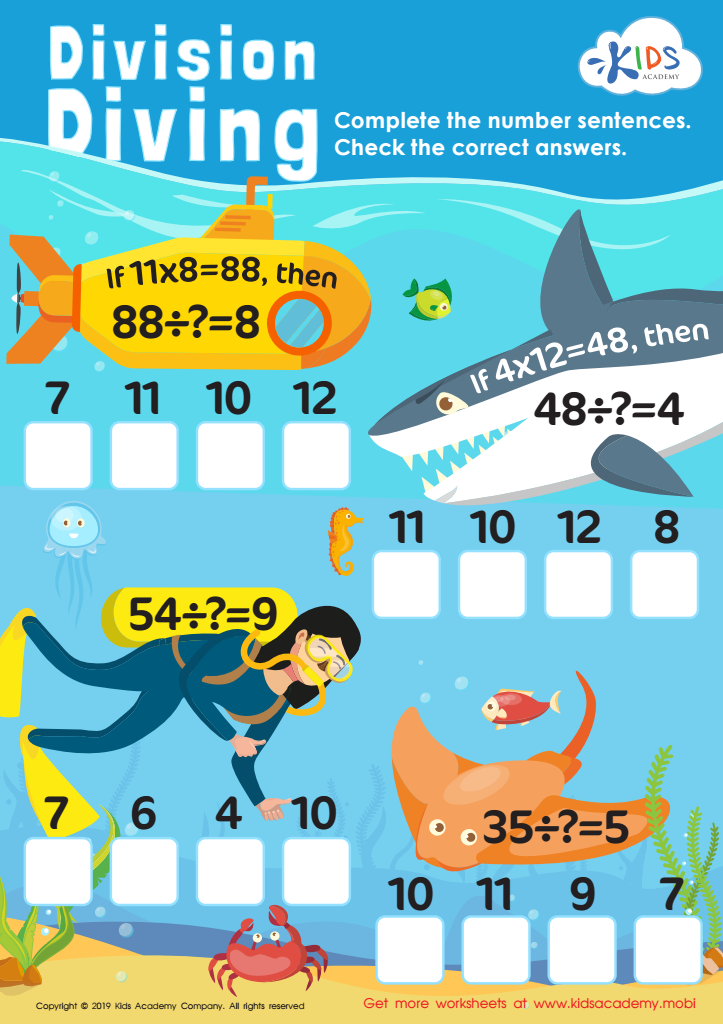
Division Diving Worksheet
Kids love exploring water and this free PDF worksheet is a great way to bring the fun and math together! Kids can help the underwater friends with number sentences, and use their fact family knowledge to solve for the missing number, then choose the correct answer. This worksheet is an enjoyable way for them to practice division!
Division Diving Worksheet
Worksheet
Join Kids Academy for Free
Who is primarily going to use this learning content?



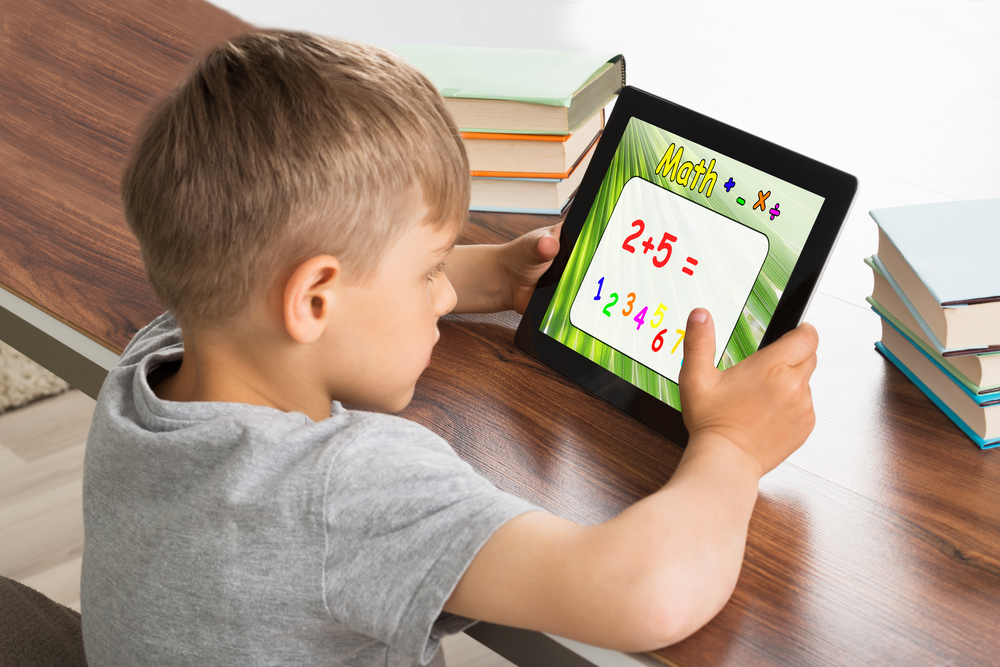



Mathematical reasoning is a foundational skill that plays a pivotal role in a child's cognitive development, particularly between the ages of 5 and 9. During this critical period, children develop essential skills that go beyond basic numbers and operations. Mathematical reasoning encourages logical thinking, problem-solving, and critical analysis, which are vital for success in various academic subjects and everyday life.
Parents and teachers should prioritize mathematical reasoning, as it helps children draw connections between concepts and apply their understanding to real-world situations. For instance, engaging children in activities that require estimating, measuring, or recognizing patterns allows them to explore mathematical ideas naturally and intuitively. This exploration fosters a positive attitude towards mathematics, reducing anxiety and building confidence over time.
Moreover, early exposure to mathematical reasoning enhances a child’s ability to work collaboratively with peers, communicate their thought processes, and embrace challenges. By nurturing these skills early on, parents and teachers can significantly impact a child's lifelong learning journey and workforce readiness. Ultimately, investing in mathematical reasoning at such a young age prepares children not only for academic success but also for informed decision-making, which benefits them throughout life.







