Shape Recognition Science Worksheets for Ages 5-9
5 filtered results
-
From - To
Explore our engaging Shape Recognition Science Worksheets designed for children ages 5-9! These worksheets make learning fun as they encourage young learners to identify and understand different shapes in their environment. Perfect for teachers and parents, these resources promote critical thinking and observation skills through exciting activities. Kids will enjoy color-coded exercises, engaging visuals, and interactive question prompts that reinforce shape recognition concepts. Our shape recognition worksheets align with early learning standards, making them an ideal addition to your educational toolkit. Help your child develop foundational skills in science while enjoying creative, hands-on learning experiences today! Suitable for classrooms or home learning.
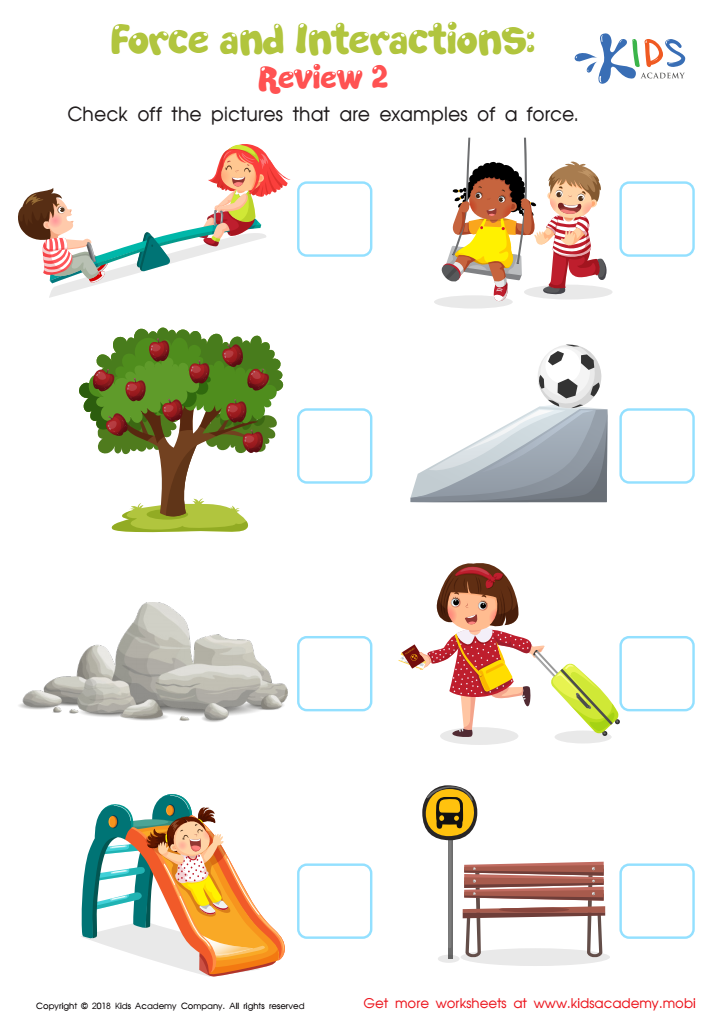
Force and Interactions: Review 2 Worksheet
 Assign to My Students
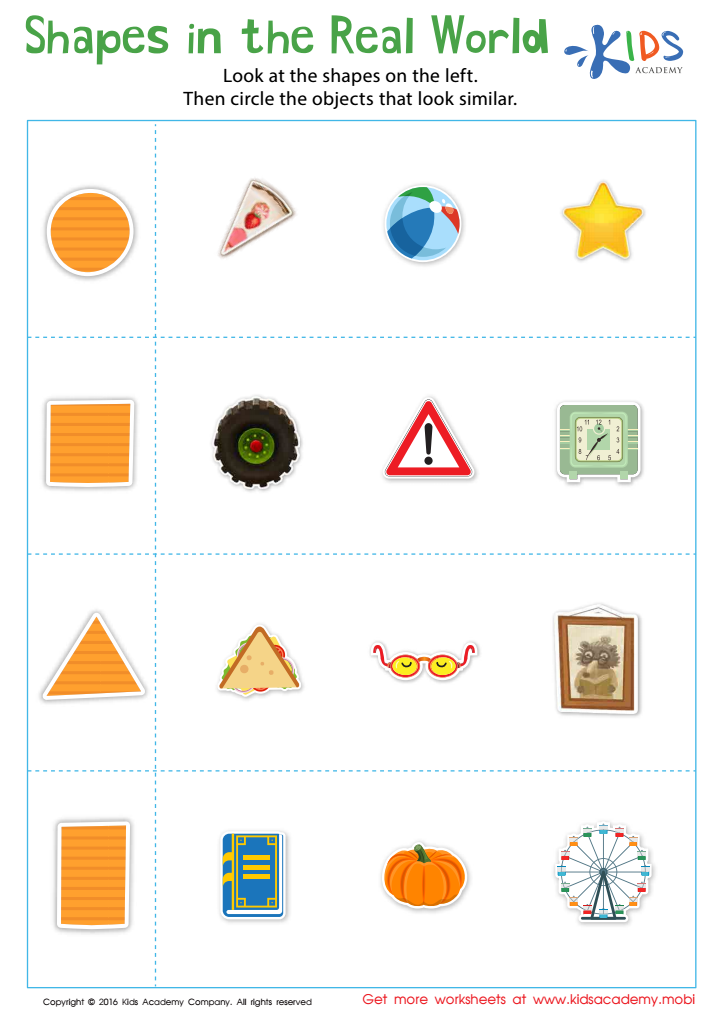
Shapes in the Real World Worksheet
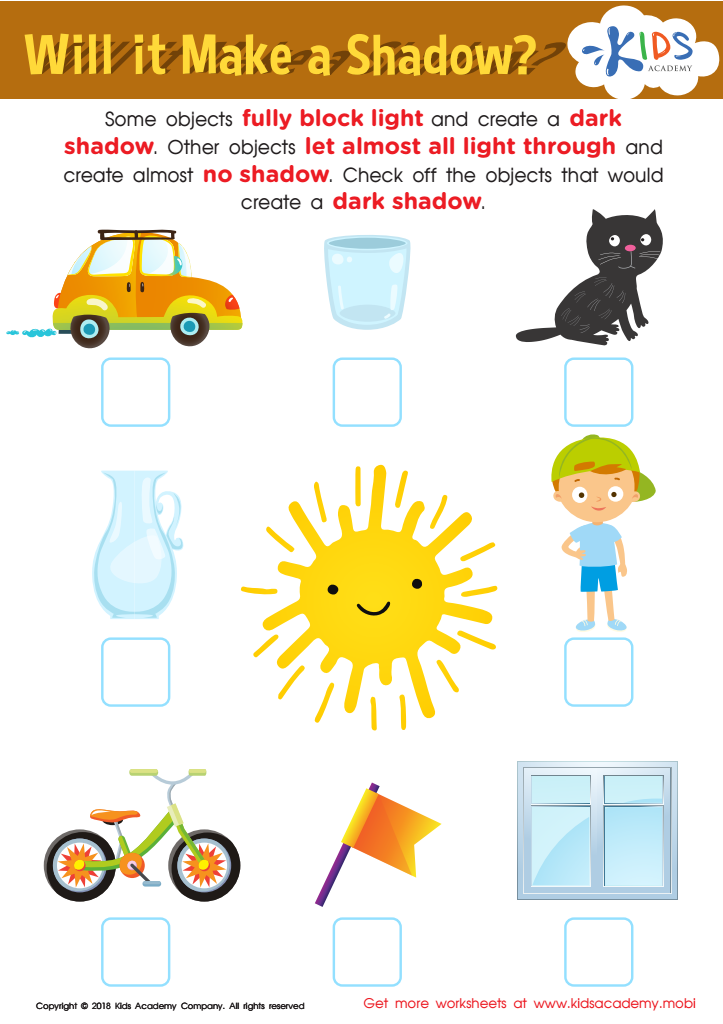
Will It Make a Shadow? Worksheet
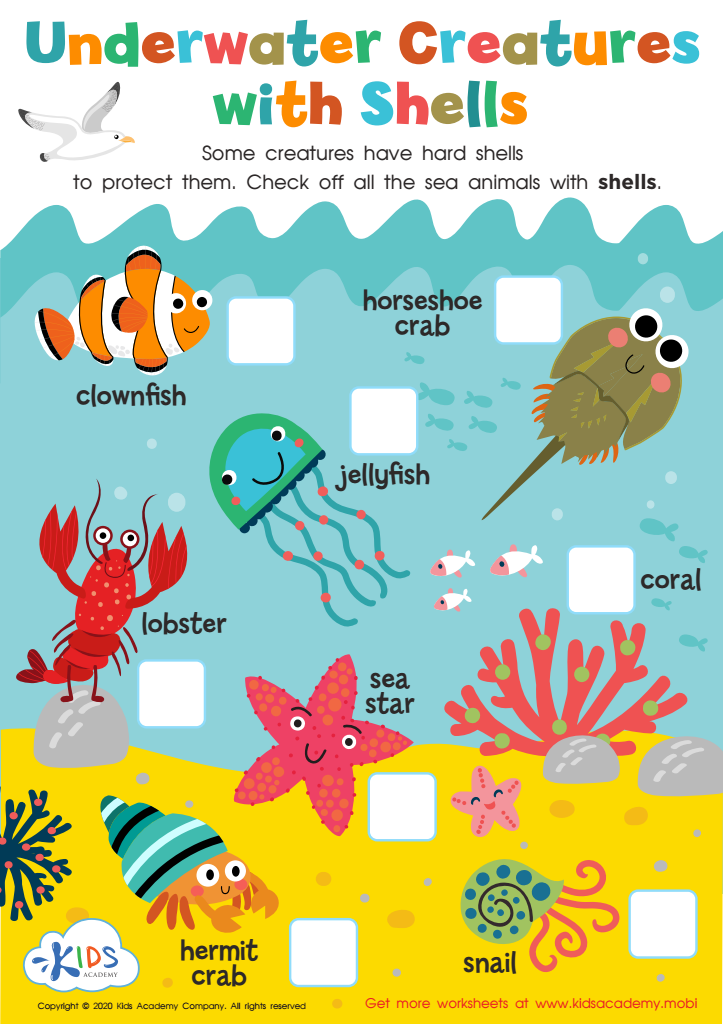
Underwater Creatures with Shells Worksheet
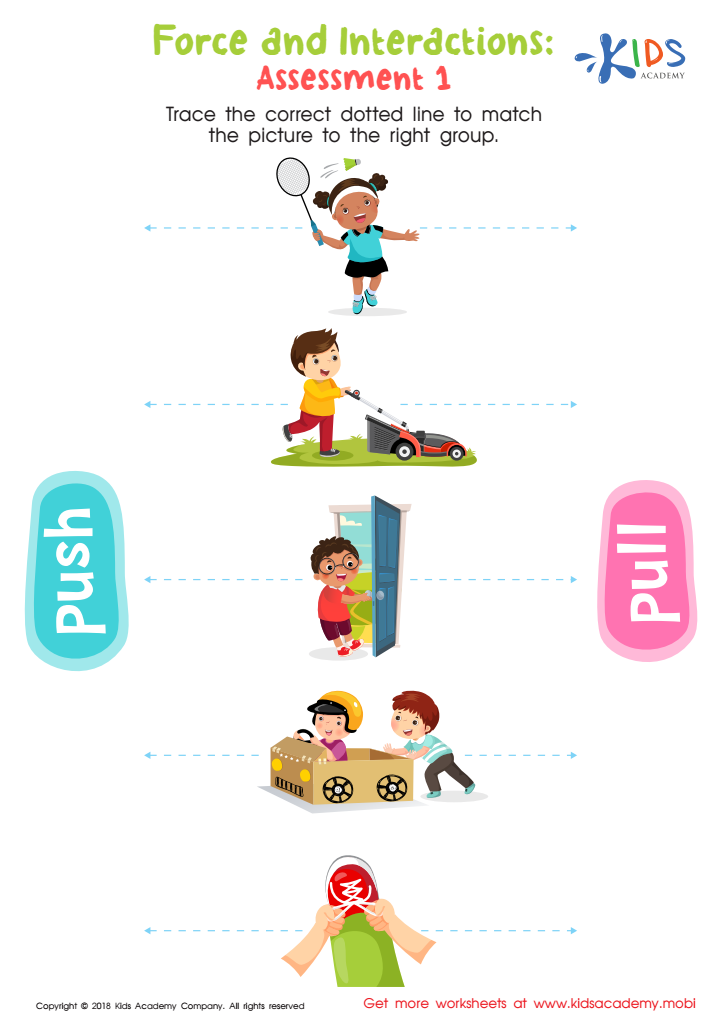
Force and Interactions: Assessment 2 Worksheet








Shape recognition is a fundamental skill that significantly influences a child's cognitive and spatial development. For children aged 5 to 9, recognizing and understanding shapes lays the groundwork for more complex concepts in mathematics, engineering, and the sciences. Shapes are everywhere in our environment, and being able to identify them helps children make sense of the world around them.
Parents and teachers should care about shape recognition because it enhances critical thinking and problem-solving skills. As children learn to differentiate shapes, they also develop important abilities such as categorization, pattern recognition, and spatial reasoning. These skills are not only essential for mathematics but also enrich reading and writing, as understanding geometric shapes contributes to letter and number formation.
Furthermore, engaging in shape-related activities fosters creativity through art and design, encouraging children to explore and express themselves. Shape recognition activities can be fun and interactive, which promotes deeper engagement and motivation to learn. By emphasizing this area of development, parents and teachers set the stage for successful lifelong learners, equipping children with the tools they need to navigate their world competently and confidently.







