Categorization skills Plants and Animals Worksheets for Ages 5-9
5 filtered results
-
From - To
Explore our engaging "Categorization Skills: Plants and Animals Worksheets" designed for children ages 5-9. These interactive worksheets help young learners identify and classify different plants and animals, fostering critical thinking and observational skills. Each worksheet is thoughtfully created to encourage categorization based on various characteristics such as habitat, size, and type. Perfect for at-home learning or classroom activities, these worksheets promote hands-on learning in a fun and informative way. Whether your child is sorting fruit, identifying household pets, or grouping wildlife, these resources will enhance their understanding of the natural world while developing essential skills. Start your educational journey today!
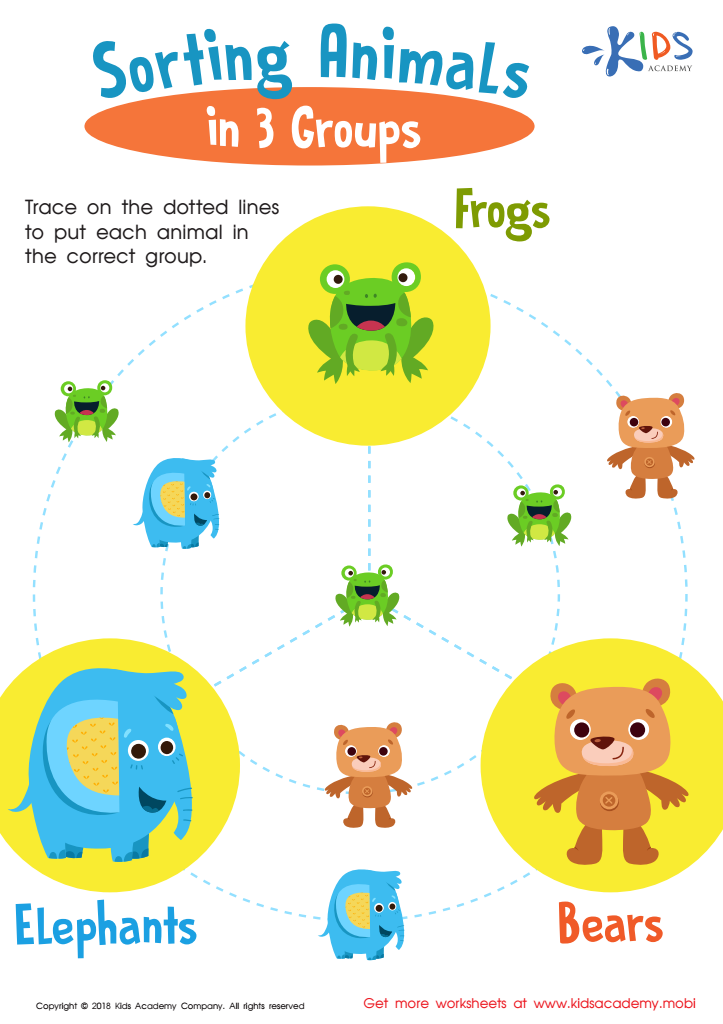
Sorting Animals in 3 Groups Worksheet
 Assign to My Students
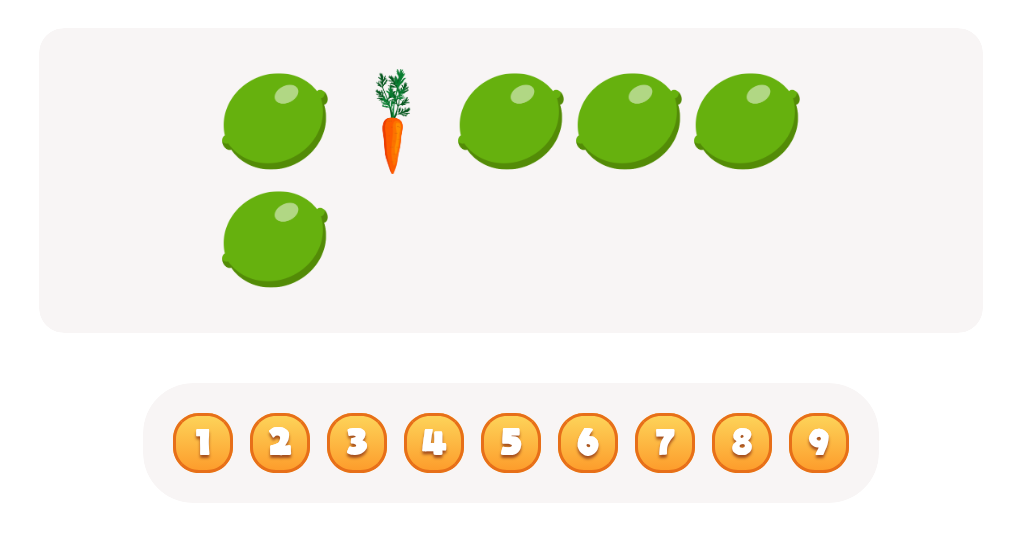

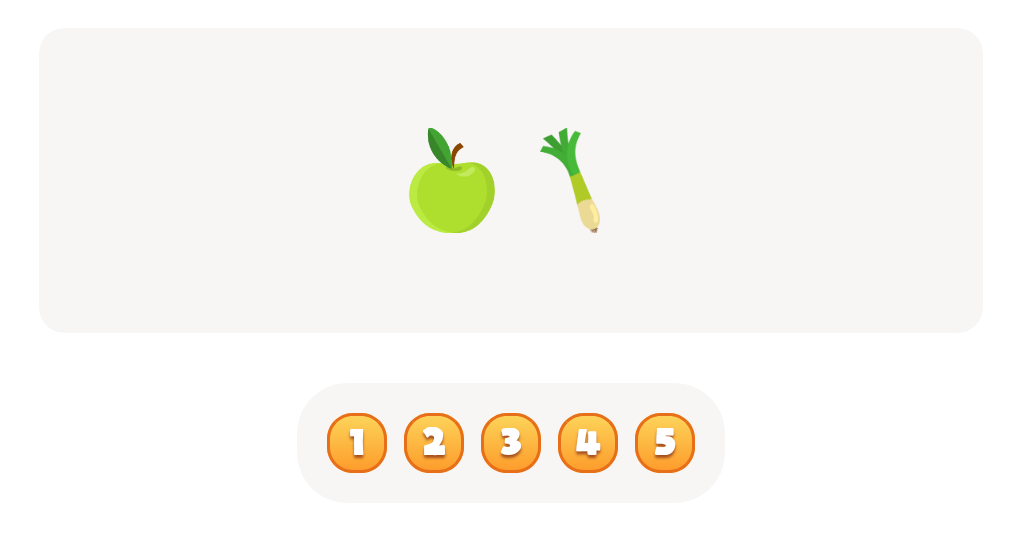
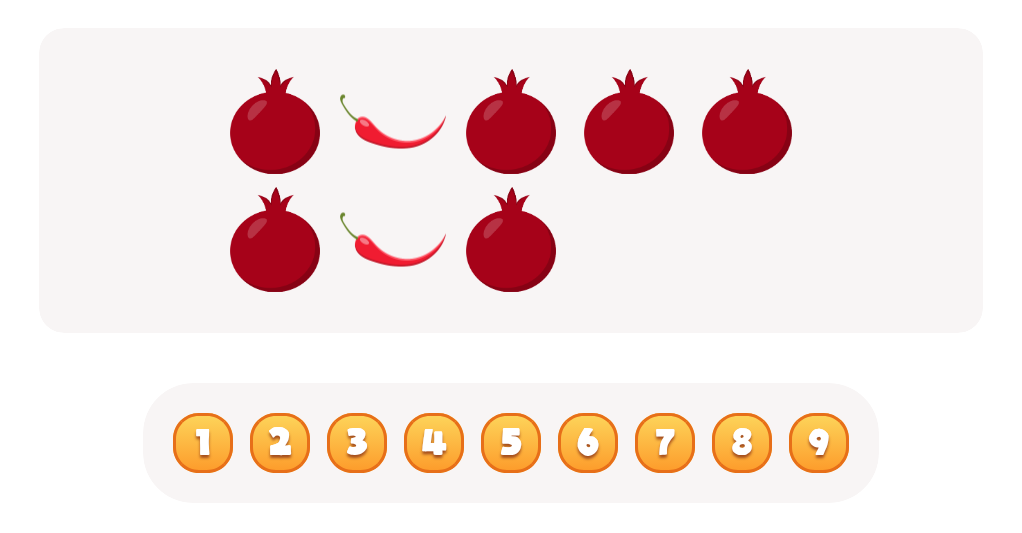
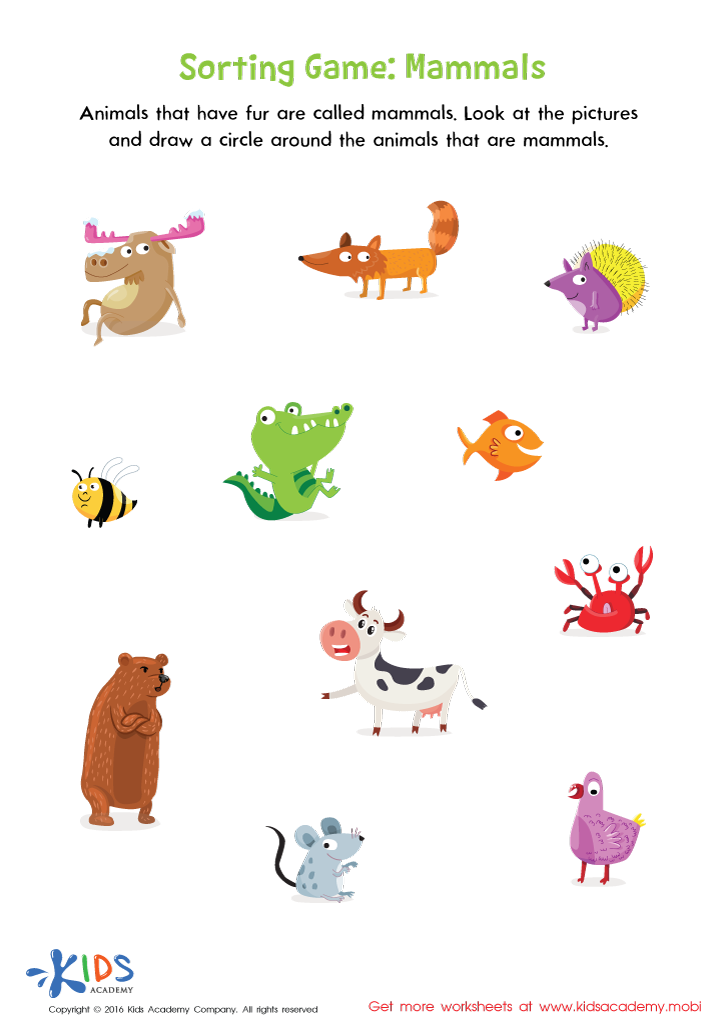
Mammals Sorting Worksheet
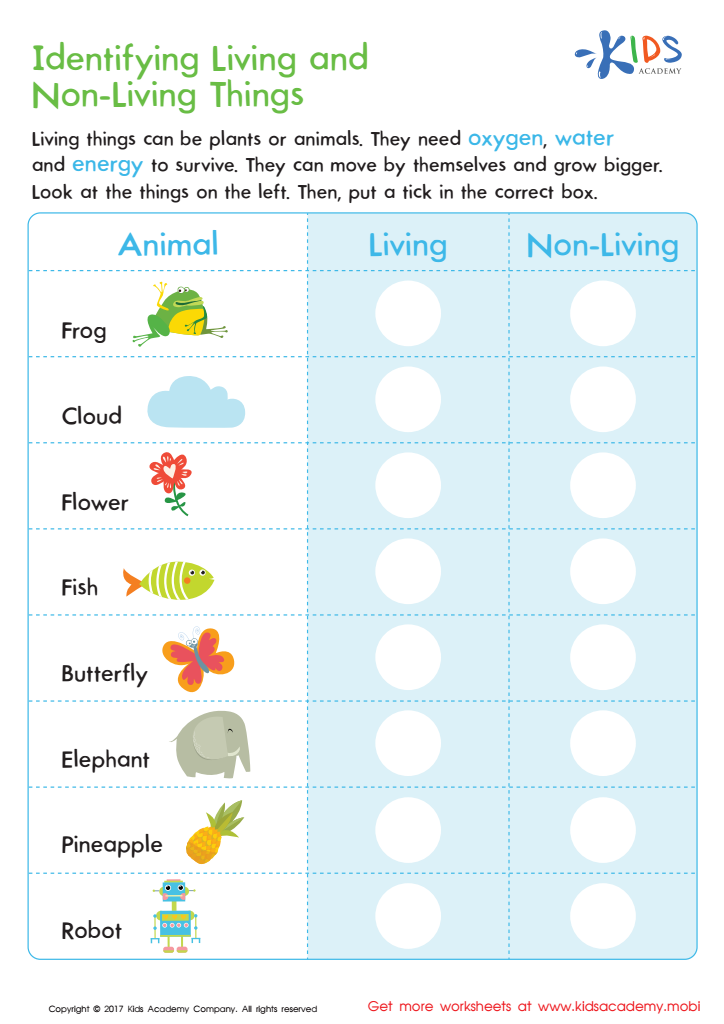
Identifying Living or Non–living Worksheet
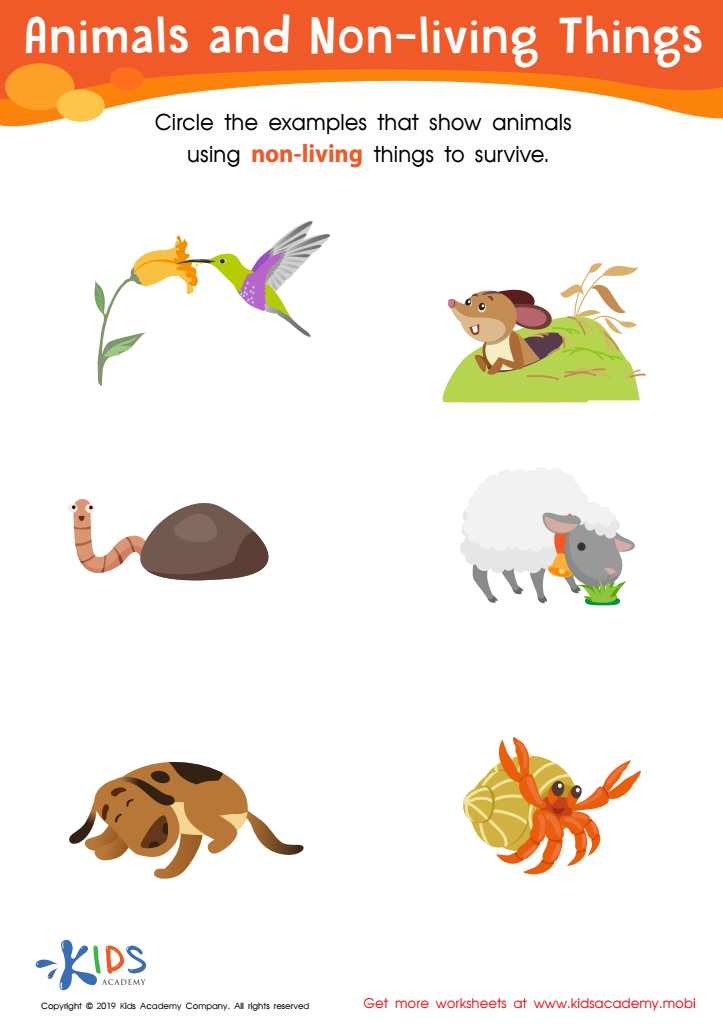
Animals and Non-Living Things Worksheet



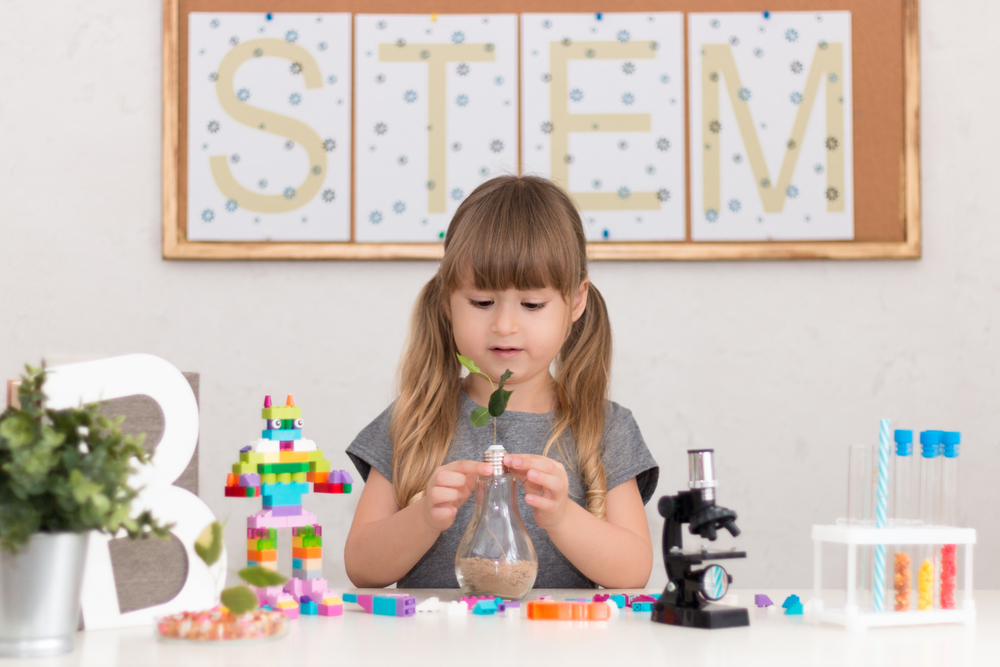




Categorization skills, particularly regarding plants and animals, play a crucial role in the cognitive development of children aged 5-9. At this stage, children are naturally inclined to explore their environments, making it an ideal time to foster critical thinking and classification abilities.
By engaging with plants and animals, children learn to identify and sort species, understand their characteristics, and recognize their habitats. This not only enhances observational skills but also empowers children to form connections between different biological concepts. For parents and teachers, encouraging categorization helps develop vocabulary and promotes scientific literacy, allowing young learners to articulate their understanding of the world around them.
Additionally, these skills introduce children to foundational concepts in ecology and biology, aiding them in grasping larger themes of biodiversity, ecosystems, and conservation. This knowledge is not merely academic; it fosters an appreciation for nature and its complexities, instilling a sense of responsibility and stewardship for the environment.
Ultimately, when parents and teachers nurture categorization skills, they equip children with valuable reasoning and analytical abilities that extend beyond biology, supporting their overall educational journey and fostering a lifelong love of learning.








