Cognitive Development Plants and Animals Worksheets for Ages 5-9
9 filtered results
-
From - To
Explore our engaging Cognitive Development Plants and Animals Worksheets designed for children aged 5-9! These worksheets promote critical thinking and enhance cognitive skills through interactive activities centered around the fascinating world of plants and animals. By combining essential science concepts with exciting exercises, young learners will discover the relationships between ecosystems, flora, and fauna. Our thoughtfully crafted materials help nurture curiosity, strengthen problem-solving abilities, and stimulate creativity. Ideal for homeschoolers or classroom settings, these worksheets not only support cognitive development but also foster a deeper understanding of nature. Dive into a world of discovery and watch young minds grow!
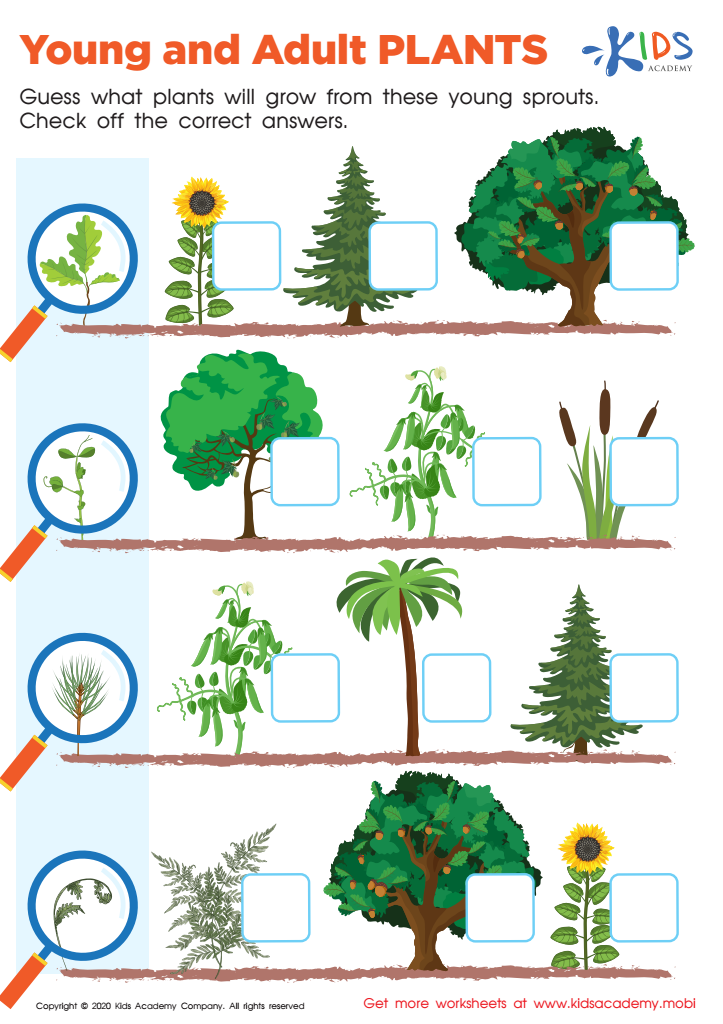
Young and Adult Plants Worksheet
 Assign to My Students











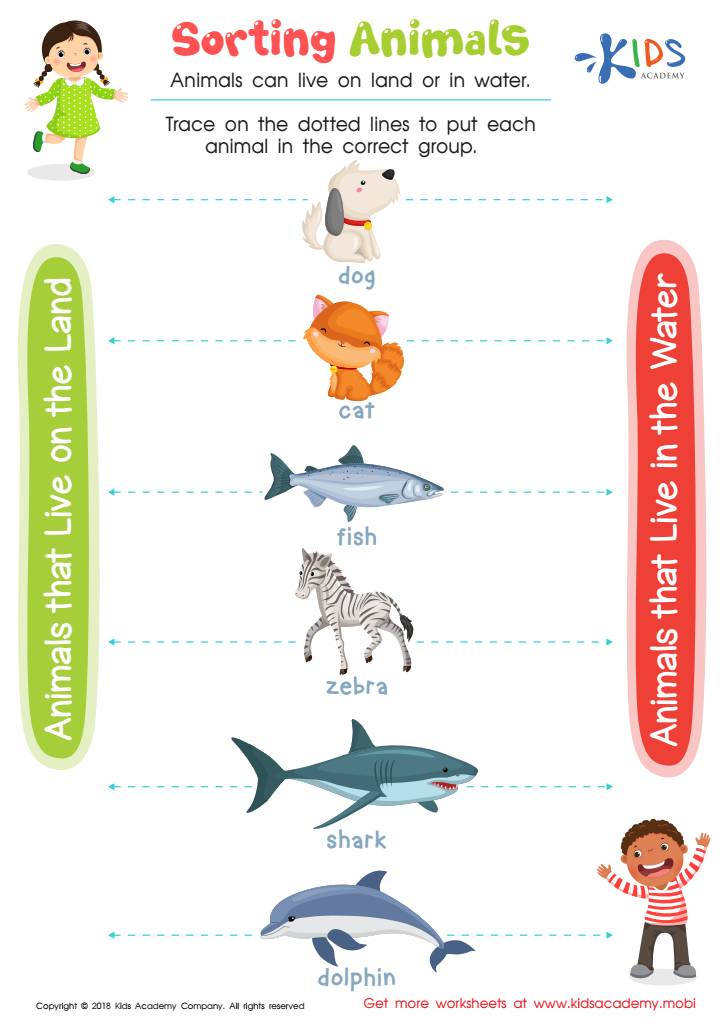
Sorting Animals Worksheet
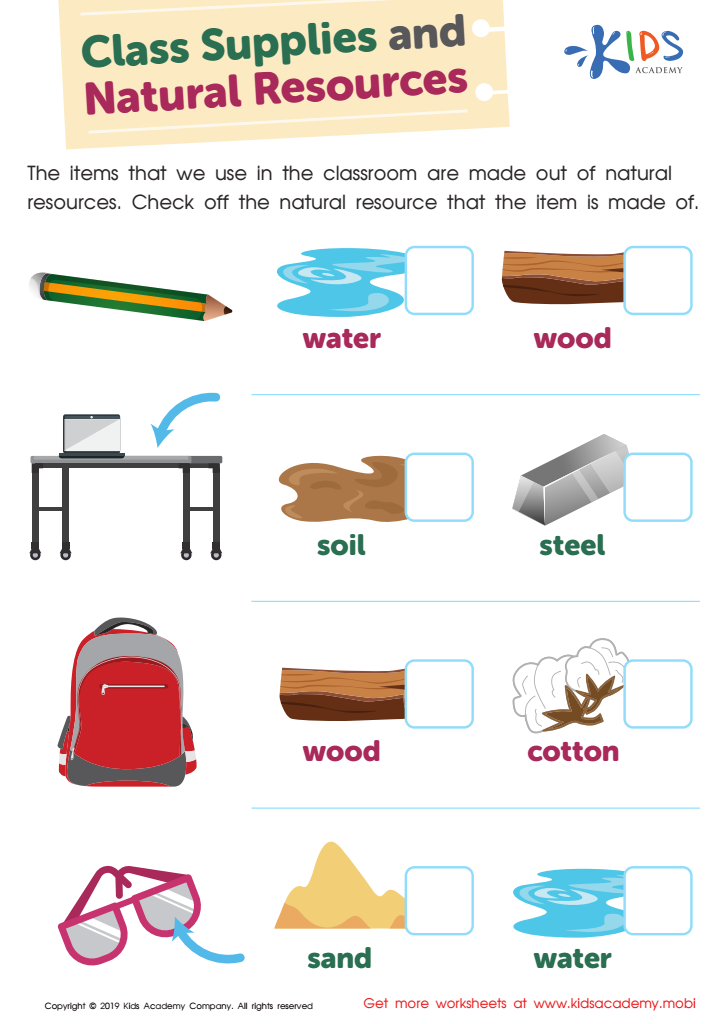
Class Supplies and Natural Resources Worksheet
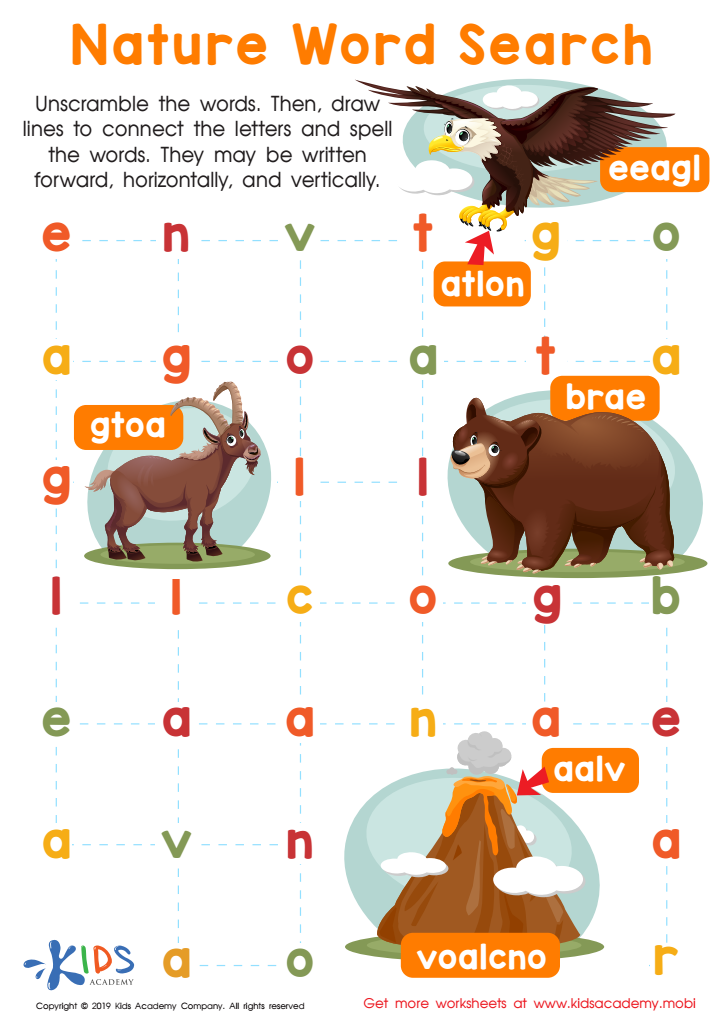
Nature Word Search Worksheet
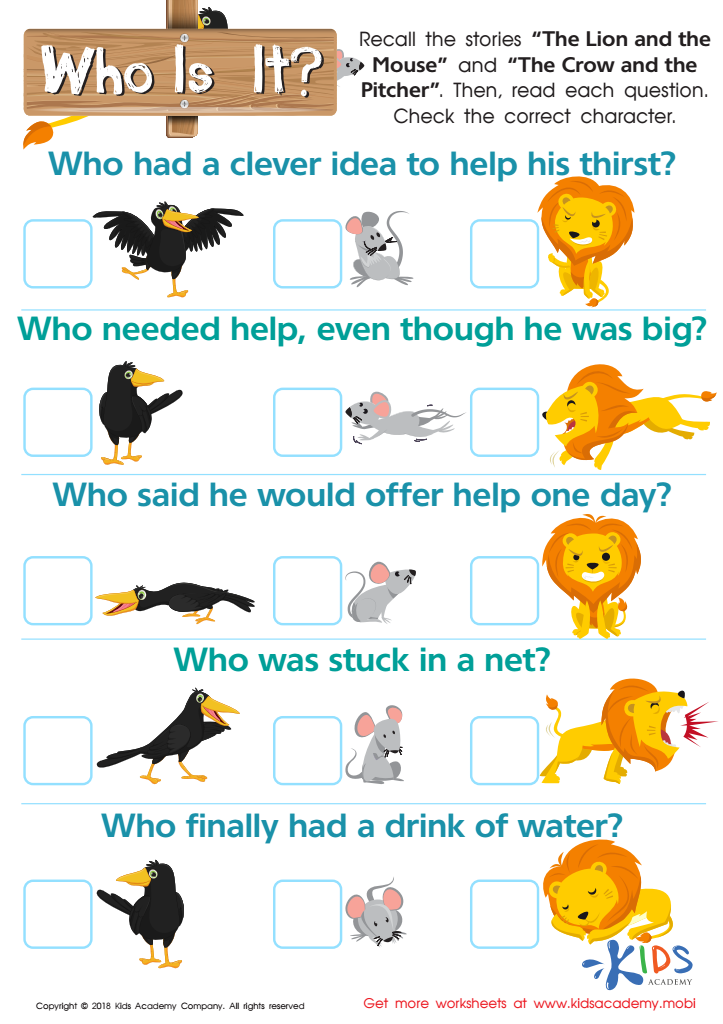
Who Is It? Worksheet
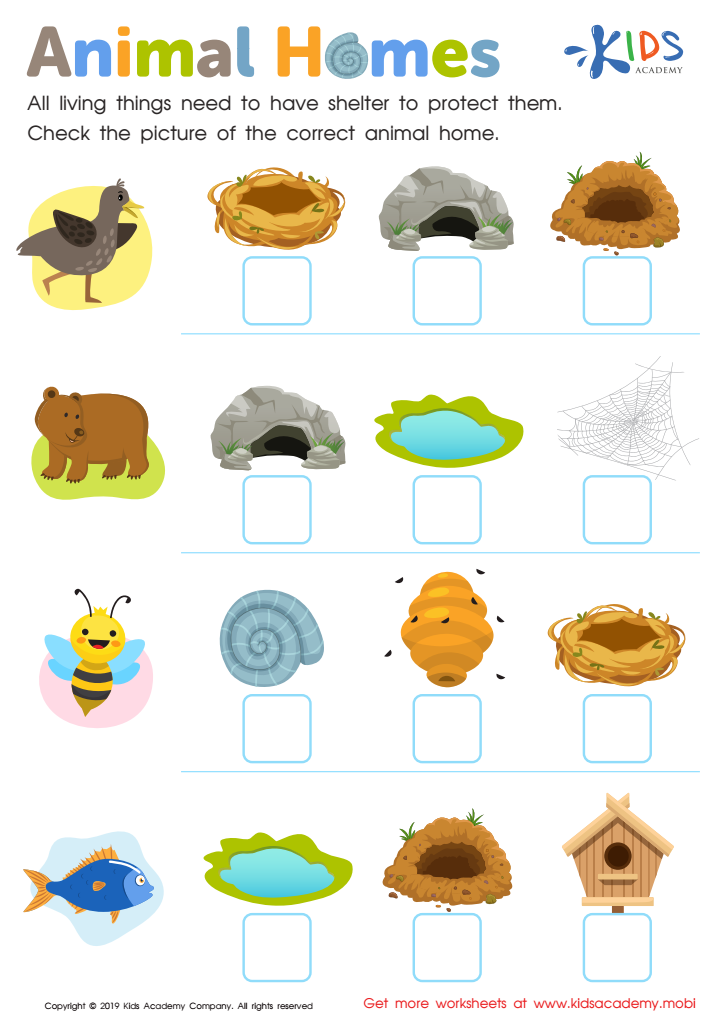
Animal Homes Worksheet
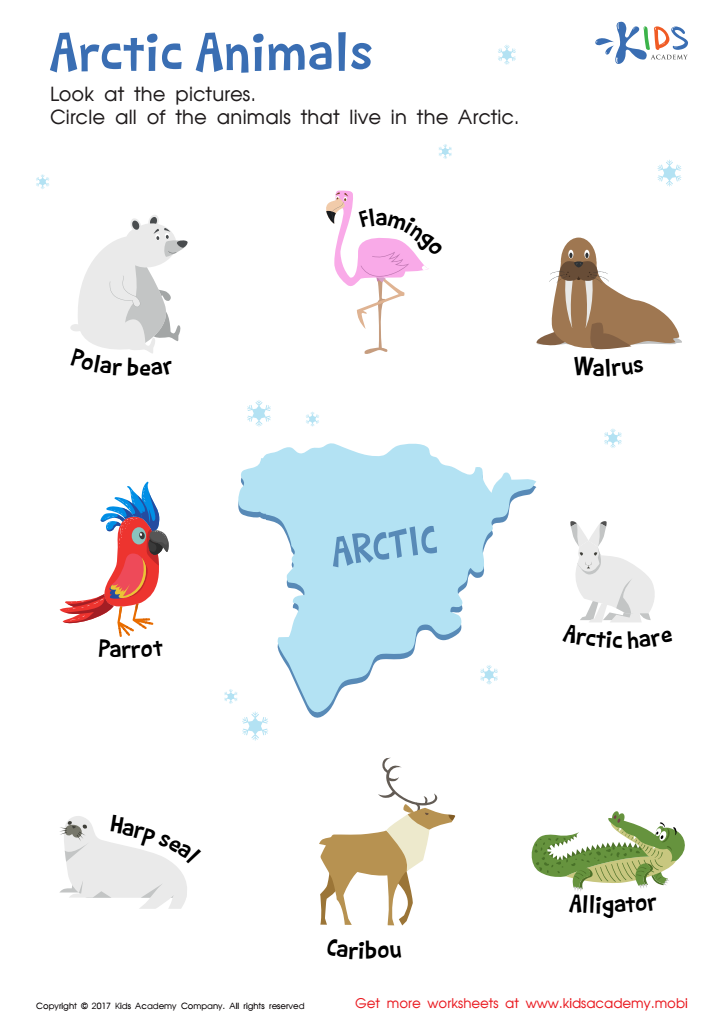
Arctic Animals Worksheet
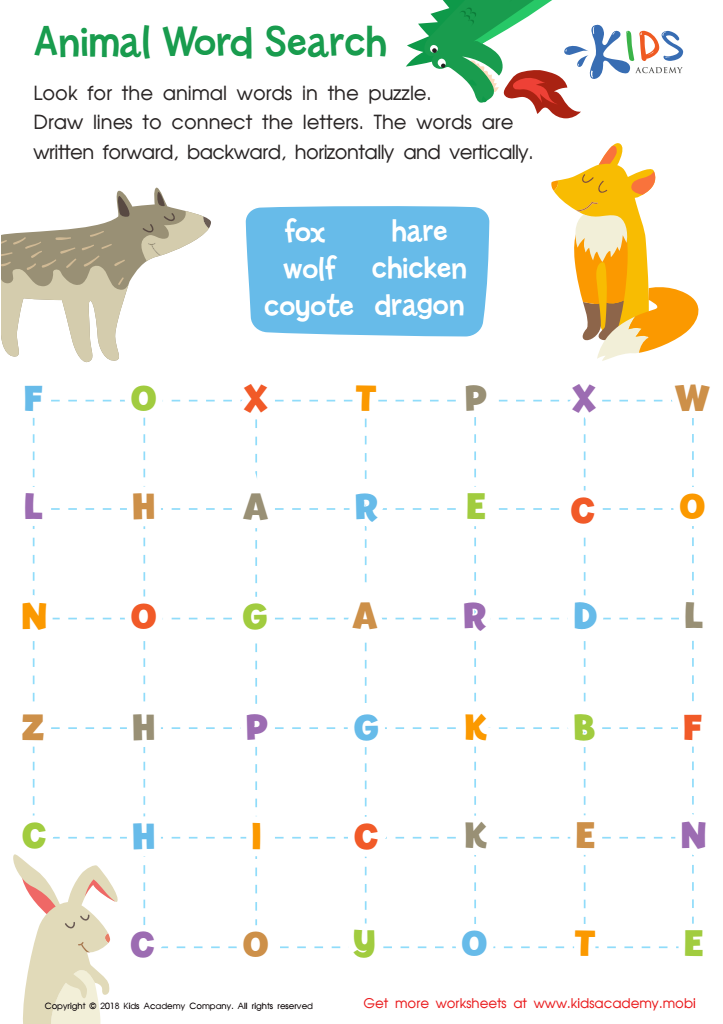
Animal Word Search Worksheet
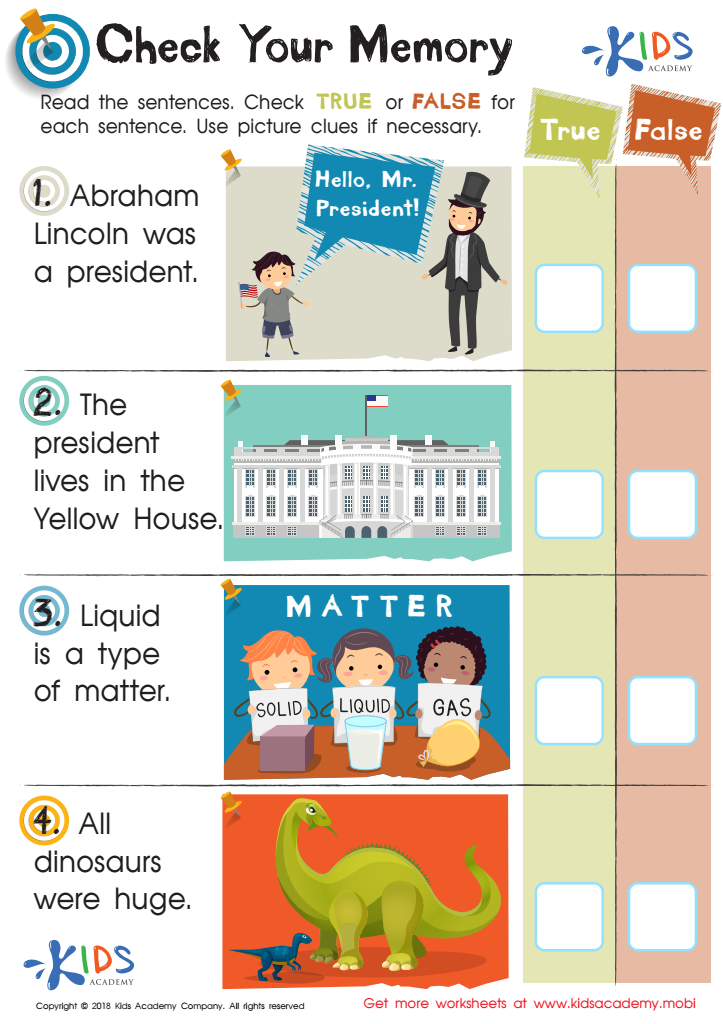
Check Memory Worksheet




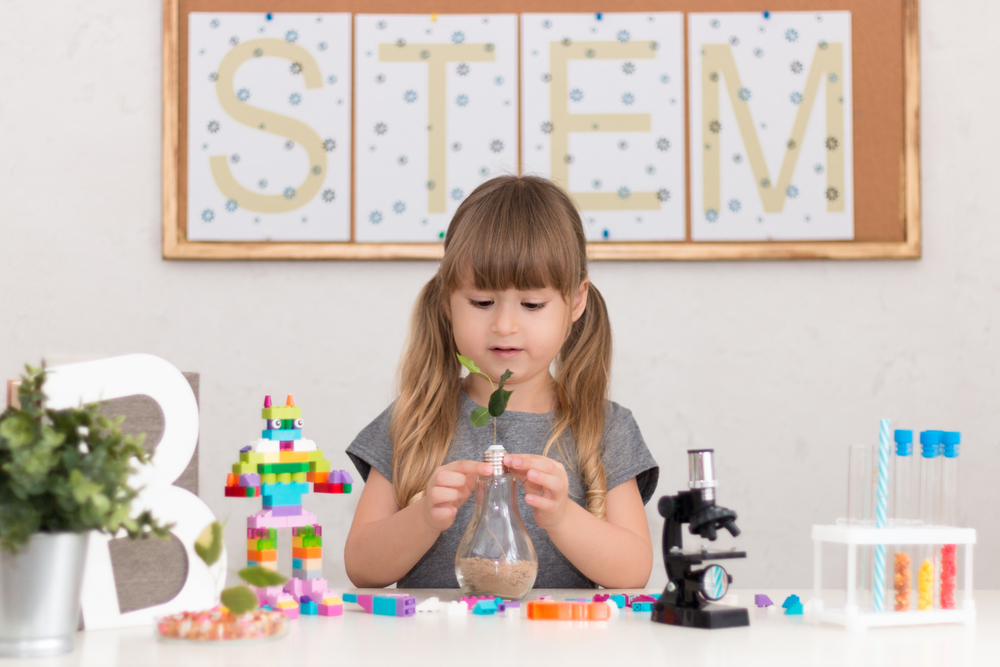

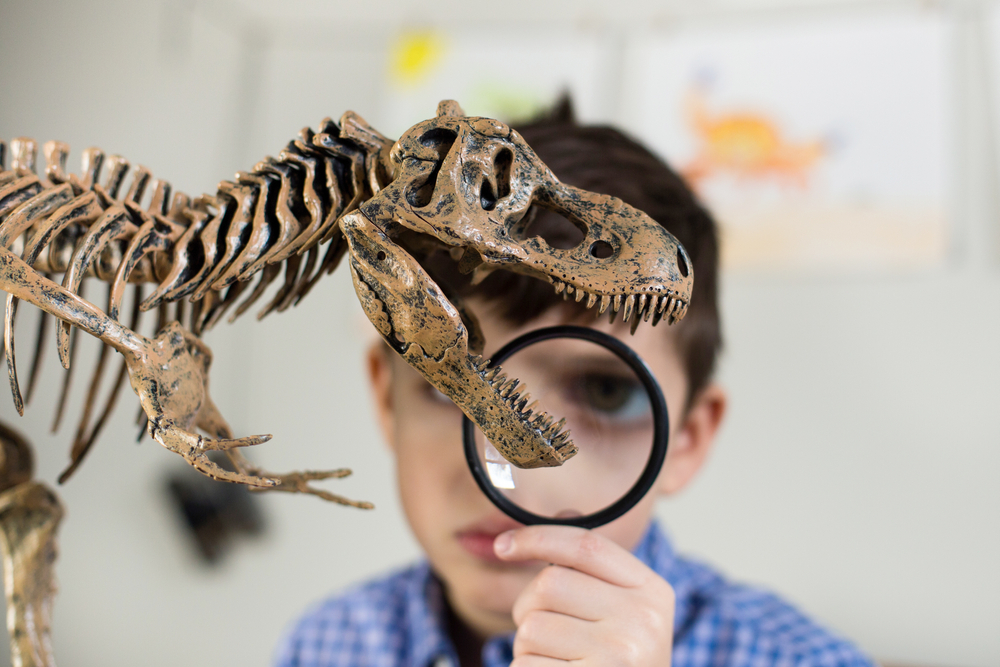

Cognitive development in children aged 5-9 is crucial as it sets the groundwork for their understanding of the world around them. Plants and animals provide rich, relatable materials for learning, deeply engaging young minds and fostering curiosity. Engaging with these topics supports essential cognitive skills, such as critical thinking, problem-solving, and observational abilities.
Parents and teachers should care about this developmental aspect because knowledge of plants and animals not only instills respect for nature but also encourages responsibility – teaching children to care for living things. Through hands-on activities like gardening or observing wildlife, children enhance their sensory skills and learn about life cycles, ecosystems, and the interdependence within nature.
Moreover, exploring diversity among plants and animals nurtures cultural understanding and empathy, as children learn about different environments and lifestyles globally. This thematic approach aligns with curriculum standards and promotes interdisciplinary learning, periodically boosting kids’ engagement in science, art, and even literature. Ultimately, fostering an understanding of plants and animals during formative years lays the foundation for lifelong learning and environmental stewardship, while simultaneously enriching children’s cognitive and social skills.








