Vocabulary enhancement Alphabet Worksheets for 5-Year-Olds
32 filtered results
-
From - To
Boost your child's language skills with our Vocabulary Enhancement Alphabet Worksheets designed for 5-year-olds! These expertly crafted activities combine fun and learning, helping young children expand their vocabulary while mastering the alphabet. Each worksheet features engaging exercises including tracing, matching, and identifying words that correspond with each letter, promoting early literacy and cognitive development. Perfect for both home and classroom settings, our printables support your child's educational journey through enjoyable and interactive content. Dive into enriching learning experiences that lay the groundwork for future reading and writing success. Nurture your child's love for language today!
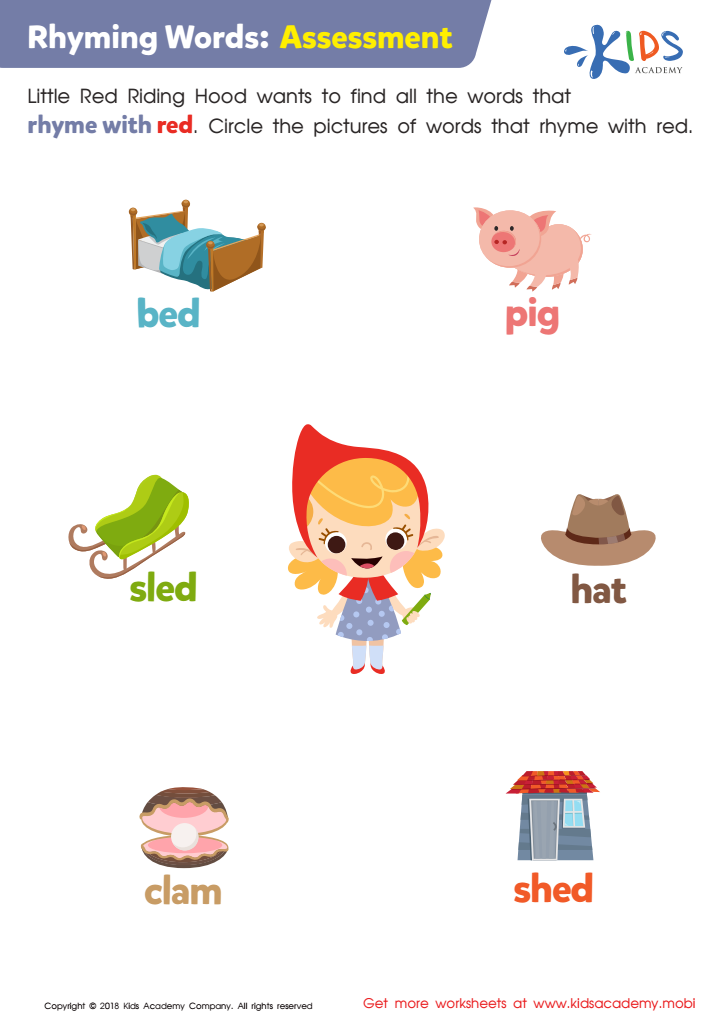
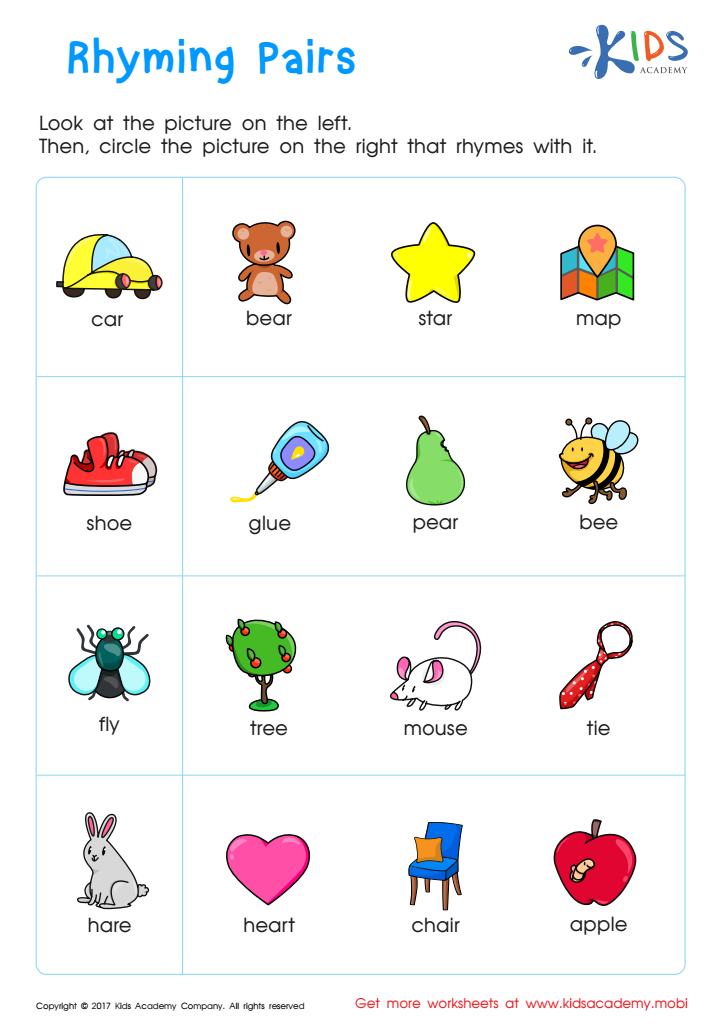
Rhyming Words: Assessment Worksheet
 Assign to My Students
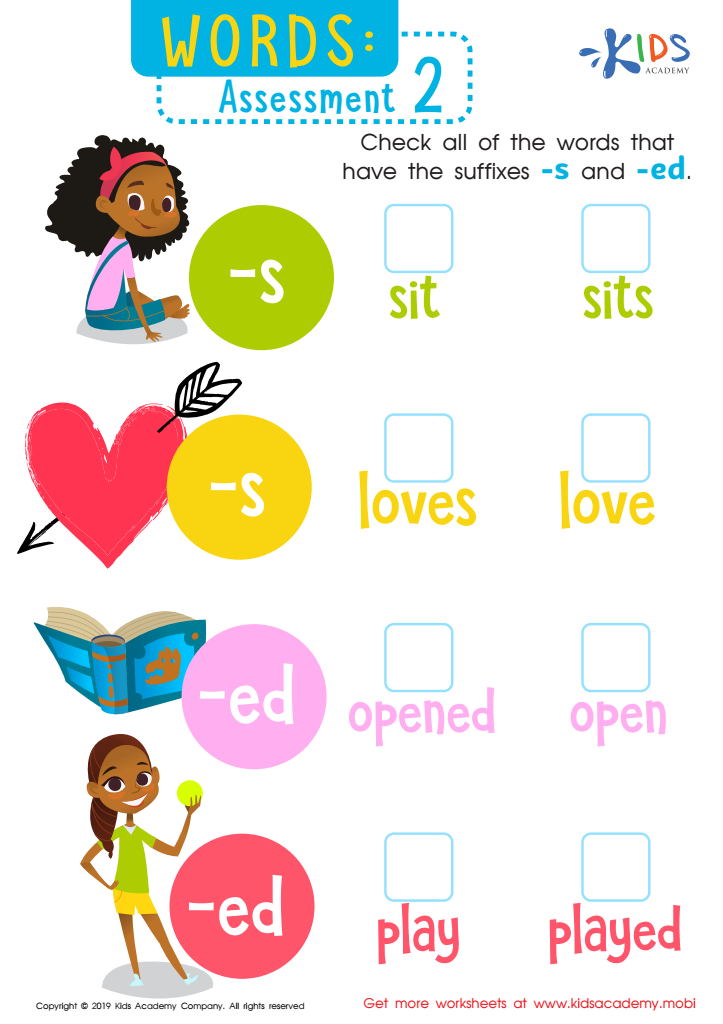
Words: Assessment 2 Worksheet
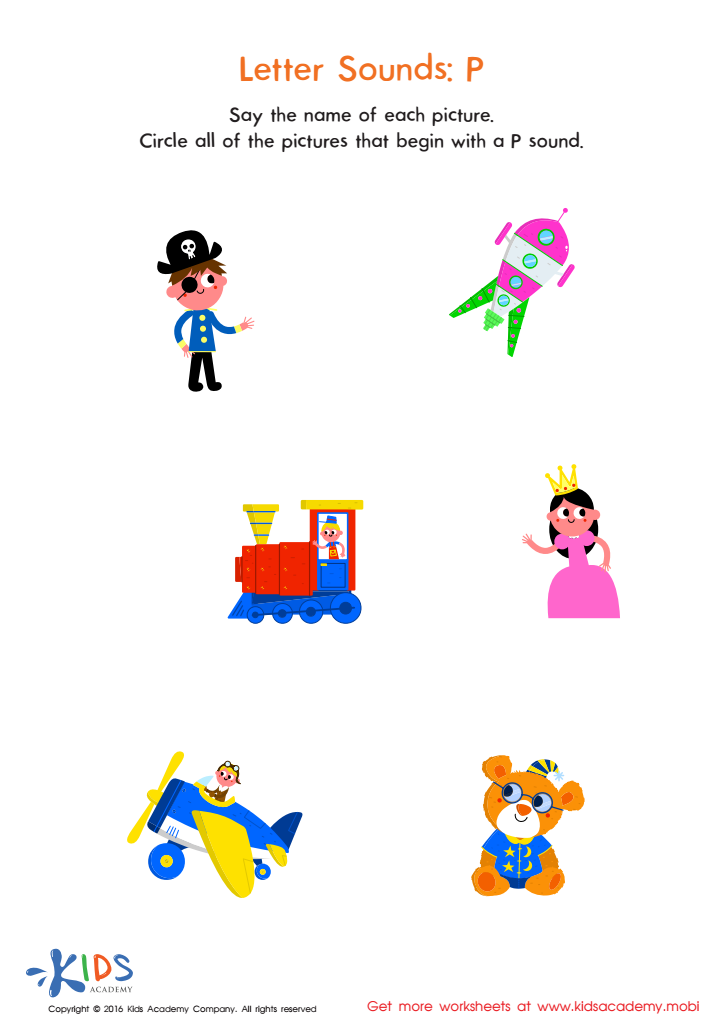
Letter P Sound Worksheet
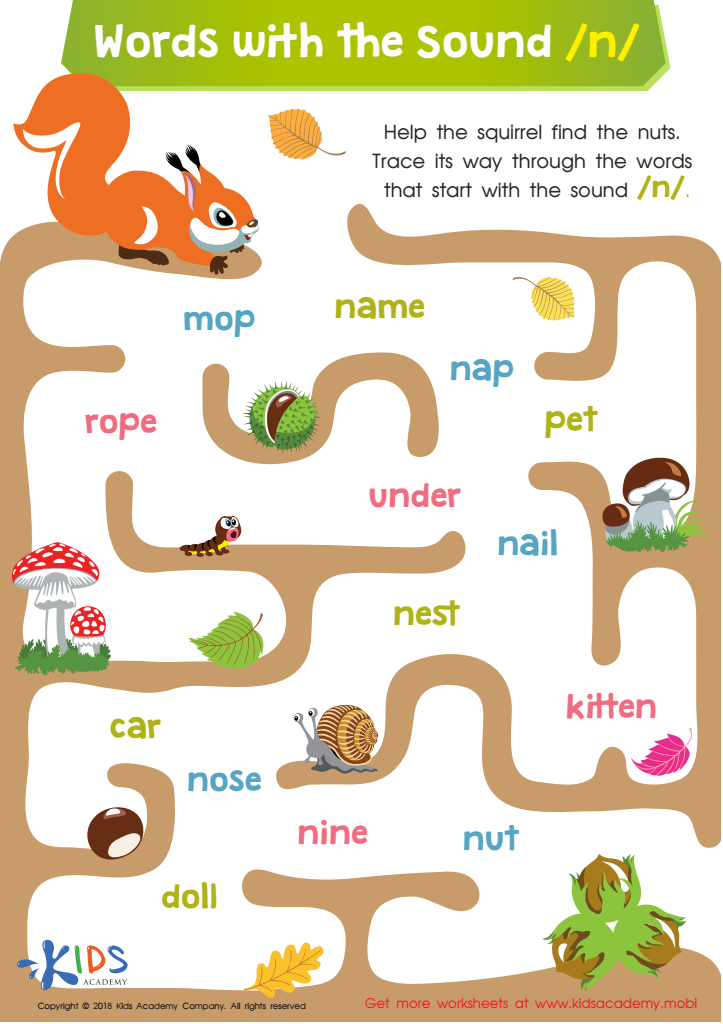
Words with Sound N Reading Worksheet
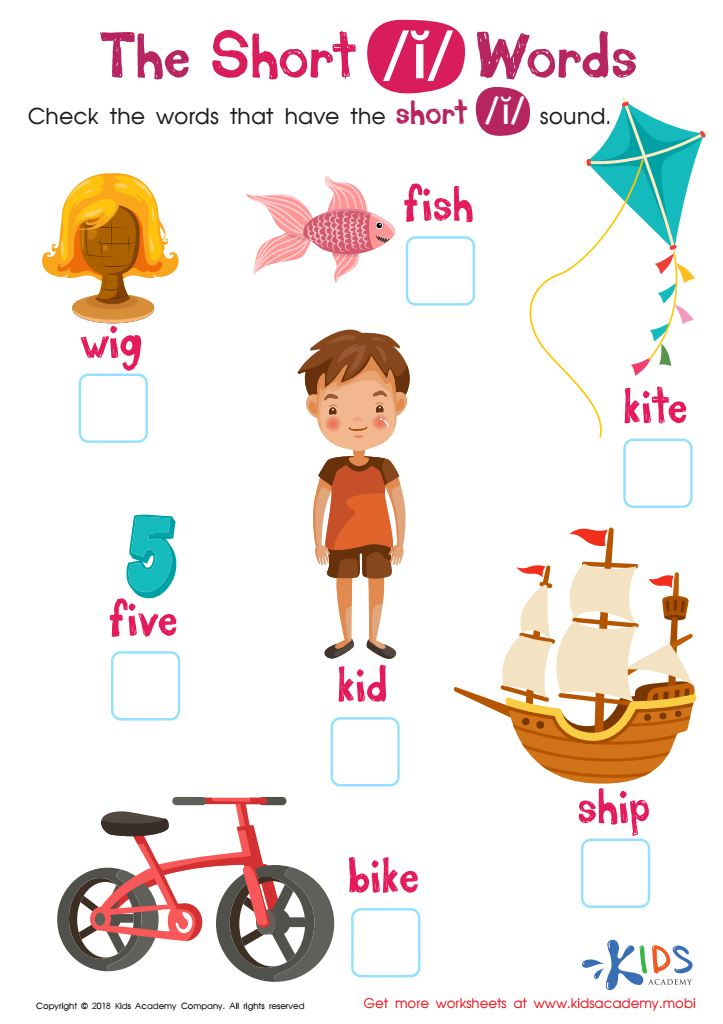
The Short I Words Reading Worksheet
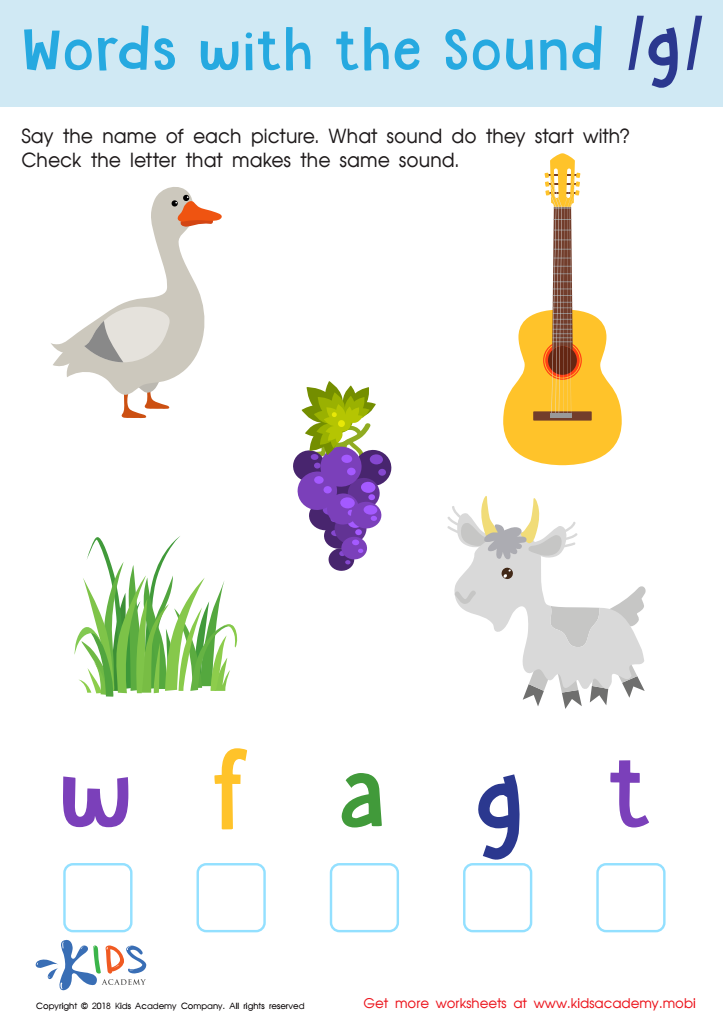
Words with sound g Reading Worksheet
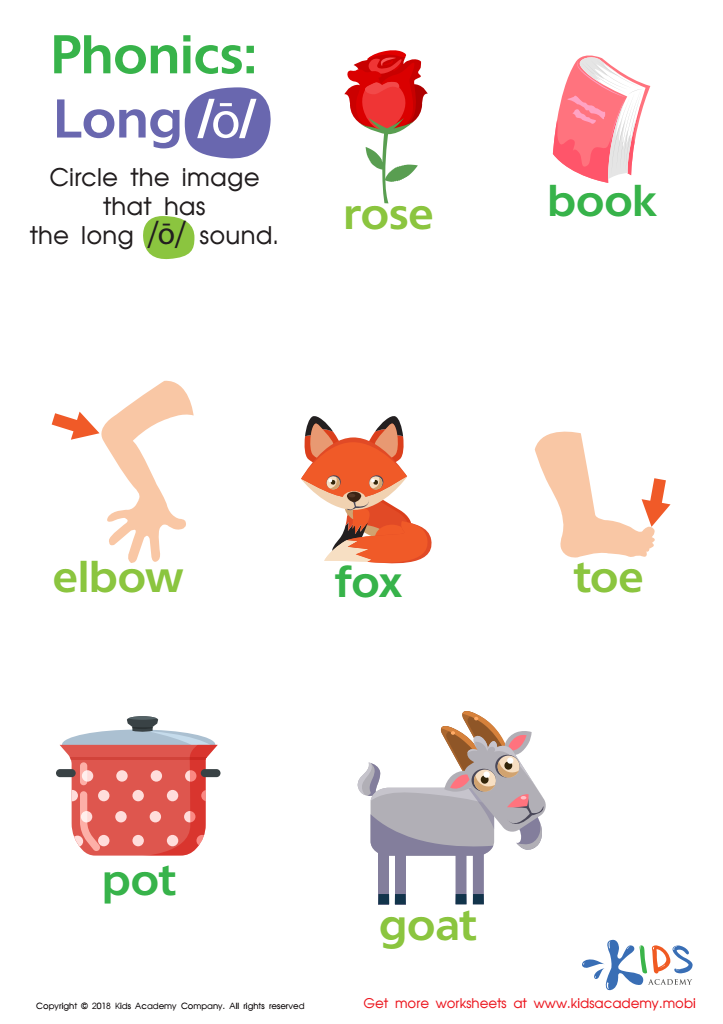
Phonics Long O Reading Worksheet
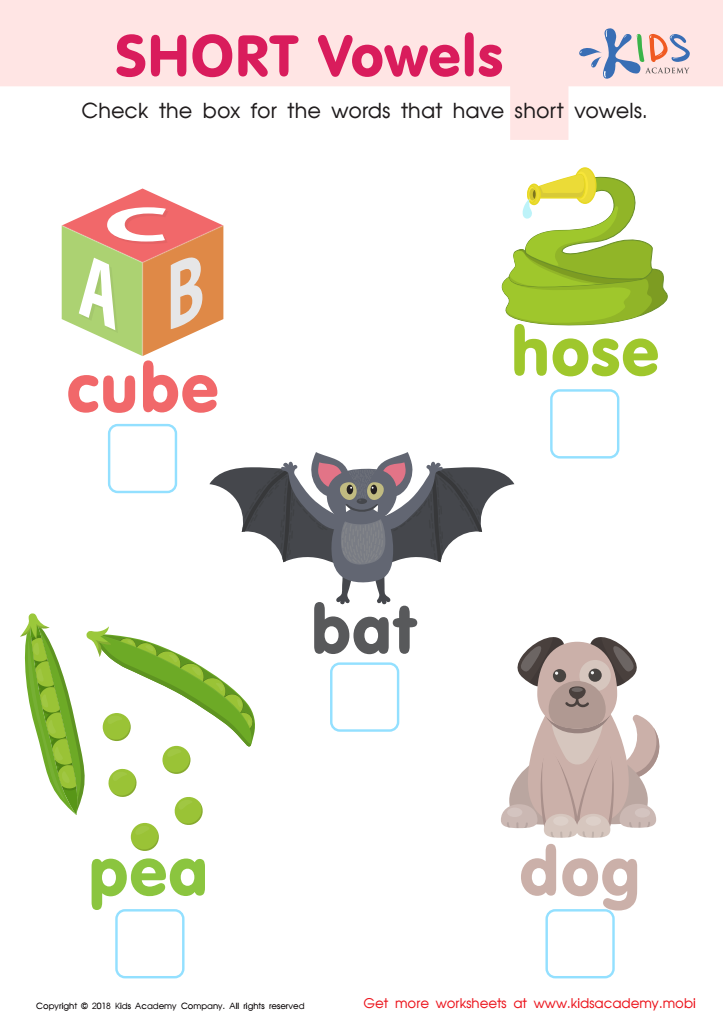
short vowels Worksheet
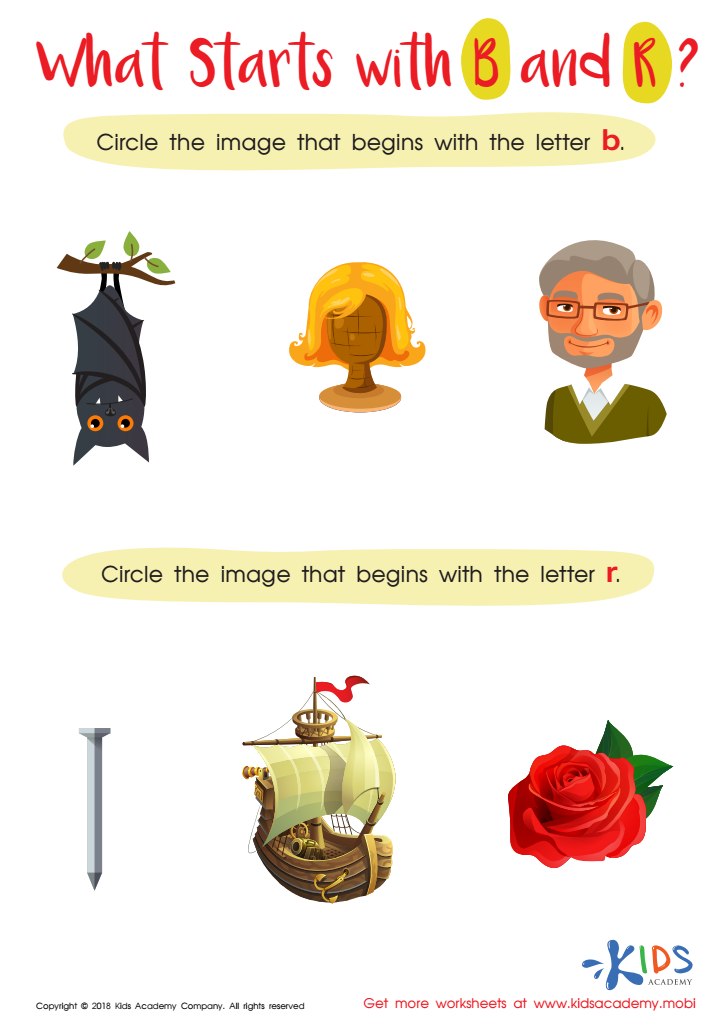
What Starts with B and R? Worksheet
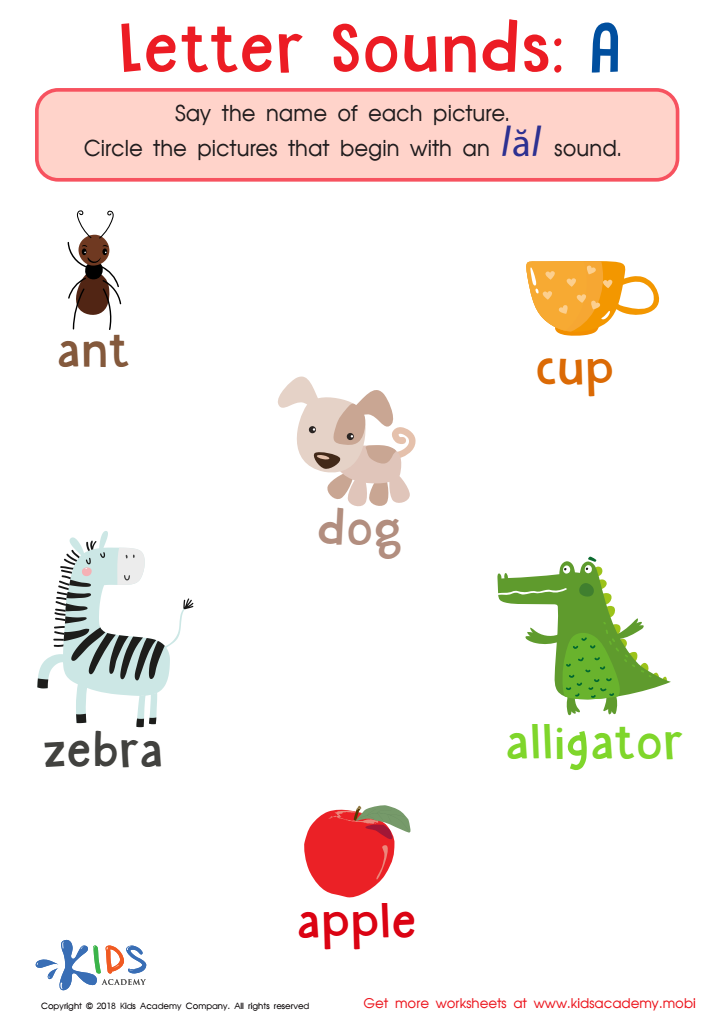
Letter A Sounds Worksheet
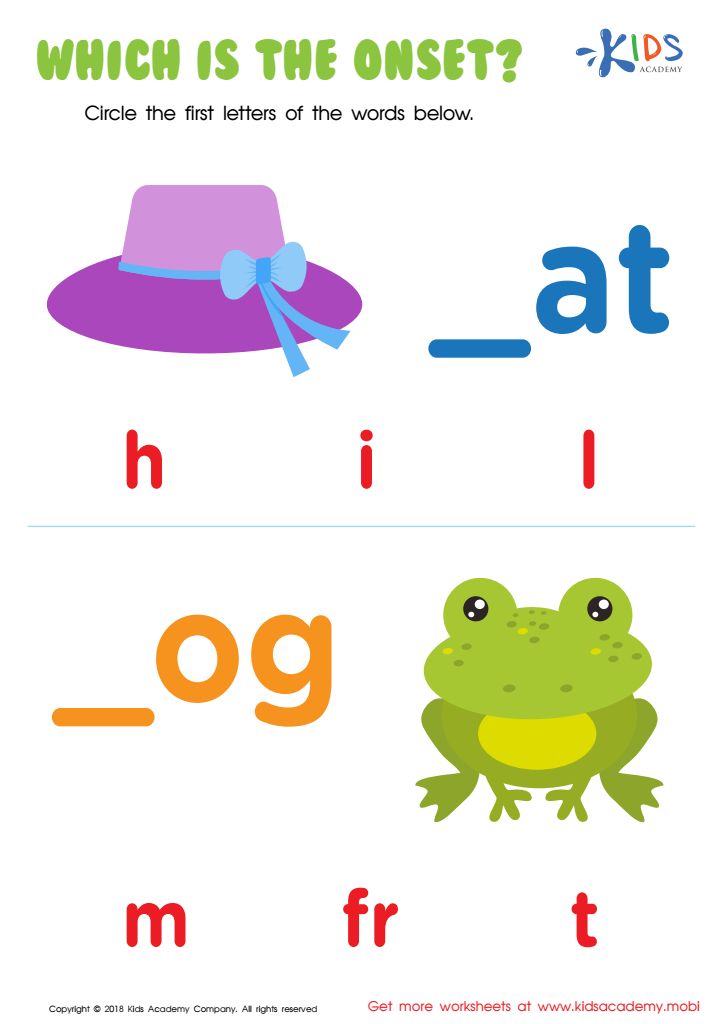
Which Is the Onset? Worksheet
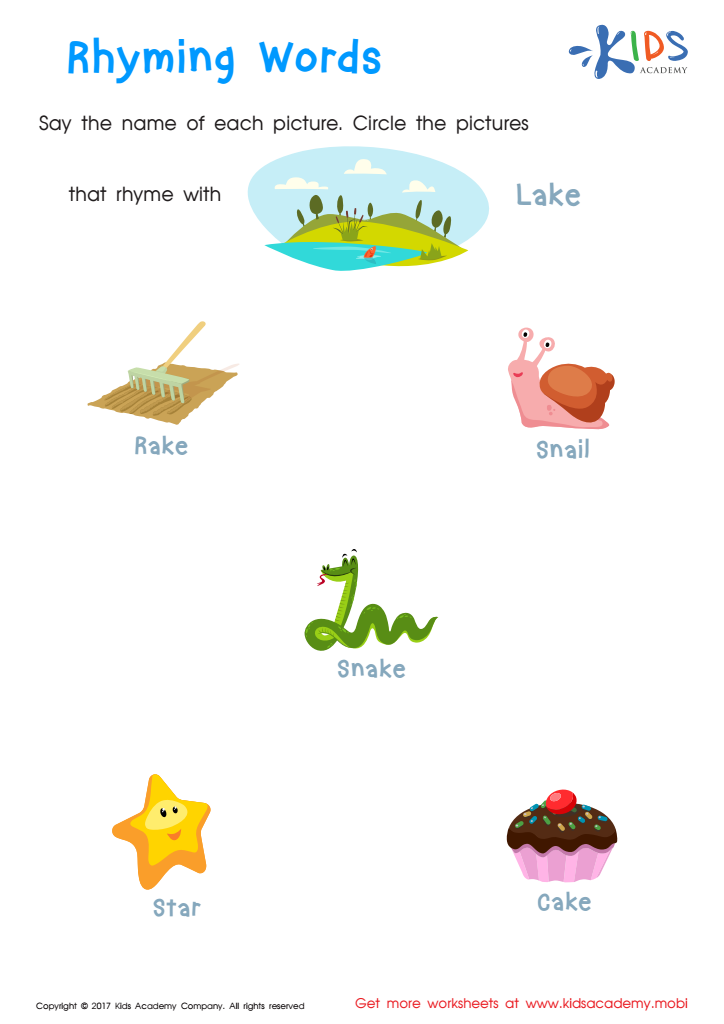
Rhyming Words Rhyming Worksheet
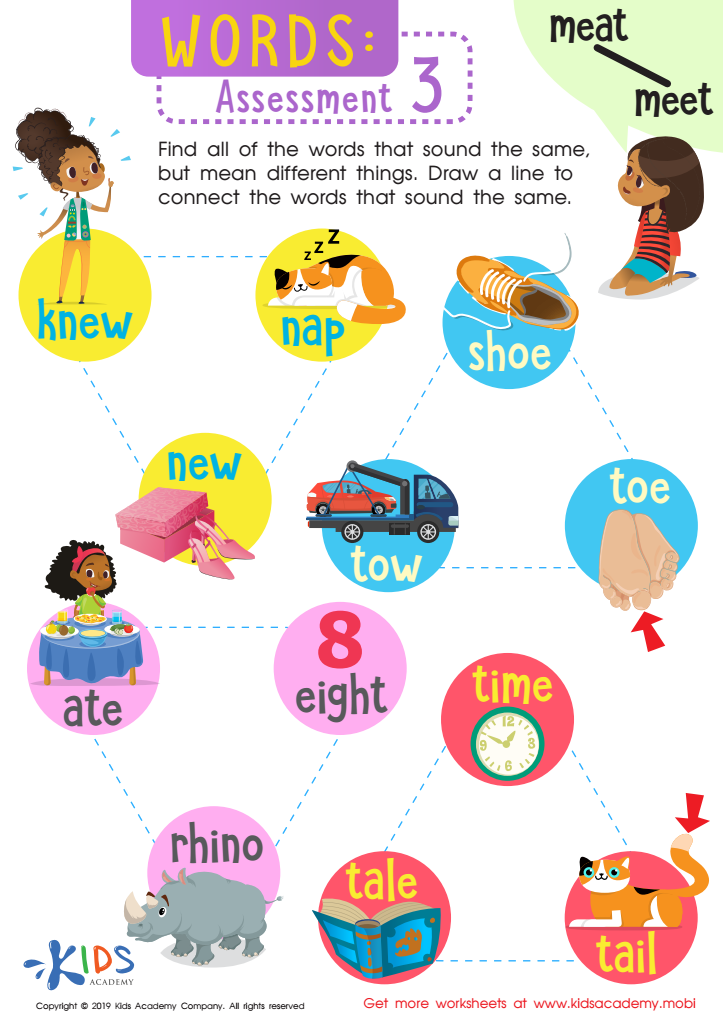
Words: Asessment 3 Worksheet
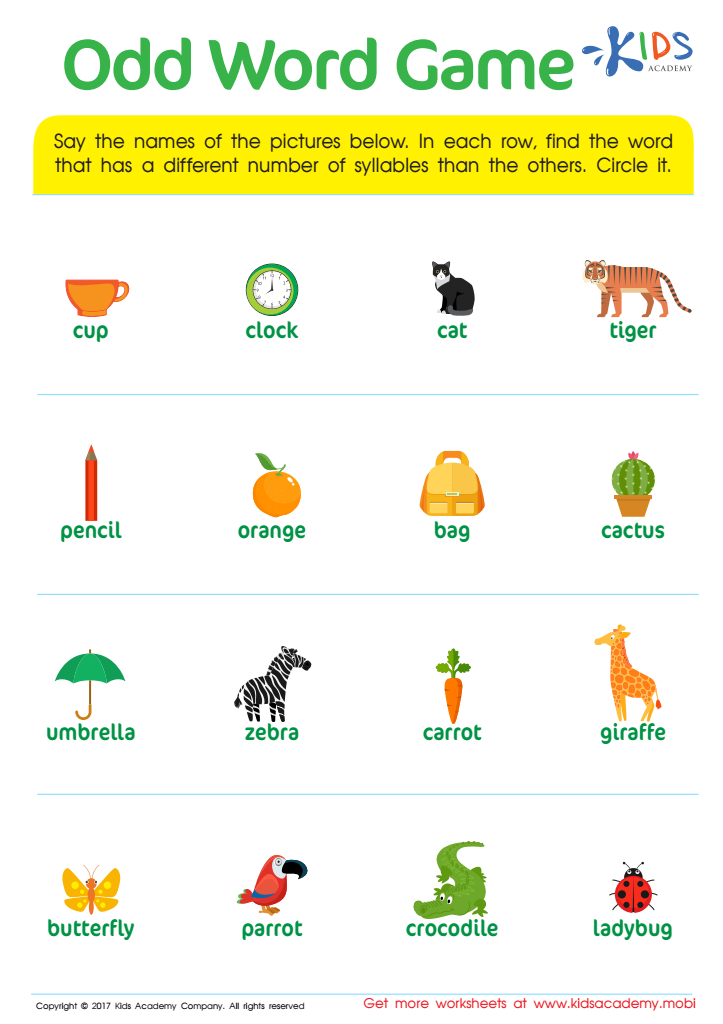
Count Syllables: Odd Word Game Worksheet
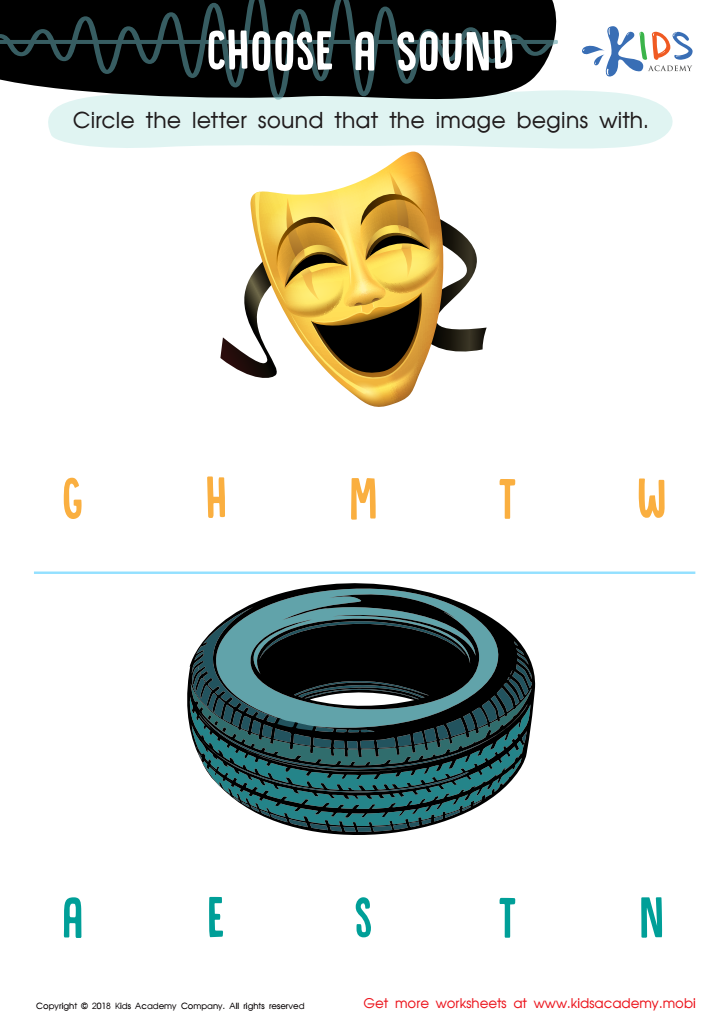
Choose a Sound Worksheet
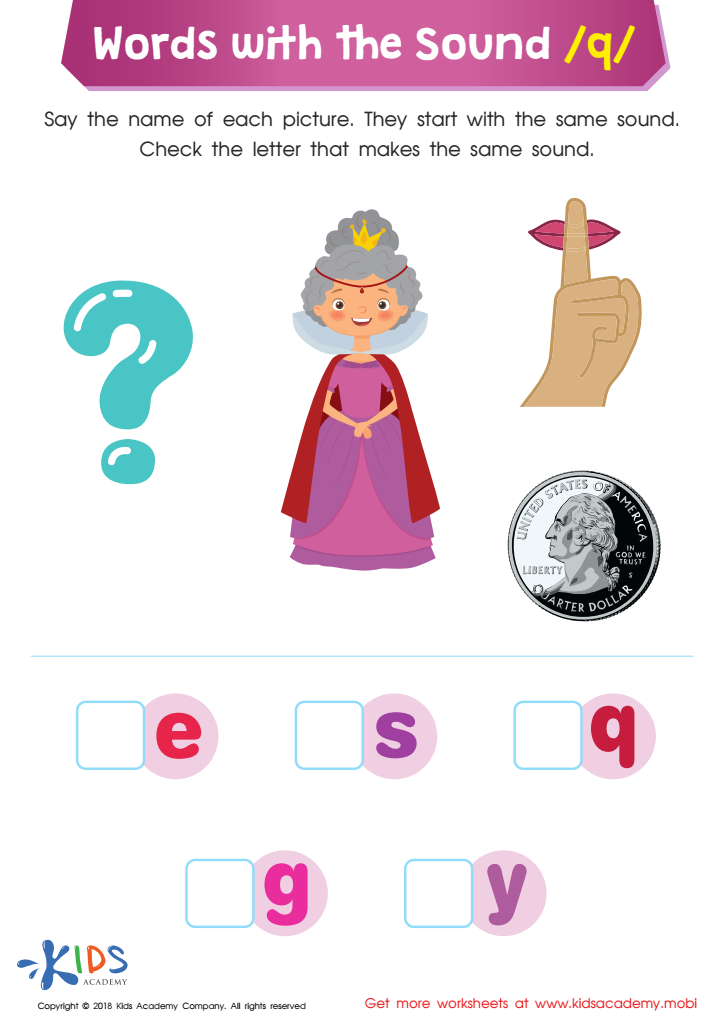
Words with Sound Q Reading Worksheet
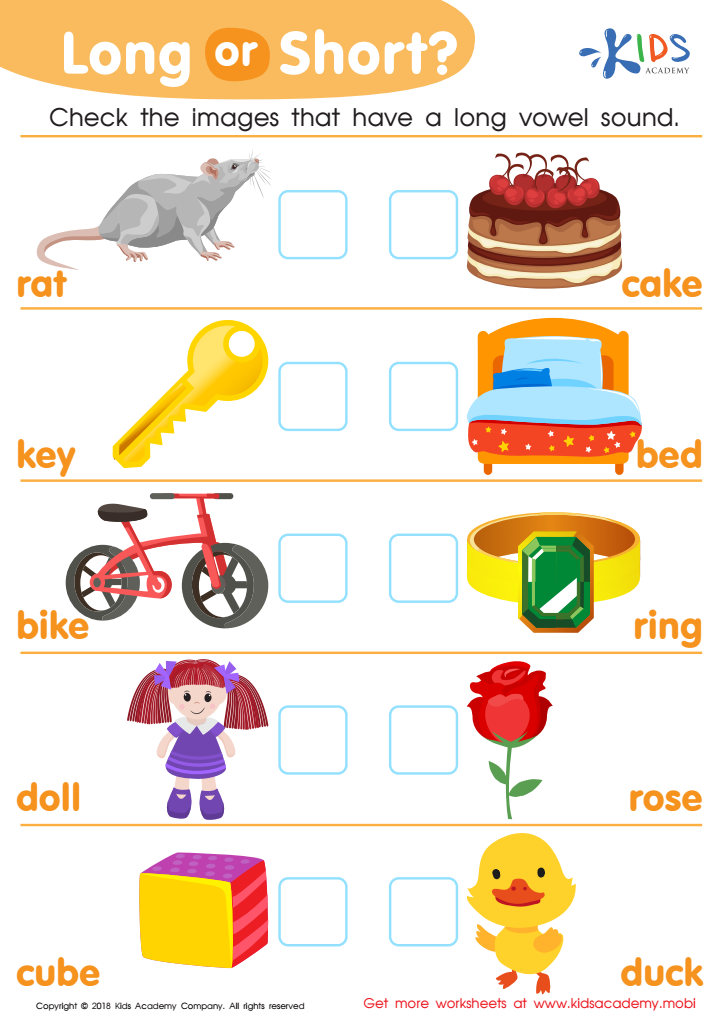
Long or Short Reading Worksheet
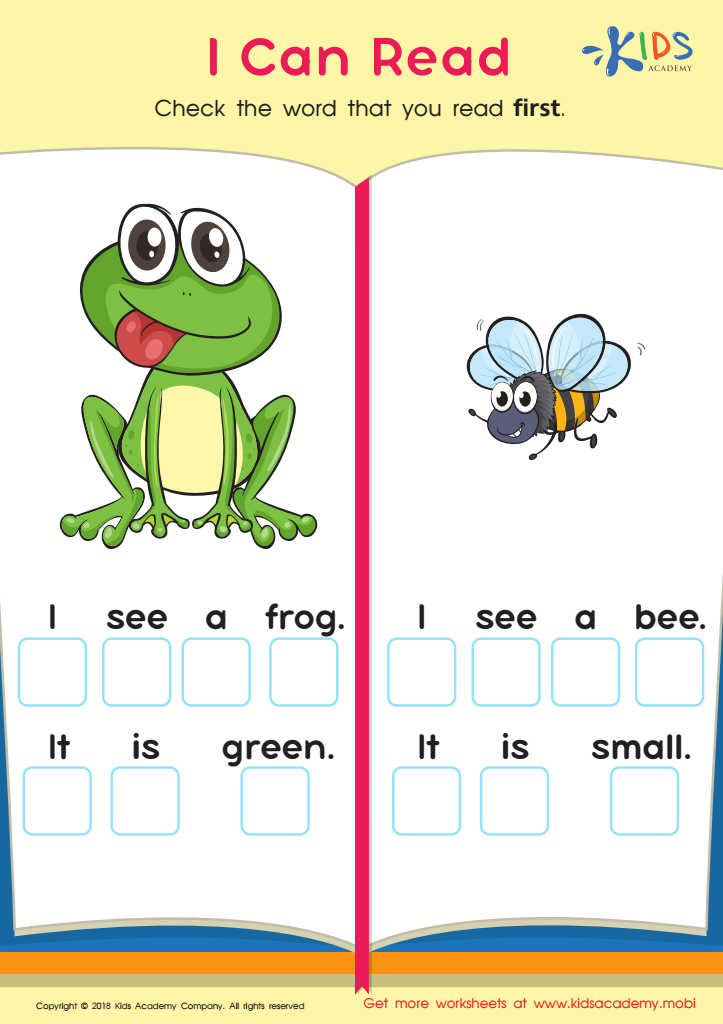
I Can Read Worksheet
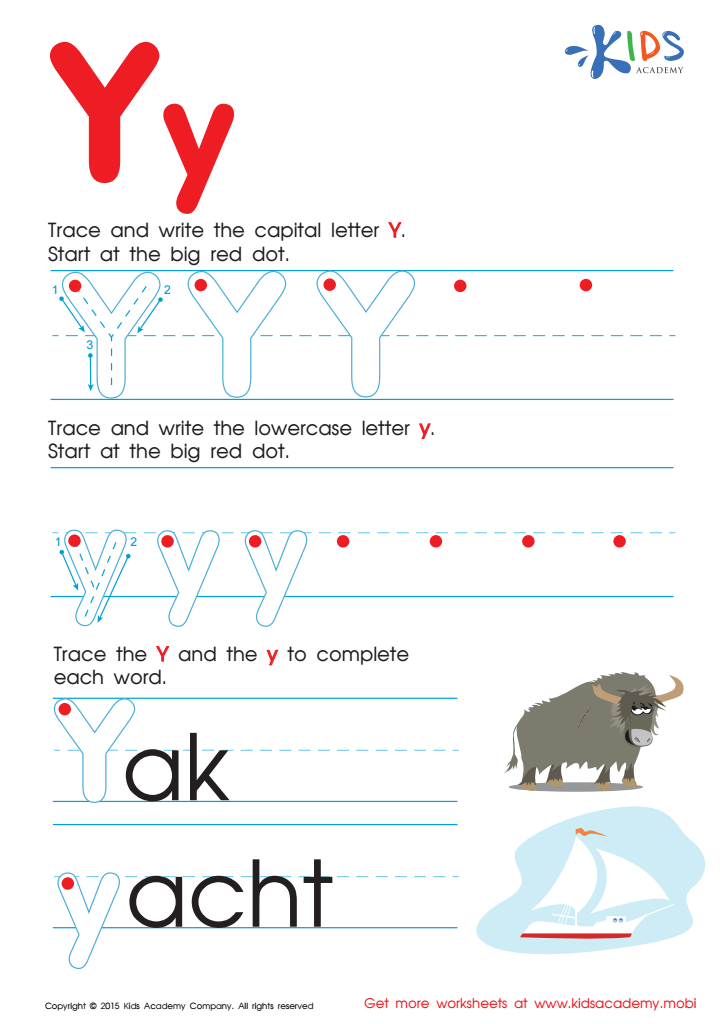
Letter Y Tracing Page
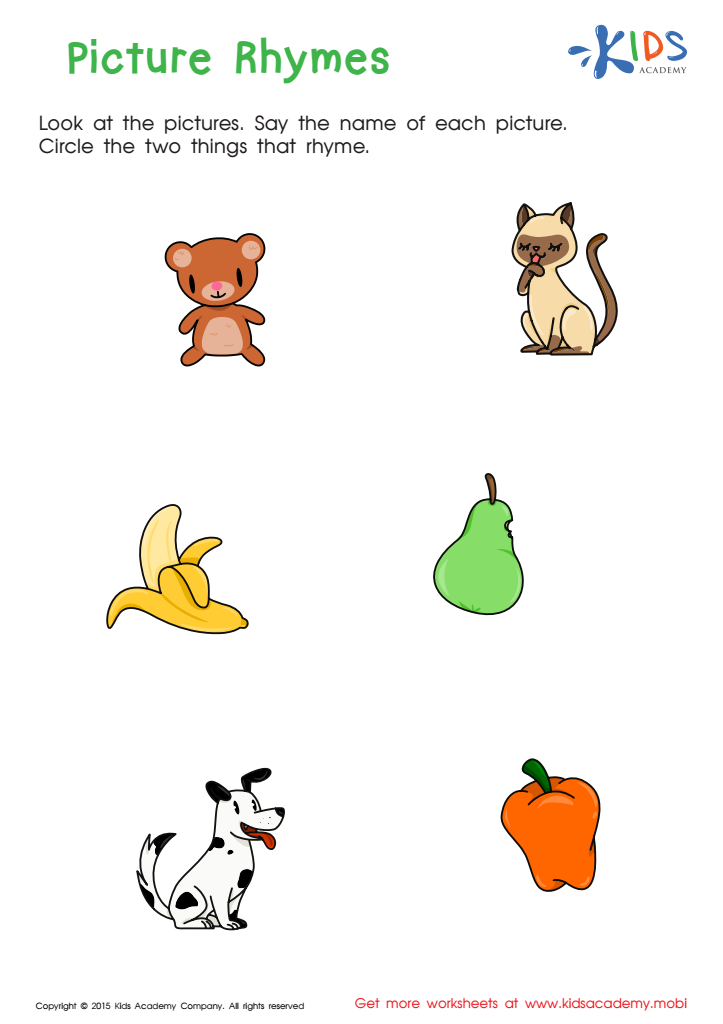
First Words: Picture Rhymes Worksheet
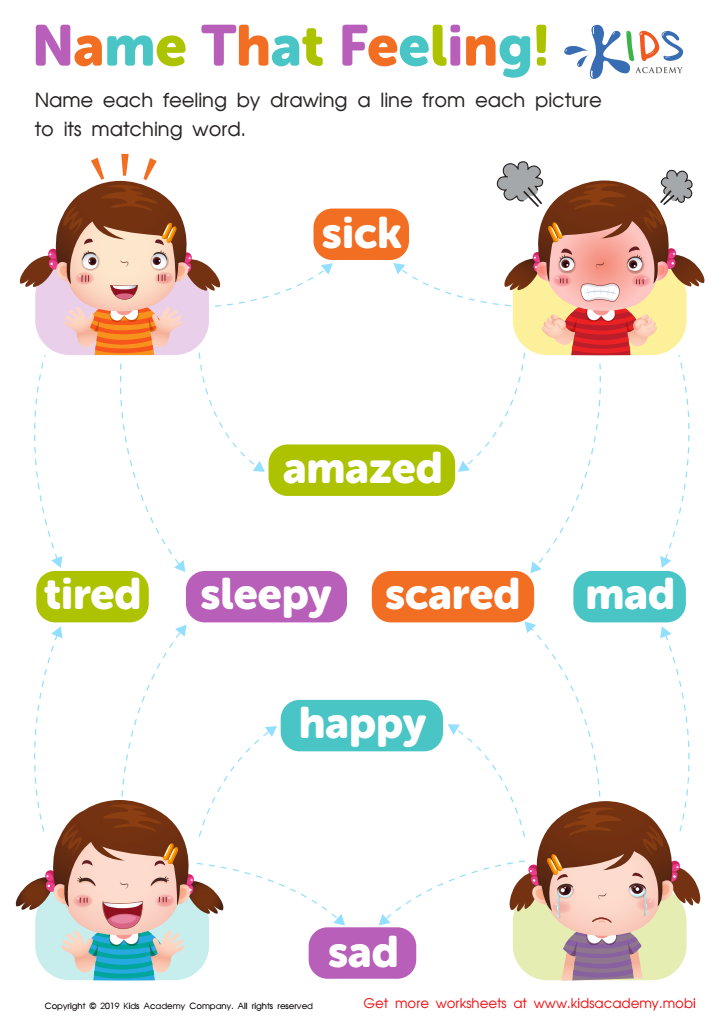
Name that Feeling Worksheet
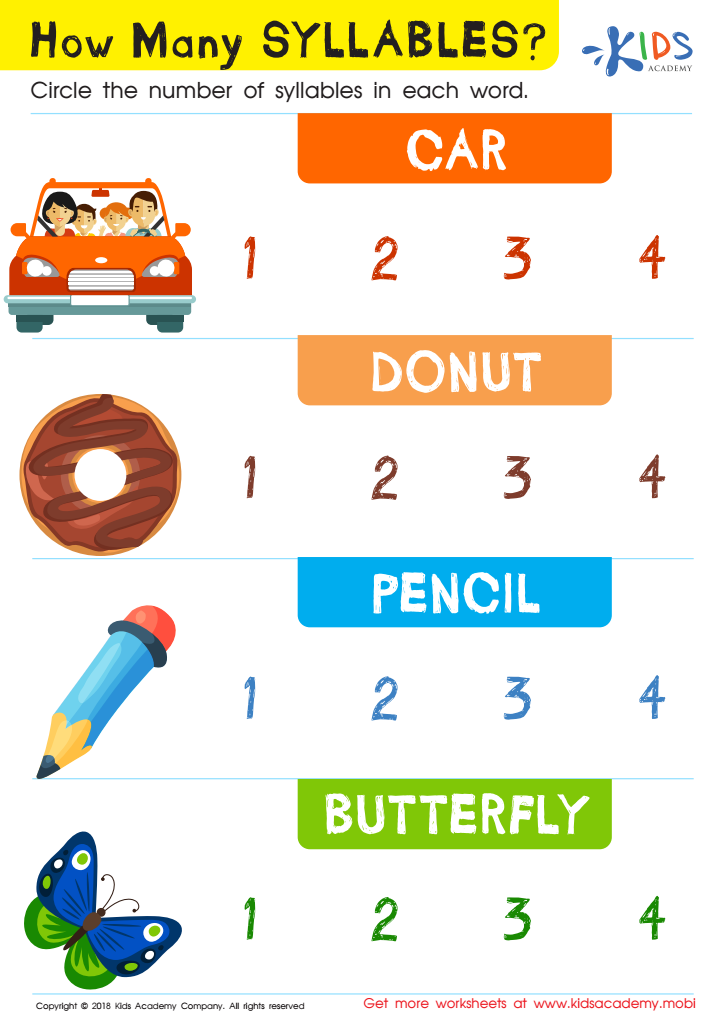
How Many Syllables? Worksheet
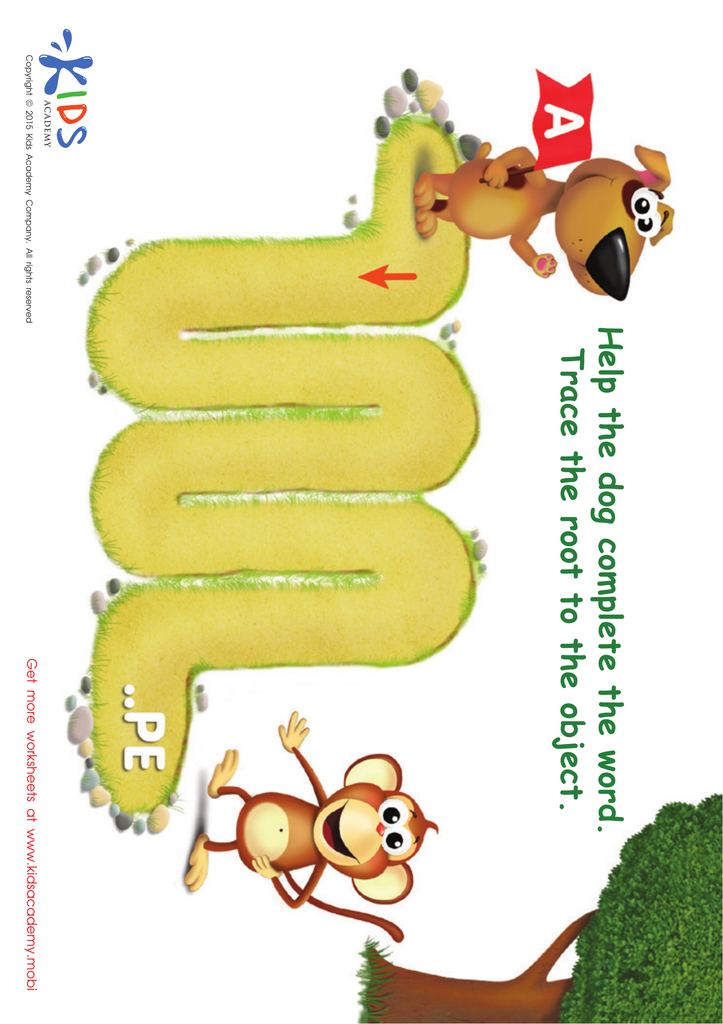
Long Vowel Sound A Worksheet Worksheet






Vocabulary enhancement is crucial for 5-year-olds as it lays the foundation for effective communication, literacy, and overall academic success. At this tender age, children are in a critical period of cognitive development where their brains are exceptionally receptive to language input. Introducing vocabulary through an alphabet-focused approach can make learning engaging and systematic, thus demystifying the process of acquiring new words.
Parents and teachers should care about vocabulary enhancement because a robust vocabulary empowers children to understand and express themselves better. This leads to improved comprehension skills, which are fundamental for reading and academic learning. For instance, recognizing and using words that start with "A" like "apple" or "ant" paves the way for grasping more complex words and concepts as they grow.
Moreover, a rich vocabulary has been linked to stronger critical thinking and problem-solving abilities. When children know more words, they can follow instructions more accurately, ask questions more confidently, and engage in discussions more effectively. This, in turn, boosts their self-esteem and encourages a lifelong love of learning.
Therefore, incorporating vocabulary enhancement activities through an alphabet-oriented curriculum not only supports linguistic growth but also fosters emotional and social development. Investing time and effort in this aspect will pay dividends as children progress through their educational journeys and beyond.







