Letter recognition Upper & Lowercase Letters Worksheets for 5-Year-Olds
23 filtered results
-
From - To
Explore our engaging Upper and Lowercase Letters Worksheets, designed specifically for 5-year-olds to enhance their letter recognition skills. These interactive worksheets provide a fun and educational way for young learners to distinguish between uppercase and lowercase letters. Featuring vibrant illustrations and engaging activities, children will enjoy activities such as matching, tracing, and identifying letters. Our worksheets encourage both independent learning and guided practice, making them perfect for the classroom or home. Foster a love for reading and writing early on with our carefully curated resources. Unlock your child's potential and watch their literacy skills blossom with every completed worksheet!
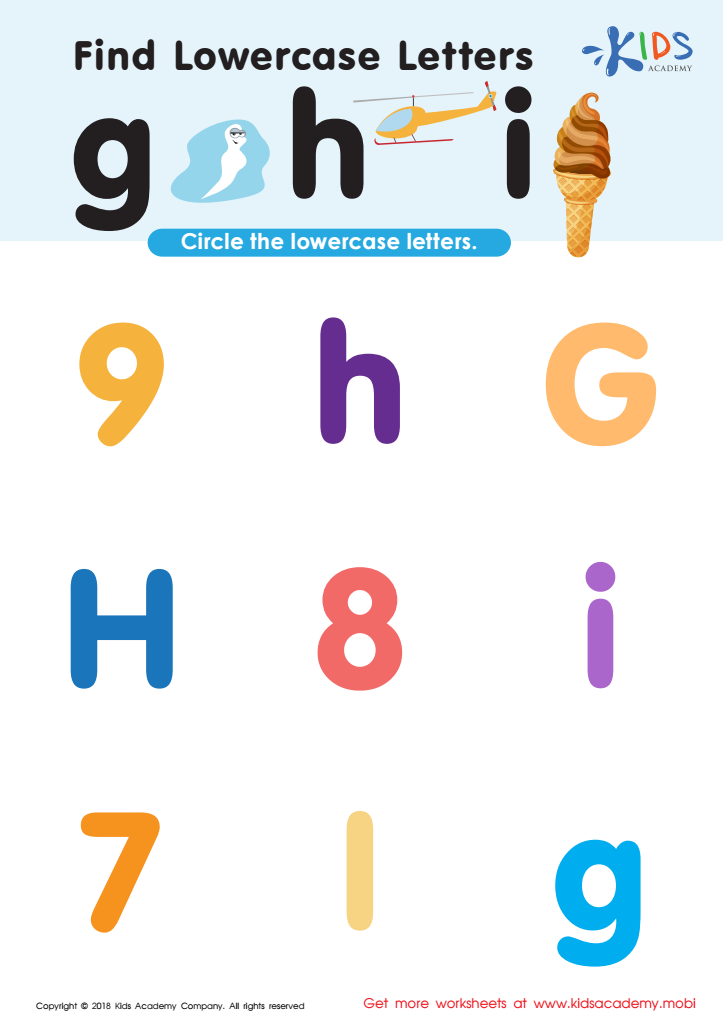
Find Lowercase Letters g h i Worksheet
 Assign to My Students
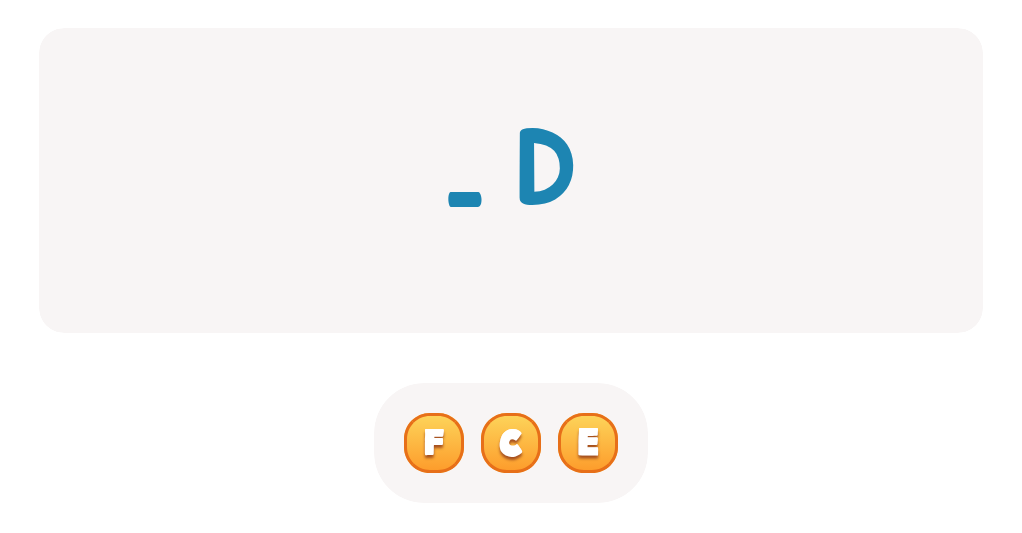

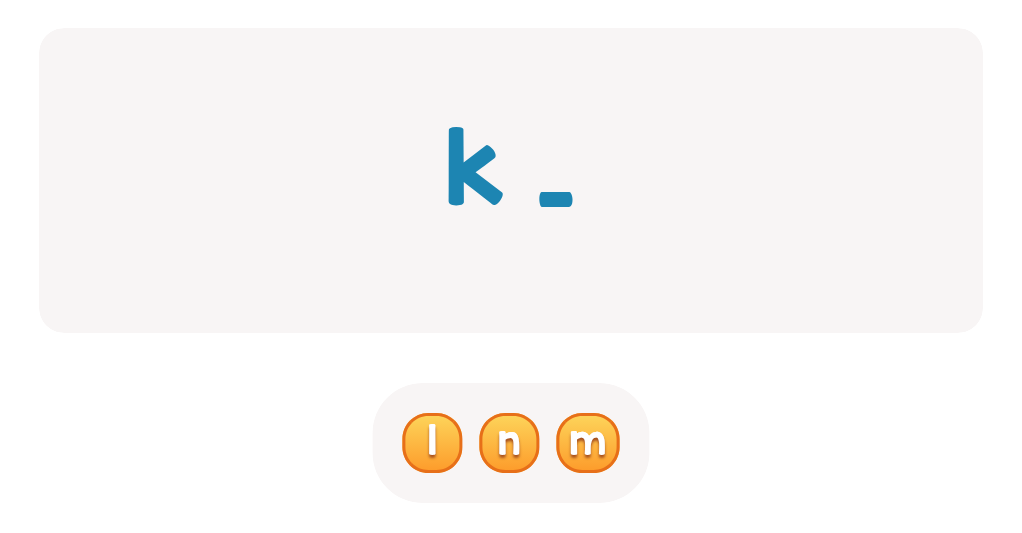
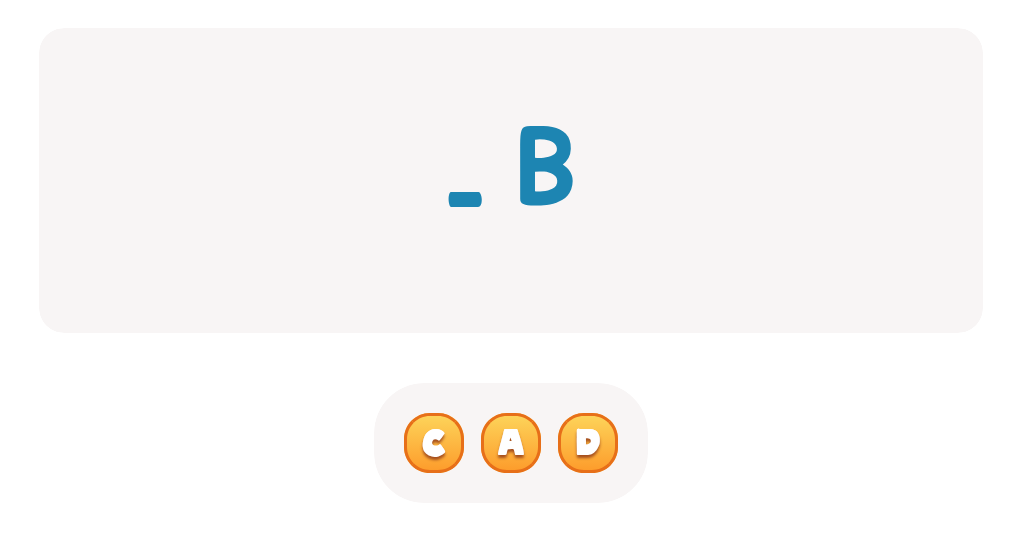
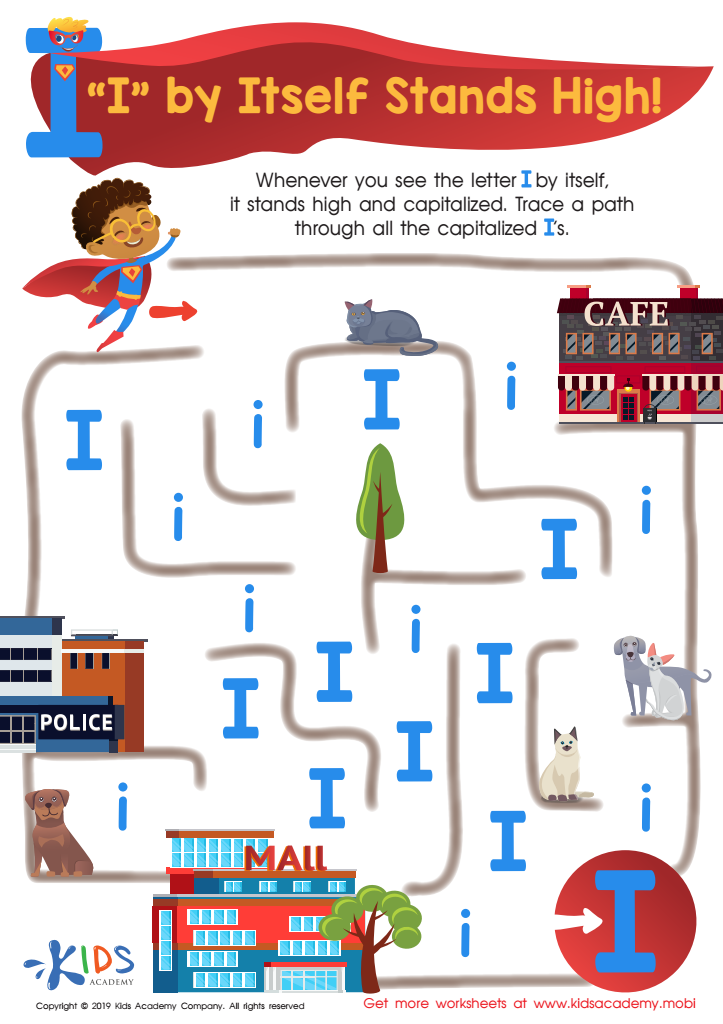
I Stands High Worksheet
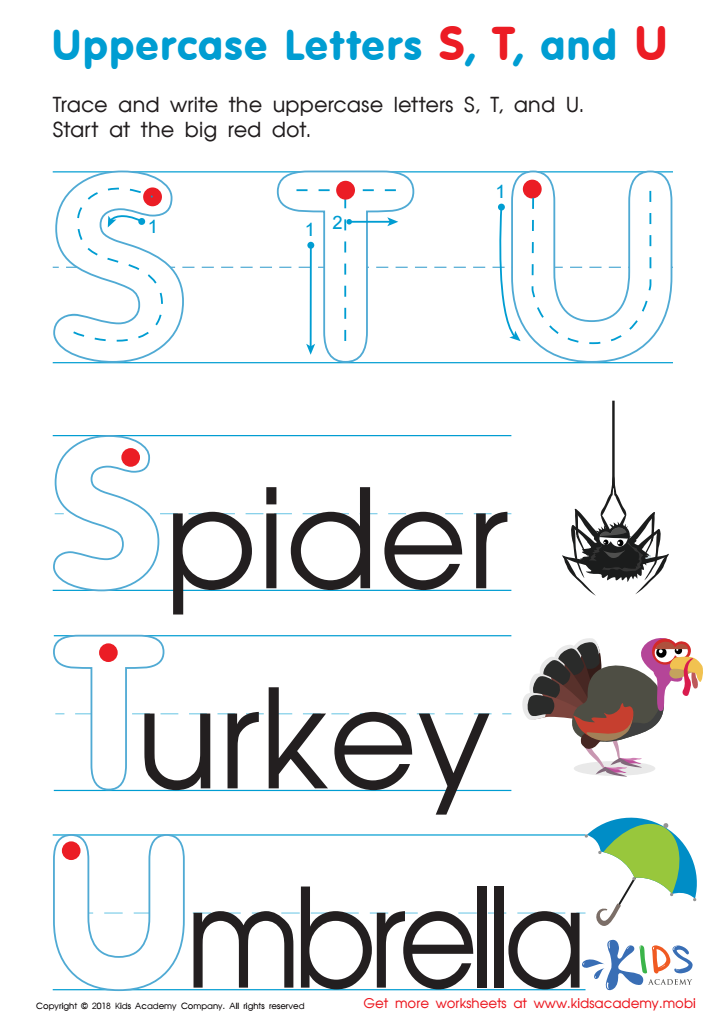
Uppercase Letters S, T, and U Worksheet
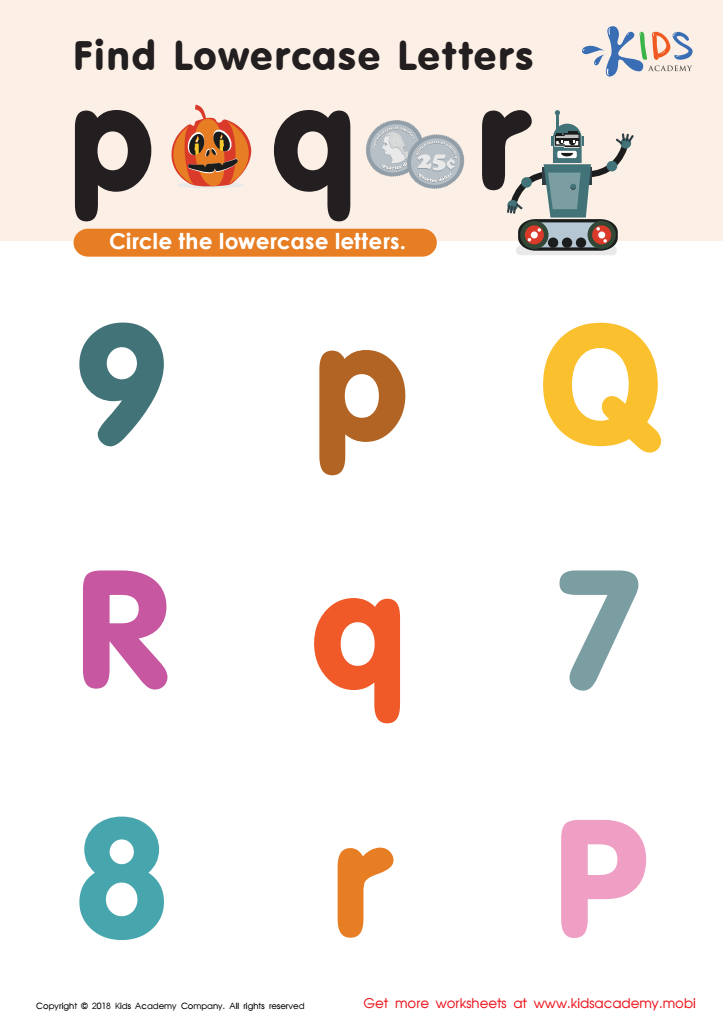
Find lowercase Letters p q r Worksheet
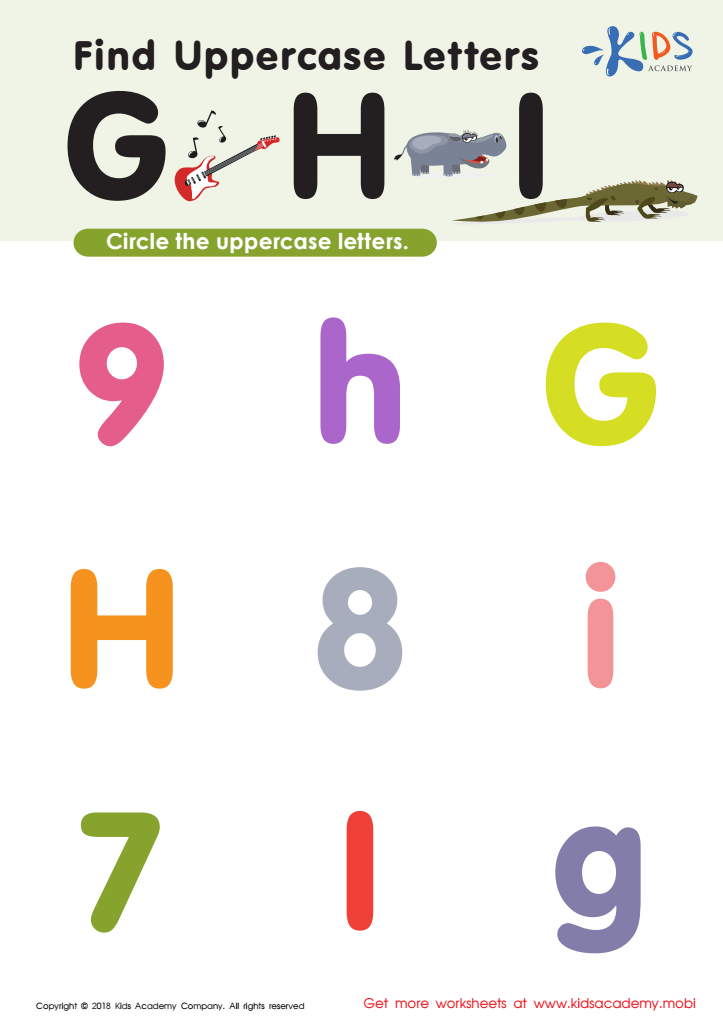
Find Uppercase Letters G, H, and I Worksheet
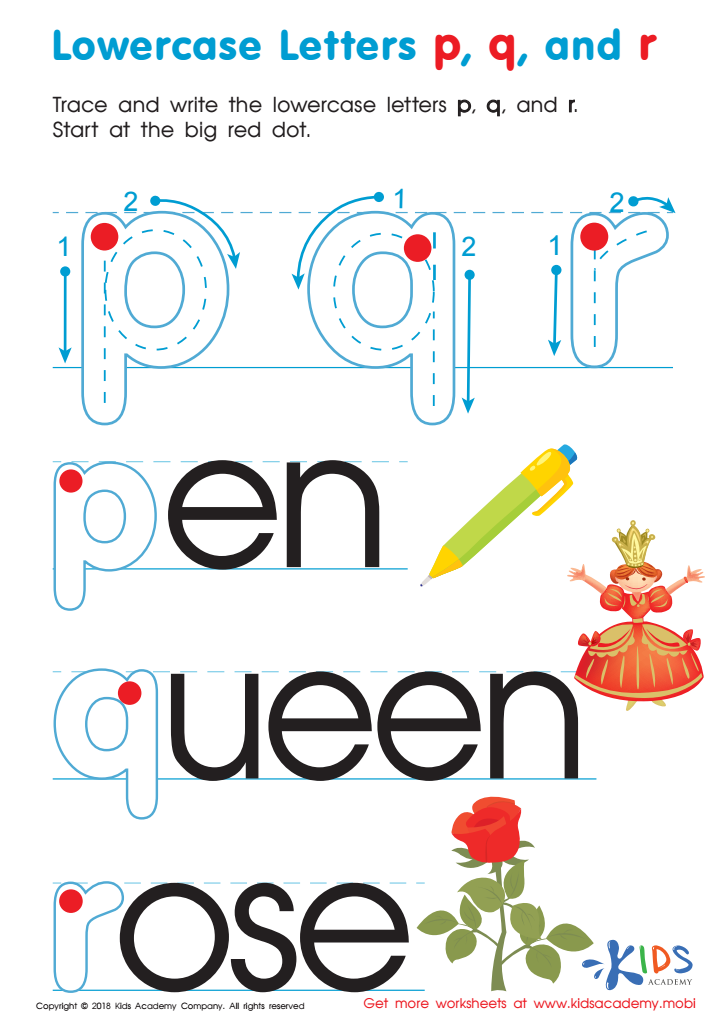
Lowercase Letters p q r Worksheet
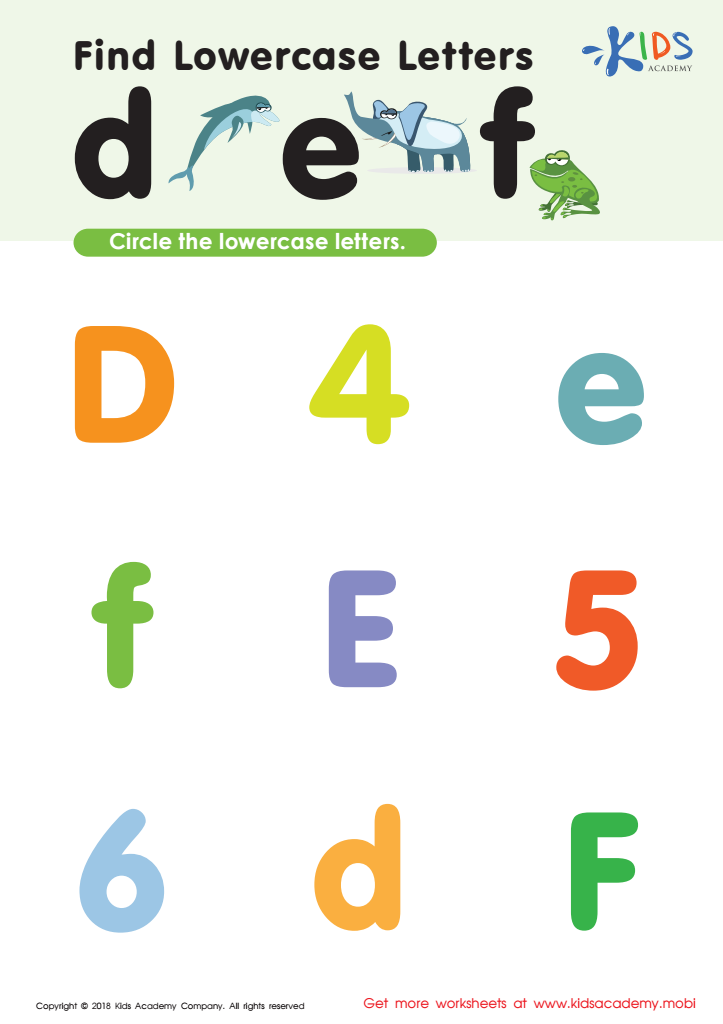
Find Lowercase Letters d e f Worksheet
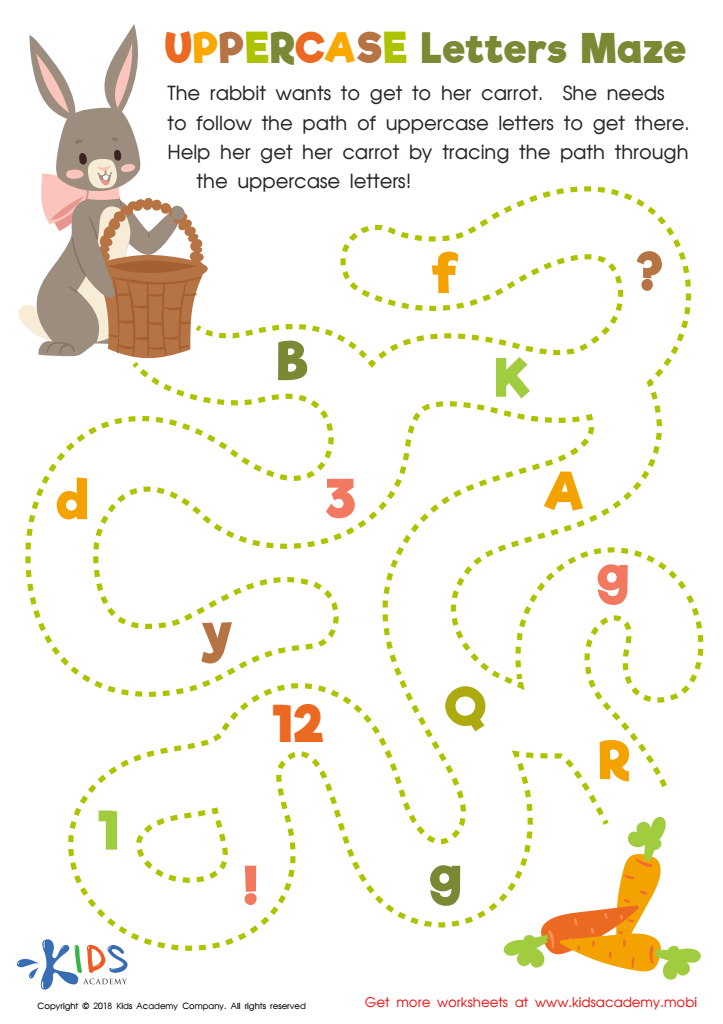
Uppercase Letters Maze Worksheet
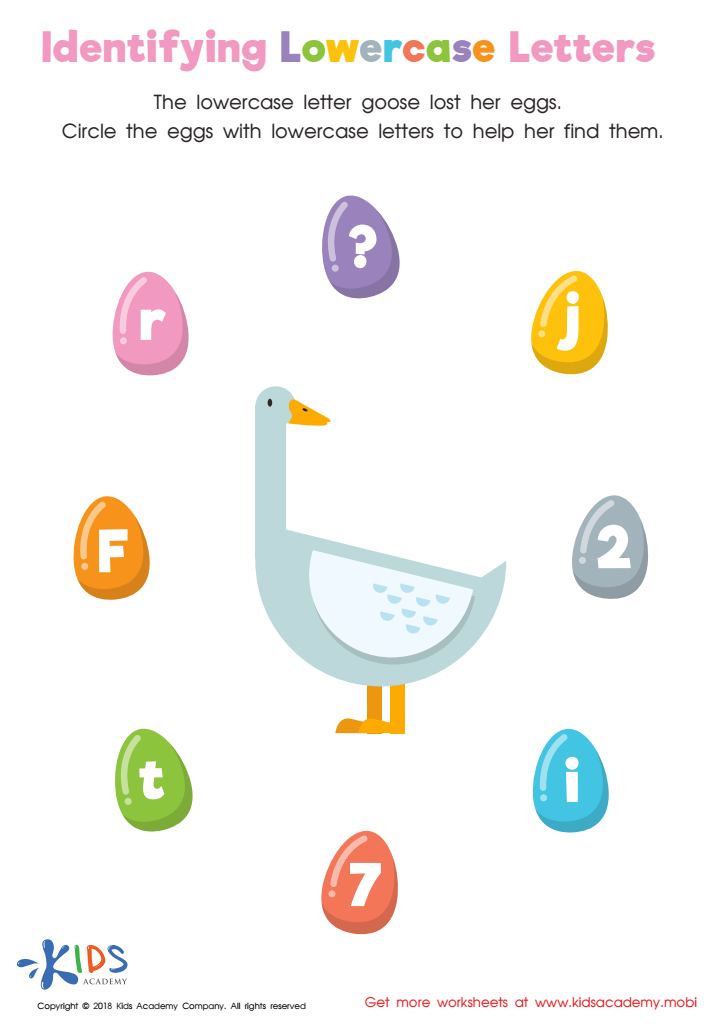
Identifying Lowercase Letters Worksheet
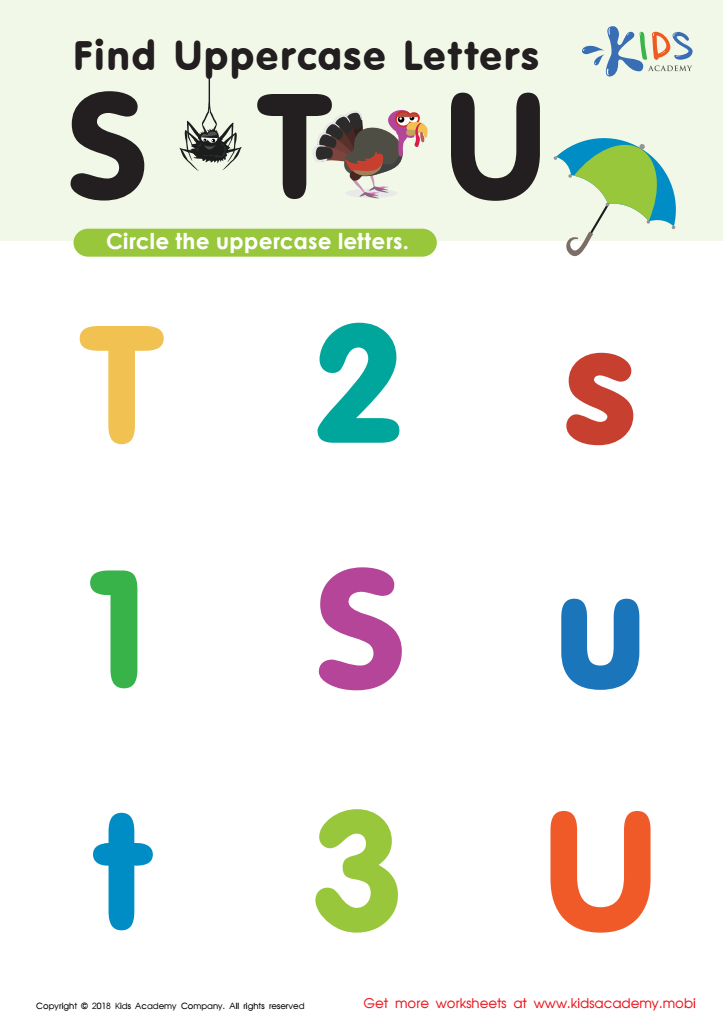
Find Uppercase Letters Worksheet
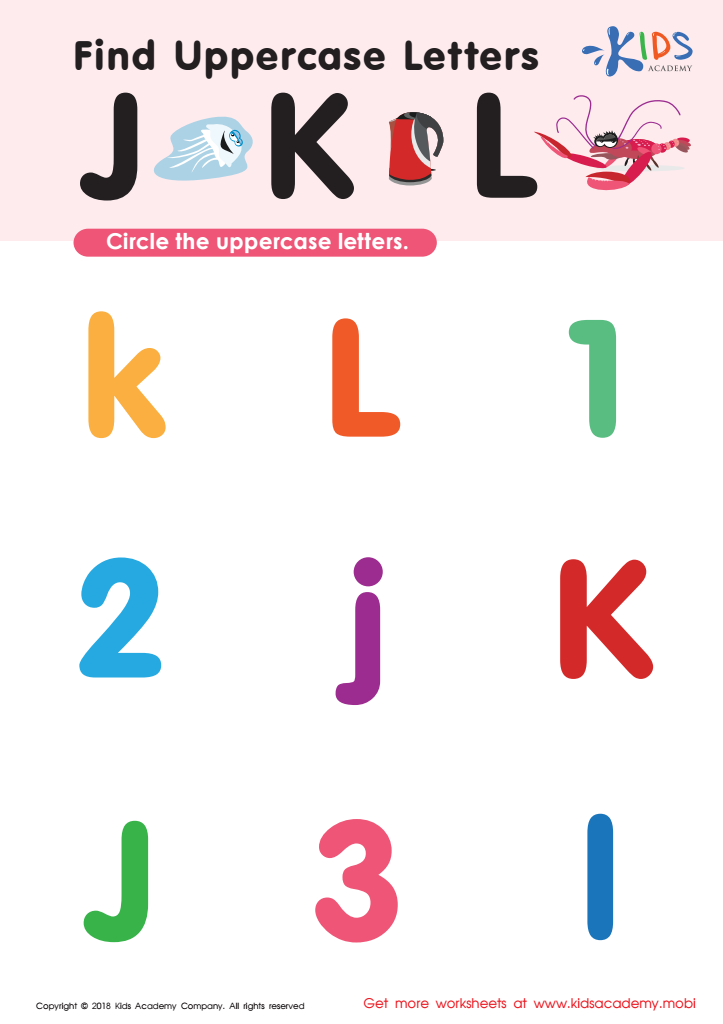
Find Uppercase Letters J, K, and L Worksheet
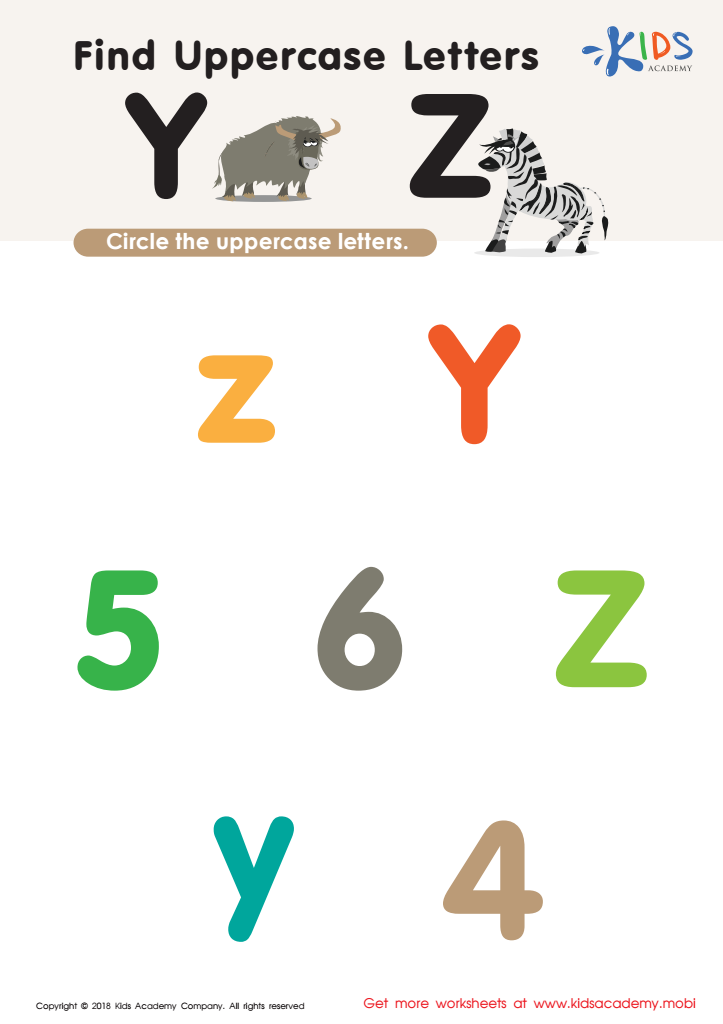
Find Uppercase Letters Y Z Worksheet
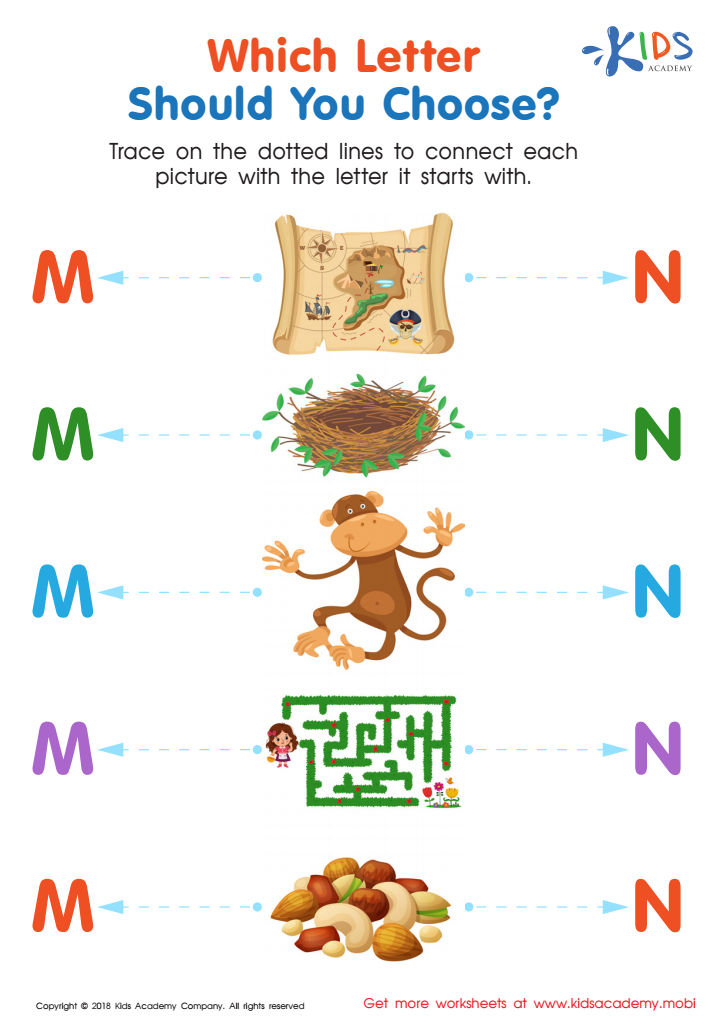
Which Letter Should you Choose? Worksheet
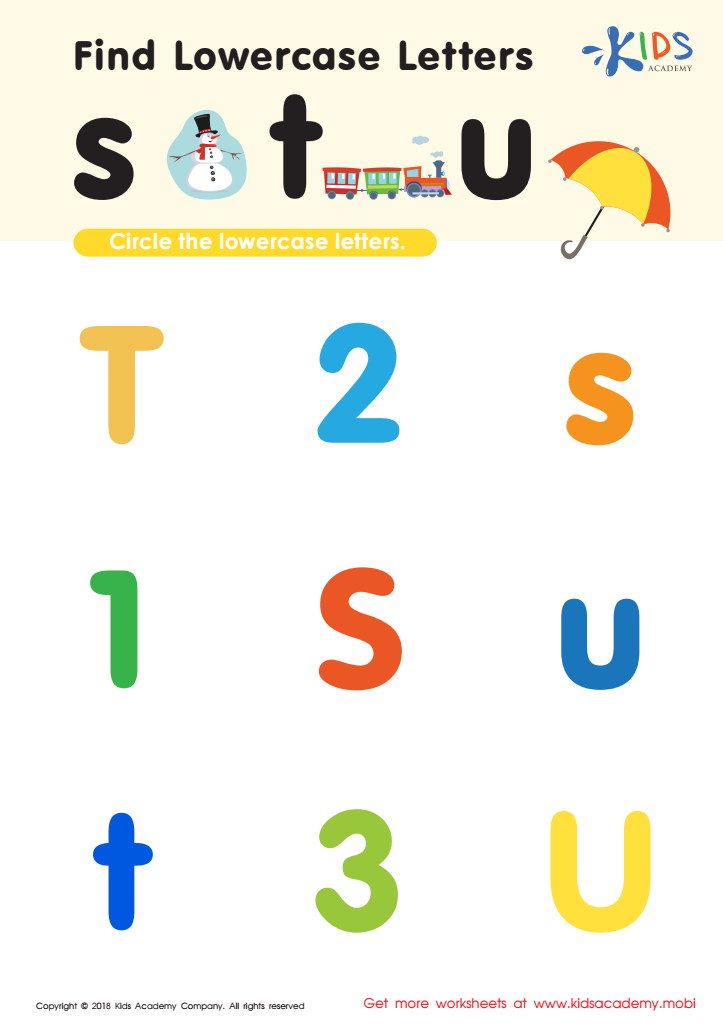
Find lowercase Letters s t u Worksheet
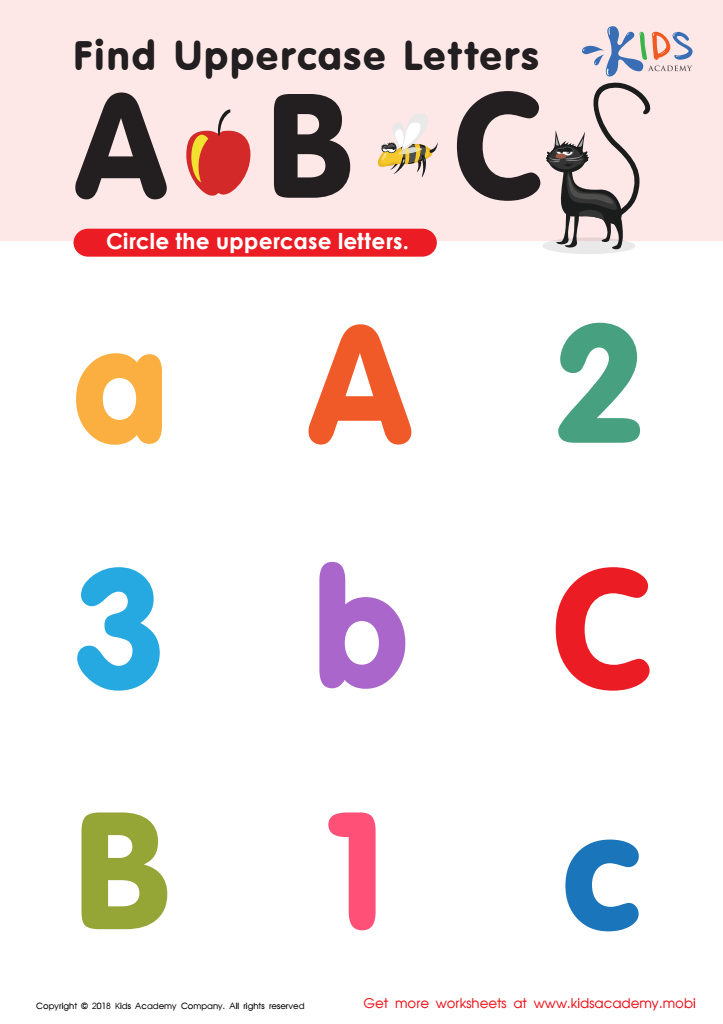
Find Uppercase Letters A, B, and C Worksheet
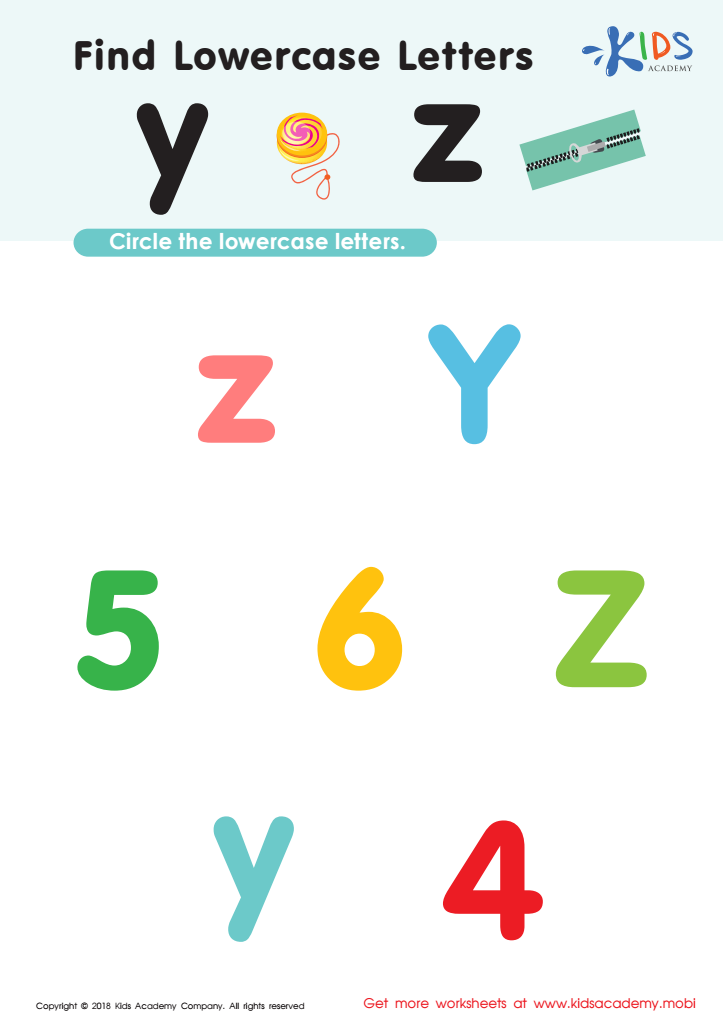
Find Lowercase Letters y z Worksheet
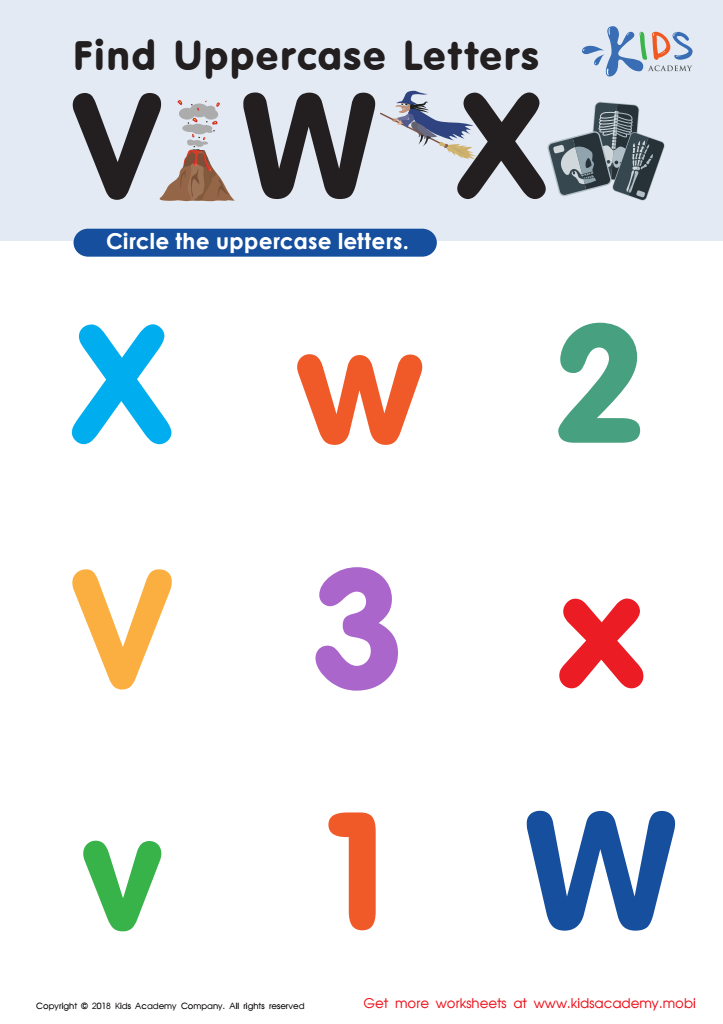
Find Uppercase Letters V, W, X Worksheet
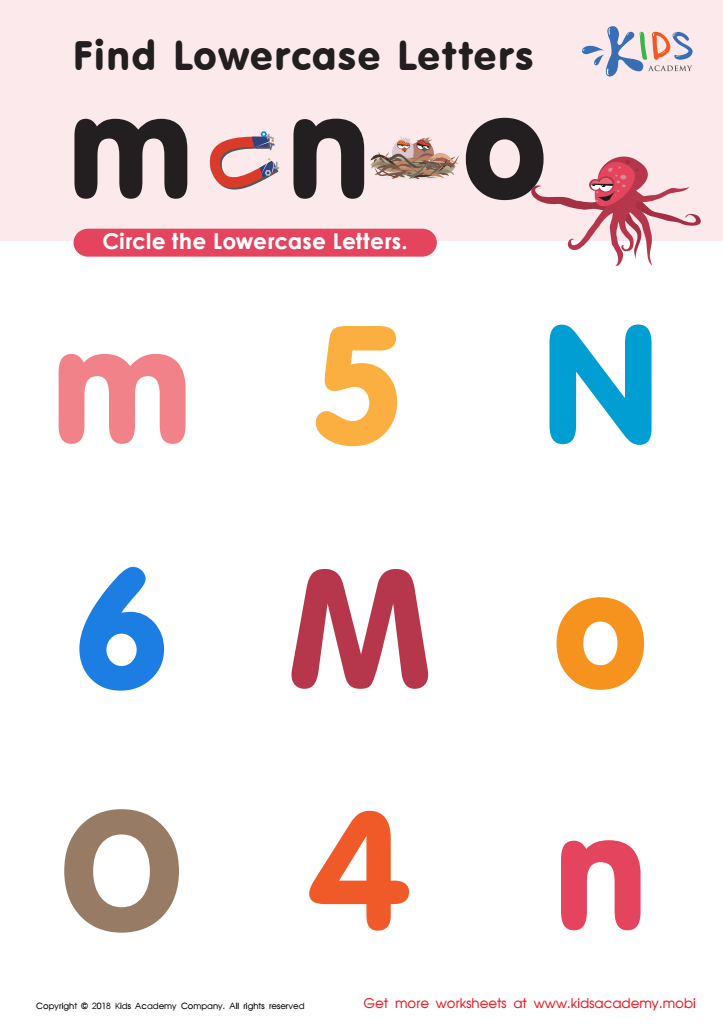
Find Lowercase Letters m n o Worksheet
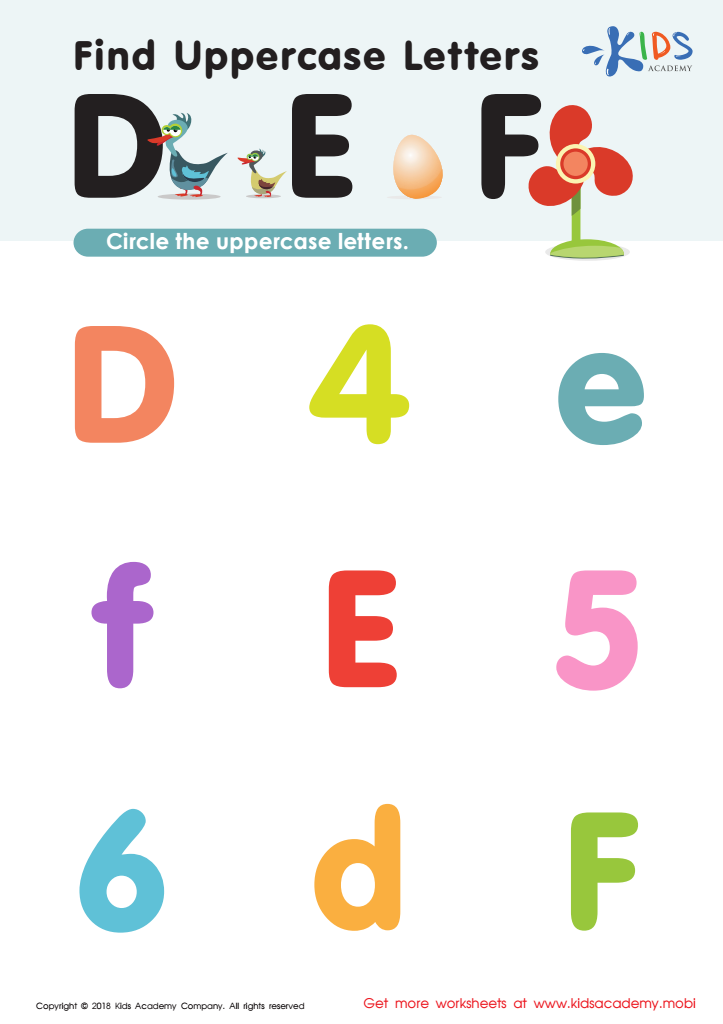
Find Uppercase Letters D, E, and F Worksheet
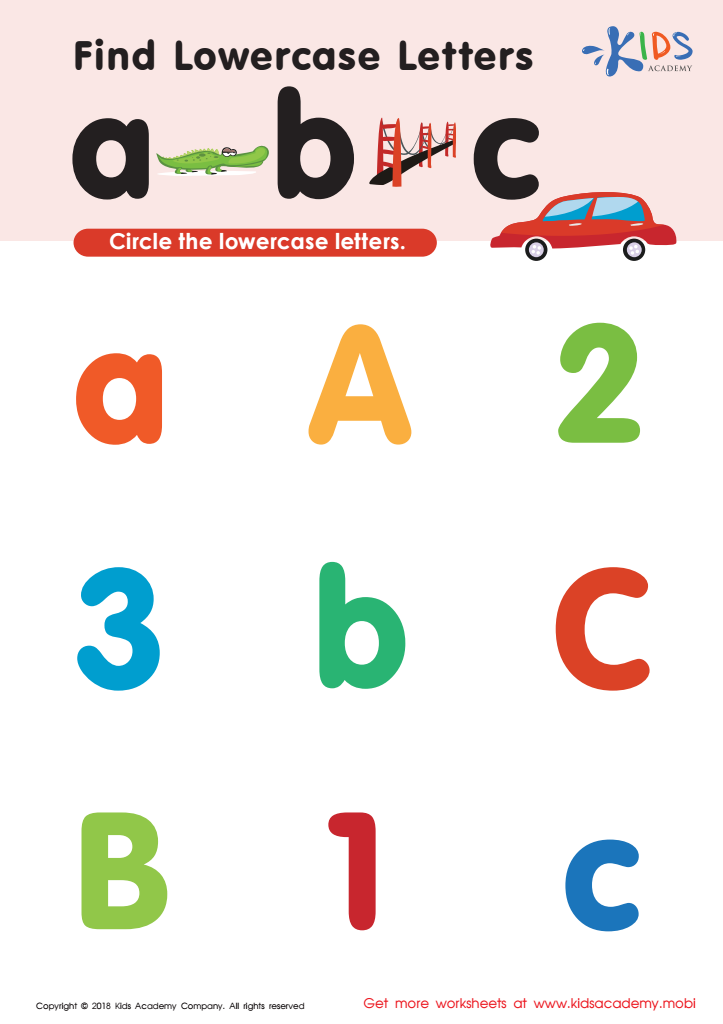
Find lowercase letters a b c Worksheet
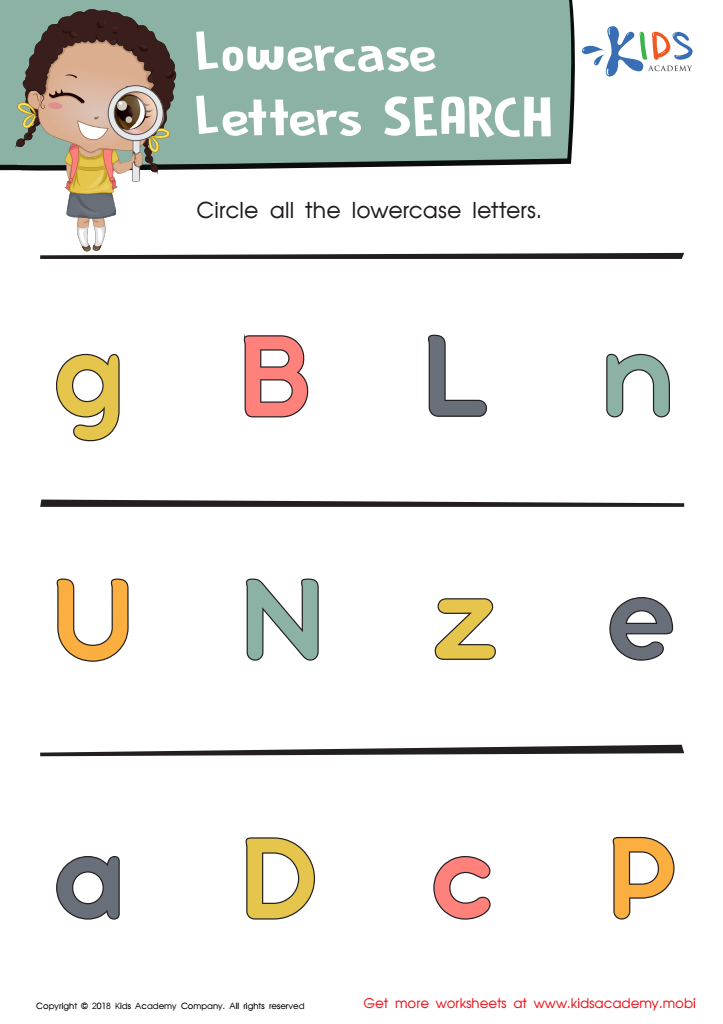
Lowercase Letters Search: Assessment Worksheet
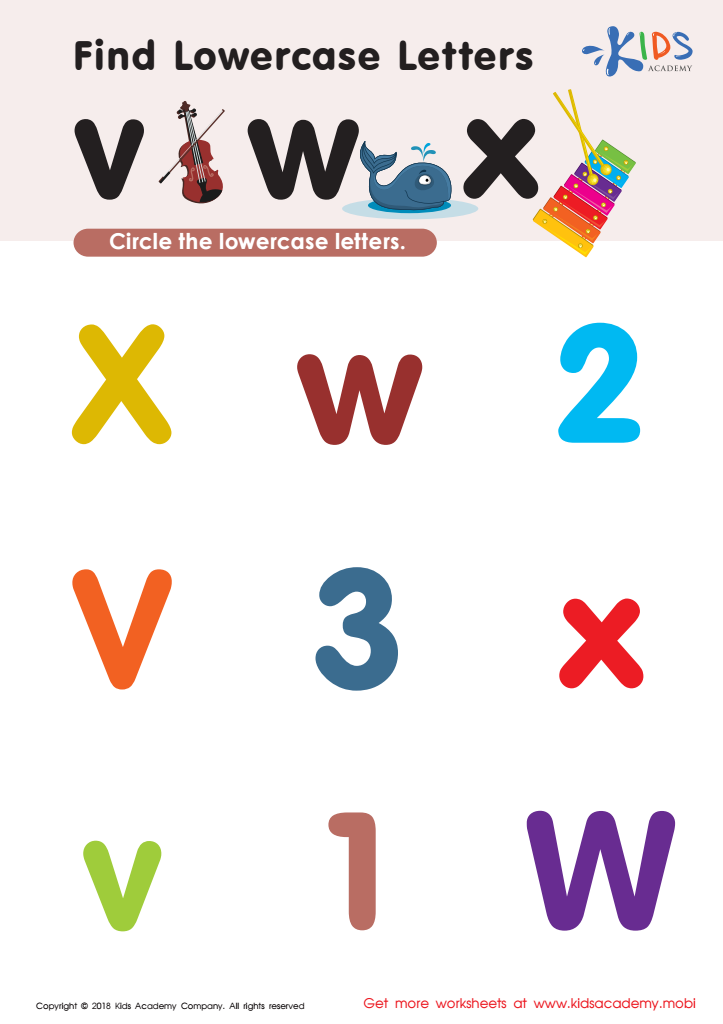
Find Lowercase Letters v w x Worksheet
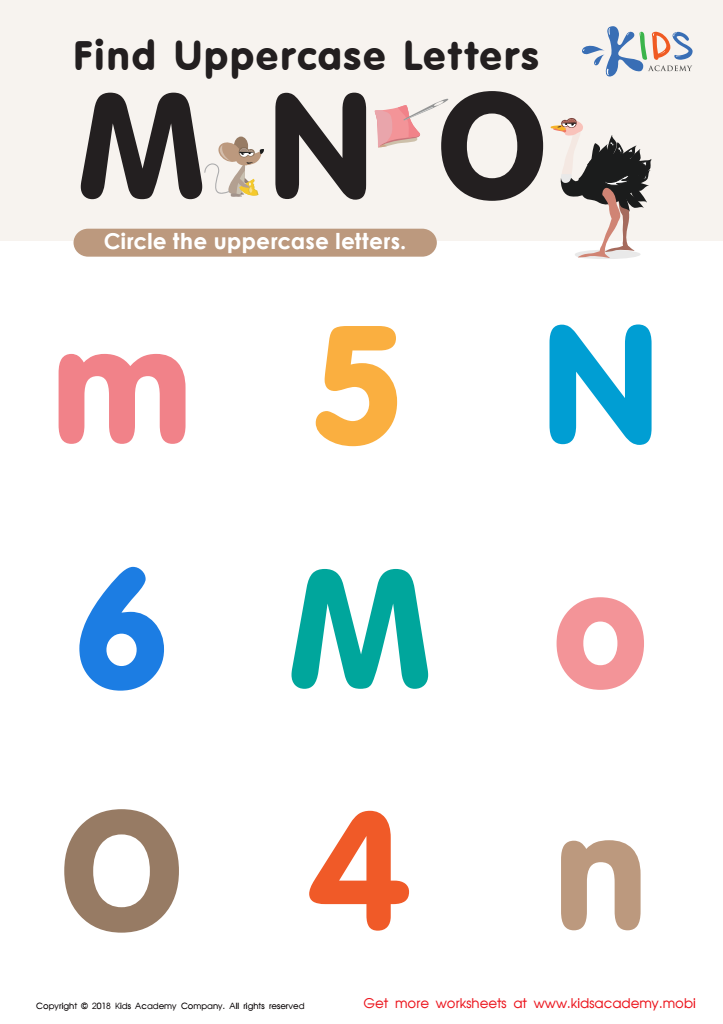
Find Uppercase Letters M, N, and O Worksheet






Letter recognition, both uppercase and lowercase letters, is a crucial foundational skill for 5-year-olds that significantly impacts literacy development. Parents and teachers should prioritize this aspect of learning because it lays the groundwork for reading and writing proficiency. Recognizing letters enhances phonemic awareness, allowing children to connect sounds to symbols, which is essential when they start blending sounds and decoding words.
Moreover, mastering letter recognition promotes confidence in young learners. When children can identify letters, they become more engaged and motivated to interact with books, ultimately fostering a love for reading. This skill also supports vocabulary expansion, as kids begin to recognize words in print.
Consistency in learning both uppercase and lowercase letters is vital because they appear differently in various contexts. For instance, uppercase letters are used at the beginning of sentences and names, whereas lowercase letters are more common in general text. Understanding the differences helps young learners develop awareness of text structure and syntax.
In essence, focusing on letter recognition in both forms equips children with essential literacy skills and strategies that will serve them throughout their educational journey, making it an investment in their future learning success.







