Handwriting practice English for Beginners Worksheets for 5-Year-Olds - Page 2
43 filtered results
-
From - To
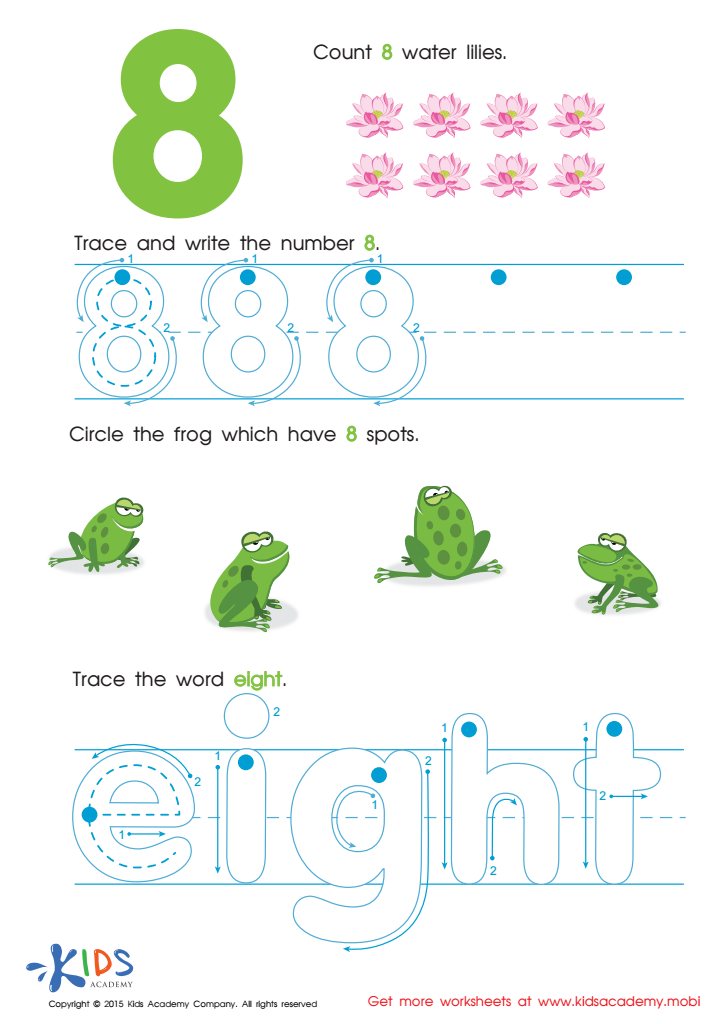
Learn Number 8 Easily Worksheet
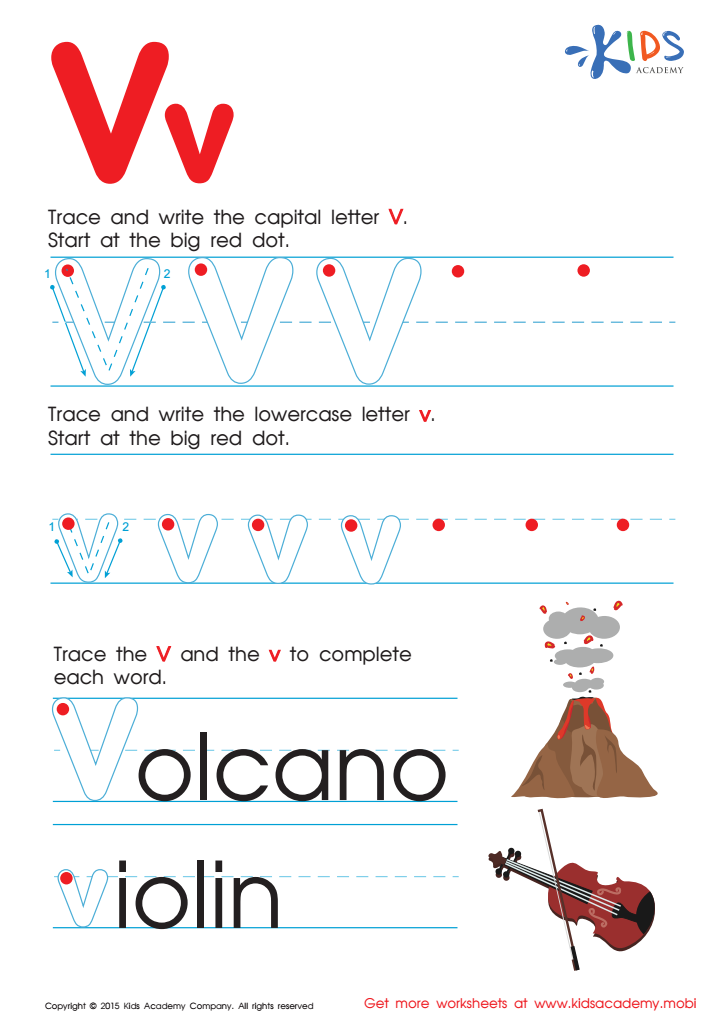
Letter V Tracing Page
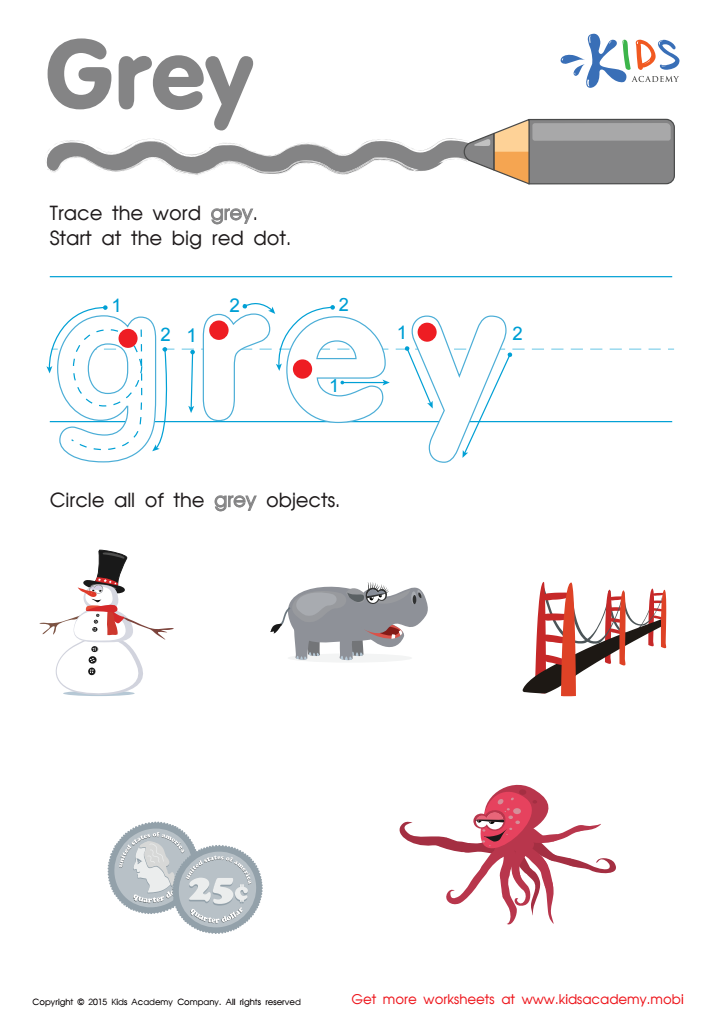
Grey Tracing Color Words Worksheet
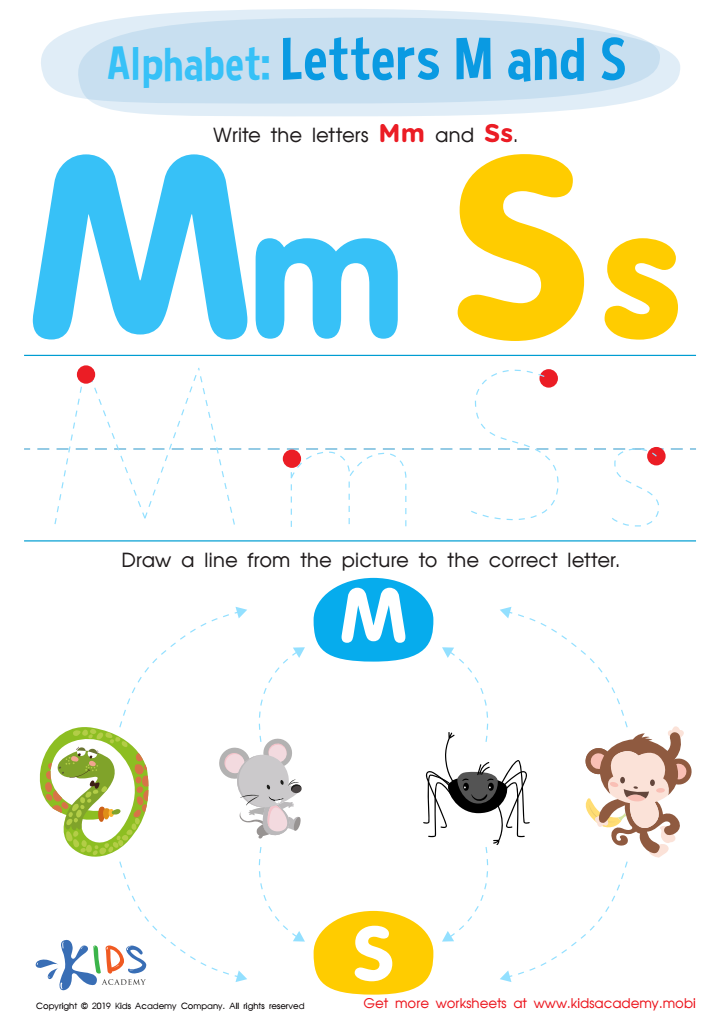
Letters M and S Tracing Worksheet
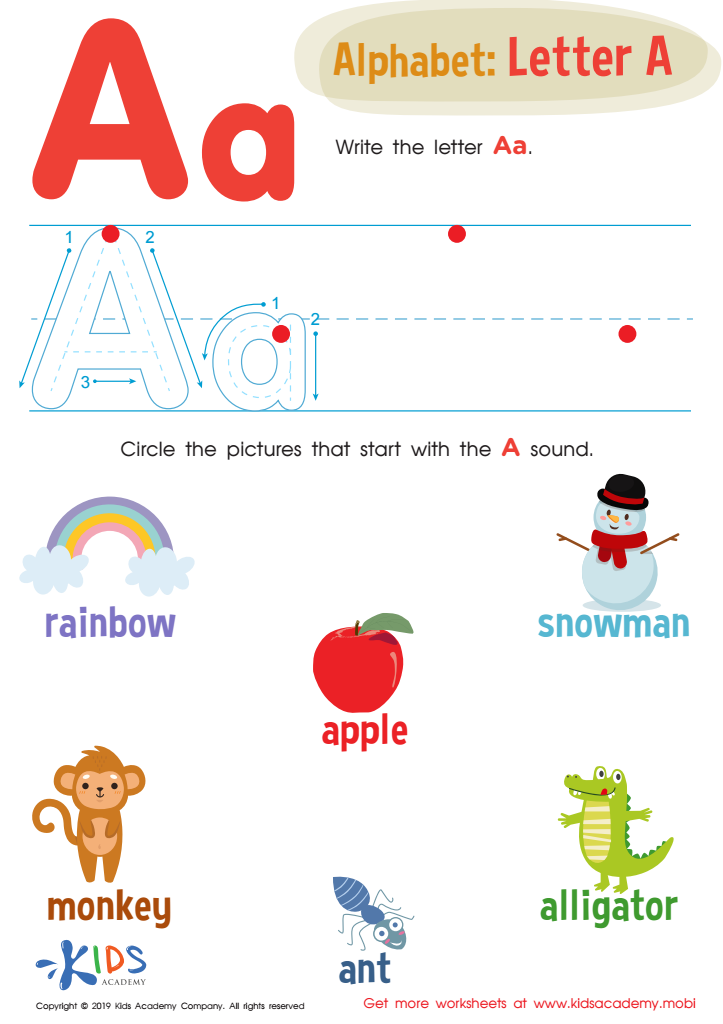
Letter A Tracing Worksheet
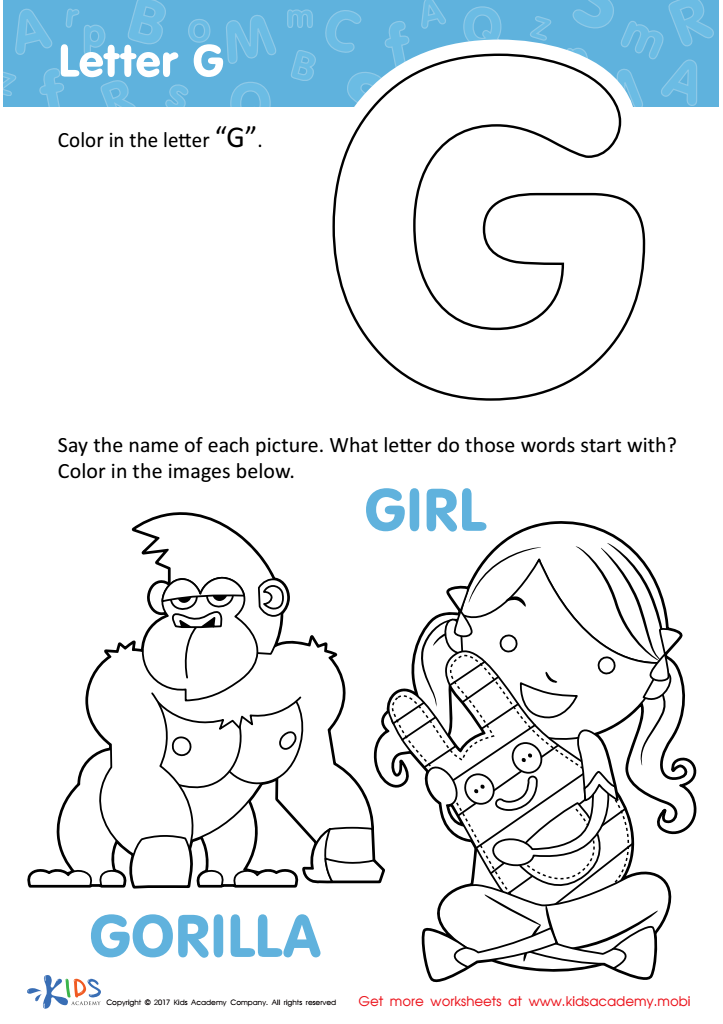
Letter G Coloring Sheet
 Assign to My Students
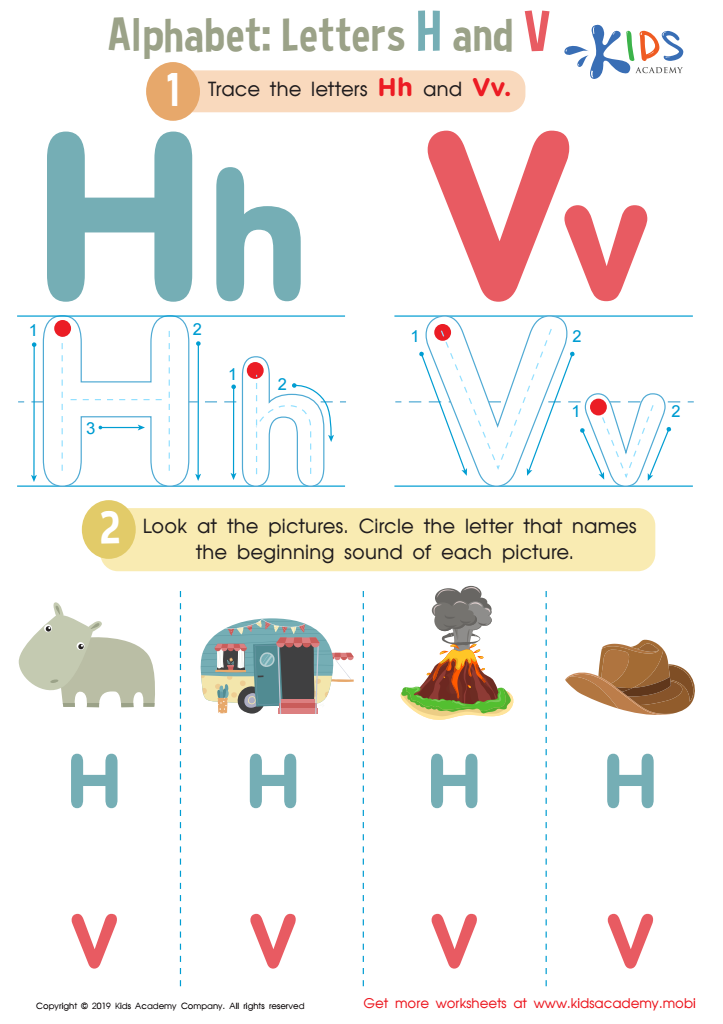
Letters H and V Tracing Worksheet
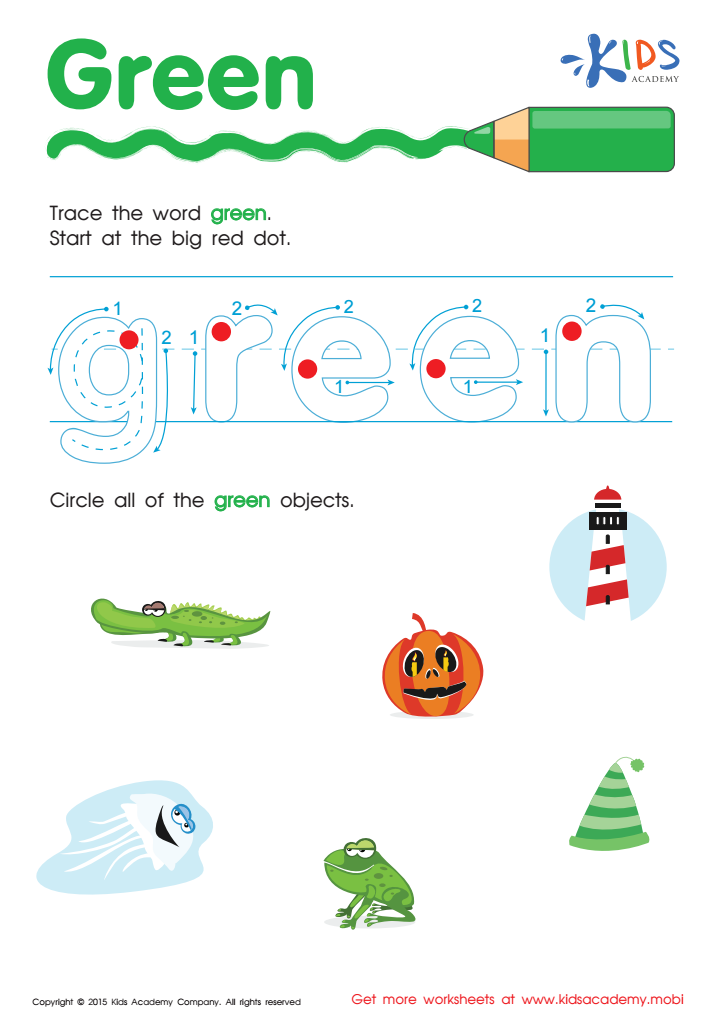
Green Tracing Color Words Worksheet
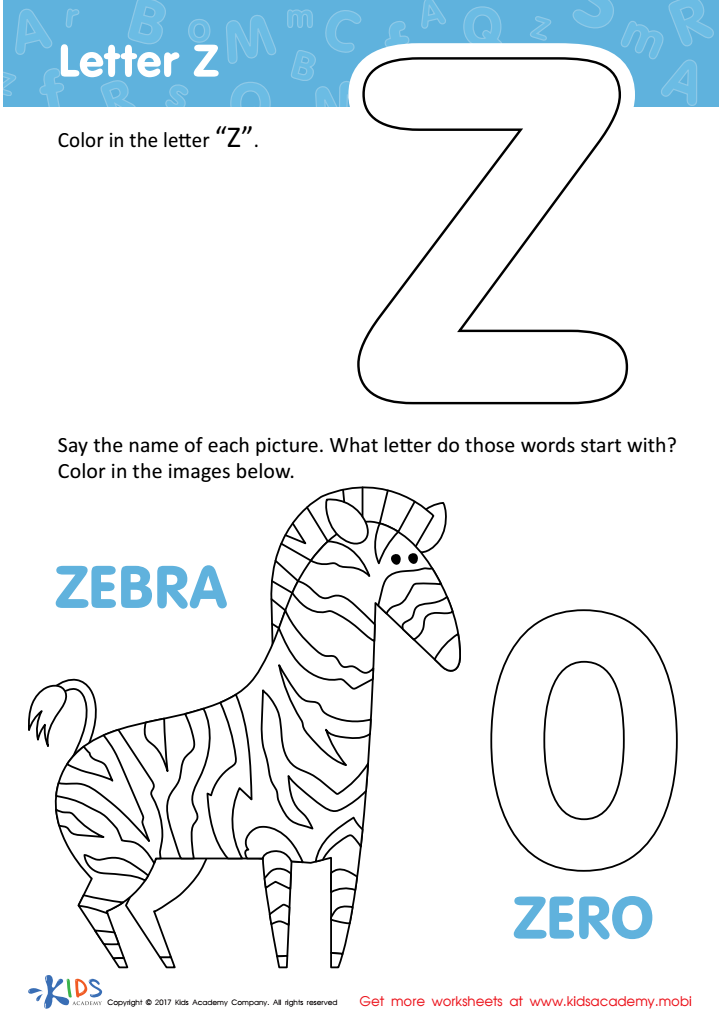
Letter Z Coloring Sheet
Assign to My Students
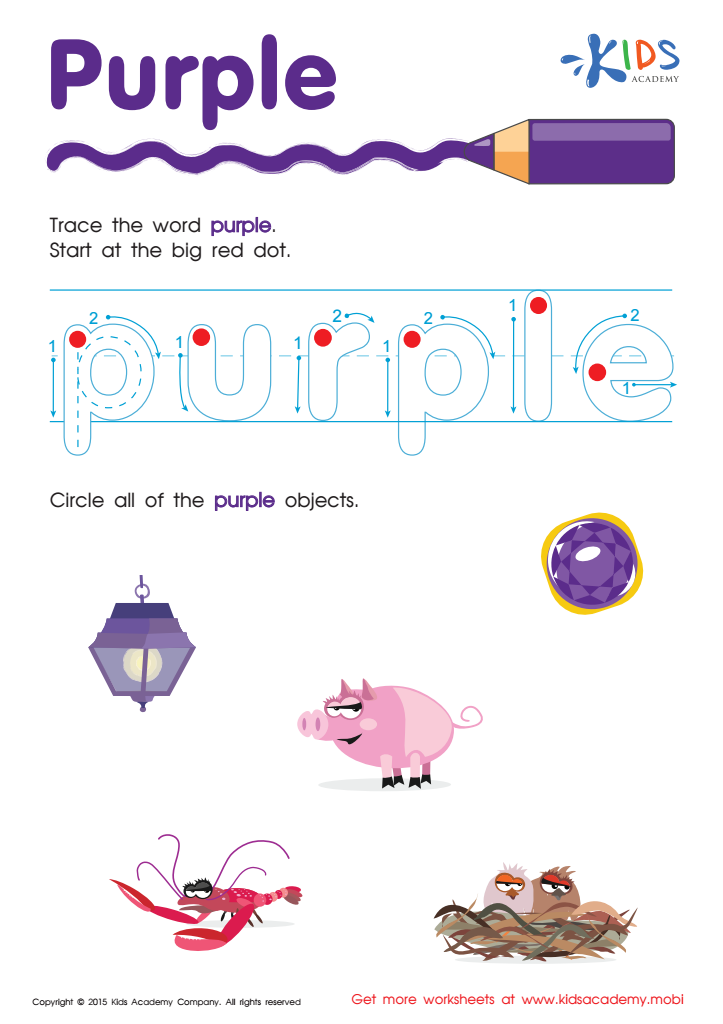
Purple Tracing Color Words Worksheet

Letter J Coloring Sheet
Assign to My Students
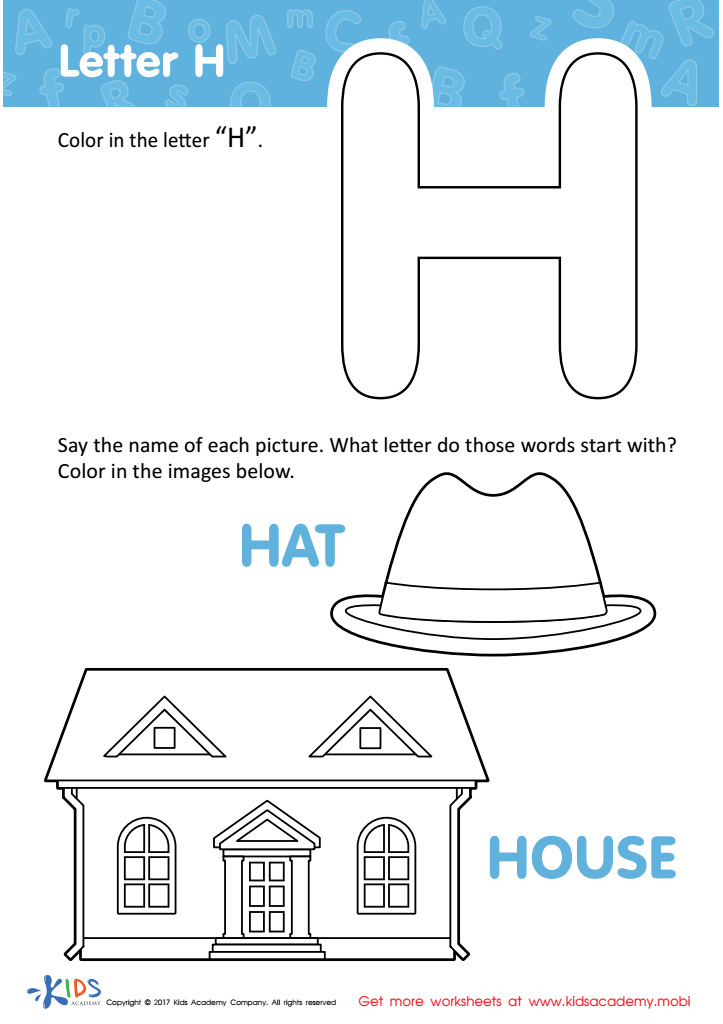
Letter H Coloring Sheet
Assign to My Students
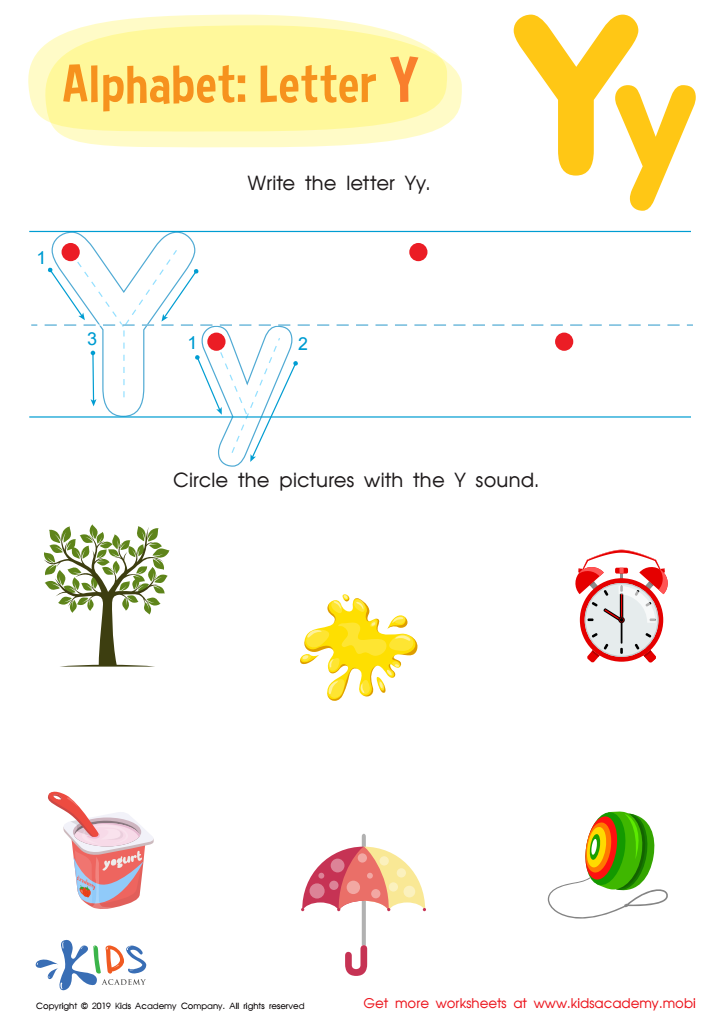
Letter Y Tracing Worksheet
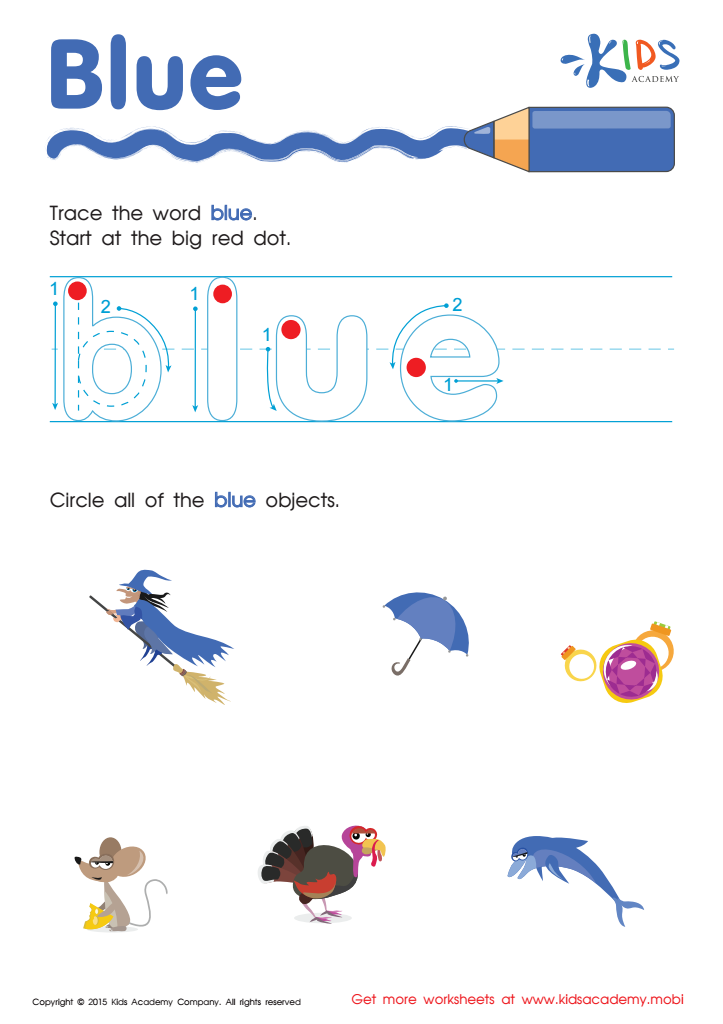
Blue Tracing Color Words Printable
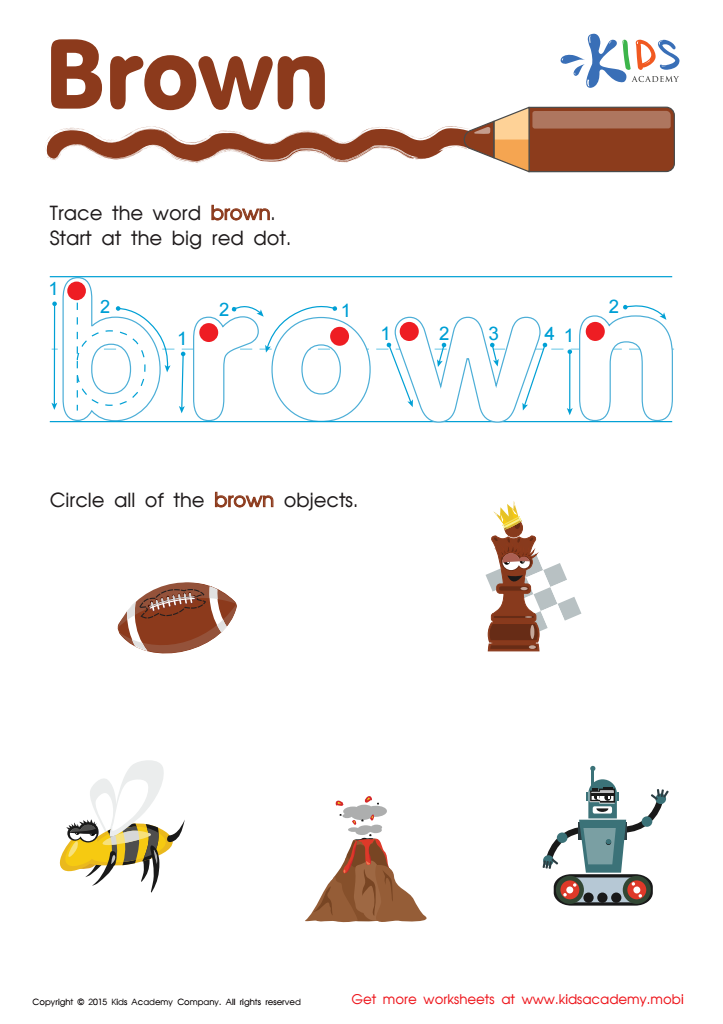
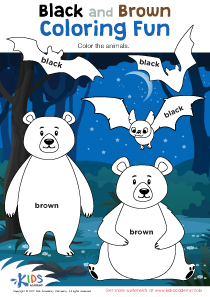
Brown Tracing Color Words Worksheet
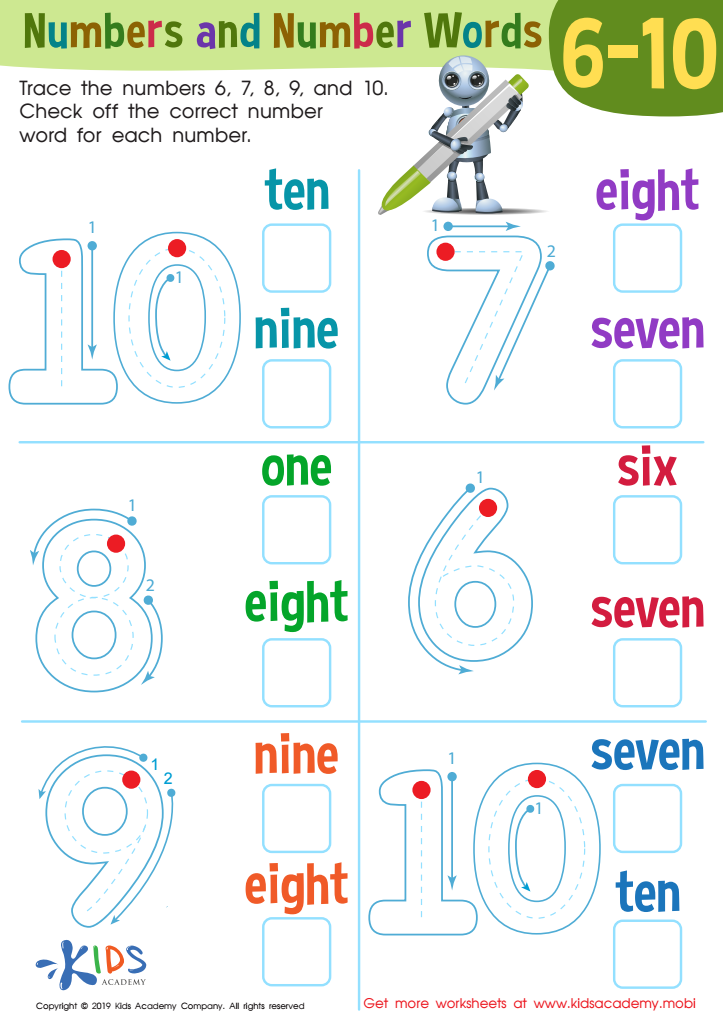
Numbers and Number Words 6–1 Worksheet
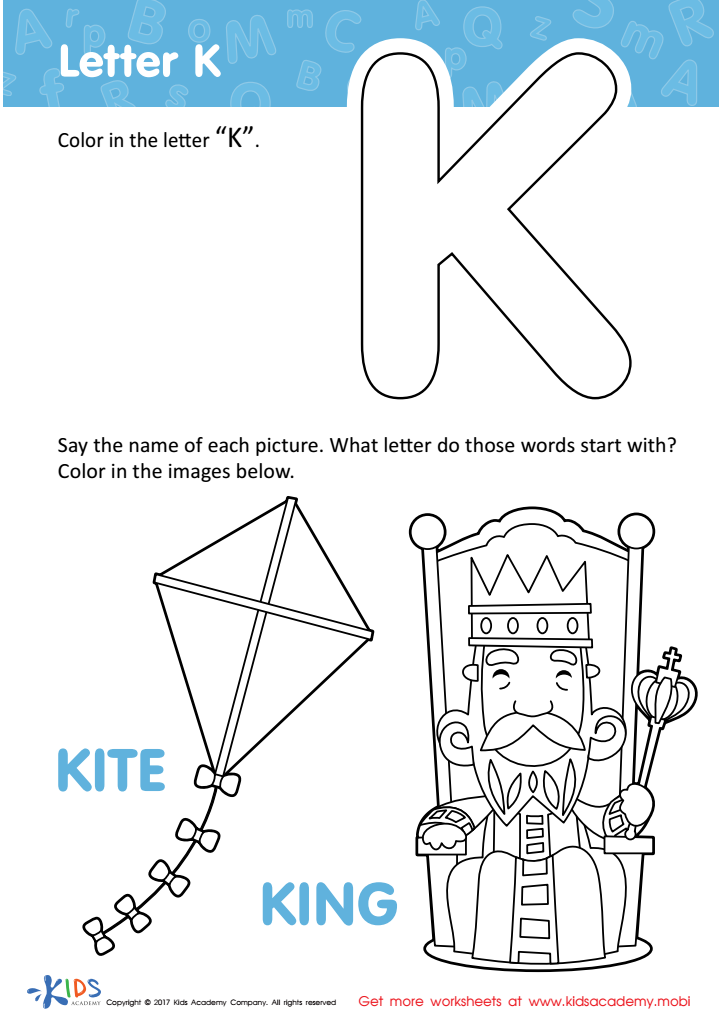
Letter K Coloring Sheet
Assign to My Students
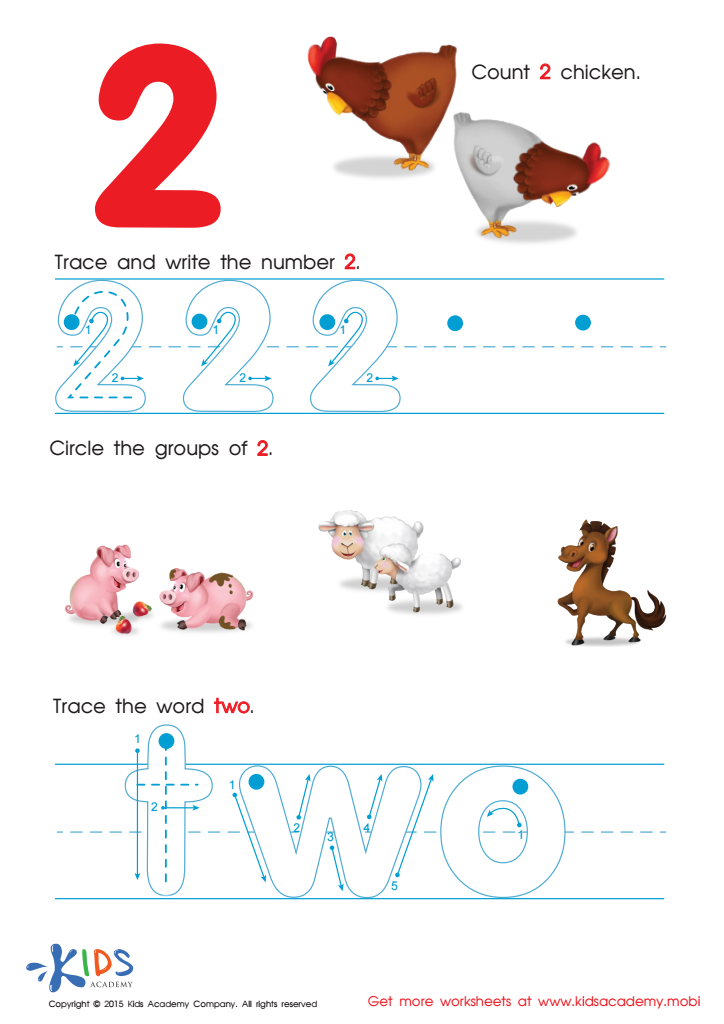
Learn to Write the Number 2 Worksheet
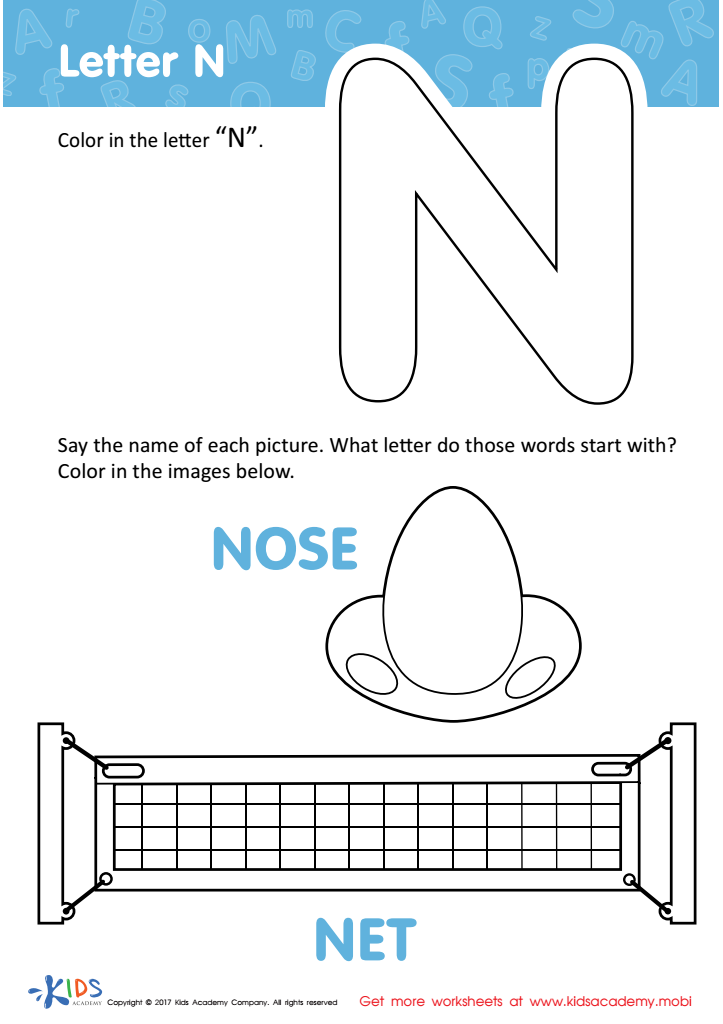
Letter N Coloring Sheet
Assign to My Students





Handwriting practice is vital for 5-year-olds learning English as it lays the foundation for effective communication and literacy skills. At this age, children are developing fine motor skills, hand-eye coordination, and cognitive connections that are crucial for writing. Engaging in handwriting activities helps enhance these physical skills while fostering confidence and a sense of achievement.
Moreover, learning to write English letters correctly promotes proper spelling and reading abilities. Understanding the shapes and strokes of letters aids in decoding words as children begin to read, creating a stronger connection between phonics and written language. Regular practice makes letter formation intuitive, reducing frustration when they encounter more complex tasks.
Socially and emotionally, handwriting offers a soothing and structured activity that can improve focus and self-regulation. It instills a sense of discipline through routine practice, encouraging persistence and resilience.
Furthermore, as children progress, neat handwriting serves as a reflection of their efforts and care, affecting their presentation in schoolwork. In an increasingly digital age, strong handwriting will remain an essential skill in personal and professional interactions. Therefore, parents and teachers should prioritize handwriting practice, ensuring holistic development in early learners.