Animal identification Worksheets for 5-Year-Olds - Page 2
41 filtered results
-
From - To
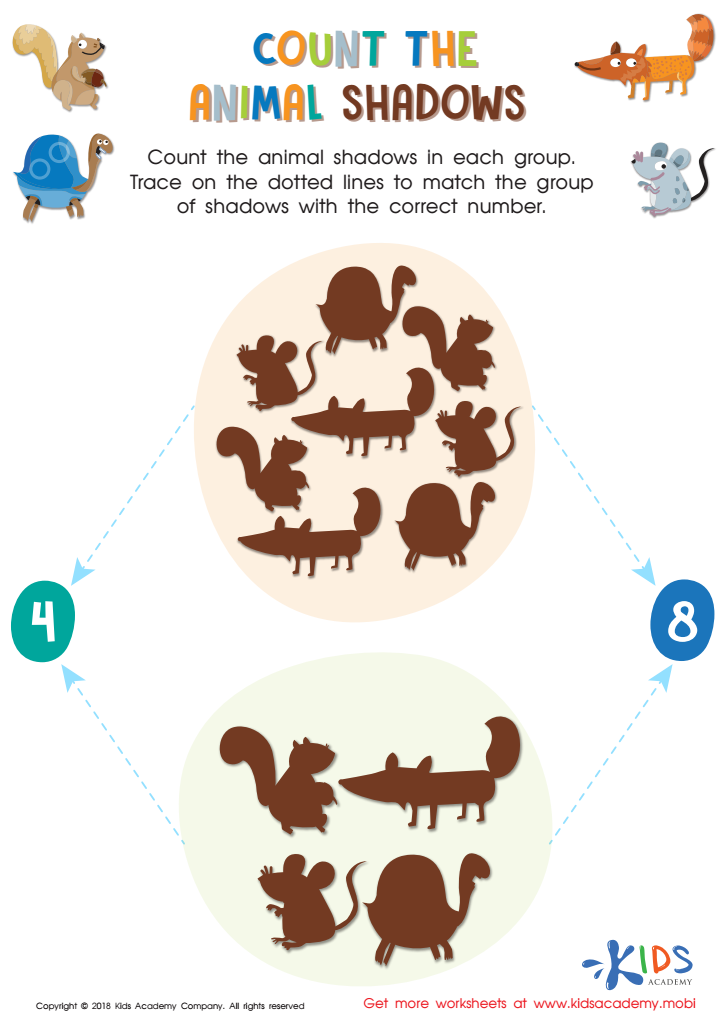
Count the Animal Shadows Worksheet
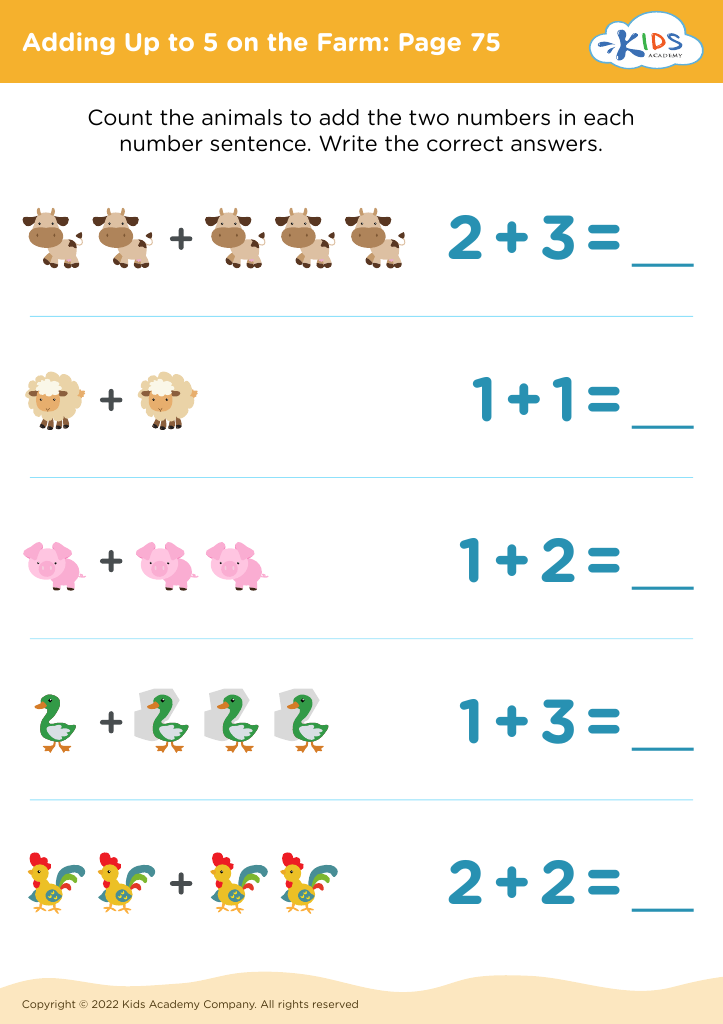
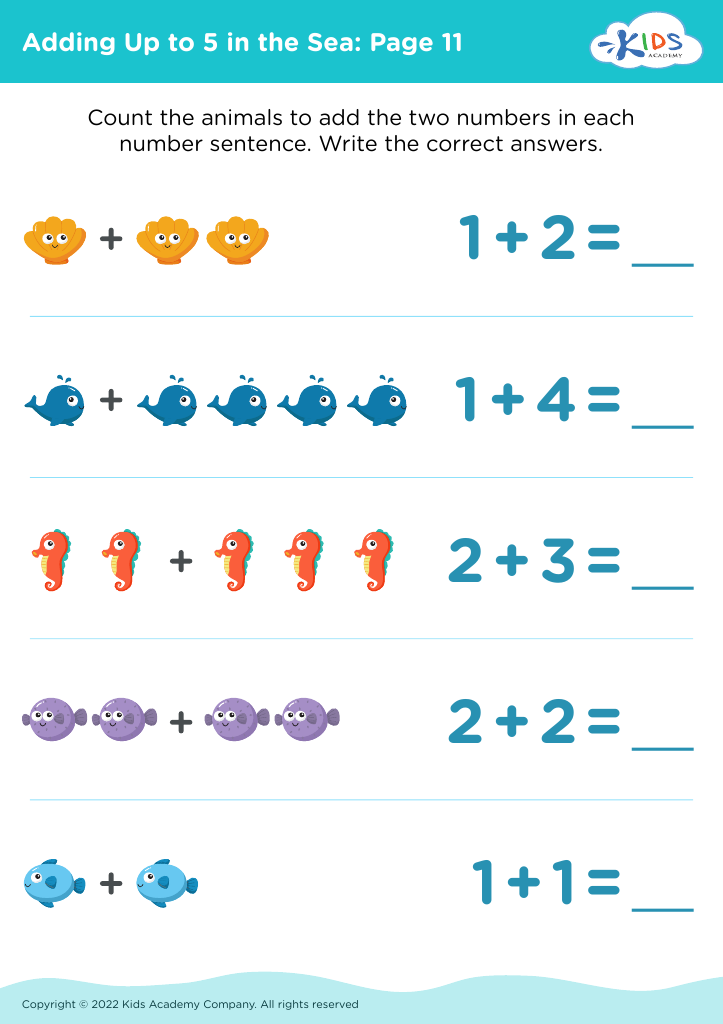
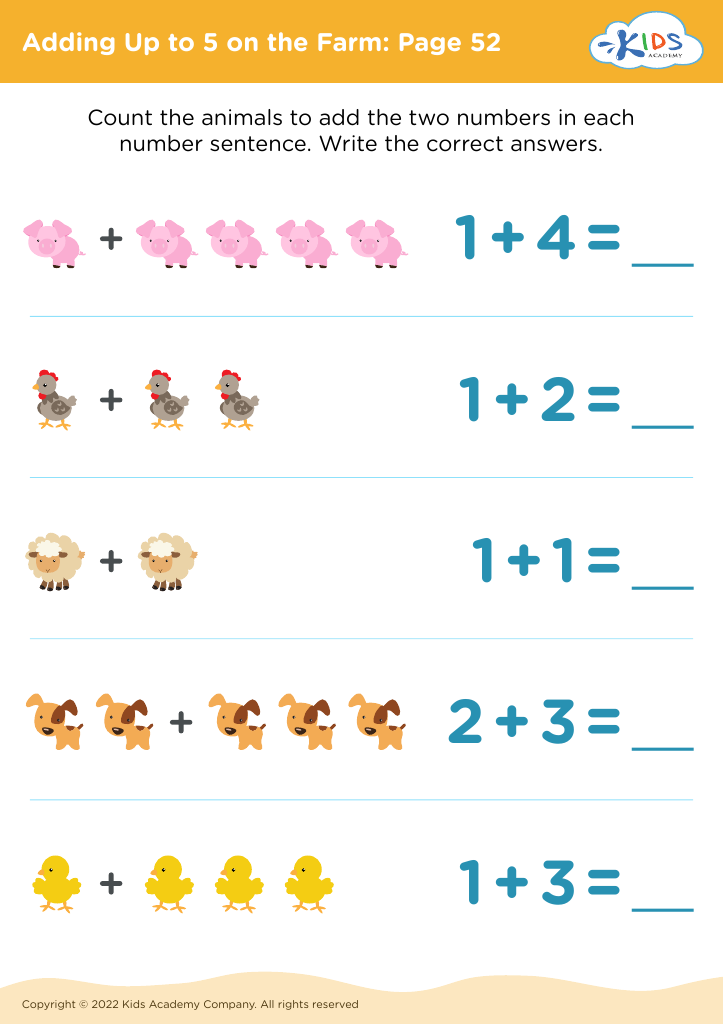
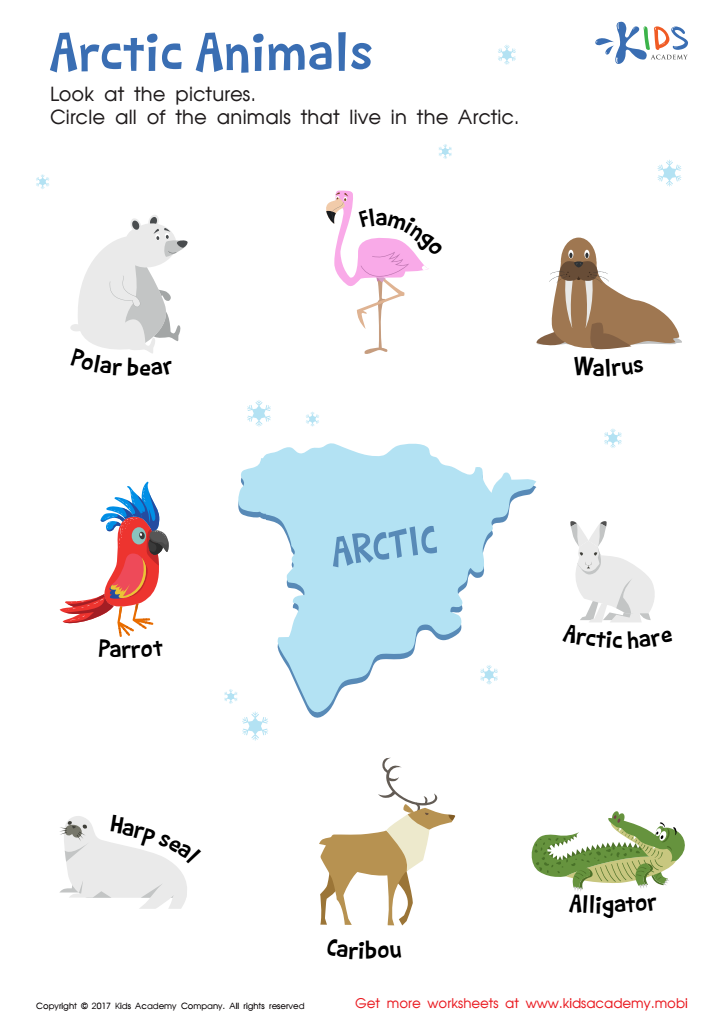
Arctic Animals Worksheet
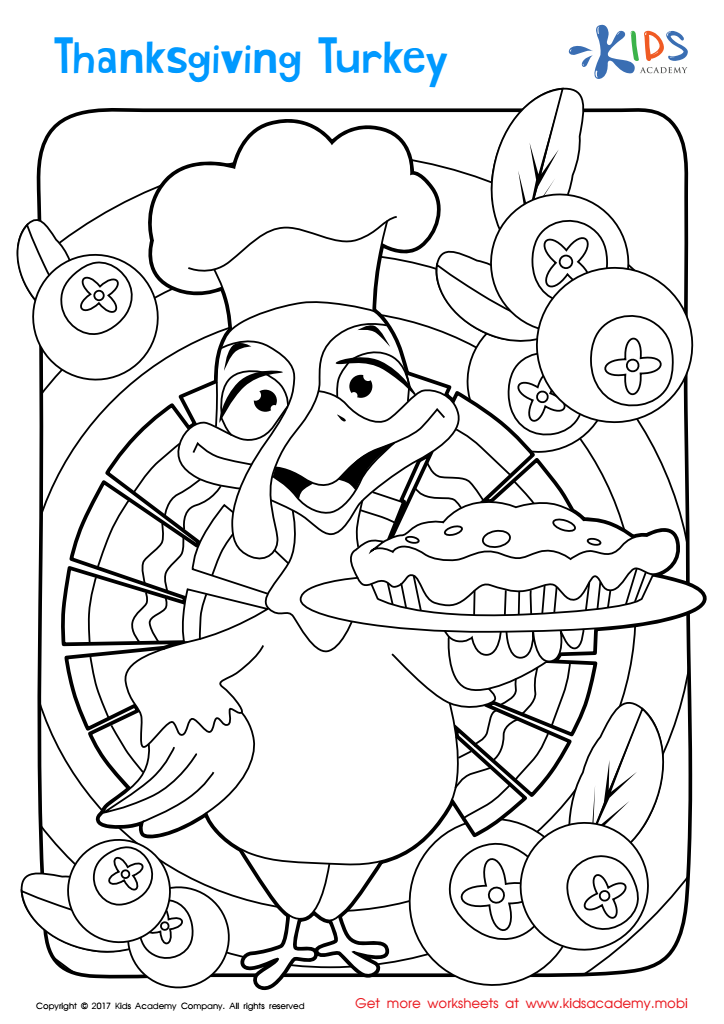
Turkey Thanksgiving Day Worksheet
 Assign to My Students
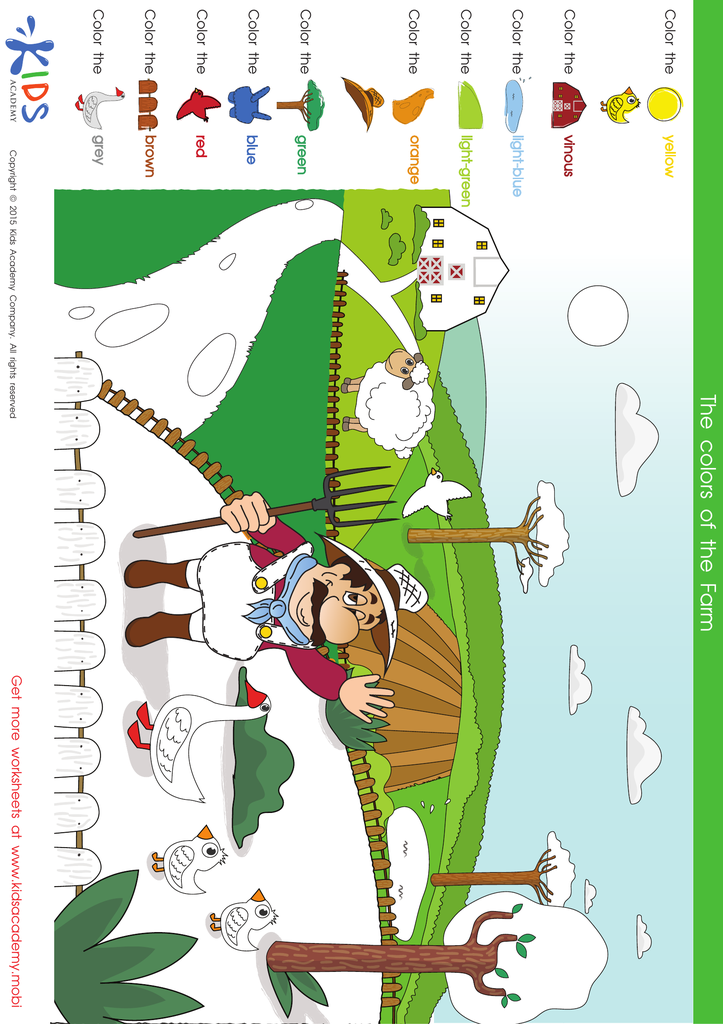
Color the Farmer and His Geese Coloring Pages
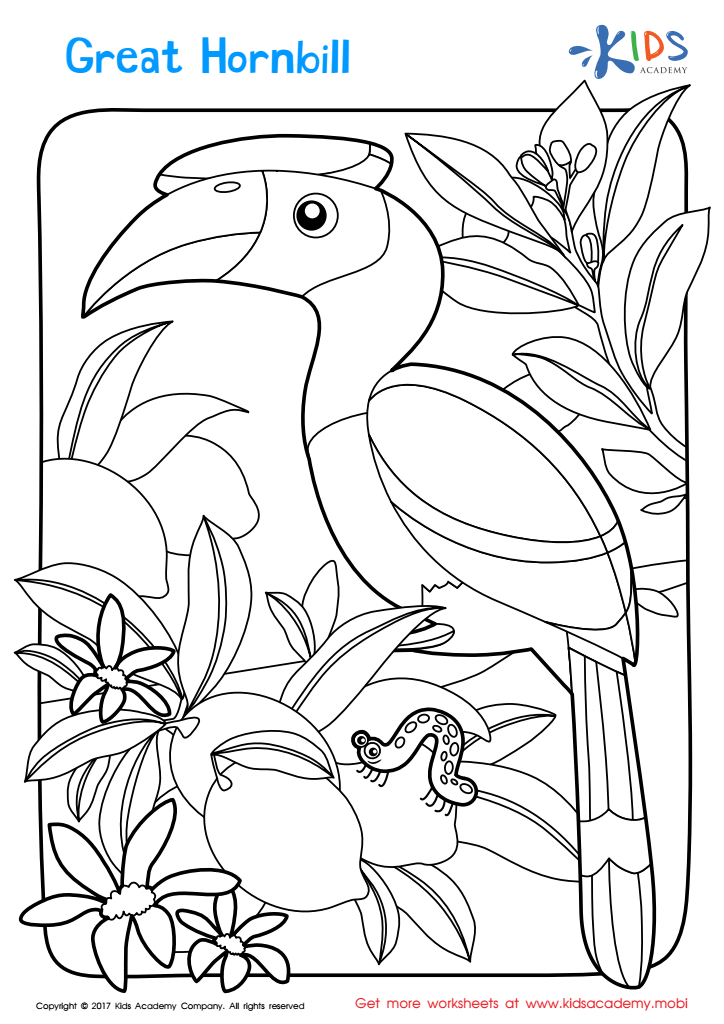
Great Hornbill Worksheet
Assign to My Students
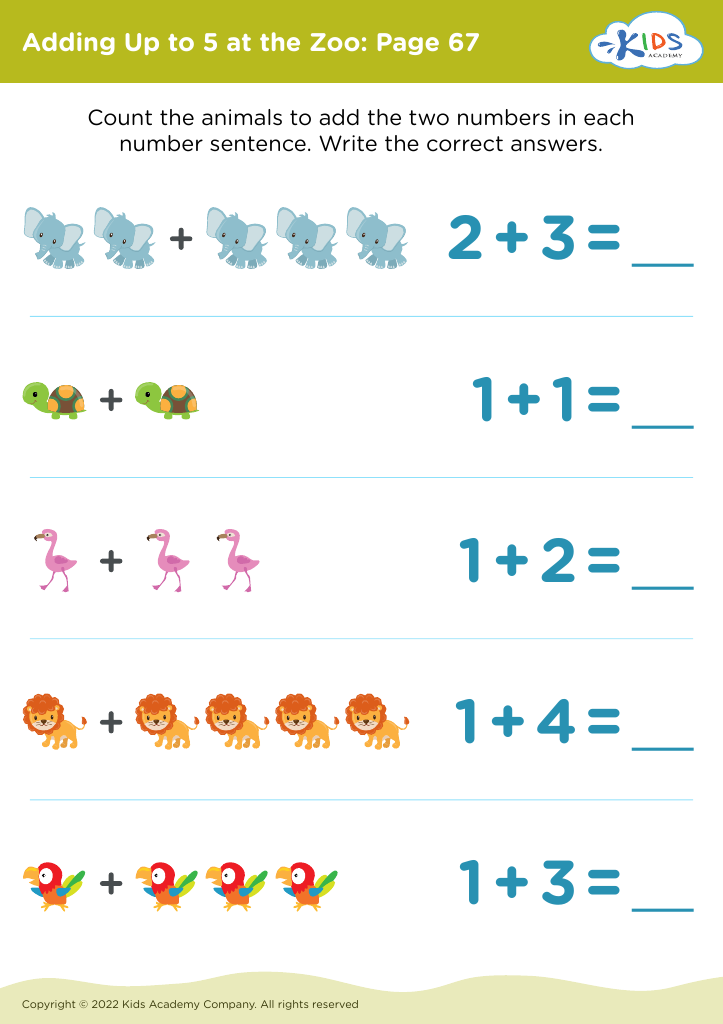
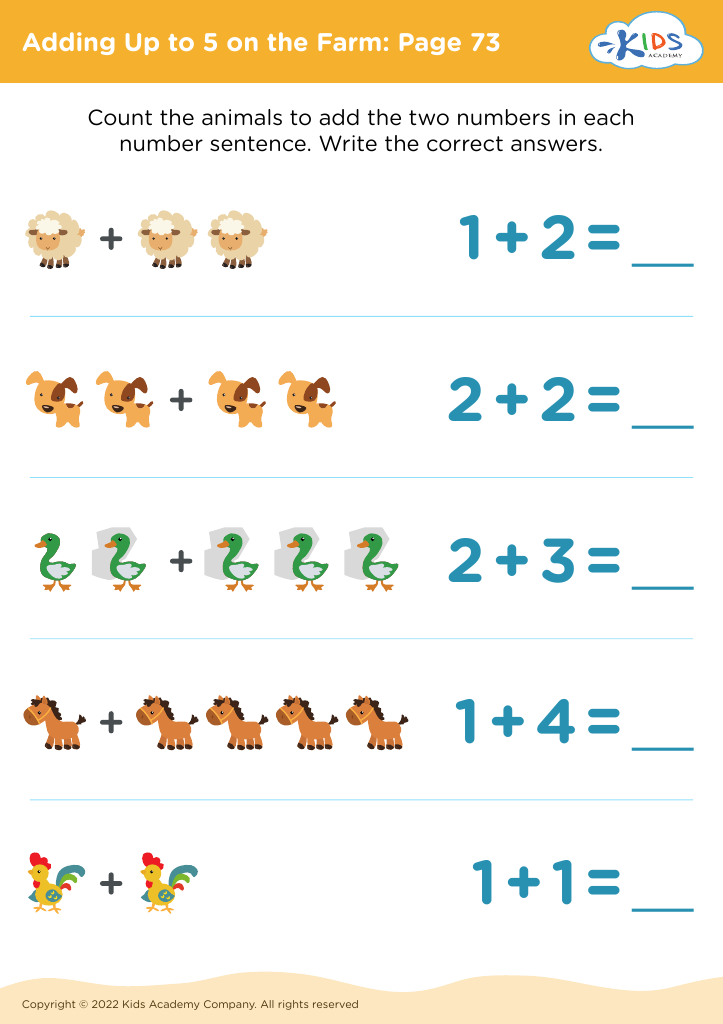
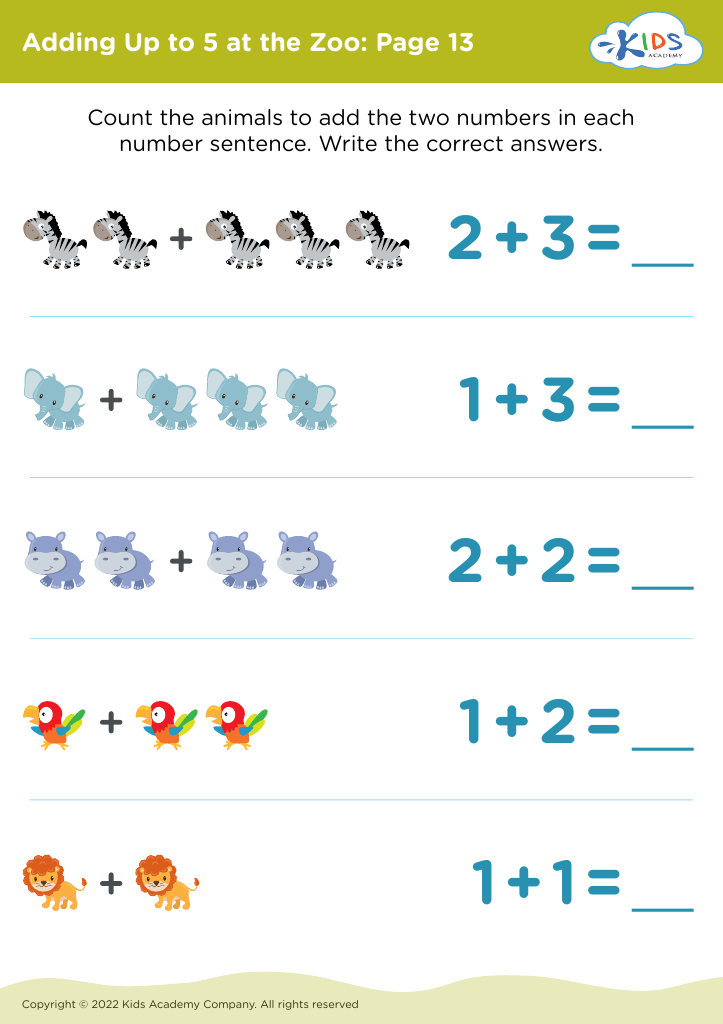








Understanding animal identification is crucial for 5-year-olds as it forms the foundation for their cognitive and social development. Engaging young children in learning about different animals not only sparks their curiosity but also enhances their observational skills. Recognizing various animal species helps children develop critical thinking by comparing characteristics, habits, and habitats, thereby fostering an appreciation for biodiversity.
Moreover, teaching animal identification contributes to a child's emotional intelligence. Learning about animals can encourage empathy and compassion, as children understand how to care for living beings. It opens discussions about conservation and the environment, instilling responsibility toward protecting wildlife and their habitats.
In addition, animal identification can enrich language development. As children learn the names of animals and related vocabulary, they boost their communication skills. Interactive activities, such as animal sounds, movements, and stories, make learning fun while improving retention.
For teachers and parents, recognizing the value of animal identification activities can promote hands-on learning experiences. Activities like nature walks, visits to zoos, or interactive books can be integrated into gameplay, nurturing a love for learning. Ultimately, this knowledge not only fascinates children but equips them with essential skills for their growth and development.








