Introduce your little learners to the world of shapes with our "Basic Geometry Understanding Worksheets for 5-Year-Olds"! Designed to make learning fun and engaging, these printable worksheets help children recognize, draw, and identify shapes like circles, squares, triangles, and more. Through colorful illustrations and interactive activities, kids will develop essential spatial awareness and critical thinking skills. Our resources foster creativity while reinforcing basic geometry concepts, ensuring a strong foundation in mathematics. Perfect for classroom settings or at-home learning, these worksheets are crafted to support early learners in their educational journey. Download now and watch your child's confidence soar as they explore geometry!

Check out this FREE "Basic geometry understanding" Trial Lesson for age 5!

Find 2 Objects that Share a Trait

Favorites
With answer key
Interactive
  • 5
  • Basic geometry understanding
Ordering Size Worksheet

Ordering Size Worksheet

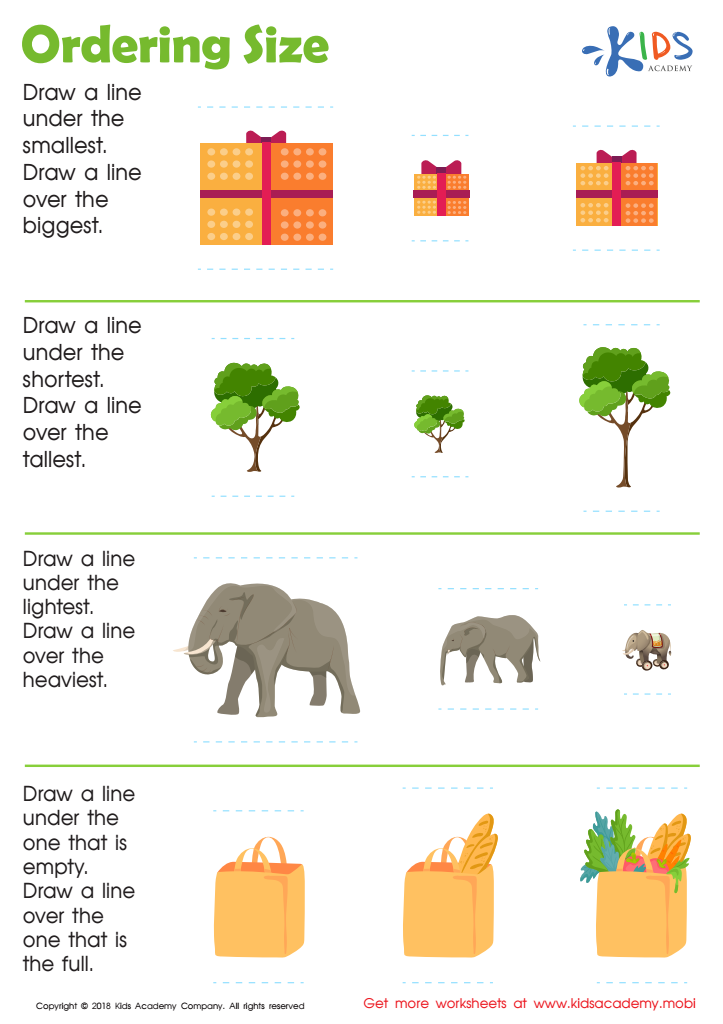
This worksheet helps students practice mathematical vocabulary related to size and quantity. Children look at pictures and draw a line to the objects that are taller, shorter, big, small, light, heavy, empty or full. The teacher can quickly check students' understanding of these measurement terms and then ask for examples of their own.
Ordering Size Worksheet
Worksheet
Geometry Matching Worksheet

Fun Geometry Worksheet

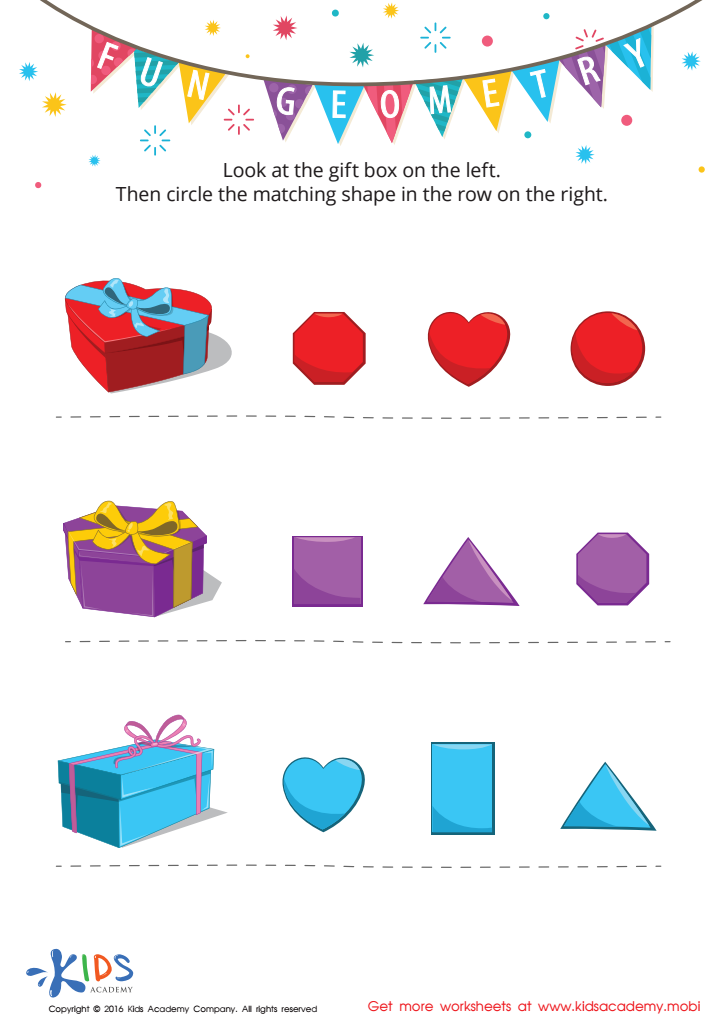
Give your child the gift of learning with this fun and educational geometry matching worksheet! It'll help them develop essential matching and problem-solving skills while having fun. Vibrant pictures will excite them to complete it and get a better grasp of the world around them.
Fun Geometry Worksheet
Worksheet
Shape Connections Worksheet

Shape Connections Worksheet

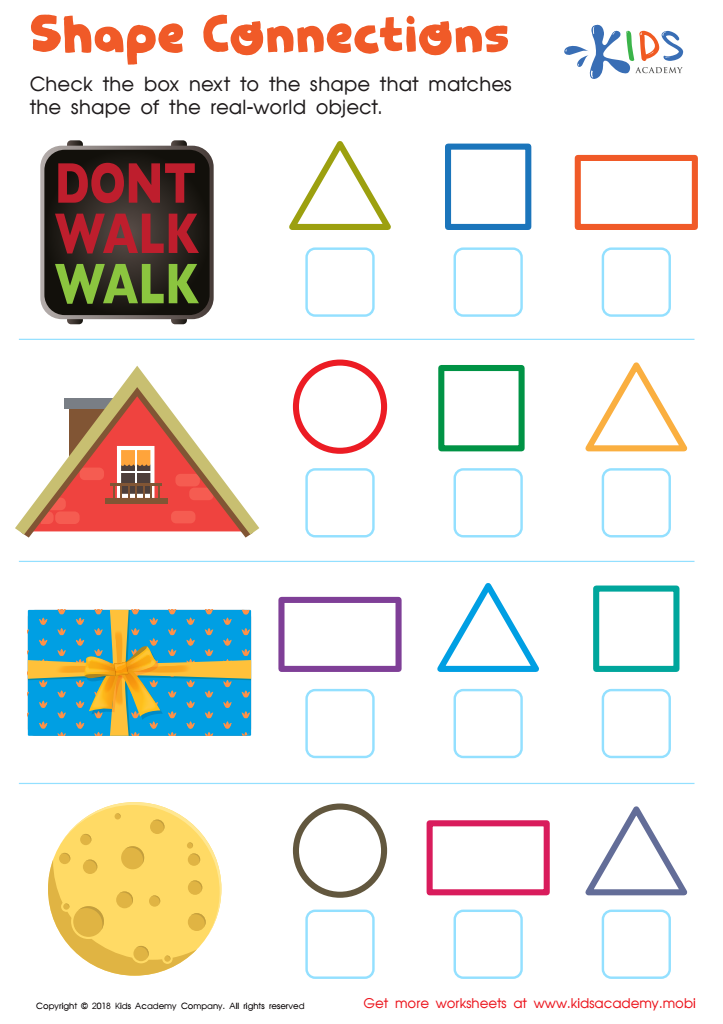
Geometric shapes are all around us and this fun worksheet brings it to life. Kids will match real-world pictures with the corresponding basic shapes, connecting how math is used in various aspects of daily life. A great way to reinforce these concepts!
Shape Connections Worksheet
Worksheet
Geometry Review Printable Worksheet

Geometry Review Printable

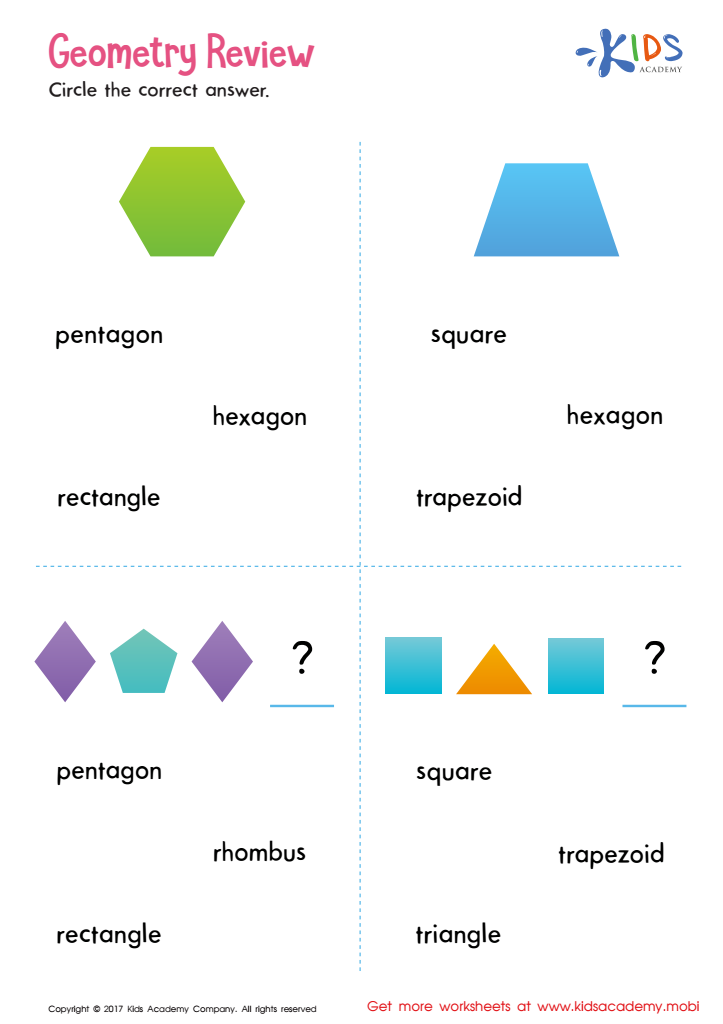
Repetition is key to success; give your child the practice they need with this geometry worksheet.
Geometry Review Printable
Worksheet
Sorting Shapes Worksheets

Preschool Geometry Sorting Worksheet

Preschool Geometry Sorting Worksheet
Worksheet
Preschool Geometry Worksheet

Preschool Geometry Worksheet

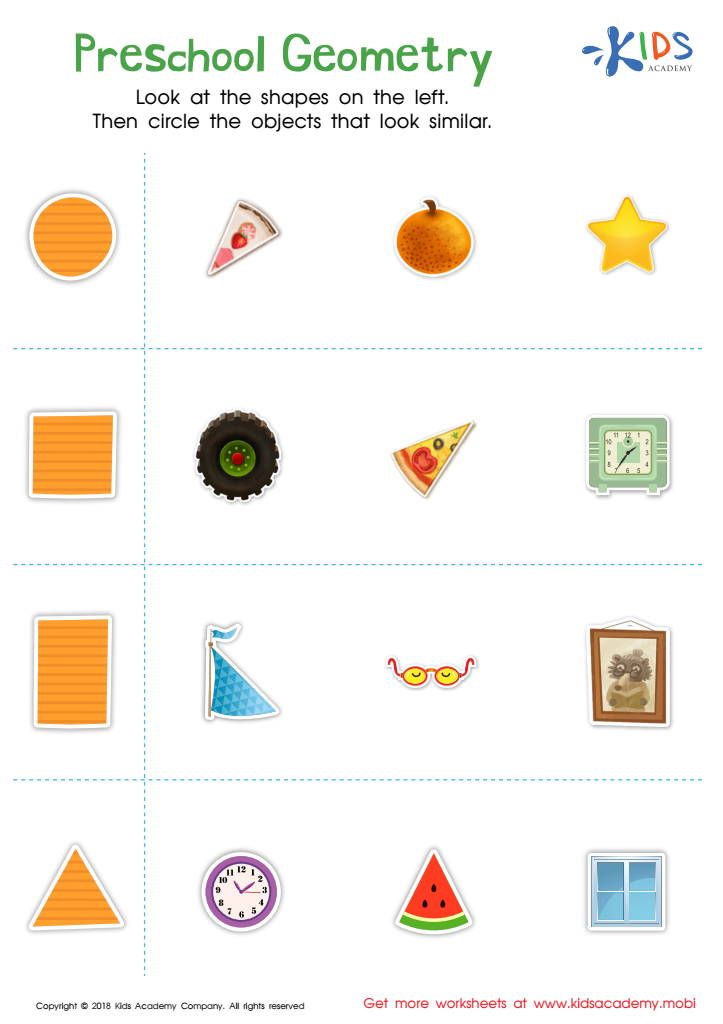
This worksheet gives 3rd graders the basics of geometry. Kids match everyday objects to shapes they know, e.g. an orange to a circle, a square to a slice of watermelon and a rectangle to a picture frame. It's a fun way to give them confidence to tackle more complex geometry in the future.
Preschool Geometry Worksheet
Worksheet
Geometric Shapes for Kids: Drawing Ovals And Triangles with Fun

Drawing Ovals And Triangles with Fun Printable
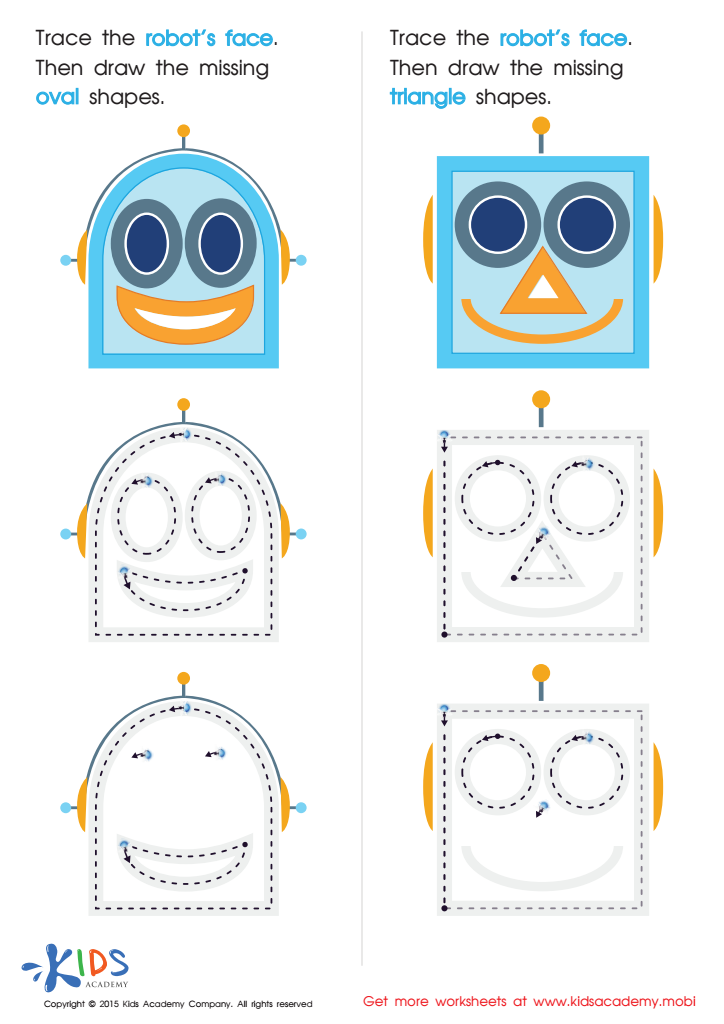
Trace the face and draw missing ovals and triangles. Test your memory and recall shapes' names. Check if you remember how to draw them!
Drawing Ovals And Triangles with Fun Printable
Worksheet
Size Comparison Worksheet

Classifying by Size Sorting Worksheet
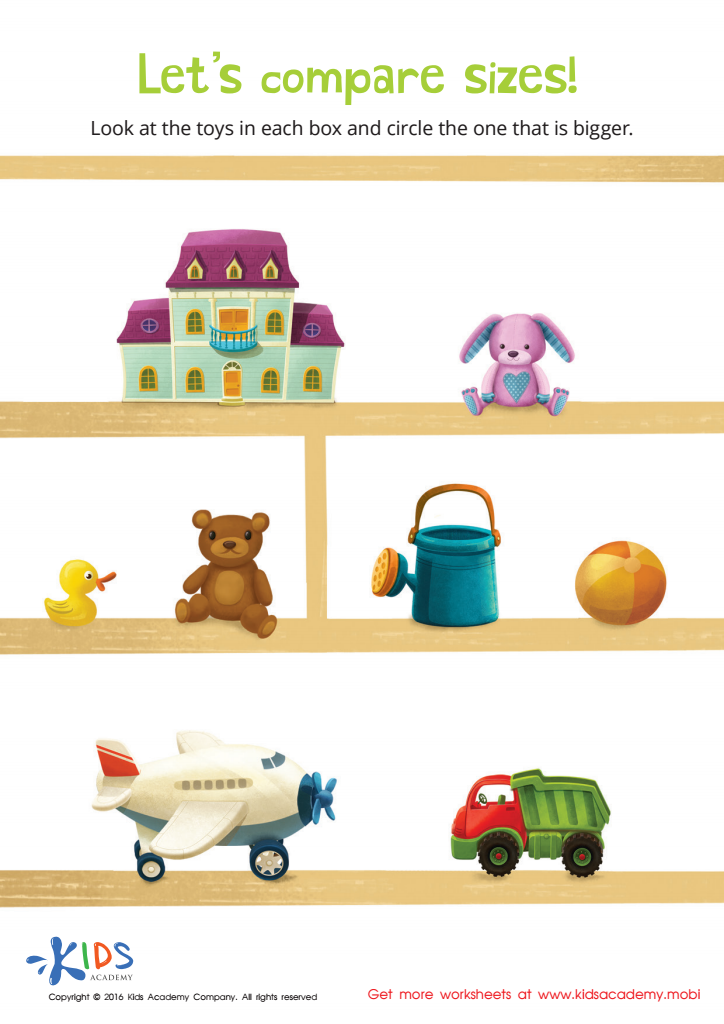
Help your preschooler recognize differences in size using this fun worksheet! Your child will engage in important spatial recognition and problem-solving skills while talking with you about objects that can be small or large. Enjoy the vibrant pictures together!
Classifying by Size Sorting Worksheet

Worksheet
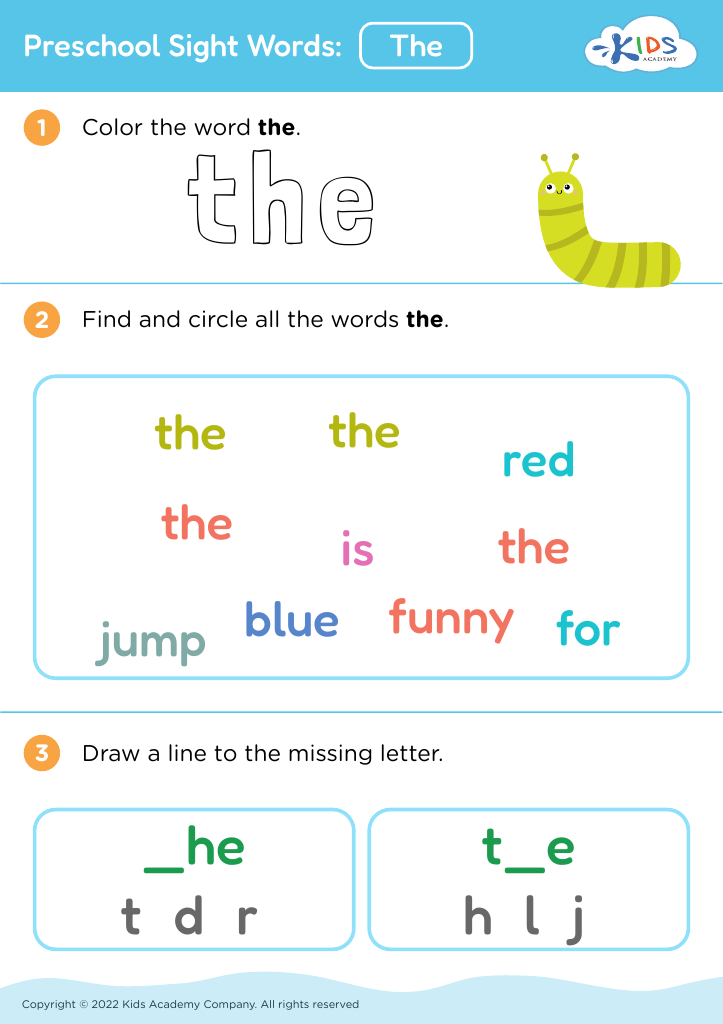
Preschool Sight Words: The

Preschool Sight Words: The

Preschool Sight Words: The
Worksheet


Understanding basic geometry at an early age is essential for 5-year-olds as it lays the foundation for critical thinking, spatial awareness, and problem-solving skills. Geometry nurtures a child’s ability to recognize shapes, sizes, and the relationships between objects in their environment, which enriches their overall cognitive development. When children identify and classify shapes, they enhance their observation skills and learn to categorize objects—an important precursor to mathematical reasoning.

Moreover, early geometric understanding supports language development. As children describe shapes and their attributes, they learn new vocabulary and enhance their communication skills. Interactive play, such as building blocks or puzzles, not only makes learning enjoyable but also fosters collaboration and social skills among peers.

By incorporating geometry into their everyday experiences, whether through play or structured learning, parents and teachers encourage curiosity and a love for learning. This early exposure shapes positive attitudes towards mathematics, potentially influencing future academic success. Lastly, developing basic geometry skills promotes fine motor development as children engage in activities that require manipulation of shapes and objects, consolidating learning through hands-on experiences. Thus, early geometric concepts are vital to a child's educational journey and holistic development.