Shape Recognition Geometry Worksheets for 5-Year-Olds - Page 2
34 filtered results
-
From - To
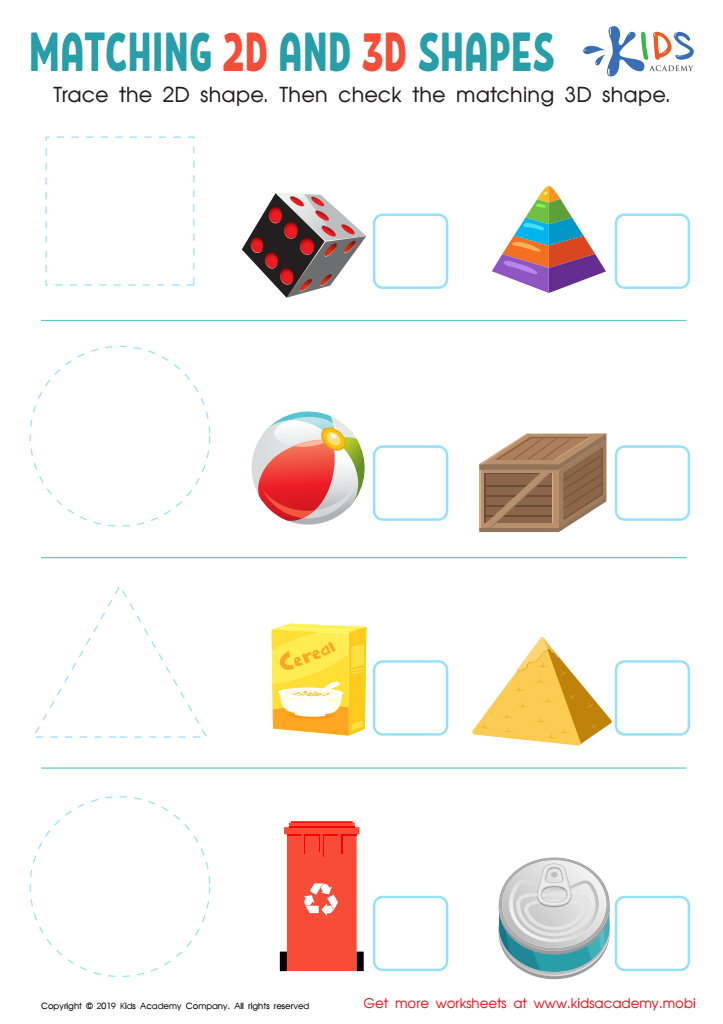
Matching 2D and 3D Shapes Worksheet
 Assign to My Students











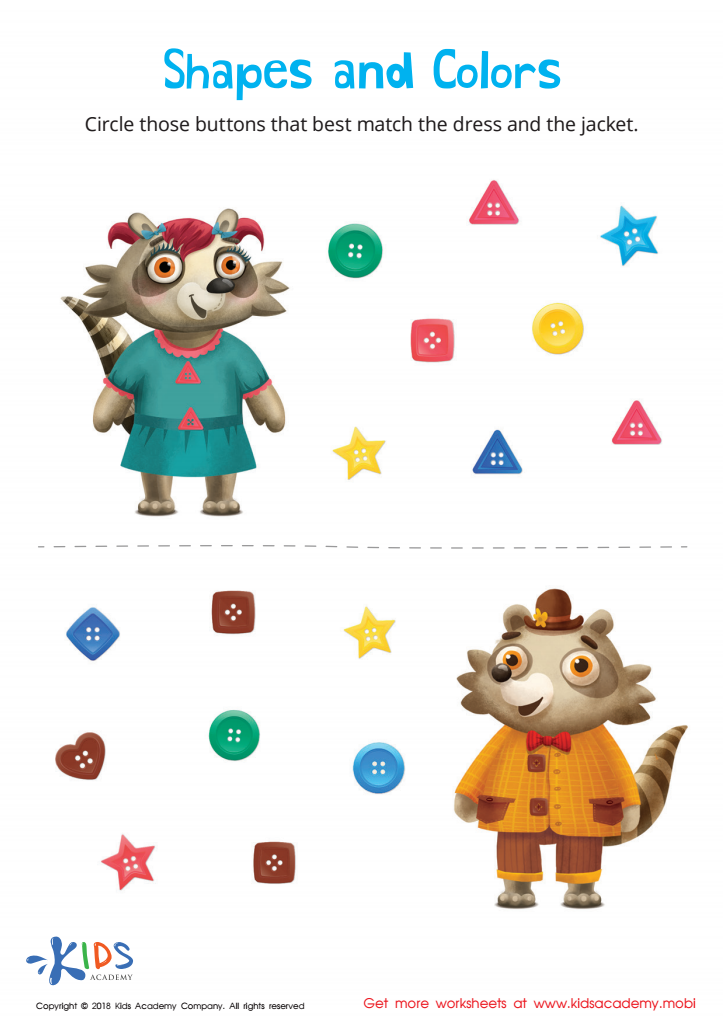
Shapes and Colors Worksheet
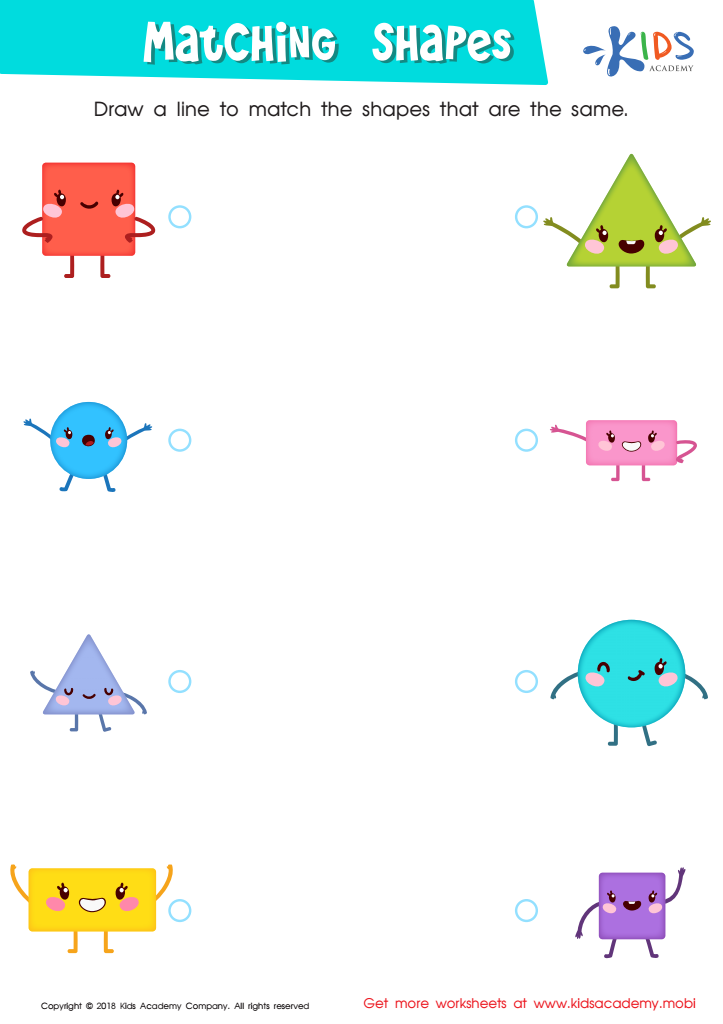
Matching Shapes Worksheet
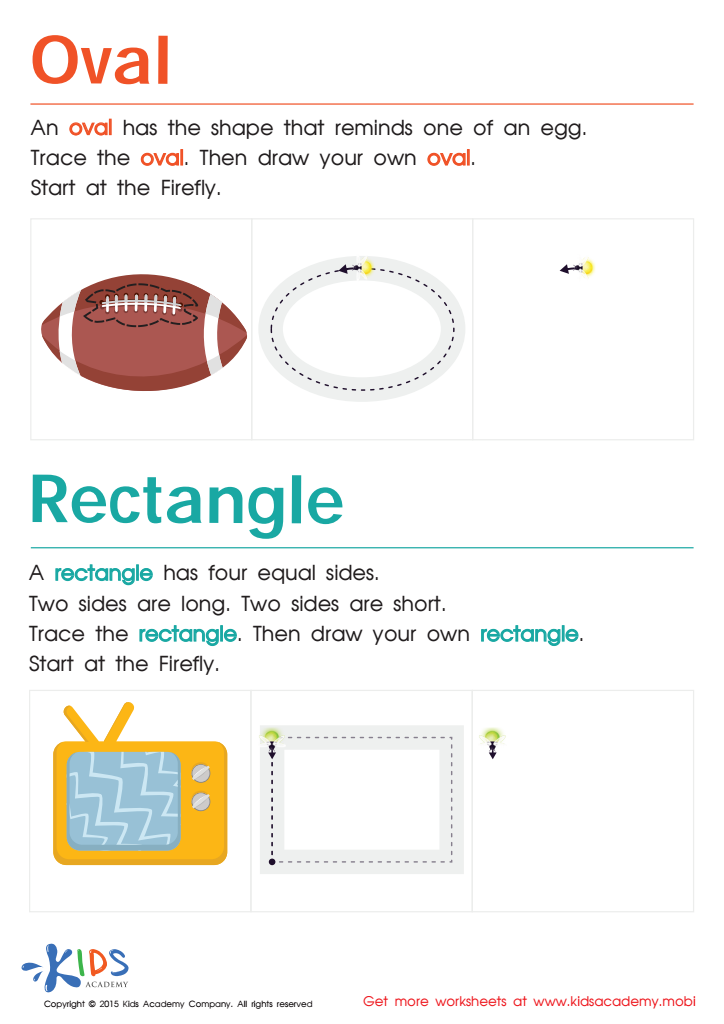
Easy Drawing of Ovals And Rectangles Worksheet
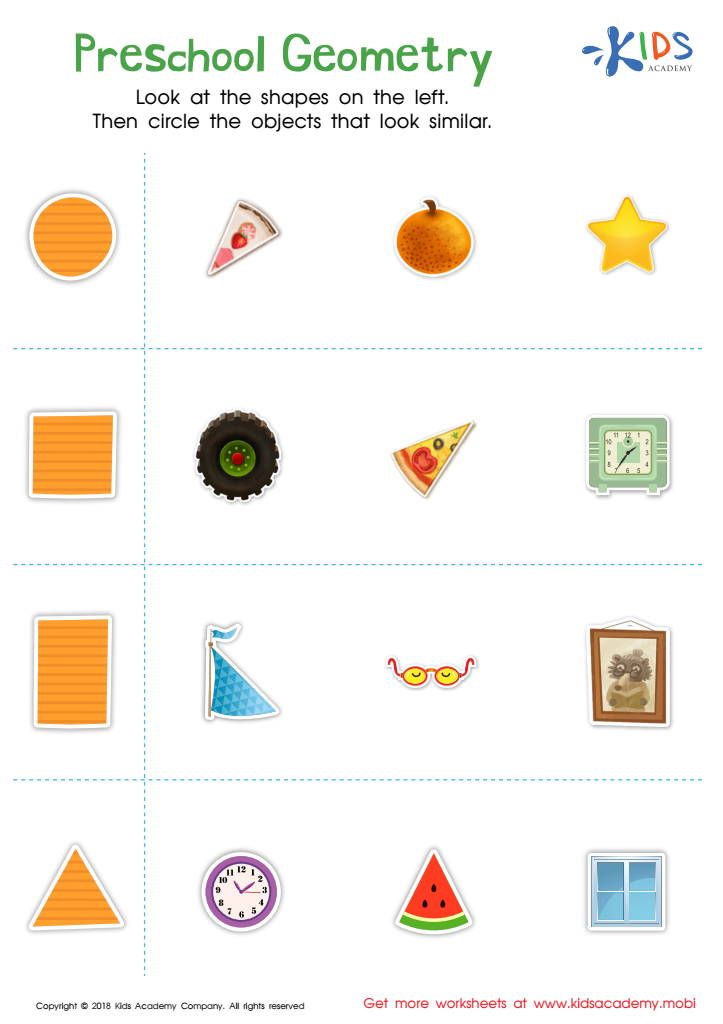
Preschool Geometry Worksheet
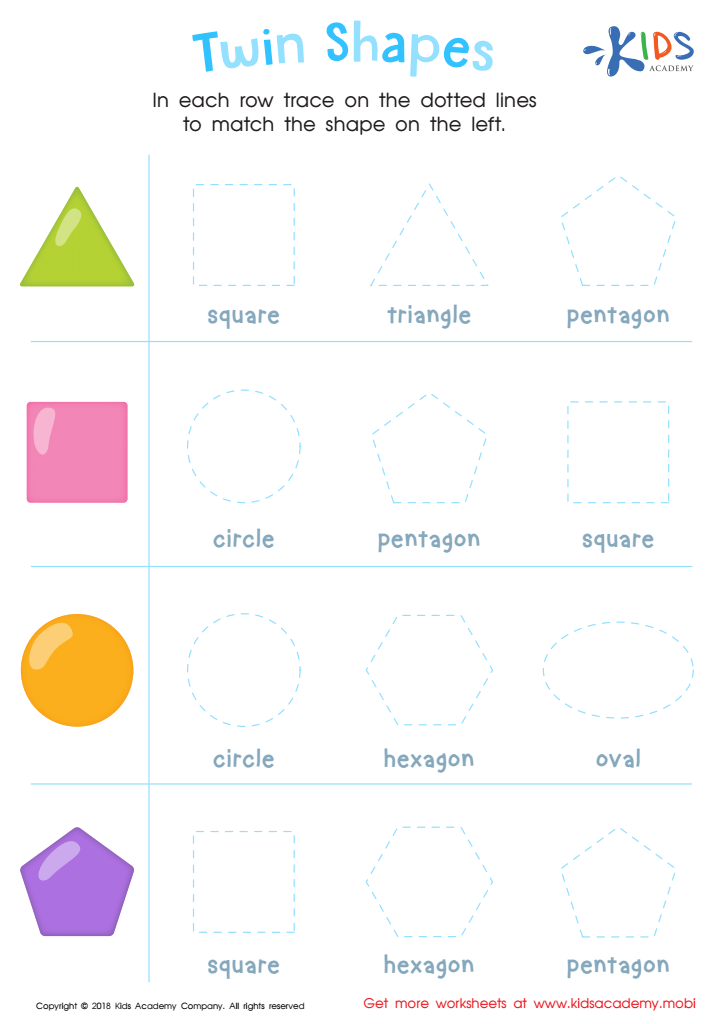
Twin Shapes Dot-to-Dot Worksheet
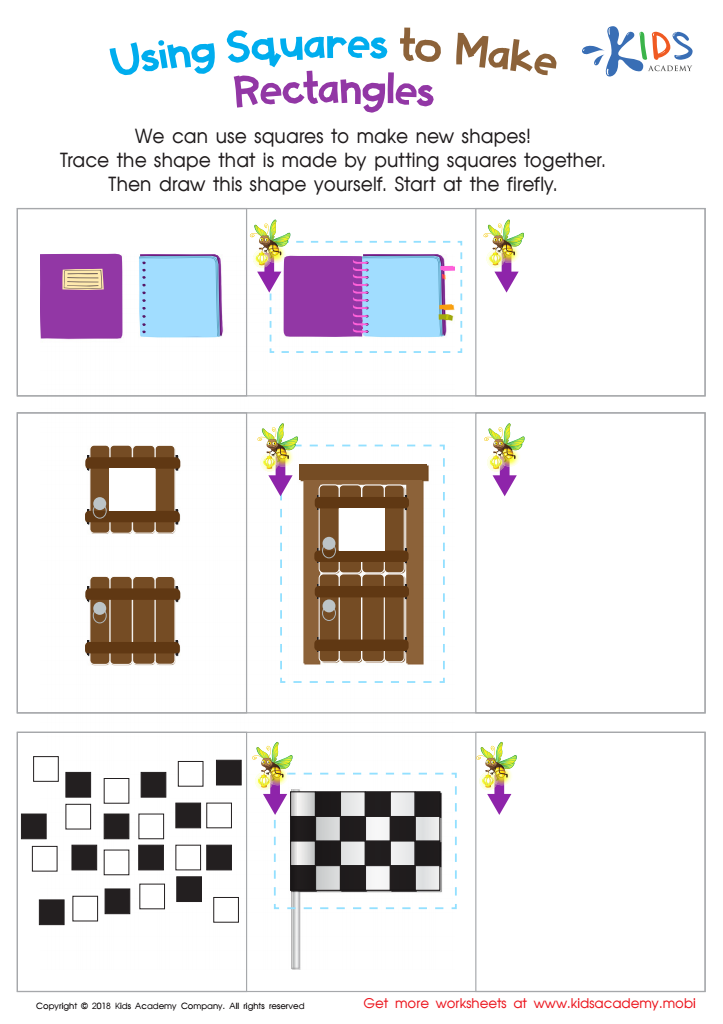
Using Squares to Make Rectangles Worksheet
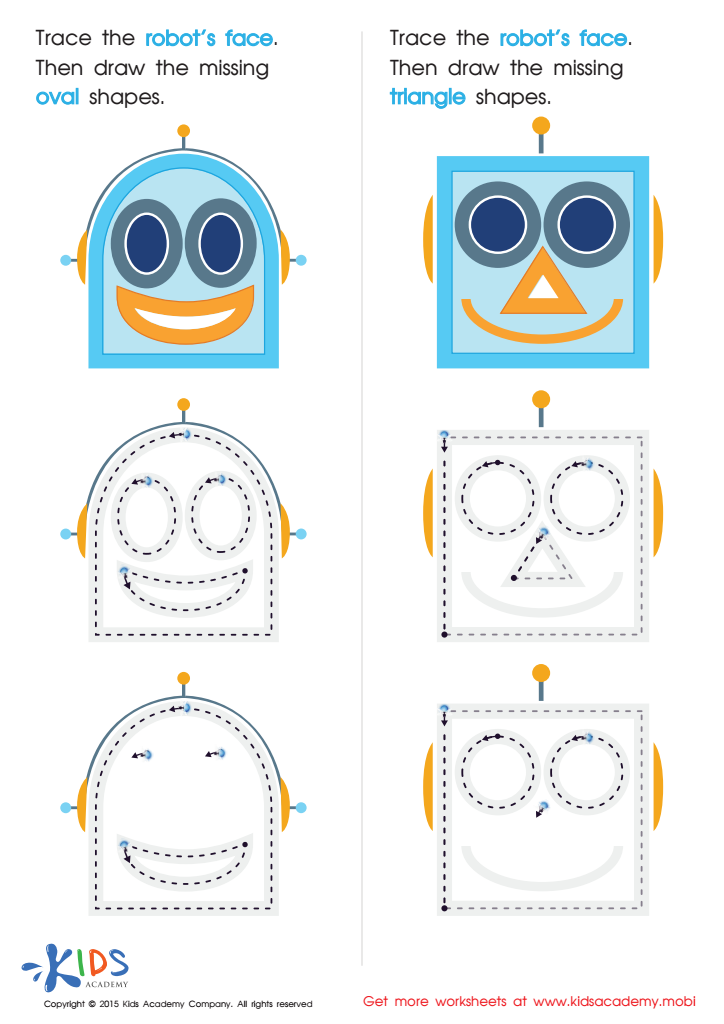
Drawing Ovals And Triangles with Fun Printable
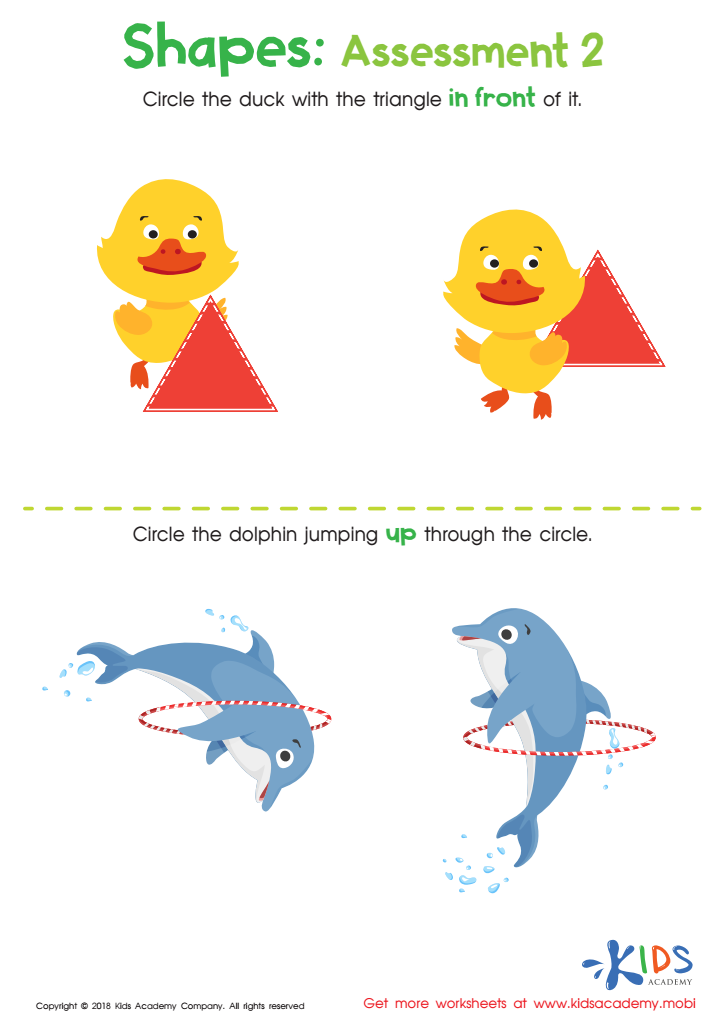
Geometry – Assessment 2 Worksheet
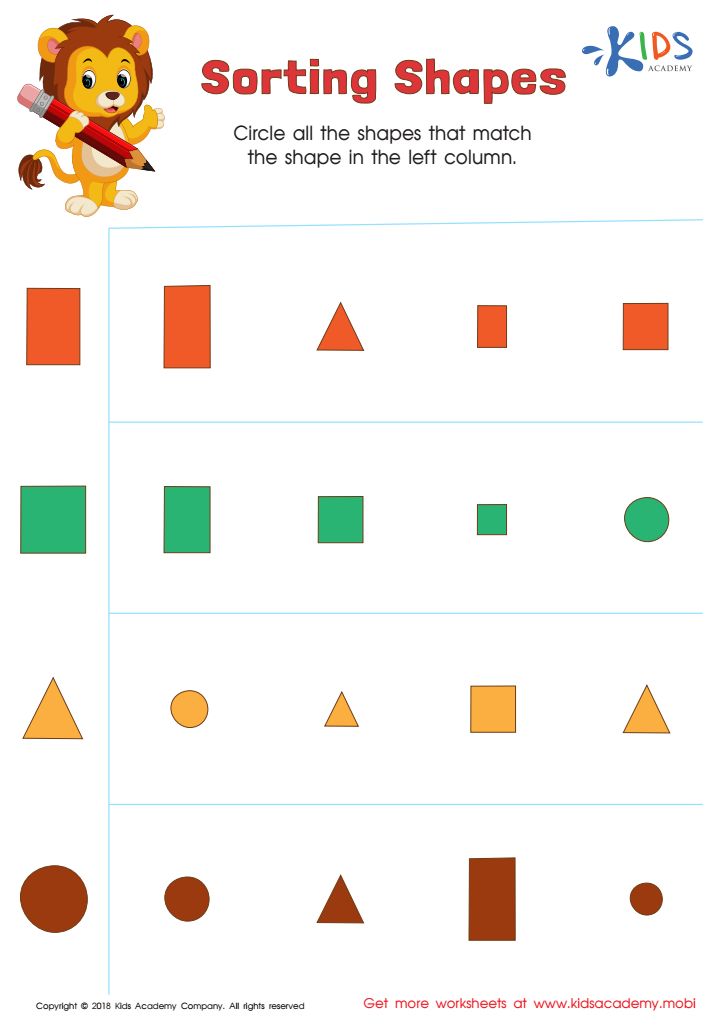
Sorting Shapes - Part 2 Worksheet








Parents and teachers should prioritize shape recognition in 5-year-olds because it forms the foundation for many essential cognitive and academic skills. At this age, children are rapidly developing their ability to recognize and categorize the world around them. Understanding shapes sharpens visual-spatial skills, aiding in later learning of more complex math concepts such as geometry and measurement. Recognizing shapes also supports early reading and writing by helping children identify and differentiate between letters, which are geometrical figures themselves.
Moreover, shape recognition stimulates critical thinking and problem-solving abilities. When children classify objects by shape, they learn to notice and articulate similarities and differences, a skill that underlies scientific reasoning and analytical thought. It also encourages fine motor skills and hand-eye coordination through activities like drawing or constructing shapes with blocks, which are crucial for writing.
In addition, knowing shapes enhances language development as children learn to describe their world in richer detail, boosting their vocabulary and communication skills. For these compelling reasons, integrating shape recognition in early education equips children with a versatile toolkit, readying them for academic success and enabling a more comprehensive understanding of their environment. Therefore, nurturing this skill is not only educationally beneficial but also vital for holistic development.








