Problem-Solving Skills Math Worksheets for 5-Year-Olds - Page 3
121 filtered results
-
From - To
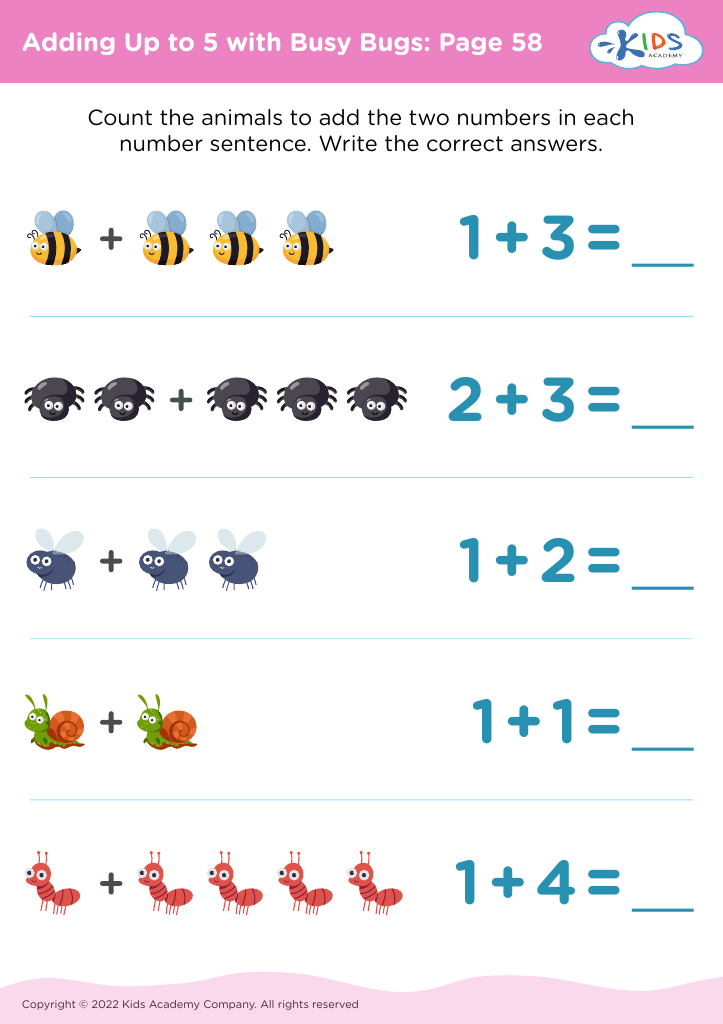
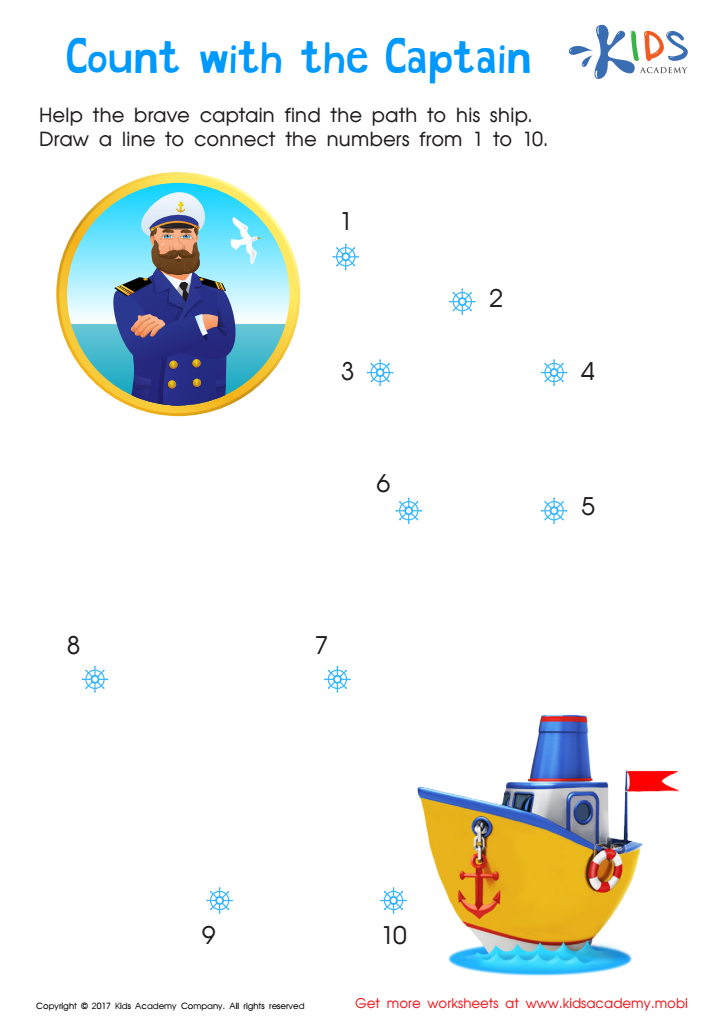
Count with the Captain Connect Dots Worksheet
 Assign to My Students
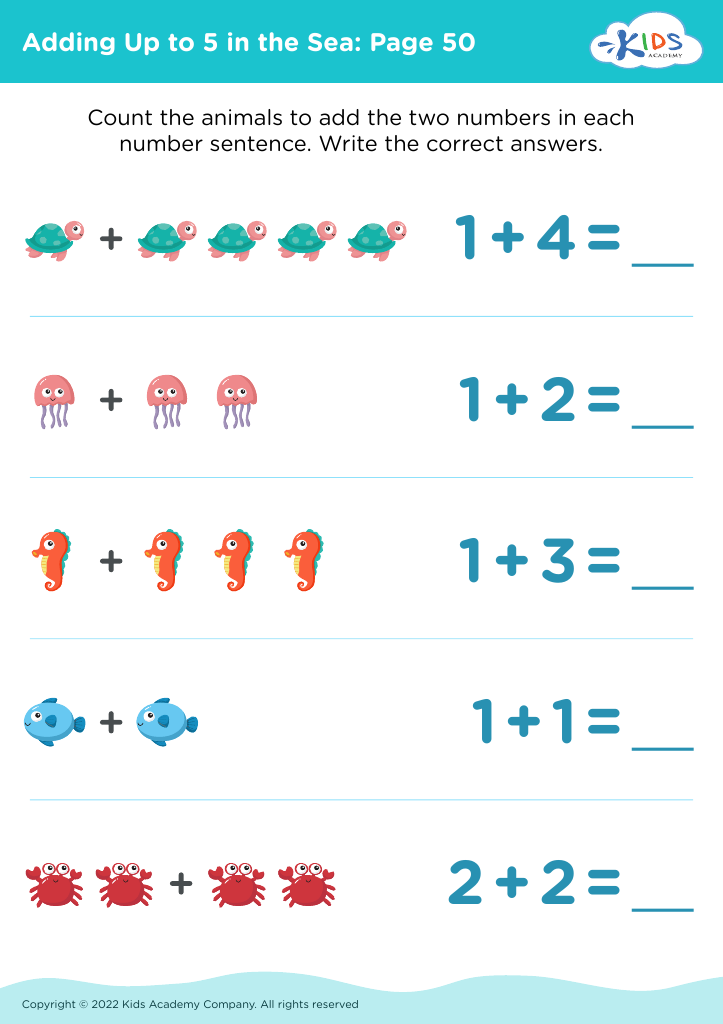
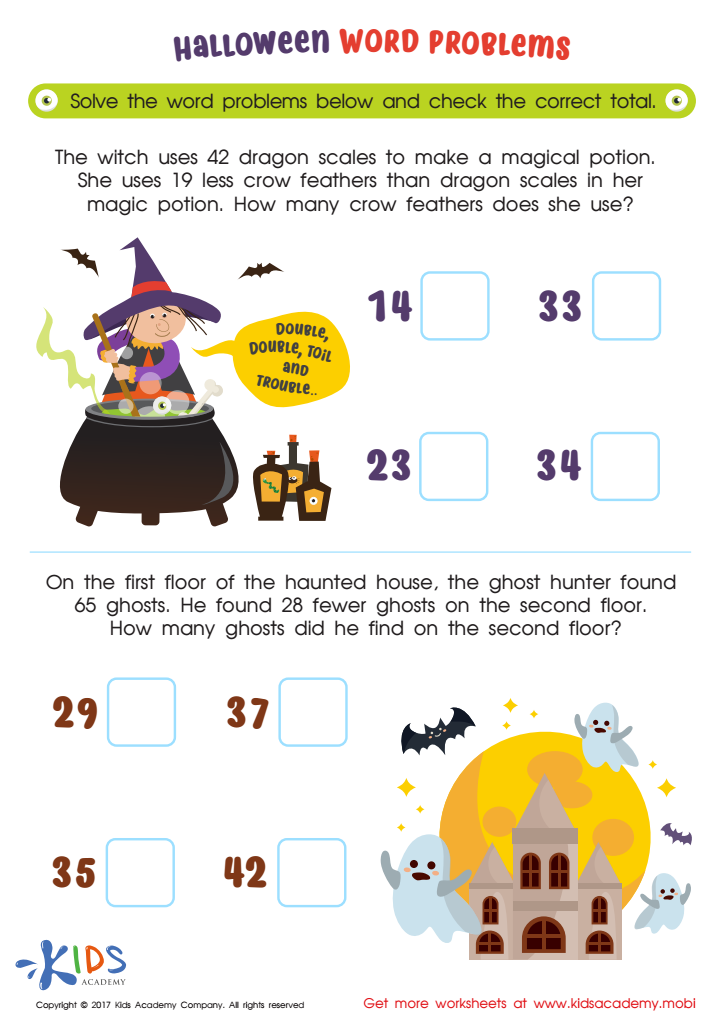
Halloween Word Problems Printable
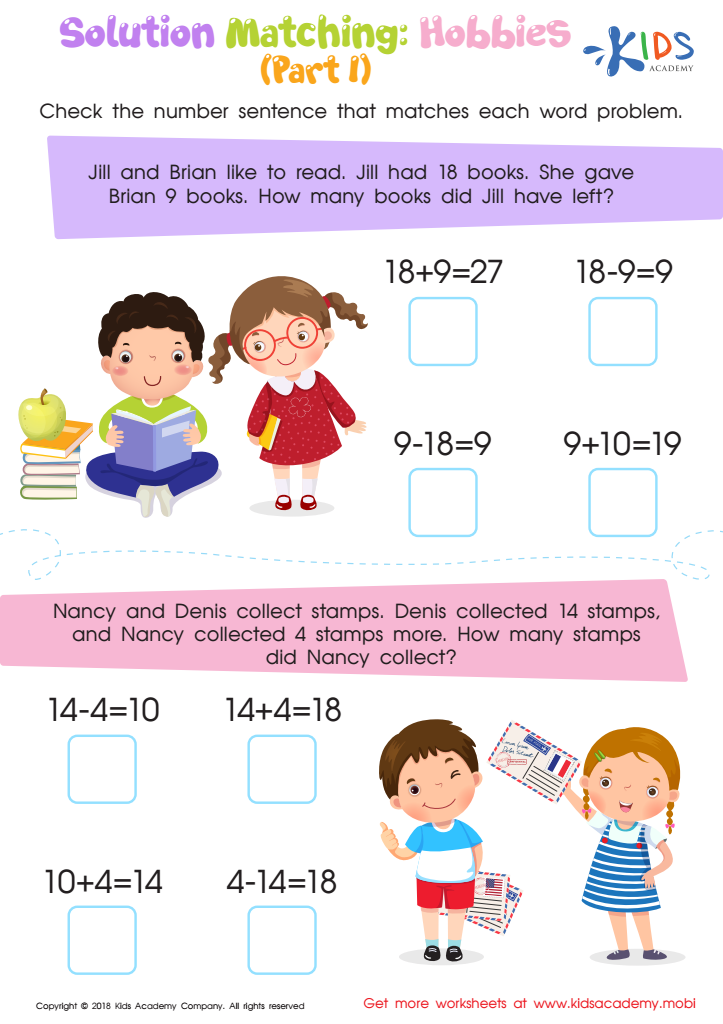
Solution Matching: Hobbies. Part 1 Worksheet
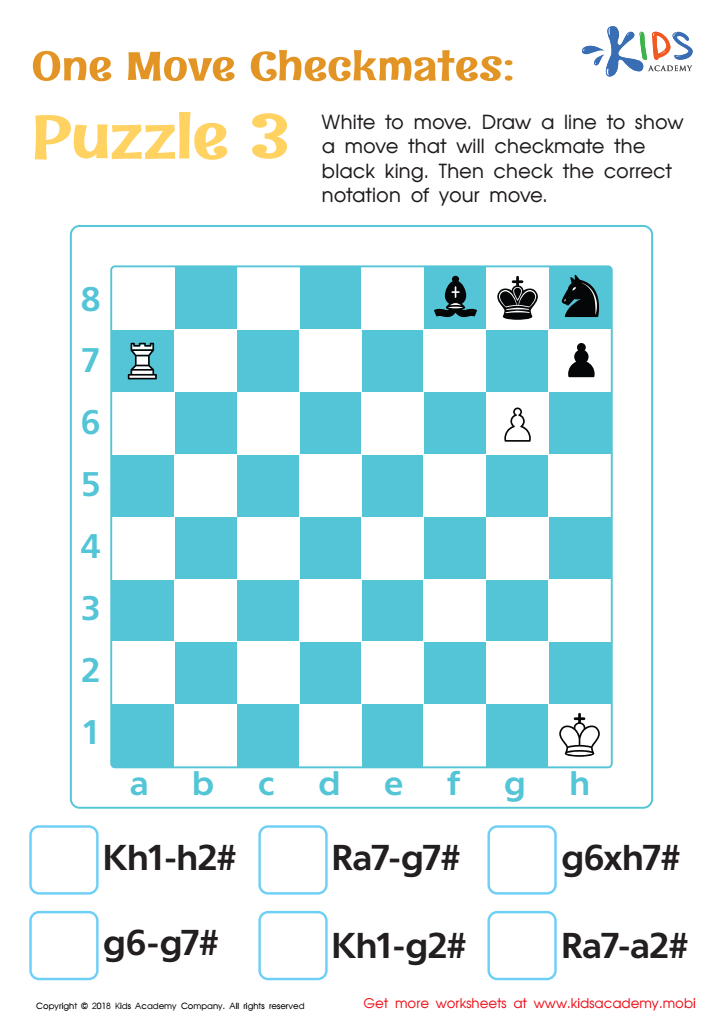
One Move Checkmates: Puzzle 3 Worksheet
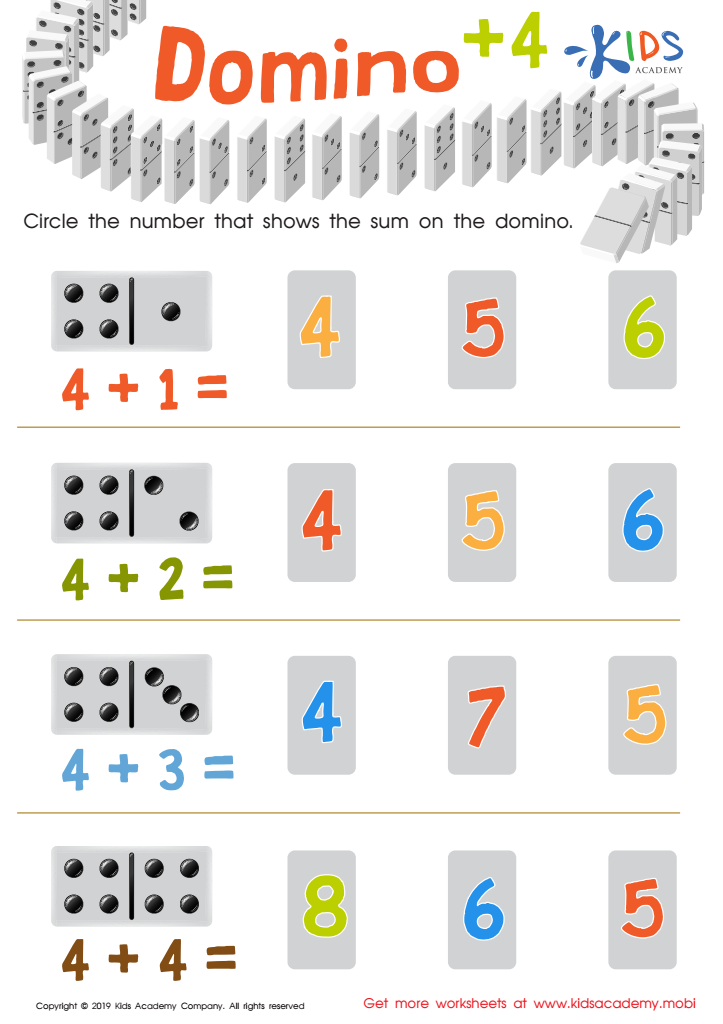
Domino +4 Worksheet
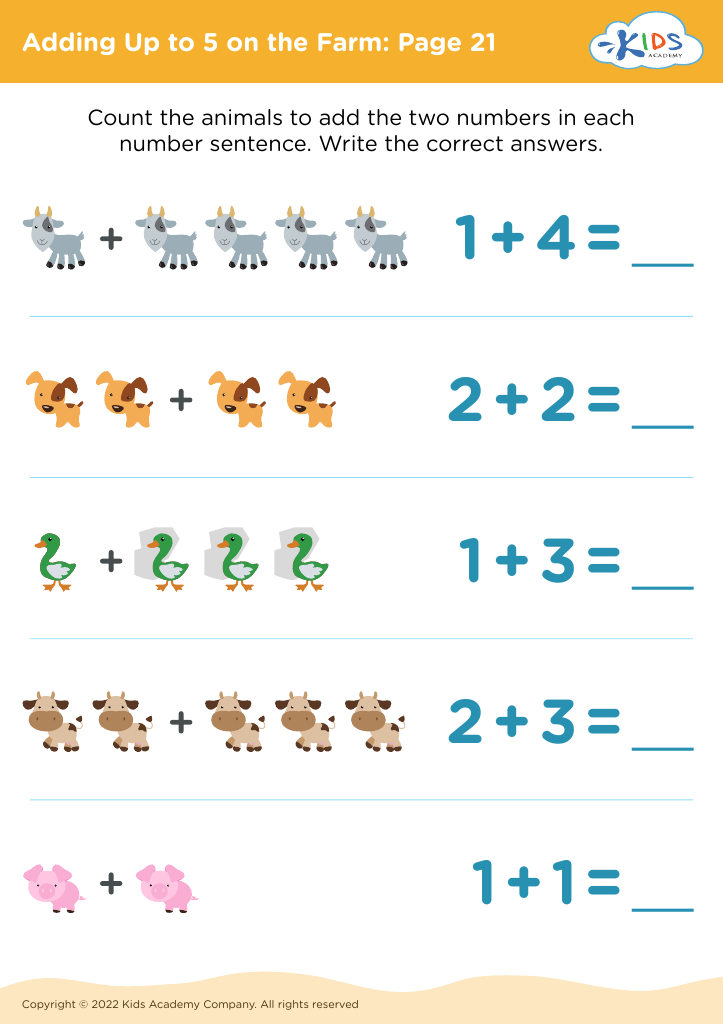
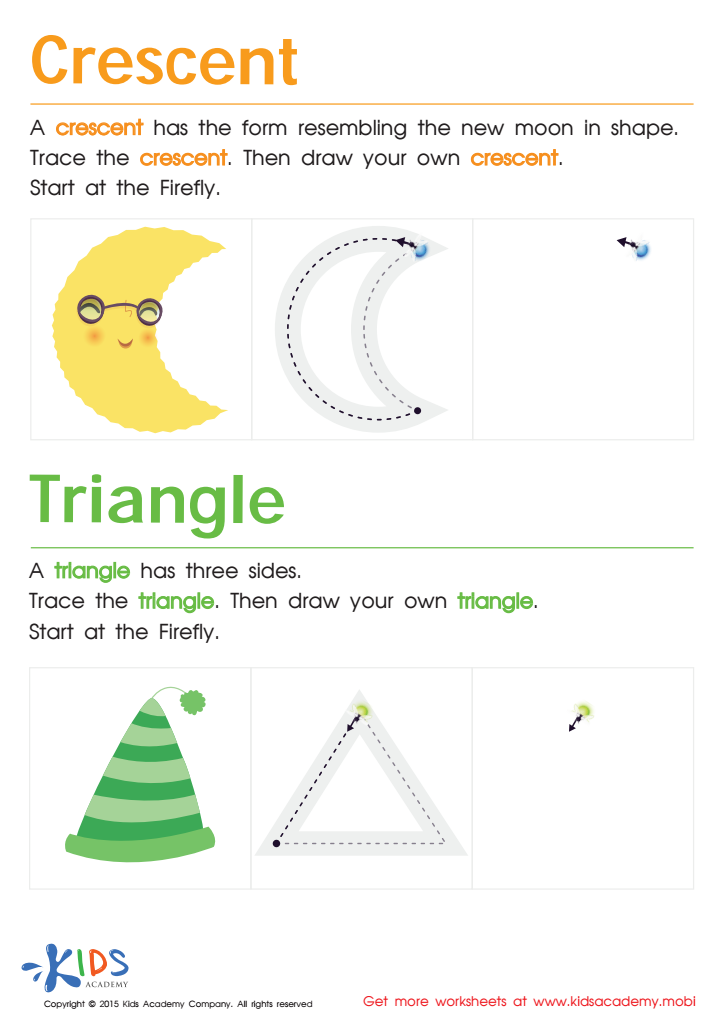
Learning to Draw Crescents And Triangles Worksheet
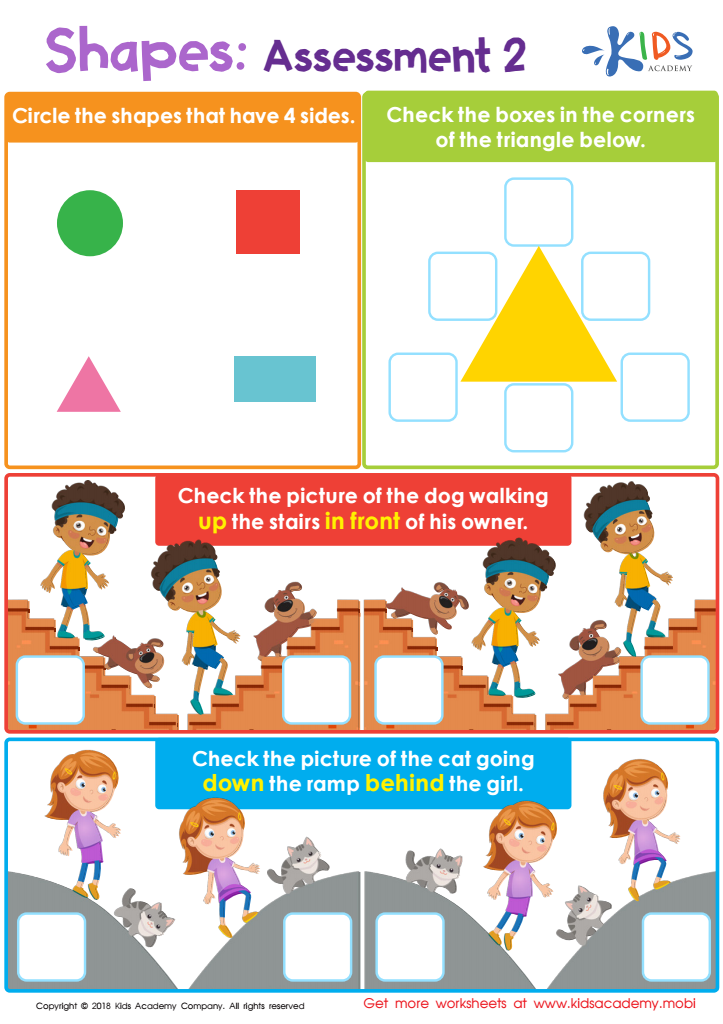
Shapes: Assessment 2 Worksheet
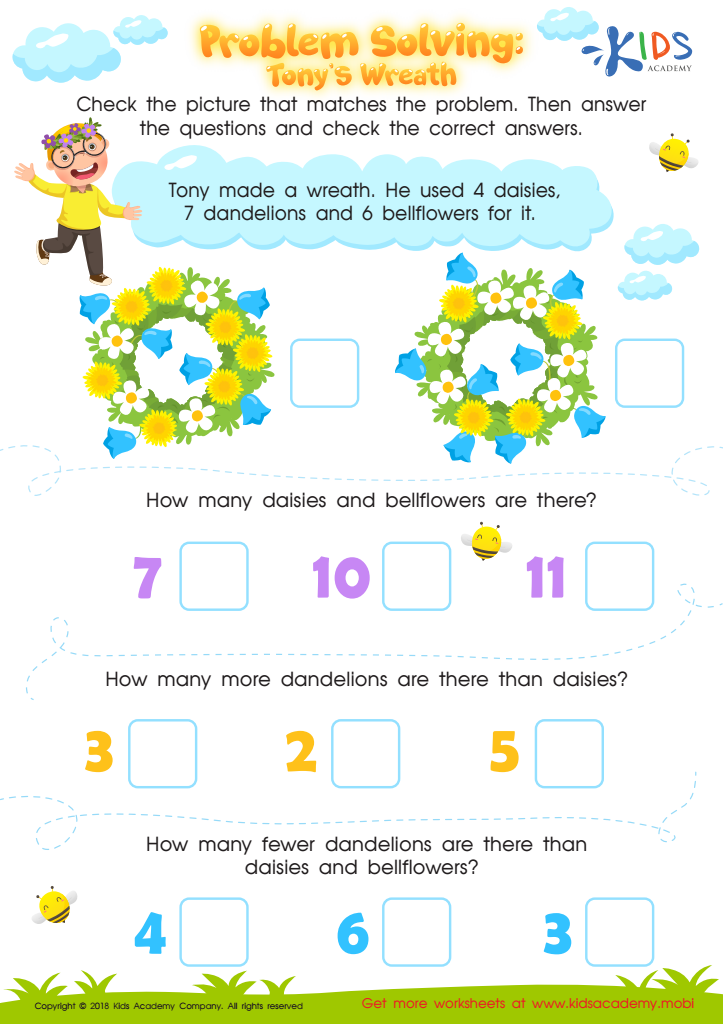
Problem Solving: Tony's Wreath Worksheet
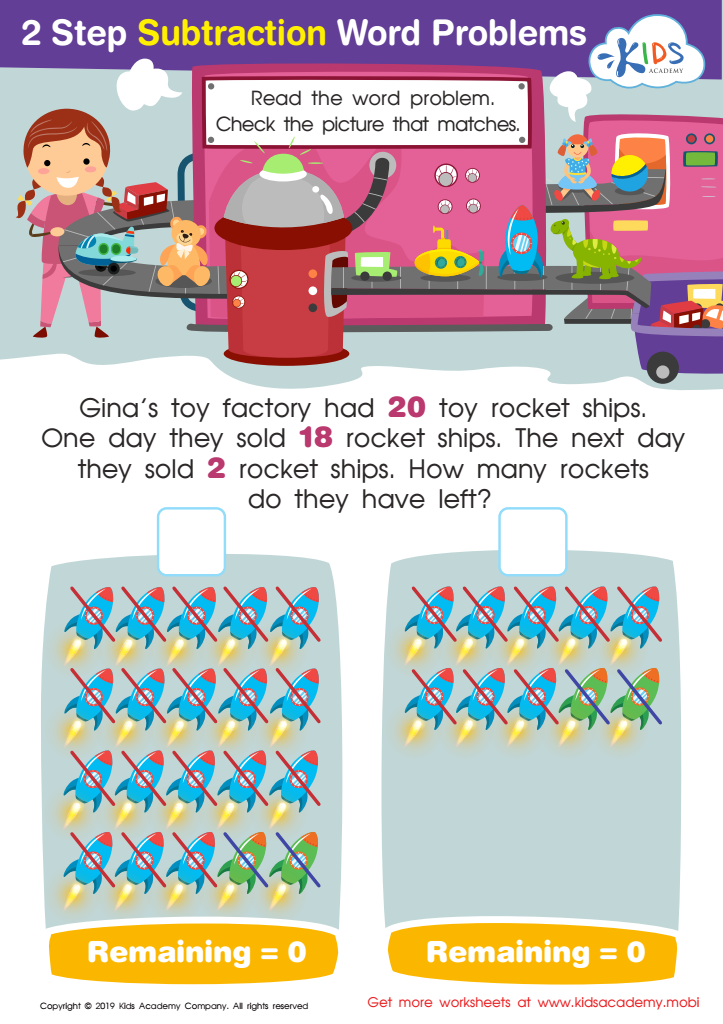
Step Subtraction Word Problems Worksheet
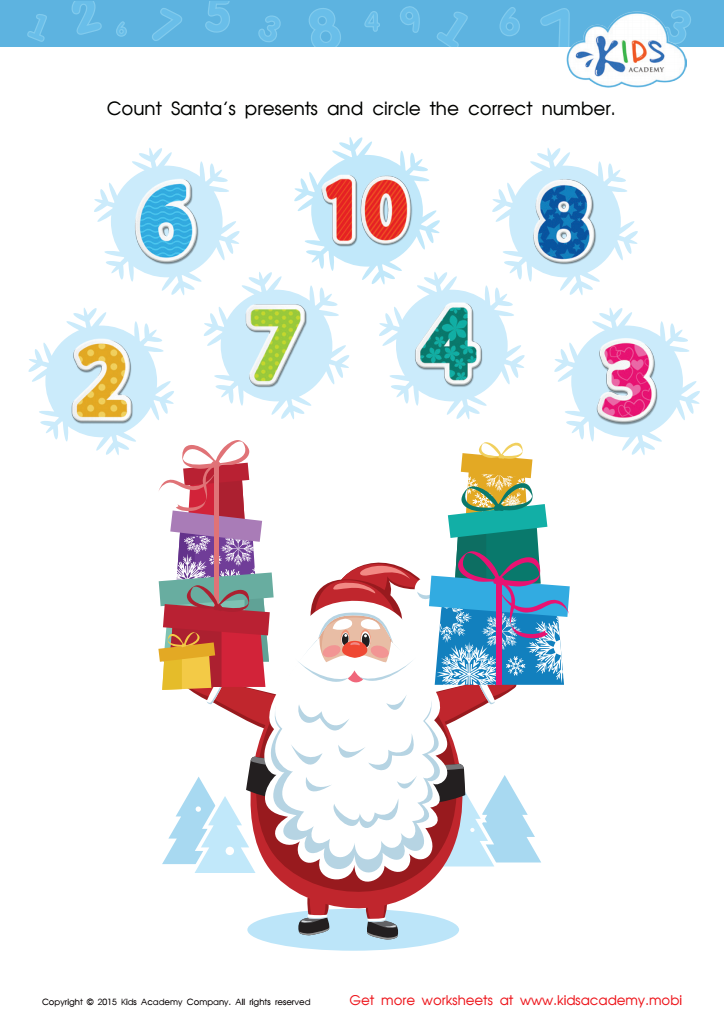
Count Santa's Presents Worksheet
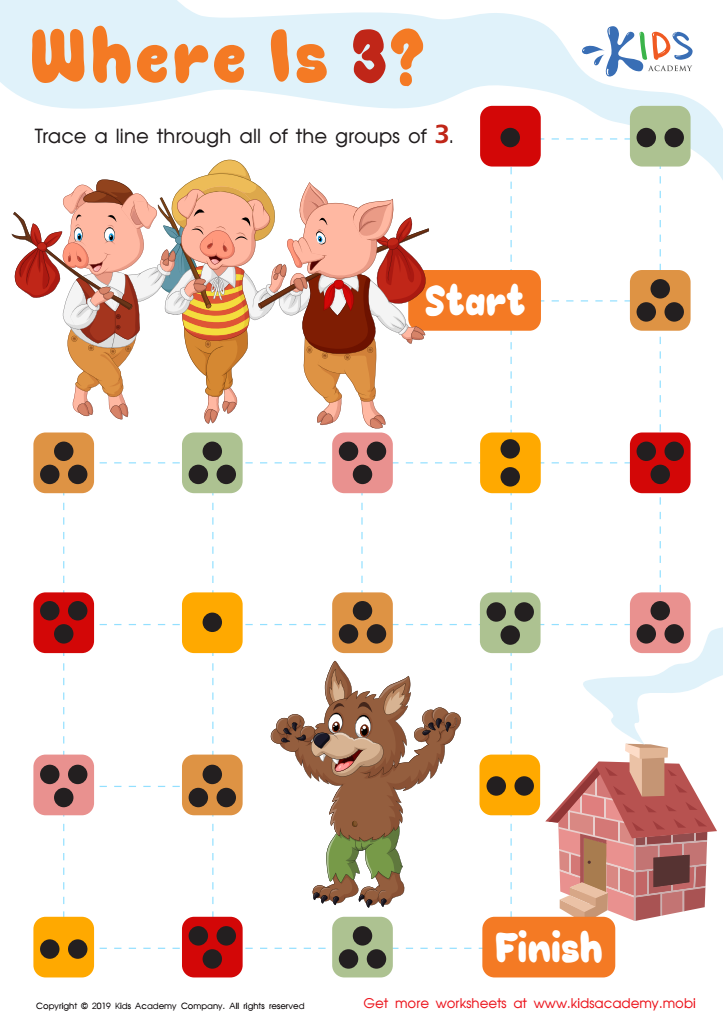
Where Is 3? Worksheet
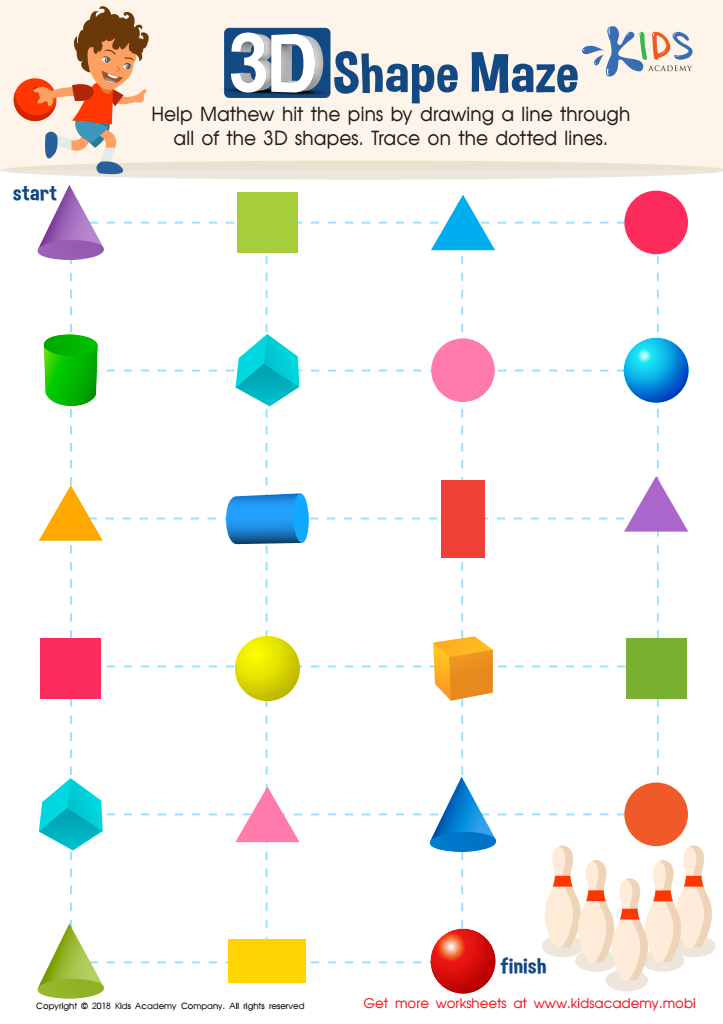
Shapes Maze Geometry Worksheet
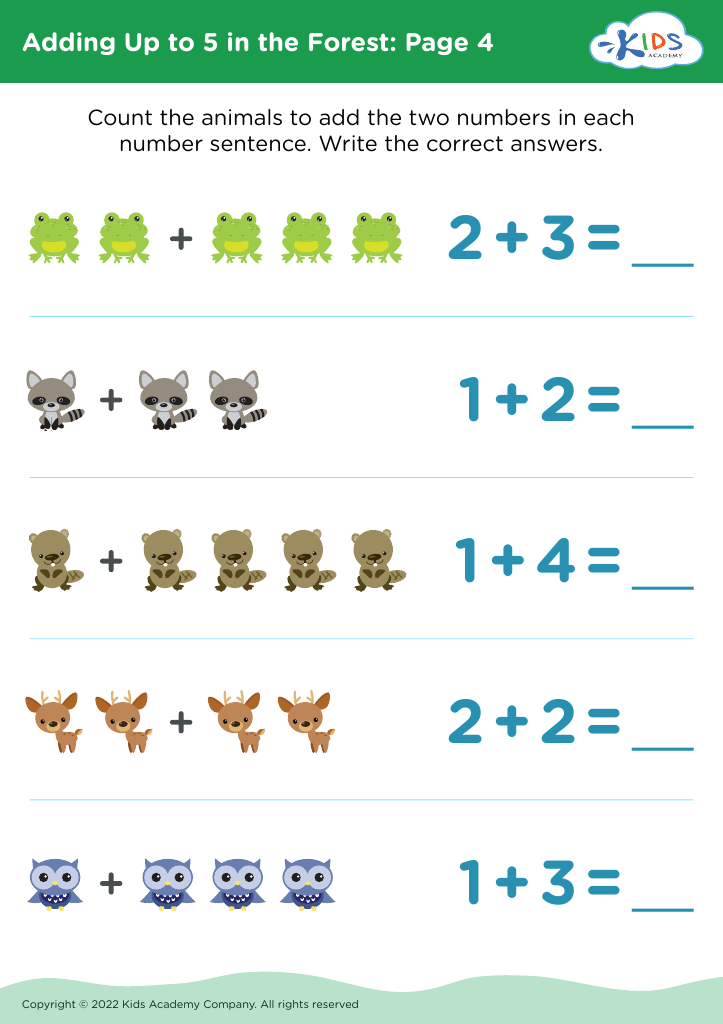
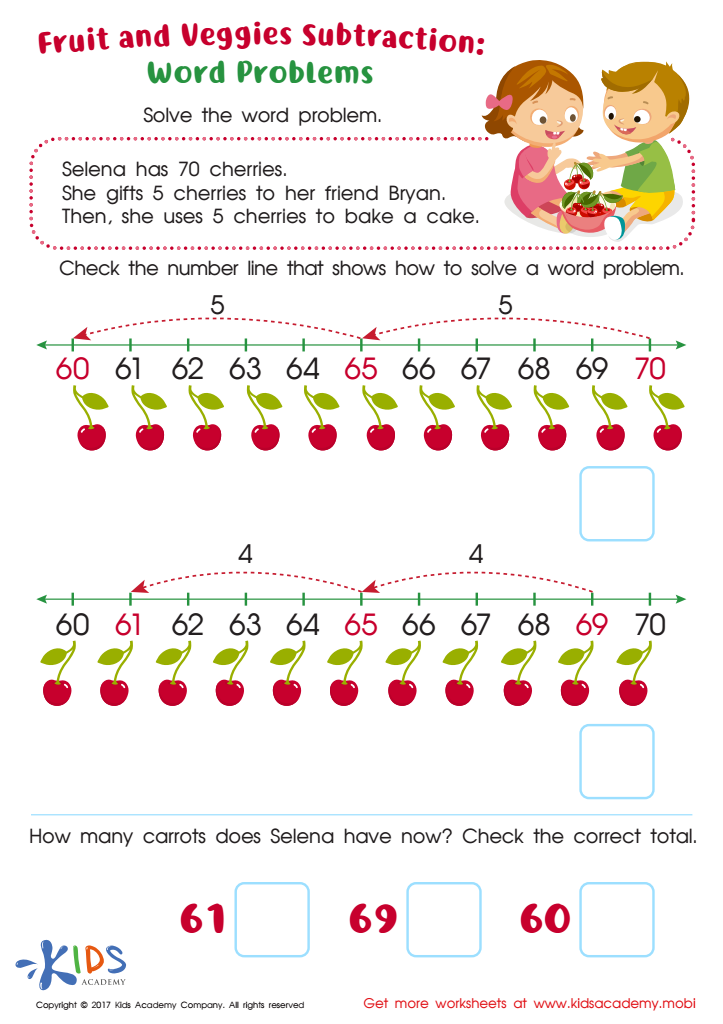
Subtraction Word Problems Free Printable
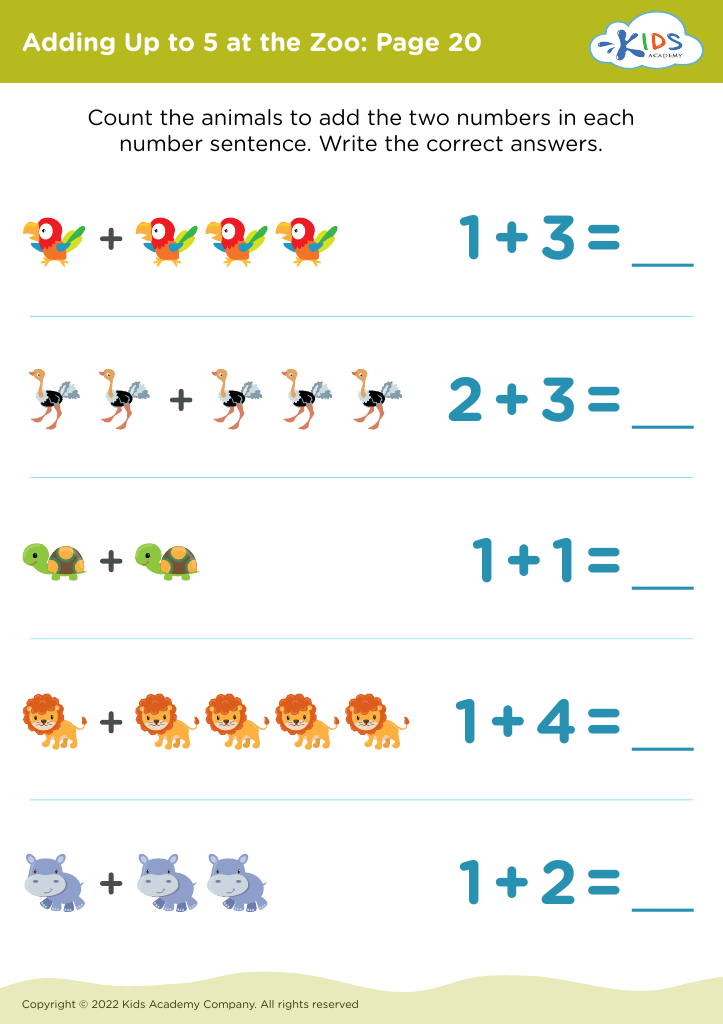
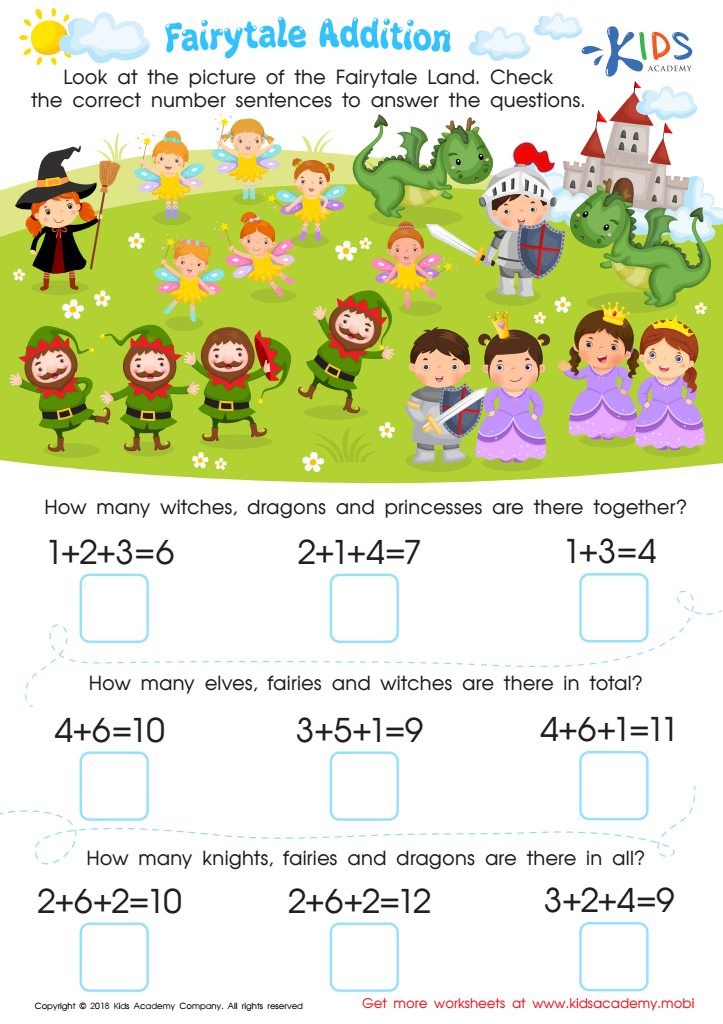
Fairytale Addition Worksheet
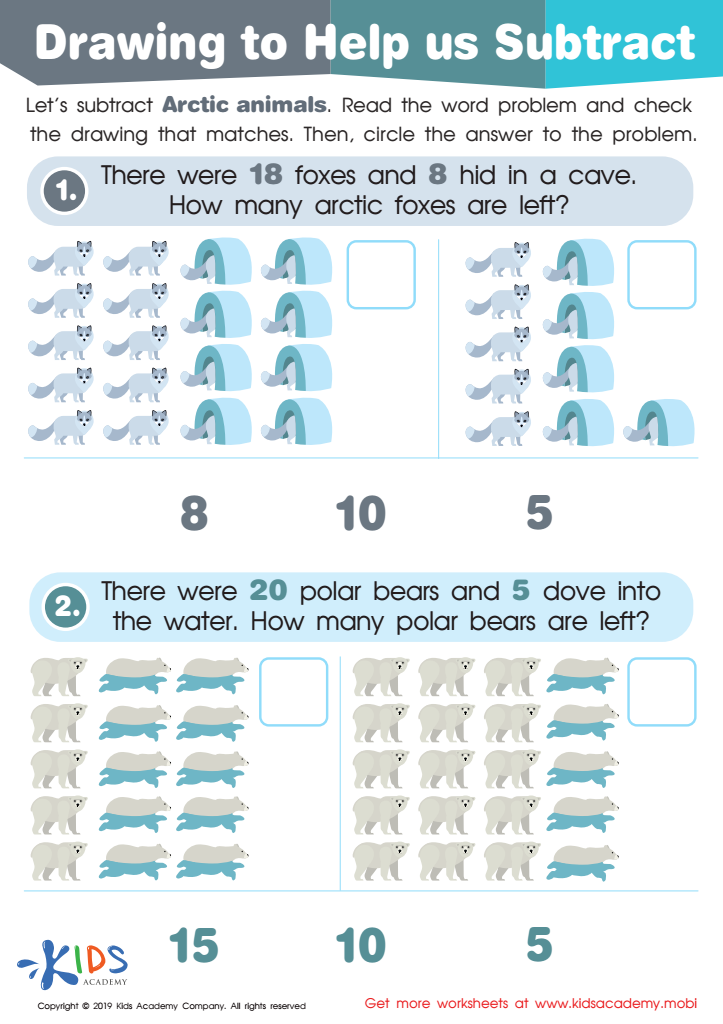
Drawing to Help Us Subtract Worksheet
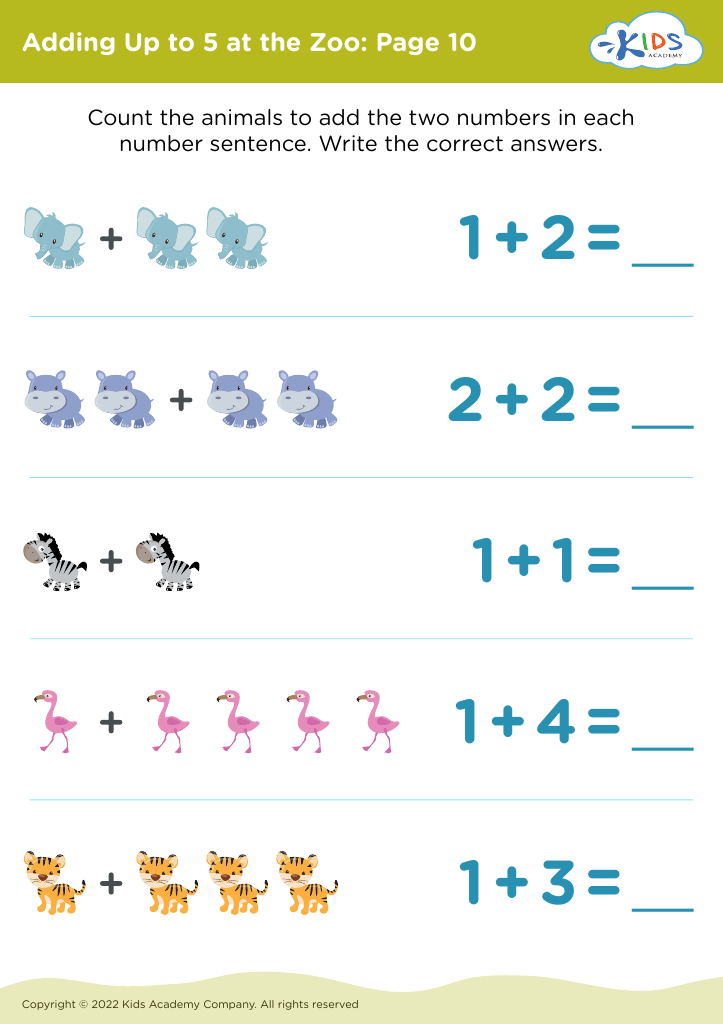
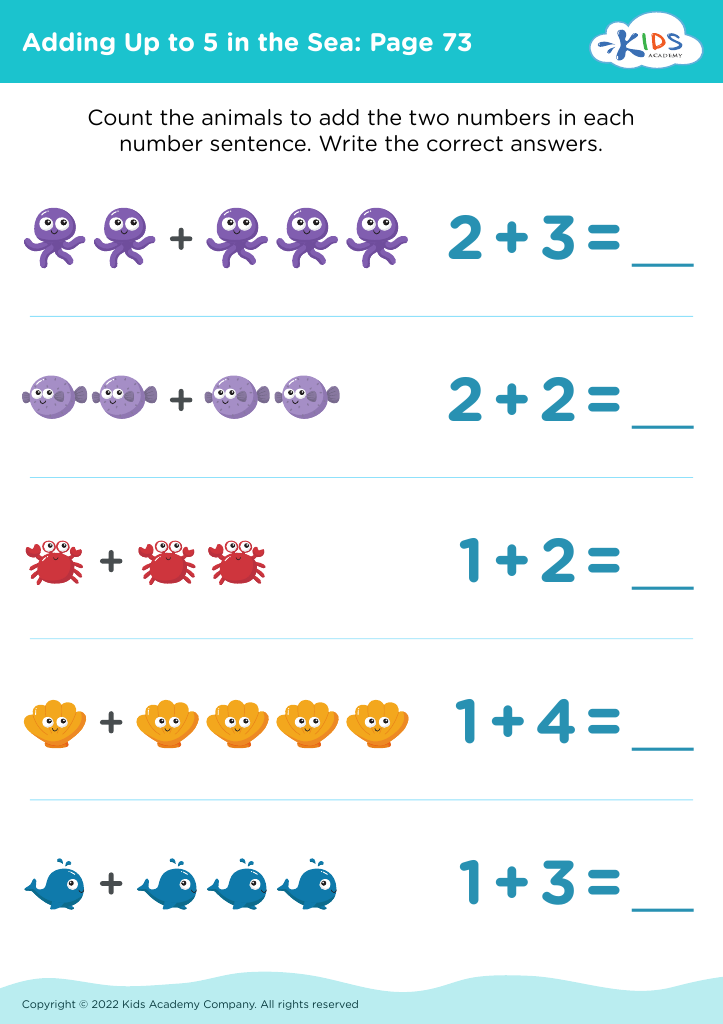






Problem-solving skills in math are crucial for 5-year-olds, laying the foundation for their future learning and development. At this age, children begin to explore concepts such as numbers, patterns, and basic operations. Fostering problem-solving skills enables young learners to approach mathematical challenges with confidence and creativity.
Parents and teachers should care about this aspect of education because problem-solving cultivates critical thinking, which is essential not only in math but across all subjects and real-life situations. By engaging children in hands-on problem-solving activities, such as using manipulatives or practical scenarios, they learn to think independently and devise strategies to overcome obstacles.
Moreover, strong problem-solving skills promote perseverance, resilience, and adaptability—all vital in our rapidly changing world. Children who practice these skills at a young age become more receptive to tackling complex concepts later on in their education, thereby enhancing their academic performance.
By investing in the development of problem-solving skills, parents and teachers help young learners build a positive attitude toward math, reduce anxiety related to challenging tasks, and instill a lifelong love of learning. Encouraging this skill set empowers children, setting them up for success both in school and in daily life.








