Logical Reasoning Matching Worksheets for 5-Year-Olds
5 filtered results
-
From - To
Engage your 5-year-old with our delightful Logical Reasoning Matching Worksheets, specially designed to foster critical thinking and problem-solving skills! These interactive worksheets encourage young learners to connect ideas, recognize patterns, and make associations through fun matching activities. Easy to follow and visually appealing, each worksheet offers a variety of themes that captivate children's attention while reinforcing essential reasoning skills. Ideal for homeschooling or classroom use, our resources support cognitive development in a playful and enjoyable way. Download now to enhance your child's learning journey and watch them thrive as they explore the excitement of logical reasoning through matching games!
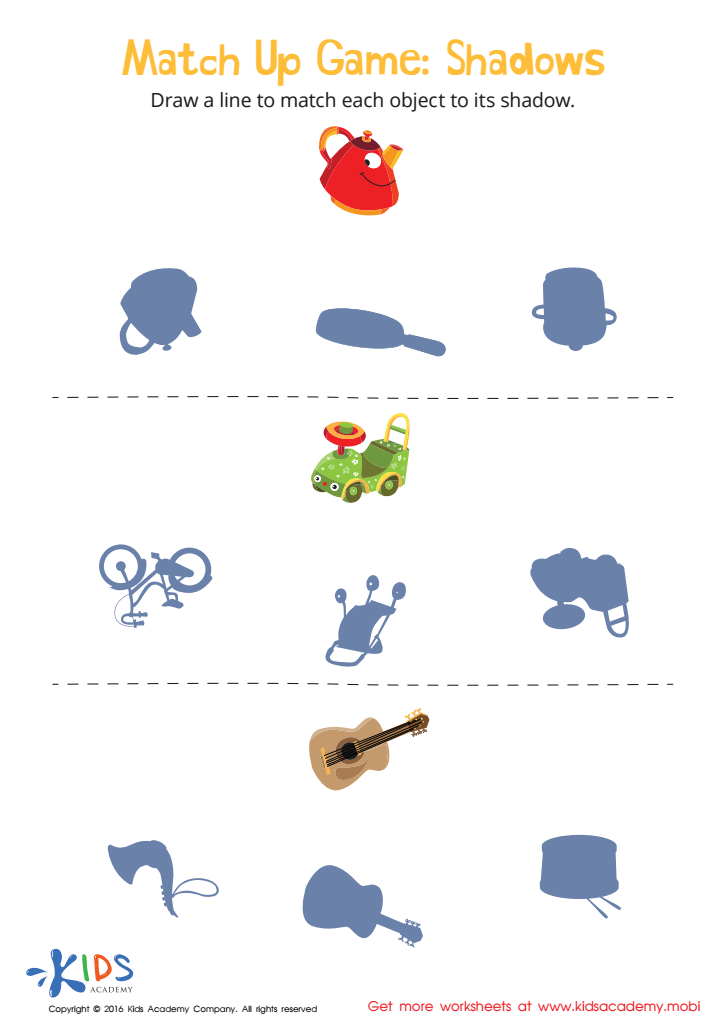
 Assign to My Students
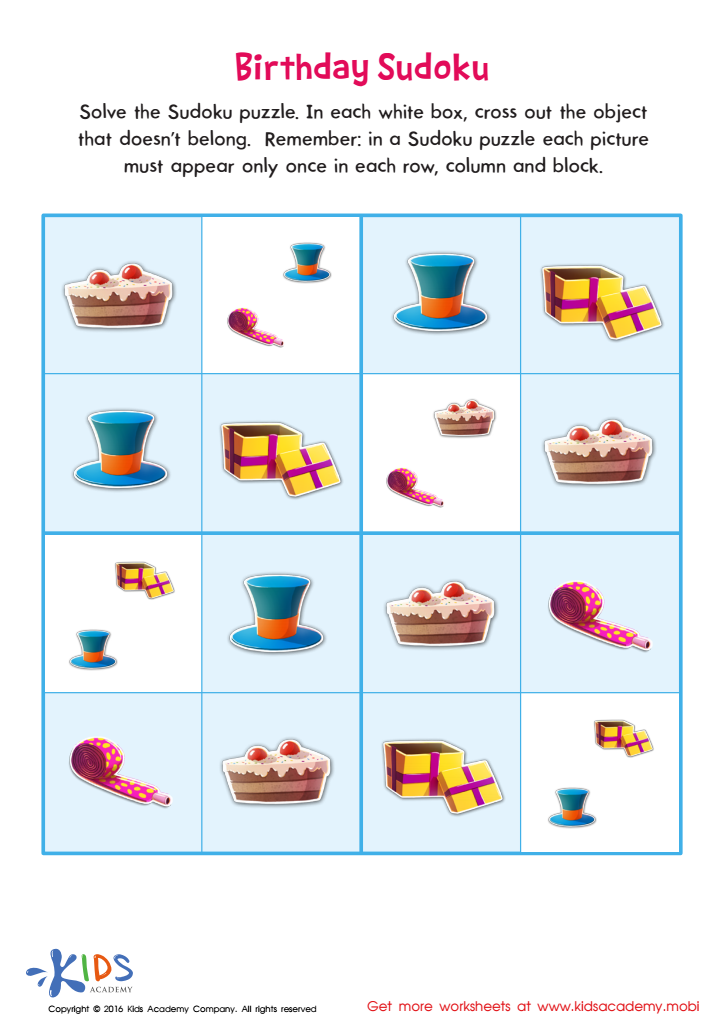
Birthday Sudoku Sorting Worksheet
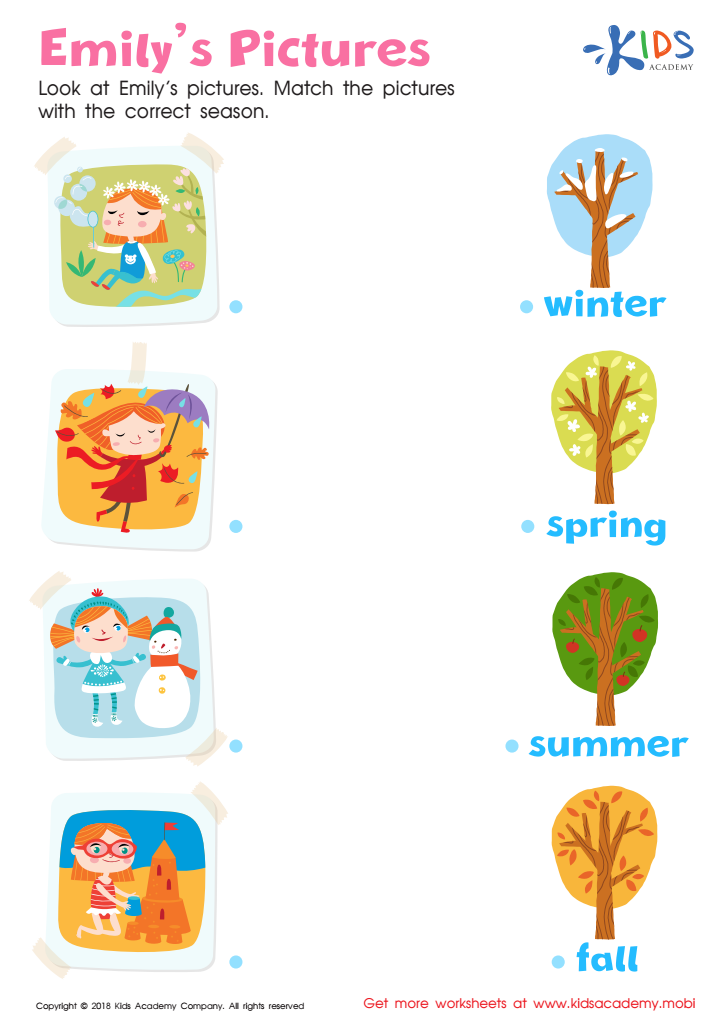
Emily's Pictures Worksheet
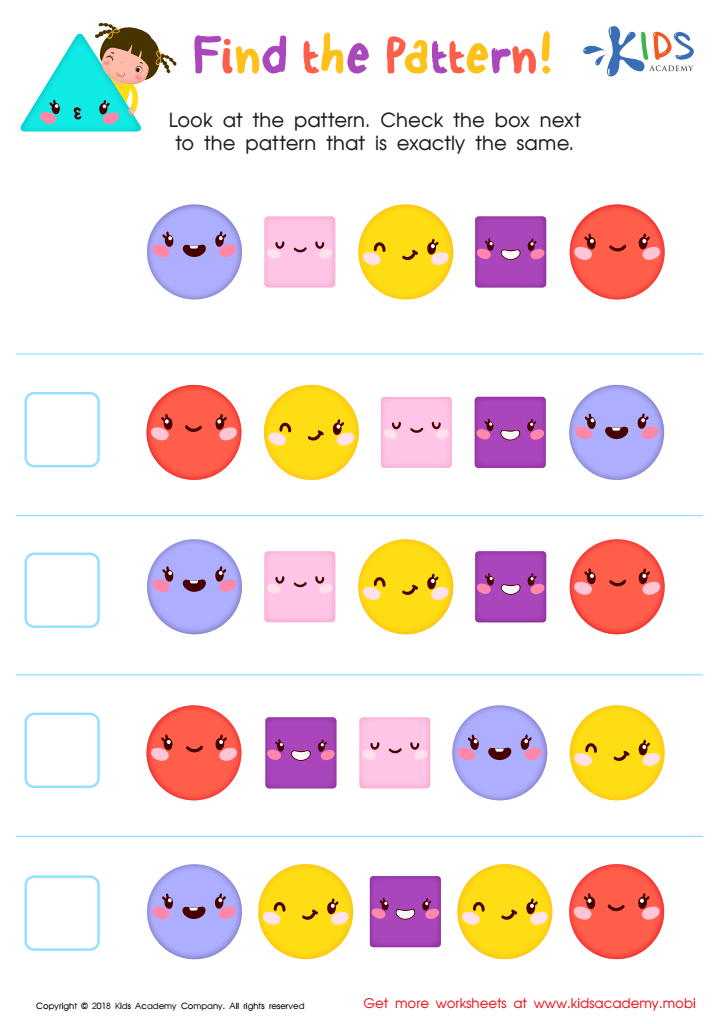
Find the Pattern Worksheet
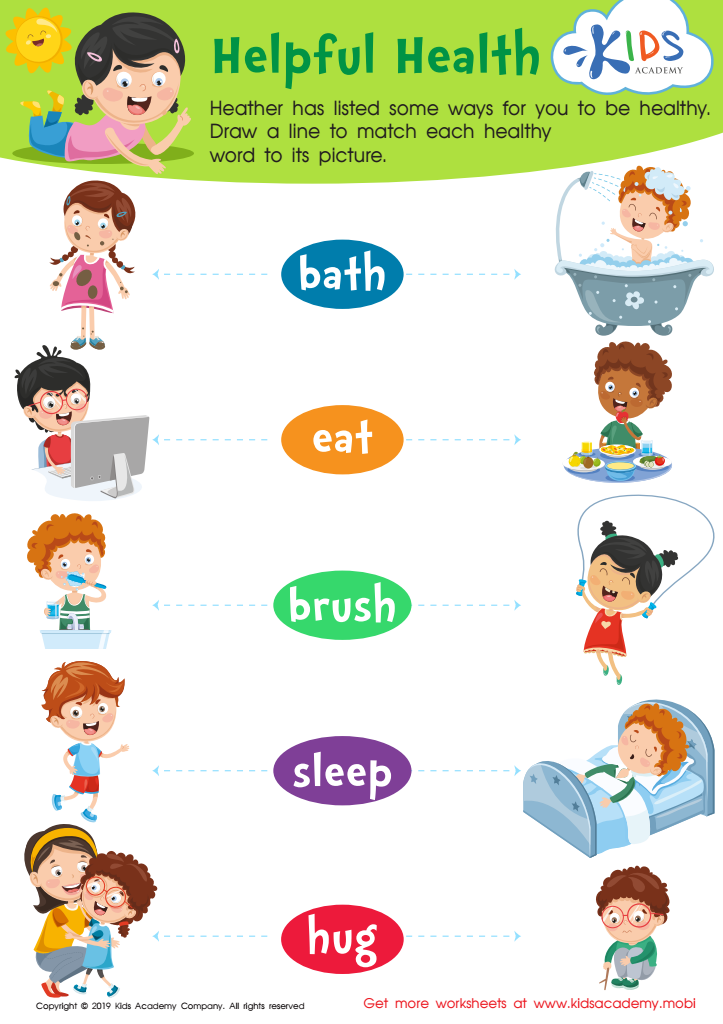
Helpful Health Worksheet







Logical reasoning is a critical cognitive skill that forms the foundation for future learning in various subjects, including mathematics, reading, and science. For 5-year-olds, engaging in logical reasoning activities such as matching can greatly enhance their cognitive development. These activities encourage children to identify patterns, make connections, and draw conclusions, which are essential skills for problem-solving.
Parents and teachers should care about logical reasoning matching because it promotes critical thinking and boosts confidence in decision-making. When children engage in matching activities—such as pairing objects by size, color, or shape—they learn to process information systematically. This type of thinking fosters independence and enhances their ability to navigate complex tasks as they progress in their education.
Additionally, logical reasoning skills are linked to broader educational success. Children with strong reasoning abilities tend to excel in their academic pursuits and are better prepared for future challenges. By integrating matching activities into play and learning, parents and teachers can create a stimulating environment that nurtures these essential skills, laying the groundwork for lifelong learning and success. Supporting logical reasoning development in early childhood ultimately contributes to well-rounded, capable learners.








