Logical thinking Matching Worksheets for 5-Year-Olds
5 filtered results
-
From - To
Enhance your 5-year-old's cognitive abilities with our engaging Logical Thinking Matching Worksheets! Tailored for young minds, these worksheets offer fun and educational ways to boost critical thinking, pattern recognition, and problem-solving skills. Designed by experts, each activity encourages children to identify relationships, make connections, and use logical reasoning in a playful manner. Perfect for in-class or at-home learning, our worksheets help lay a solid foundation for future academic success while keeping kids entertained. Join parents and teachers who trust our resources to support their child's intellectual growth and ignite a love for learning!
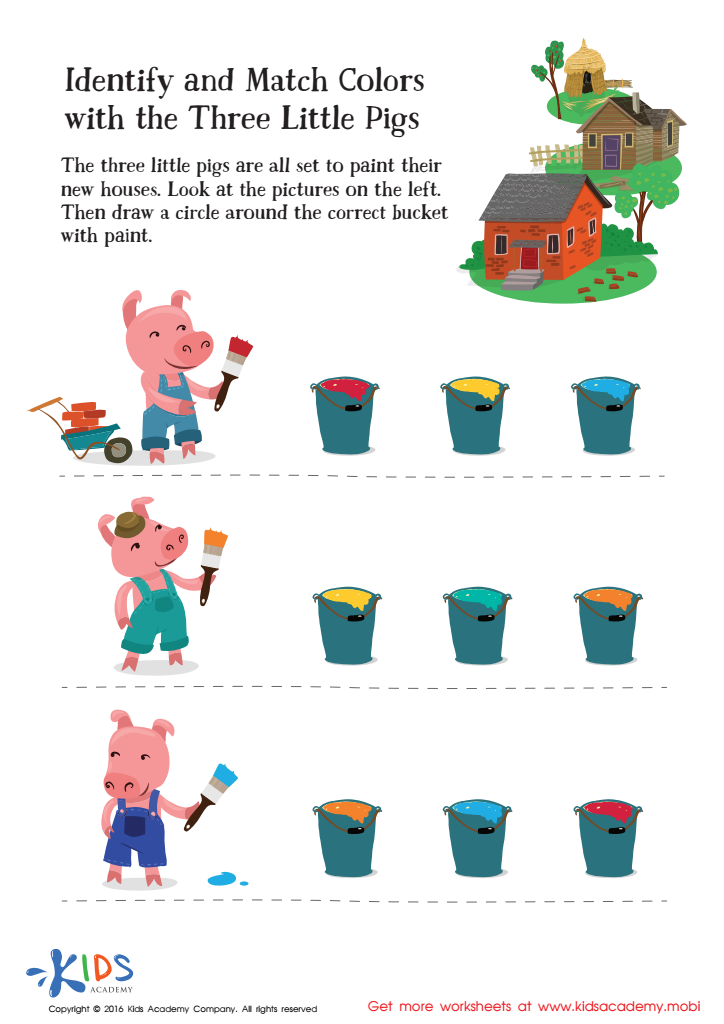
Fairy Tale Worksheet: Identify and Match Colors with Three Little Pigs
 Assign to My Students
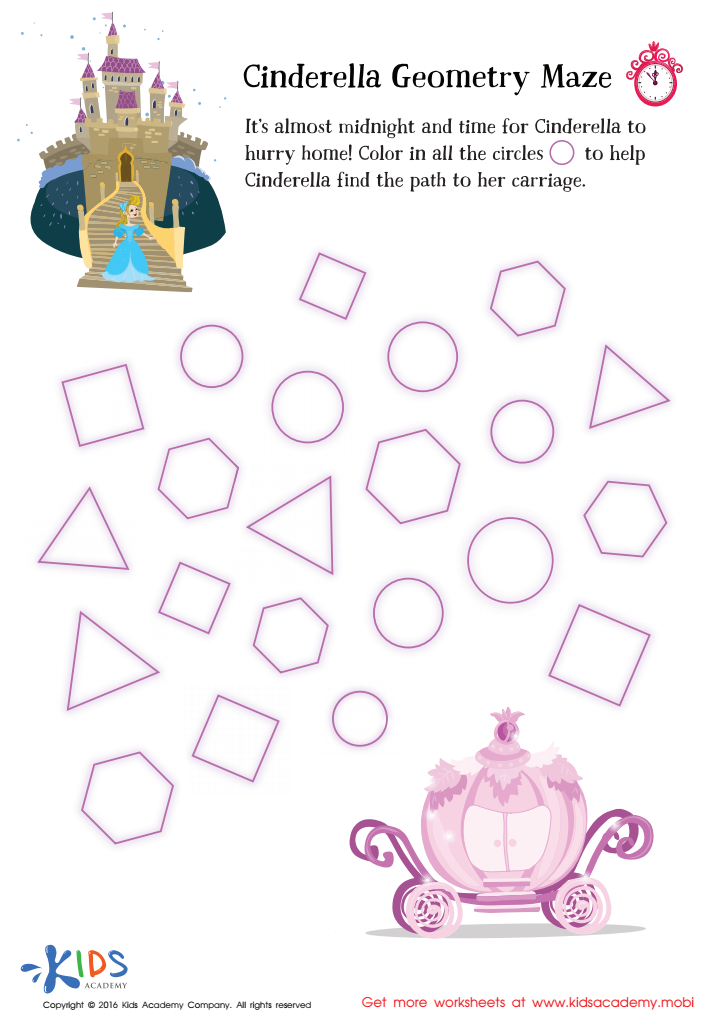
Cinderella Geometry Maze Worksheet
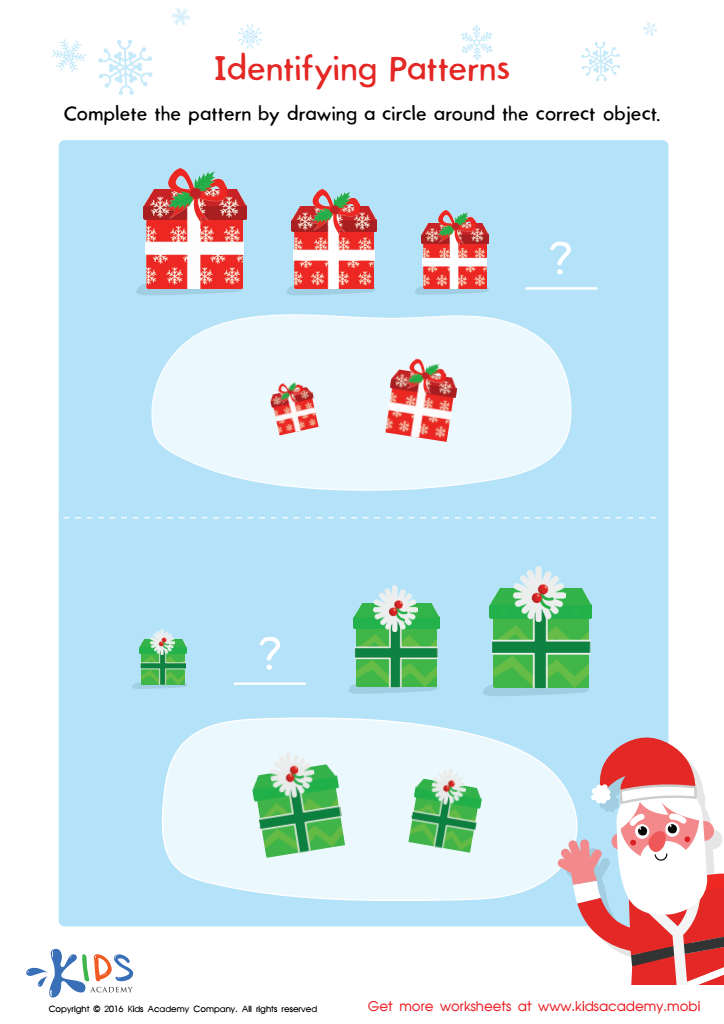
Identifying Patterns Worksheet
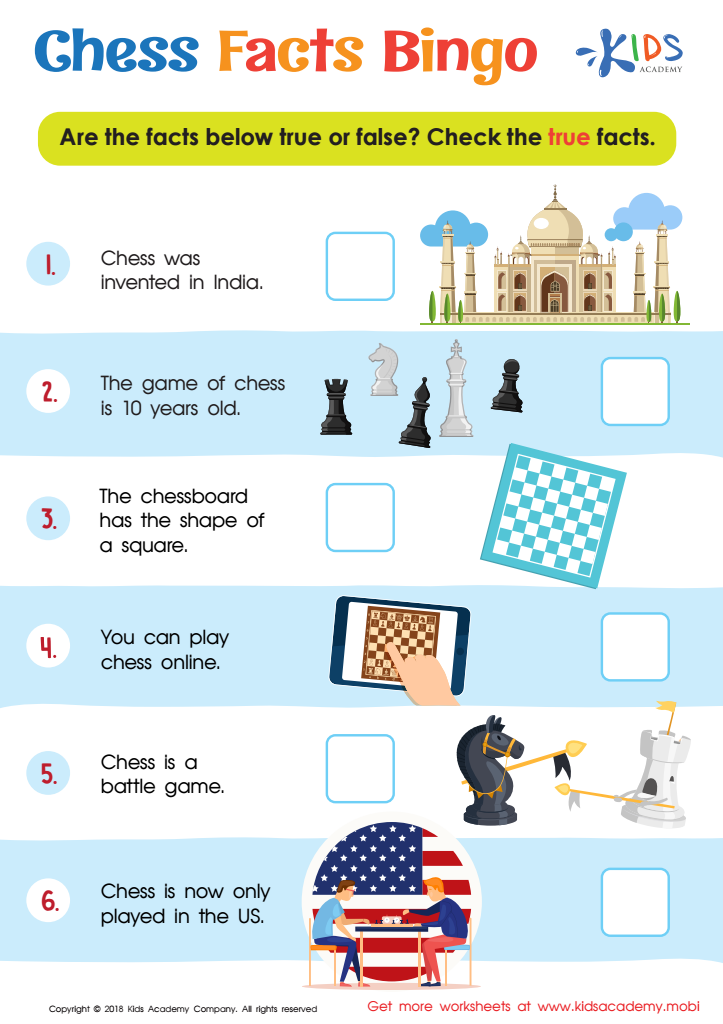
Chess Facts Bingo Worksheet
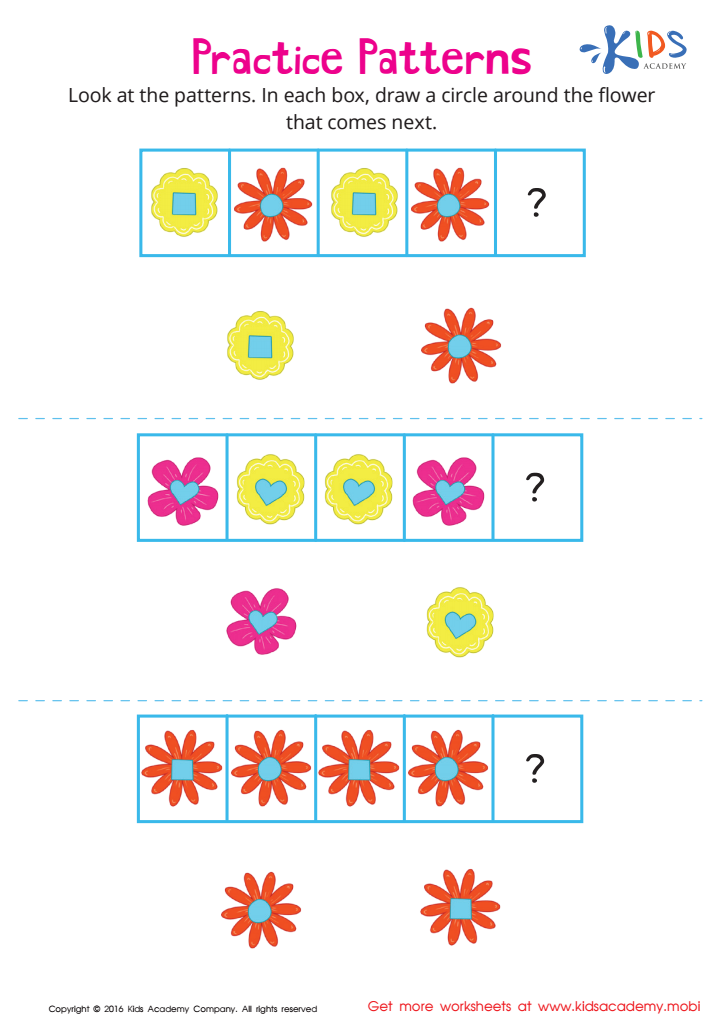







Parents and teachers should care about logical thinking matching activities for 5-year-olds because these formative years are crucial for cognitive development. At this age, children's brains are incredibly adaptable and receptive to new information, making it an ideal period to nurture their problem-solving skills and logical reasoning. Engaging in matching activities specifically designed to enhance logical thinking can provide numerous educational benefits.
First and foremost, logical matching games encourage children to recognize patterns and relationships among various objects or concepts. This foundational skill is essential for later success in more complex subjects like mathematics and science. When children practice matching objects based on size, shape, color, or category, they learn to classify and organize information systematically, boosting their analytical abilities.
Moreover, such activities promote critical thinking and decision-making. Children must evaluate different options, make choices, and understand consequences, which are essential life skills. These games also support language development as kids describe their thought process and reasoning behind each match, bolstering their vocabulary and communication skills.
Lastly, logical thinking matching activities can improve attention to detail and concentration. They teach kids to focus on specific characteristics, fostering a deeper level of attention that benefits all areas of learning. Overall, investing time in these activities lays a strong foundation for lifelong intellectual growth.








