
Vocabulary Building Matching Worksheets for 5-Year-Olds
6 filtered results
Difficulty Level
Grade
Age
-
From - To
Subject
Activity
Standards
Elevate your child's language skills with our Vocabulary Building Matching Worksheets tailored for 5-year-olds. These interactive worksheets are designed to enhance your child’s vocabulary through fun and engaging matching activities. Each well-crafted worksheet caters to various learning styles, making it perfect for young learners. As children connect the words with corresponding pictures, they improve word recognition, comprehension, and retention. Ideal for at-home practice or in the classroom, these worksheets set a solid foundation for future language learning. Download now to support your child's educational journey with stimulating and enjoyable vocabulary exercises!
Favorites
With answer key
Interactive
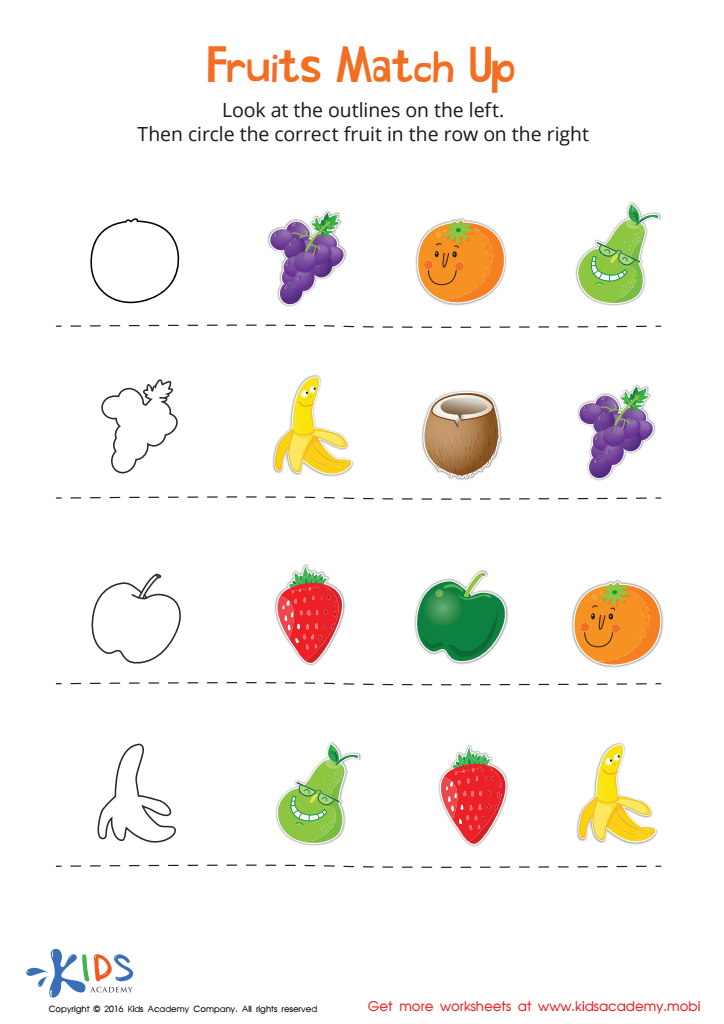
Fruits Match Up Worksheet
Motivate your child to count and sharpen their spatial reasoning skills with this vivid fruit worksheet.
 Assign to My Students
Fruits Match Up Worksheet
Worksheet
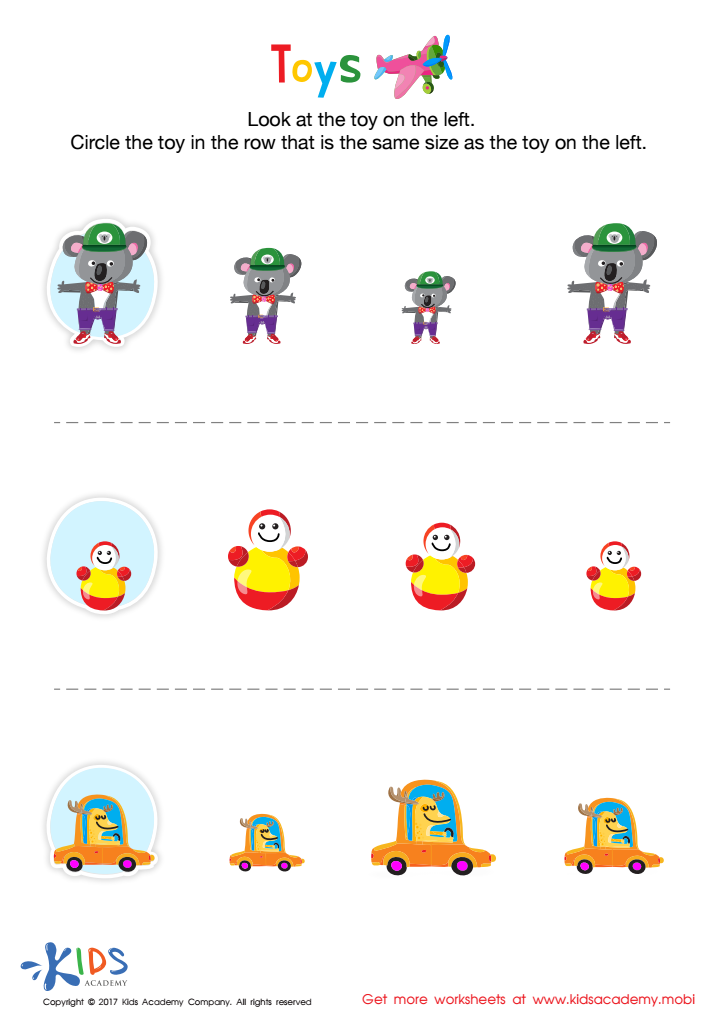
Matching: Classifying Toys by Size Worksheet
Sorting worksheets are an effective way to help your preschooler learn life and educational skills. Spatial awareness, direction recognition, and reading directions all help build a strong foundation for future educational success.
Matching: Classifying Toys by Size Worksheet
Worksheet
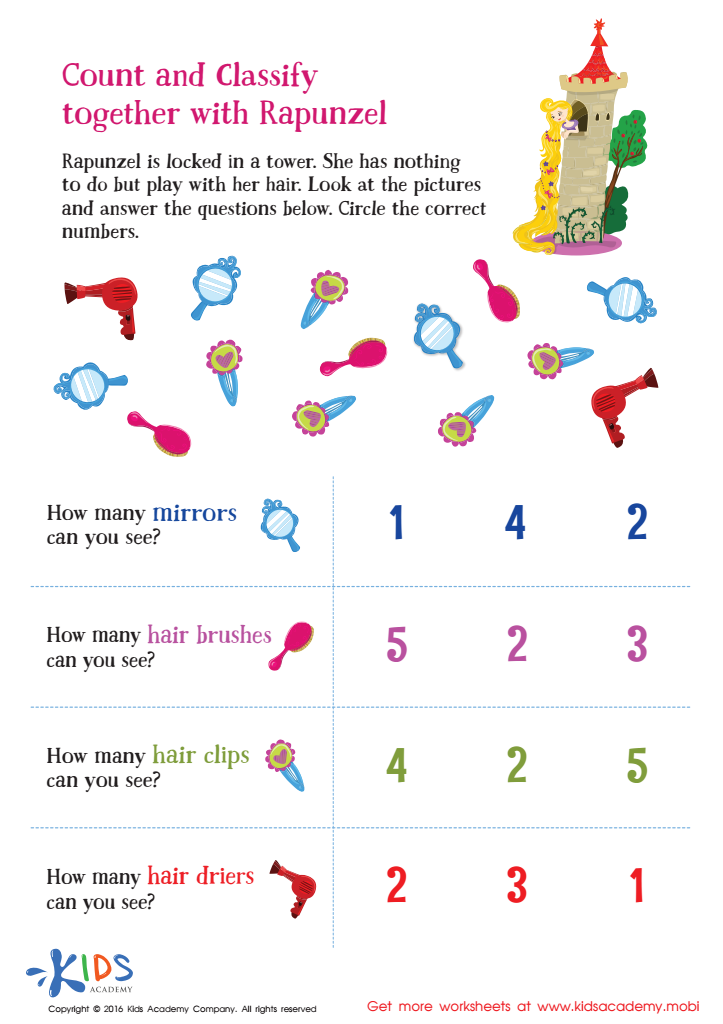
Fairy Tale Worksheet: Count and Classify with Rapunzel
Get printing and shine a light on your pre-math skills!
Fairy Tale Worksheet: Count and Classify with Rapunzel
Worksheet
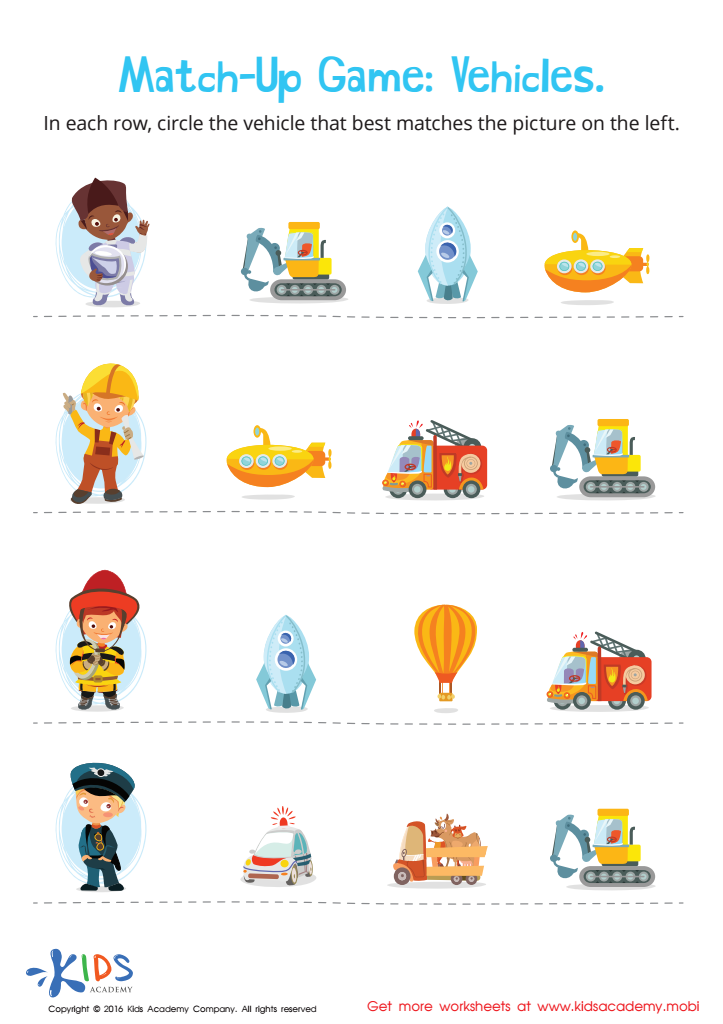
Vehicles Worksheet
Beep, beep! Your little driver will love this matching game! Matching vehicles with their drivers can help your child discover new jobs and practice problem-solving skills. It can even start a conversation about different careers. Don’t be surprised if they start playing with more cars and trucks! Use this and other sorting activities to practice with colors, shapes and patterns.
Vehicles Worksheet
Worksheet
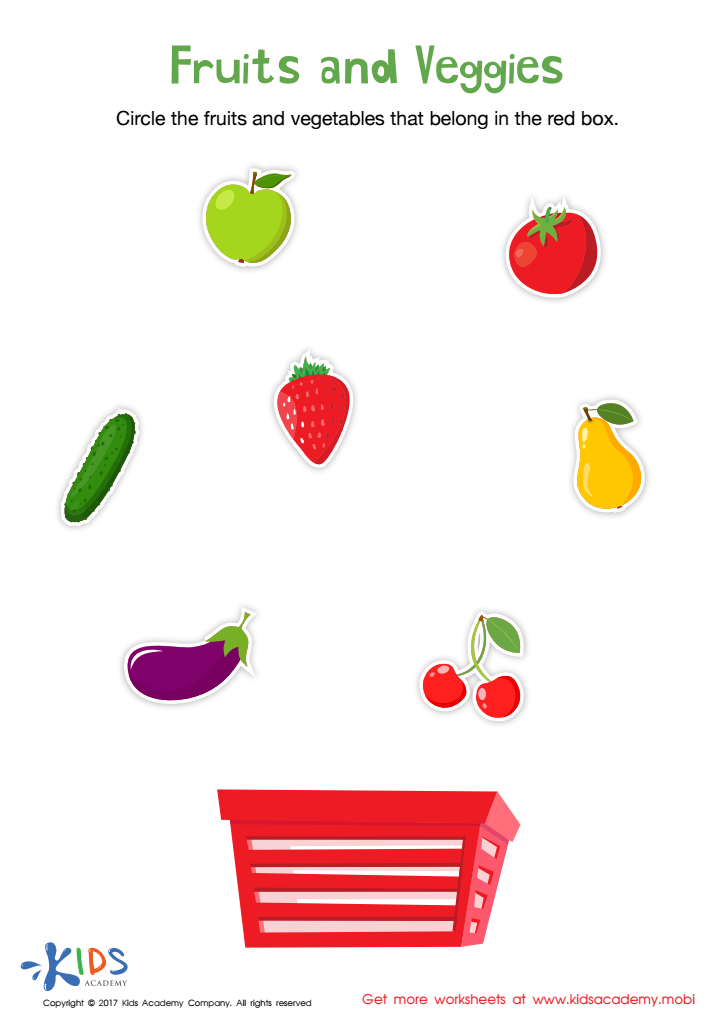
Classifying Fruits and Veggies by Color Sorting Worksheet
Worksheet
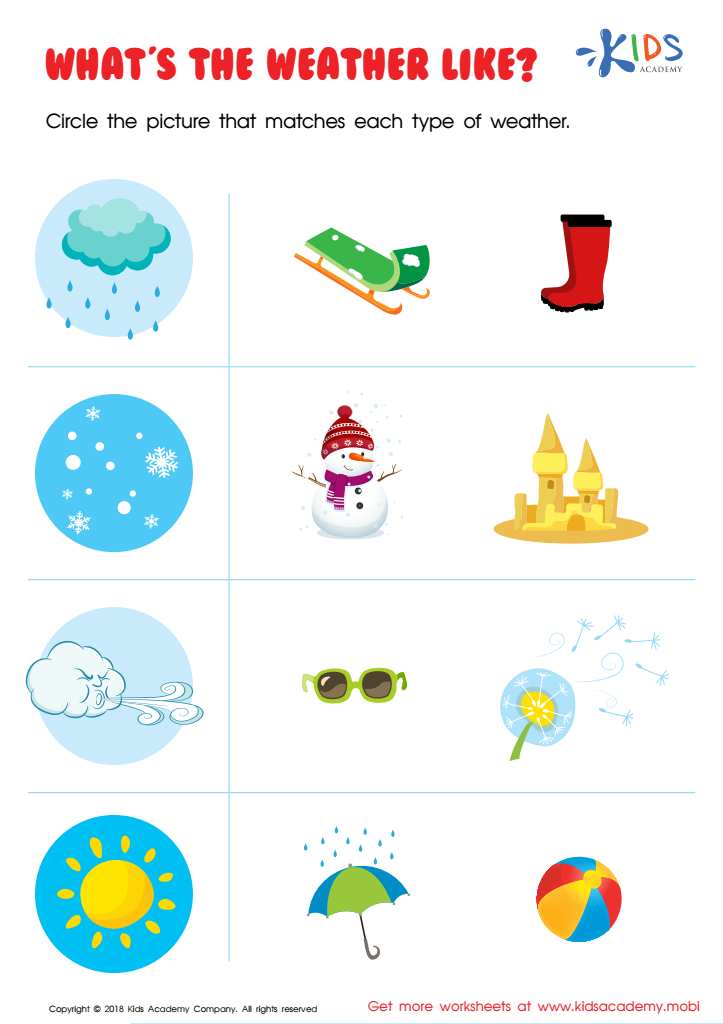
What's the Weather Like? Worksheet
Help budding meteorologists practice matching weather to seasons with this PDF worksheet. Picture clues help identify seasons and fine motor skills are practiced circling the correct weather patterns. Bright and engaging characters make learning fun and reinforce weather knowledge.
What's the Weather Like? Worksheet
Worksheet
Join Kids Academy for Free
Who is primarily going to use this learning content?







Vocabulary building is a foundational aspect of early childhood education that greatly impacts a child's cognitive, social, and academic development. For parents and teachers, understanding the importance of vocabulary building matching activities for 5-year-olds is crucial. At this age, children rapidly acquire language skills, and expanding their vocabulary lays the groundwork for effective communication, reading comprehension, and critical thinking.
Vocabulary building matching exercises are engaging and interactive, allowing children to learn new words while having fun. These activities can include matching pictures to words, words to definitions, or even words to similar or opposite meaning words. Such exercises help kids make connections between words and their meanings in a concrete way, which enhances retention and recall.
Moreover, strong vocabulary skills are directly linked to improved reading skills. When children are familiar with a wide range of words, they can better understand the texts they read, which fosters a love for reading and learning in general.
Additionally, a robust vocabulary supports social skills. Children who can express themselves clearly are more likely to engage positively with peers and adults, enhancing their social growth.
In summary, vocabulary building matching activities are vital for 5-year-olds because they support linguistic, cognitive, and social development, setting children on a successful educational path.








