Fine Motor Skills Reading Worksheets for 5-Year-Olds - Page 2
33 filtered results
-
From - To
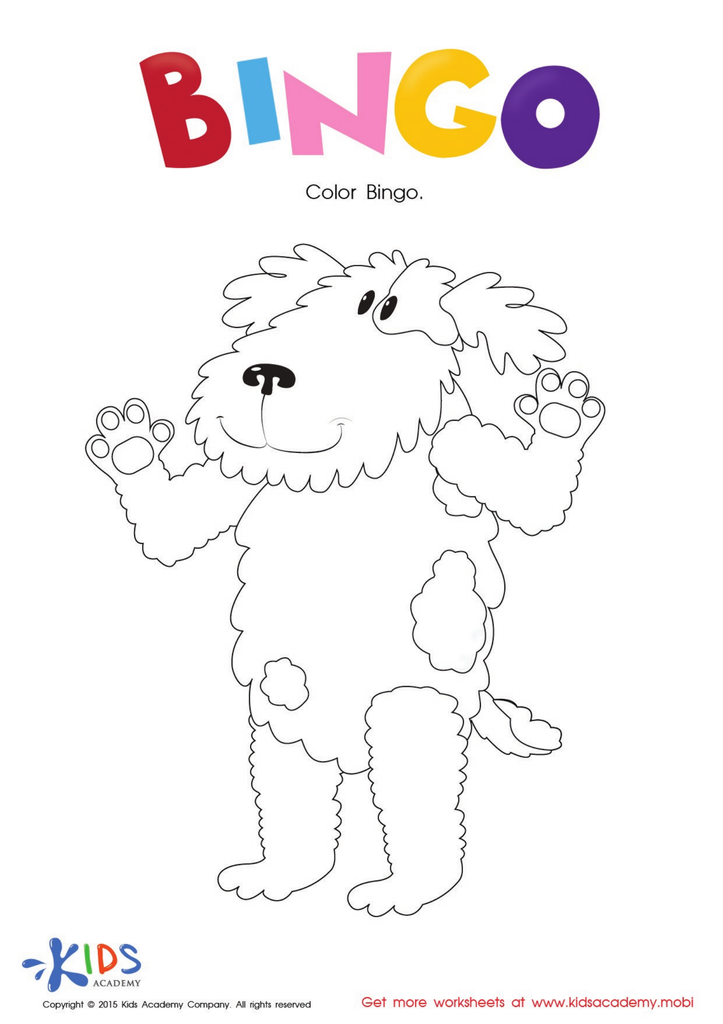
The Bingo Song: Coloring The Dog Worksheet
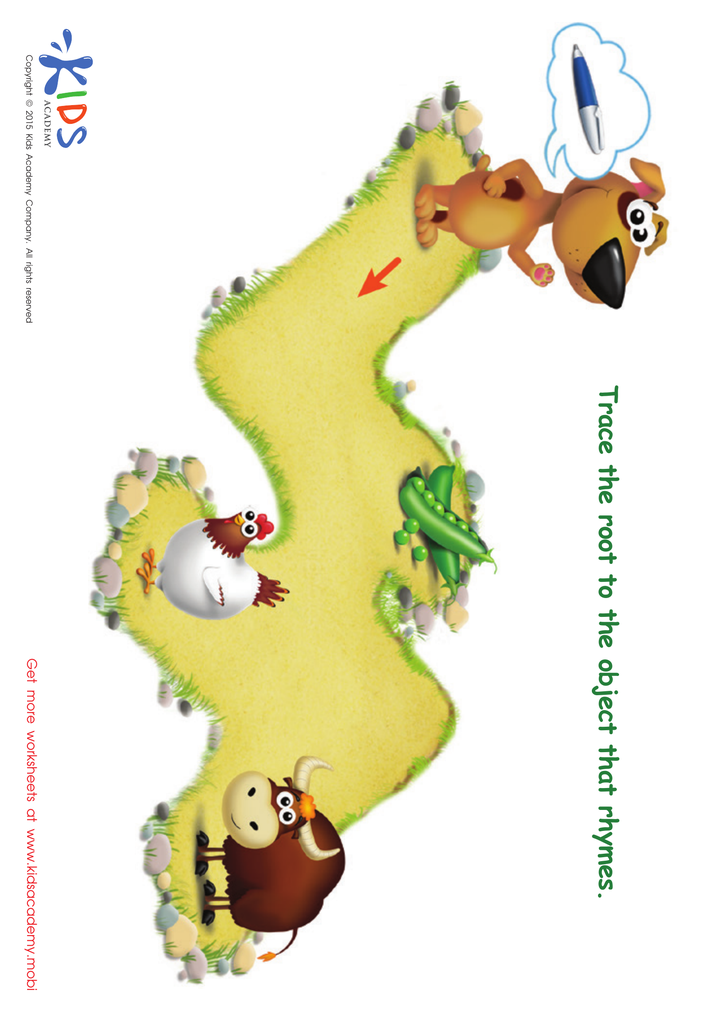
Pen Rhyming Words Worksheet
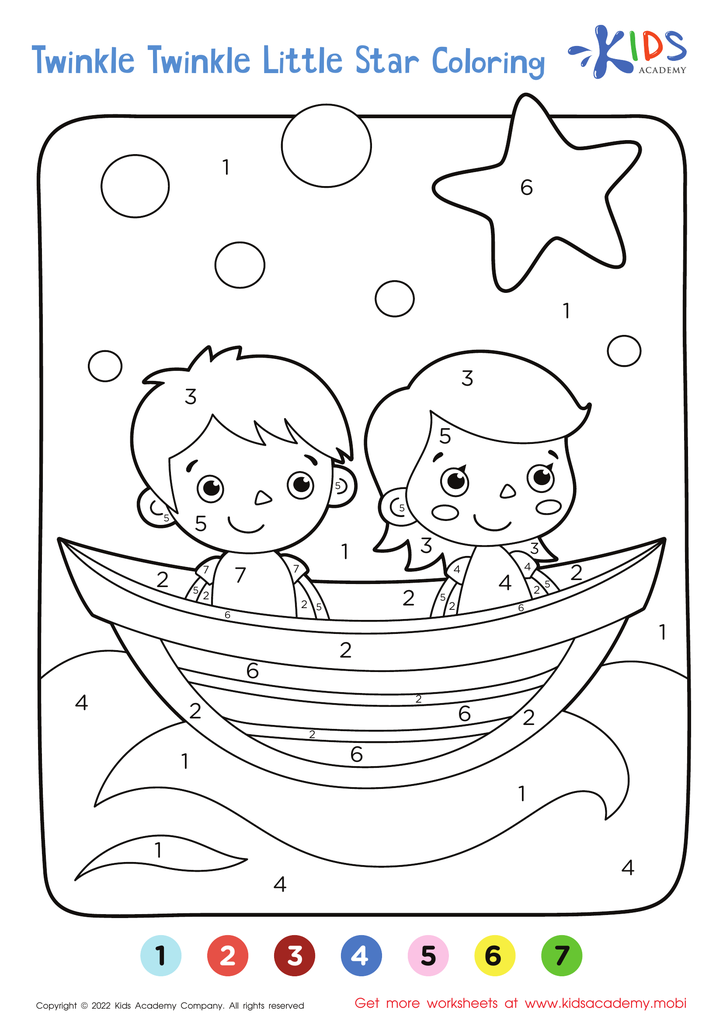
Twinkle, Twinkle, Little Star – Coloring by Numbers
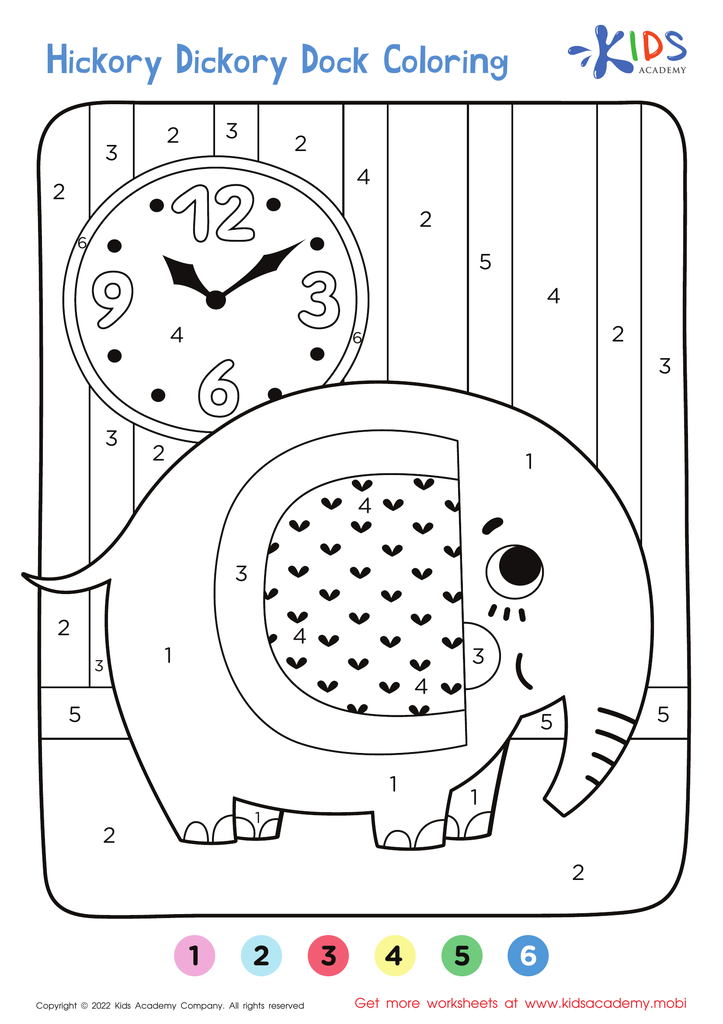
Hickory Dickory Dock – Coloring by Numbers
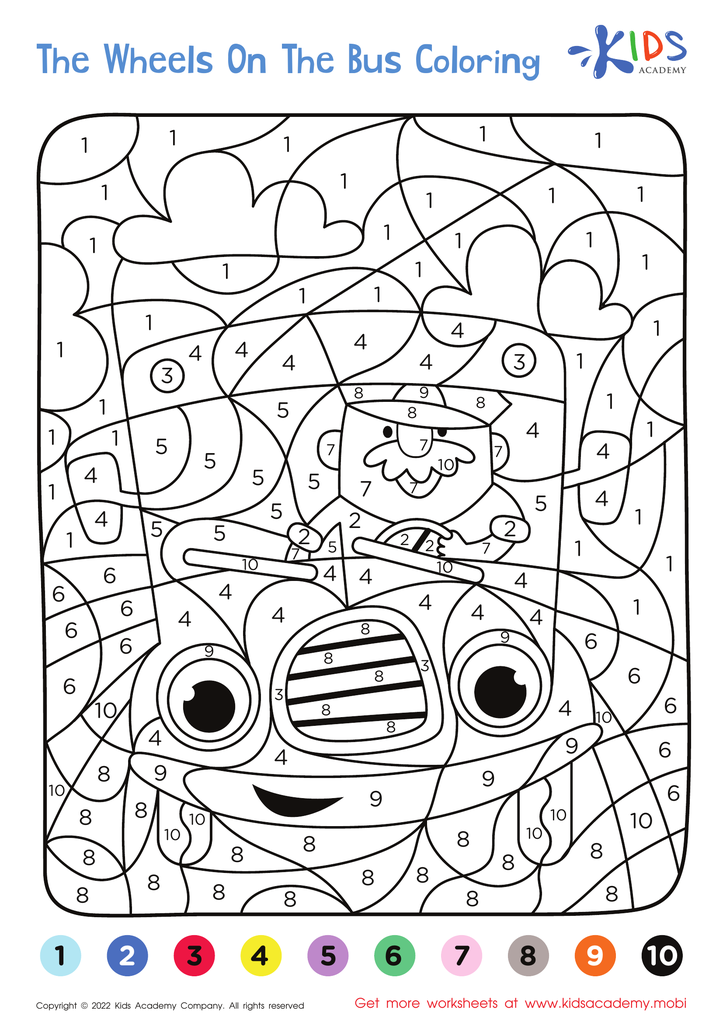
Wheels on the Bus – Coloring by Numbers
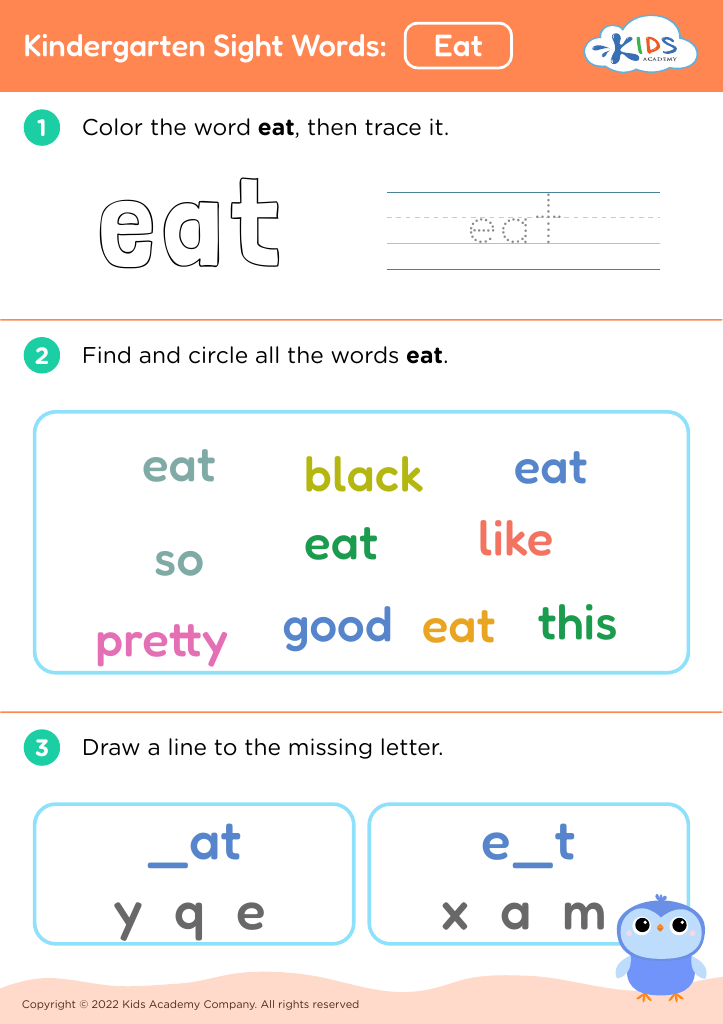
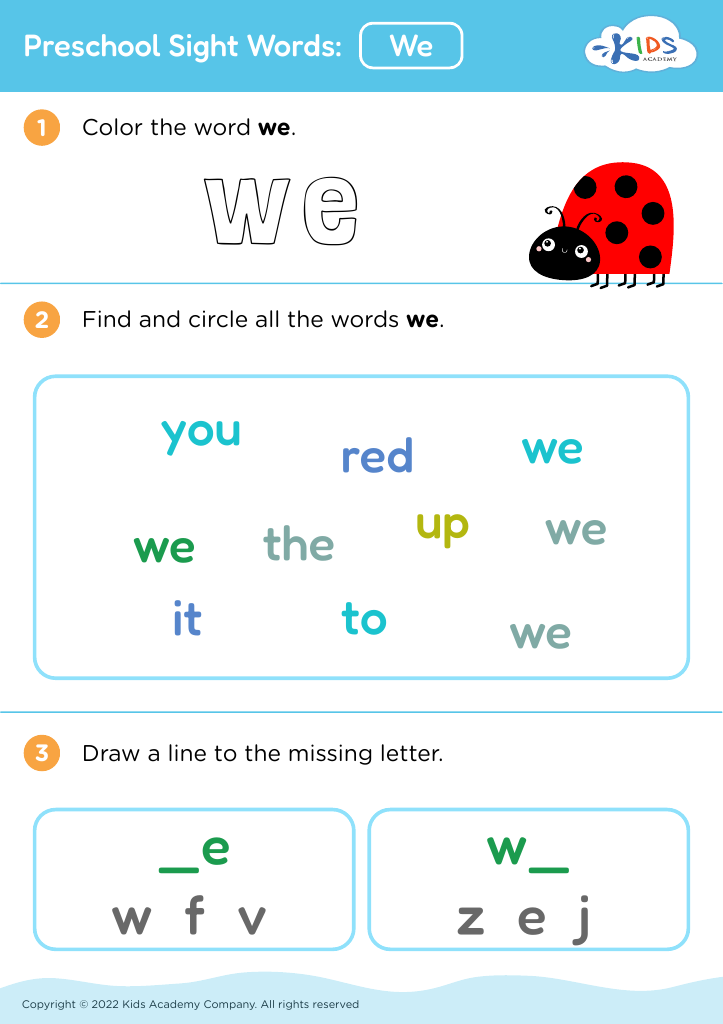
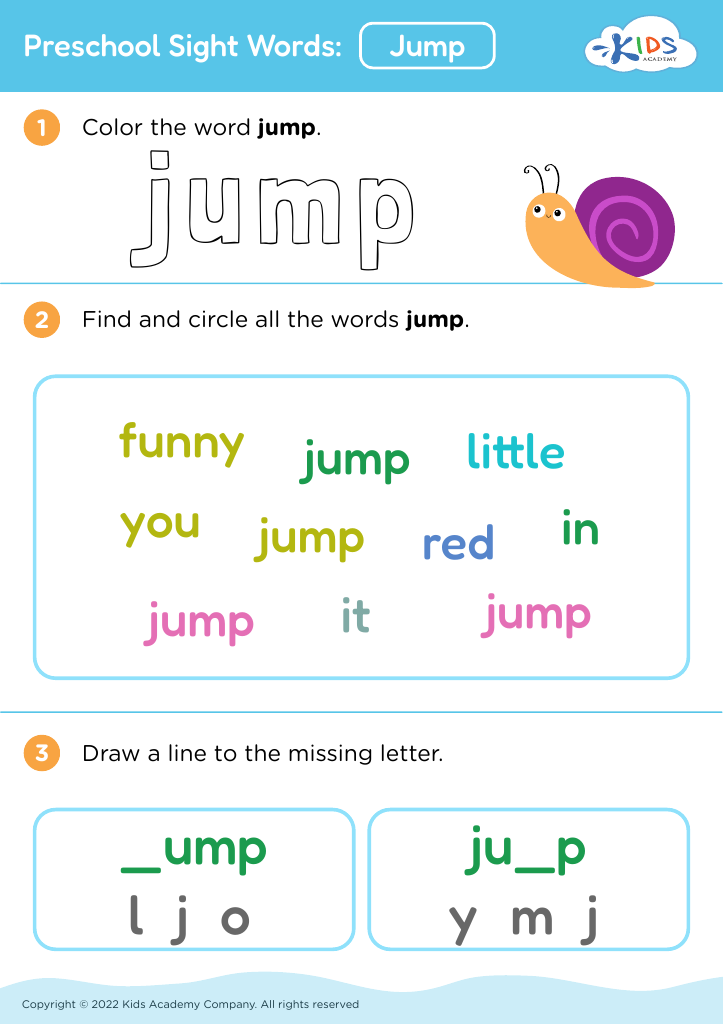
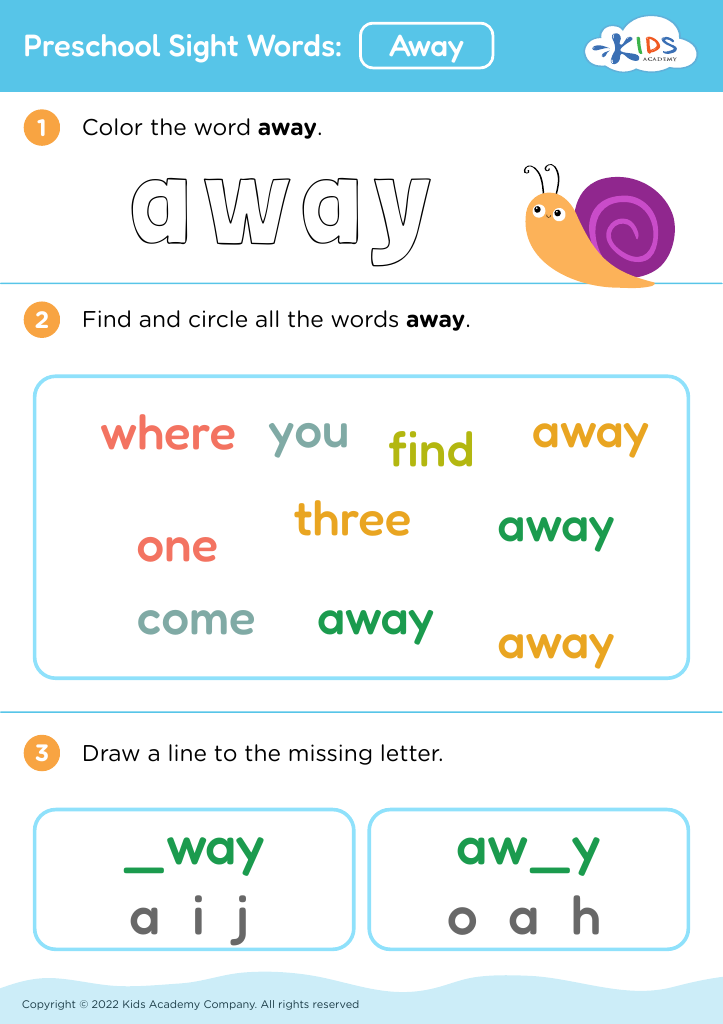



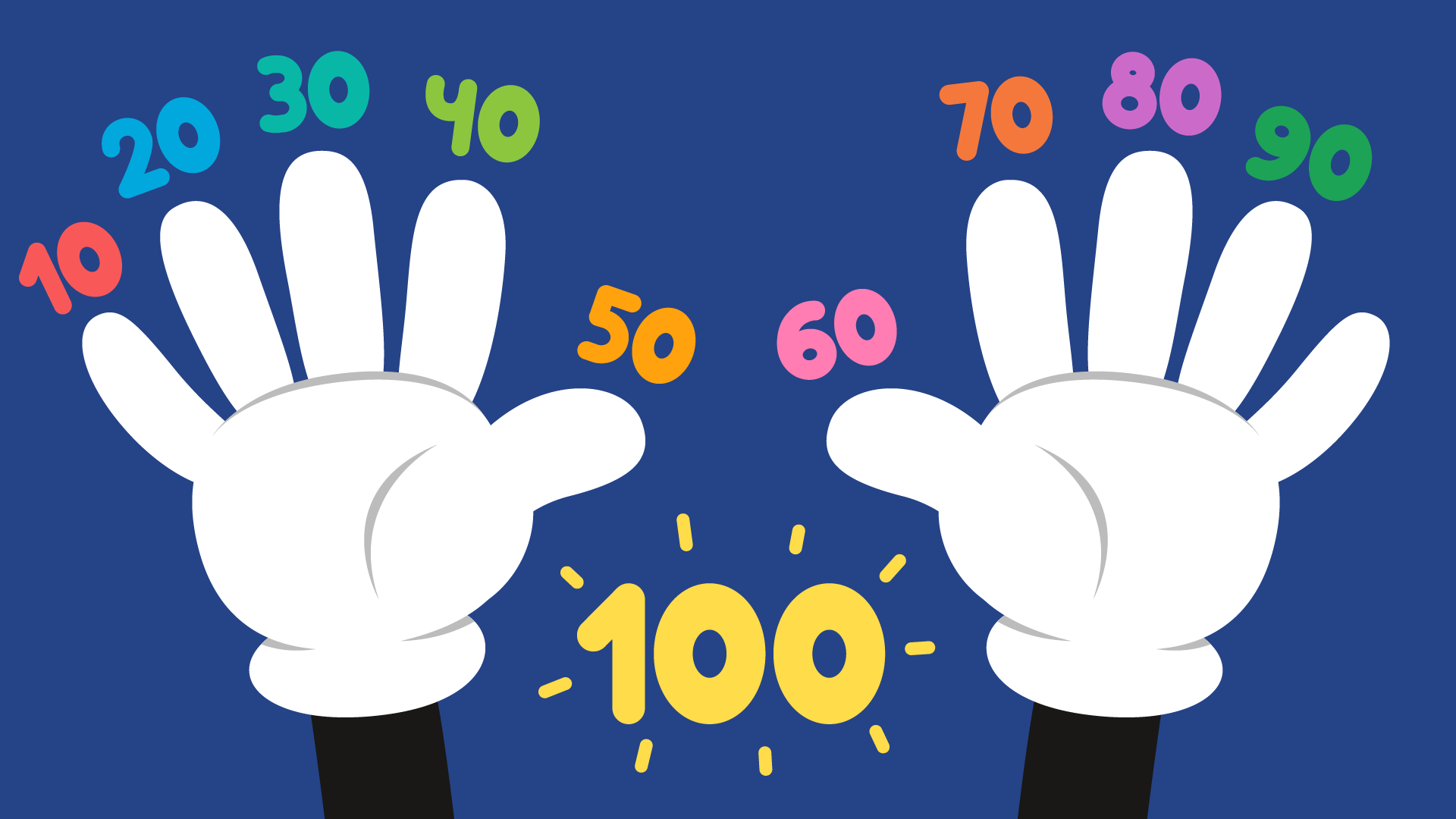




Fine motor skills are essential for young children's overall development, particularly for reading and writing. For 5-year-olds, these skills involve the small muscles in the hands and fingers, which are crucial for tasks such as holding a pencil, turning pages, and manipulating small objects.
Parents and teachers should care about fine motor skills because they lay the foundation for literacy. Children with strong fine motor skills are typically more adept at forming letters and words, which enhances their reading and writing abilities. Additionally, fine motor skills contribute to a child's confidence and independence in the classroom. As children develop these skills, they can participate more fully in learning activities and engage creatively with books.
Moreover, fine motor skills support cognitive development; the coordination required for these tasks is linked to improved focus, memory, and problem-solving abilities. Parents and teachers can foster fine motor growth through simple, fun activities such as coloring, cutting, building with blocks, or playing with playdough. By prioritizing fine motor skills, caregivers can create a rich learning environment that benefits children’s preparation for reading, ensuring they thrive academically and socially as they progress through their early education.








