Letter recognition Reading Worksheets for 5-Year-Olds
9 filtered results
-
From - To
Introducing our exciting Letter Recognition Reading Worksheets designed specifically for 5-year-olds! These engaging worksheets provide a fun and interactive way for young learners to identify and learn letter shapes, sounds, and corresponding words. Ideal for budding readers, the activities stimulate curiosity and reinforce early literacy skills through colorful graphics and enjoyable exercises. Build your child’s foundation in reading with alphabet tracing, matching games, and phonics practice. Perfect for at-home learning or classroom settings, our worksheets are crafted to support and enhance your child’s developmental milestones. Discover the joy of learning letters with our trusted resources!
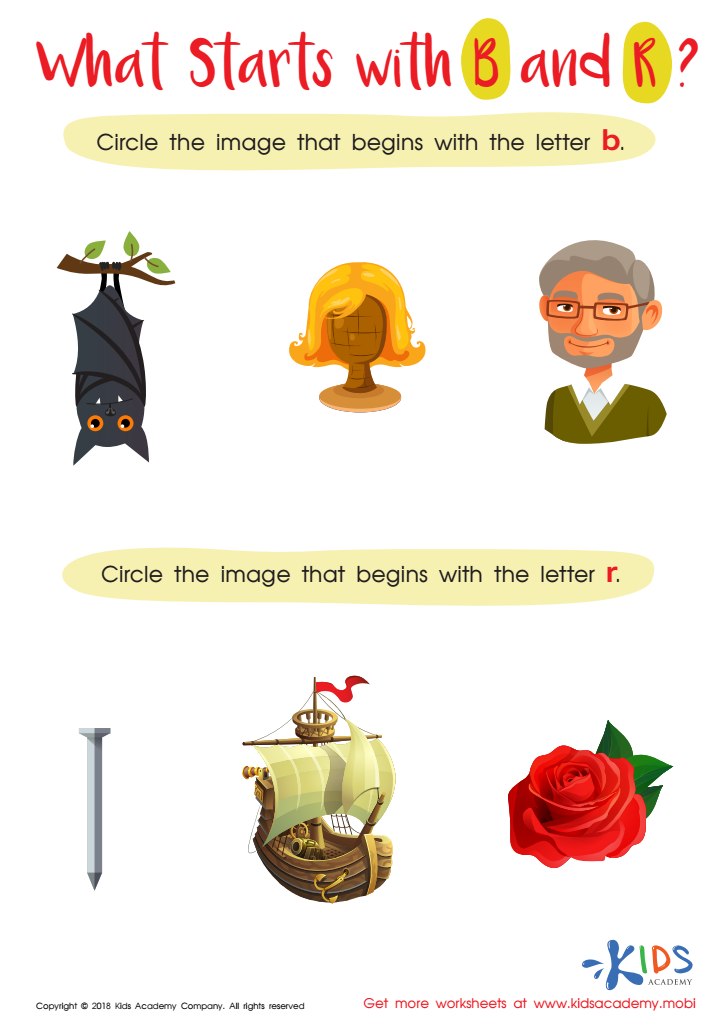
What Starts with B and R? Worksheet
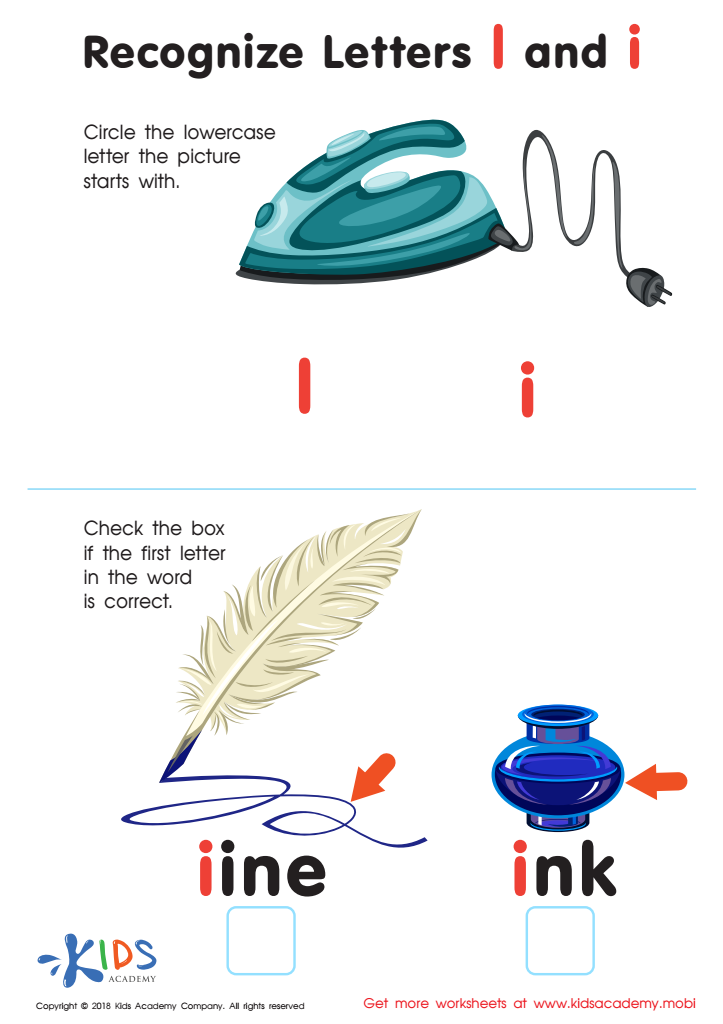
Recognize Letters l and i Worksheet

Long and Short U Worksheet
 Assign to My Students
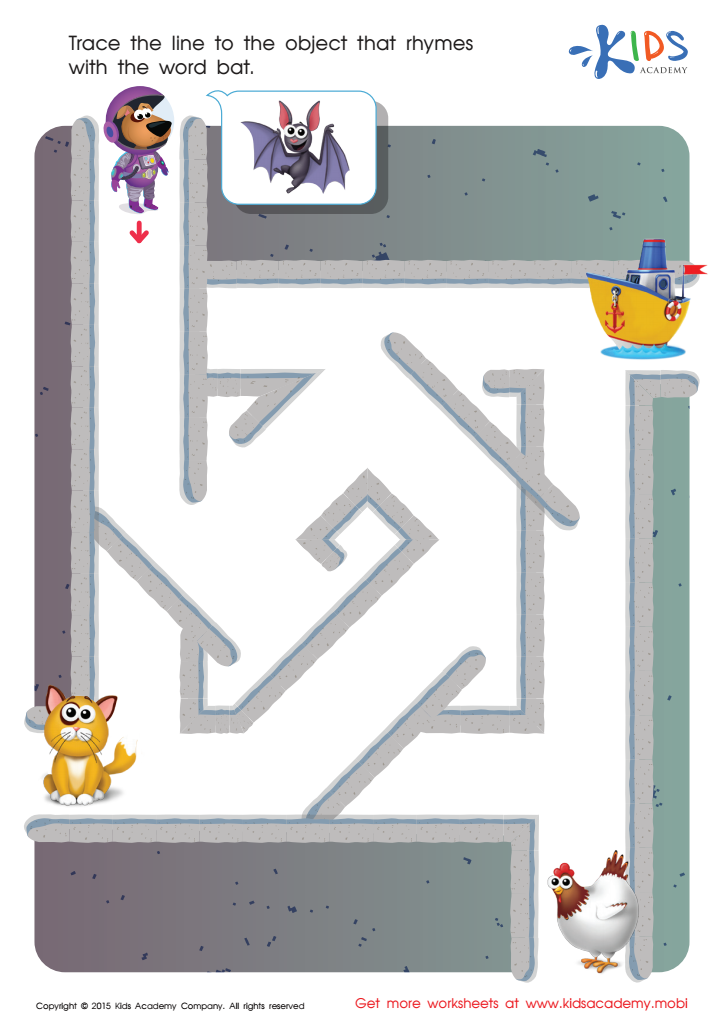
Bat Rhyming Words Worksheet
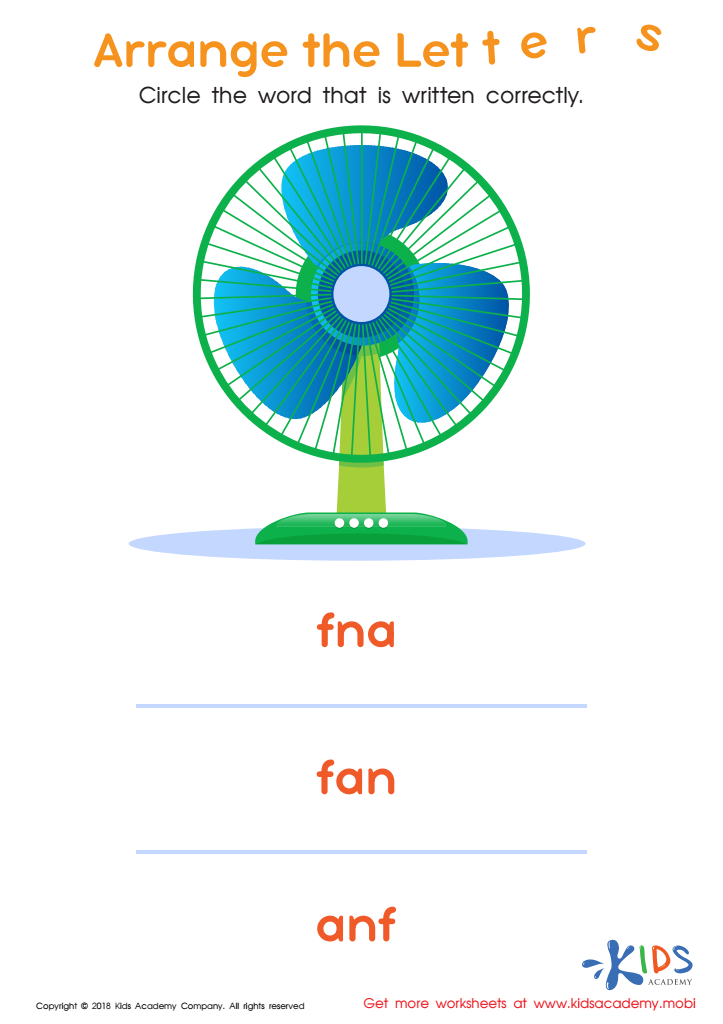
Arrange the Letters Worksheet
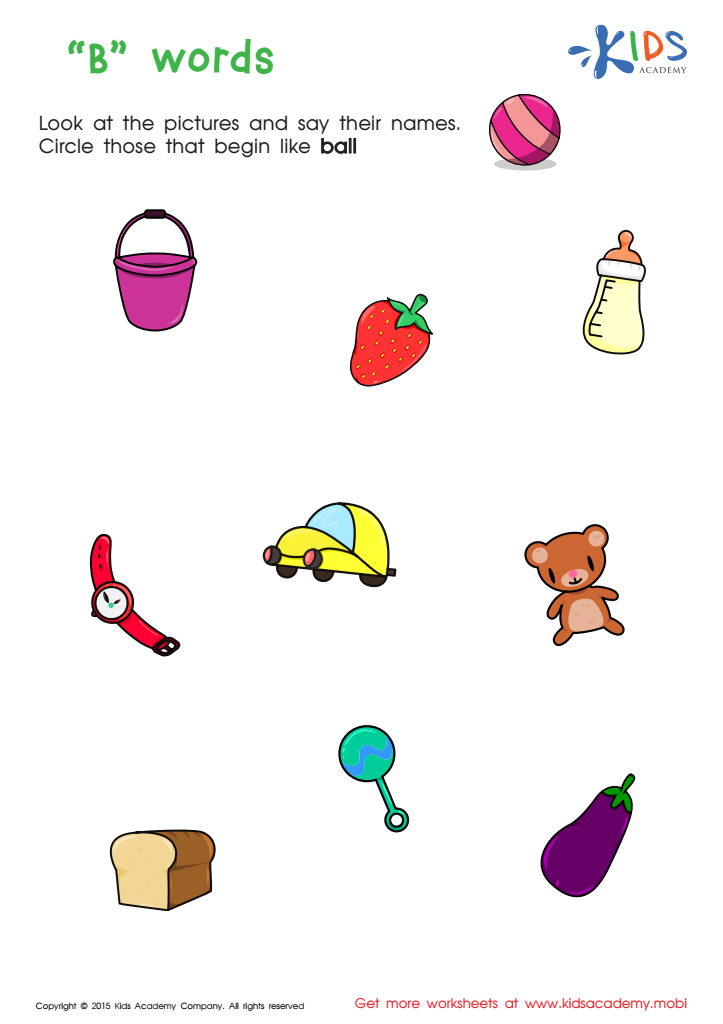
First Words Worksheet
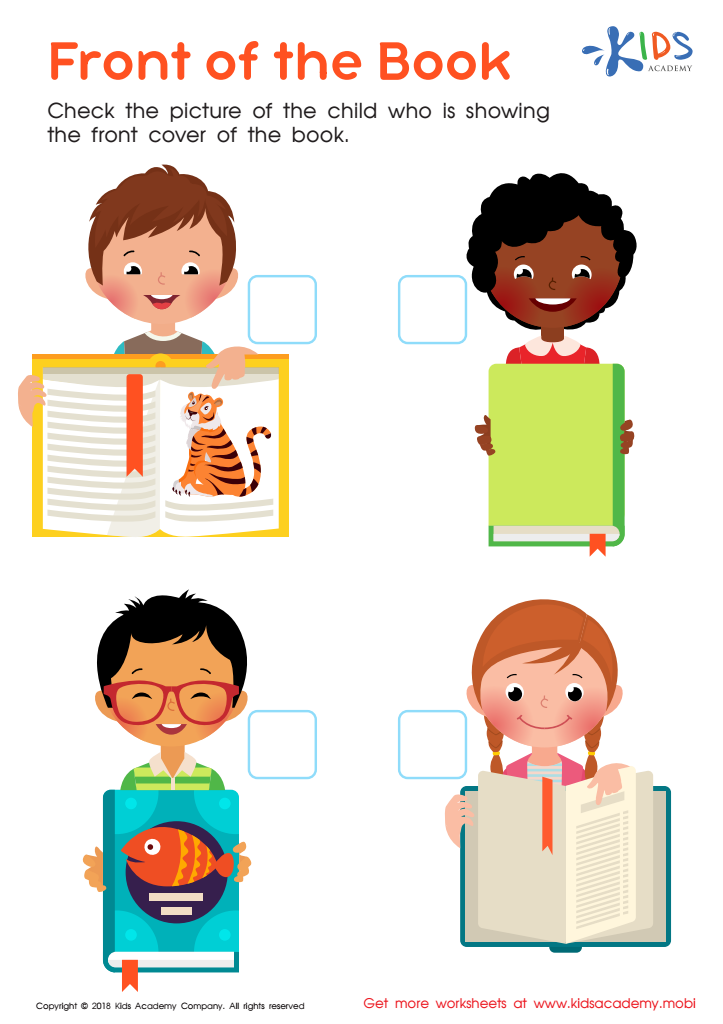
Front of the Book Worksheet
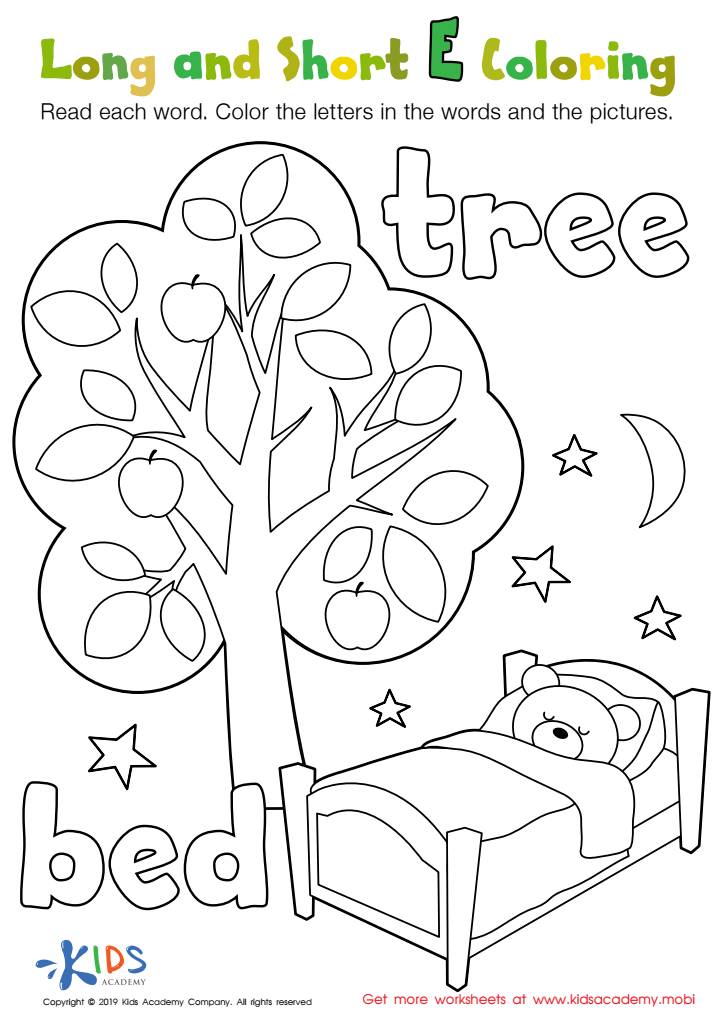
Long and Short E Worksheet
Assign to My Students
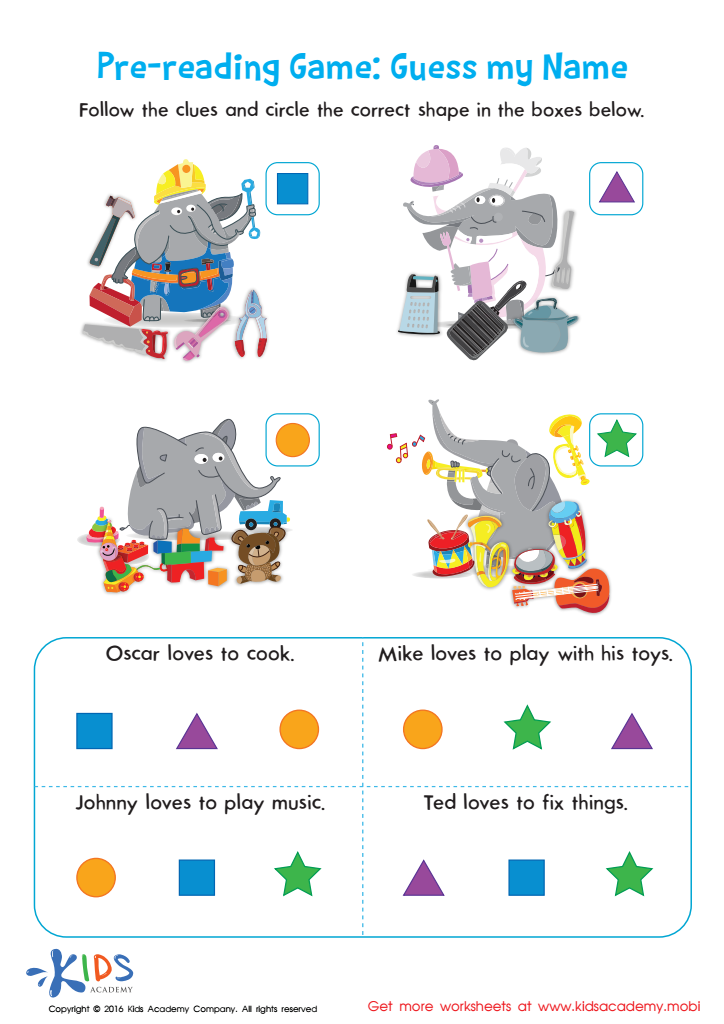
Pre Reading Worksheet Guess My Name




Letter recognition is a foundational skill for 5-year-olds that paves the way for successful reading and writing, making it a crucial area of focus for parents and teachers. At this age, children are in a critical stage of cognitive development where their brains are highly receptive to learning language. Knowing the alphabet and being able to identify letters by sight directly correlate with a child's ability to decode words. Early letter recognition is a strong predictor of future literacy skills, which are essential for academic success across subjects.
Understanding letters also helps children make the vital connection between written language and spoken language. Once children can recognize letters, they can begin to understand the relationship between specific letters and their corresponding sounds, enabling them to phonetically spell and read simple words.
Moreover, letter recognition boosts a child's confidence and fosters a love for reading. When children can recognize letters, they can pick out words in their environment, like on street signs or in books, making them feel more connected to the world around them.
For parents and teachers, investing time in activities that promote letter recognition—such as reading aloud, playing letter-based games, and encouraging writing practice—is a step toward equipping children with the skills they'll need for reading proficiency and lifelong learning.








