
Logical thinking Reading Worksheets for 5-Year-Olds
5 filtered results
Difficulty Level
Grade
Age
-
From - To
Subject
Activity
Standards
Discover our engaging Logical Thinking Reading Worksheets designed specifically for 5-year-olds. These fun and interactive worksheets enhance critical thinking and problem-solving skills while fostering a love for reading. With activities centered around logical connections, children will enjoy puzzles, pattern recognition, and categorization exercises that challenge their minds. Perfect for homeschooling or supplementary learning, these worksheets provide colorful visuals and age-appropriate content that keeps young learners motivated. Help your child develop essential cognitive skills as they explore the joys of reading and logic all in one place. Download now and cultivate a bright educational foundation for your little one!
Favorites
With answer key
Interactive
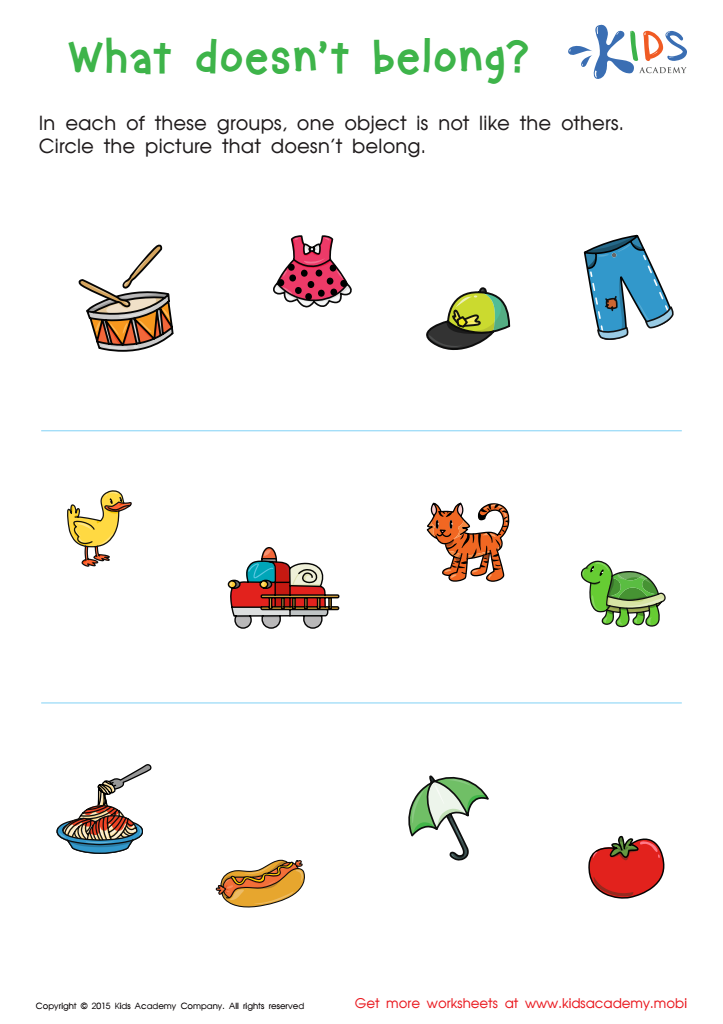
First Words: What Doesn't Belong Worksheet
Categorizing items is an important skill for little learners. Sorting and classifying objects helps kids make sense of the world. With this "what doesn't belong" worksheet, your child will practice problem-solving, strengthen categorization and improve logical reasoning skills. It's perfect for toddlers and preschoolers, with bright and exciting images giving their minds a challenging workout!
 Assign to My Students
First Words: What Doesn't Belong Worksheet
Worksheet
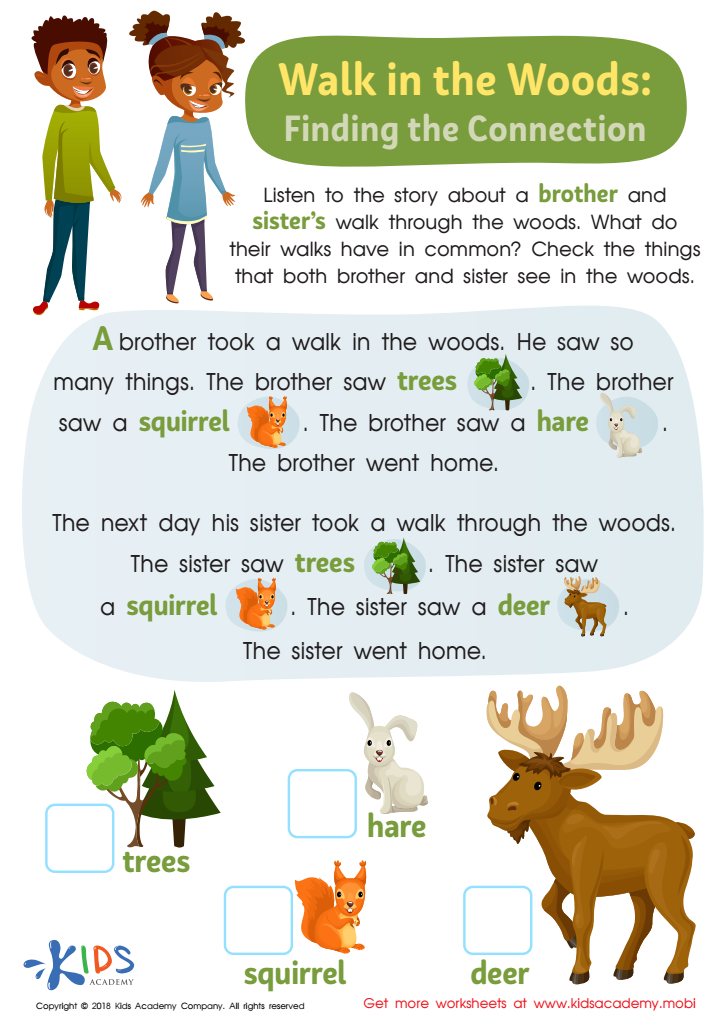
Walk In the Woods: Finding Connections Worksheet
Brother and sister took a walk in the woods to connect with nature and get some exercise. As they went, they noted different things like birds and plants, which they share in this story. Read it to your little ones, and help them check off the items the two saw. It's a great way to learn about nature and enjoy the outdoors.
Walk In the Woods: Finding Connections Worksheet
Worksheet
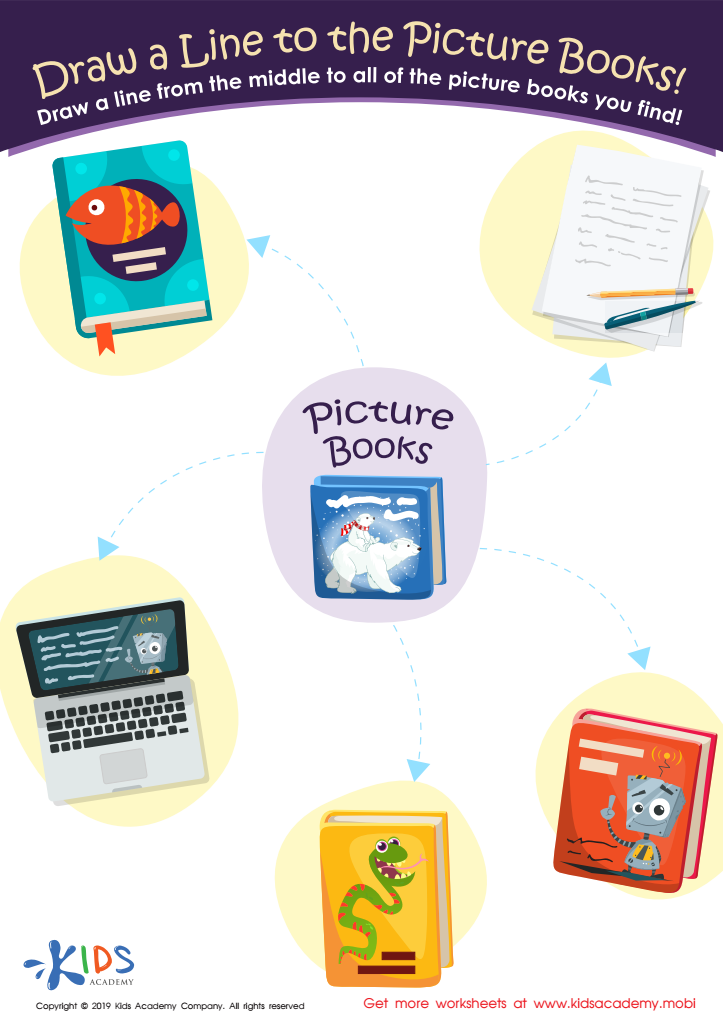
Draw a Line to the Picture Books Worksheet
Encourage your students to read and explore with this fun exercise! They'll draw a line from the word 'picture books' to the five objects. Picture books are exciting, with stories and colorful images. Make story time even more enjoyable with this worksheet!
Draw a Line to the Picture Books Worksheet
Worksheet
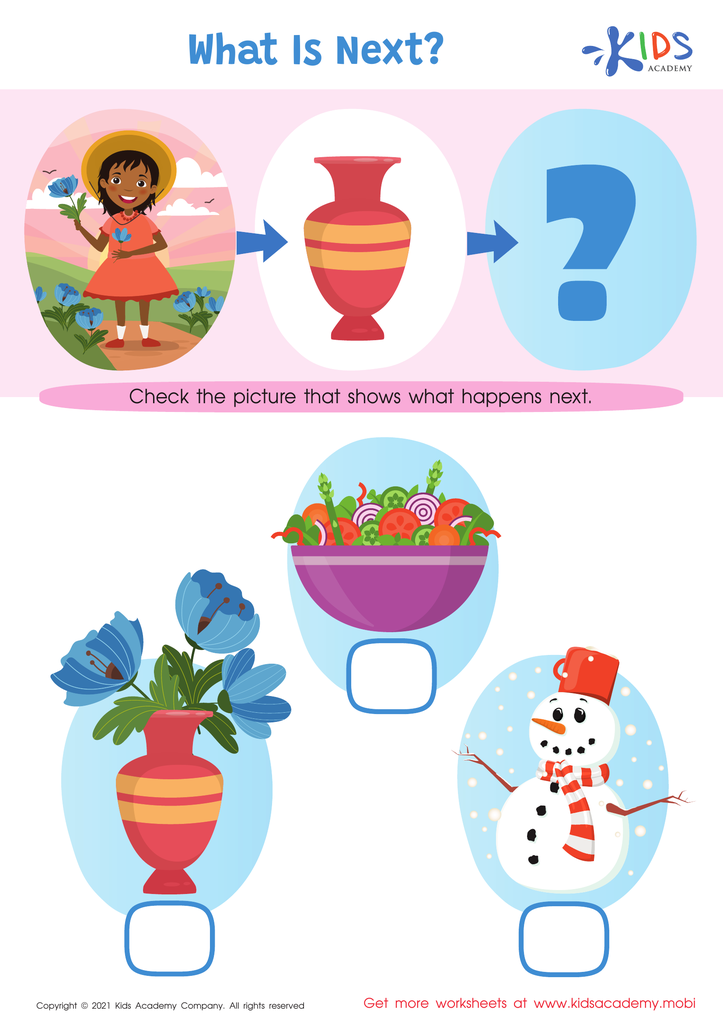
What is Next? Worksheet
The purpose of our company is to provide customers with the highest quality products and the best customer service experience in the industry.
We're committed to providing customers with excellent products and customer service. Our goal is to be the best in the industry.
What is Next? Worksheet
Worksheet
Join Kids Academy for Free
Who is primarily going to use this learning content?








Logical thinking is a crucial skill that lays the foundation for a child’s cognitive development, especially during their early years. At five years old, children are at a pivotal stage of their learning journey where they begin to make connections, solve problems, and think critically. When parents and teachers encourage logical thinking through reading, they foster skills such as reasoning, comprehension, and the ability to draw conclusions.
Reading books that challenge young minds allows children to engage with various scenarios and characters, sharpening their ability to think independently. Stories often present problems that need solving or conflicts that offer moral dilemmas, providing rich opportunities for discussion. As children analyze stories and predict outcomes, they develop a sense of cause and effect, helping them make sense of the world around them.
Moreover, logical thinking nurtures creativity and innovation. Those who can think logically tend to approach challenges methodically, ultimately enhancing their decision-making and social interaction skills. By prioritizing logical thinking through reading, parents and teachers equip children with essential tools for academic success and everyday problem-solving in an ever-evolving world. Encouraging this skill early ensures a strong foundation for lifelong learning.








