Understanding ecosystems Science Worksheets for 5-Year-Olds
4 filtered results
-
From - To
Discover the exciting world of ecosystems with our engaging Science Worksheets designed specifically for 5-year-olds! These vibrant, age-appropriate worksheets introduce young learners to the essentials of ecosystems, fostering a deep appreciation for nature. Through fun activities, children will explore the relationships between plants, animals, and their environments, enhancing their critical thinking skills. Each worksheet is crafted to stimulate curiosity and encourage exploration, making learning about ecosystems both enjoyable and educational. Ideal for classroom use or at-home learning, these resources provide a wonderful foundation for budding scientists. Download our Understanding Ecosystems worksheets today and watch your child's curiosity flourish!
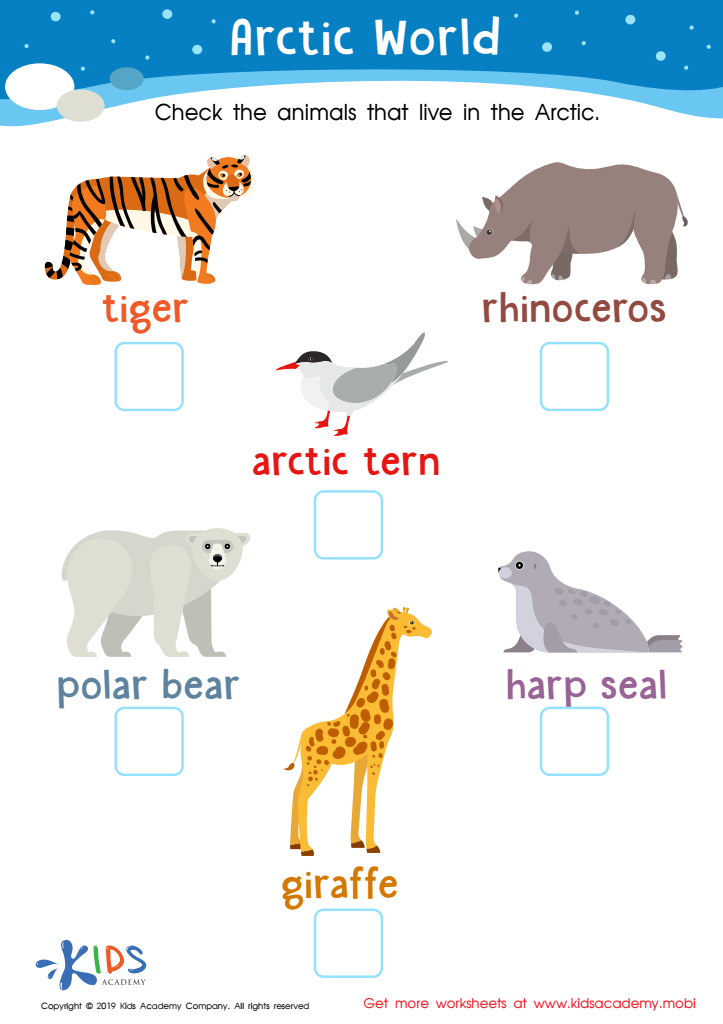
Arctic World Worksheet
 Assign to My Students
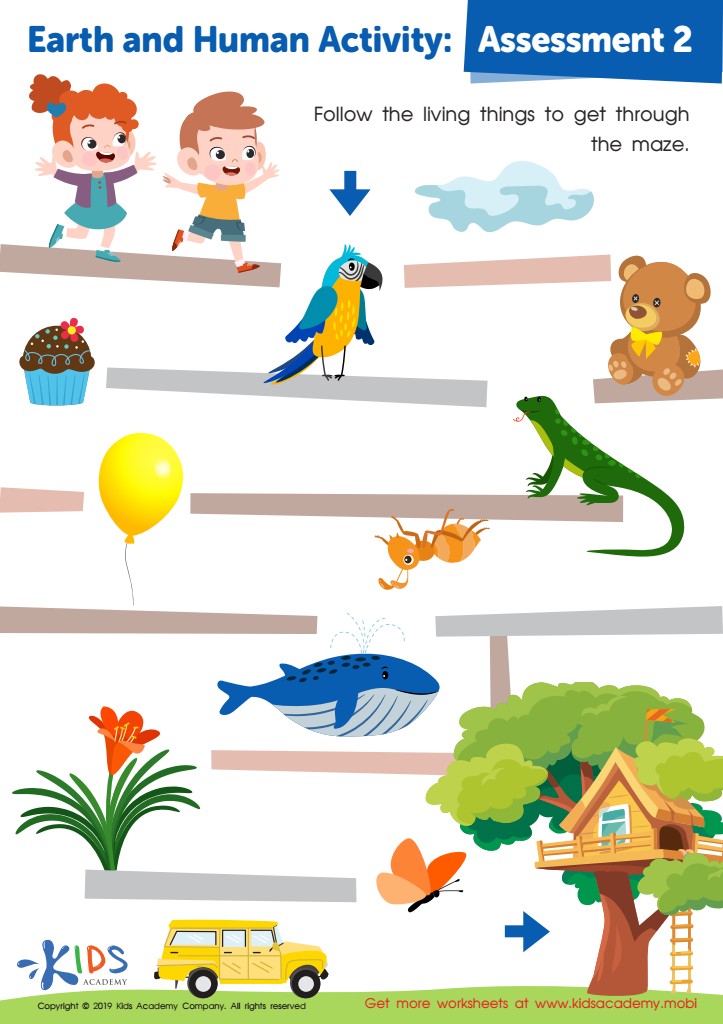
Earth and Human Activity: Assessment 2 Worksheet
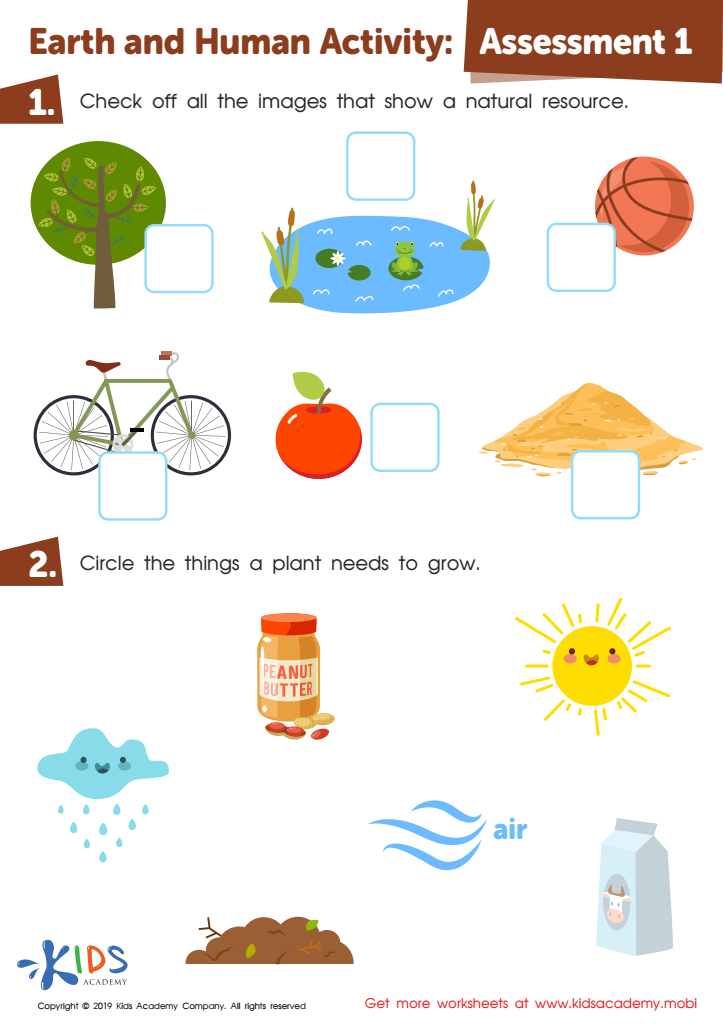
Earth and Human Activity: Assessment 1 Worksheet
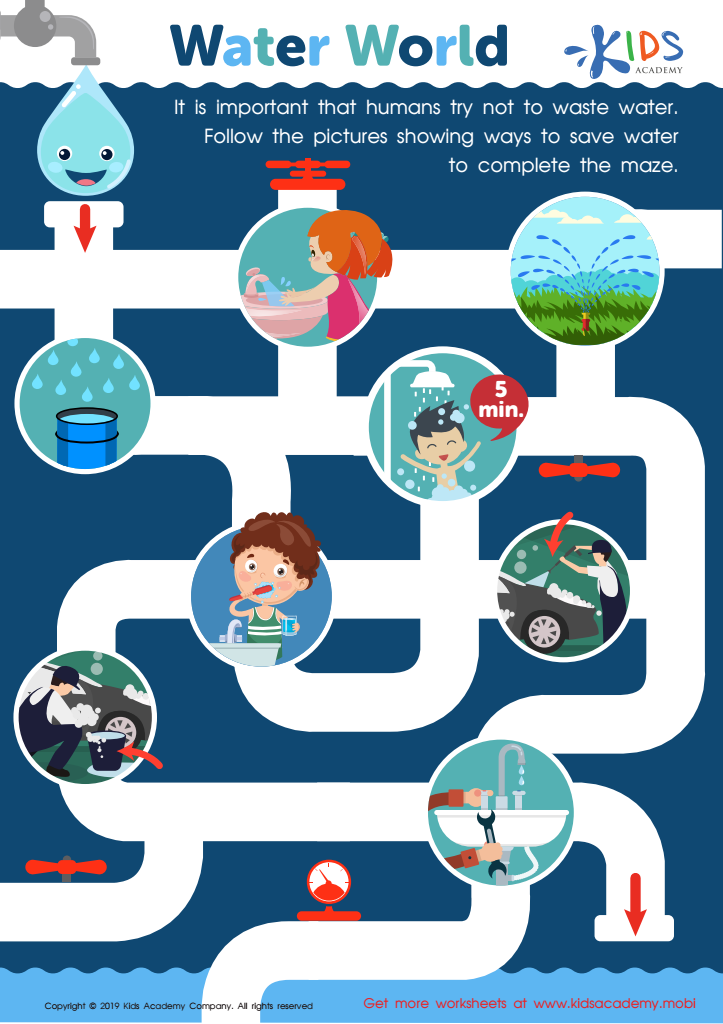
Water World Worksheet


%20(1).jpg)

.jpg)

Understanding ecosystems is crucial for 5-year-olds as it lays the foundation for their environmental awareness and appreciation of the natural world. At this age, children are naturally curious and eager to explore. Introducing them to ecosystems helps them understand the interconnectedness of living organisms, including plants, animals, and even humans. This understanding fosters a sense of responsibility and respect for nature, which is vital as they grow.
Parents and teachers should care about teaching ecosystems science because it promotes critical thinking, observational skills, and empathy. Engaging young learners in hands-on activities like exploring a garden, visiting a park, or watching a documentary can ignite their passion for the environment. It also encourages discussions about biodiversity and the importance of conservation, as children begin to recognize their role in protecting their planet.
Additionally, understanding ecosystems aligns with key educational standards that promote holistic thinking and interdisciplinary learning. By nurturing this knowledge early on, we empower children to become informed and proactive stewards of the environment, creating a generation that values sustainability and biodiversity. Ultimately, teaching kids about ecosystems fosters a culture of care for our planet and enhances their learning experiences across various subjects.







